






In This Article Show
If you garden in Zone 6, you know how unpredictable winter can be — mild one week, freezing the next. But that’s exactly why winter sowing is so rewarding. It’s one of my favorite cold-season projects because it feels like getting a head start on spring without needing grow lights or fancy equipment.
The first time I tried winter sowing, I doubted it would work. I filled a few milk jugs with soil and seeds, set them outside, and forgot about them. By March, tiny green sprouts were poking through the soil, perfectly timed with nature’s rhythm. Since then, it’s been part of my winter routine.
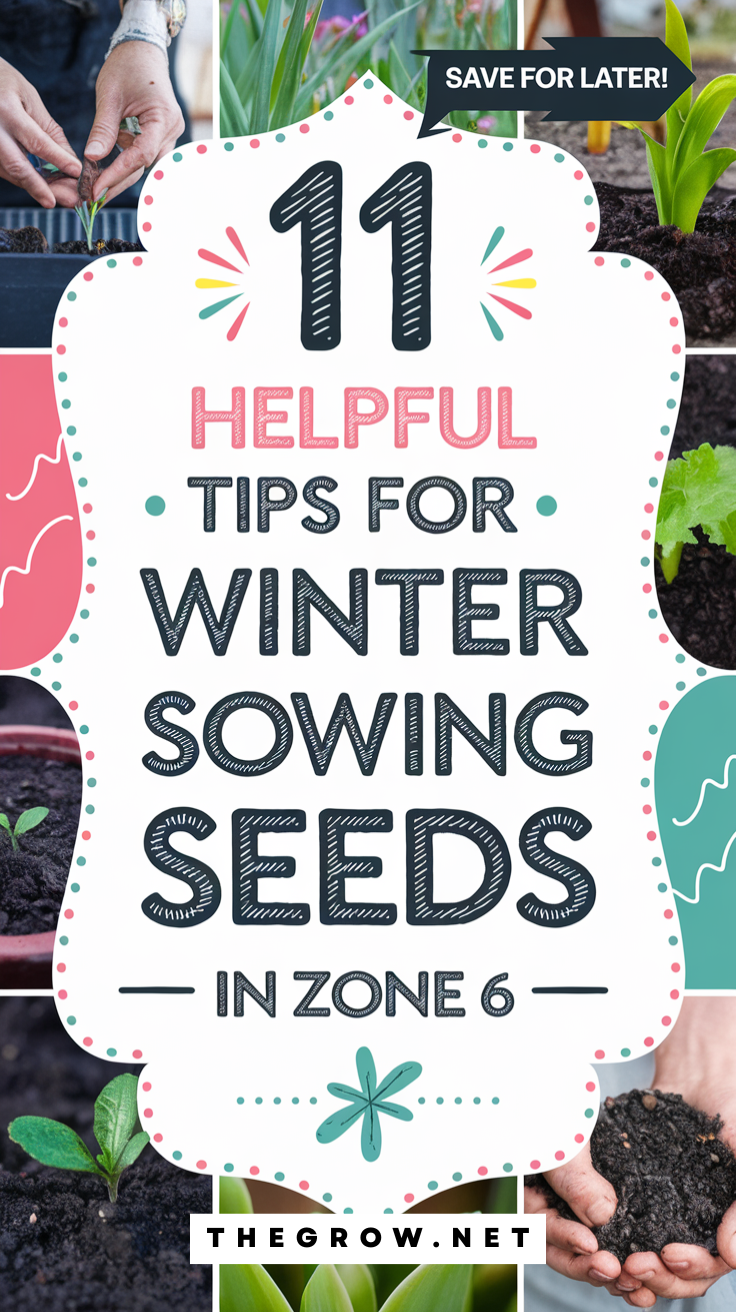
Here are 11 helpful tips I’ve learned for successful winter sowing in Zone 6 — so you can start your garden early, naturally, and with much less effort.
1. Choose the Right Seeds
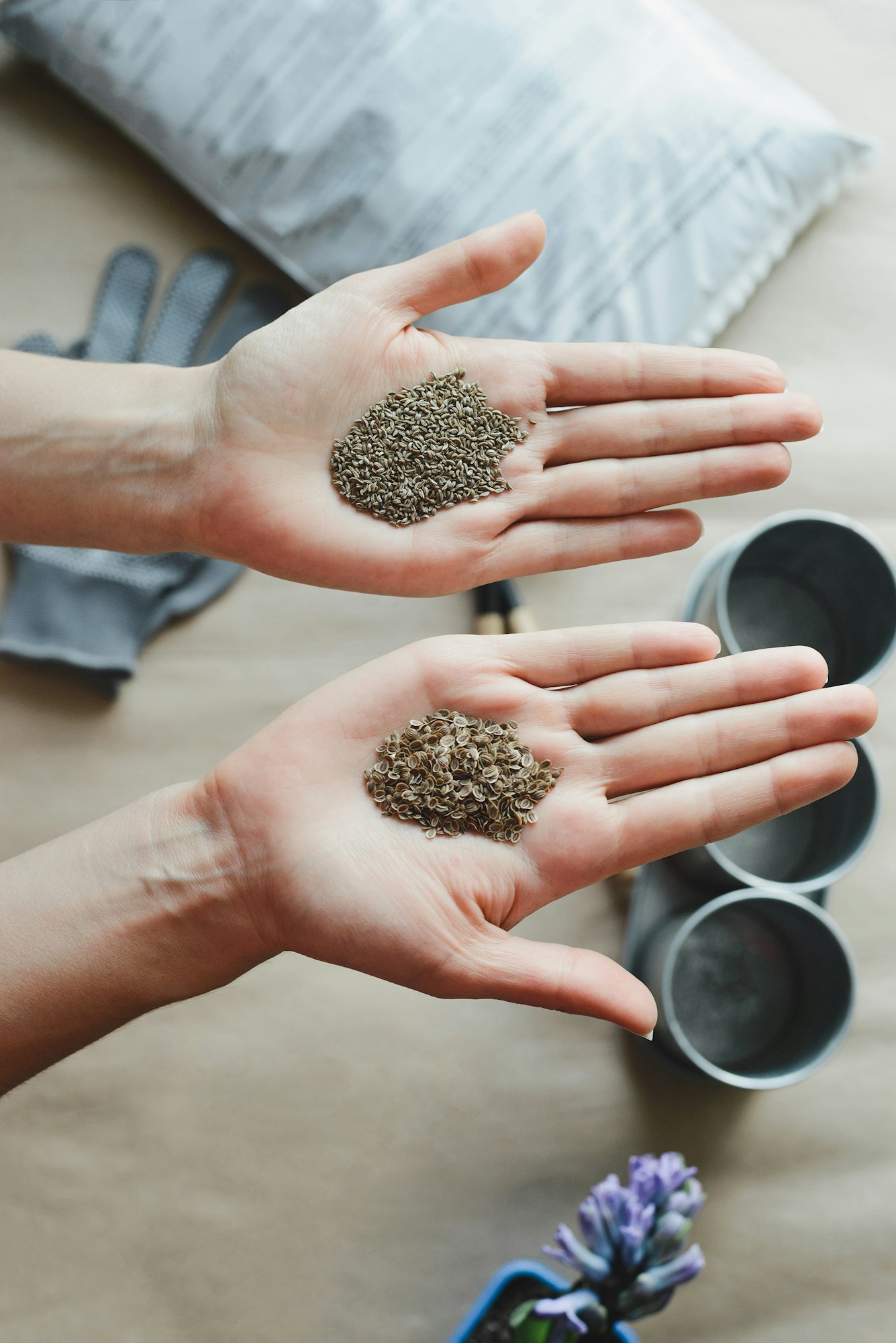
Not every seed thrives in winter conditions. Look for hardy, cold-tolerant plants that can handle freezing and thawing cycles.
Example: Try perennials like coneflowers, black-eyed Susans, milkweed, and columbine, or cool-season vegetables like kale, spinach, and lettuce.
Tip: Avoid heat-loving crops like tomatoes or peppers — they’ll just sit dormant or rot.
2. Use Recycled Containers
You don’t need anything fancy for winter sowing. Gallon milk jugs, clear juice bottles, or even rotisserie chicken containers make perfect mini-greenhouses.
Example: Cut them almost in half, leaving one side attached as a hinge, and poke several drainage holes in the bottom.
Tip: Make sure the lid is removed or has air holes so condensation can escape.
3. Pick the Right Time to Sow

In Zone 6, the best time to start winter sowing is between late December and mid-February — after consistent freezing nights have set in.
Example: I usually start around New Year’s Day. It’s cold enough that seeds won’t sprout early, but early enough to give them time to naturally stratify.
Tip: If you’re unsure, it’s safer to start later than too soon.
4. Use Quality Potting Mix
Garden soil is too heavy and compacts easily in closed containers. Instead, use a light, seed-starting mix that drains well.
Example: Mix peat moss or coco coir with perlite and a little compost for nutrients.
Tip: Slightly moisten the mix before sowing — not dripping wet, just damp like a wrung-out sponge.
5. Label Everything Clearly
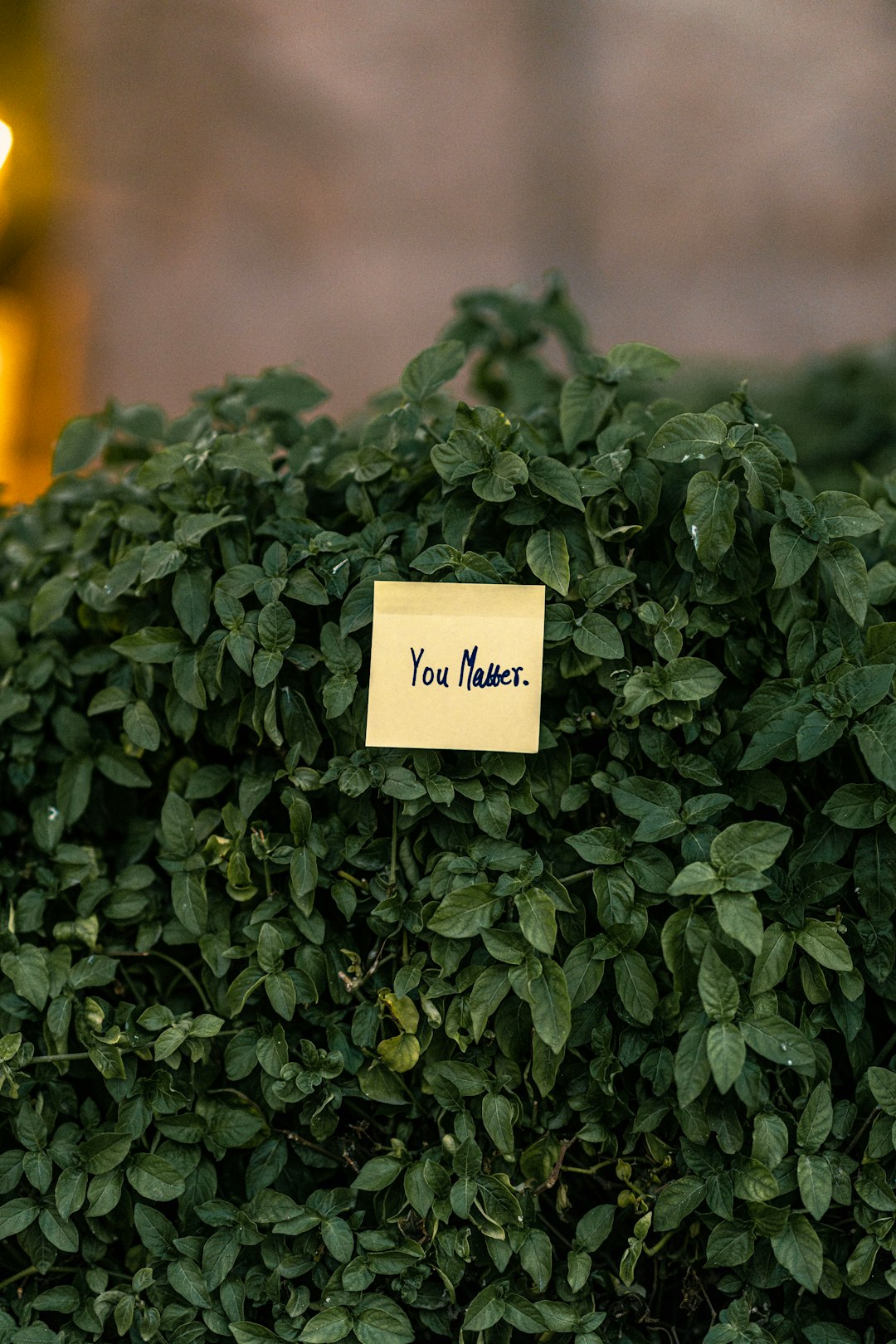
Snow and rain will blur ordinary ink in no time.
Example: I use UV-resistant garden markers and plastic plant tags pushed inside the containers, not just taped outside.
Tip: Label both inside and outside to avoid confusion later — trust me, it saves guessing games in spring.
6. Water Before Sealing
Water your containers thoroughly after planting but before closing them up. This keeps the soil evenly moist as it freezes and thaws.
Example: Pour until water runs out of the drainage holes, then let it drain before sealing.
Tip: Don’t reopen to water again until seedlings appear — the snow and rain will do that naturally.
7. Place Containers Outdoors in a Safe Spot

Your mini-greenhouses need full sun but also some wind protection.
Example: I line mine up against a south-facing fence or wall where snow piles up slowly.
Tip: Avoid low spots that collect water or freeze solid — good drainage matters.
8. Trust Nature’s Timing
One of the best things about winter sowing is how self-regulated it is. Seeds sprout exactly when the weather tells them to.
Example: Even if there’s a warm spell in February, don’t panic if nothing happens yet — they’re just waiting for consistent warmth.
Tip: Resist the urge to bring containers inside early; patience is part of the process.
9. Check for Germination in Early Spring

When days get longer and temperatures rise, you’ll start seeing tiny sprouts.
Example: In Zone 6, this usually happens around late March or early April.
Tip: Once seedlings appear, open the lids during warmer days to provide airflow and prevent mold.
10. Transplant at the Right Time
Don’t rush to transplant seedlings the moment you see green. They need time to toughen up in outdoor conditions.
Example: I wait until seedlings have at least two sets of true leaves and the threat of hard frost has passed.
Tip: Harden them off by opening the lids fully for a week before transplanting.
11. Keep Learning Each Season
Every winter sowing season teaches you something new — which containers work best, which seeds thrive, and how early to start.
Example: One year, I discovered my lettuce grew better in shaded spots while my milkweed loved full sun.
Tip: Keep a simple notebook to track what works so next year’s sowing is even easier