





In This Article Show
You know that feeling when you see pictures of the Italian countryside—the warm stone walls, the terracotta pots, the fragrant herbs spilling onto pathways? I get that longing too, wishing I could transport that feeling to my own backyard.
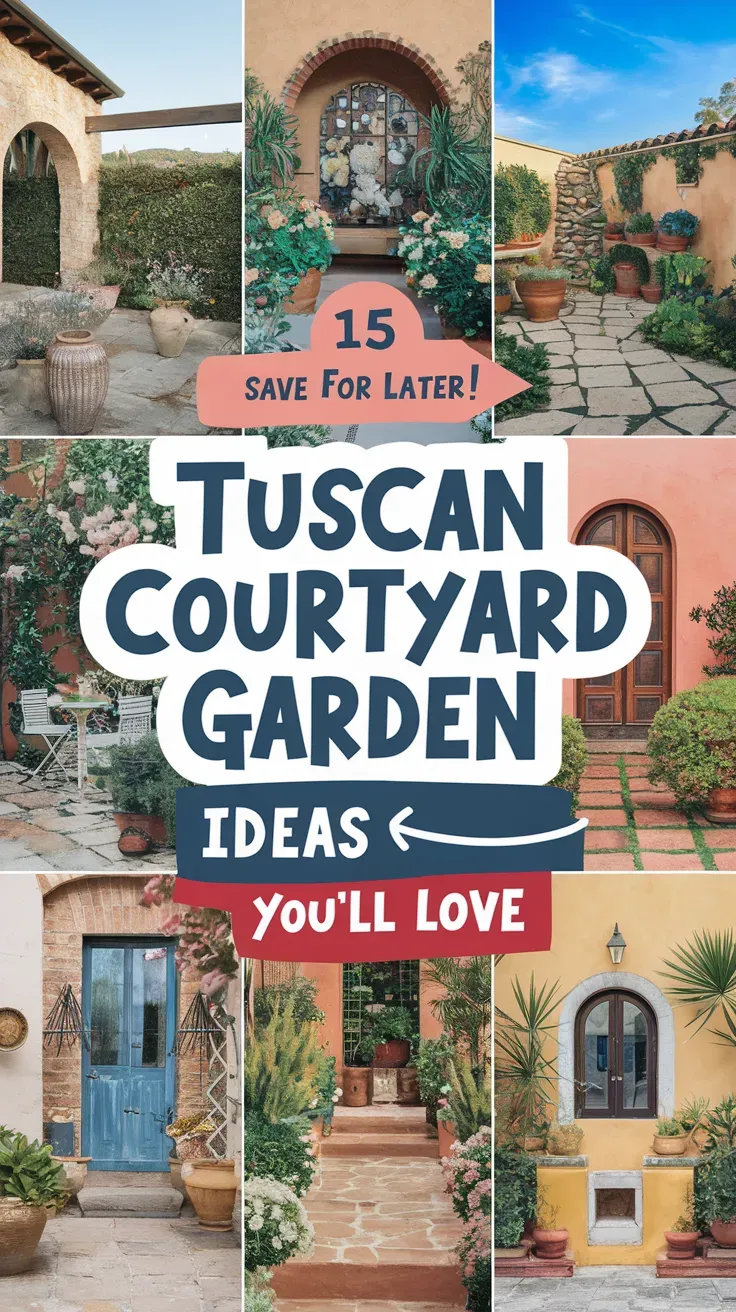
Here’s the thing: you don’t need to live in Tuscany to have a Tuscan garden. The style is all about warm materials, relaxed plantings, and a sense of timelessness.
It’s welcoming and lived-in, not perfect and manicured. In this post, I’ll walk you through fifteen Tuscan courtyard garden ideas that bring that Italian countryside charm to your own home.
1. Terracotta Pot Clusters
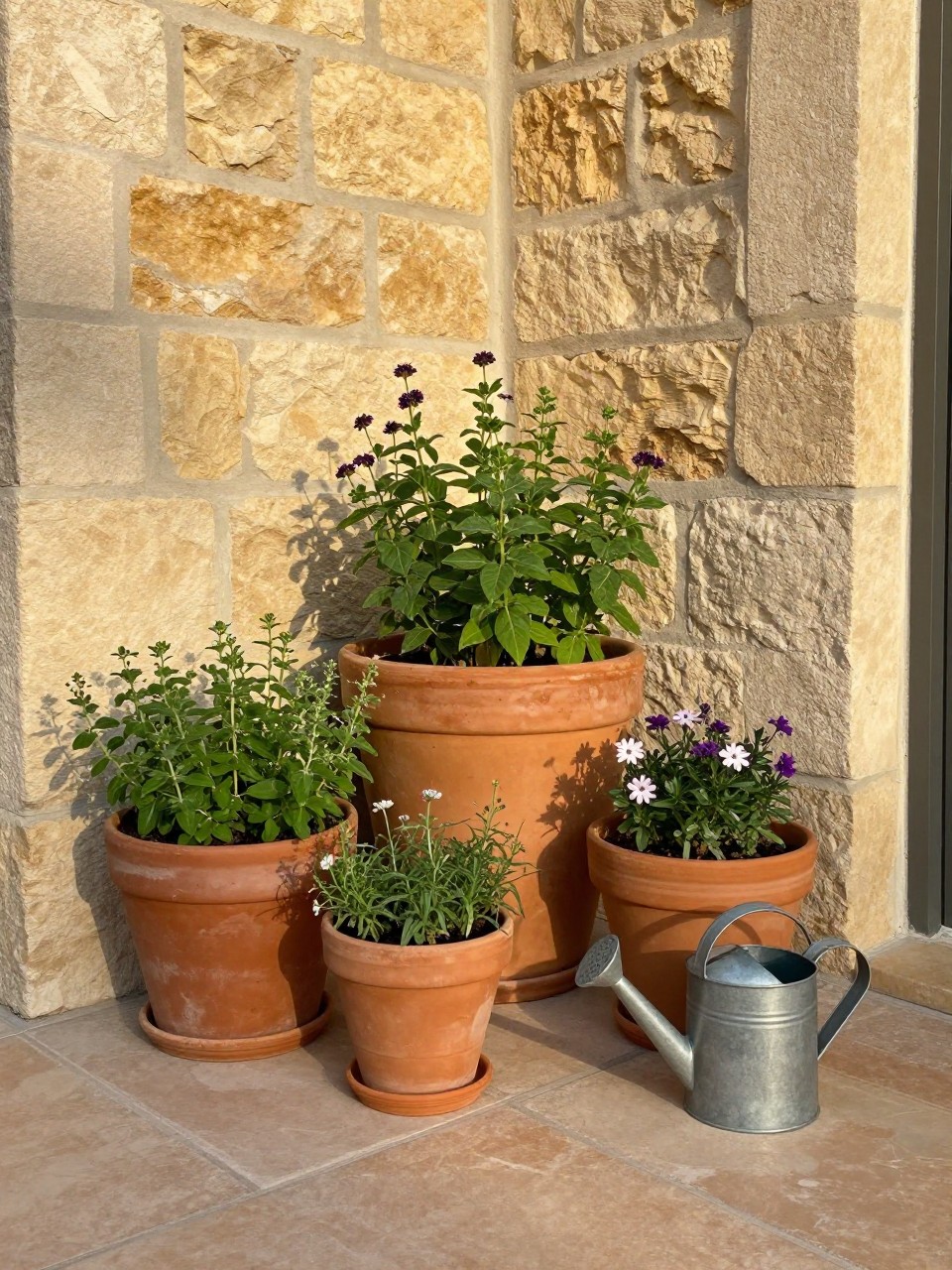
Groups of terracotta pots in various sizes create that classic Tuscan look. The warm clay tones against stone or gravel feel like they’ve been there for generations.
How this idea works:
- Step 1: Collect terracotta pots in different sizes, from small to large, with a mix of shapes.
- Step 2: Arrange them in clusters of odd numbers—three, five, or seven—in corners or along pathways.
- Step 3: Plant each with Mediterranean herbs like rosemary, lavender, and oregano.
- Step 4: Let the pots develop a natural patina of moss and weathering over time.
2. Gravel Path with Stone Edging
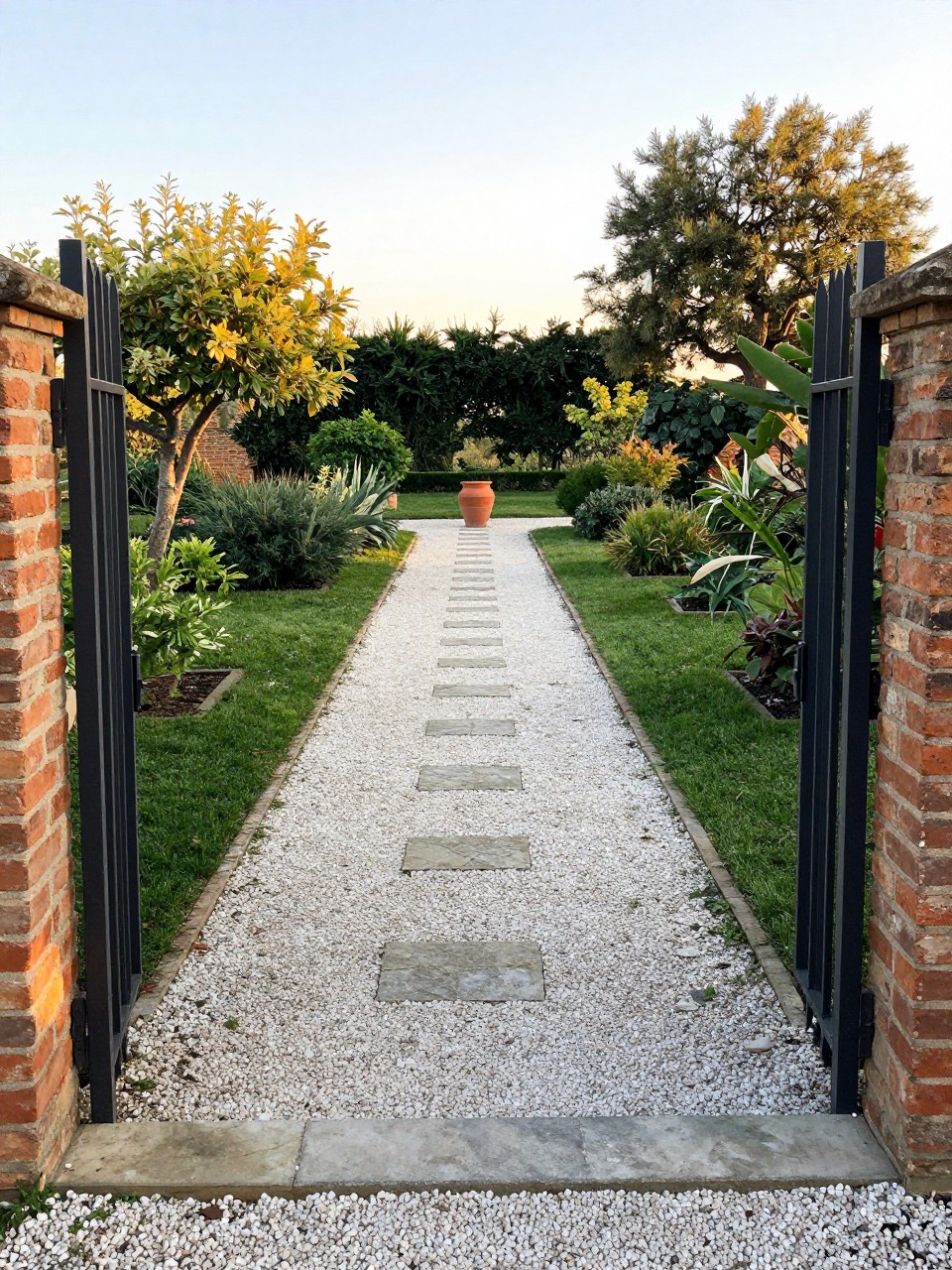
A simple gravel path edged with local stone feels authentic and timeless. It invites you to wander through the garden.
How this idea works:
- Step 1: Mark out a winding path through your courtyard and dig a shallow trench for edging.
- Step 2: Set fieldstones or river rocks along the edges to define the path.
- Step 3: Fill the path with pea gravel and rake smooth.
- Step 4: Plant low herbs like thyme along the edges to soften the stone.
3. Wrought Iron Accents
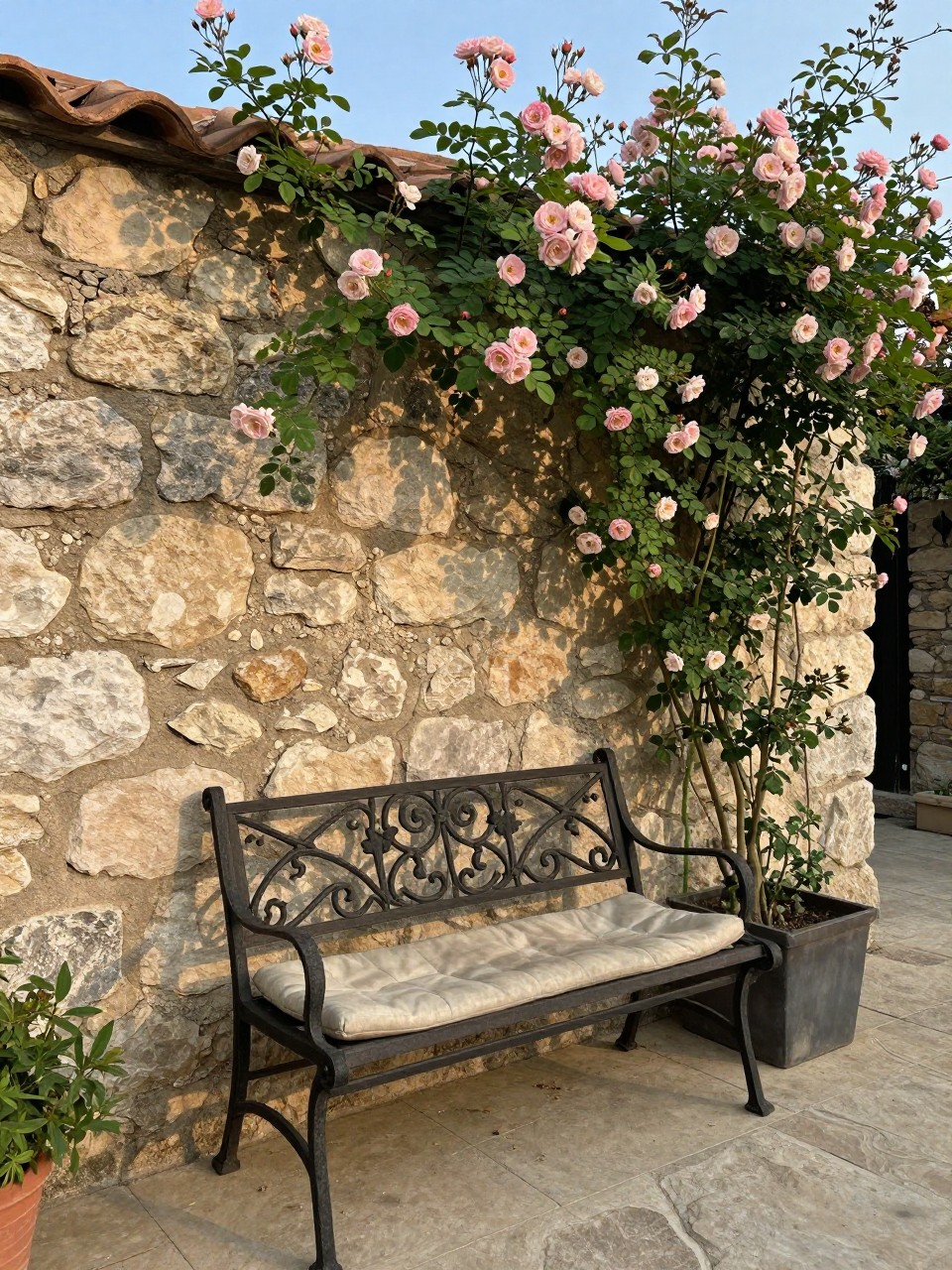
Wrought iron adds that old-world Italian touch. A bench, arbor, or small table in black iron fits right into the Tuscan aesthetic.
How this idea works:
- Step 1: Choose one or two wrought iron pieces—a bench, bistro set, or small arbor.
- Step 2: Place them where they’ll be visible and usable, like under a tree or against a wall.
- Step 3: Let climbing plants like roses or jasmine grow over iron structures.
- Step 4: Keep the iron natural or paint it black for traditional contrast.
4. Olive Trees in Terracotta
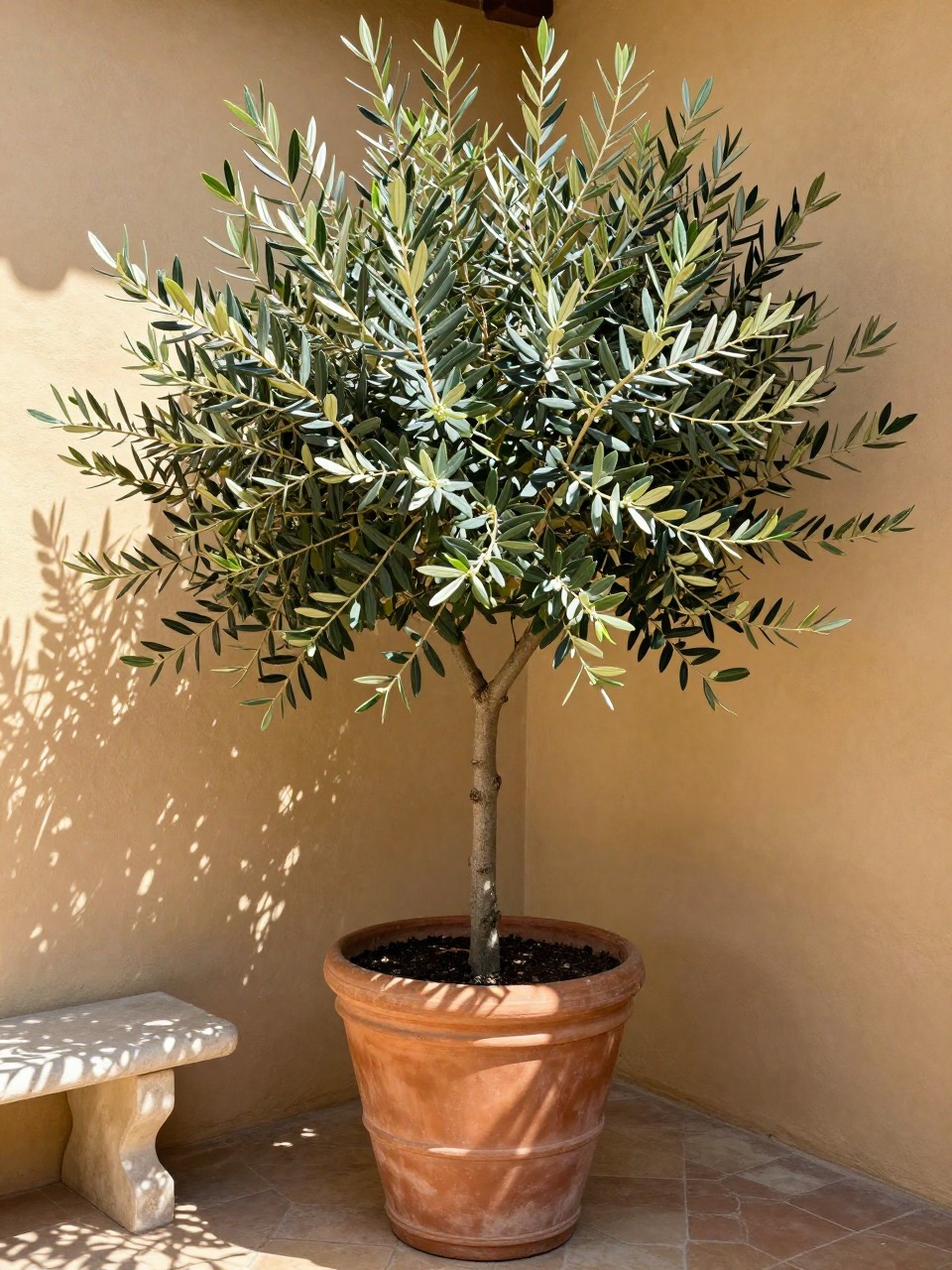
Nothing says Tuscany like an olive tree. Even in smaller courtyards, a potted olive tree makes a powerful statement.
How this idea works:
- Step 1: Choose a dwarf or standard olive tree in a large terracotta pot.
- Step 2: Place it in a sunny spot where it can be the focal point.
- Step 3: Underplant with low lavender or thyme around the base.
- Step 4: Water deeply but infrequently once established.
5. Stone Fountain Centerpiece
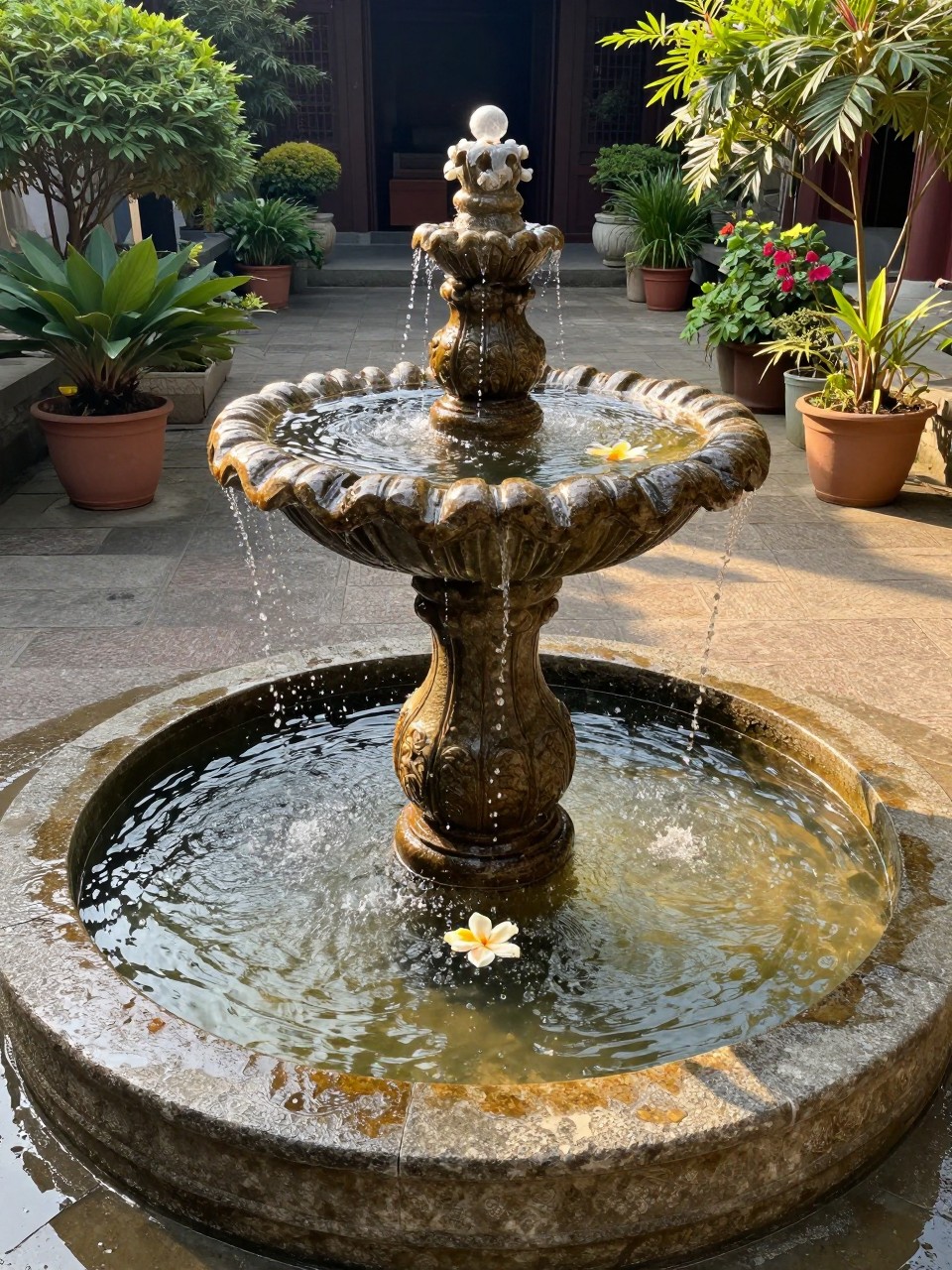
The sound of water is essential in a Tuscan garden. A simple stone fountain becomes the heart of the courtyard.
How this idea works:
- Step 1: Choose a stone fountain in a classic style—a tiered design or a simple wall spout with a basin.
- Step 2: Place it where it can be seen and heard from main seating areas.
- Step 3: Surround it with low plants and smooth stones.
- Step 4: Keep the water clean and running for constant peaceful sound.
6. Herb Spiral Garden
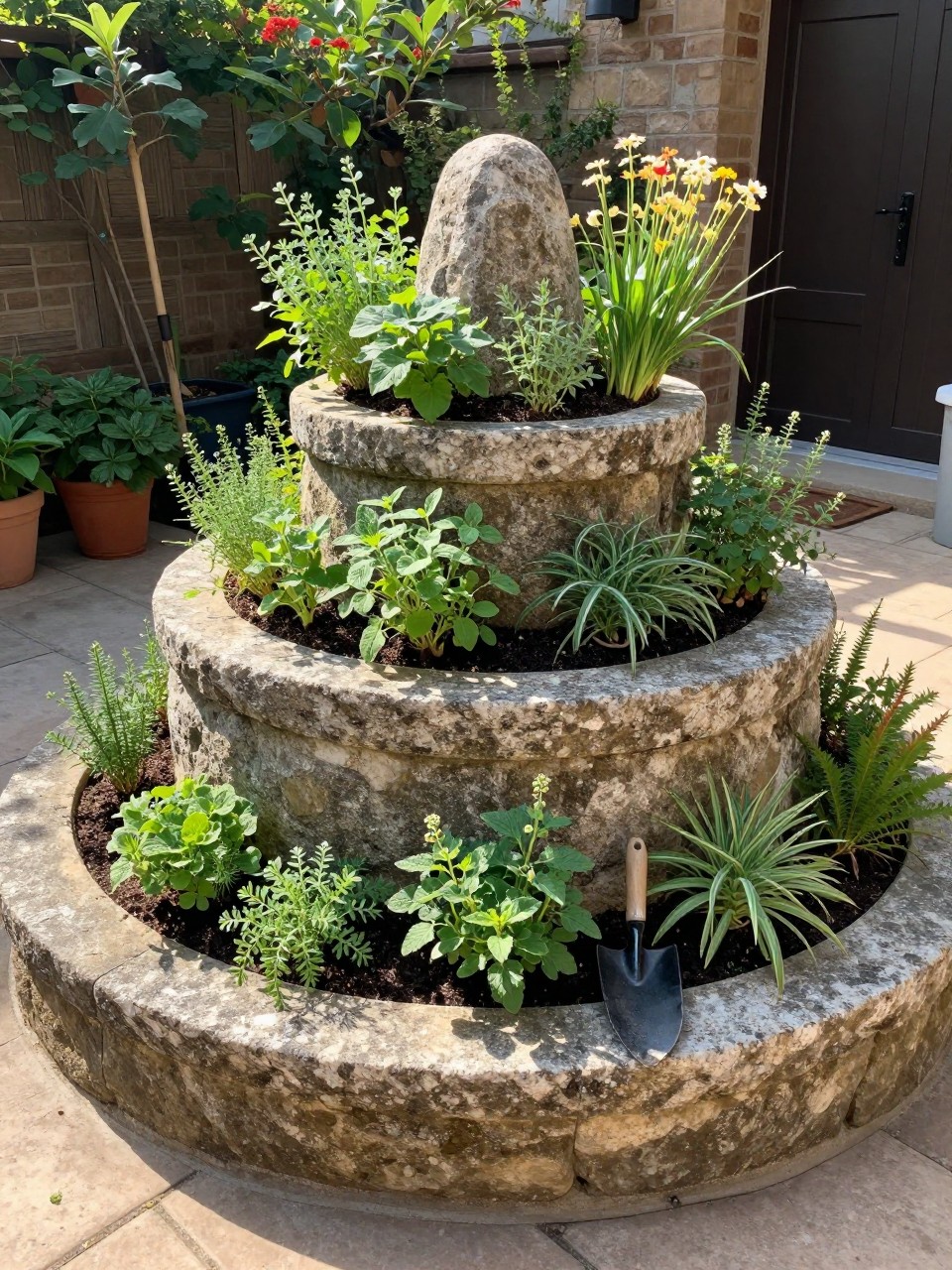
A spiral of stones planted with culinary herbs is both beautiful and practical. It creates different microclimates for various herbs.
How this idea works:
- Step 1: Build a low spiral wall with stones, about three feet high at the center.
- Step 2: Fill with well-draining soil, adding sandier mix at the top.
- Step 3: Plant Mediterranean herbs—rosemary and thyme at the top, sage and oregano in the middle, parsley and mint at the bottom.
- Step 4: Add a small path of stepping stones to access all sides.
7. Gravel Courtyard Floor
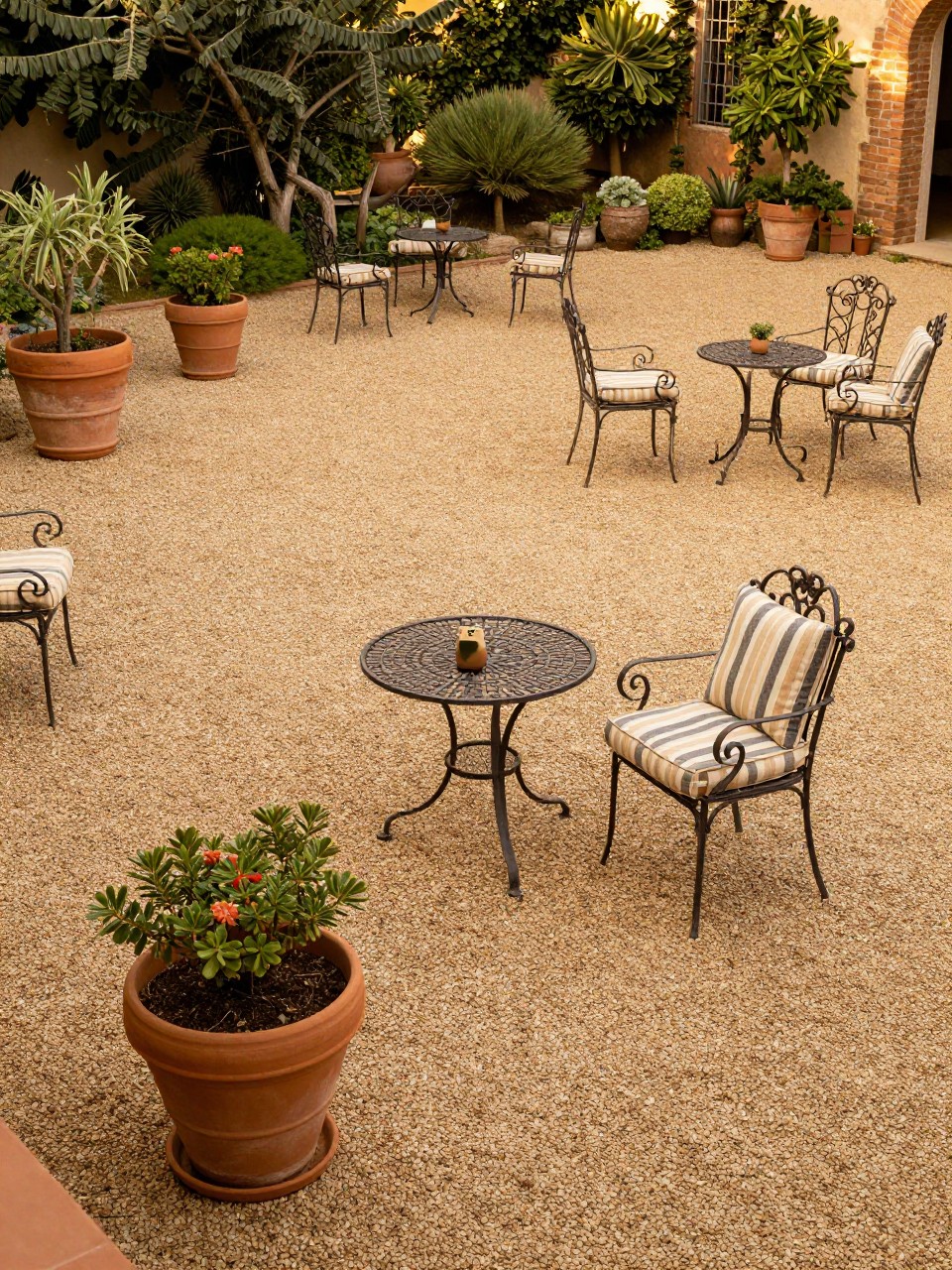
Instead of grass, a gravel floor gives that authentic Tuscan feel. It drains well and provides a neutral backdrop for plants and pots.
How this idea works:
- Step 1: Clear the area and lay landscape fabric to prevent weeds.
- Step 2: Spread a layer of pea gravel or crushed stone about two inches deep.
- Step 3: Rake smooth and compact slightly with a roller.
- Step 4: Place pots, furniture, and plants directly on the gravel.
8. Climbing Roses on Walls
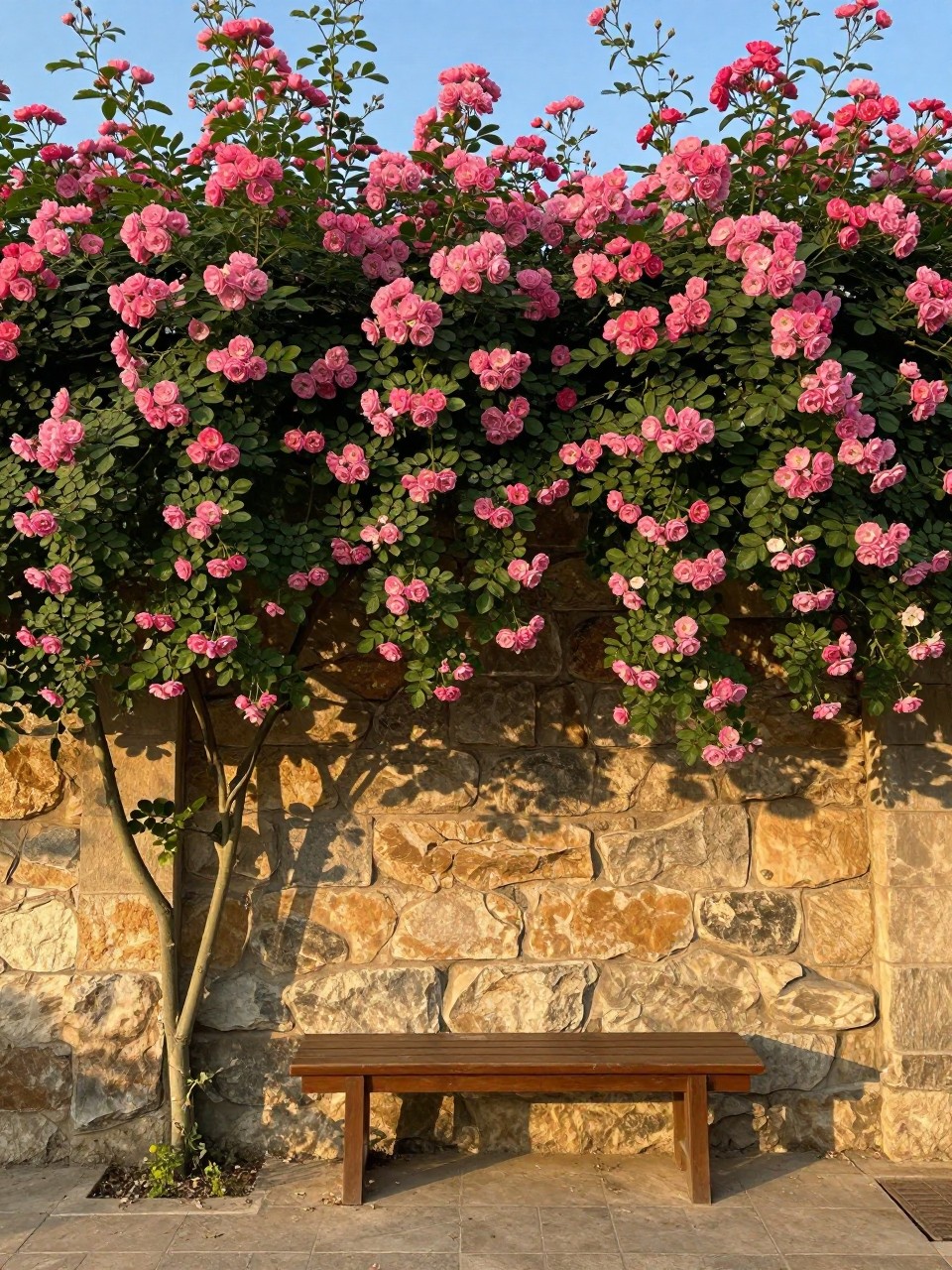
Soft pink or red roses climbing up stone or stucco walls add romance and color. They’re essential for that Tuscan cottage feel.
How this idea works:
- Step 1: Plant climbing roses at the base of walls, trellises, or arches.
- Step 2: Train the canes along wires or trellises as they grow.
- Step 3: Choose old-fashioned varieties with strong fragrance.
- Step 4: Prune after flowering to maintain shape and encourage new growth.
9. Terracotta Tile Accents
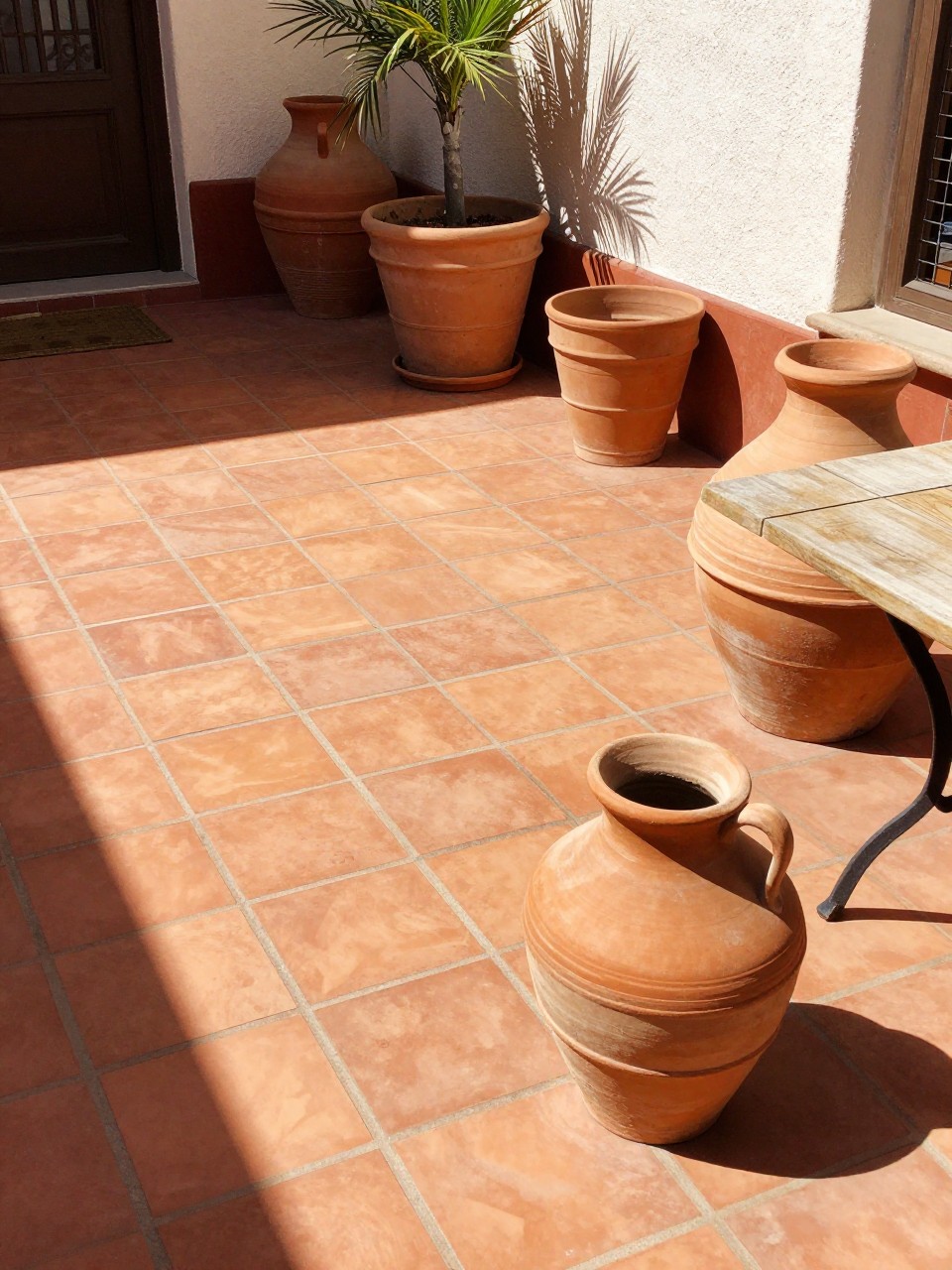
Use terracotta tiles for paving or as decorative accents. They warm up the space and connect to Italian tradition.
How this idea works:
- Step 1: Lay terracotta tiles in a small patio area or as a path.
- Step 2: Mix in occasional patterned tiles for interest.
- Step 3: Seal the tiles to protect them from weather.
- Step 4: Place pots directly on the tiles to echo the color.
10. Cypress Trees as Vertical Accents
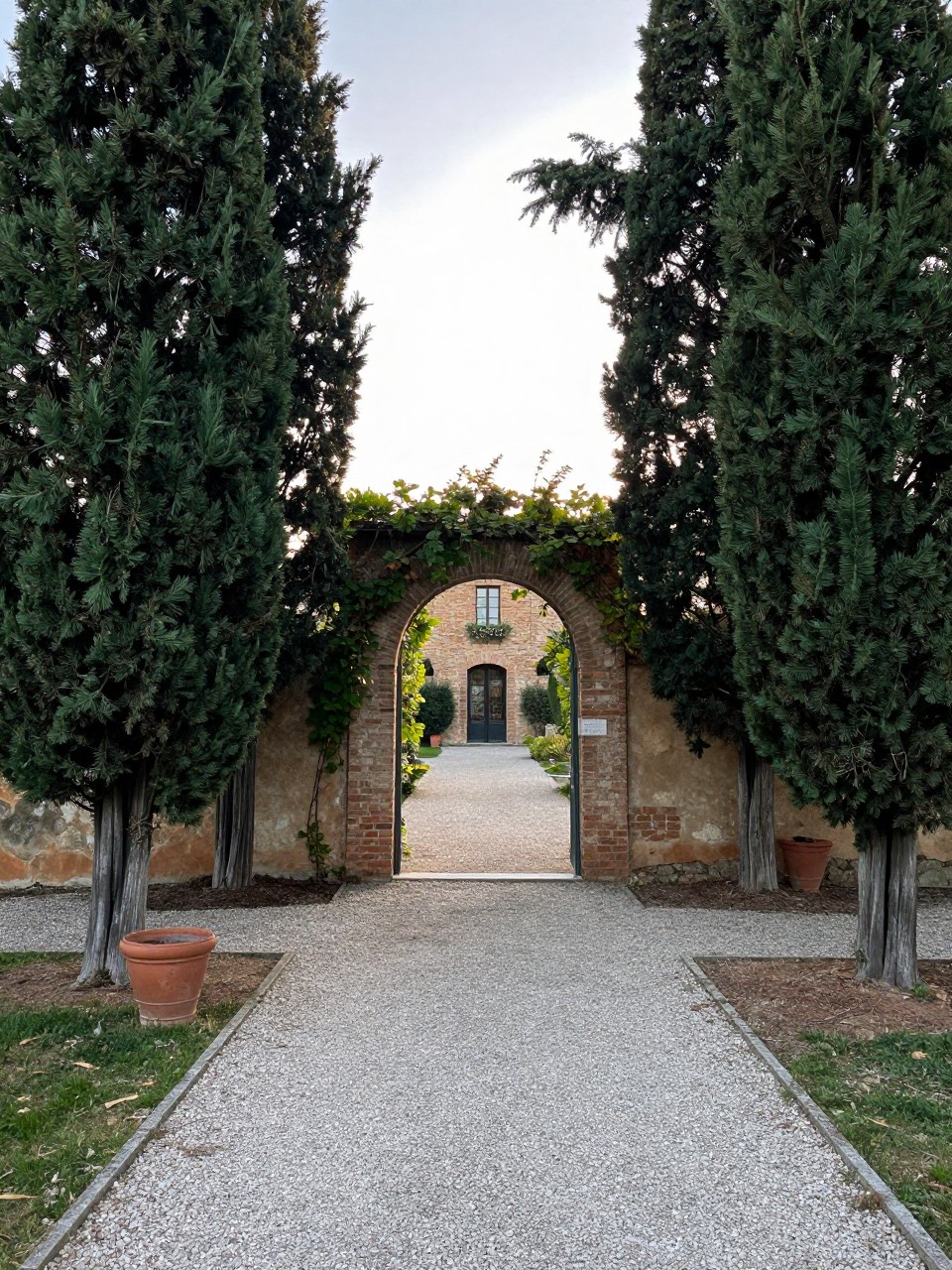
Tall, narrow cypress trees add that iconic Tuscan silhouette. They draw the eye upward and frame views.
How this idea works:
- Step 1: Plant Italian cypress trees in pairs or a small grouping.
- Step 2: Position them to frame an entrance or view.
- Step 3: Space them closely for a classic formal look.
- Step 4: Underplant with low lavender or rosemary.
11. Rustic Wooden Table
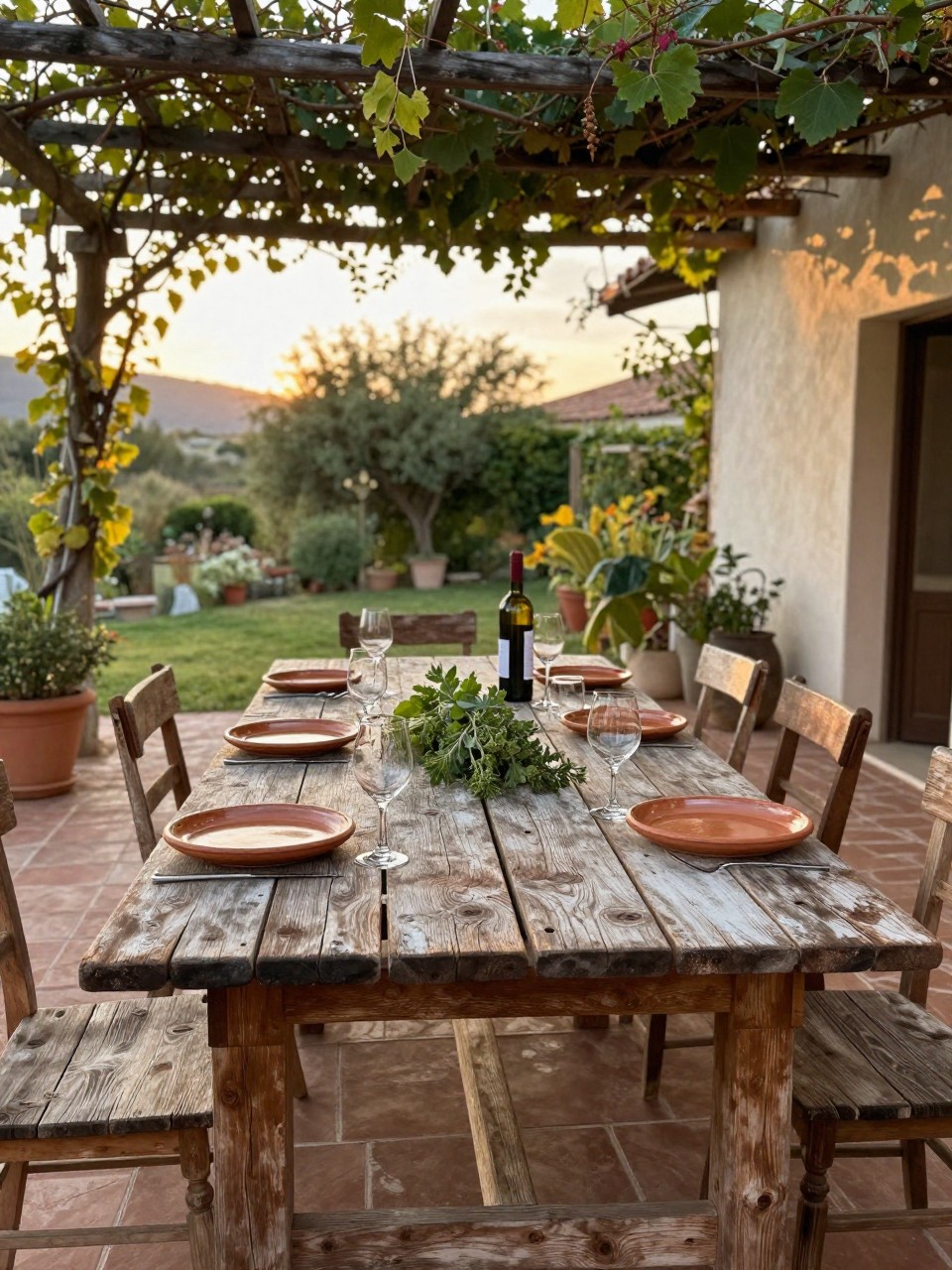
A large, weathered wooden table becomes the gathering spot. It’s where meals are shared and wine is poured.
How this idea works:
- Step 1: Find a substantial wooden table with a weathered finish—farmhouse style works perfectly.
- Step 2: Place it in a shaded part of the courtyard, perhaps under an arbor or tree.
- Step 3: Surround with mismatched chairs or benches for an informal feel.
- Step 4: Set it with a simple centerpiece of herbs or flowers in a terracotta pot.
12. Lavender Borders
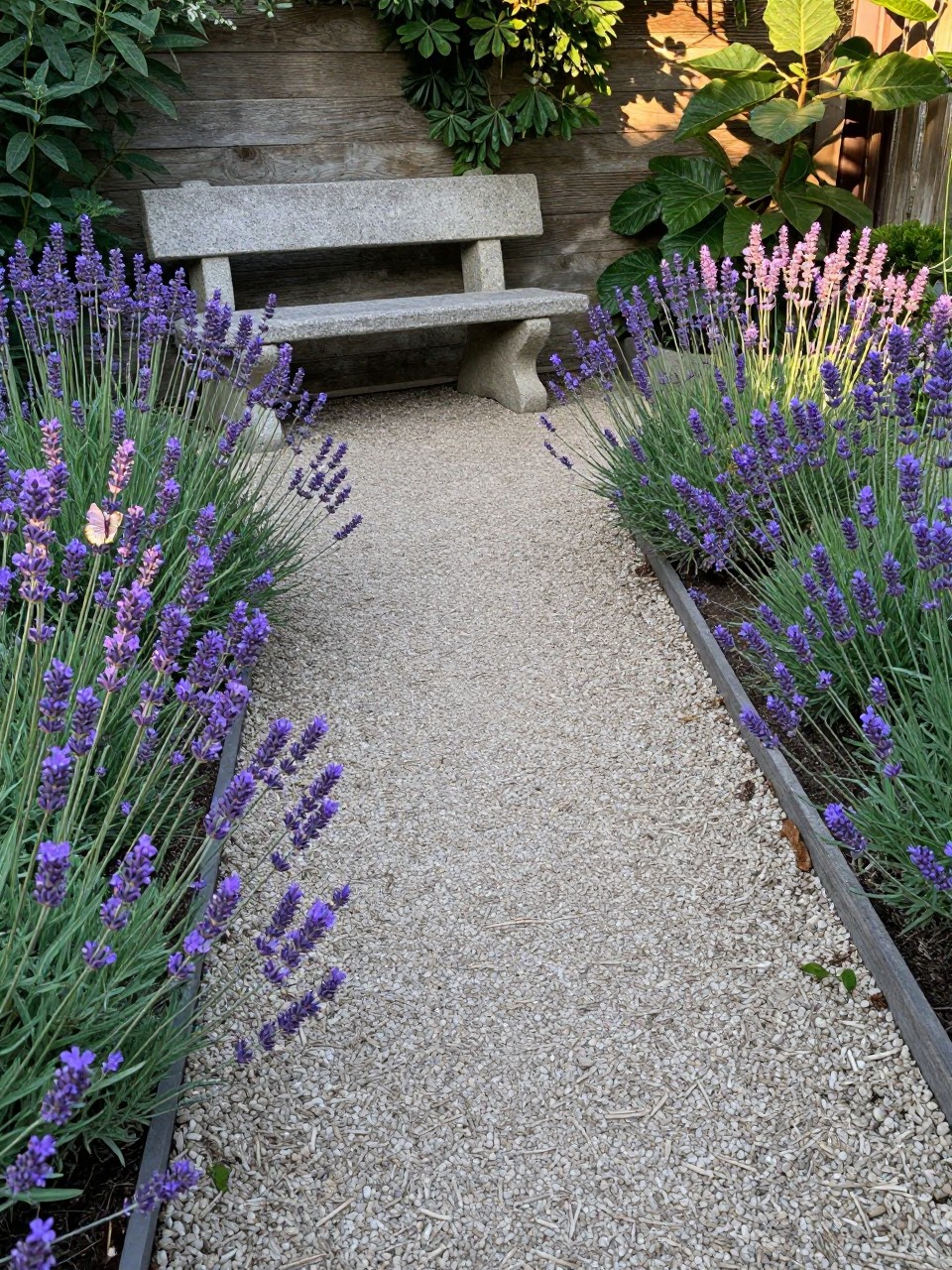
Low lavender borders edge paths and define spaces. The purple flowers and gray-green foliage are classic Tuscan.
How this idea works:
- Step 1: Plant lavender along pathways or around seating areas.
- Step 2: Space plants about 18 inches apart for a continuous border.
- Step 3: Prune after flowering to keep them compact.
- Step 4: Enjoy the fragrance every time you brush past.
13. Stone Walls with Crevice Plants
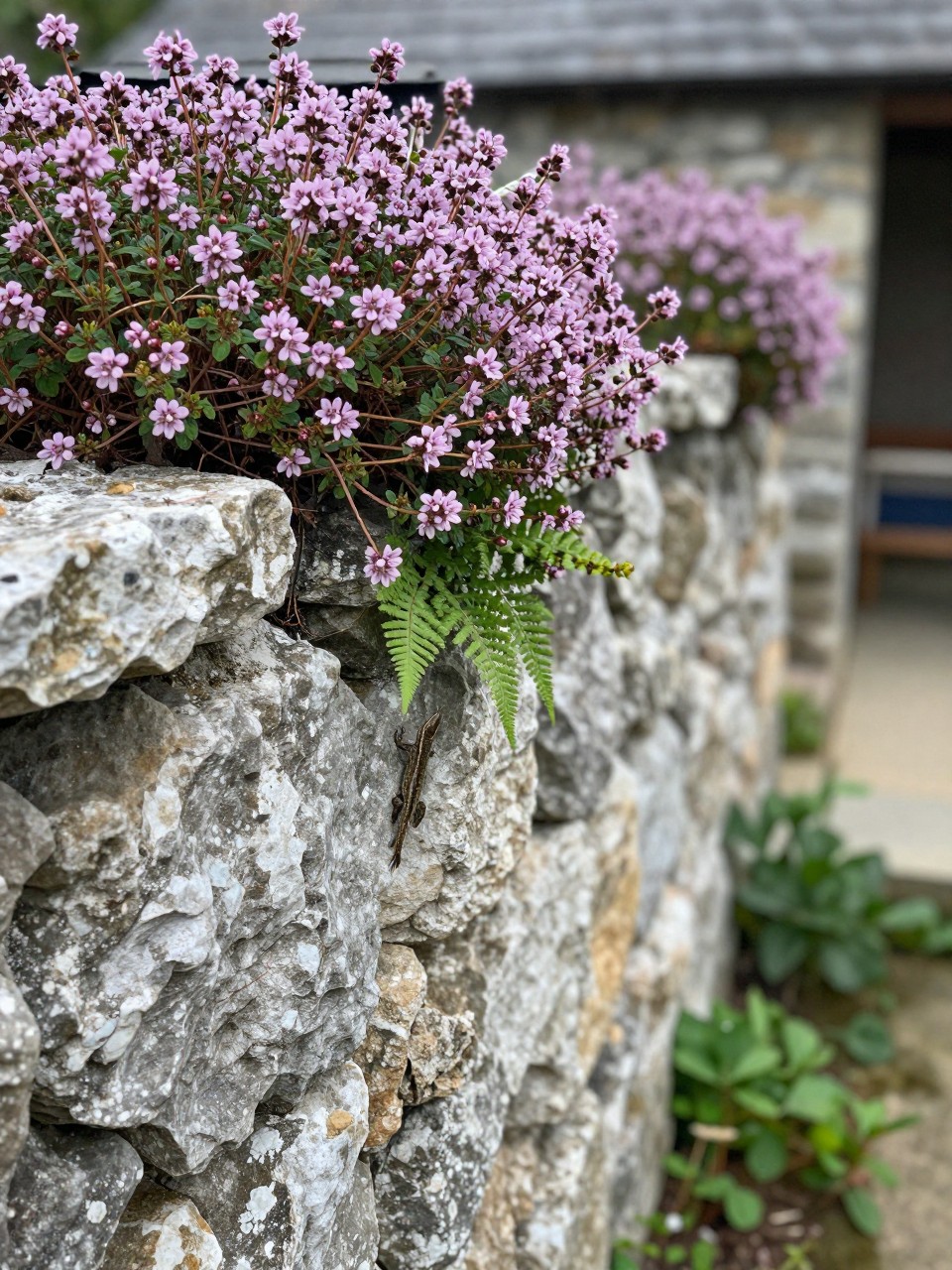
Old stone walls planted with creeping plants look like they’ve been there for centuries. The plants soften the hard stone.
How this idea works:
- Step 1: Build or use existing stone walls in the courtyard.
- Step 2: Plant creeping plants like thyme, campanula, or ivy in crevices as you build.
- Step 3: Let them establish and spread naturally over the stone.
- Step 4: Add more plants each year until the wall is softened.
14. Shaded Pergola with Vines
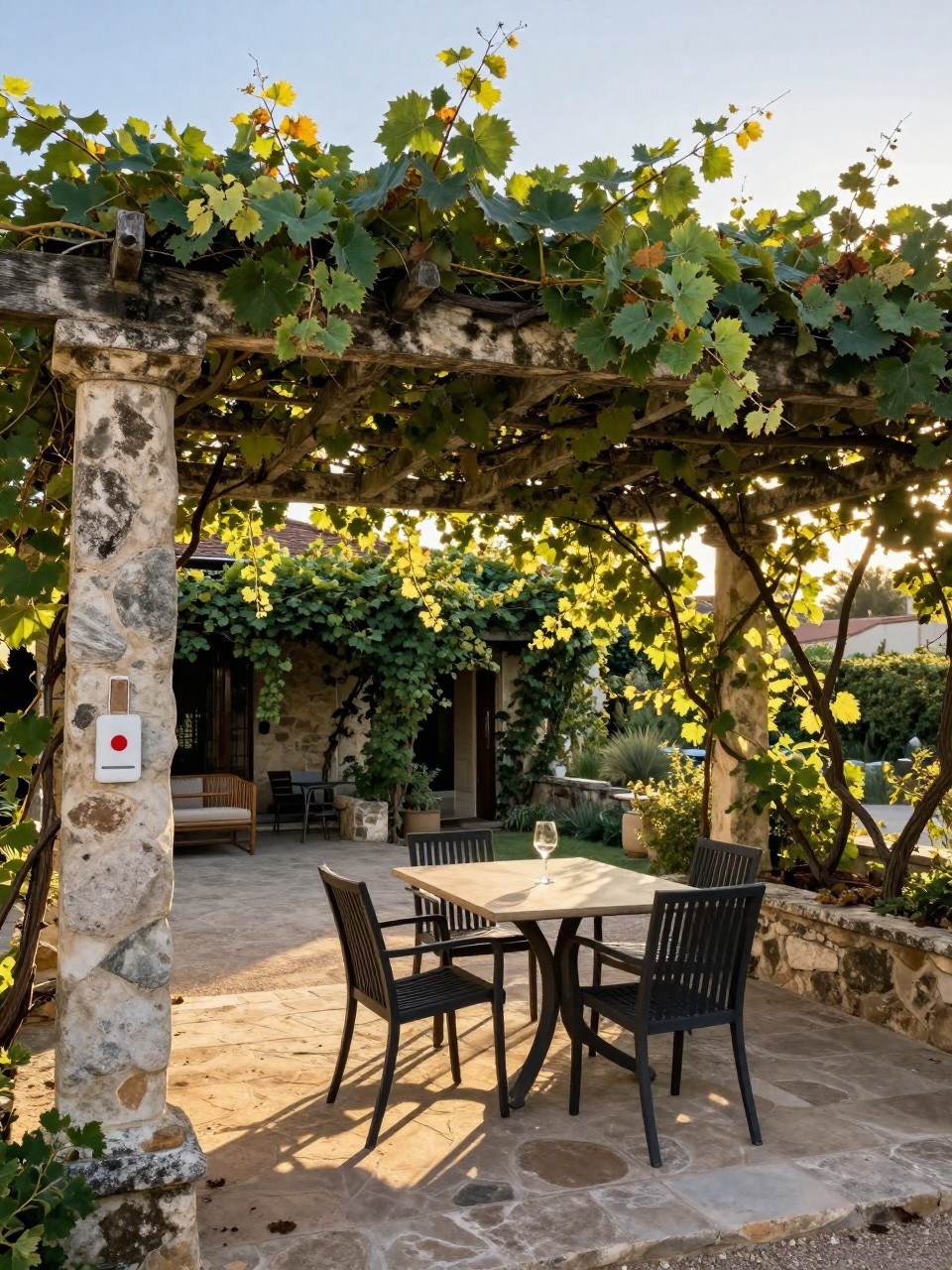
A pergola provides essential shade in a Tuscan courtyard. Covered with vines, it becomes an outdoor room.
How this idea works:
- Step 1: Build a wooden or stone pergola over a seating or dining area.
- Step 2: Plant grapevines or wisteria at the base to climb up and over.
- Step 3: Train the vines to create a dappled shade canopy.
- Step 4: Hang a simple lantern from the center for evening light.
15. Sun-Drenched Sitting Area
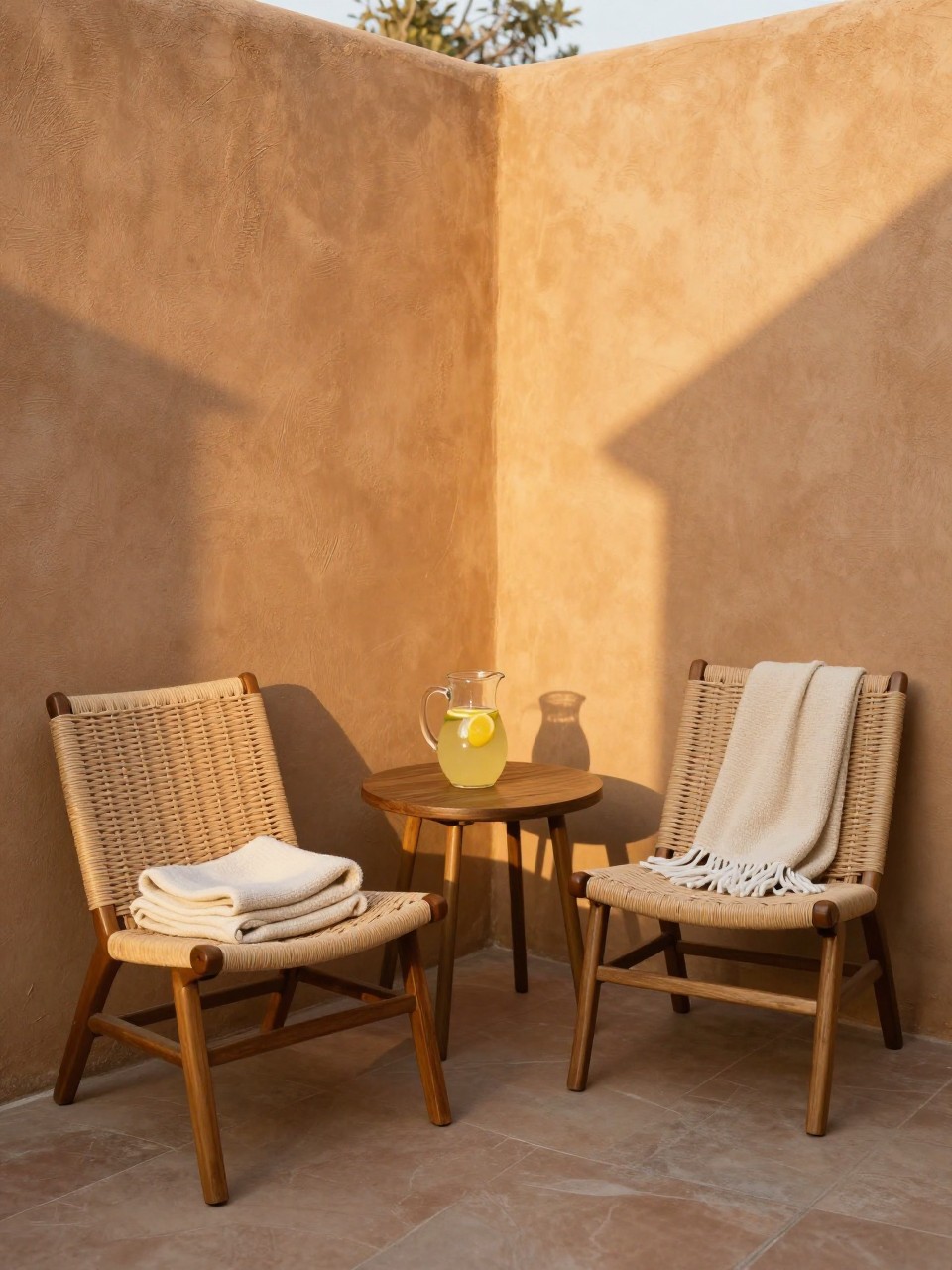
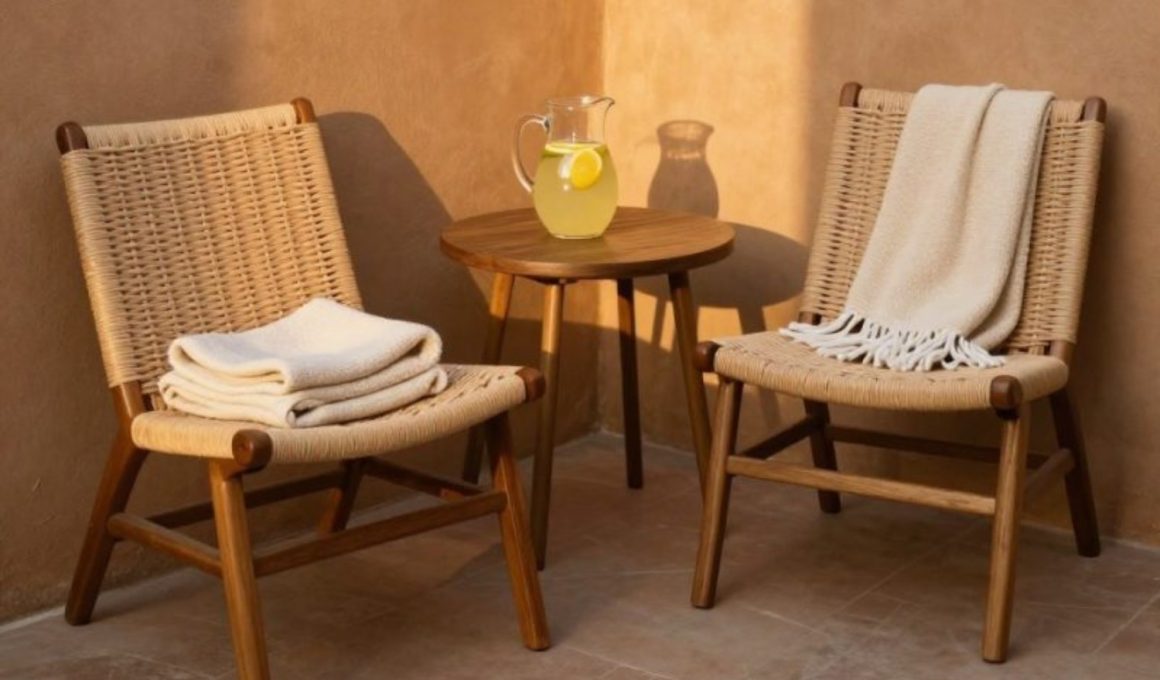
A simple sitting area with comfortable chairs placed to catch the afternoon sun. It’s about slowing down and enjoying the warmth.
How this idea works:
- Step 1: Place two comfortable chairs and a small table in the sunniest part of the courtyard.
- Step 2: Add cushions in warm terracotta, gold, or olive tones.
- Step 3: Position them to face the garden or a focal point like a fountain.
- Step 4: Keep a small tray with a pitcher and glasses nearby for refreshment.