




In This Article Show
Flower bed edging is one of those small garden details that can make a big difference. It gives your beds a cleaner shape, keeps mulch and soil in place, and helps stop grass from creeping into your flowers. A good edge can also make even a simple flower bed look more planned and polished.
The best edging choice depends on your garden style, budget, and how much upkeep you want. Some edging ideas feel rustic and natural, while others look clean, modern, or more formal.
These practical flower bed edging ideas are easy to picture in real gardens and can work for front yards, backyard beds, walkways, and small planting areas.
1. Natural Stone Edging
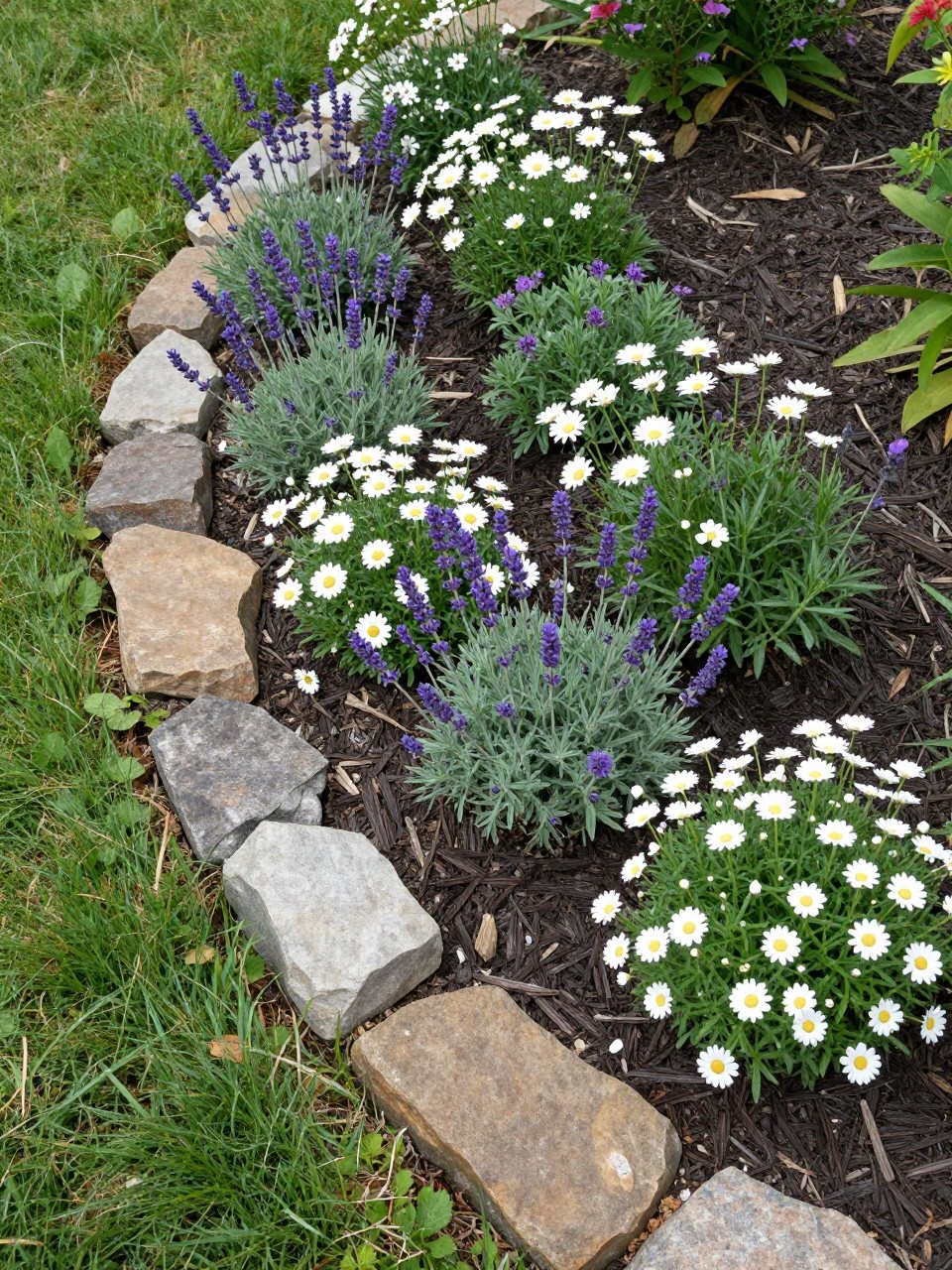
Natural stone edging gives a flower bed a timeless garden look. It works well if you want the edge to feel strong but still natural, especially around cottage gardens, front yard beds, and curved borders.
The best part is that each stone has its own shape and texture, so the edge does not look too perfect. Use larger stones for a bold border or smaller flat stones for a softer, low-profile finish.
2. Brick Flower Bed Edging
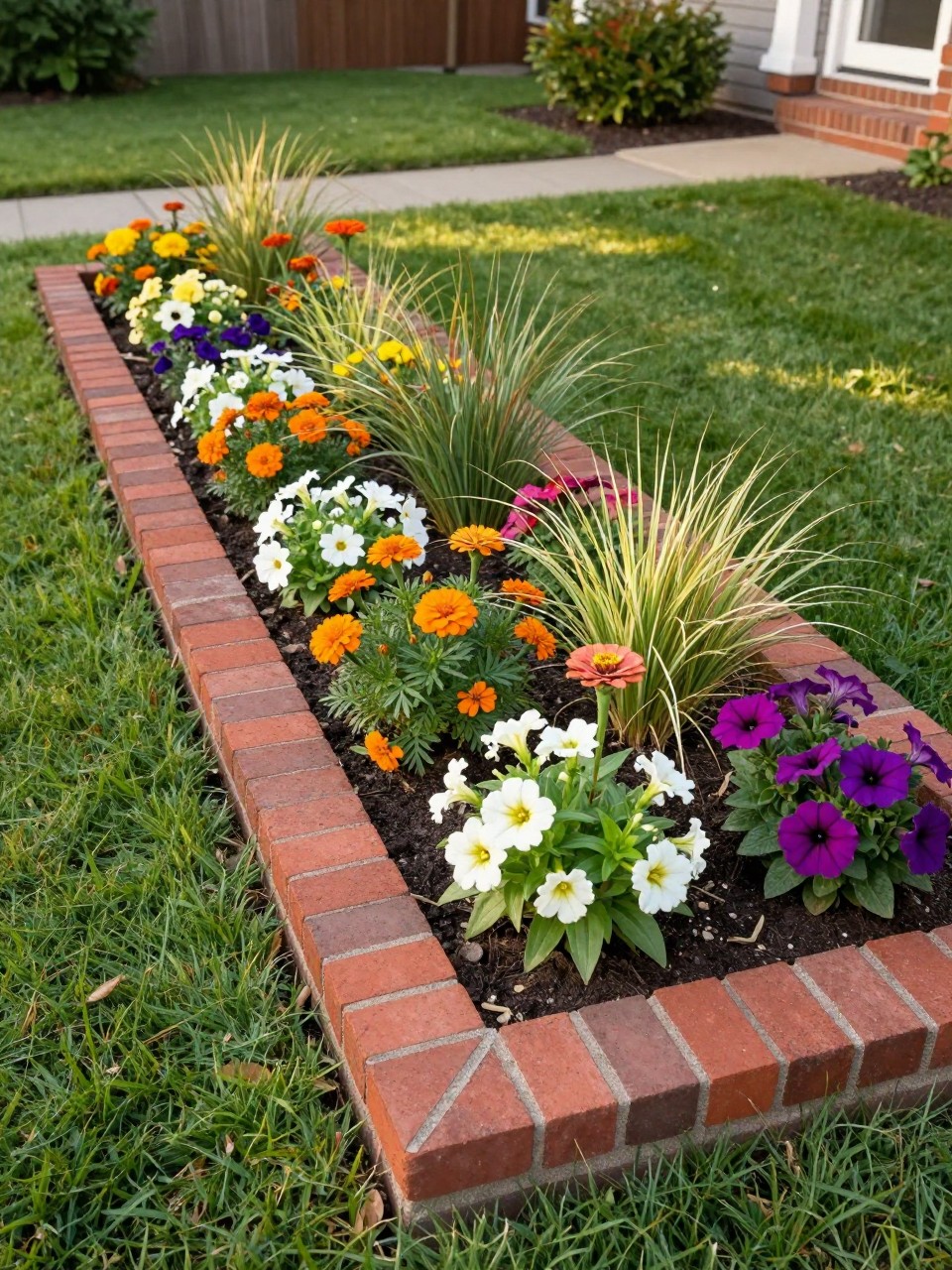
Brick edging is practical, affordable, and easy to match with many home styles. It gives the flower bed a clear line and helps keep mulch from spilling onto the lawn or walkway.
You can lay bricks flat for a simple border or angle them for a more decorative look. Red brick feels classic, while pale or weathered brick works nicely in softer cottage-style gardens.
3. Black Metal Edging
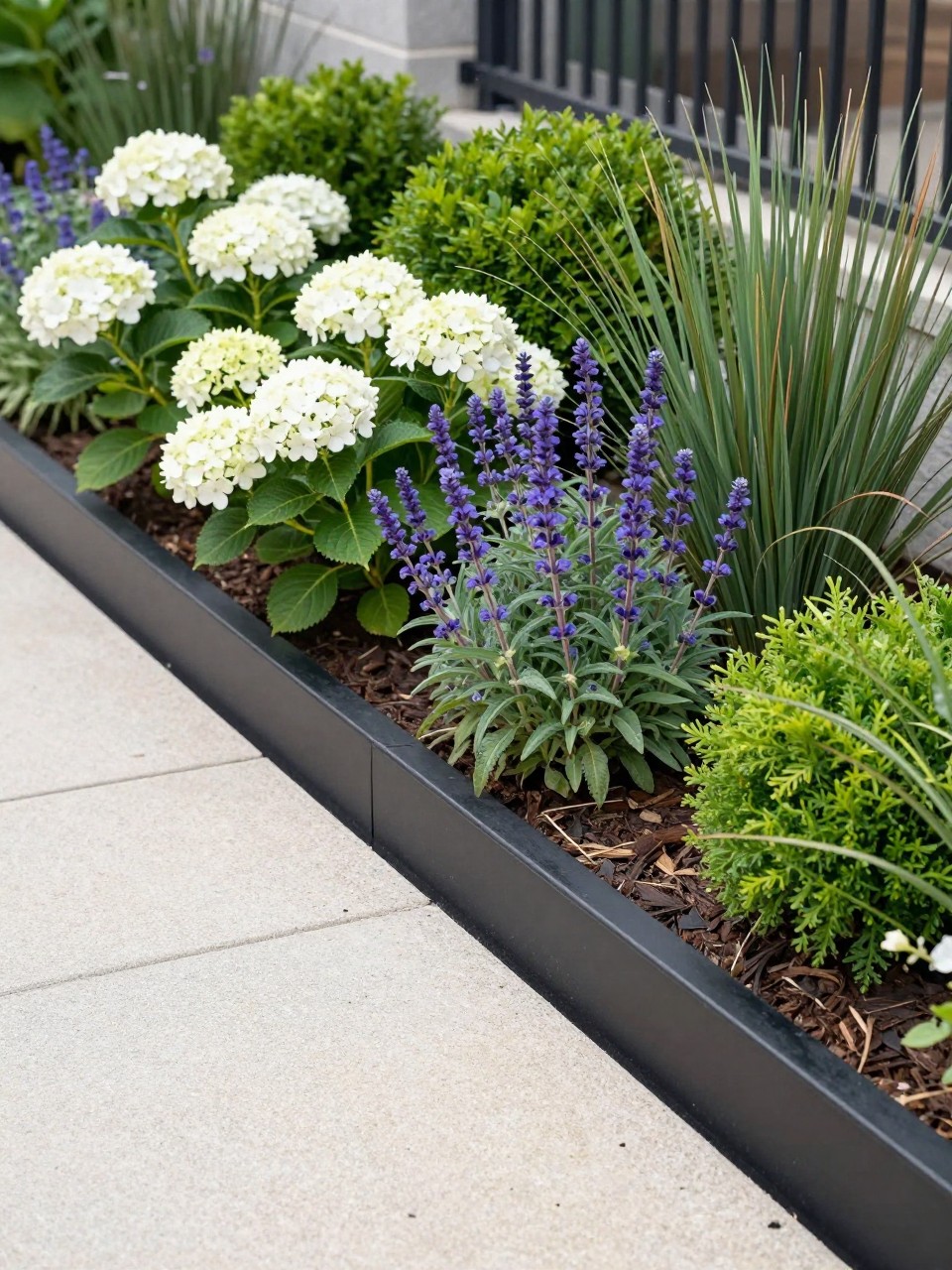
Black metal edging is a great choice when you want a clean, modern finish. It almost disappears into the garden while still giving the flower bed a sharp and tidy shape.
This type of edging works especially well for straight beds, minimalist gardens, and flower beds near patios or walkways. It is also helpful when you want the flowers and plants to be the main focus.
4. Wooden Log Edging
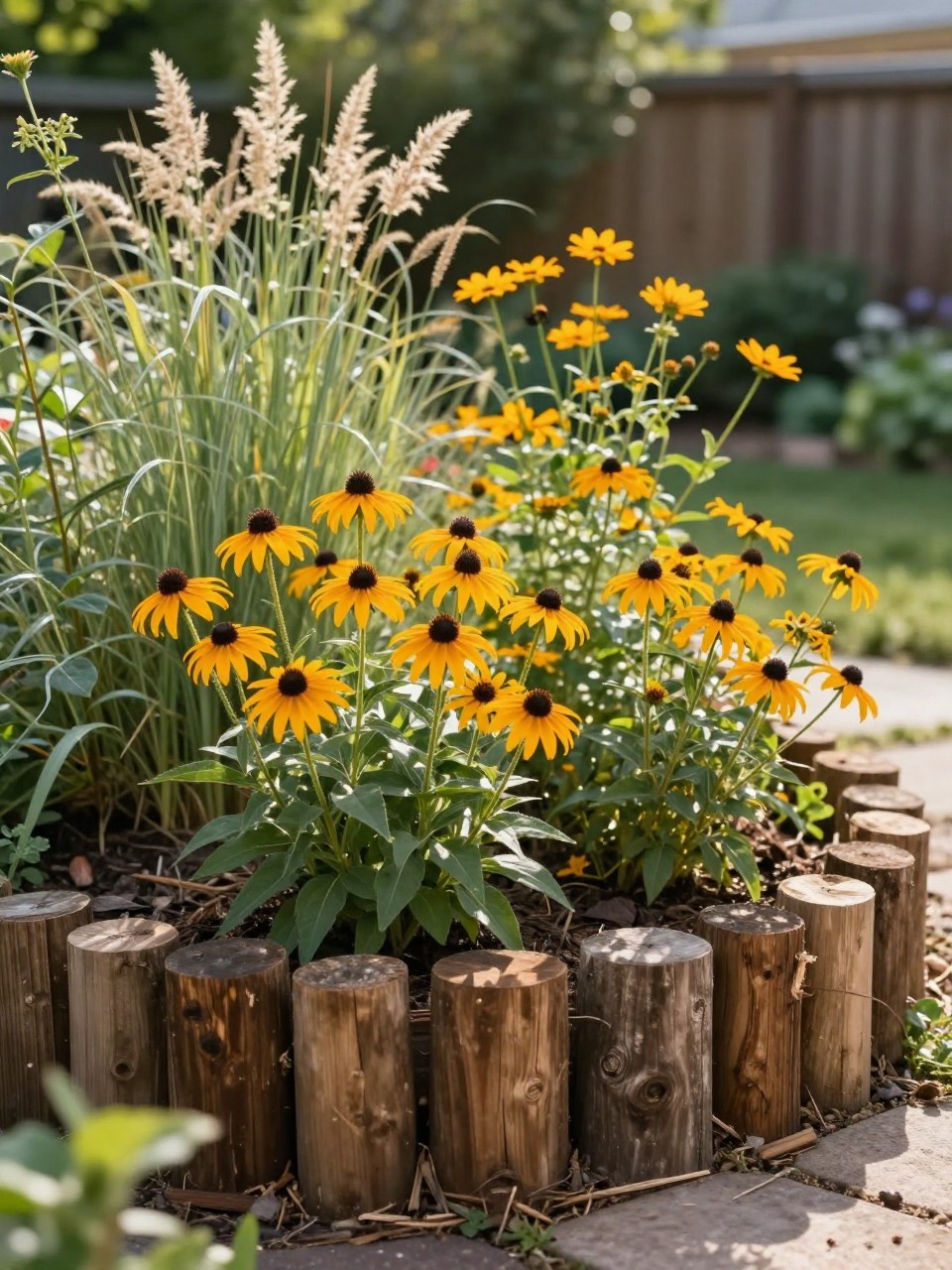
Wooden log edging gives a garden a warm, rustic feel. It is a lovely option for cottage gardens, woodland-style beds, and backyard spaces that need a softer natural border.
Short upright logs can create a charming edge with plenty of texture. To make it last longer, choose treated garden-safe wood or rot-resistant wood, especially if the bed gets a lot of moisture.
5. Concrete Curb Edging
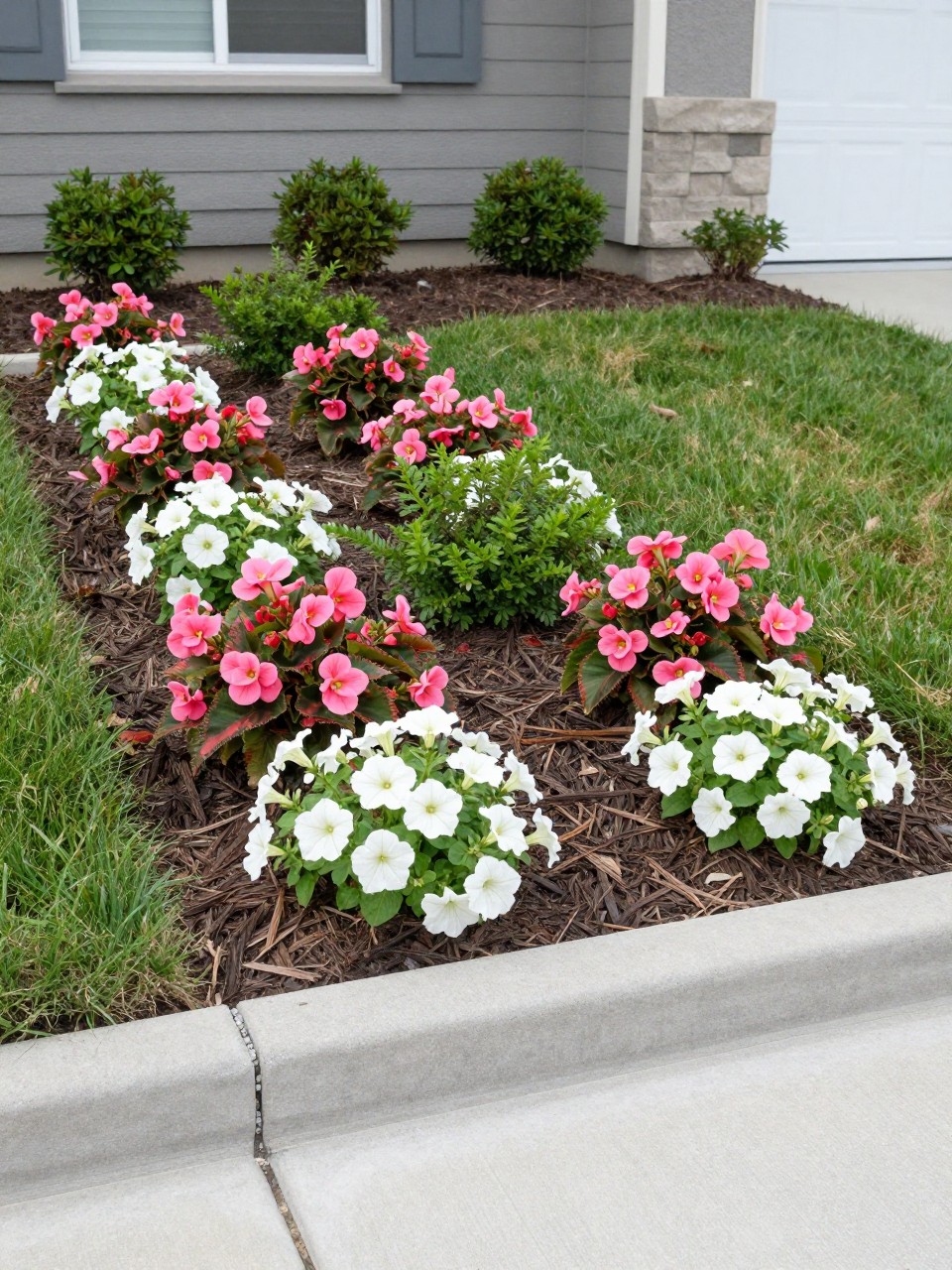
Concrete curb edging is one of the most durable options for flower beds. It gives the garden a permanent shape and works well if you want something low-maintenance and strong.
This style is great for front yards because it looks neat from the street. A smooth concrete edge can feel modern, while stamped or textured concrete can look a little warmer and more decorative.
6. Recycled Paver Edging
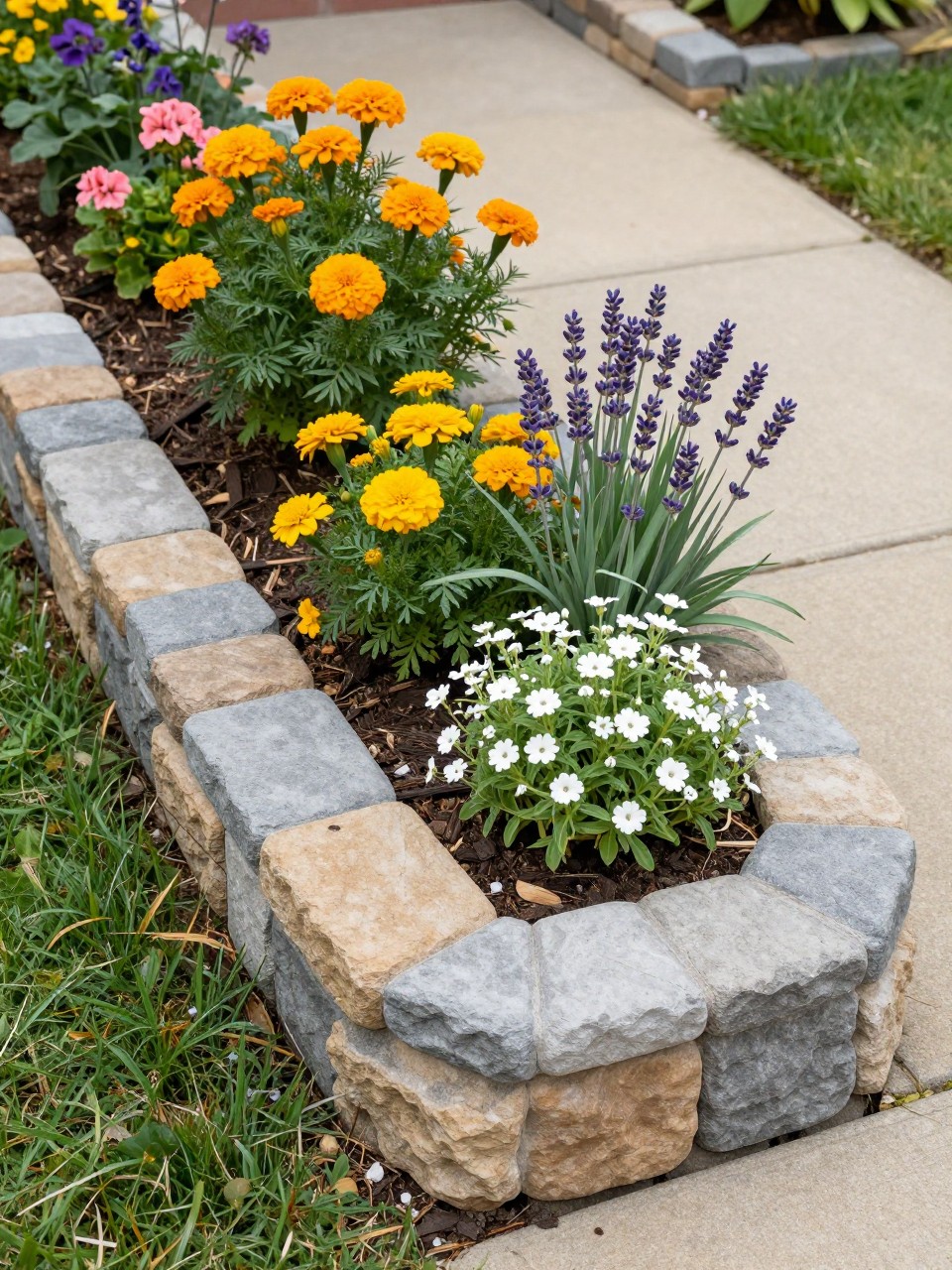
Recycled pavers are perfect if you want flower bed edging that feels useful and budget-friendly. They can come from old patios, walkways, or leftover garden projects, which makes them a smart reuse option.
The mixed colors and textures can add character to the garden without looking too busy. Keep the pavers level and close together so the edge stays clean and easy to maintain.
7. River Rock Edging
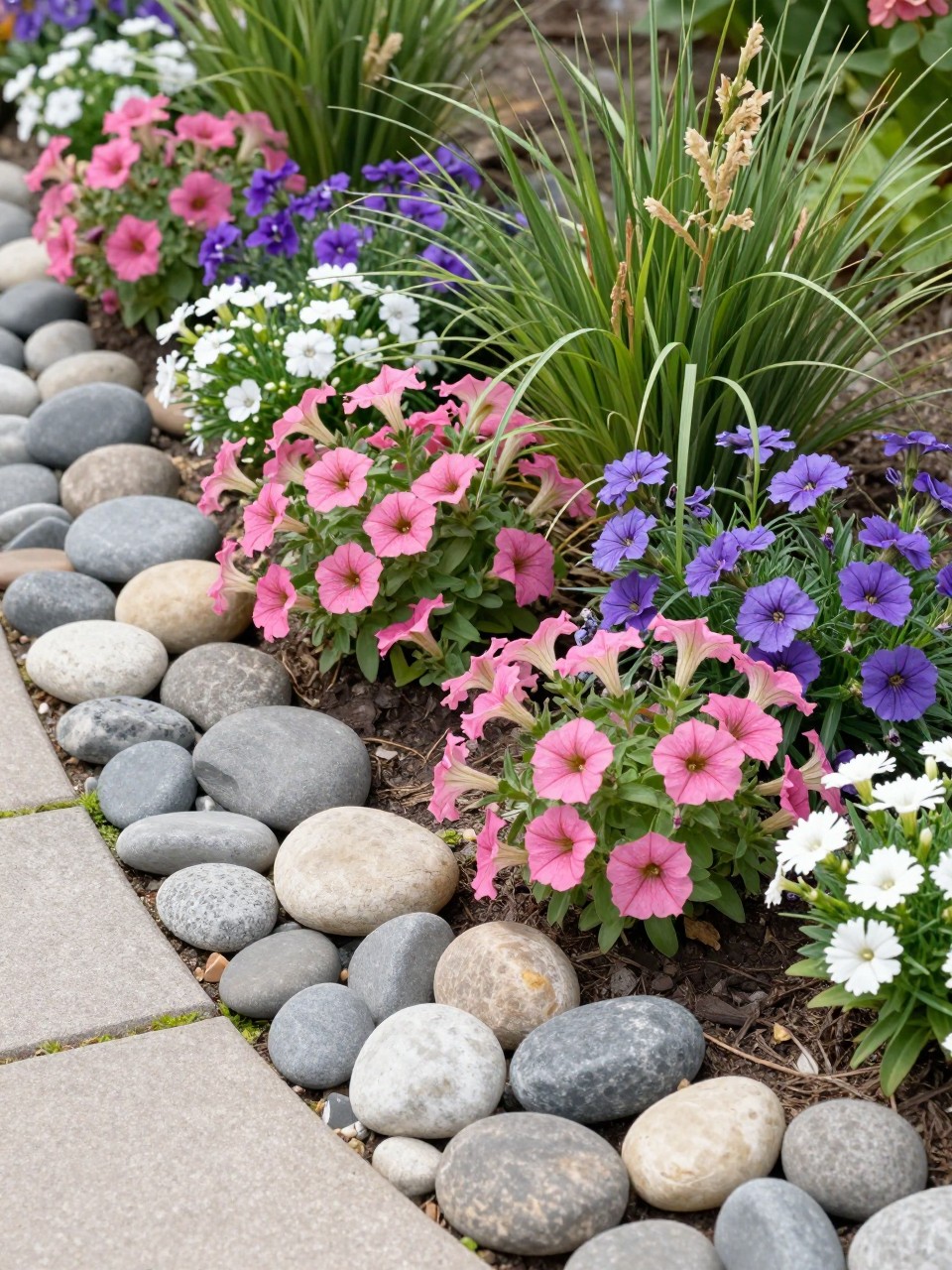
River rock edging gives a flower bed a relaxed, natural look. The smooth stones are especially pretty around curved beds, water features, and garden corners with a softer feel.
This edging works best when the rocks are placed in a shallow trench so they stay in place. Use larger river rocks for a stronger border, since very small stones can scatter into the lawn over time.
8. Woven Willow Edging
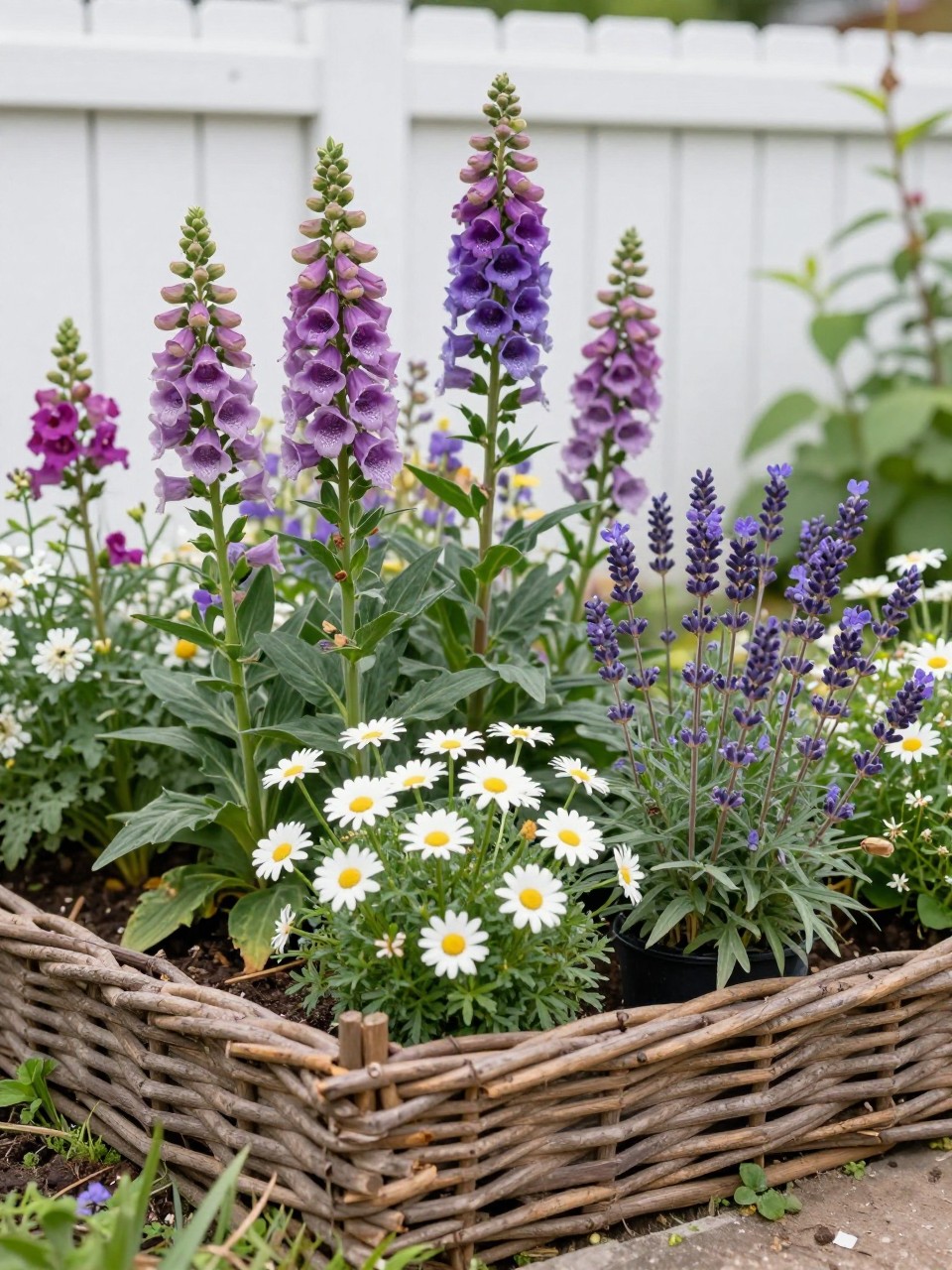
Woven willow edging has a beautiful handmade look that fits cottage and country gardens so well. It creates a soft barrier without making the flower bed feel too formal.
This is a lovely choice for herbs, annual flowers, and smaller beds near a fence or path. It may not last as long as stone or metal, but it adds charm and texture right away.
9. Gravel Trench Edging
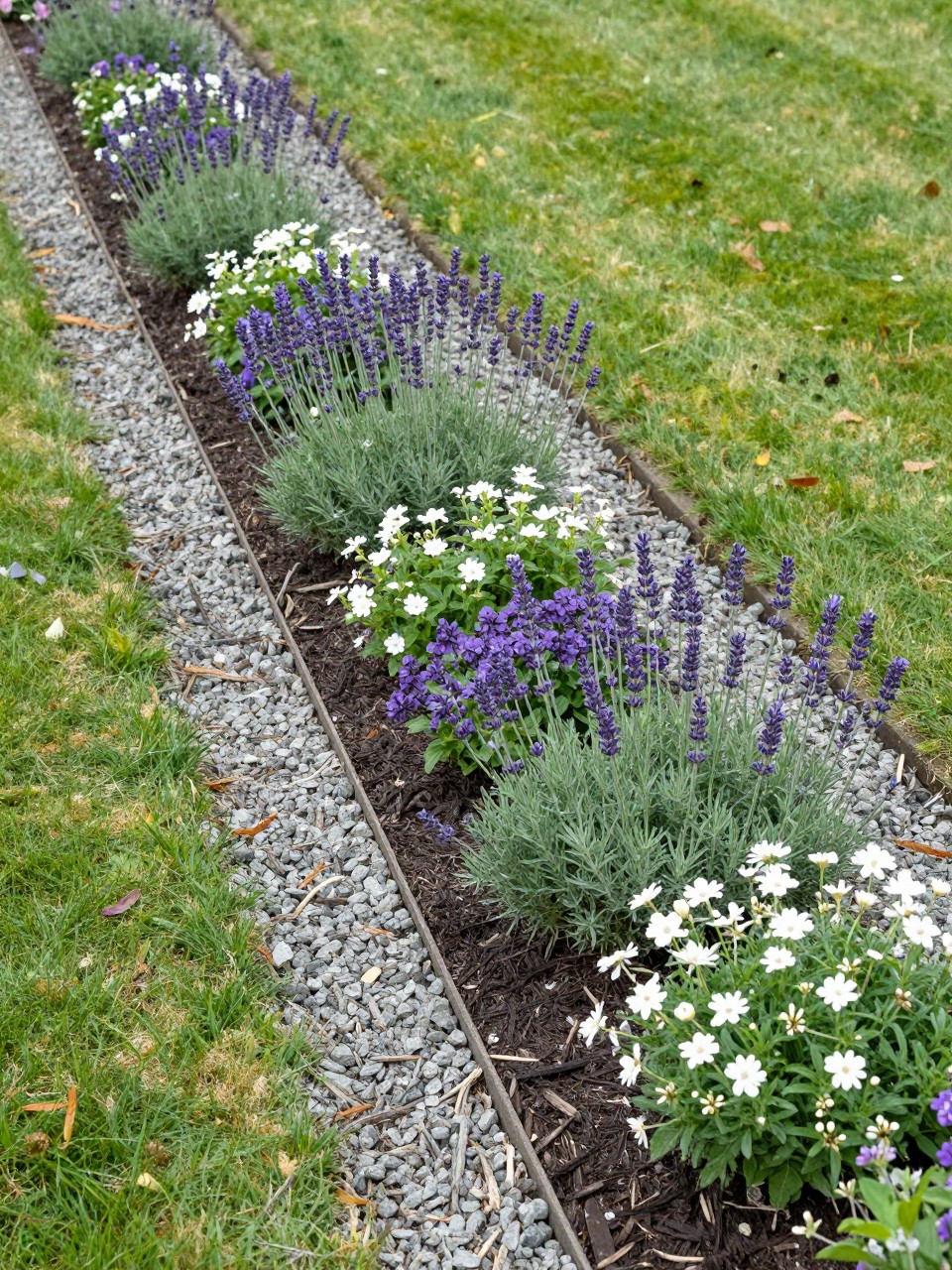
A gravel trench edge is simple, neat, and useful for keeping grass away from your flower bed. It creates a clear break between the lawn and planting area without needing a tall border.
This idea works well in modern, rustic, and low-maintenance gardens. Choose gravel that matches your paths or patio so the edging feels connected to the rest of the yard.
10. Terracotta Tile Edging
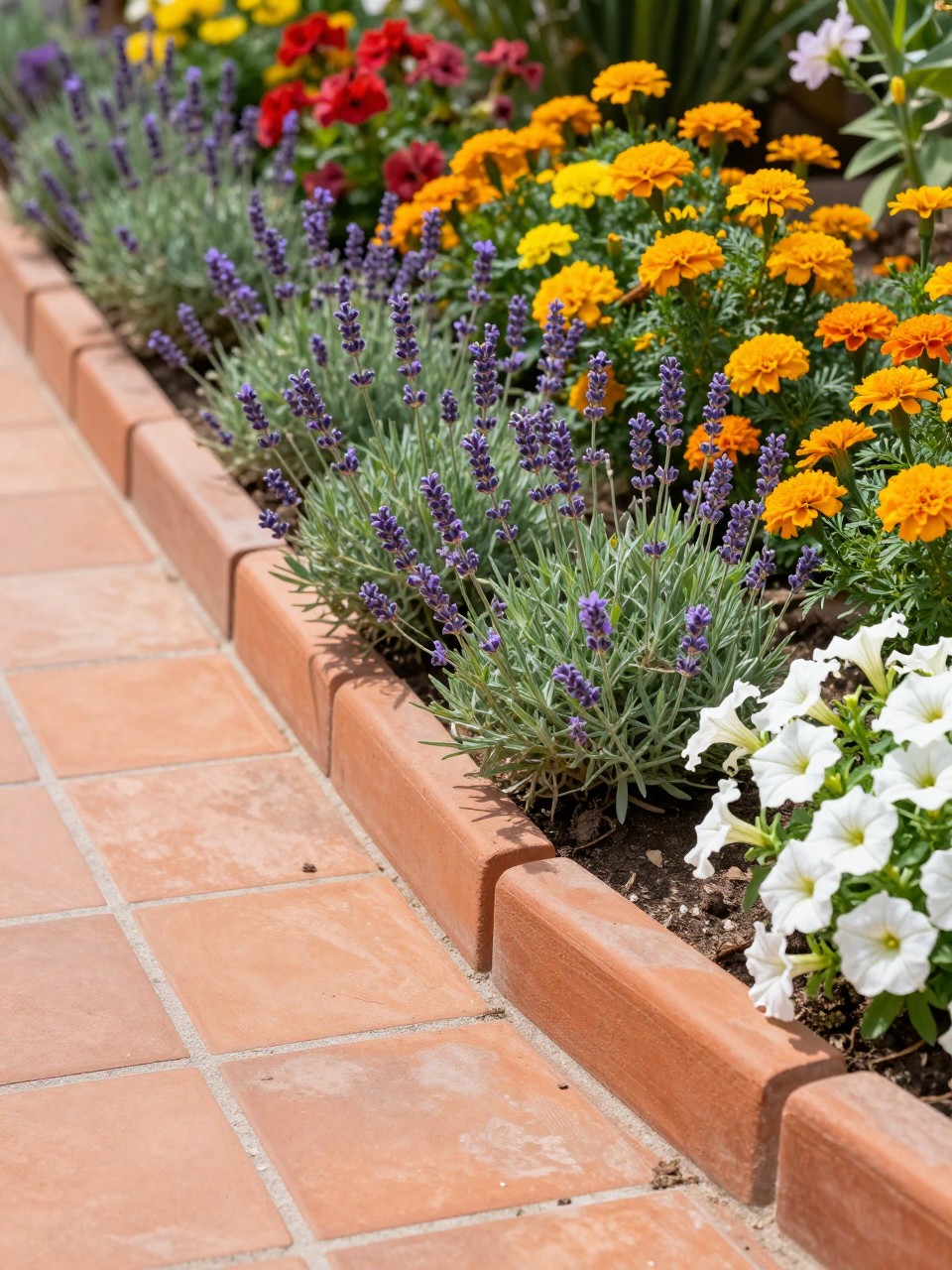
Terracotta tile edging adds warmth and color to a flower bed. It is a lovely choice for Mediterranean gardens, cottage gardens, and sunny spaces with herbs and bright flowers.
The earthy tone pairs beautifully with lavender, rosemary, geraniums, and white blooms. Use the tiles upright for a stronger edge or lay them flat for a more subtle border.
11. Low Boxwood Border
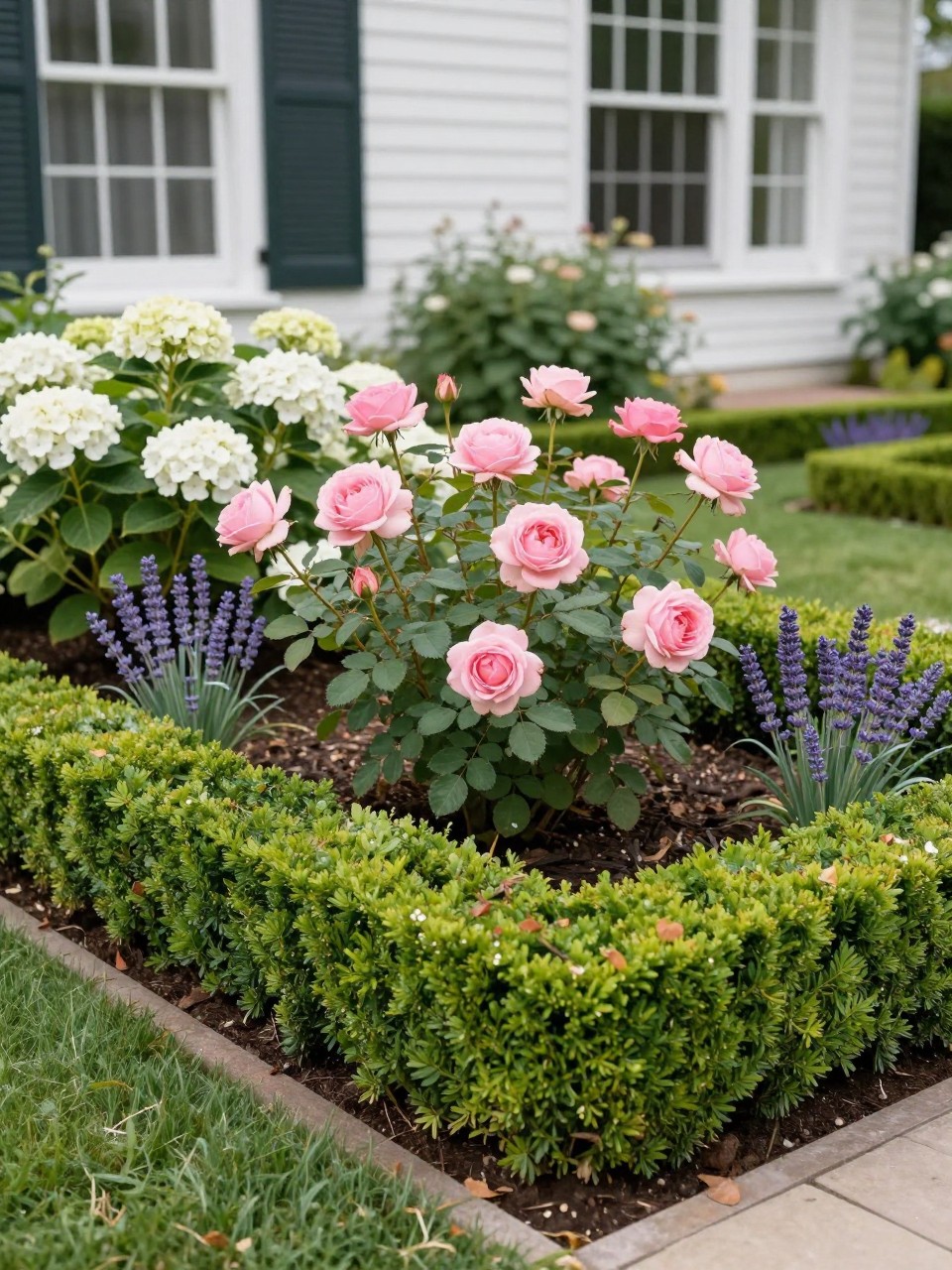
A low boxwood border gives a flower bed a polished and classic look. It acts like living edging, which makes the bed feel more structured without using stone, brick, or metal.
This idea is best for gardeners who do not mind light trimming. The boxwood keeps the shape neat all year, while flowers inside the bed can change with the seasons.
12. Corten Steel Edging
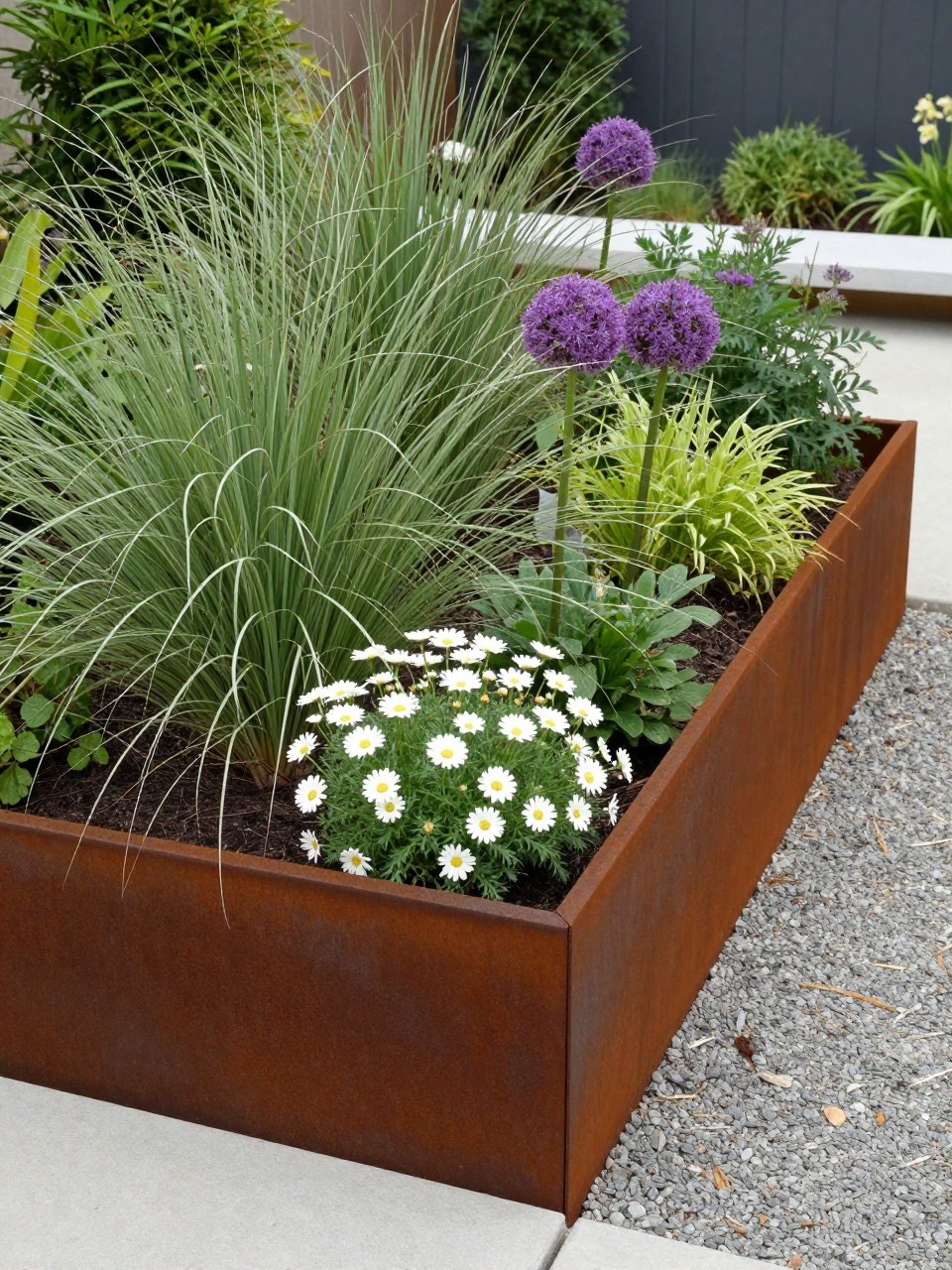
Corten steel edging has a stylish rust-colored finish that looks modern but still warm. It works beautifully with ornamental grasses, gravel paths, and flower beds with bold shapes.
This edging is practical because it is thin, strong, and good for both straight and curved beds. The warm metal color also stands out nicely against green plants and dark mulch.
13. Flagstone Edging
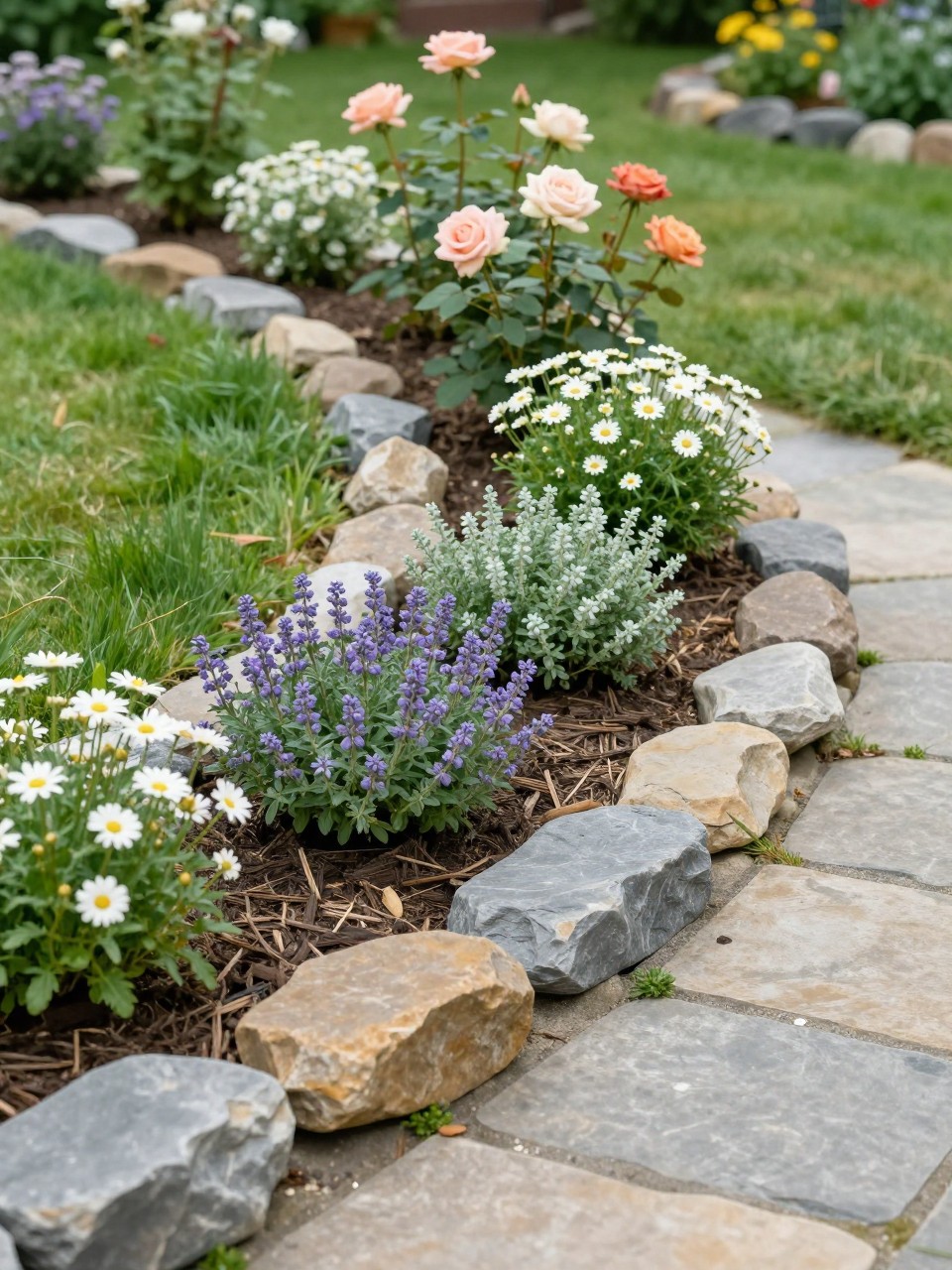
Flagstone edging gives a flower bed a sturdy and natural look. The flat stones are easy to place along curves and can make the edge feel relaxed but still well-defined.
This option is great if you want the edging to look like part of the landscape. It pairs well with cottage flowers, herbs, and soft ground covers that can gently spill over the stone.
14. Bamboo Edging
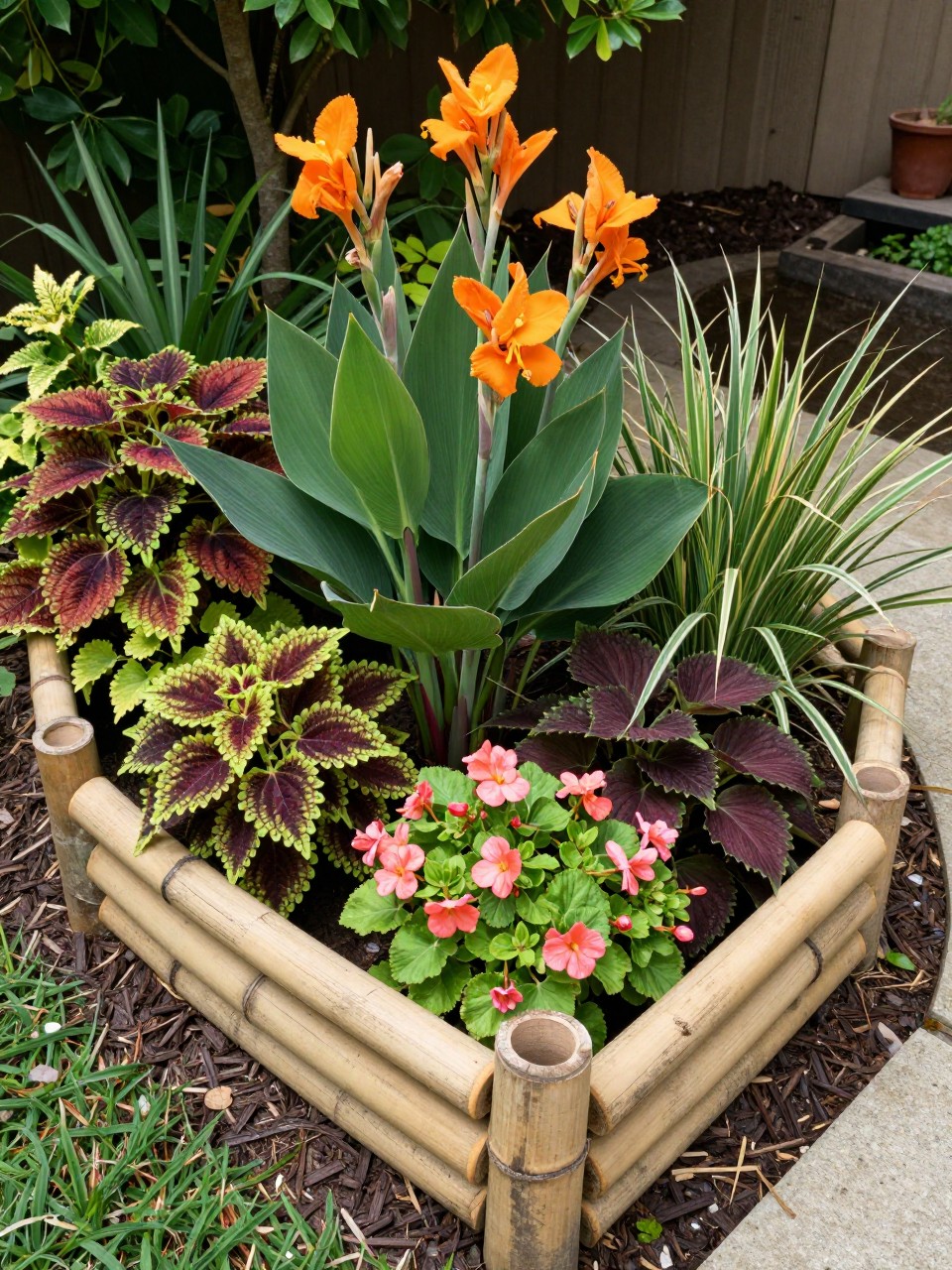
Bamboo edging is light, affordable, and full of natural texture. It works well in tropical-style beds, small backyard gardens, and relaxed spaces where you want a softer border.
This type of edging is best for low beds and decorative areas. Since bamboo can wear down over time outdoors, it is a better fit for gardeners who enjoy refreshing their garden details when needed.
15. Mixed Material Edging
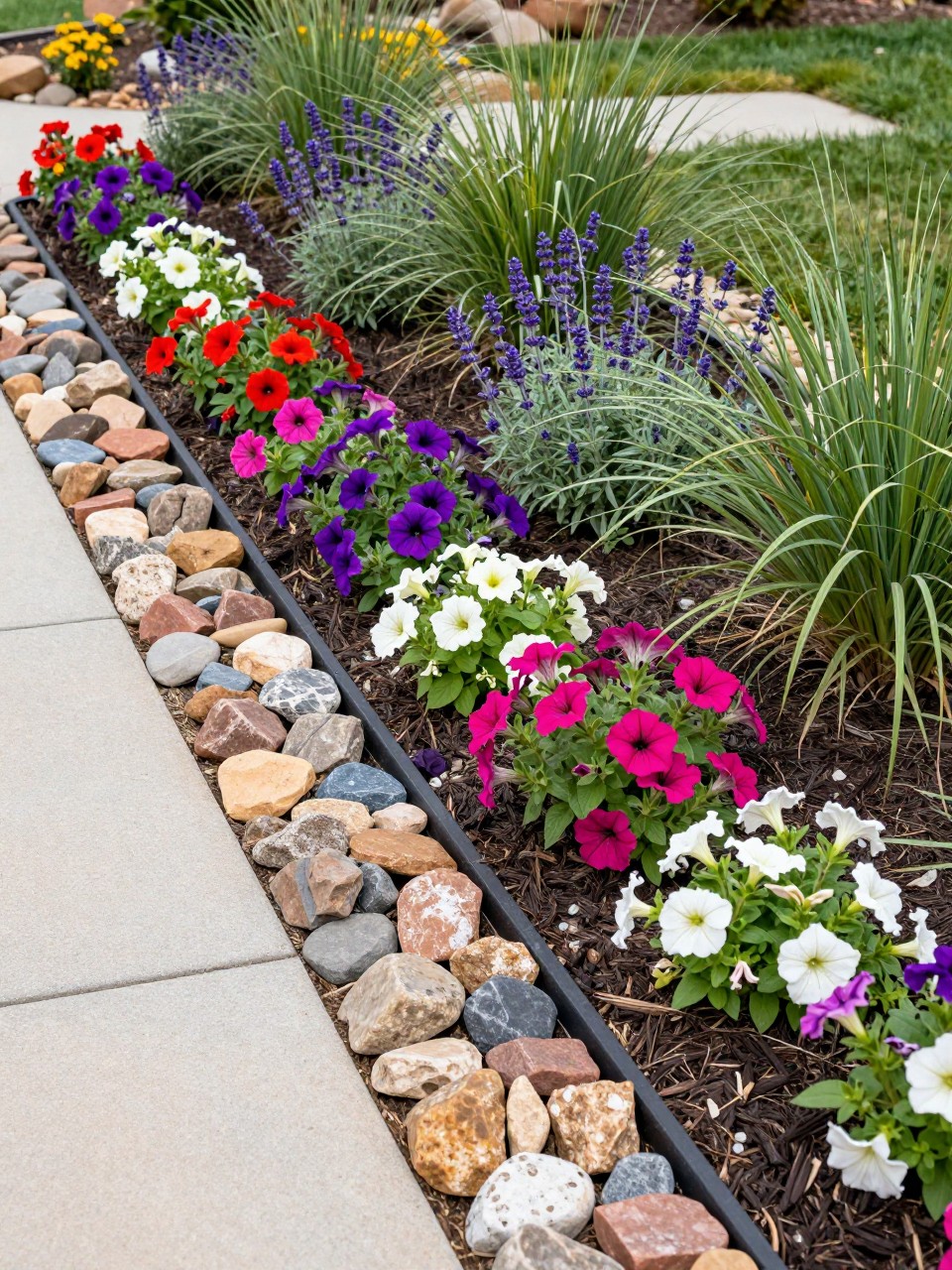
Mixed material edging is a fun way to make a flower bed feel more personal. It lets you combine leftover bricks, stones, metal strips, or pavers into one useful garden border.
The key is to repeat colors or shapes so the edge still feels planned. This idea works especially well in eclectic gardens, DIY backyards, and flower beds that already have a relaxed creative style.