





In This Article Show
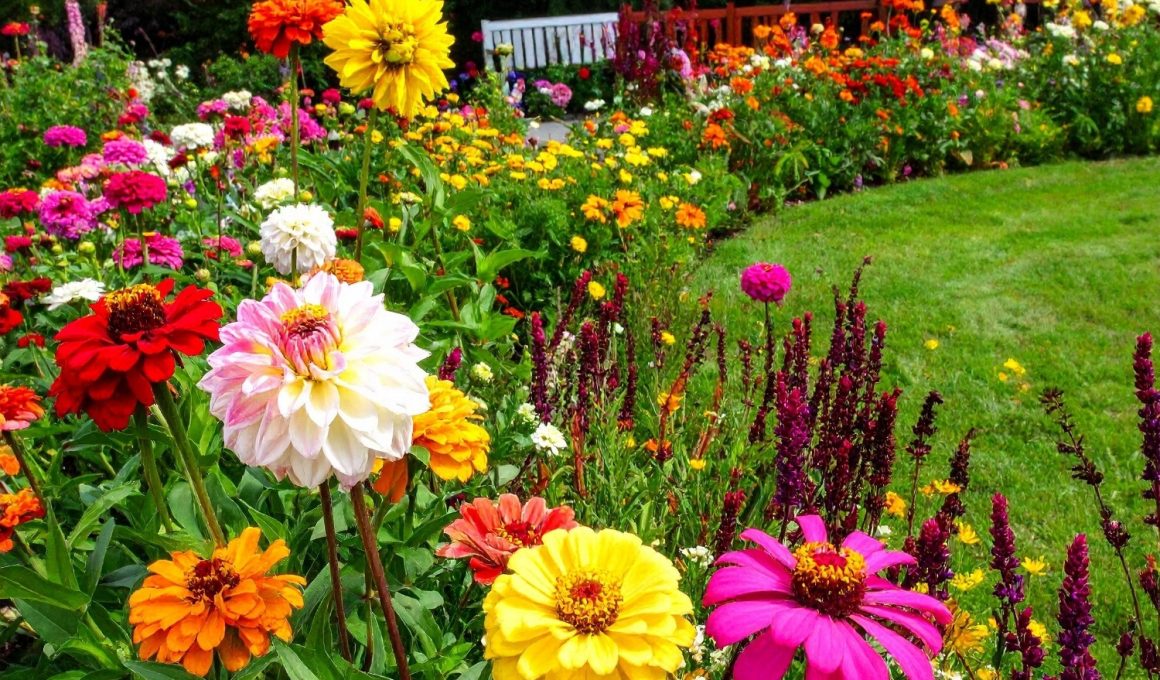
Layered flower beds are one of the best ways to make a garden look full, thoughtful, and more interesting from every angle. Instead of planting flowers all at one height, you build the bed in levels using tall plants, medium blooms, low edging flowers, trailing plants, and sometimes shrubs or grasses.
I love this style because it works for both small and large gardens. A layered bed can soften a fence, dress up the front of a house, frame a walkway, or turn a plain backyard corner into a beautiful garden moment.
The key is to place taller plants toward the back or center, then step the planting down so every flower has space to shine.
1. Classic Back-To-Front Layered Flower Bed
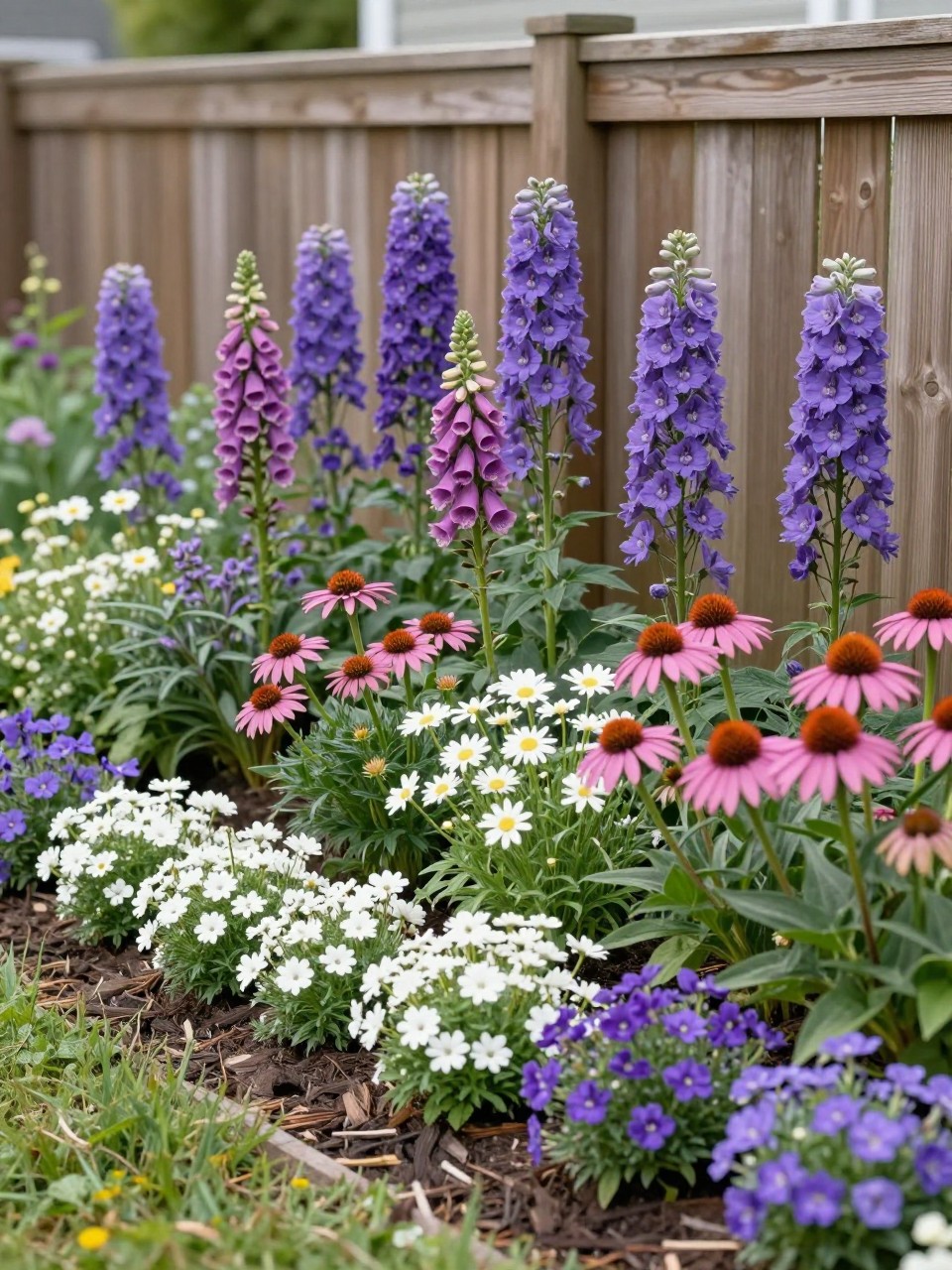
A classic back-to-front layout is the easiest way to create a layered flower bed that feels balanced. Taller flowers sit at the back, medium flowers fill the middle, and low flowers create a soft edge at the front.
This idea works beautifully along fences, walls, and house borders because you only need the bed to be viewed from one side. Repeating a few colors across the layers helps the planting feel full without looking too busy.
2. Layered Cottage Garden Flower Bed
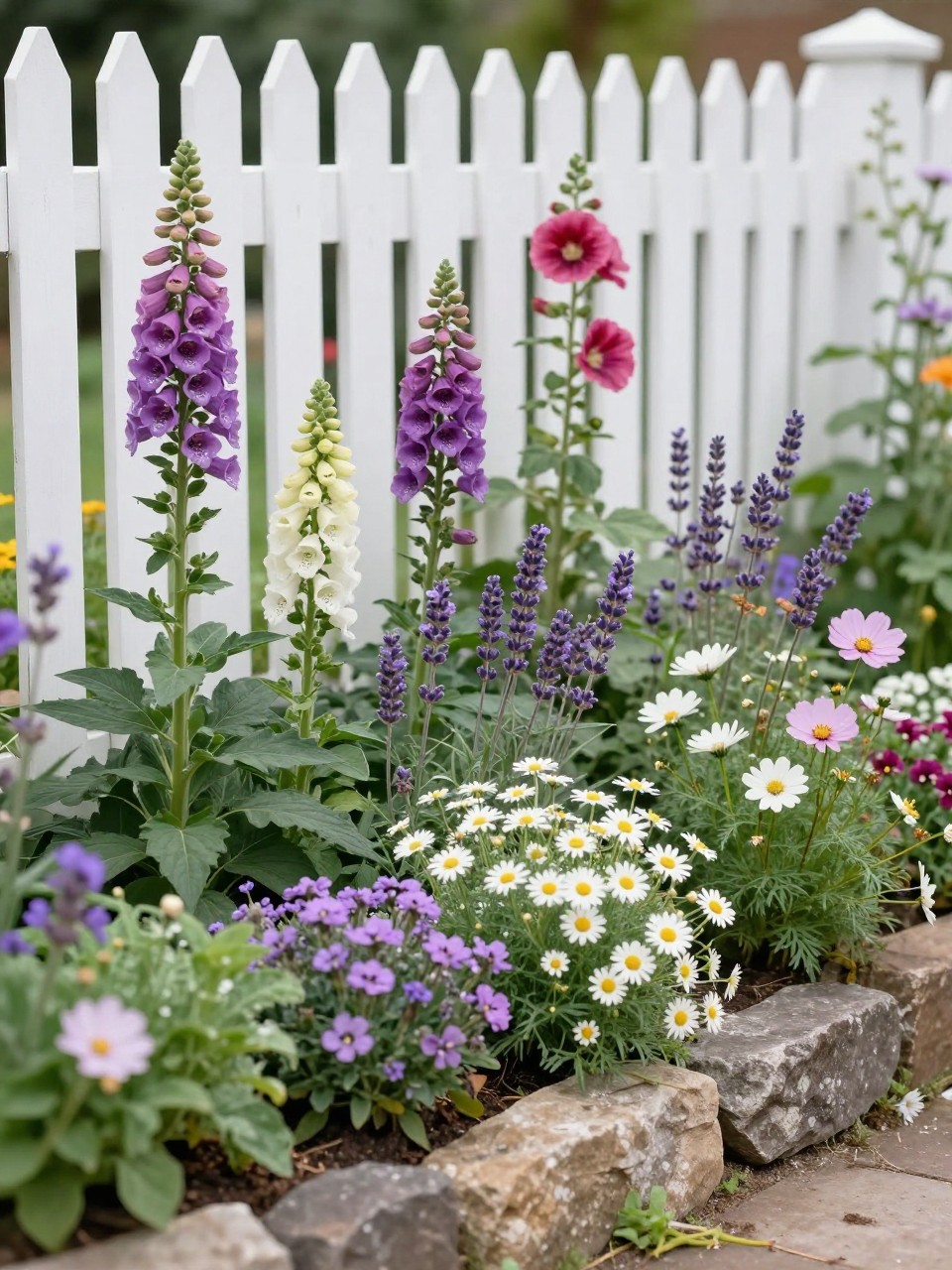
A layered cottage flower bed is perfect if you love a garden that feels soft, full, and charming. The mix of heights gives the bed a relaxed look, while the repeated flowers keep it from feeling messy.
Use tall blooms like foxgloves or hollyhocks in the back, then add daisies, lavender, and cosmos through the middle. Low alyssum or creeping thyme at the front can soften the edge and make the bed feel complete.
3. Layered Front Yard Flower Bed
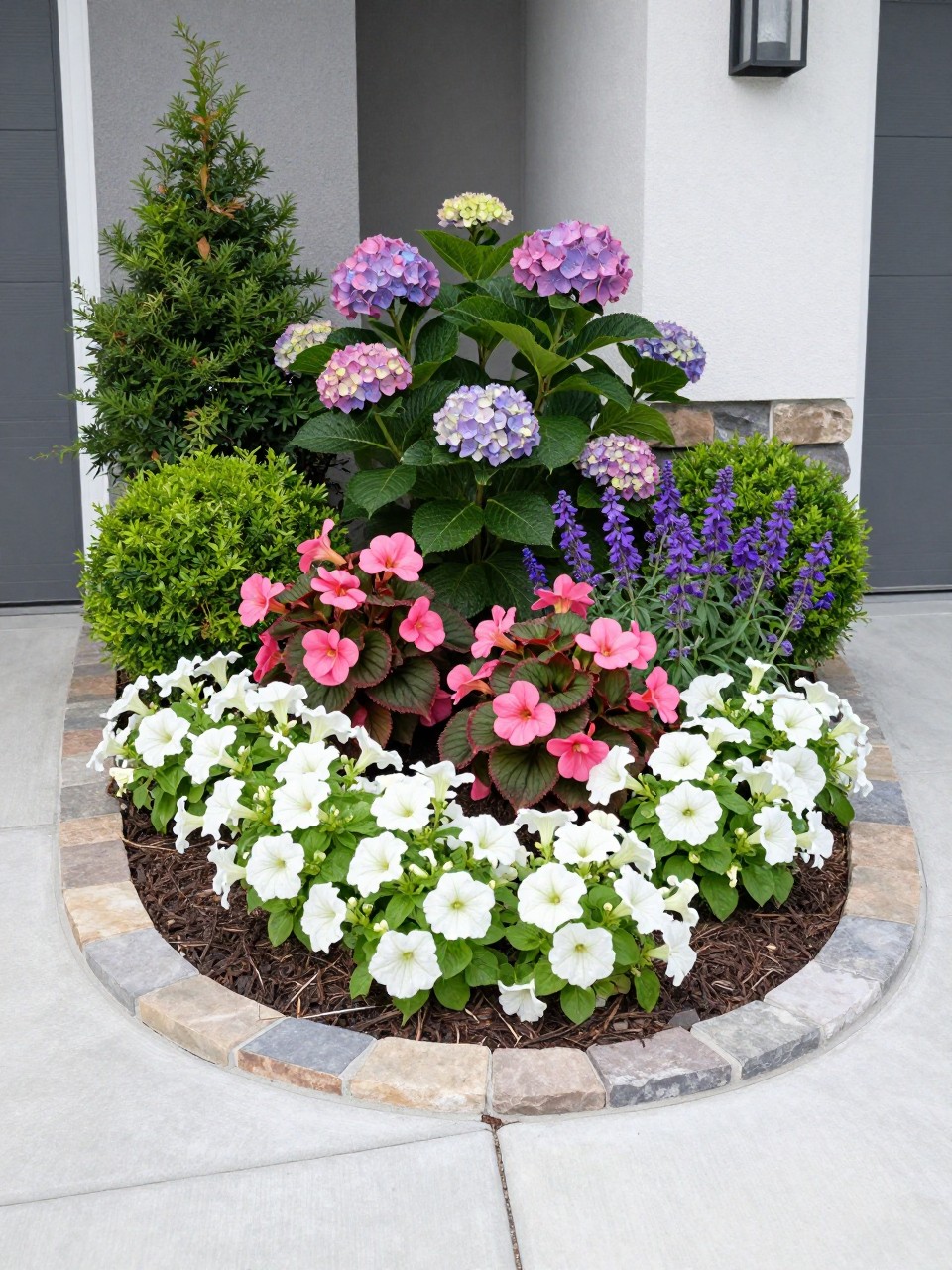
A layered front yard bed can make the outside of a home feel more welcoming right away. It gives the garden structure while still adding plenty of color near the entrance.
For front yards, it is best to mix shrubs with flowers so the bed looks good even when some blooms fade. Keep the front layer low so the bed looks tidy from the street.
4. Layered Flower Bed Around A Tree
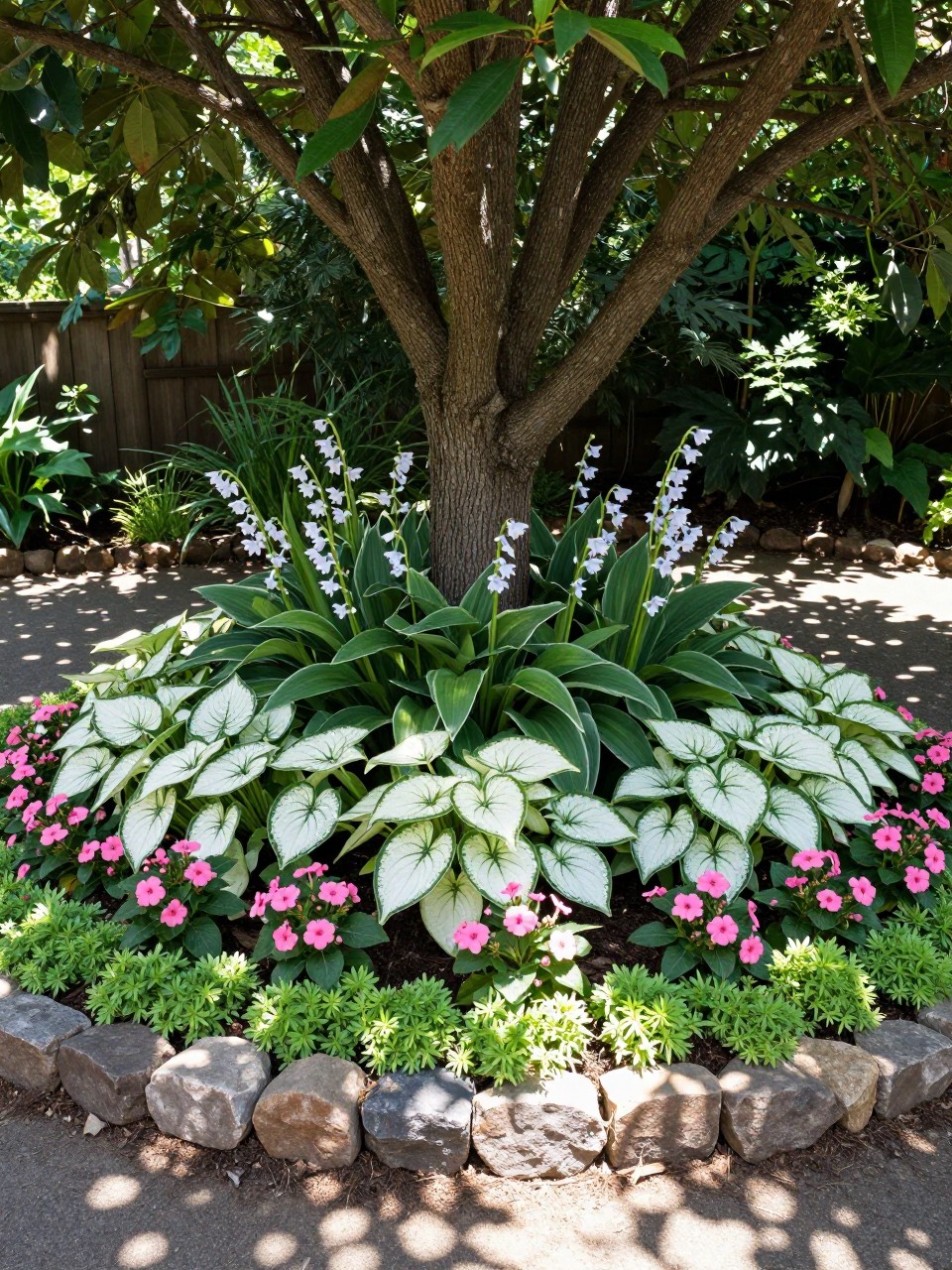
A layered flower bed around a tree can turn a bare patch of soil into a pretty focal point. The round shape works well because you can build the layers outward from the trunk.
Choose plants that can handle shade and tree-root competition. Keep the tallest foliage closer to the trunk, then use smaller flowers and ground cover toward the outside edge.
5. Layered Flower Bed With Ornamental Grasses
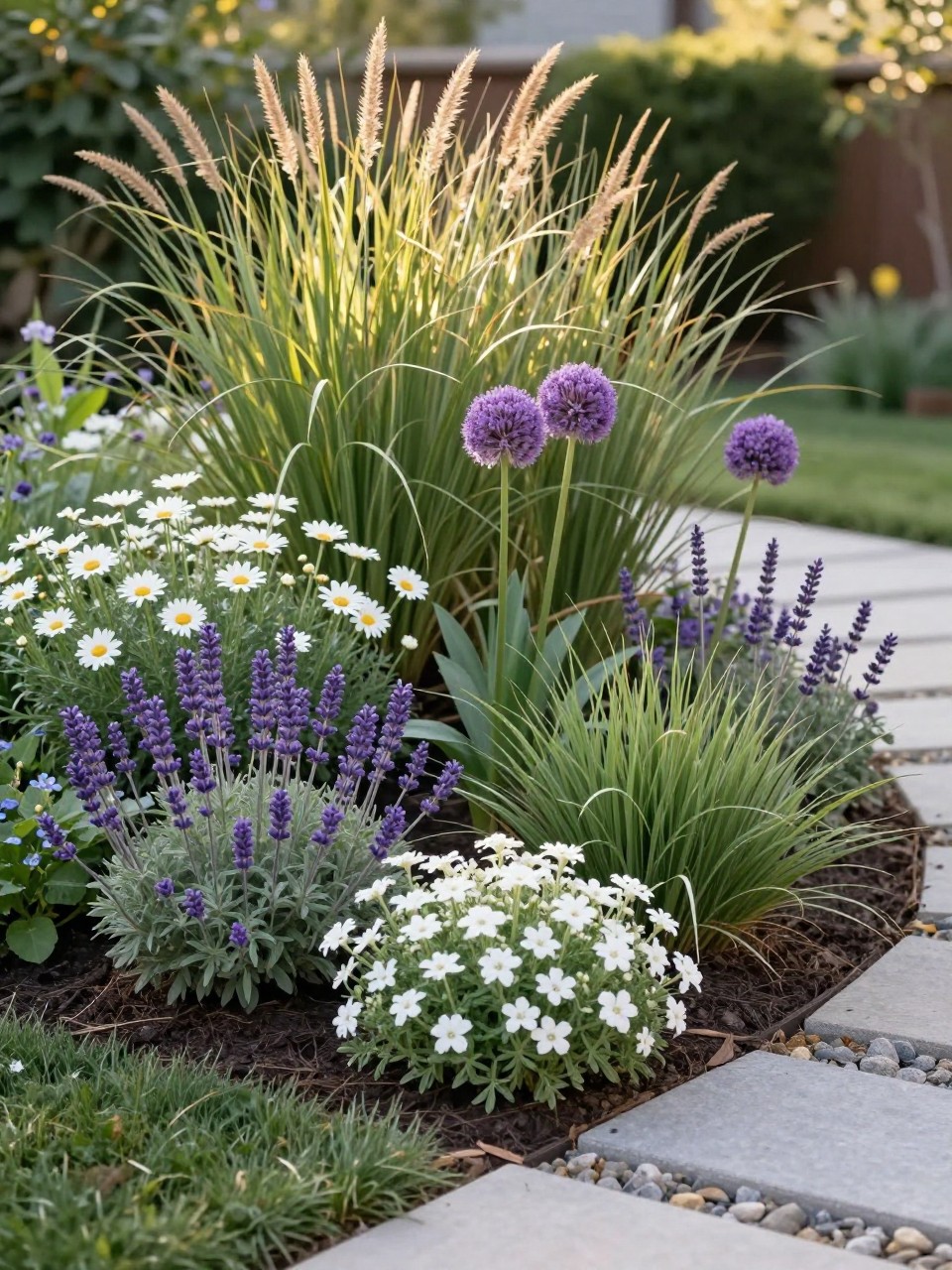
Ornamental grasses are great for adding height and movement to a layered bed. They make the back layer feel light and airy instead of heavy.
This style works well in modern, natural, and low-maintenance gardens. Pair grasses with simple flowers like alliums, daisies, lavender, and salvia for a clean but beautiful mix.
6. Layered Flower Bed Along A Walkway
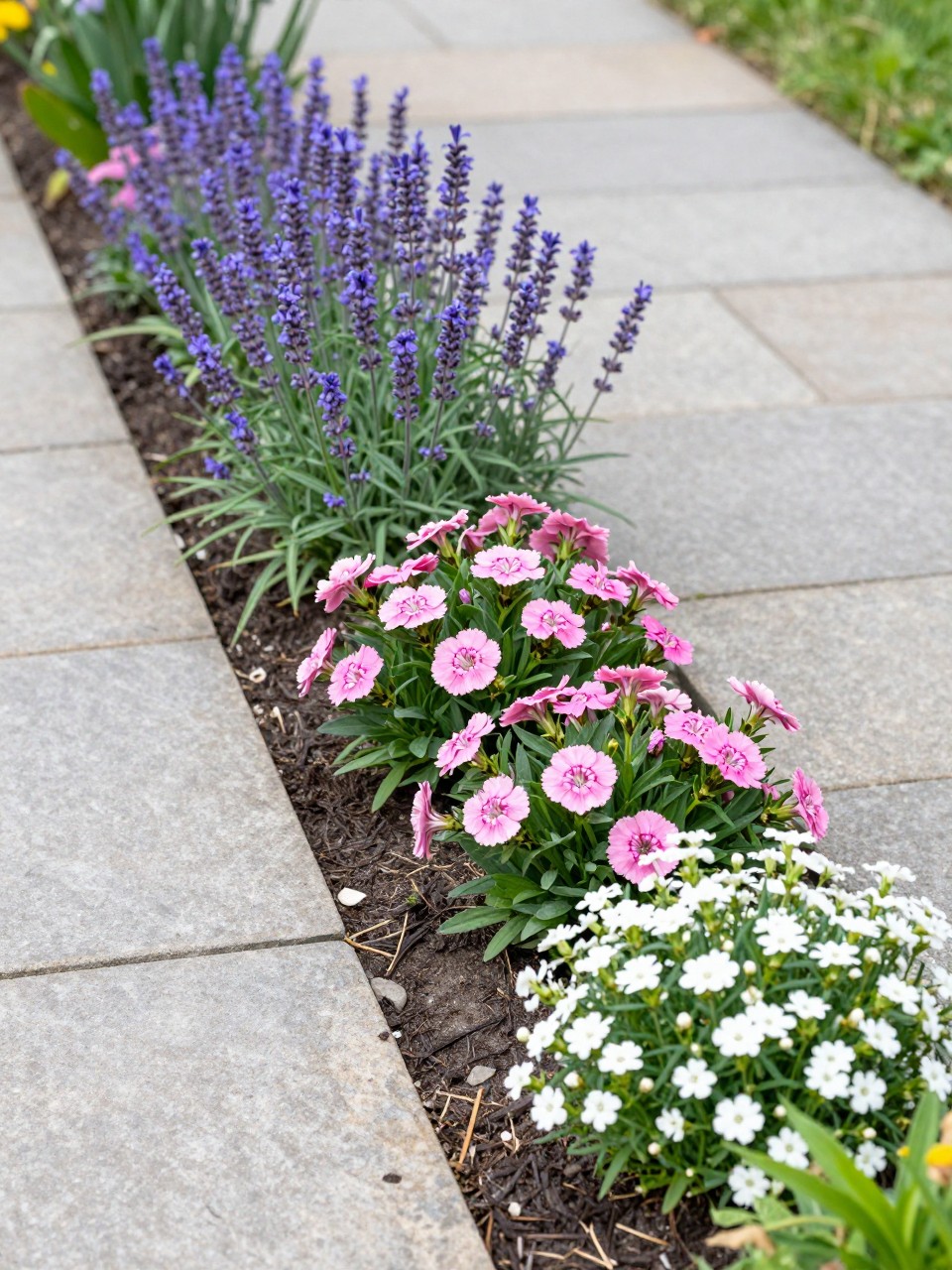
A layered walkway bed makes a path feel more inviting without taking up too much space. The layers guide the eye along the walkway and add color right where people pass by.
Keep the tallest plants away from the path so the walkway stays open. Low flowers and creeping plants near the edge can soften the stones without making the area hard to walk through.
7. Layered Raised Flower Bed
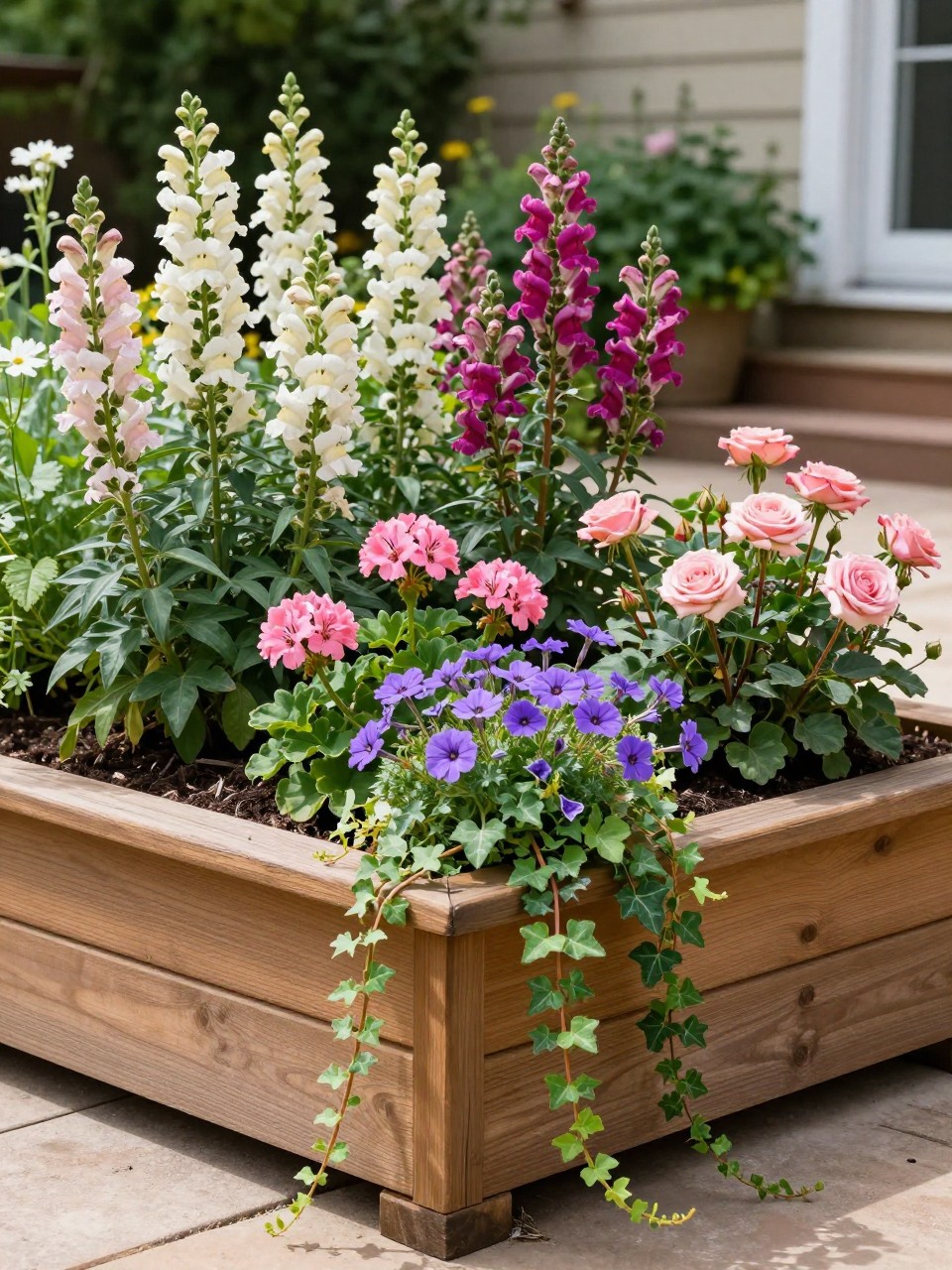
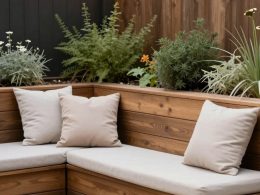
A raised flower bed is perfect for layered planting because the height already makes the flowers stand out. When you add tall, medium, and trailing plants, the bed feels even fuller.
This is a great idea near patios, decks, and small backyard spaces. Let a few trailing plants spill over the front to soften the frame and make the bed feel lush.
8. Layered Flower Bed With Roses
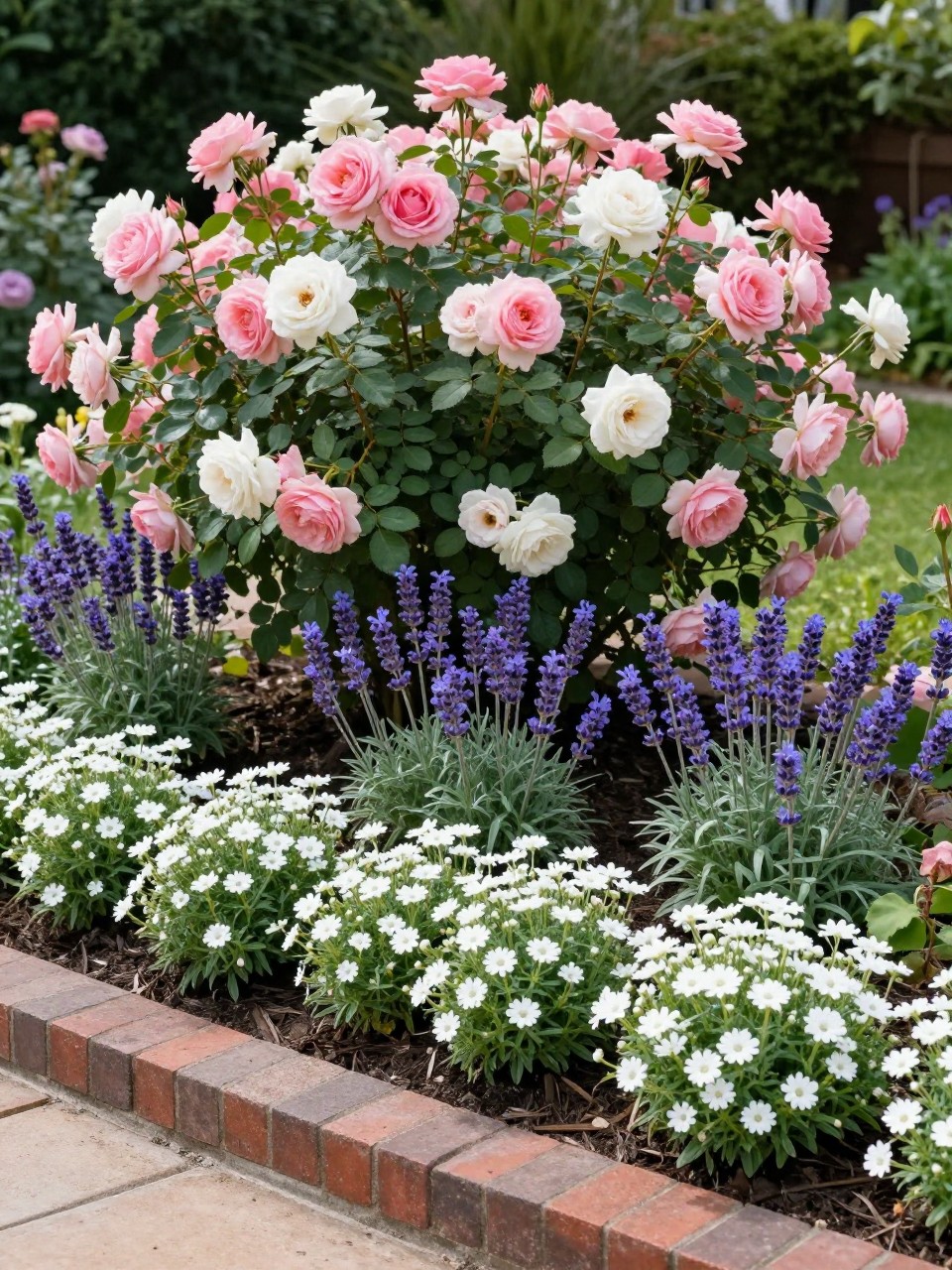
A rose bed looks even better when it is layered with softer companion plants. The roses bring the main beauty, while the lower plants cover bare stems and make the bed feel fuller.
Lavender, catmint, alyssum, and lobelia are lovely around roses because they add texture and color without taking over. This idea works well in front gardens, cottage beds, and sunny backyard borders.
9. Layered Shade Flower Bed
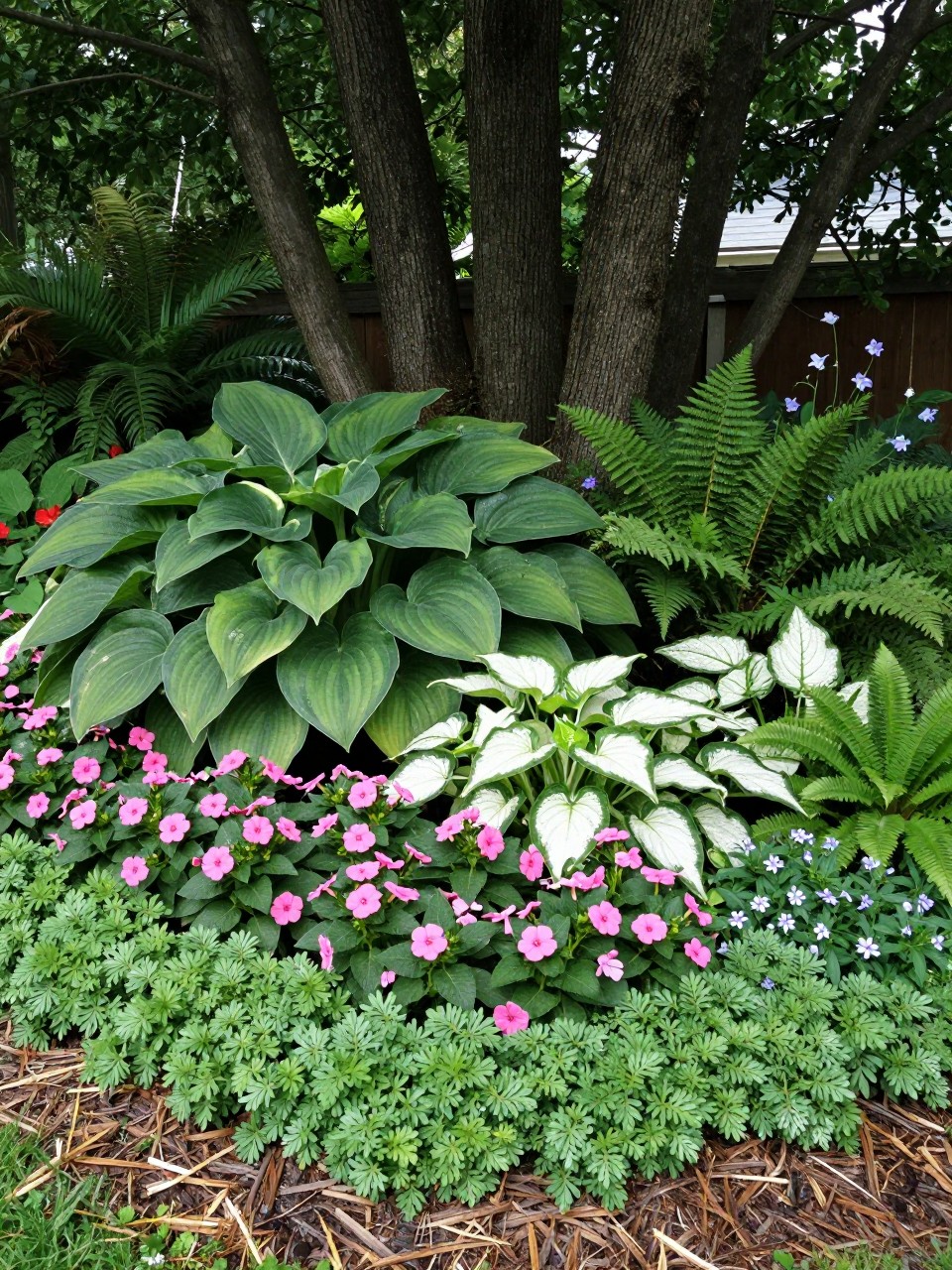
A layered shade bed proves that you do not need full sun to make a flower bed beautiful. Foliage plants can carry most of the design, while shade flowers add gentle color.
Use hostas and ferns for the tallest layer, then add coral bells, caladiums, and impatiens lower down. The mix of leaf shapes keeps the bed interesting even when blooms are simple.
10. Layered Flower Bed With Rocks
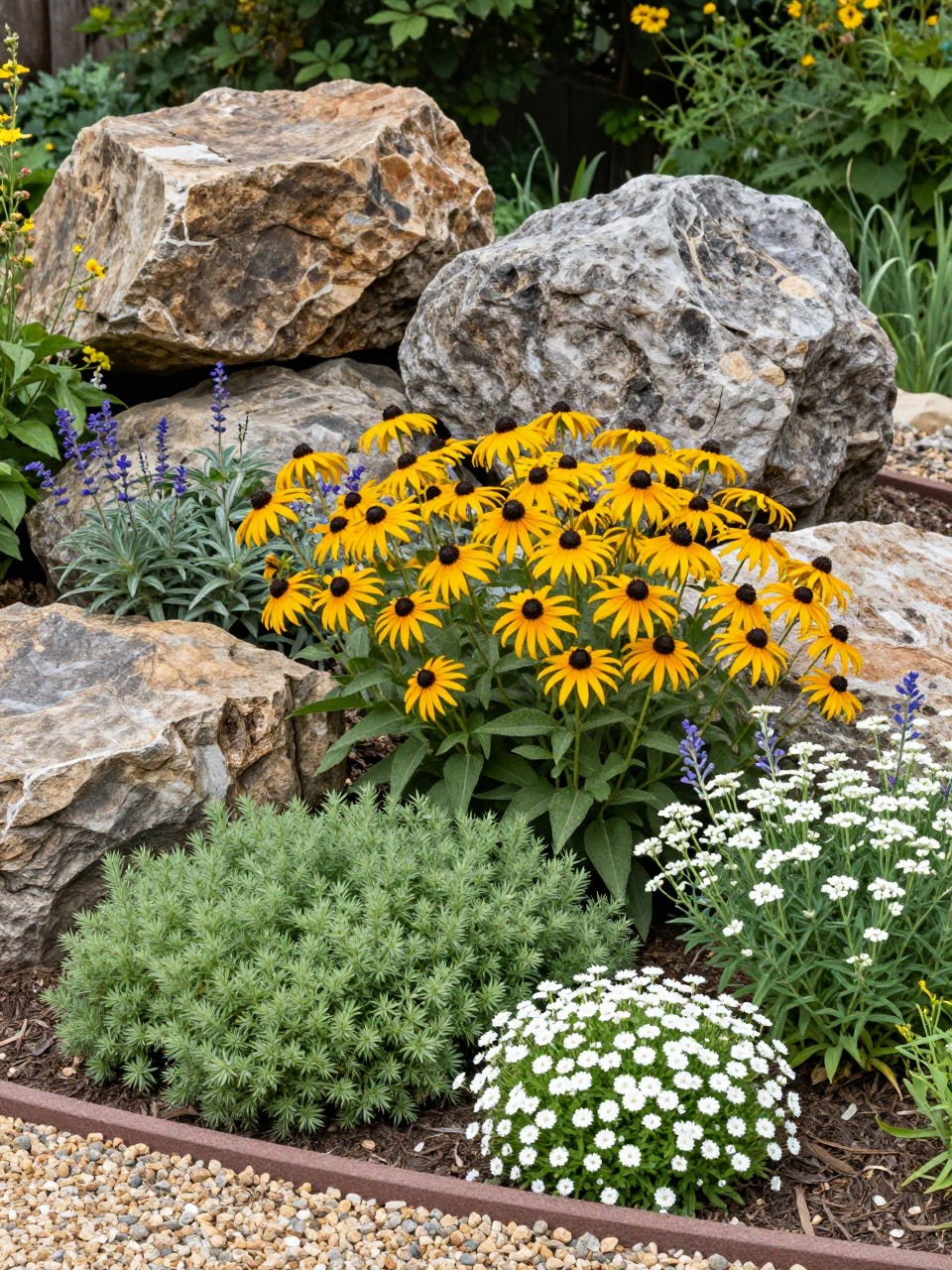
Rocks can make a layered flower bed feel more grounded and natural. They add structure between the plants and help the bed look finished even before every flower blooms.
Place larger rocks toward the back or sides, then let flowers and ground covers soften them. This works especially well in sunny beds with drought-tolerant plants.
11. Layered Pollinator Flower Bed
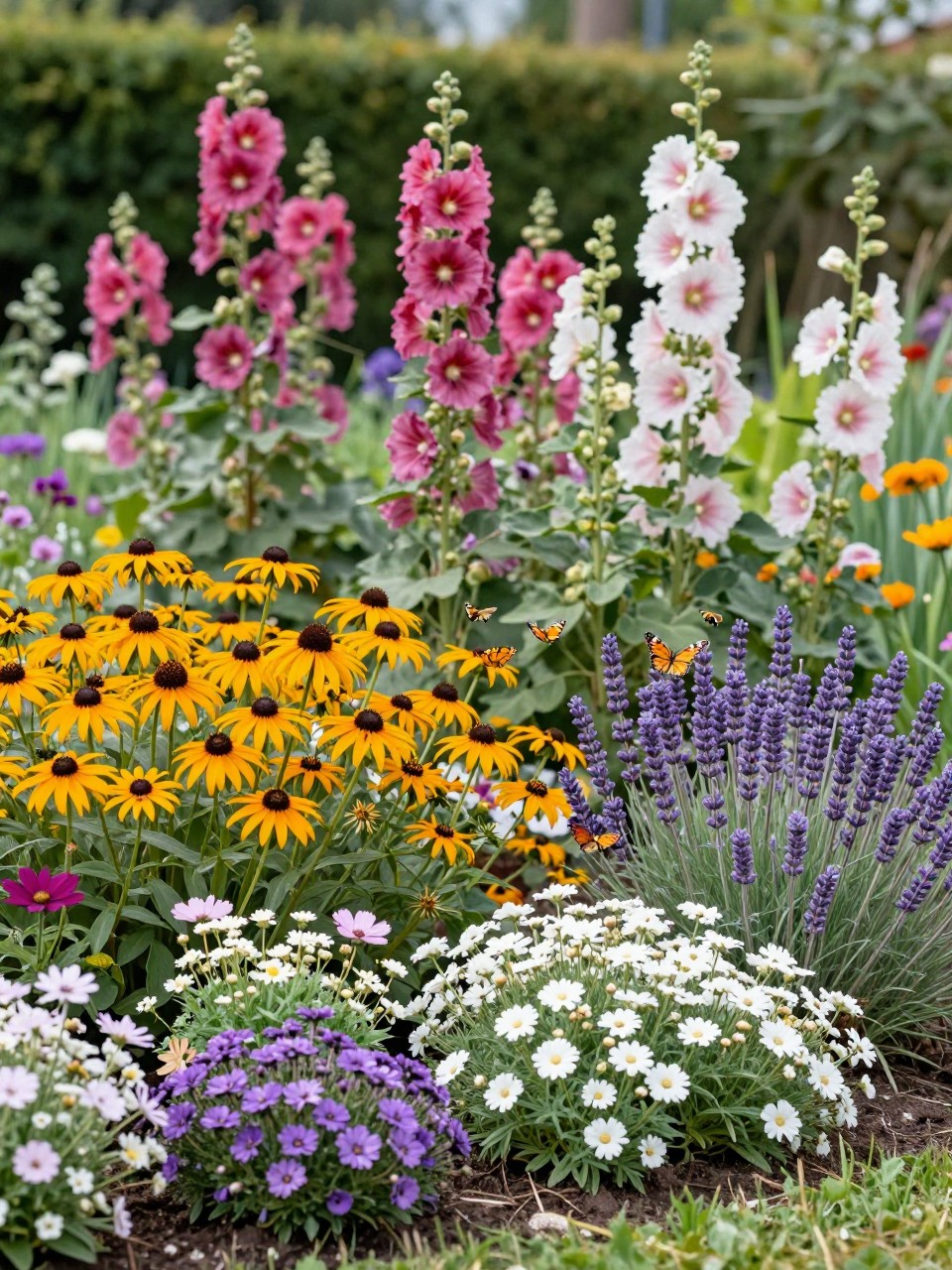
A layered pollinator bed is both pretty and useful for the garden. The different heights and flower shapes help attract bees, butterflies, and other helpful insects.
Choose flowers that bloom at different times so the bed stays active through the season. A mix of coneflowers, bee balm, lavender, cosmos, and black-eyed Susans can make the space colorful and lively.
12. Layered Corner Flower Bed
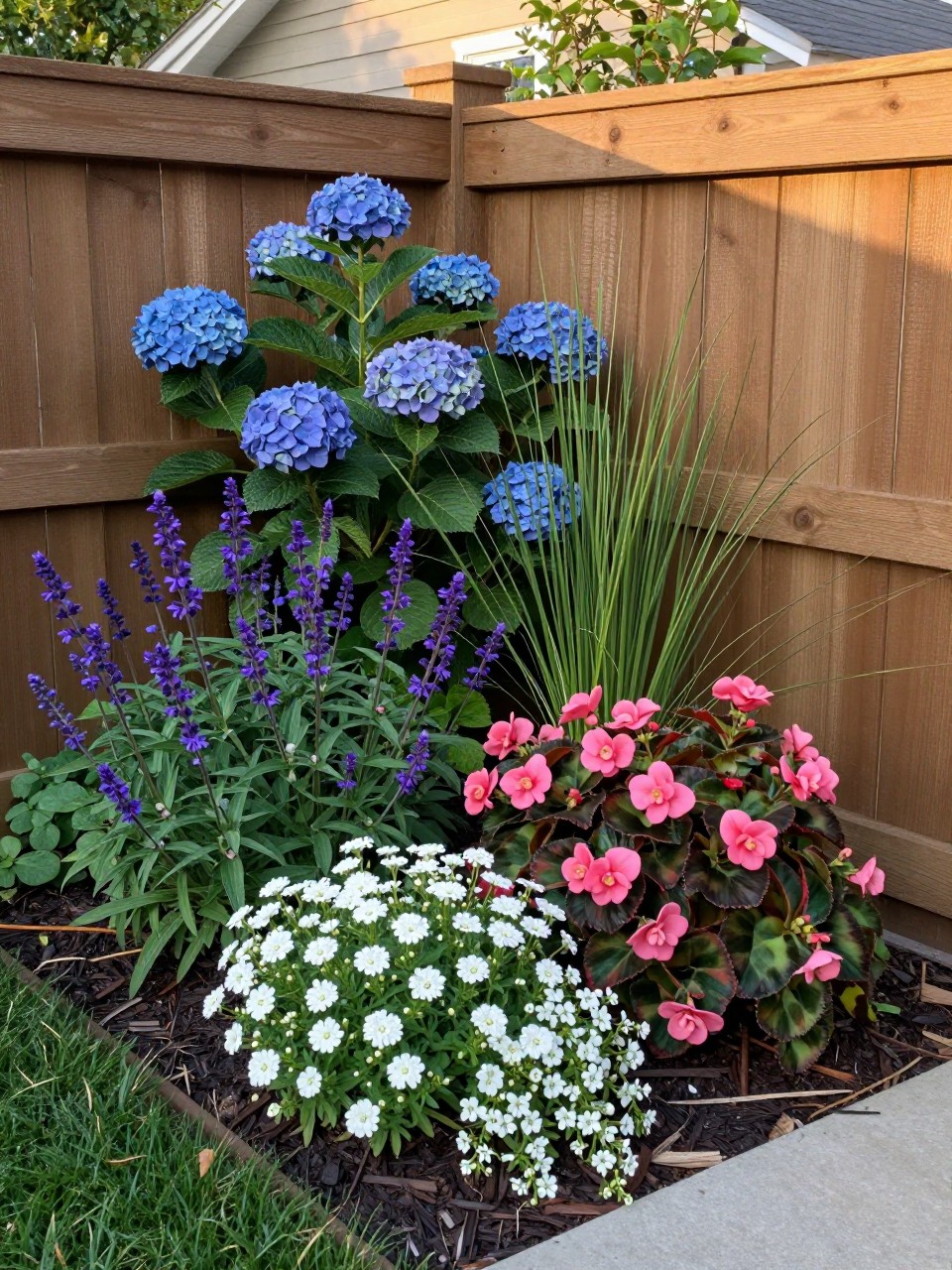
A corner flower bed is a smart place to use layers because the back corner naturally gives you a tall planting point. It makes an empty fence corner feel softer and more useful.
Place the tallest plant right in the corner, then step the planting down as it moves forward. This creates a full garden look without taking over too much yard space.
13. Layered Flower Bed With Seasonal Color
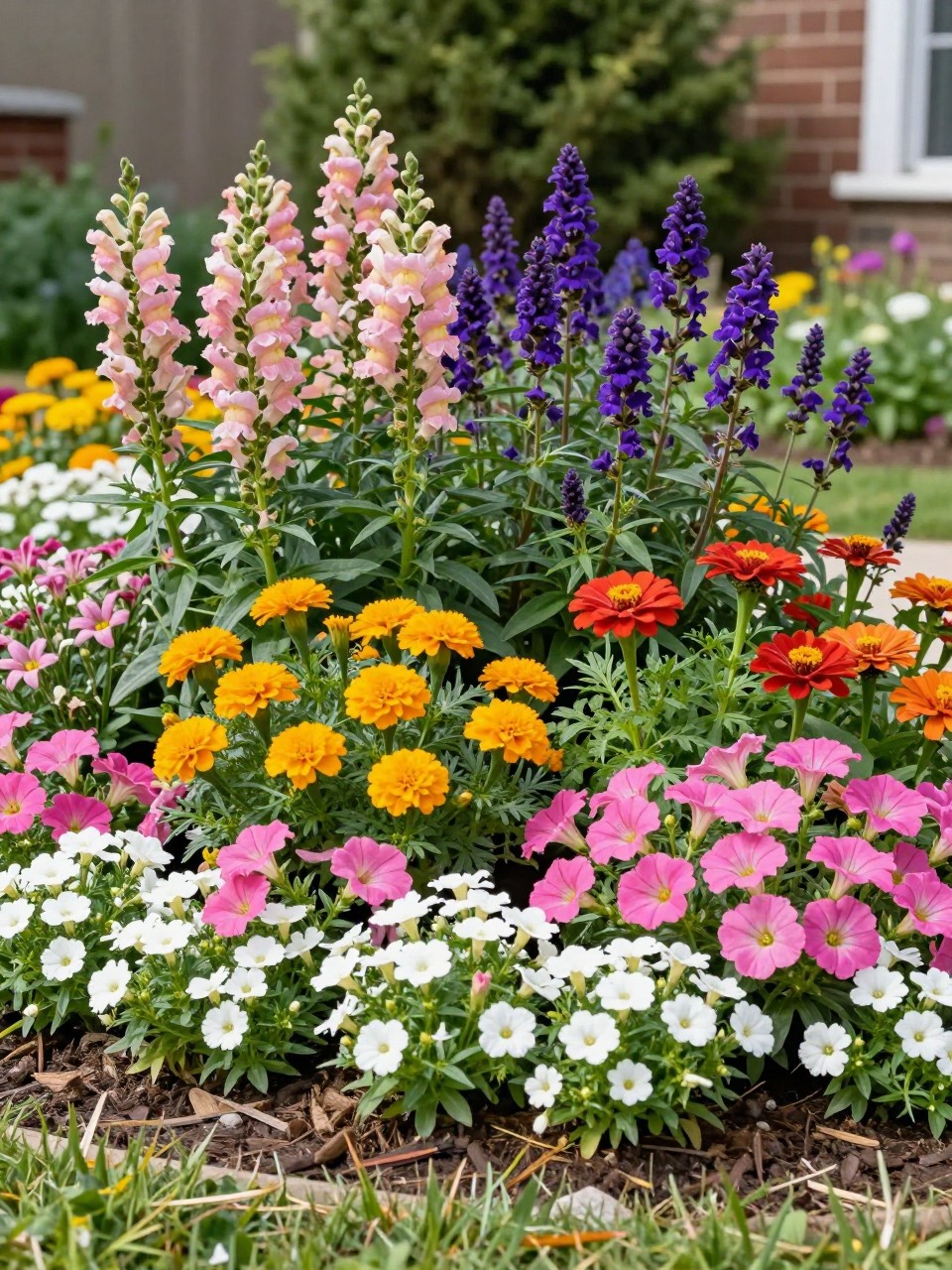
A seasonal layered bed is perfect if you like changing your garden throughout the year. Annual flowers give you strong color and make it easy to refresh the bed when the season changes.
Use taller annuals at the back and lower ones at the front so the bed still has shape. Repeating two or three colors will help the design look planned instead of random.
14. Layered Flower Bed With Evergreen Structure
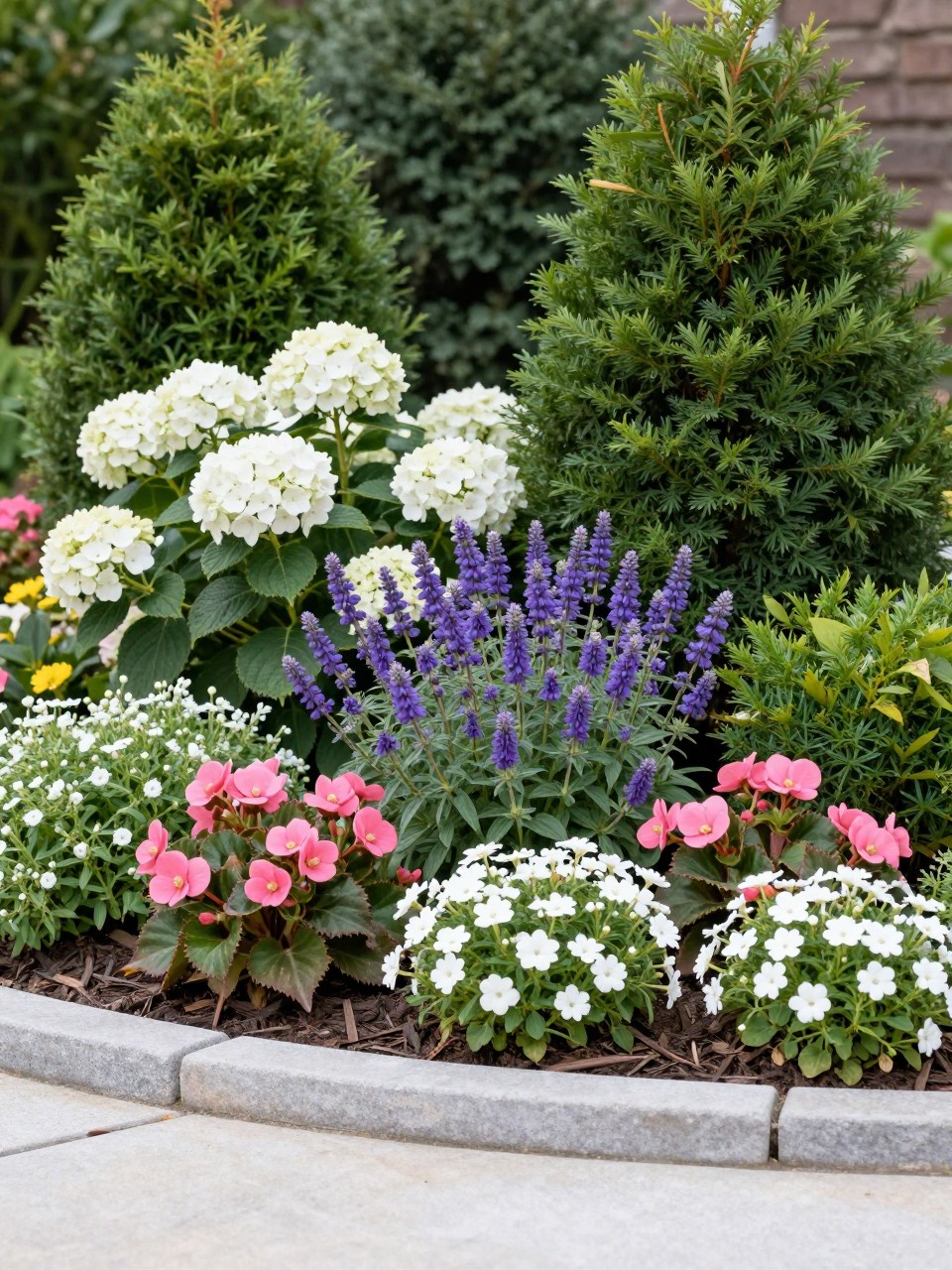
Evergreens are helpful in a layered flower bed because they keep the garden from looking empty in the off-season. They give the bed a steady shape while flowers bring softness and color.
This idea is great for front yards and formal garden areas. Use small shrubs in the back, then layer flowering plants in front for a bed that feels neat and dependable.
15. Layered Flower Bed With Trailing Front Plants
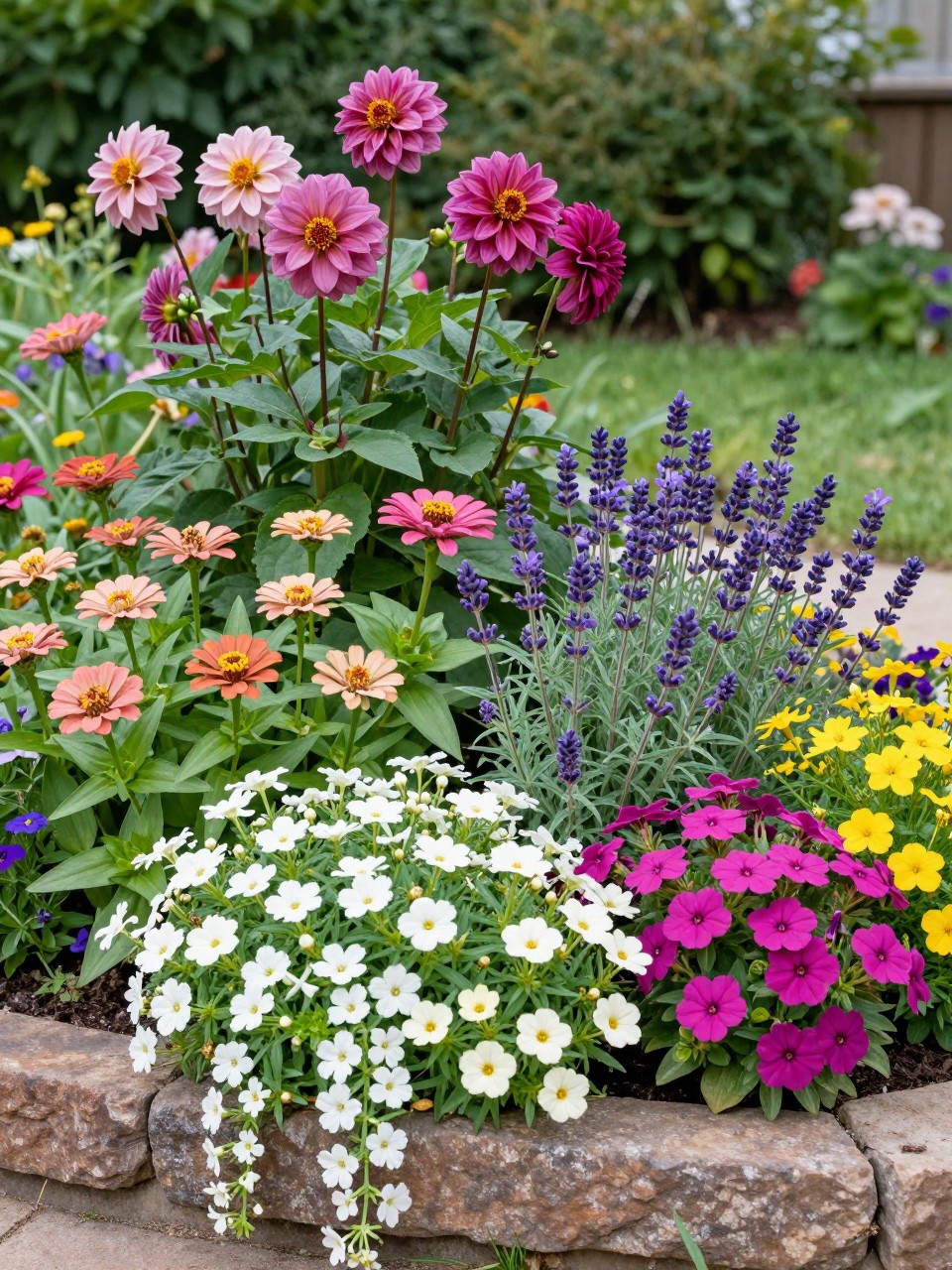
Trailing plants are a simple way to make a layered flower bed look softer and more finished. They hide hard edges and make the front of the bed feel full without adding too much height.
This works especially well with raised beds, stone borders, and walkway beds. Use trailing plants along the front, then build up with medium and tall flowers behind them for a rich layered look.