


In This Article Show
A balcony garden can stay colorful and useful long after summer flowers begin to fade. Cooler weather makes it easier to grow hardy flowers, leafy vegetables, herbs, and compact shrubs without the constant watering and heat stress that often come with warm-season gardening.
The best fall balcony gardens make good use of limited space while staying easy to care for. These ideas combine seasonal color, edible plants, layered containers, and simple vertical features that can work on both small apartment balconies and larger covered terraces.
1. Create a Layered Mum and Heuchera Corner
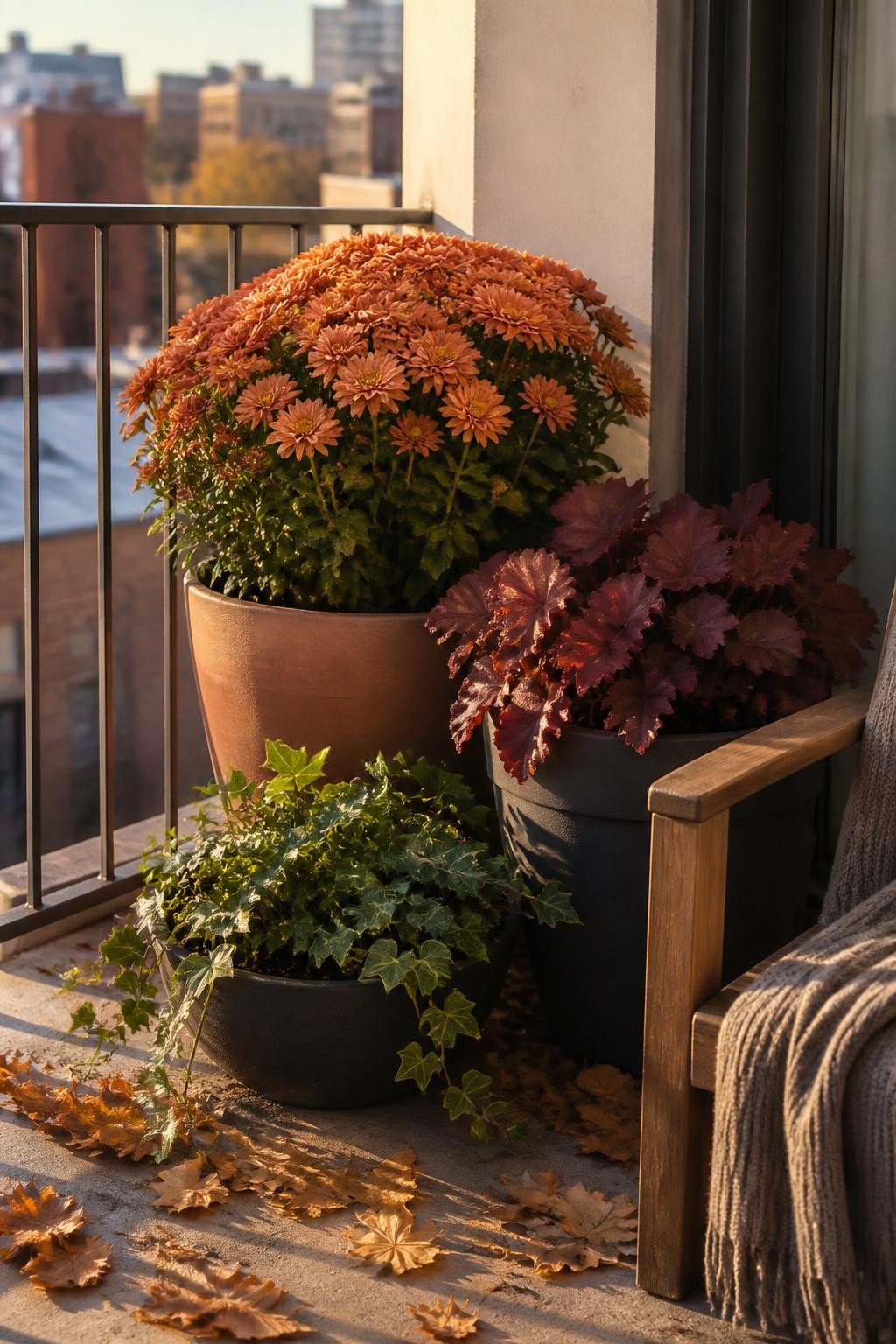
Use one balcony corner to create a simple layered display with plants of different heights. A full chrysanthemum can act as the main source of color, while heuchera adds rich foliage and ivy softens the lower edges. Grouping the containers together makes the area look fuller without filling the entire balcony.
Choose pots with similar tones so the plants remain the focus. Keep the arrangement away from strong wind, and rotate the mum every few days if light reaches only one side. When the flowers fade, replace the mum with a compact evergreen while leaving the foliage plants in place.
2. Grow a Compact Fall Salad Garden
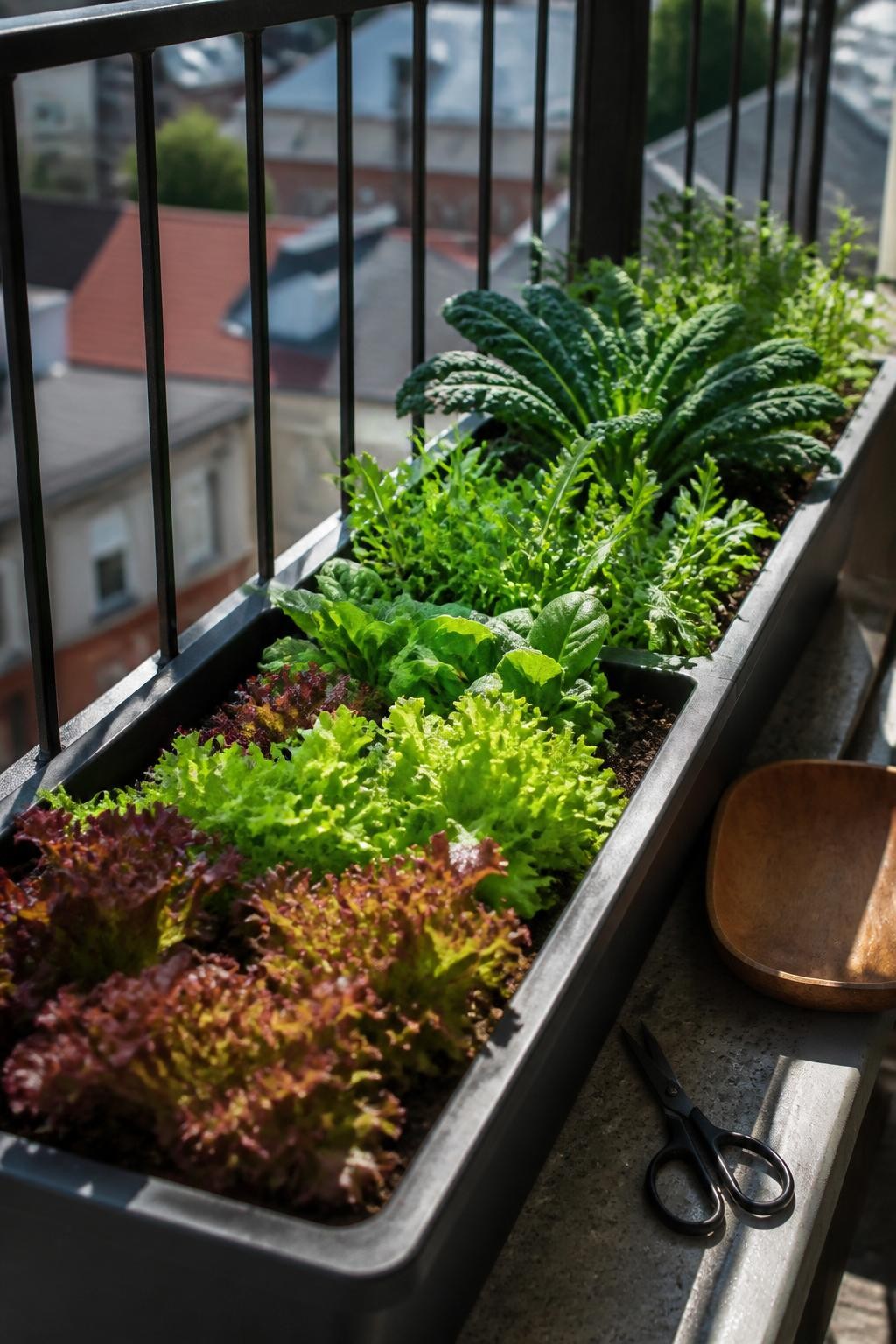
A long balcony planter can provide several weeks of fresh salad greens. Lettuce, spinach, arugula, mustard greens, and baby kale all enjoy cooler weather and do not need deep containers when harvested young. Mix red and green varieties to make the planter look decorative as well as productive.
Place the planter where it receives several hours of light and keep the soil lightly moist. Harvest only the largest outer leaves so the plants continue growing. Sow a few extra seeds every week or two to replace plants that are harvested completely.
3. Add a Vertical Herb Wall
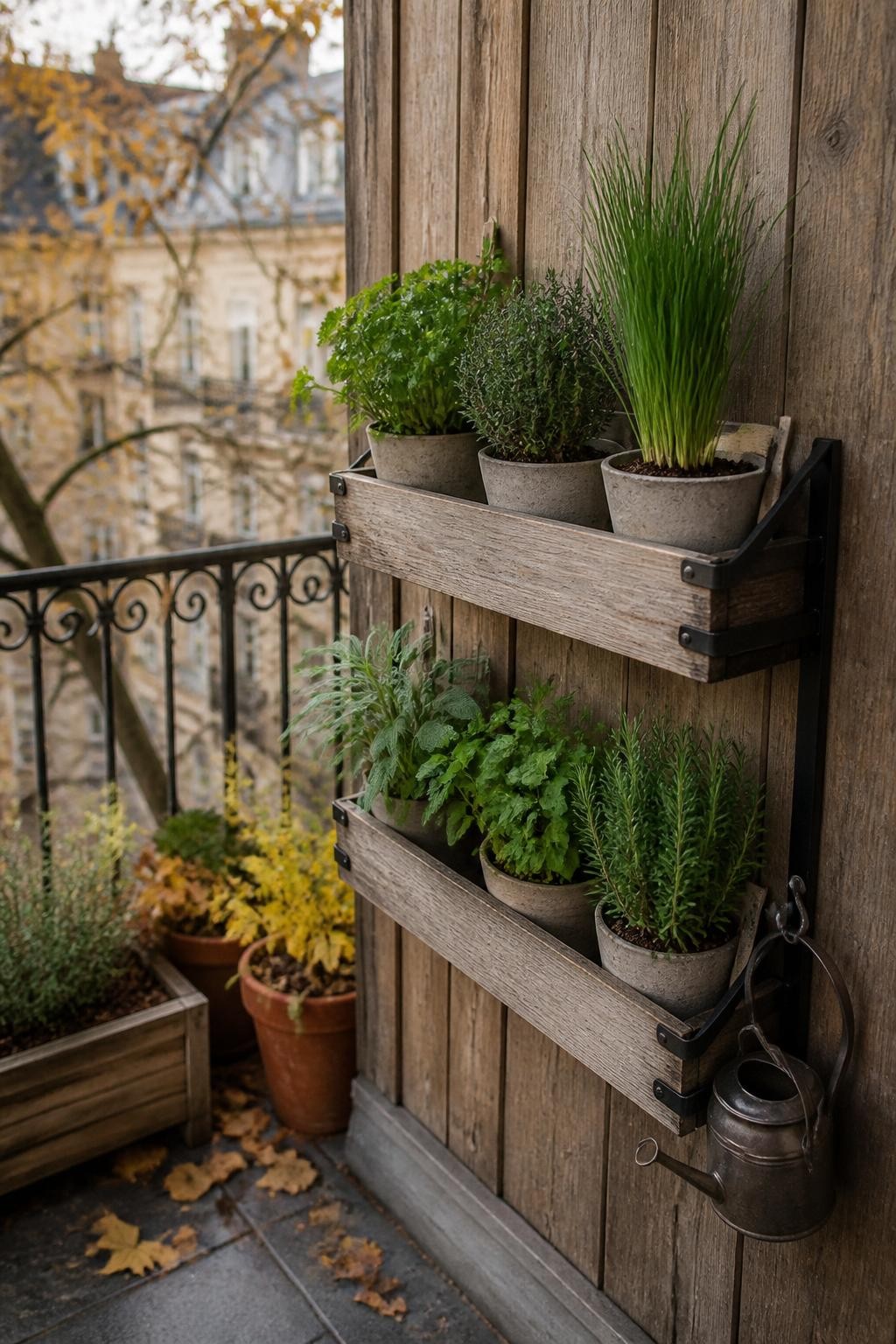
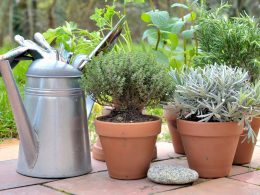
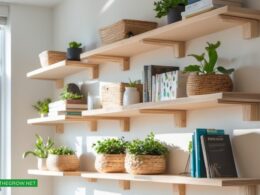
A wall-mounted herb garden keeps the floor open while giving you easy access to useful kitchen herbs. Place parsley and chives where they receive steady moisture, and keep rosemary, thyme, and sage in sections that drain more quickly. Individual pots make it easier to care for each herb properly.
Make sure the wall system is firmly secured and not overloaded with wet soil. Position the herbs you use most often at a comfortable height. Tender plants can be removed and carried indoors before hard frost without taking apart the entire display.
4. Fill Railing Boxes with Pansies and Violas
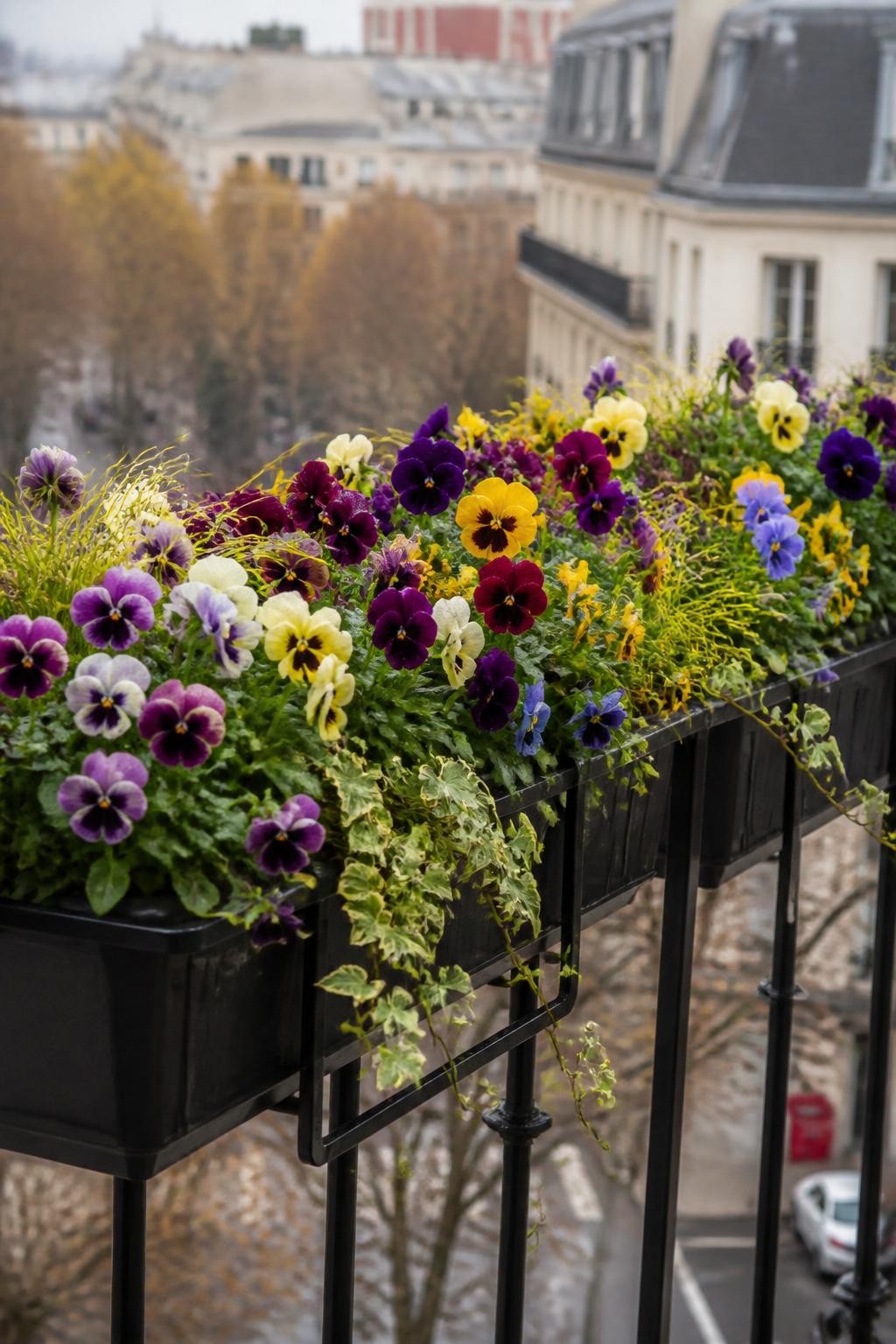
Railing boxes are one of the easiest ways to add fall color without using valuable walking space. Pansies and violas work especially well because they stay compact, bloom in cool weather, and can handle more exposure than many delicate flowers.
Check that every box is attached with strong brackets designed for your railing. Water carefully so excess moisture does not drip onto balconies below. Remove faded blooms and trim trailing plants if they begin to block light from nearby flowers.
5. Build a Small Evergreen Balcony Display
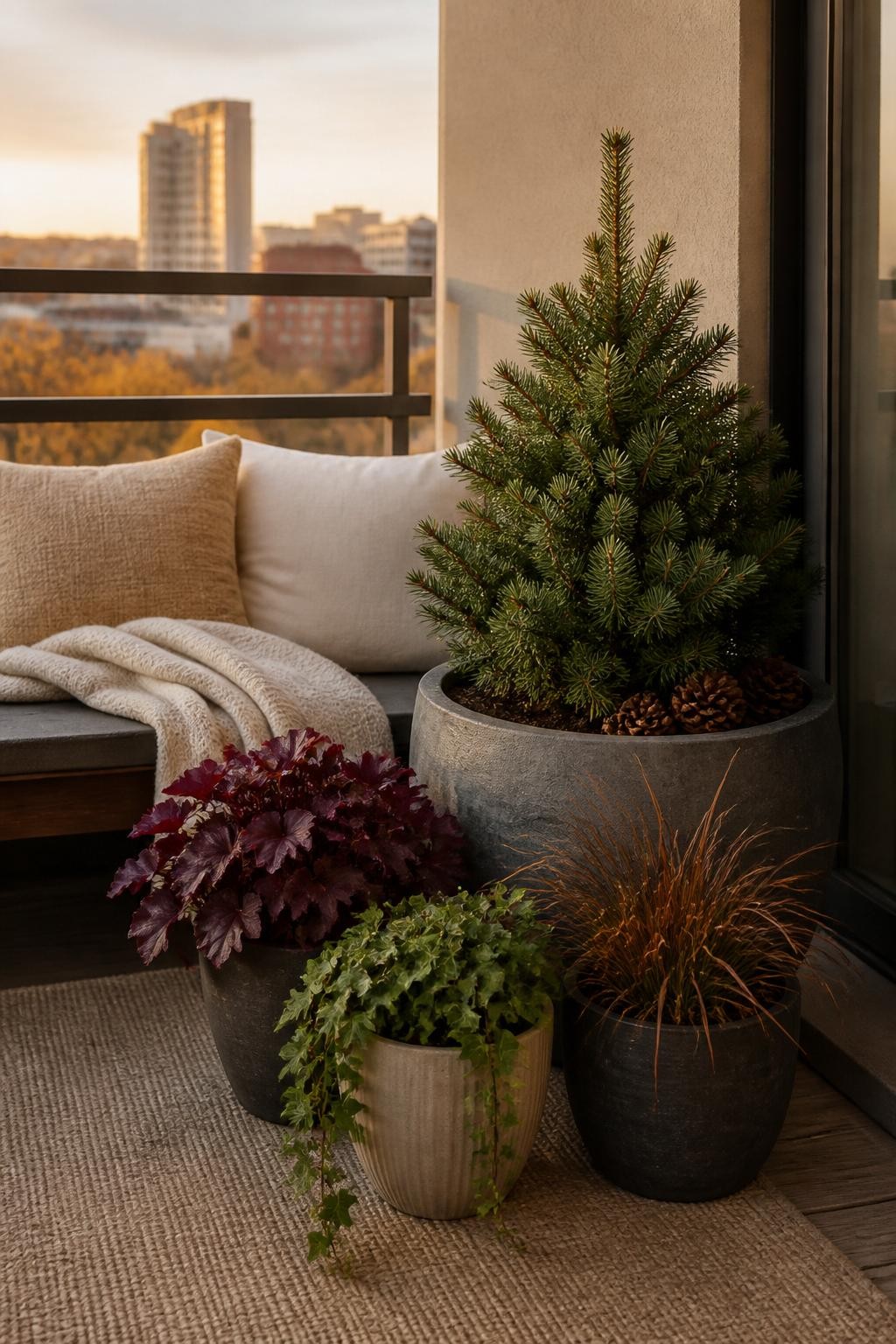
A small evergreen gives the balcony structure after seasonal flowers finish. Dwarf spruce, compact juniper, or a small boxwood can work well when the mature size suits container growth. Add heuchera, ivy, or sedge around the main plant to make the display feel softer and more complete.
Use a heavy planter that will not tip in strong wind and make sure it has drainage holes. Water the evergreen during dry weather, including mild winter days when the soil is not frozen. Check the plant label before buying because not every dwarf variety stays small enough for a balcony.
6. Make a Mini Pumpkin and Flower Table Display
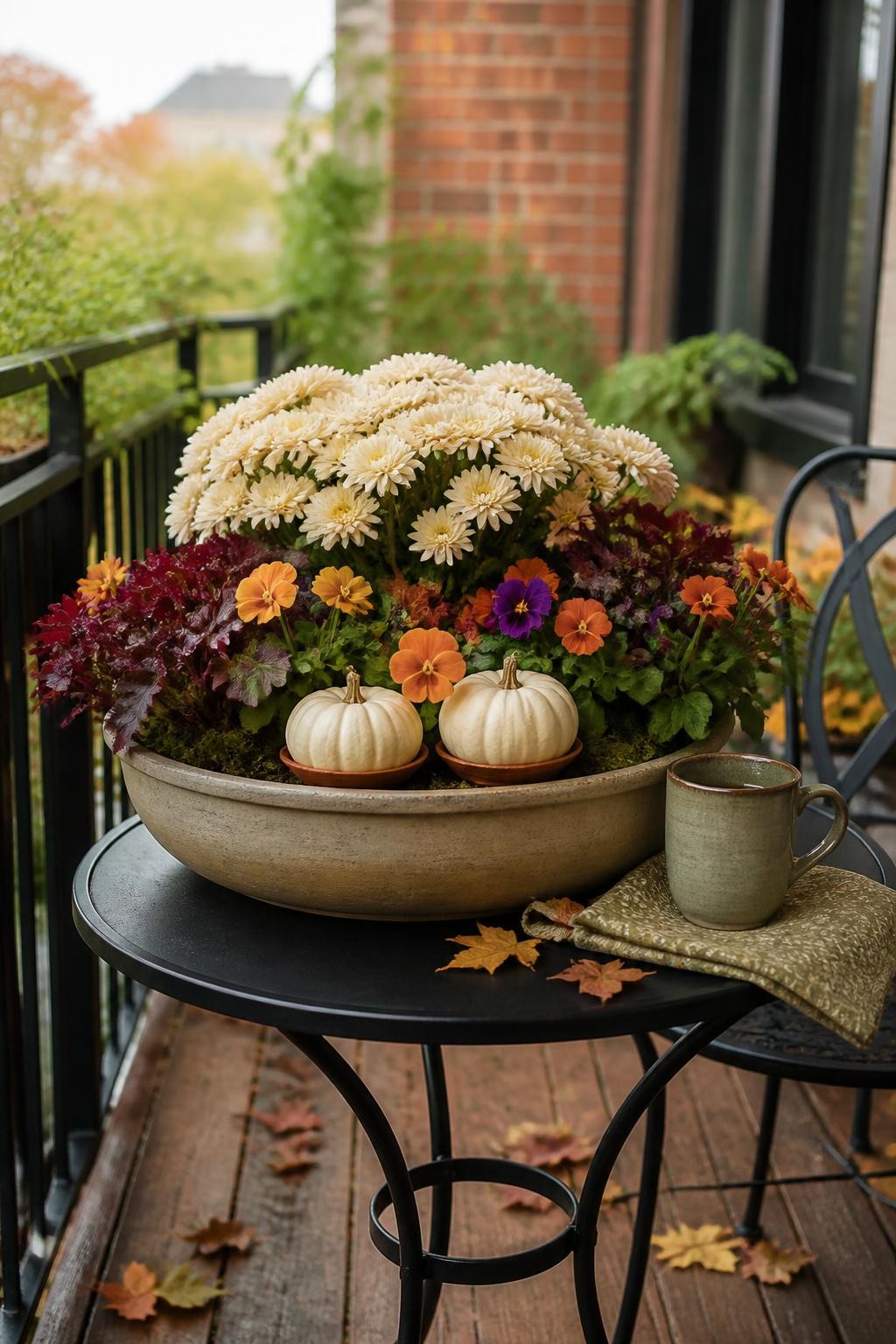
A low planter can become a seasonal centerpiece for a balcony table. Combine compact mums, violas, and heuchera, then place one or two mini pumpkins between the plants. This gives the table a strong fall look without using candles, plastic decorations, or large arrangements.
Keep the pumpkins from touching wet soil by resting them on small hidden saucers or flat stones. Remove any fruit that becomes soft after rain. Choose a low container so the display does not block conversation or take up too much table space.
7. Grow Kale and Herbs in a Tall Planter
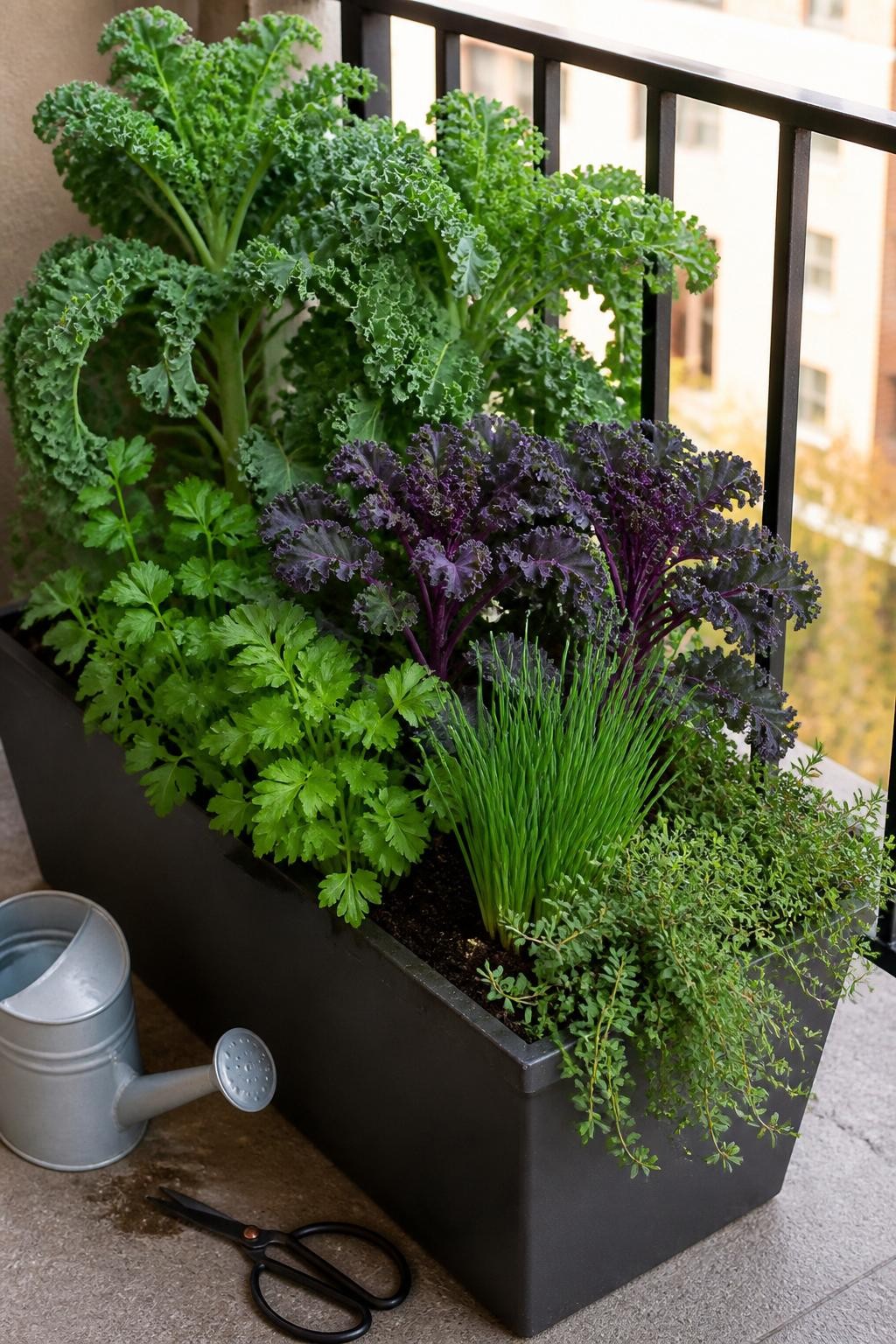
A tall planter is useful when you want an edible garden without bending down often. Compact kale varieties provide height and strong leaf color, while parsley, chives, and thyme fill the lower area. Kale can become sweeter after light frost, making it a good crop for fall balconies.
Place the planter where it receives good sunlight and protection from harsh wind. Harvest the oldest kale leaves first and leave the growing center untouched. Check the undersides of leaves regularly for caterpillars, especially during the early part of fall.
8. Create a Soft Woodland Shade Balcony
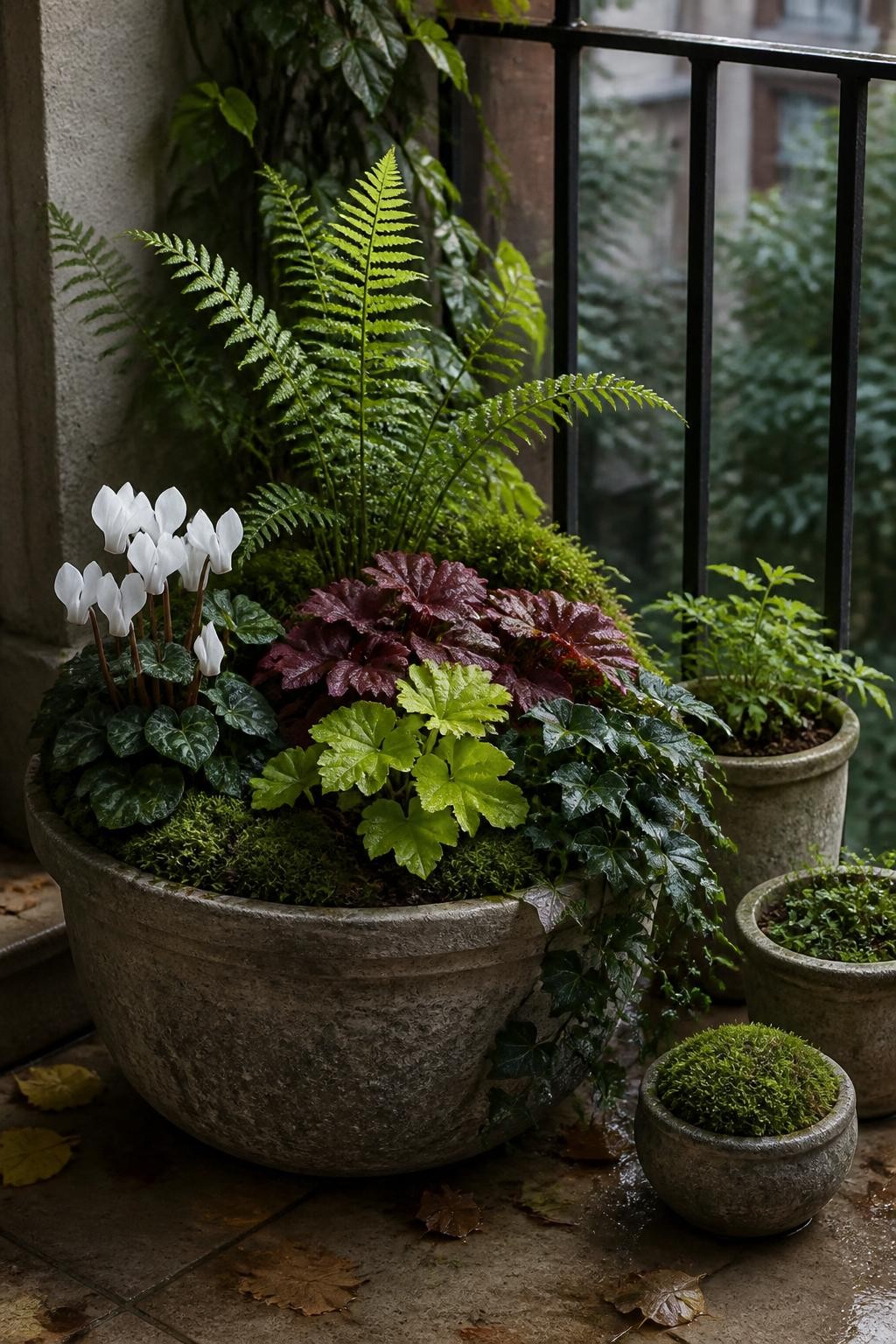
A shaded balcony can still look full and colorful with plants that prefer filtered light. Ferns, heuchera, cyclamen, and ivy create a layered display built around foliage rather than sun-loving flowers. The combination feels calm and works well on covered or north-facing balconies.
Use containers with good drainage because shaded pots often stay wet longer. Water only when the top of the soil begins to dry. Protect cyclamen from severe frost, and move tender plants closer to the wall when very cold nights are expected.
9. Plant a Pollinator-Friendly Aster Pot
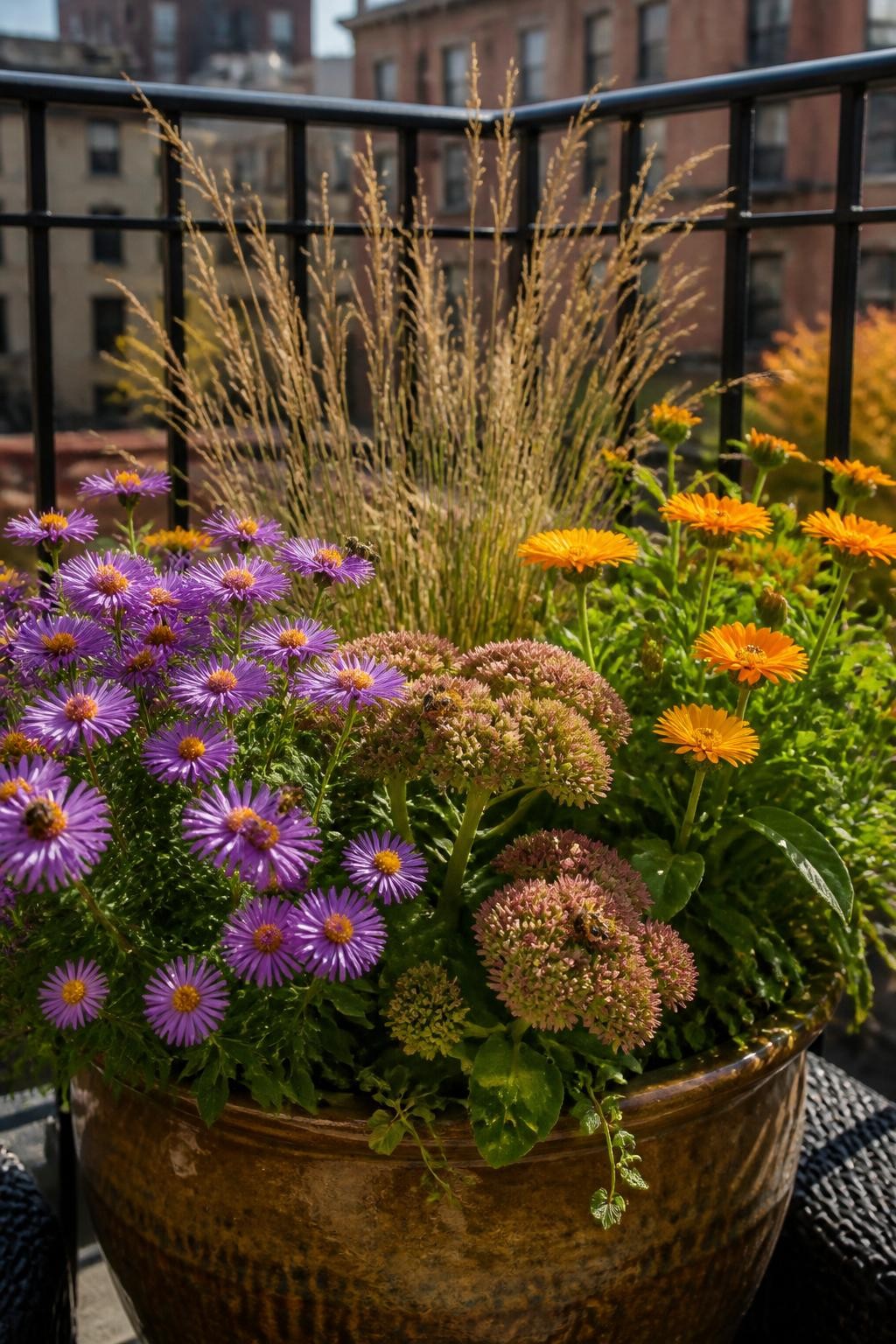
Asters, calendula, and sedum provide late-season flowers when pollinators may have fewer food sources available. A small grass adds movement and keeps the container attractive after some flowers begin to fade.
Place the planter in the sunniest part of the balcony and avoid using insect sprays nearby. Water deeply when the soil begins to dry, but do not leave the pot standing in water. Leave some seedheads in place after flowering if birds visit the balcony.
10. Use a Slim Trellis for Fall Peas
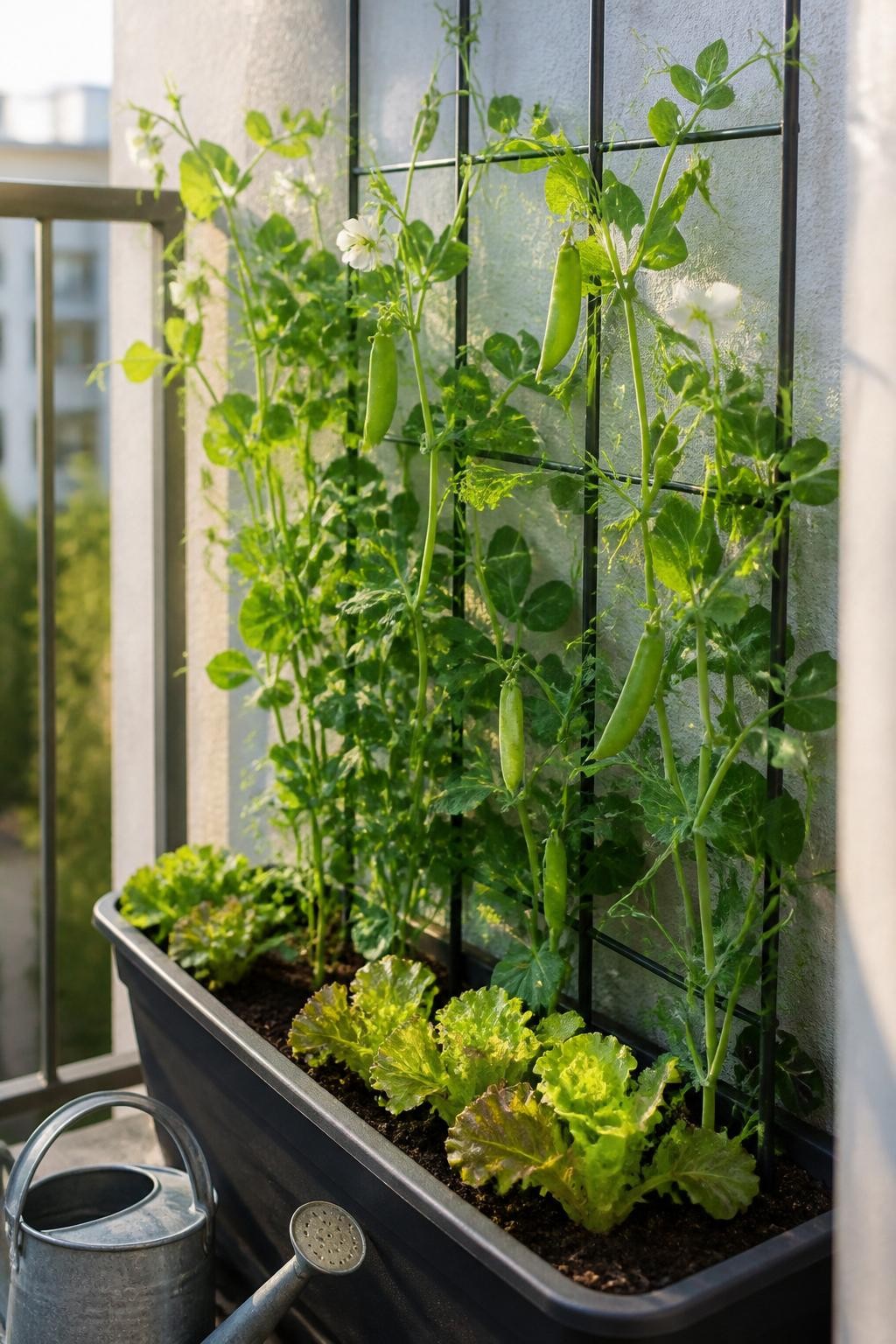
In mild climates, sugar snap peas can grow well on a balcony during fall. A slim trellis allows the vines to grow upward instead of spreading across the floor. Plant low lettuce or radishes at the front of the same container to make better use of the soil.
Secure the trellis firmly so wind cannot pull it loose. Guide young tendrils onto the support as they grow and water regularly during flowering and pod development. In colder regions, begin early enough for the peas to mature before repeated hard freezes.
11. Prepare a Layered Spring Bulb Pot
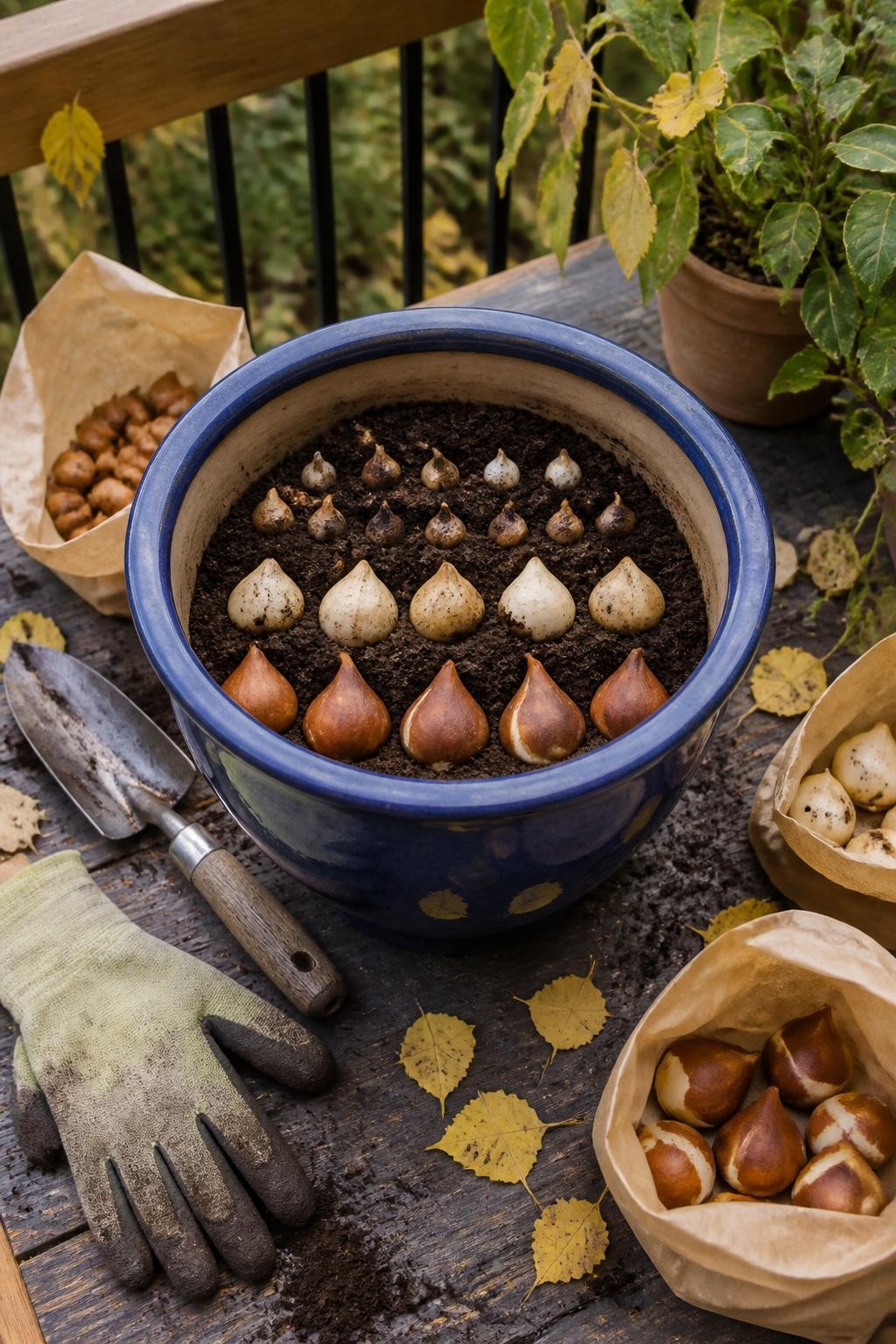
Use fall to plant a container that will produce several waves of spring flowers. Place larger tulip bulbs near the bottom, daffodils or hyacinths in the middle, and smaller crocus or grape hyacinth bulbs closer to the top. Stagger each layer so the bulbs are not directly stacked.
Choose a deep pot with good drainage and water it after planting. Keep it in a sheltered outdoor position where the bulbs still receive winter chill. In very cold climates, wrap the container or place it close to a protected wall to reduce repeated freezing.
12. Design a Cozy Balcony Garden Seating Nook
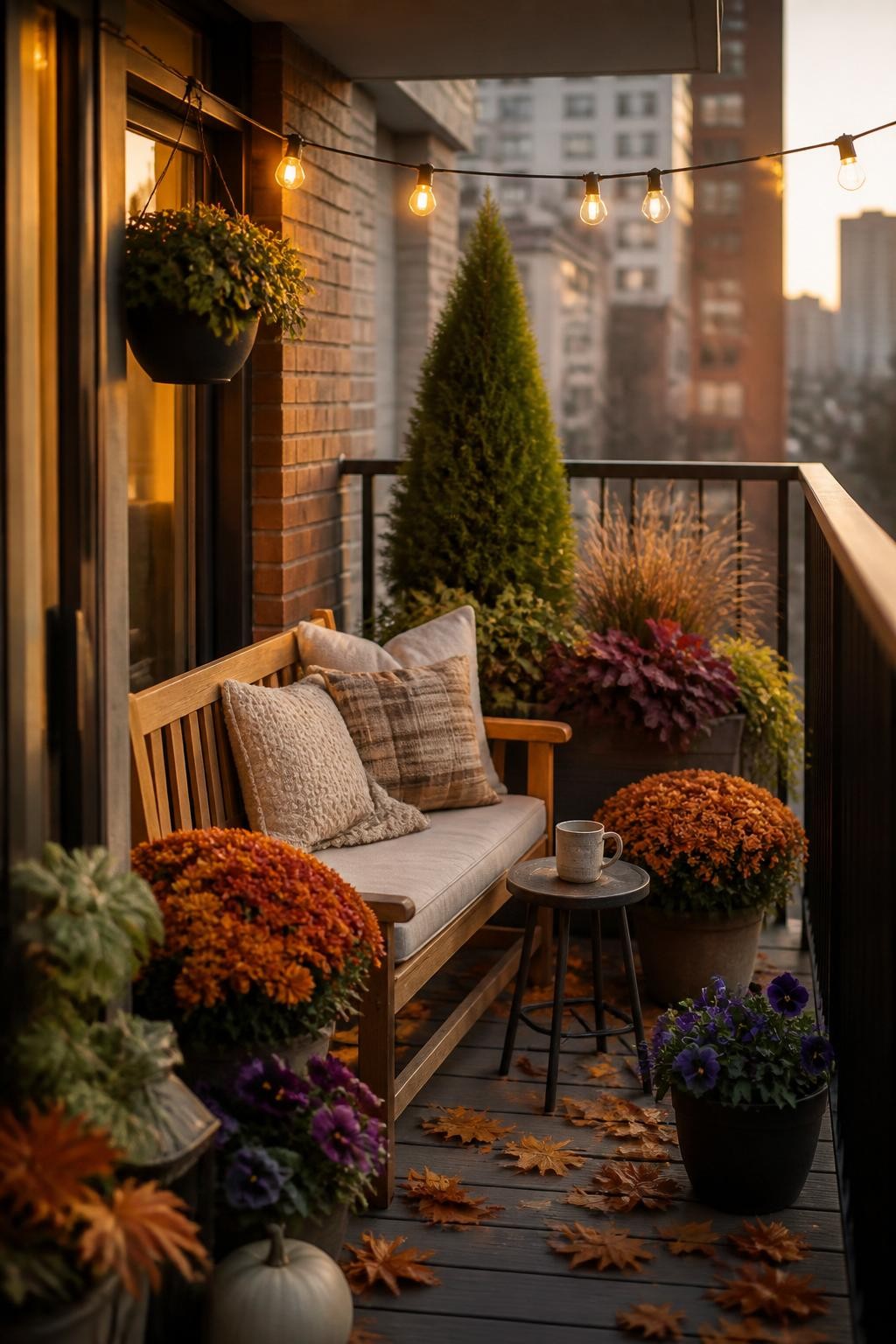
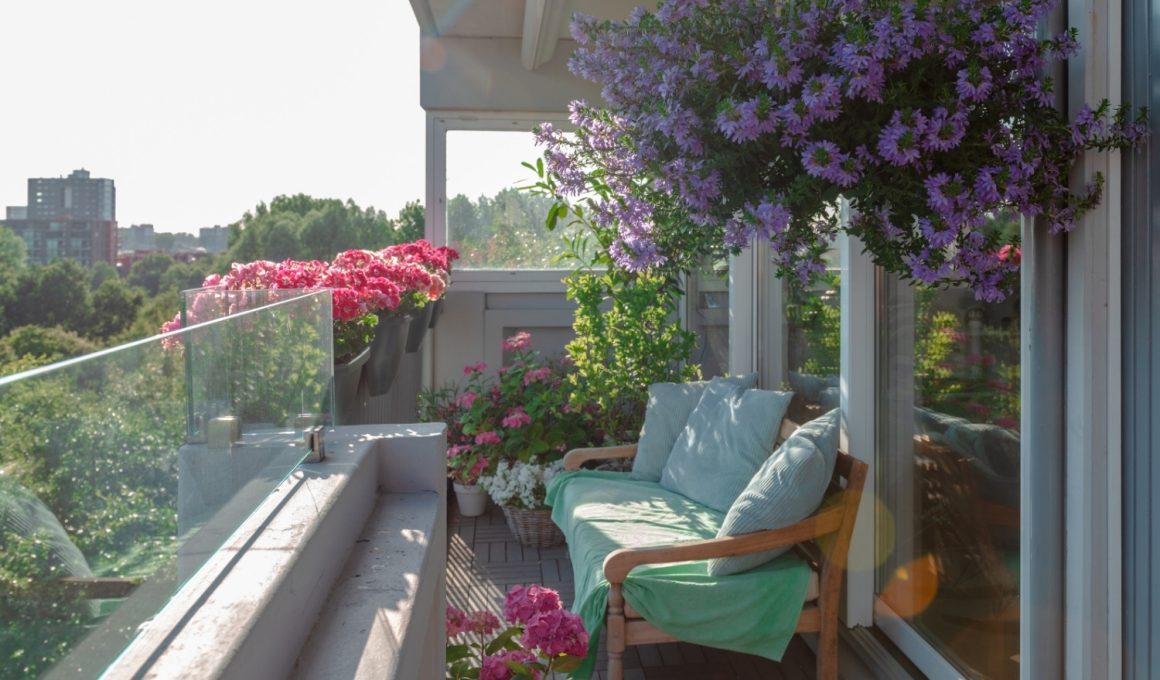
Arrange plants around one chair or a small bench to make the balcony feel like a garden rather than a storage area for pots. Use taller plants near the back, medium containers beside the seat, and low flowers near the entrance so the walkway remains open.
Leave enough space to water, prune, and move between the containers safely. Choose weather-resistant furniture and avoid placing pots where they could block the balcony door or drainage outlet. A small light source can make the garden more enjoyable during shorter fall evenings.