



In This Article Show
Fall is one of the best times to build and improve a compost pile. Gardens produce plenty of spent plants, fallen leaves, grass clippings, and kitchen scraps, giving you a steady supply of useful materials.
Cooler weather can slow decomposition, but a well-built pile can continue breaking down through much of the season.The key is to keep the pile balanced, moist, and well aerated instead of simply throwing everything together.
These practical fall composting tips will help you make better use of seasonal waste and create richer compost for next year’s garden.
1. Shred Fall Leaves Before Adding Them
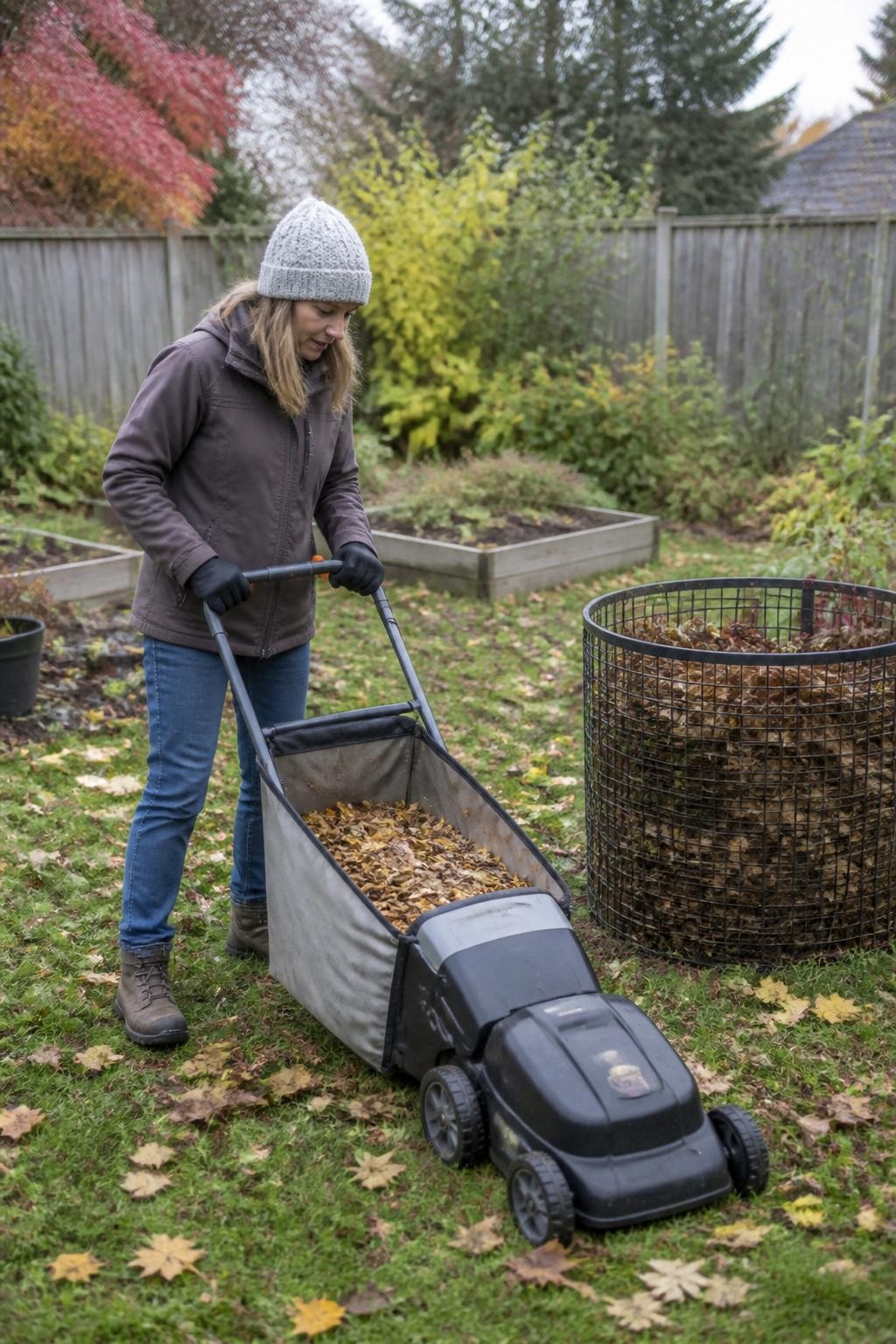
Whole leaves can form dense wet layers that block air and slow decomposition. Shredding them first helps them break down faster and makes it easier to mix them with food scraps, grass clippings, and other nitrogen-rich materials.
Run dry leaves over with a lawn mower, use a leaf shredder, or cut smaller amounts with garden shears. Keep some shredded leaves stored in bags or a dry bin so you have a carbon-rich material available when adding kitchen scraps during winter.
2. Balance Brown and Green Materials
A healthy compost pile needs a mixture of carbon-rich browns and nitrogen-rich greens. Fall leaves, dry stems, shredded cardboard, and untreated paper are browns, while food scraps, fresh grass clippings, coffee grounds, and green garden waste are greens.
Add browns and greens in alternating loose layers rather than thick compact sections. If the pile smells unpleasant, add more dry leaves or shredded cardboard. If it looks dry and inactive, mix in a small amount of green material and water.
3. Avoid Adding Diseased Garden Plants
Plants affected by serious fungal, bacterial, or viral problems may carry disease into next year’s garden if the compost pile does not become hot enough. Blight-covered tomatoes, badly mildewed squash vines, and plants with unusual wilting should be handled separately.
Place diseased plants in approved green-waste collection or dispose of them according to local guidance. Healthy spent plants can be chopped into smaller pieces and composted without a problem, provided they have not produced large amounts of mature weed seed.
4. Build the Pile Large Enough to Hold Heat
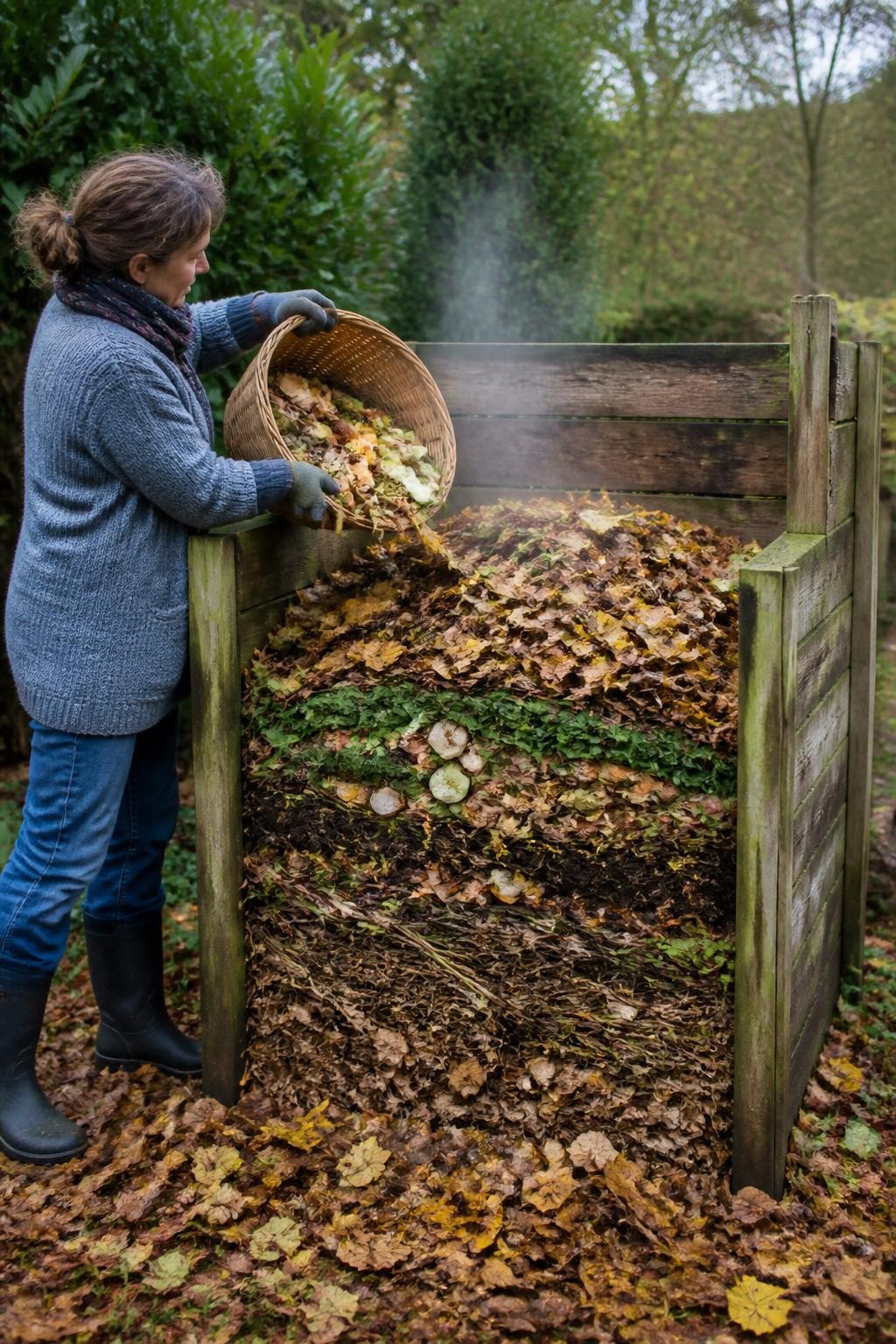
A very small compost pile loses heat quickly, especially as temperatures drop. Aim for a pile that is roughly three feet wide and three feet tall when space allows. This size holds warmth better while still allowing air to move through the materials.
Do not pack the pile down tightly in an attempt to fit more material inside. Loose layers leave space for oxygen, which supports the organisms responsible for decomposition. If the pile is too small, save materials until you have enough to build a larger batch.
5. Keep the Moisture Level Even
Compost should feel similar to a wrung-out sponge. A pile that is too dry will break down slowly, while one that is soaking wet can become compacted and begin to smell.
Check moisture as you turn the pile. Add water gradually when the materials feel dry, especially after adding large amounts of crisp leaves. During heavy rain, cover the top loosely with a tarp while leaving the sides open for airflow.
6. Turn the Pile Before Cold Weather Arrives
Turning the compost mixes fresh material into the center and introduces oxygen. Early fall is a good time to turn an existing pile because the weather is comfortable and the materials are usually still warm enough to remain active.
Move the dry outer material toward the middle and shift the partially decomposed center outward. Turning every few weeks can speed the process, but even one thorough fall turn is useful if you prefer a lower-maintenance approach.
7. Chop Thick Stems and Garden Waste
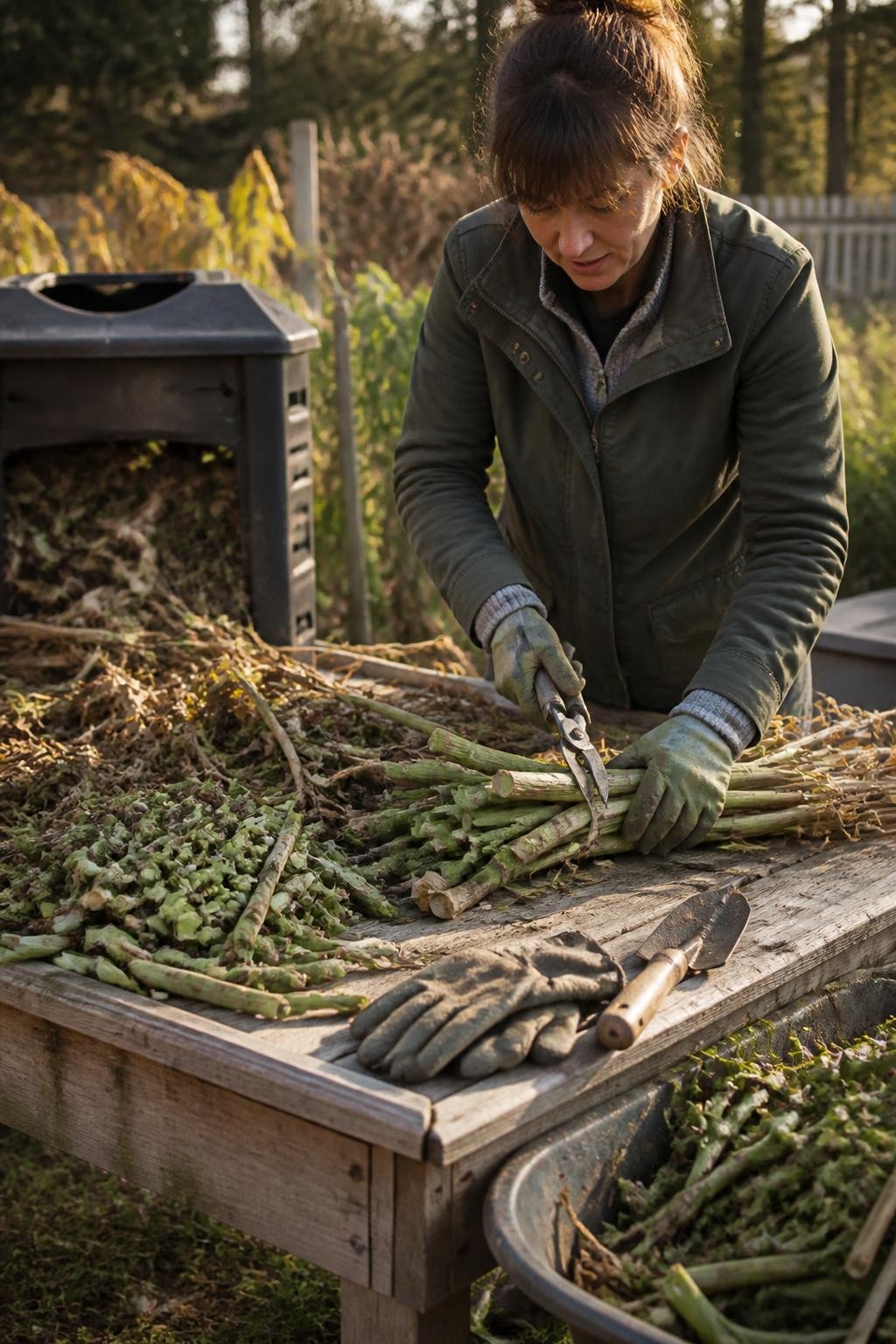
Large stems, vines, and fibrous garden waste take much longer to decompose when left whole. Cutting them into shorter pieces increases the surface area available to microbes and prevents the pile from becoming tangled.
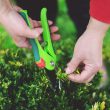
Use pruners or sturdy shears for sunflower stalks, corn stems, brassica stalks, and tough vines. Pieces a few inches long are usually easier to manage. Woody branches should be chipped, shredded, or added only in very small amounts.
8. Keep Meat, Dairy, and Oily Foods Out
Standard backyard compost piles are not the best place for meat, dairy products, bones, greasy foods, or large amounts of cooked food. These materials can attract rodents and other animals while creating unpleasant odors.
Stick to vegetable peels, fruit scraps, coffee grounds, tea leaves, crushed eggshells, and small amounts of plain plant-based leftovers. Bury fresh food scraps in the middle of the pile and cover them with a layer of dry leaves.
9. Save Finished Compost for Spring
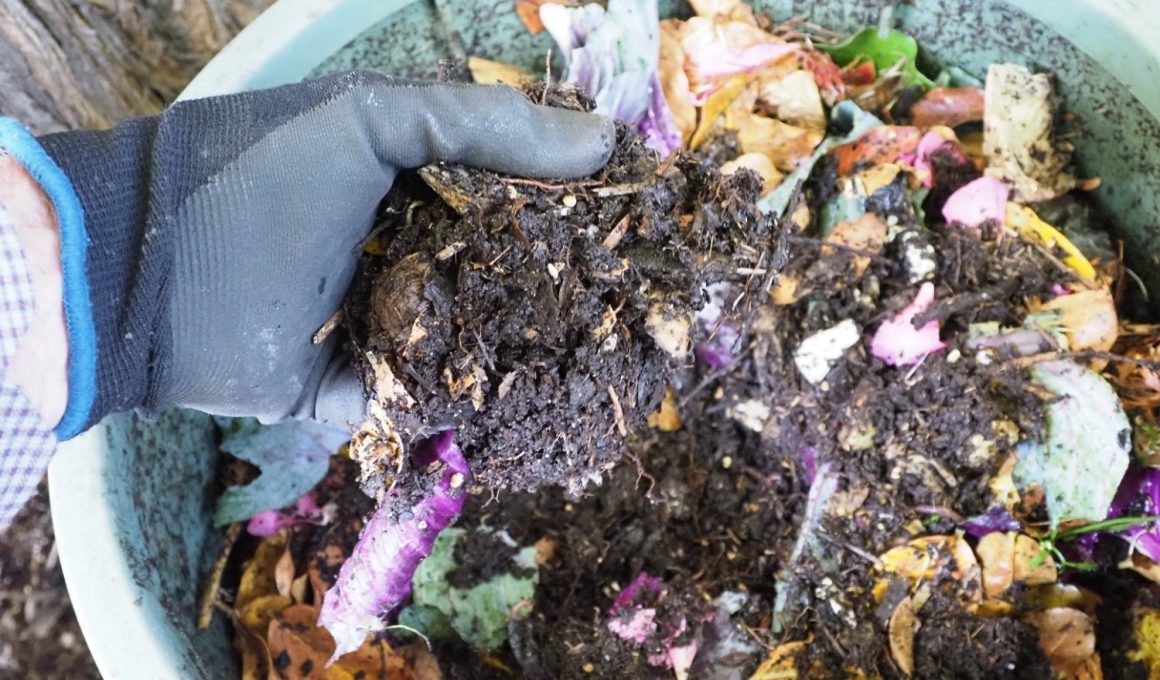
Finished compost is dark, crumbly, and earthy-smelling, with few recognizable pieces left. If part of your pile is ready in fall, screen out larger material and move the finished compost into a covered bin, bag, or sheltered pile.
Keeping it covered protects nutrients from heavy winter rain. Use the stored compost in spring when preparing vegetable beds, planting containers, or adding a light layer around established perennials.
10. Cover the Pile Without Sealing It
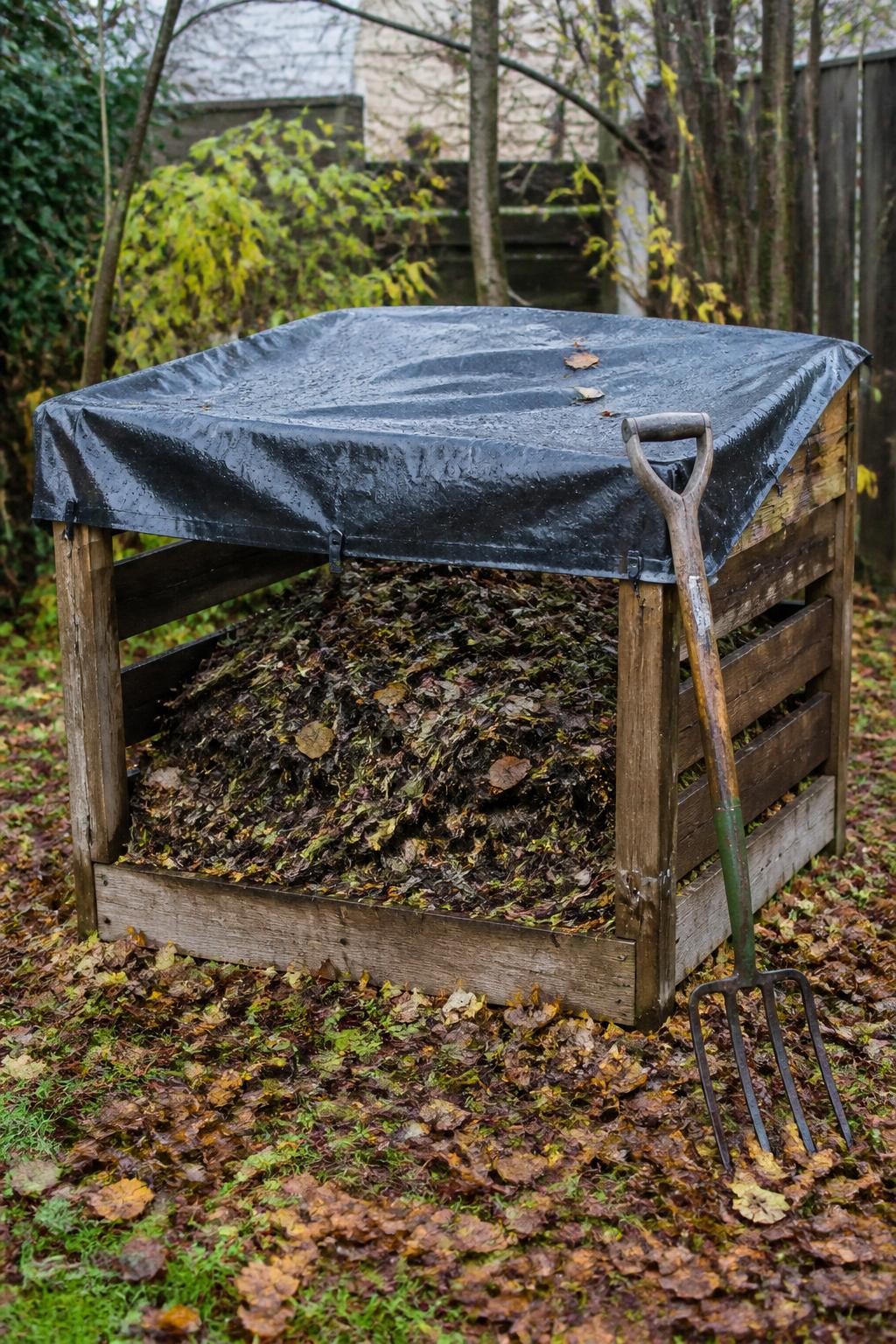
A loose cover can help prevent fall rain from soaking the pile and keep stored leaves from blowing away. It also helps the compost retain some heat as temperatures drop.
Do not wrap the entire pile tightly in plastic because compost still needs oxygen. Cover only the top or use a lid designed with ventilation. Check the moisture occasionally and lift the cover during mild dry weather if the pile seems too wet.