



In This Article Show
Fall pruning can improve plant health, clear unsafe branches, and make the garden easier to manage before winter. However, cutting back the wrong plant at the wrong time can remove next year’s flowers, trigger tender new growth, or leave branches exposed to cold damage.
The safest approach is selective rather than aggressive. Focus on dead, diseased, damaged, or troublesome growth, then leave major shaping until the correct season for each plant.
Use this guide to decide what should be pruned in fall, what can wait, and what should not be touched until after flowering or late winter.
1. Begin with Dead, Damaged, and Diseased Wood
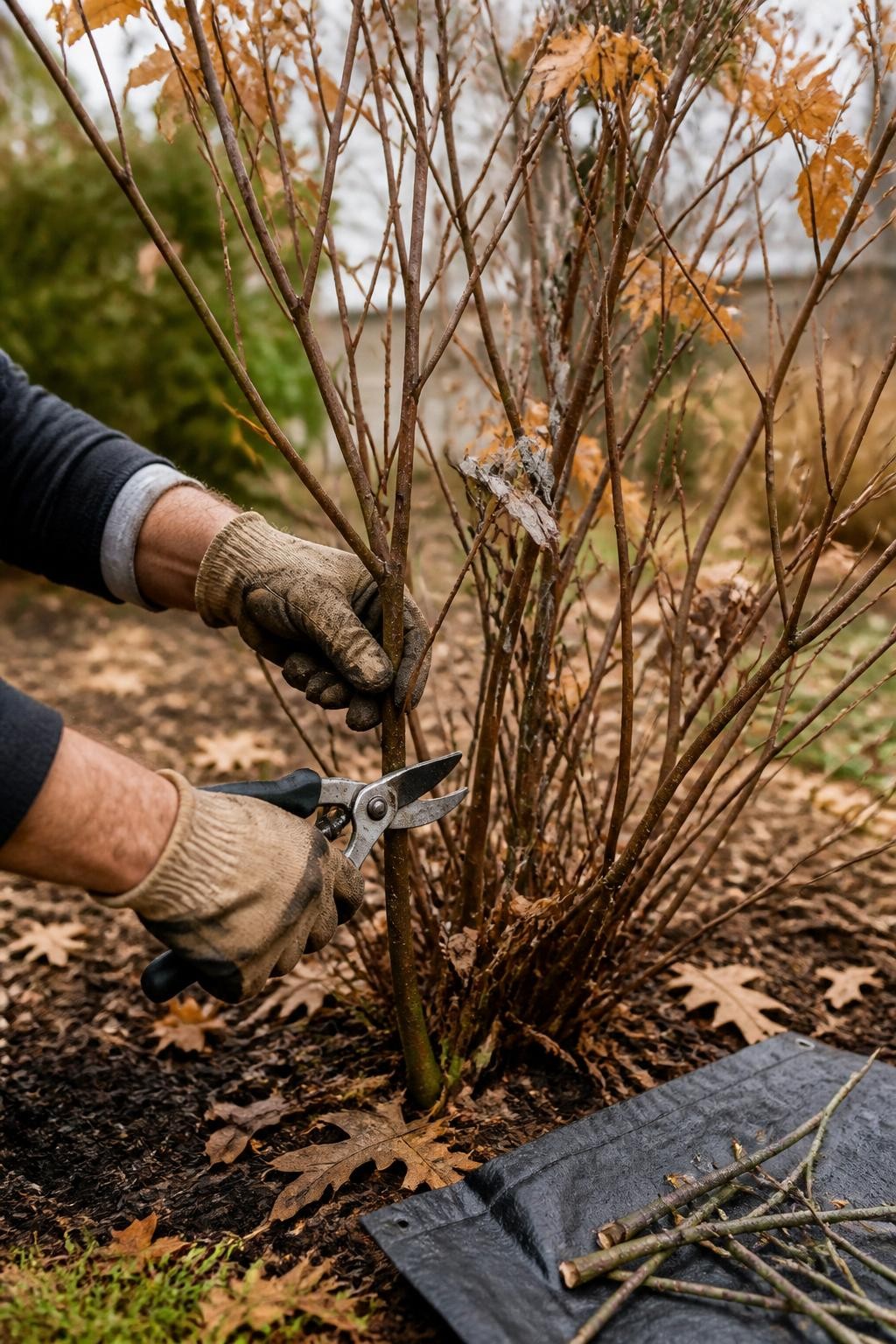
Dead, damaged, and diseased branches can usually be removed whenever they are noticed. Dead wood may appear dry, brittle, hollow, or darker than the healthy branches around it. Damaged stems may be split, hanging, cracked, or rubbing against another branch.
Cut diseased growth back to healthy tissue and clean your pruning tool before moving to another plant. Remove broken branches before winter wind, snow, or ice causes them to tear farther into the plant. Avoid removing healthy growth simply because you already have the tools out.
2. Know Which Plants Should Not Be Pruned in Fall
Many trees, shrubs, and flowering plants do not need a full fall pruning. Heavy cutting can encourage soft new growth that does not have enough time to harden before freezing weather. Fresh cuts may also dry out or become more vulnerable during severe winter conditions.
Save major shaping for late winter, early spring, or immediately after flowering, depending on the plant. When you are uncertain, remove only dead or dangerous branches. Waiting is usually safer than making a large cut at the wrong time.
3. Protect the Buds on Spring-Flowering Shrubs
Spring-flowering shrubs often form their flower buds on older branches during the previous growing season. Pruning these plants in fall may remove much of the next spring display before the buds ever have a chance to open.
Lilacs, forsythia, azaleas, rhododendrons, weigela, flowering quince, and many traditional hydrangeas are best shaped shortly after they finish flowering. In fall, limit pruning to dead, broken, crossing, or diseased branches that genuinely need attention.
4. Prune Summer-Flowering Shrubs with Restraint
Many summer-flowering shrubs bloom on new stems produced during the same growing season. They are often better suited to pruning in late winter or early spring, before active growth starts. This timing allows the plant to respond with fresh stems that can carry flowers.
Butterfly bush, beautyberry, potentilla, blue mist shrub, and some types of spirea often fit into this group. You can remove dead or broken growth in fall, but leave stronger renewal pruning until the plant is dormant and the worst cold is beginning to pass.
5. Avoid Hard-Pruning Roses Before Winter
Fall is not usually the best time for a major rose pruning. Cutting roses too hard can stimulate fresh growth, reduce winter protection, and leave long sections of the plant exposed to cold damage.
Remove diseased leaves, dead canes, and weak stems that are likely to break. Very long canes can be shortened slightly so they do not whip around in winter wind. Save the main pruning for late winter or early spring, when you can see which stems survived.
6. Delay Major Fruit Tree Pruning
Apple, pear, cherry, peach, plum, and other fruit trees are generally not shaped heavily in fall. Large cuts made before winter may heal slowly, and some fruit trees are more likely to develop disease when pruned during wet autumn conditions.
Remove only dead, broken, or dangerous branches unless your local climate calls for another schedule. Plan the main structural pruning for the recommended dormant or post-harvest period for that fruit. Young trees should be shaped carefully, since early cuts can affect their long-term form.
7. Identify Your Hydrangea Before Cutting
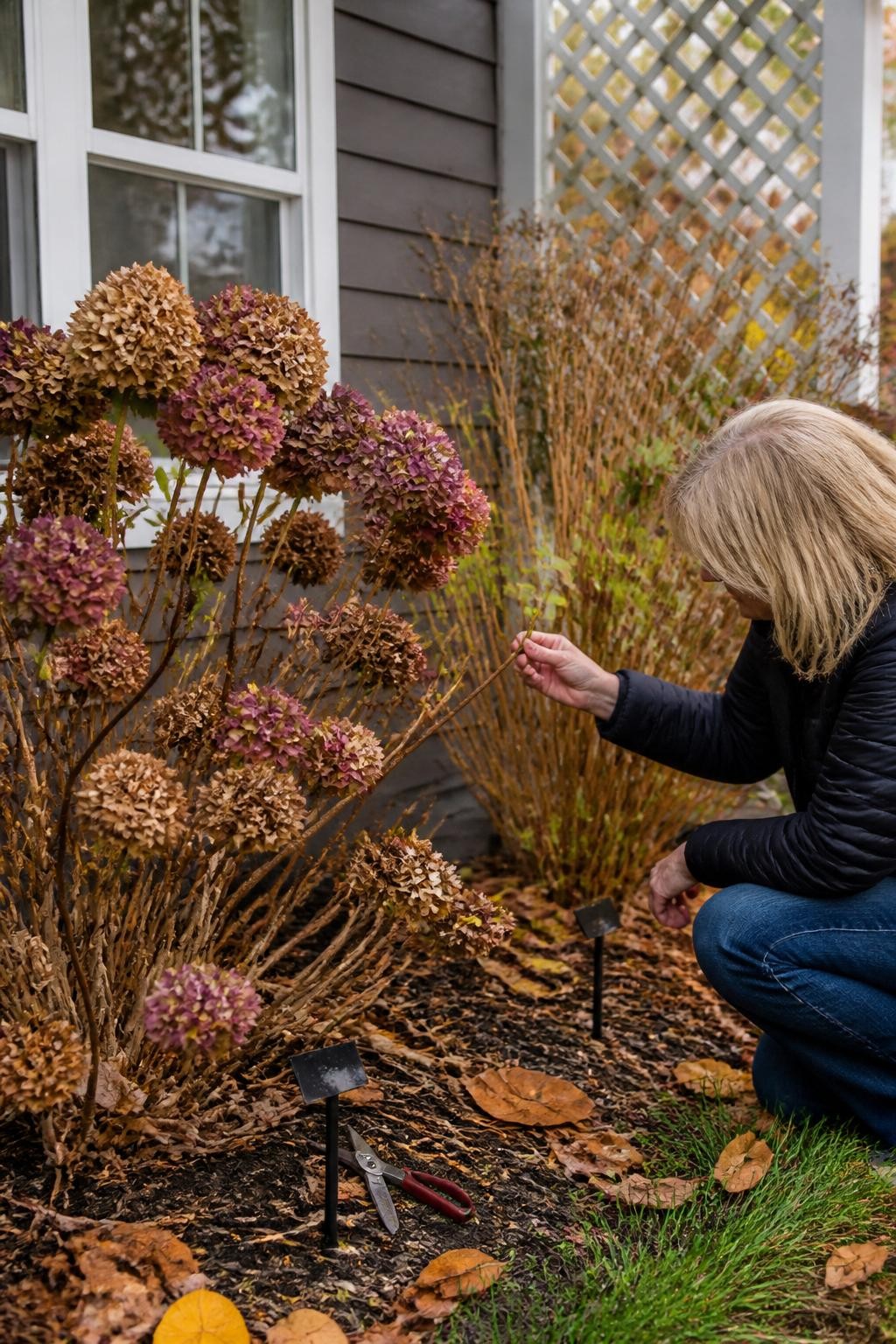
Hydrangeas are one of the easiest plants to prune incorrectly because different types flower on different kinds of wood. Bigleaf, oakleaf, mountain, and many climbing hydrangeas generally bloom on older wood, so fall pruning can remove next year’s buds.
Smooth and panicle hydrangeas usually flower on new growth and can be pruned later while dormant. Even then, there is rarely a need to cut them back severely in fall. Identify the variety first, then follow the correct timing for that group.
8. Cut Back Diseased Perennials
Perennials affected by mildew, leaf spot, rot, or serious insect damage should usually be cleaned up in fall. Removing infected leaves and collapsing stems can reduce the amount of unhealthy material left around the plant over winter.
Cut the stems a few inches above the soil rather than scraping directly across the crown. Collect the debris and dispose of it away from a basic home compost pile. Clean your pruners before using them on healthy plants.
9. Leave Useful Seedheads Standing
Not every perennial should be cut down in fall. Coneflowers, black-eyed Susans, sedum, asters, sunflowers, and many native plants produce seeds that birds can use during winter. Their stems may also provide shelter for beneficial insects.
Leave healthy plants standing where they will not collapse across paths or smother smaller growth. Their faded shapes can add winter texture to the garden. Cut them back in late winter or early spring before new stems begin to emerge.
10. Wait Before Cutting Ornamental Grasses
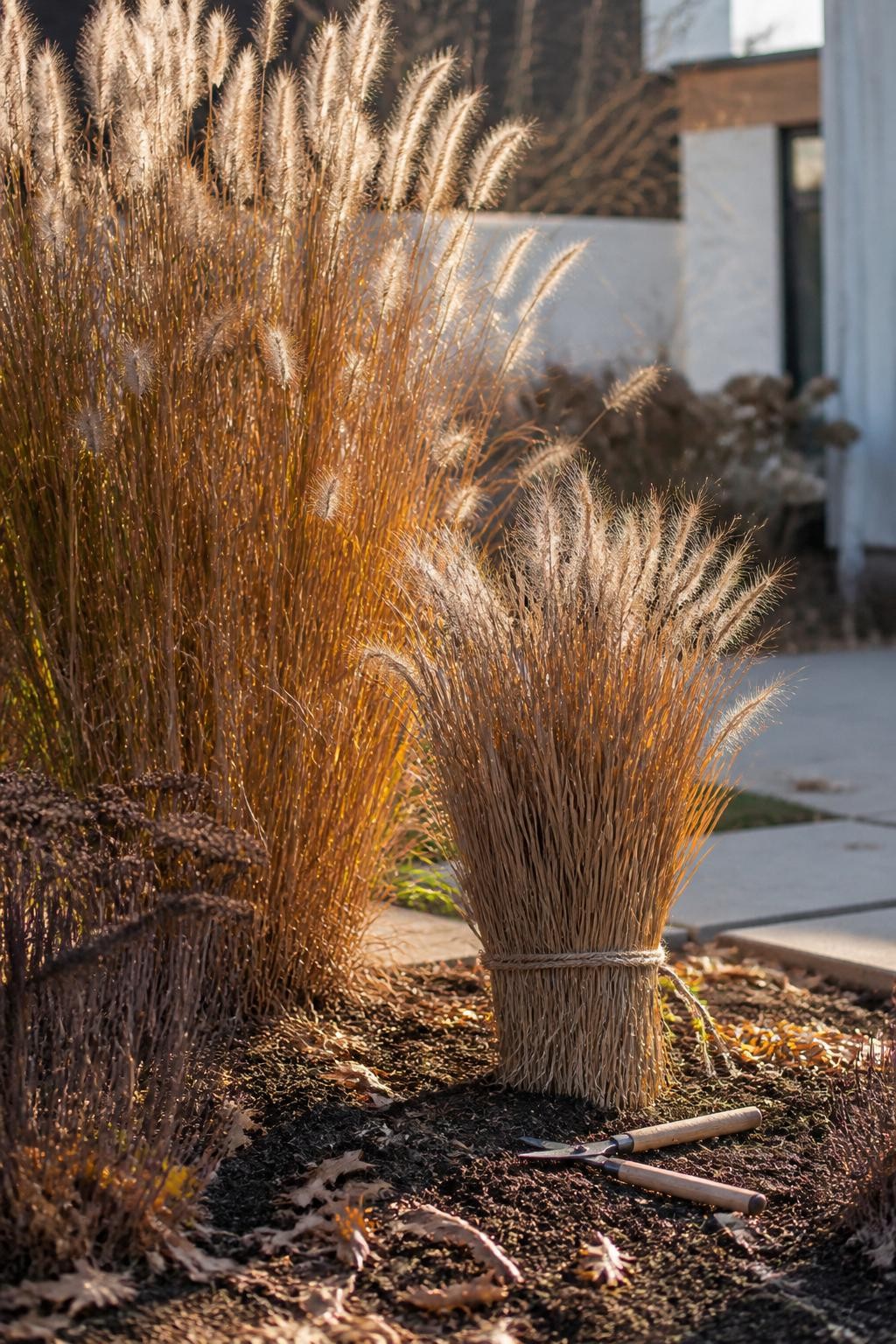
Most ornamental grasses look attractive through winter and provide cover for wildlife. Their dried leaves also help protect the center of the plant from repeated freezing and thawing. Cutting them in fall removes both their winter structure and some natural protection.
Leave healthy grasses standing until late winter or early spring. Cut them back before new green growth becomes tall enough to be damaged. You can tie large clumps together before cutting to make cleanup faster.
11. Trim Herbs According to Their Growth Habit
Soft annual herbs such as basil and dill can be removed once cold weather finishes them. Healthy stems can be composted, while seedheads may be saved for cooking or next year’s planting.
Woody perennial herbs need lighter treatment. Avoid cutting rosemary, lavender, sage, or thyme deeply into old leafless wood during fall. Remove damaged tips and spent flowers, but leave enough healthy growth to protect the plant during colder weather.
12. Remove Finished Raspberry and Blackberry Canes
Summer-bearing raspberry and blackberry canes that already produced fruit will not fruit again. These older canes can be cut down near the soil, leaving the healthy new canes that will carry a future crop.
Learn the fruiting habit of your variety before pruning. Some everbearing raspberries can be managed in more than one way, depending on whether you want one large crop or two smaller harvests. Wear thick gloves and remove weak, crowded, or diseased canes while keeping the strongest growth.
13. Tidy Vines Without Removing Next Year’s Flowers
Vines can become tangled around gutters, windows, railings, and nearby plants by the end of the season. Remove dead growth and redirect stems that are causing damage, but avoid cutting flowering vines heavily until you know whether they bloom on old or new growth.
Clematis varieties belong to different pruning groups and cannot all be treated the same way. Wisteria, climbing roses, honeysuckle, and grapevines also have their own timing needs. Use fall mainly for safety and control, then complete the main pruning during the plant’s recommended season.
14. Remove Suckers, Water Sprouts, and Problem Growth
Suckers grow from the base or roots of a tree or shrub and can take energy away from the main plant. Water sprouts are fast, upright shoots that often appear on branches after stress or previous heavy pruning.
Remove these shoots cleanly from their point of origin when they are easy to reach. Also remove stems that rub together, grow directly through the center, or block paths and entrances. Do not remove too much of the plant’s healthy canopy in a single session.
15. Make Every Pruning Cut Cleanly
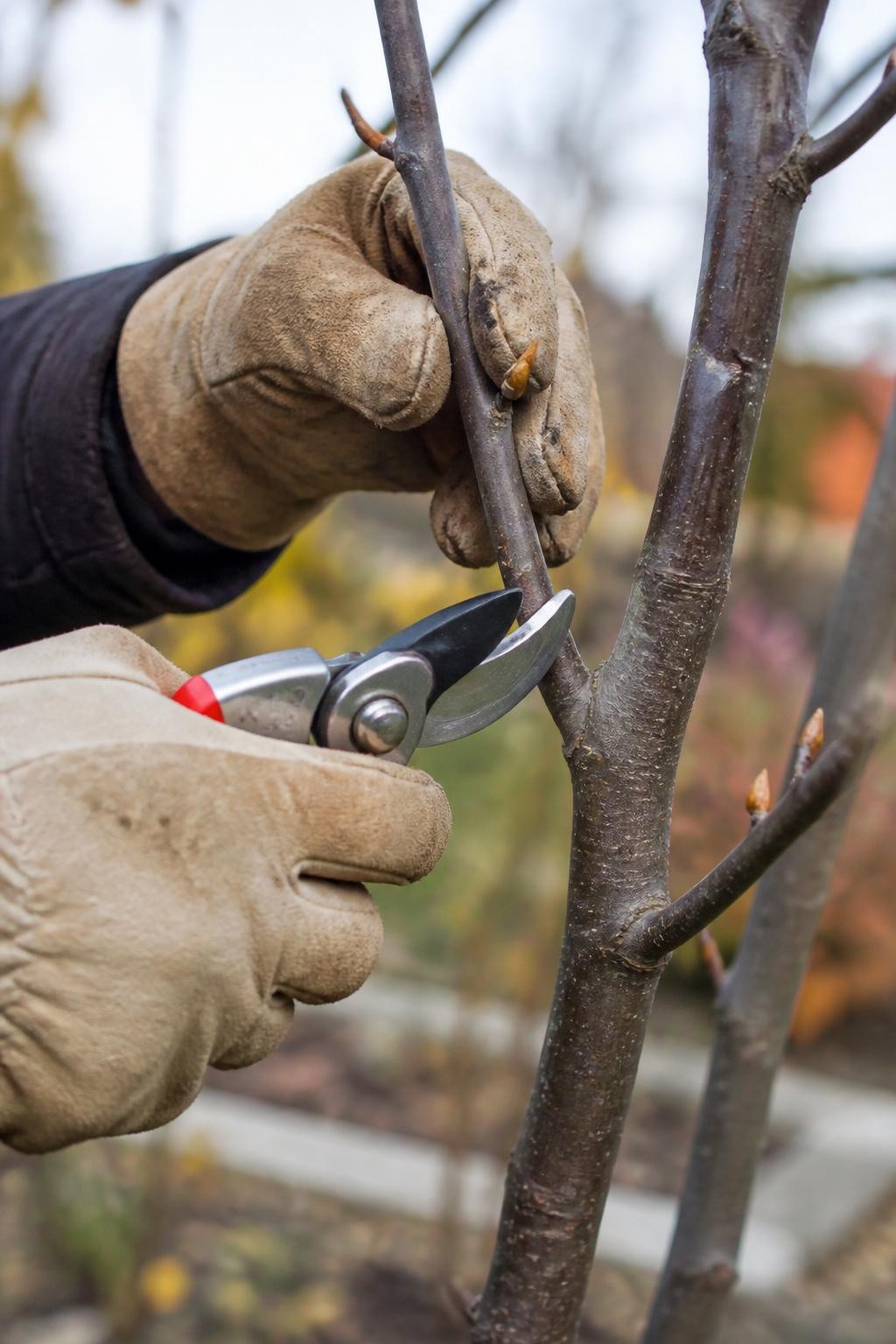
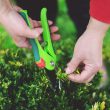
Use bypass pruners for live stems, loppers for thicker branches, and a pruning saw for wood that is too large for loppers. Do not twist tools through a branch or force a small pruner around wood that is too thick. Ragged cuts are slower to close and can damage surrounding bark.
When shortening a stem, cut just above a healthy bud or side branch. When removing a tree branch, cut just outside the swollen branch collar rather than flush against the trunk. Do not leave long stubs, and avoid coating ordinary cuts with paint or household sealants.
16. Work from the Bottom and Inside First
Before shortening the outer edges of a shrub, inspect its base and interior. Remove dead stems, suckers, broken branches, and rubbing growth first. This often solves much of the problem without changing the plant’s natural size.
Step back after every few cuts and look at the whole plant. Pruning should improve air movement and structure without leaving large empty spaces. It is easier to remove another branch later than to replace one that was cut unnecessarily.
17. Avoid Pruning During Freezing or Wet Weather
Frozen branches can be brittle, making them more likely to split instead of cutting cleanly. Very wet conditions can also make tools slippery and increase the chance of moving disease between plants.
Choose a dry, mild day whenever possible. Wait until frost has melted and branches are no longer coated with water. Stop working when light becomes poor, since it is harder to judge branch structure and make safe cuts.
18. Clean and Sharpen Pruning Tools
Sap, soil, and plant material can build up on pruning blades and make clean cutting difficult. Wash or wipe tools after use, then dry them thoroughly to prevent rust. Sharpen dull edges so the blades slice through stems instead of crushing them.
Disinfect tools after cutting diseased plants and before moving to healthy specimens. Store pruners, loppers, and saws in a dry location. Replace cracked handles, loose bolts, and damaged blades before the next major pruning season.
19. Dispose of Pruned Material Correctly
Healthy soft stems and small branches can be chopped and added to the compost pile. Cutting them into short pieces helps them break down faster and prevents vines from tangling through the pile.
Keep diseased growth, invasive plants, mature weed seeds, and badly pest-infested branches out of a cool backyard compost system. Larger clean branches can be chipped for pathways or mulch when suitable equipment is available. Do not leave thorny or sharp cuttings hidden where people or pets may step on them.
20. Finish with Winter Protection, Not Fertilizer
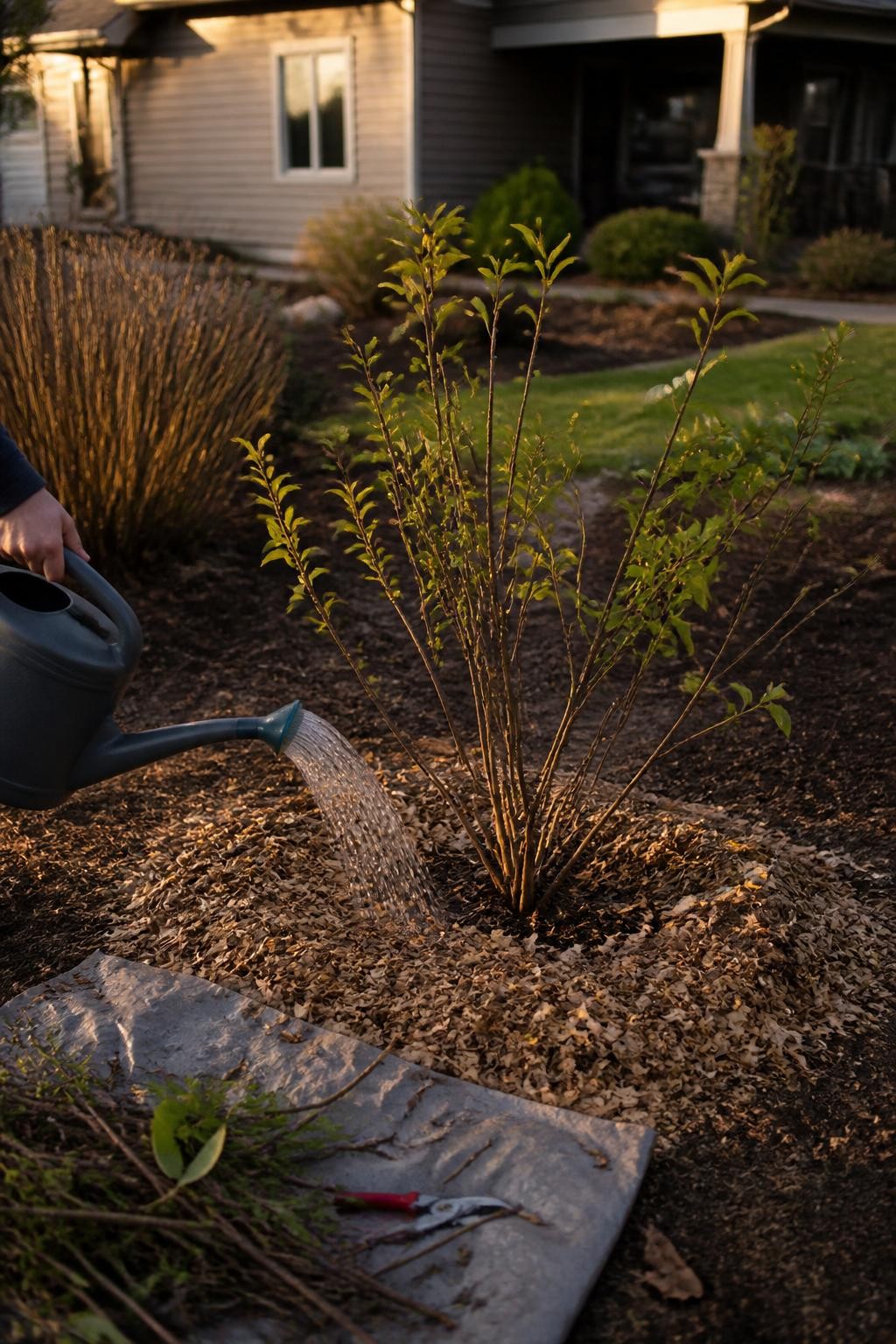
After pruning, water newly planted or drought-stressed shrubs deeply if the soil is dry. Add a loose layer of mulch over the root area to reduce rapid temperature changes, but leave space around trunks, crowns, and woody stems.
Avoid applying strong fertilizer after fall pruning. It can encourage new growth at a time when plants should be entering dormancy. Save feeding for the season that suits the plant, and allow it to prepare naturally for winter.