






In This Article Show
Vertical gardens are a smart way to grow more in less space—perfect for patios, balconies, small yards, or even sunny walls.

Whether you’re growing veggies, herbs, or flowers, a DIY vertical garden can be simple, affordable, and completely tailored to your space.
Here’s a beginner-friendly guide to help you build your own.
Step 1: Choose the Right Spot
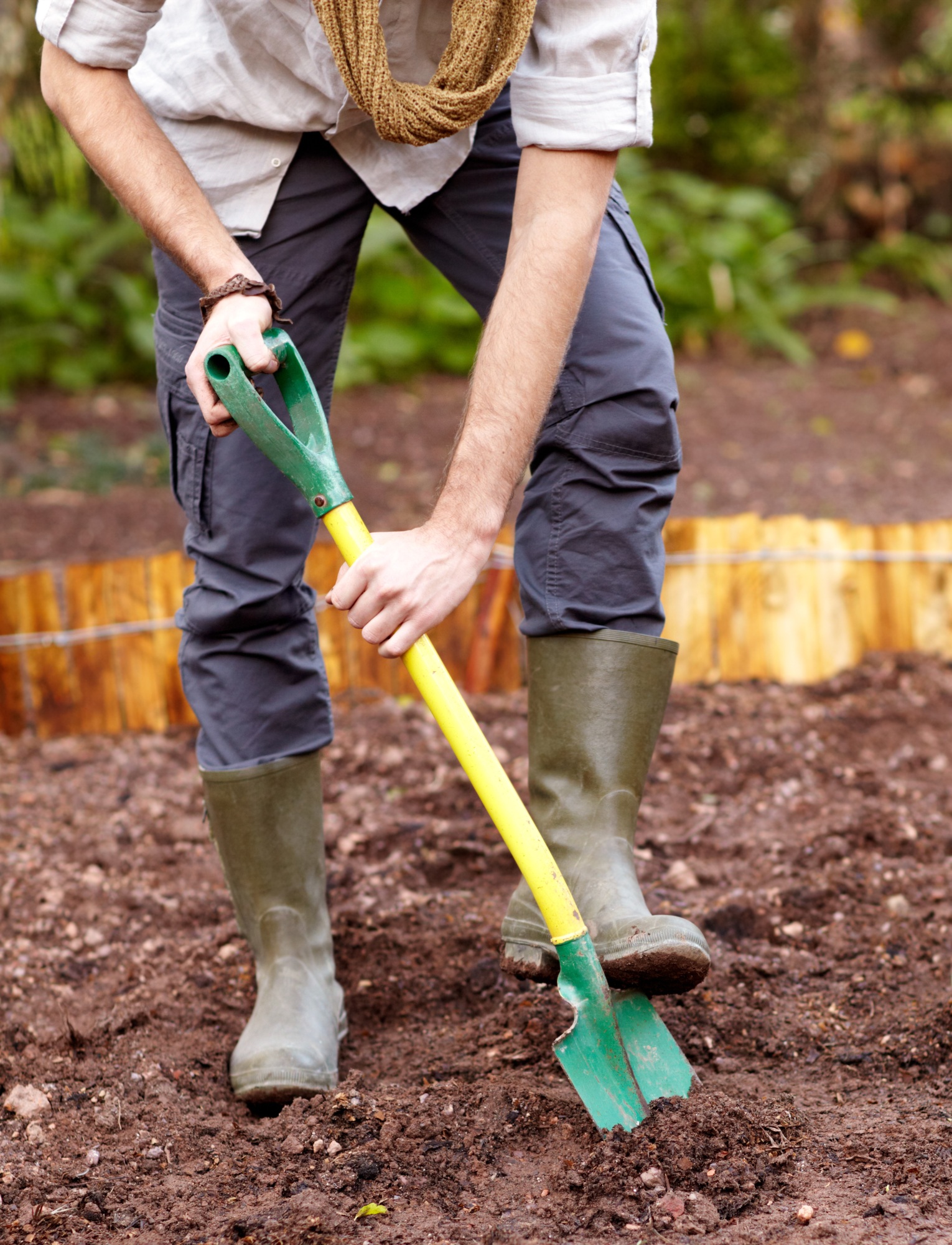
Pick a location that gets at least 6 hours of sunlight per day if you’re growing vegetables or herbs. For shade-loving plants, partial sun is fine.
Things to consider:
- Wall or fence space
- Balcony railings
- Patio corners
Even a sunny indoor wall (if you’re going vertical indoors)
Quick Tip
Make sure your spot has good drainage and is easy to reach for watering and harvesting.
Step 2: Decide What to Grow
Your plant choice will guide the design. Common vertical garden plants include:
- Herbs: basil, mint, parsley, chives
- Leafy greens: lettuce, spinach, kale
- Vining crops:peas, beans, cucumbers (with support)
- Flowers:pansies, nasturtiums, marigolds
- Strawberries: great for pockets or stacked containers
Quick Tip
Stick to shallow-rooted plants if you’re using smaller containers or wall-mounted systems.
Step 3: Pick a Vertical Garden Style
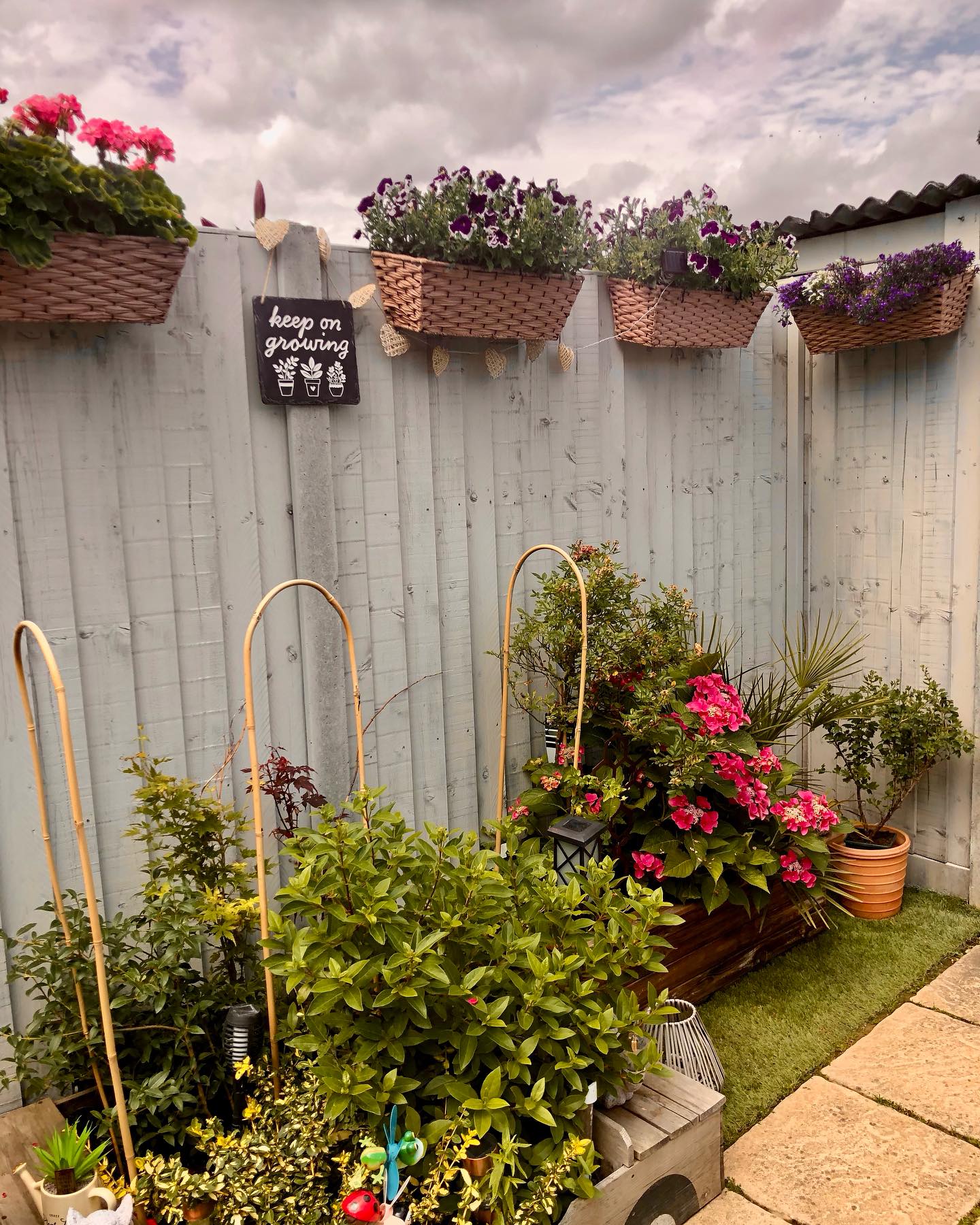
There are many ways to build one. Here are a few popular styles:
- Hanging Planters:Use pots, baskets, or recycled containers hanging from a frame or wall hooks.
- Pocket Planters:Install a fabric planter or repurpose a shoe organizer with deep pockets.
- Stacked Pots or Crates: Stack planter boxes, wooden crates, or large pots in a pyramid style.
- Trellis Systems:Perfect for vining crops—attach a trellis to a raised bed, fence, or wall.
- Pallet Garden: Repurpose an old wooden pallet by filling rows with soil and planting herbs or flowers.
Quick Tip
Start small. Choose one method that suits your space and build up from there.
Step 4: Set Up the Structure
Once you’ve picked a design, it’s time to build:
- Make sure the frame or wall is strong enough to hold the weight
- Line any containers with landscape fabric if needed to hold soil
- Drill drainage holes in containers to avoid waterlogging
- Mount securely using brackets, hooks, or screws
Quick Tip
If using wood, treat it with a non-toxic sealant to protect it from moisture.
Step 5: Add Soil and Plants
Use lightweight potting mix with good drainage. Avoid using heavy garden soil.
- Add soil to each container or pocket
- Plant your chosen herbs, flowers, or veggies
- Water slowly so the soil settles evenly
Quick Tip
Group plants with similar water and light needs together for easier care.
Step 6: Watering and Maintenance

Vertical gardens dry out faster than ground beds. Be ready to water more often, especially in sunny or windy spots.
- Use a watering can with a long spout or a drip irrigation system
- Fertilize monthly with compost tea or a diluted liquid fertilizer
- Trim and harvest regularly to keep plants growing strong
Quick Tip
Add mulch to containers to help retain moisture.