






In This Article Show
Trellises and garden obelisks are simple structures that bring height and style to any outdoor space. They offer support for climbing plants and help organize your garden in a way that saves space while adding visual interest.
I’ve found that building your own can be both a fun and rewarding experience.

The best reason to try DIY trellis and obelisk projects is that they allow you to customize your garden’s look and function without spending a lot of money.
Whether using wood, metal, or recycled materials, these projects fit a range of skill levels and design preferences. I’m excited to share ideas that can inspire your next garden upgrade.
1. Build a classic wooden obelisk trellis with pyramid tops
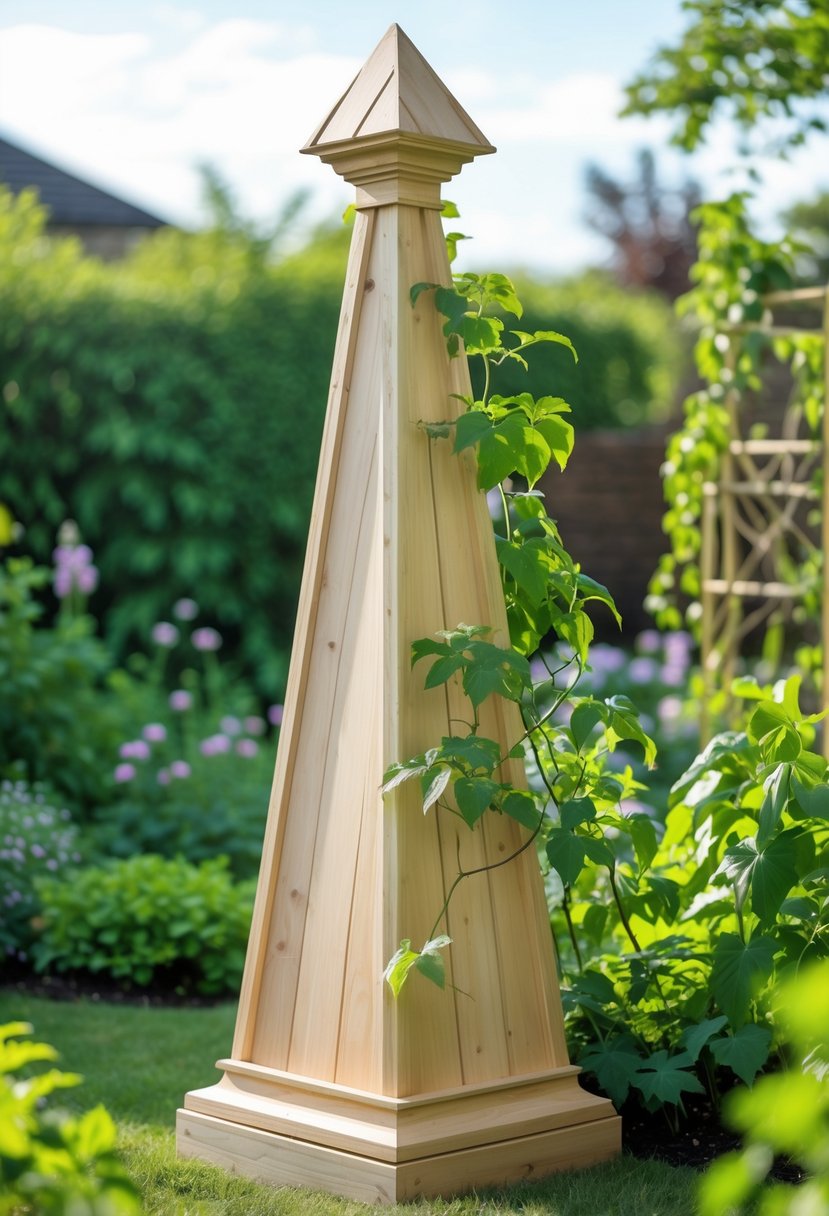
I start by cutting four long wooden boards for the vertical sides. Each board tapers slightly toward the top. Then, I join these with shorter horizontal pieces to form a pyramid shape at the top. This design supports climbing plants well and adds height to your garden.
2. Create a bamboo trellis for sturdy, lightweight plant support
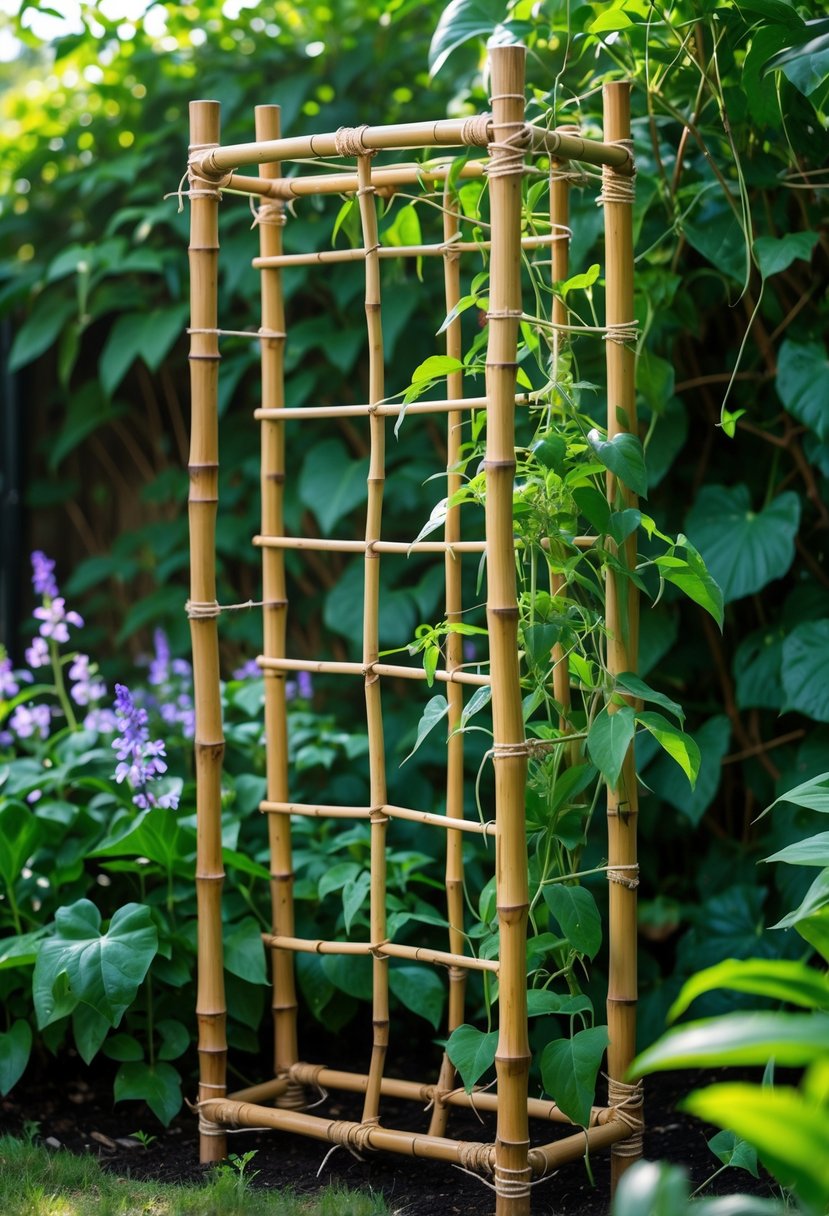
I choose bamboo for my trellis projects because it is strong yet very light. It holds up climbing plants like peas and tomatoes well without adding too much weight.
Working with bamboo is simple and quick. It’s also a sustainable material, which fits with my eco-friendly gardening goals. Making a bamboo trellis can improve my garden’s look while supporting plant growth.
3. Construct a metal frame obelisk for modern garden aesthetics
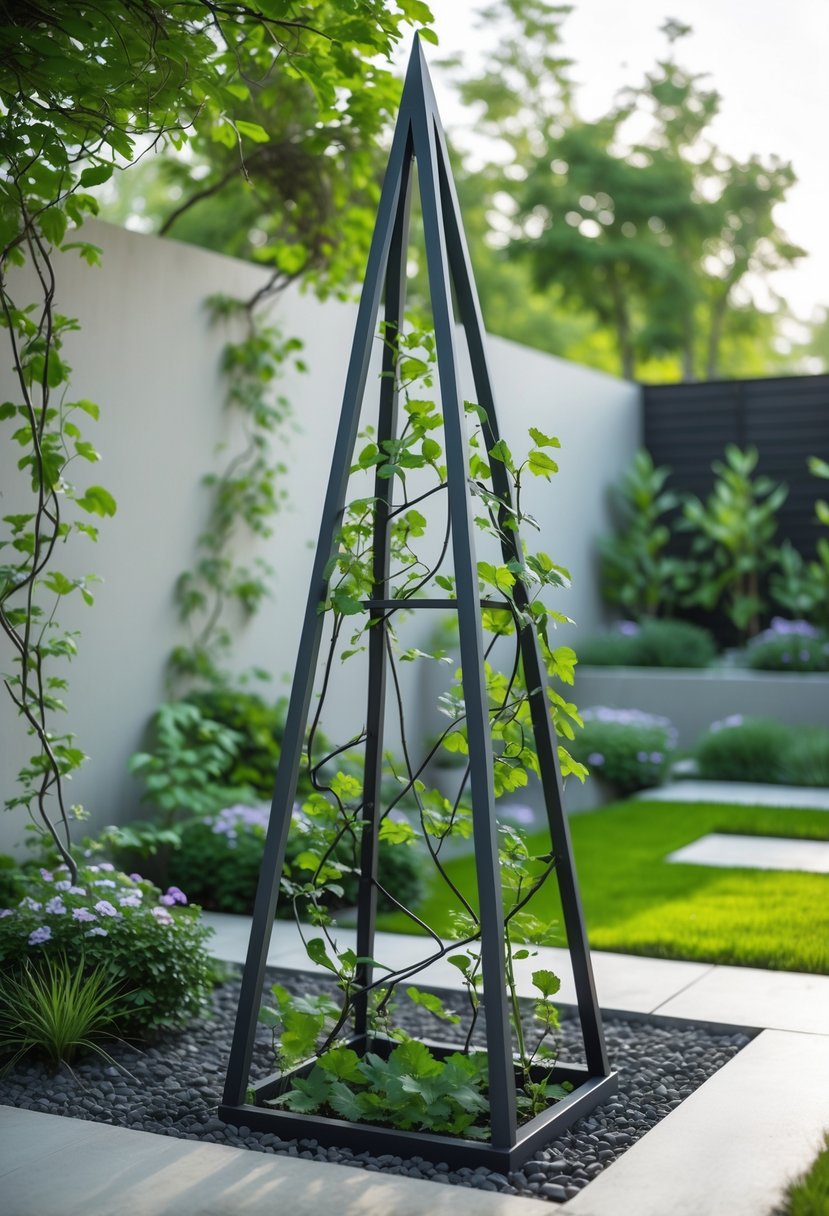
I built a metal frame obelisk to add a clean, modern look to my garden. Using simple metal rods, I created a sturdy structure that supports climbing plants well. This style works nicely with minimalist or contemporary garden designs.
4. Use recycled wooden pallets to craft an eco-friendly trellis
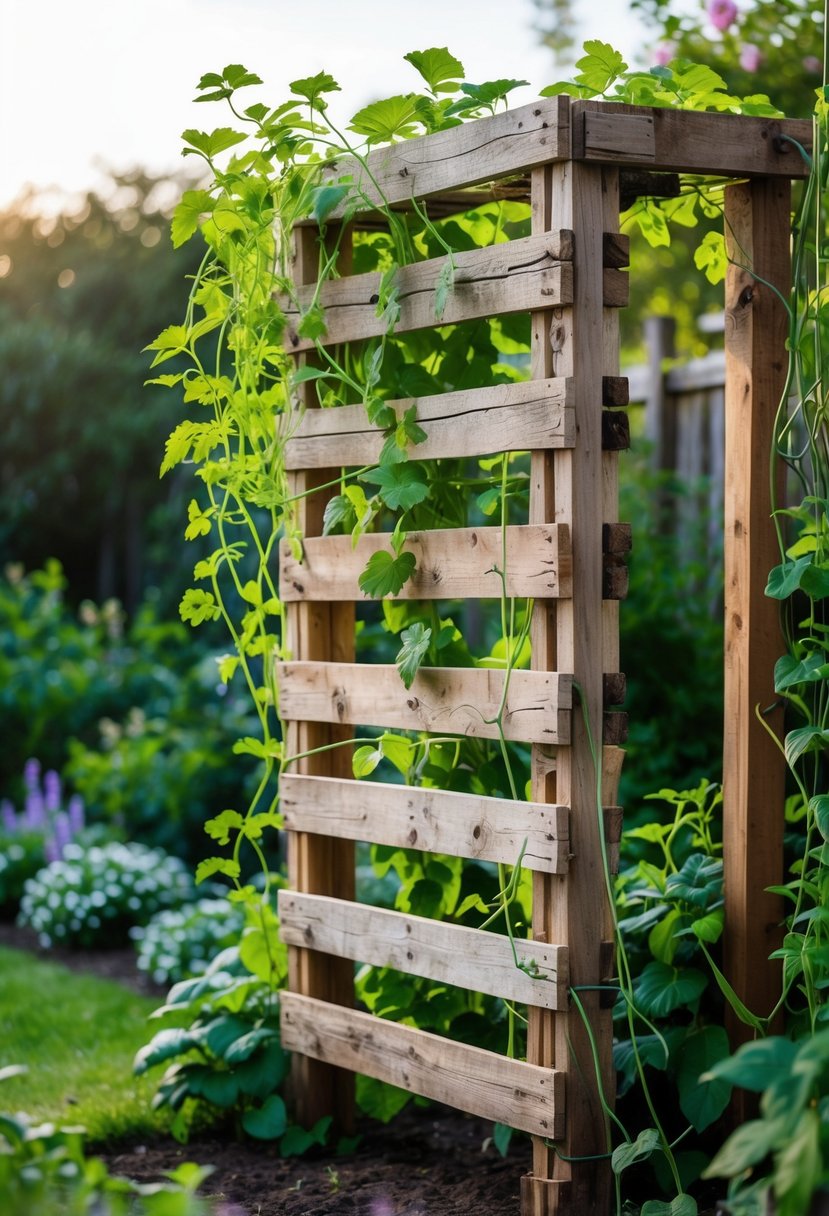
I like using recycled wooden pallets to build trellises because they are affordable and easy to find. Pallets provide sturdy wood that supports climbing plants well.
Using pallets helps reduce waste and makes my garden more eco-friendly. With some basic tools, I can cut and arrange the wood into different trellis shapes.
5. Assemble a wire-frame obelisk for flexible vine training
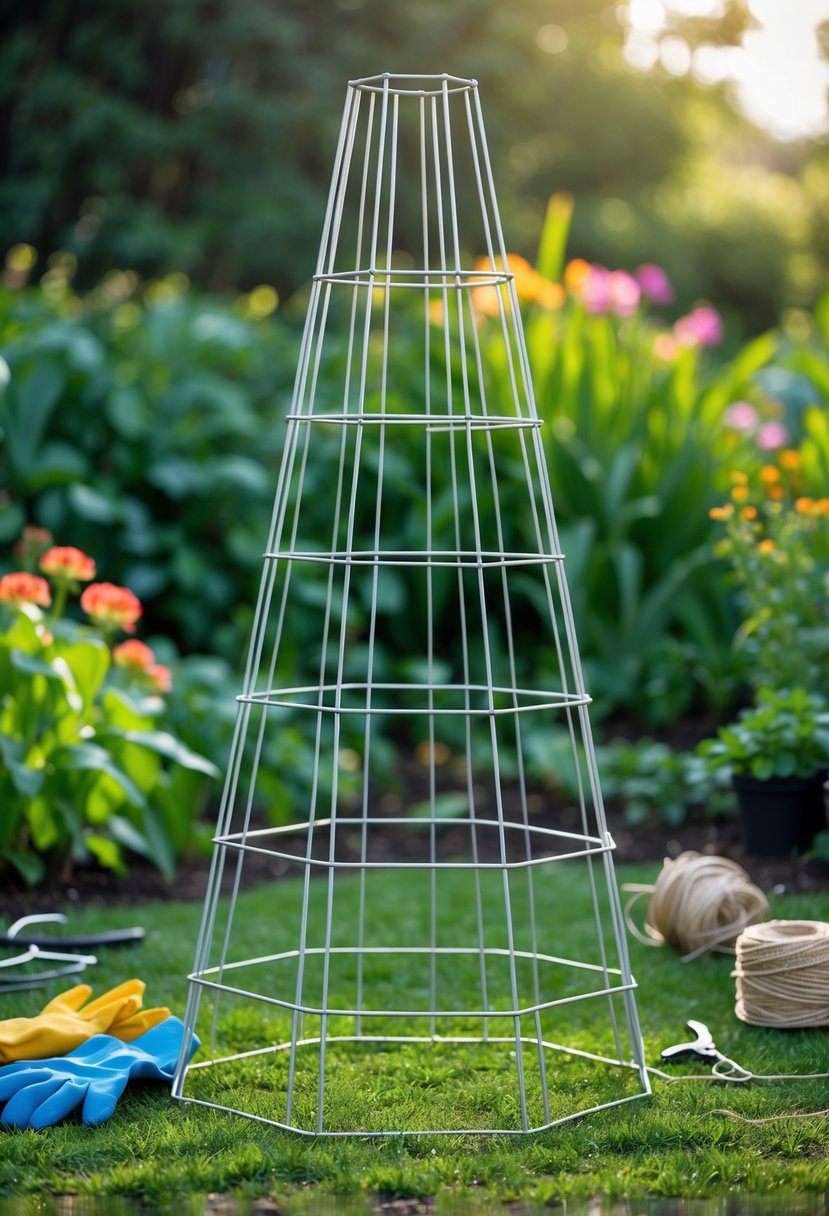
I start by bending thick wire into a tall, pyramid shape. This frame gives my vines room to grow and twist naturally. The wire is strong but flexible, which helps support plants without harming them.
6. Build a stepped ladder-style wooden obelisk for easy harvest
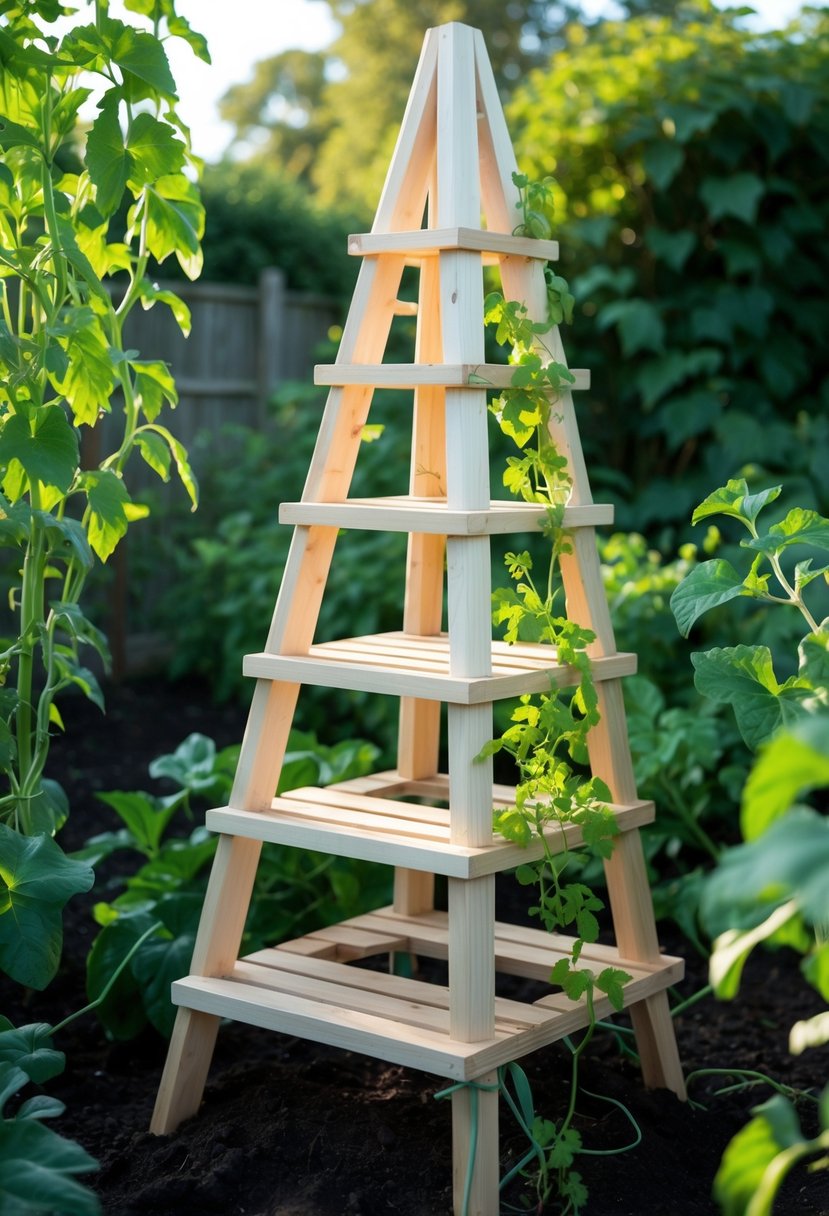
I like using a stepped ladder design because it makes picking fruits and vegetables simpler. This obelisk has two sides connected by horizontal wood strips, creating easy-to-reach steps. Cutting the uprights and supports is the first step before assembling the structure.
7. Make a rustic twig and branch obelisk for natural appeal
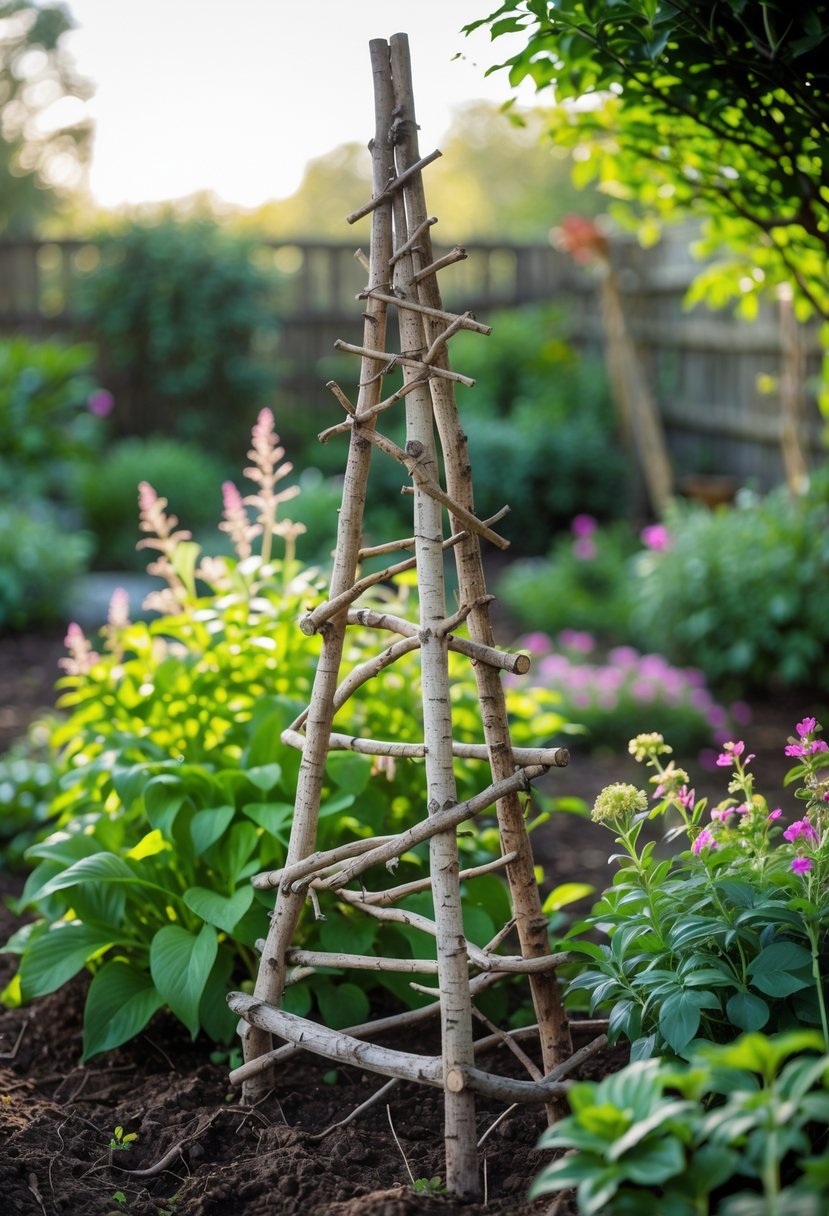
I like using twigs and branches to build an obelisk. It gives a simple, natural look to the garden.
The materials are easy to find and usually free. I tie the branches together with wire for stability.
This type of obelisk works well for climbing plants like beans or vines. It blends into the garden without looking formal.
8. Design a painted wooden trellis to add color to your garden
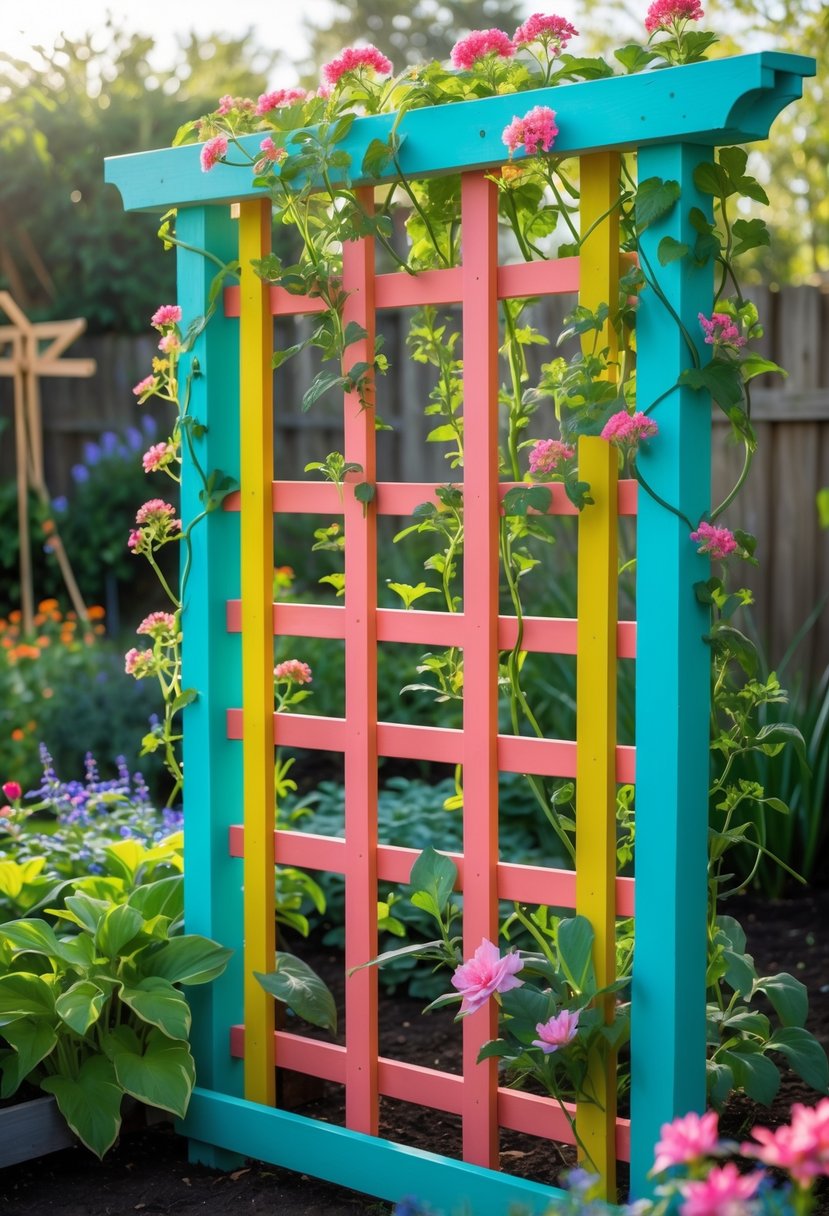
I like painting wooden trellises because it adds a nice pop of color to my garden. Using weather-resistant paint helps protect the wood from rain and sun.
Painting the trellis also lets me match it with my home or garden colors. It supports my climbing plants while making the space more inviting.
9. Create a spiral obelisk using flexible branches or wire
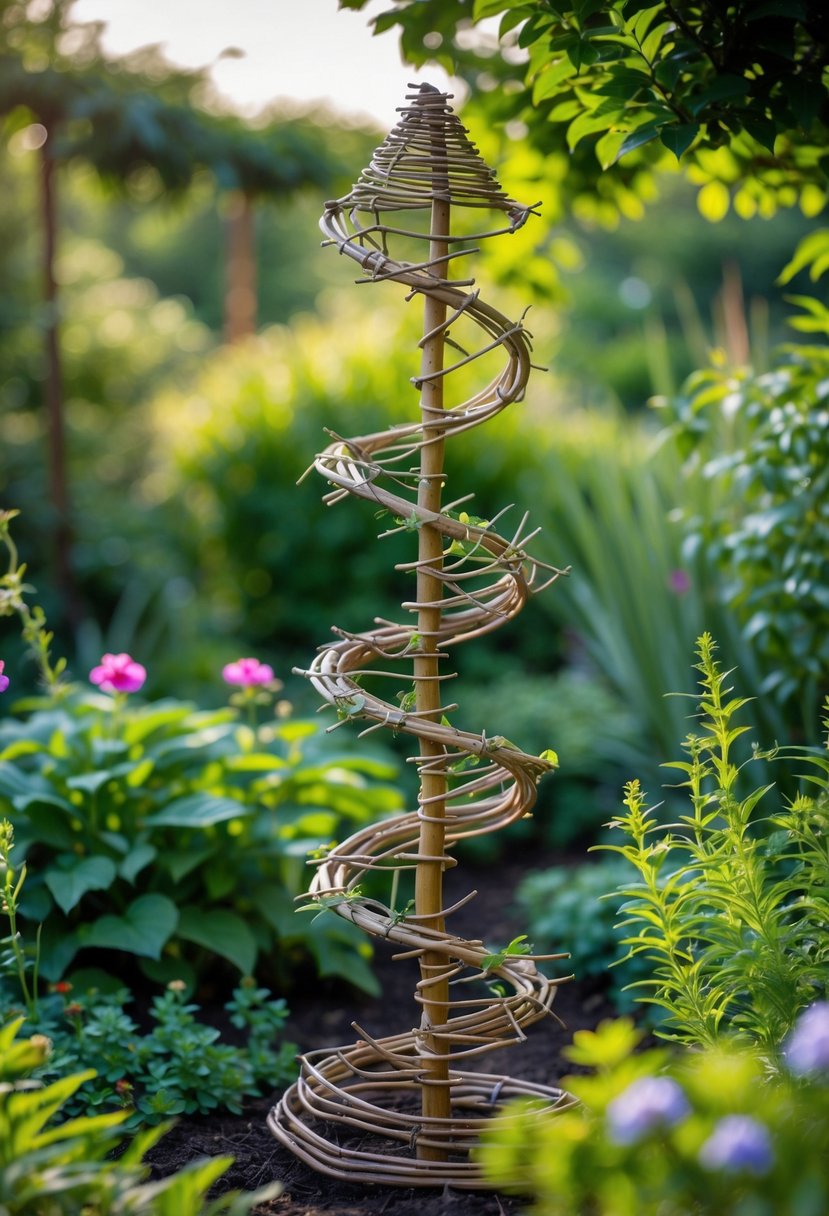
I use flexible branches or wire to shape a spiral obelisk. It gives support to climbing plants while adding visual interest.
The branches or wire are easy to bend, so I can form a neat spiral. This design works well for small gardens or patios.
10. Construct a DIY garden obelisk from PVC pipes for weather resistance
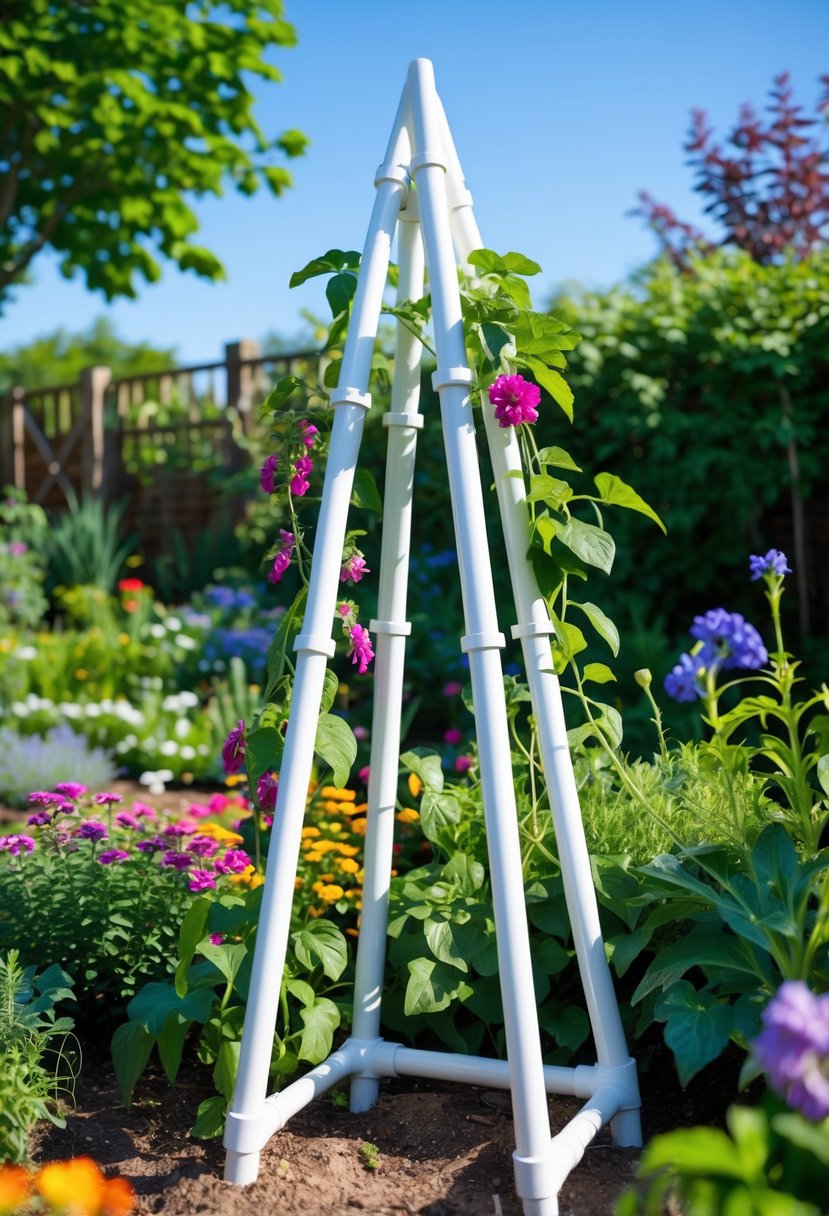
I chose PVC pipes to build my garden obelisk because they resist weather well. The material is lightweight and easy to work with, making assembly quick.
Using PVC also means the structure stays strong without rusting or rotting. It supports climbing plants like vines and flowers effectively in all seasons.
11. Use cedar wood for durable, long-lasting garden obelisks
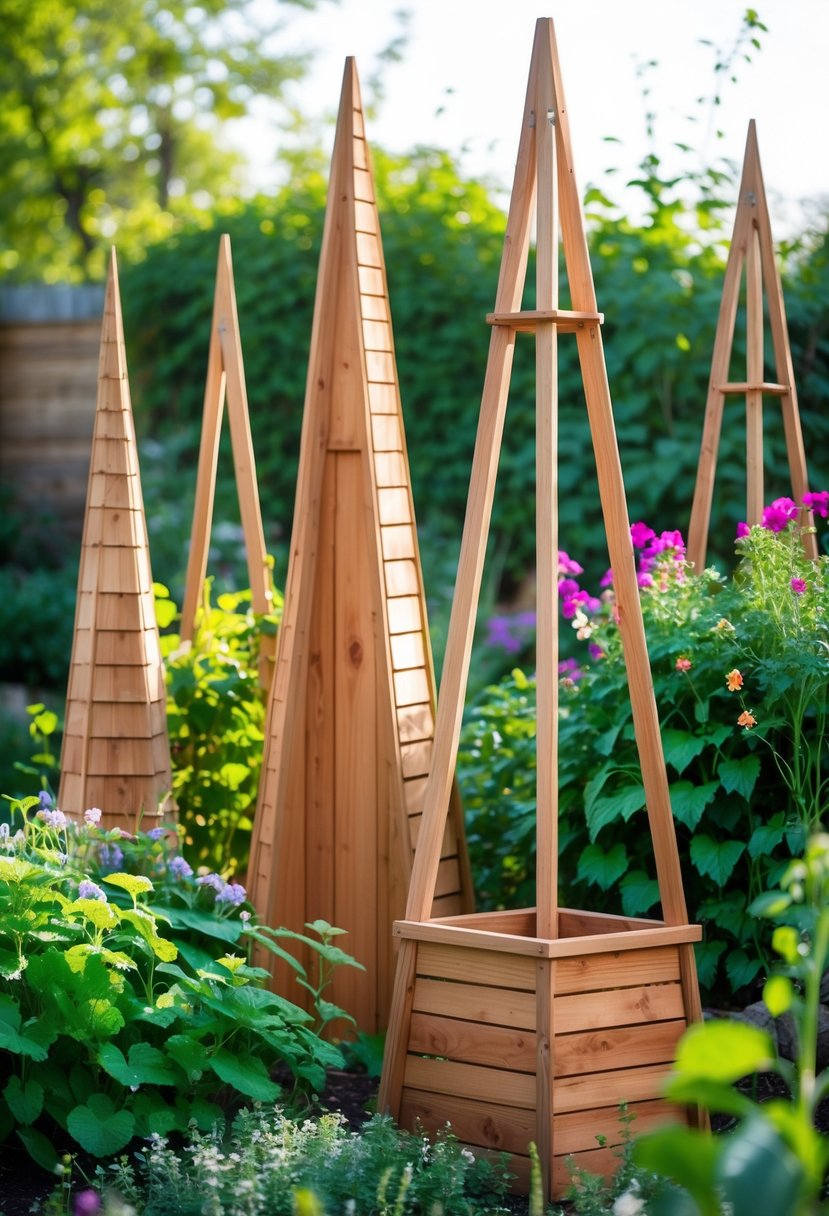
I prefer cedar wood for garden obelisks because it resists rot and insects. This makes my obelisks last longer outside without much maintenance. Cedar is also lightweight, making it easier to move or adjust when needed.
12. Craft a minimalist square-frame obelisk with metal tubing
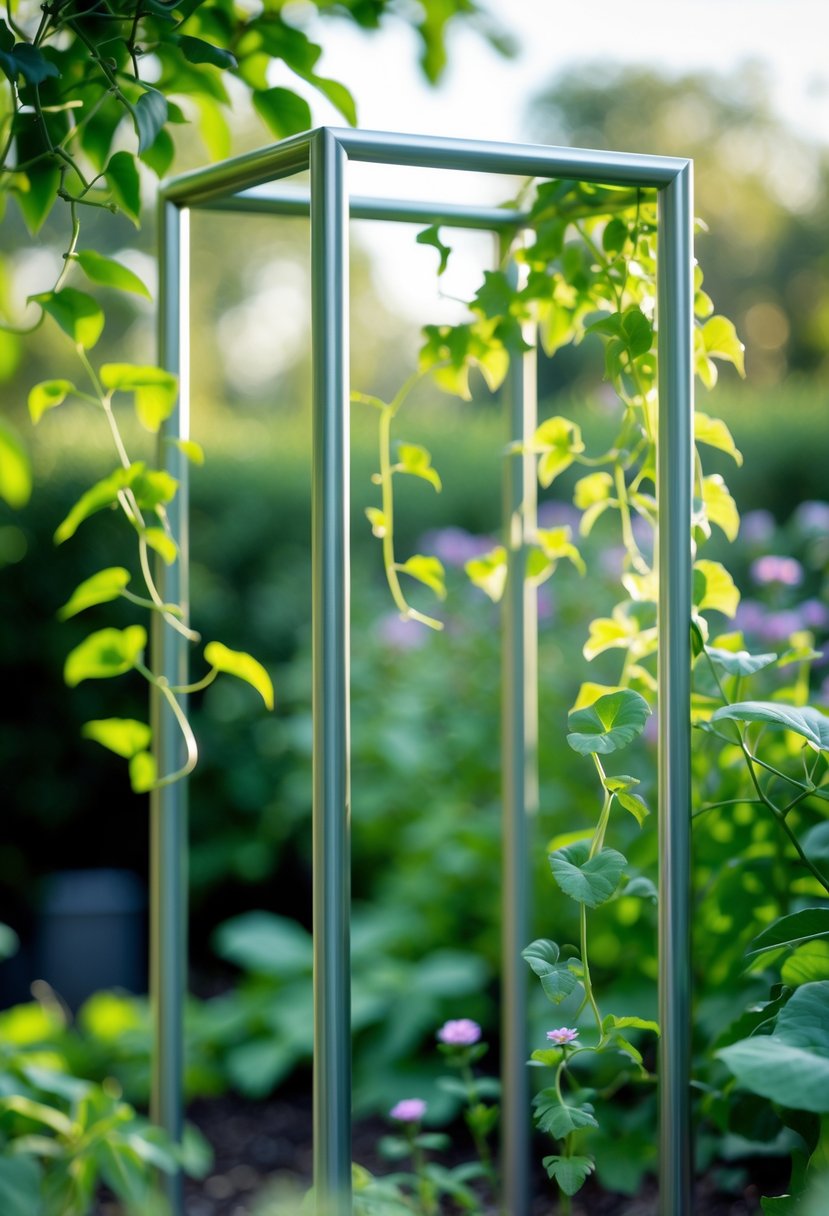
I built a simple square-frame obelisk using metal tubing for a clean, modern look. It supports climbing plants without adding bulk. The metal tubing is strong and weather-resistant, making it a good choice for outdoor use.
13. Build a geodesic dome trellis for multi-directional plant growth
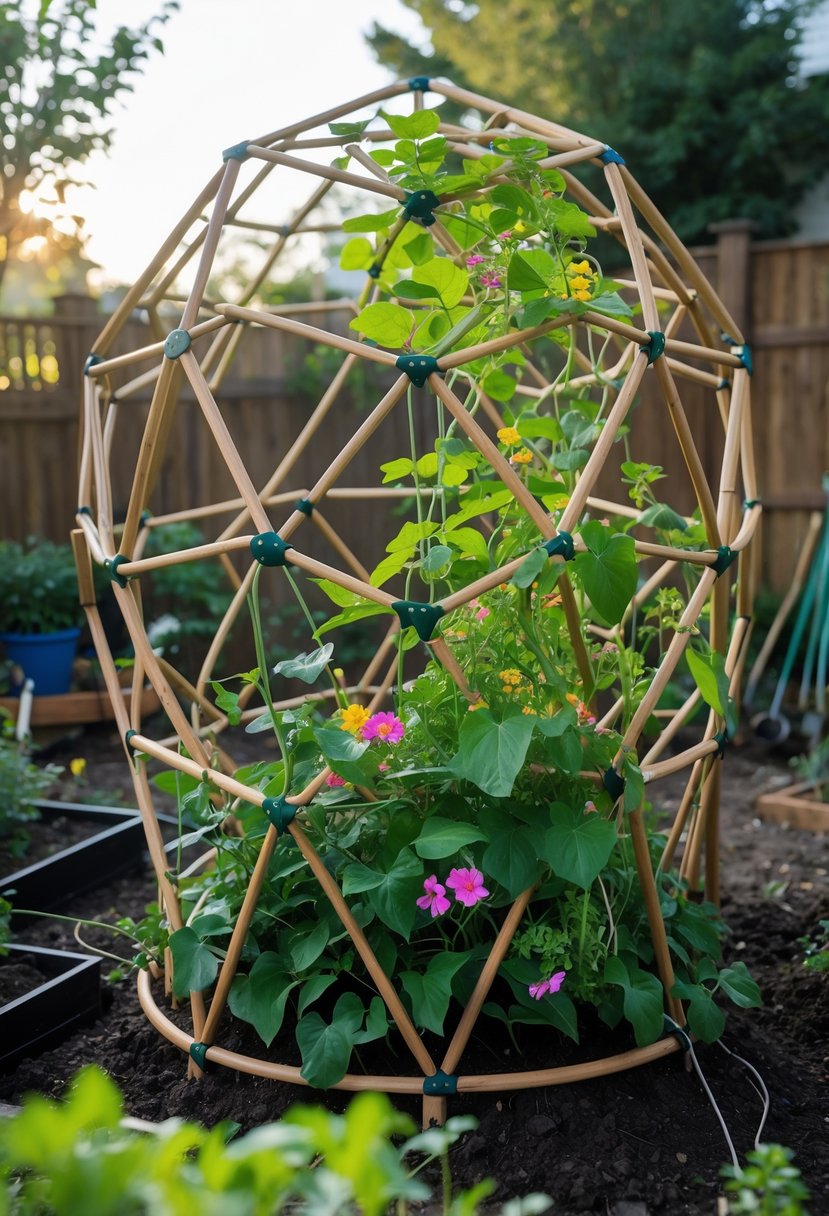
I built a geodesic dome trellis using equal length wood pieces and connectors. This shape lets plants grow up and around from all sides. It works well for vines and flowers needing support in many directions.
14. Make a tiered obelisk combined with hanging pots for flowers
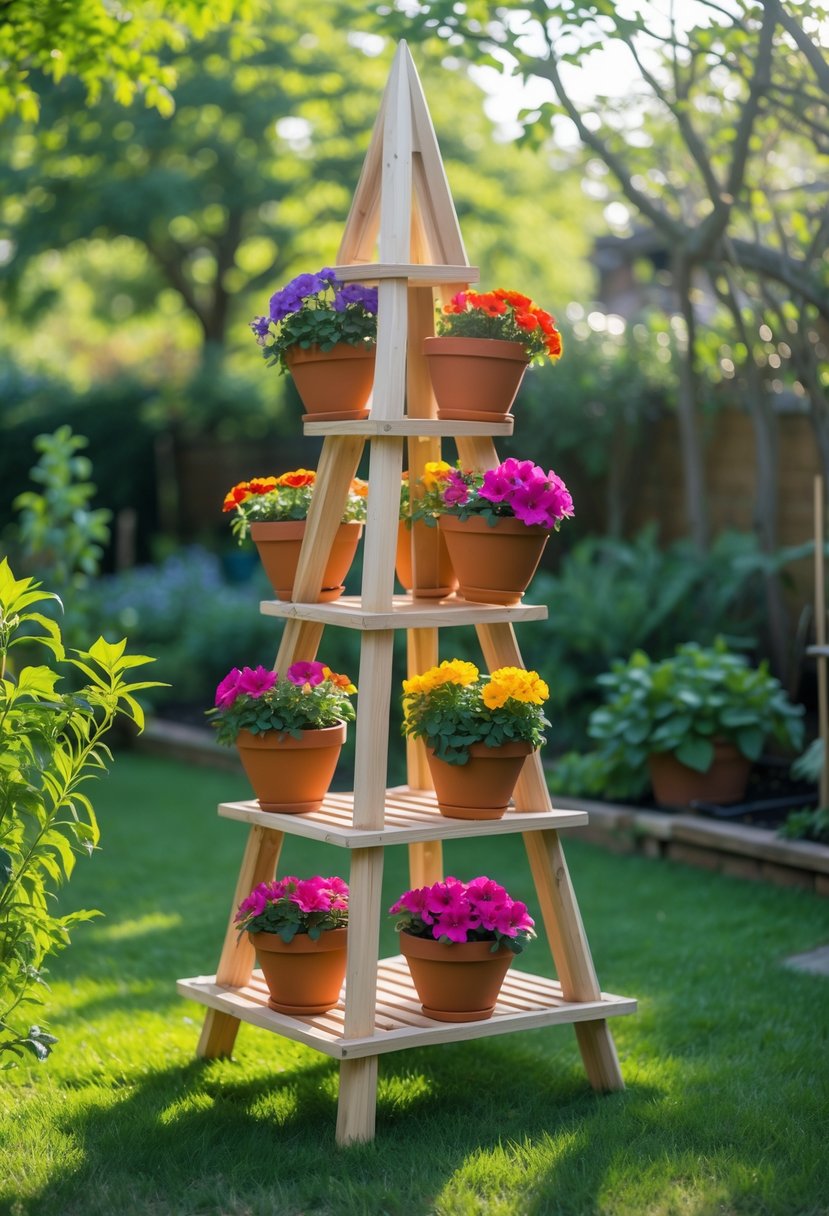
I like building a tiered obelisk because it offers different levels for plants to grow. I attach small hanging pots on each tier to add more flowers without using extra ground space. This design is great for small gardens or patios.
15. Design a triangular obelisk with cross beams for added strength
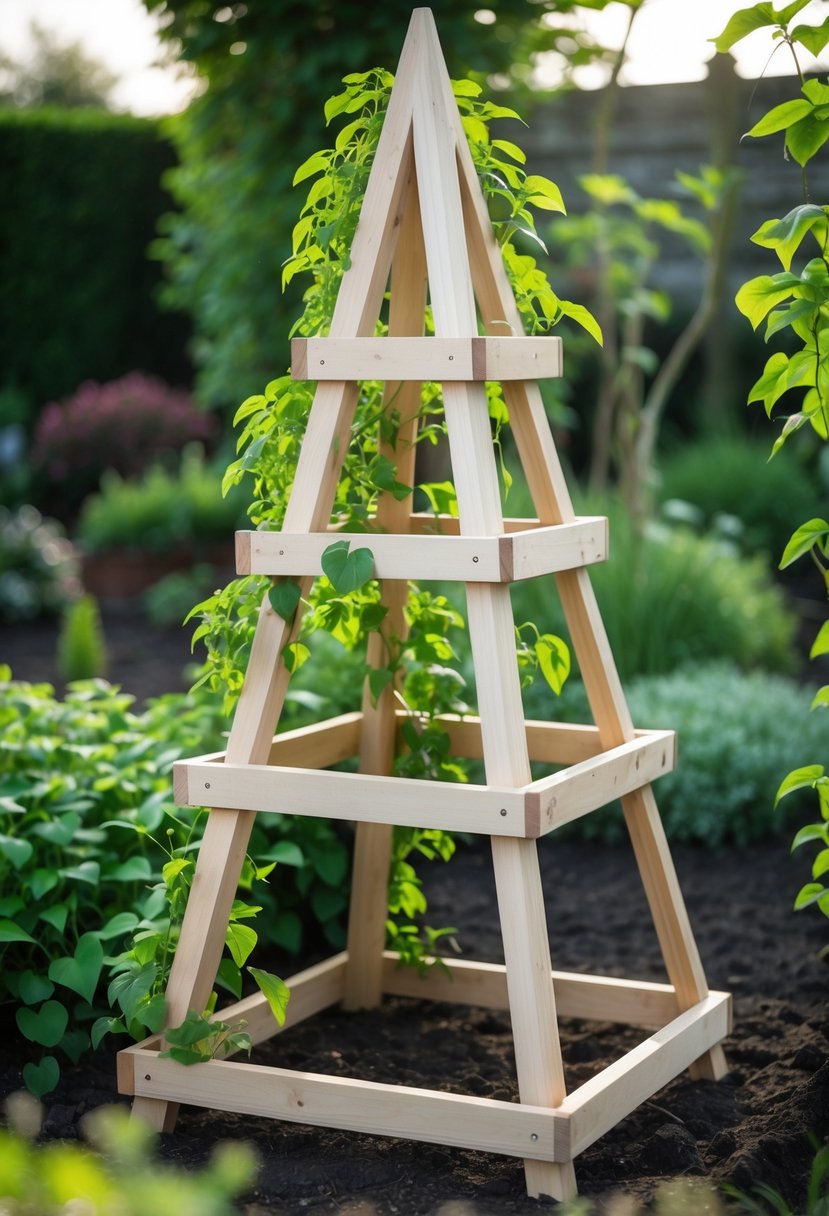
I built a triangular obelisk using three tall wooden beams joined at the top. Adding cross beams between the sides made the whole structure much stronger.
This design holds up well under plant weight and wind. It also looks neat and fits well in small gardens.