





In This Article Show
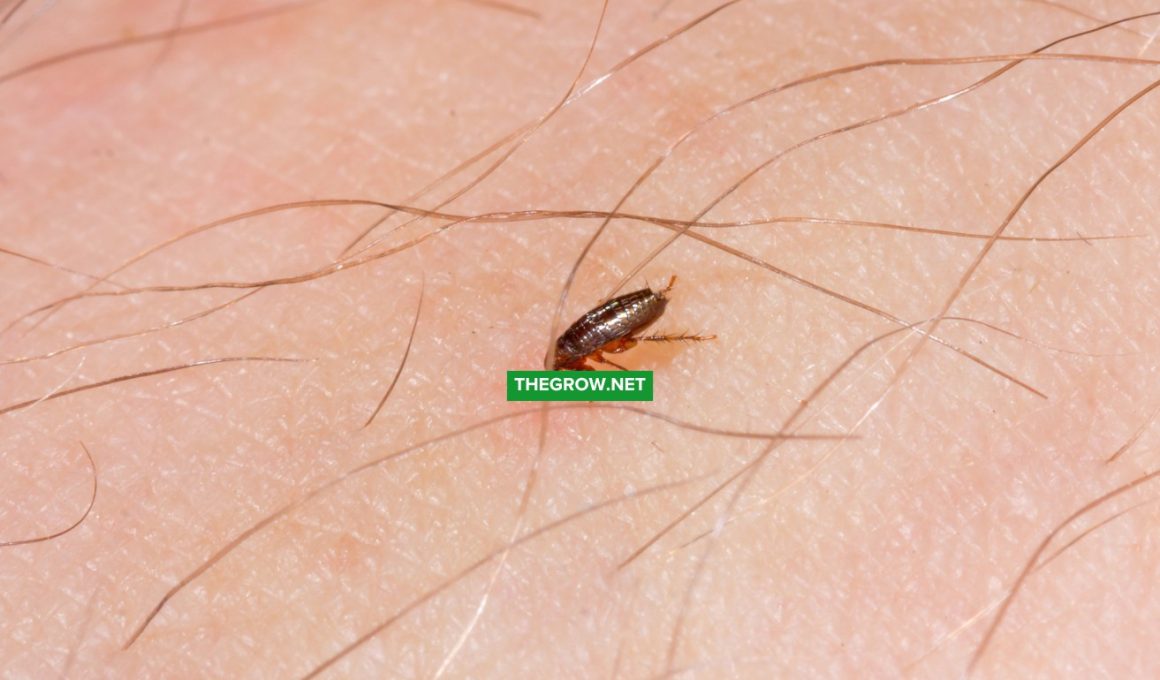
You’re relaxing on the couch when your pet jumps up for a cuddle. Then you see it. A tiny, dark speck moving quickly through their fur. You go to grab it, and it vanishes—only to hop onto your sock.

That sinking feeling hits: you’ve got fleas. It’s not about being dirty; it’s just that these pesky jumpers found their way in.
But don’t worry, you can take your home back. It takes some effort, but with a solid plan, you can break the flea life cycle for good.
Step 1: Hit the Carpets and Floors Hard
Fleas don’t live on your pet full-time. They live in your soft furnishings, especially carpets and rugs. This is your main battlefield.
- Your Best Weapon: The Vacuum. Vacuum every single floor surface like your life depends on it. Go over carpets, rugs, hardwood floors, and even under furniture and cushions. The vibration encourages flea eggs to hatch, and the vacuum sucks up adults, larvae, and eggs.
- The Crucial Finale: Immediately after you finish vacuuming, take the vacuum canister or bag outside to your trash can. If you don’t, the fleas inside can just crawl back out.
Step 2: The Great Heat Wash
Fleas and their eggs can’t survive high heat. Your washer and dryer are powerful allies.
- What to Wash: Strip all bedding—yours and your pet’s—and any removable cushion covers, throw blankets, or fabric toys. Use the hottest water the fabric can handle.
- Dry on High Heat: Follow up with a long cycle in a hot dryer. The combination of hot water and high-heat drying will eliminate any fleas at all stages.

Step 3: Safe and Consistent Pet Treatment
Your pet is the flea taxi. To stop new fleas from hopping off, you have to treat them directly and continuously.
- Talk to Your Vet: This is the most important step. Ask your veterinarian for a recommended flea control product. These are typically easy-to-apply monthly drops or pills that are safe and far more effective than old-fashioned flea collars or drug-store shampoos.
- Combat Bathing: For immediate help, you can bathe your pet with a mild dish soap or a special oatmeal pet shampoo. The soap creates a “moat” that drowns adult fleas. While this isn’t a long-term solution, it gives your pet immediate relief while the vet’s medicine starts working.
Step 4: Natural Help for Your Home
If you want to avoid strong chemical sprays, there are natural substances fleas hate.
- Diatomaceous Earth (Food Grade): This is a fine powder made from fossilized algae. To fleas, it’s like crawling over broken glass. Sprinkle a thin layer on carpets, rugs, and pet bedding. Let it sit for a few hours or even a day, then vacuum it thoroughly. Important: Only use Food Grade DE, wear a mask when applying it, and keep it away from your pet’s face.
- A Simple Herbal Spray: You can make a light repellent spray by steeping a few slices of lemon in boiling water overnight. After it cools, put the liquid in a spray bottle and lightly mist your pet’s bedding (not the pet) and around entryways. The scent is unpleasant to fleas.
Break the Cycle, Be Patient
You won’t win this war in one day. Flea eggs can lie dormant for weeks.
You must be relentless. Vacuum every other day for at least two weeks. Keep up with your pet’s monthly treatment without fail. Wash bedding regularly. It takes about 3-4 weeks of consistent effort to fully break the life cycle—egg, larva, pupa, adult.
Getting rid of fleas is a marathon, not a sprint. Start with a deep vacuum and laundry day, get your pet protected, and stay consistent. Before you know it, you’ll be able to put your feet up on the couch again, completely itch-free. Now, go grab that vacuum—you’ve got some uninvited jumpers to evict.