






In This Article Show
Winter doesn’t have to mean an empty garden or lifeless pots. With the right plants, your patio, porch, or balcony can stay full of color and texture even when frost covers everything else.

I’ve always loved stepping outside on a chilly morning and seeing pansies or hellebores still standing tall—it’s a quiet reminder that nature doesn’t stop just because it’s cold.
If you want your outdoor pots to look alive all winter long, here are 15 hardy plants that can handle freezing nights, short days, and still look beautiful while doing it.
1. Winter Pansies
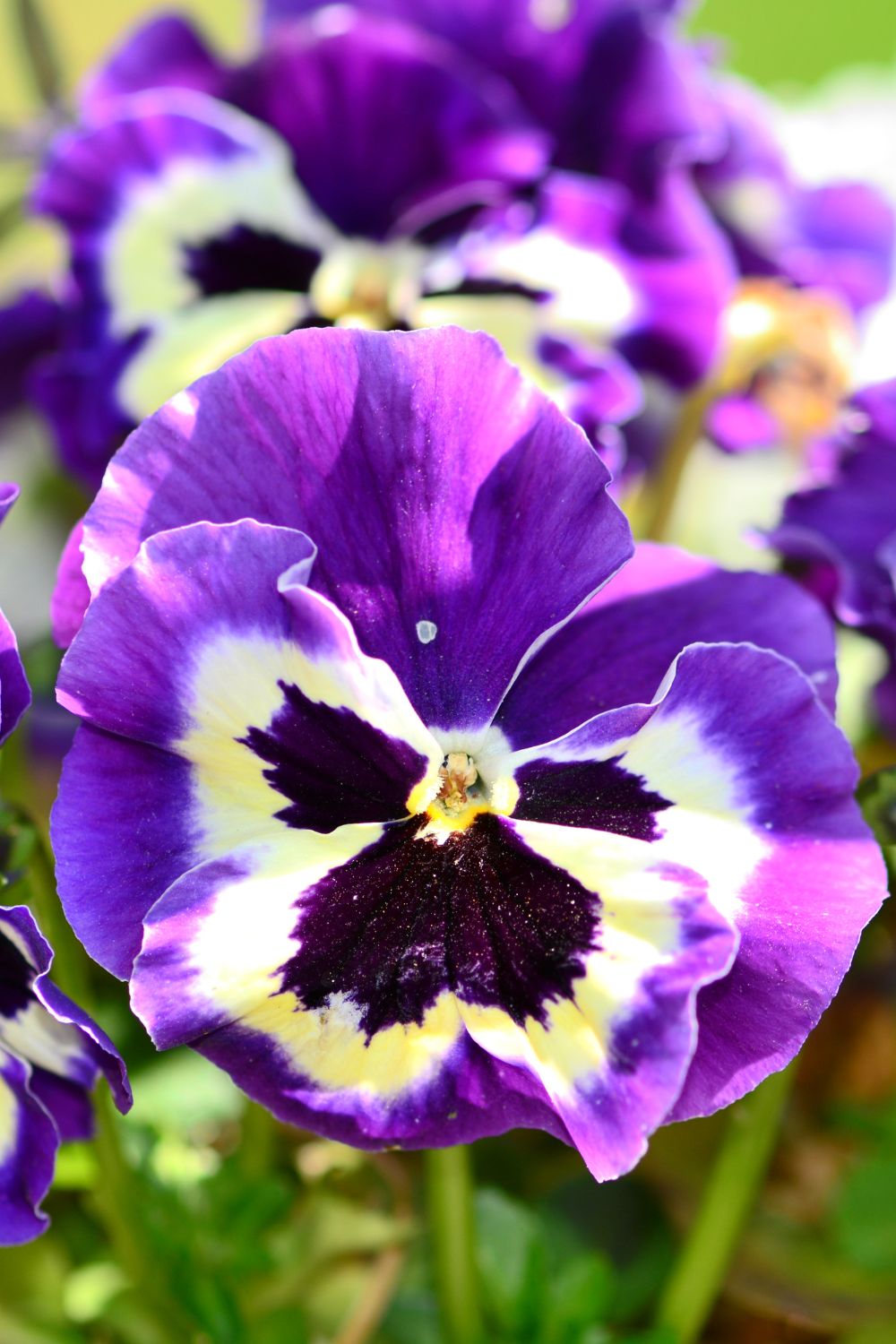
Pansies are the little fighters of the flower world. Even when it feels like everything’s frozen, they’ll keep pushing out blooms in shades of purple, yellow, and white. They’re cheerful, easy to grow, and perfect for pots by your door.
How to Make It Thrive: Keep them in a sunny spot and snip off spent flowers regularly to keep new ones coming.
2. Hellebores (Christmas Rose)
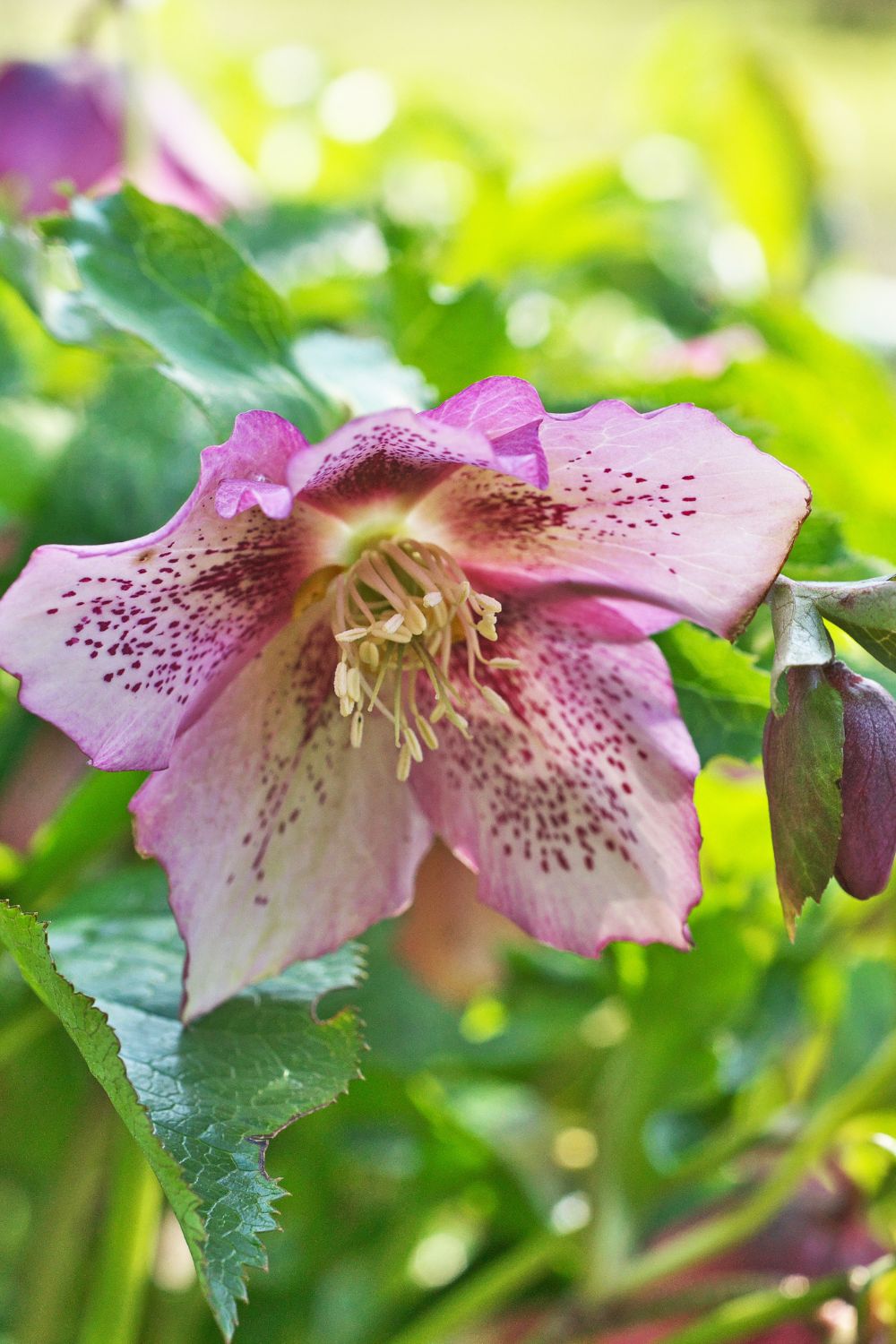
When most plants are sleeping, hellebores quietly bloom. Their soft pink, cream, and green flowers appear in the coldest months, often peeking through a layer of snow. They add a calm elegance to shaded corners.
How to Make It Thrive: Use rich, well-draining soil and protect from harsh winds to keep leaves looking fresh.
3. Cyclamen
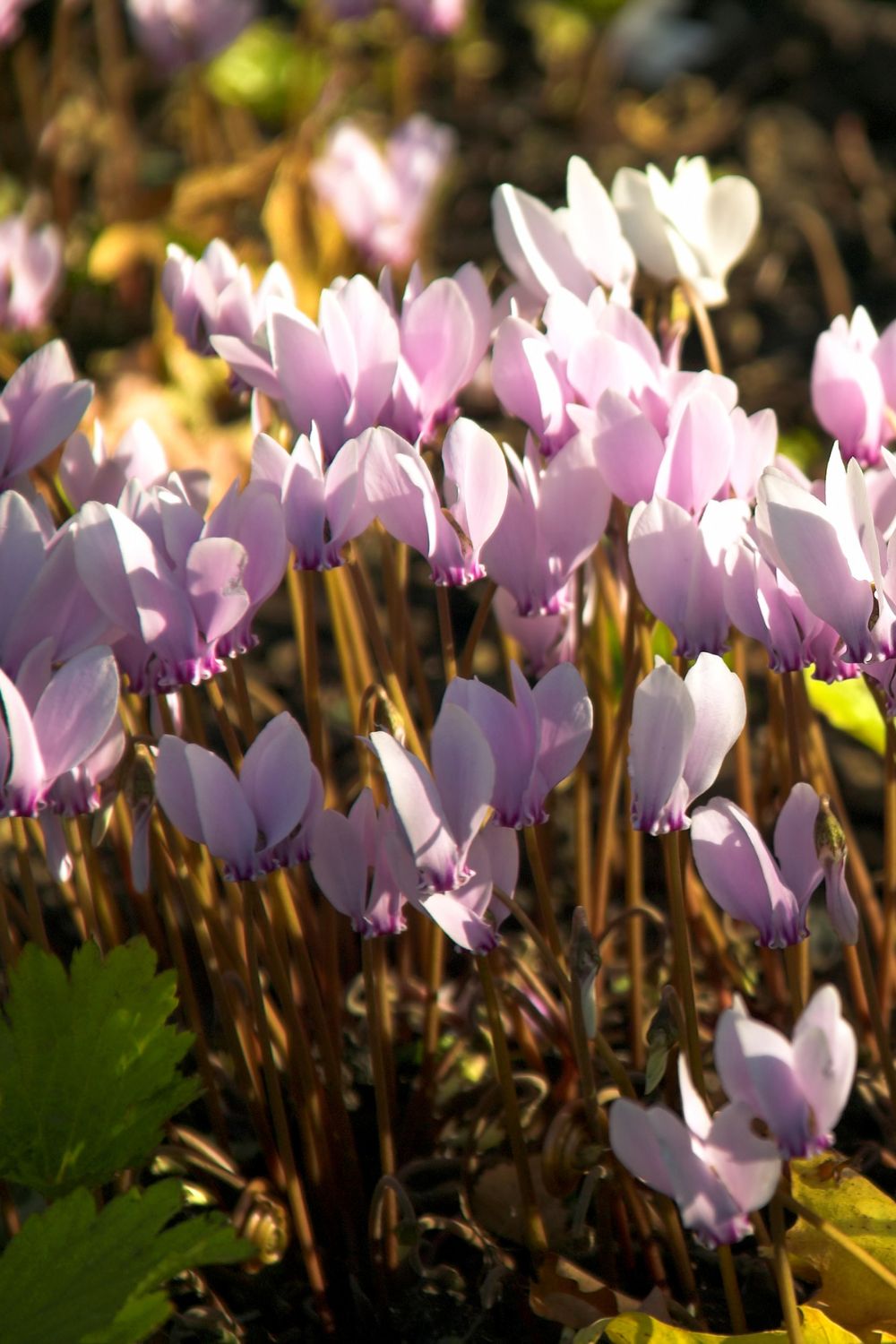
Cyclamen are a winter favorite for a reason. Their heart-shaped leaves and bright blooms look lovely in small pots or grouped with evergreens. They seem delicate but handle cold weather well.
How to Make It Thrive:Water sparingly and make sure the pot drains well—too much water is the fastest way to lose them.
4. Heathers (Erica or Calluna)

Heathers bring texture and color when the rest of the garden looks bare. Their tiny blooms in pink, purple, or white create a soft carpet effect in containers.
How to Make It Thrive:They love acidic soil and sunlight. Trim them lightly after flowering to keep them bushy and healthy.
5. Ornamental Cabbages and Kales
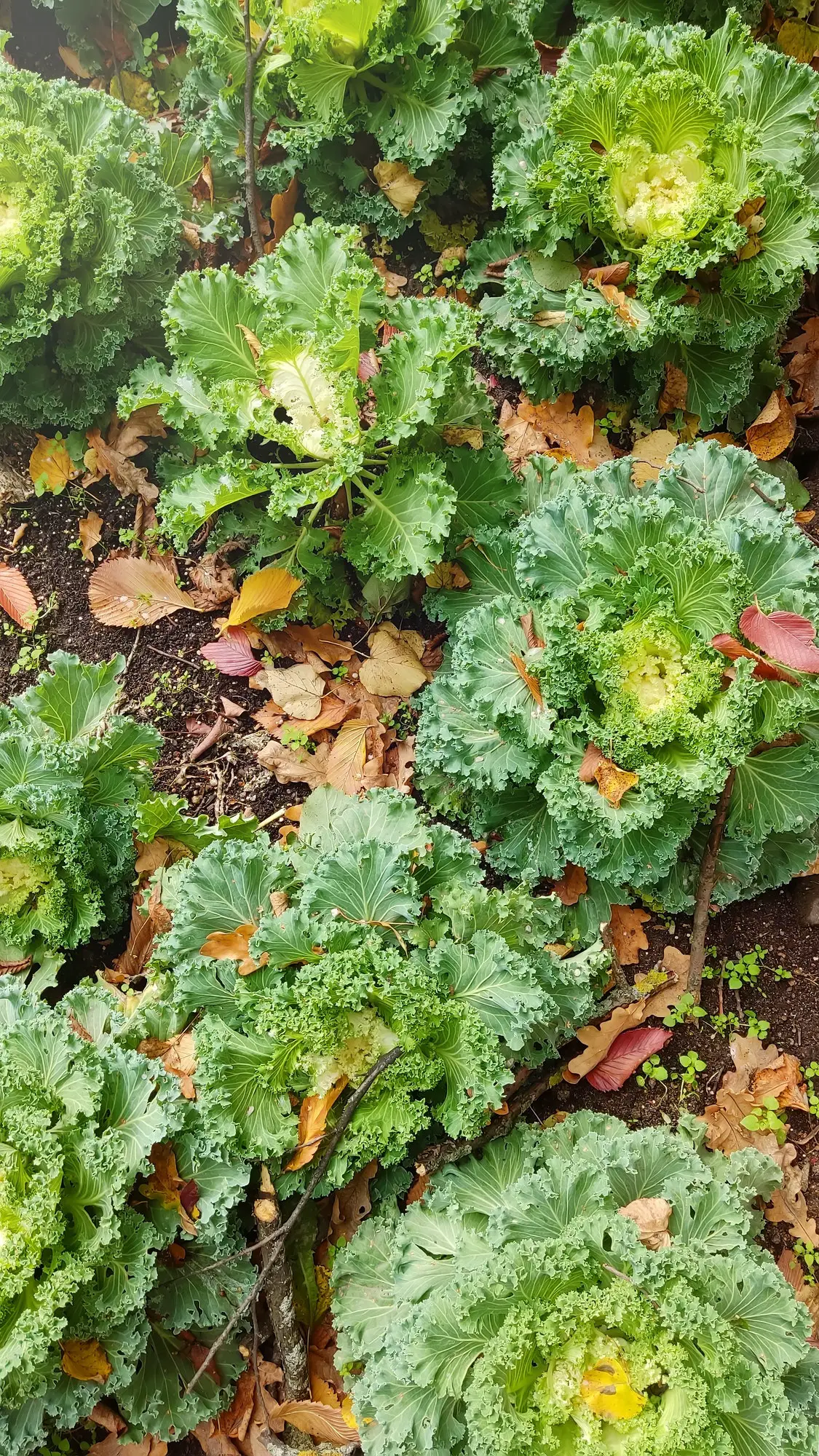
These bold, leafy plants are surprisingly tough. Their ruffled leaves in shades of purple, green, and white bring structure and a touch of drama to winter pots.
How to Make It Thrive:Place them in full sun and don’t overwater—cool, moist soil is perfect for them.
6. Violas
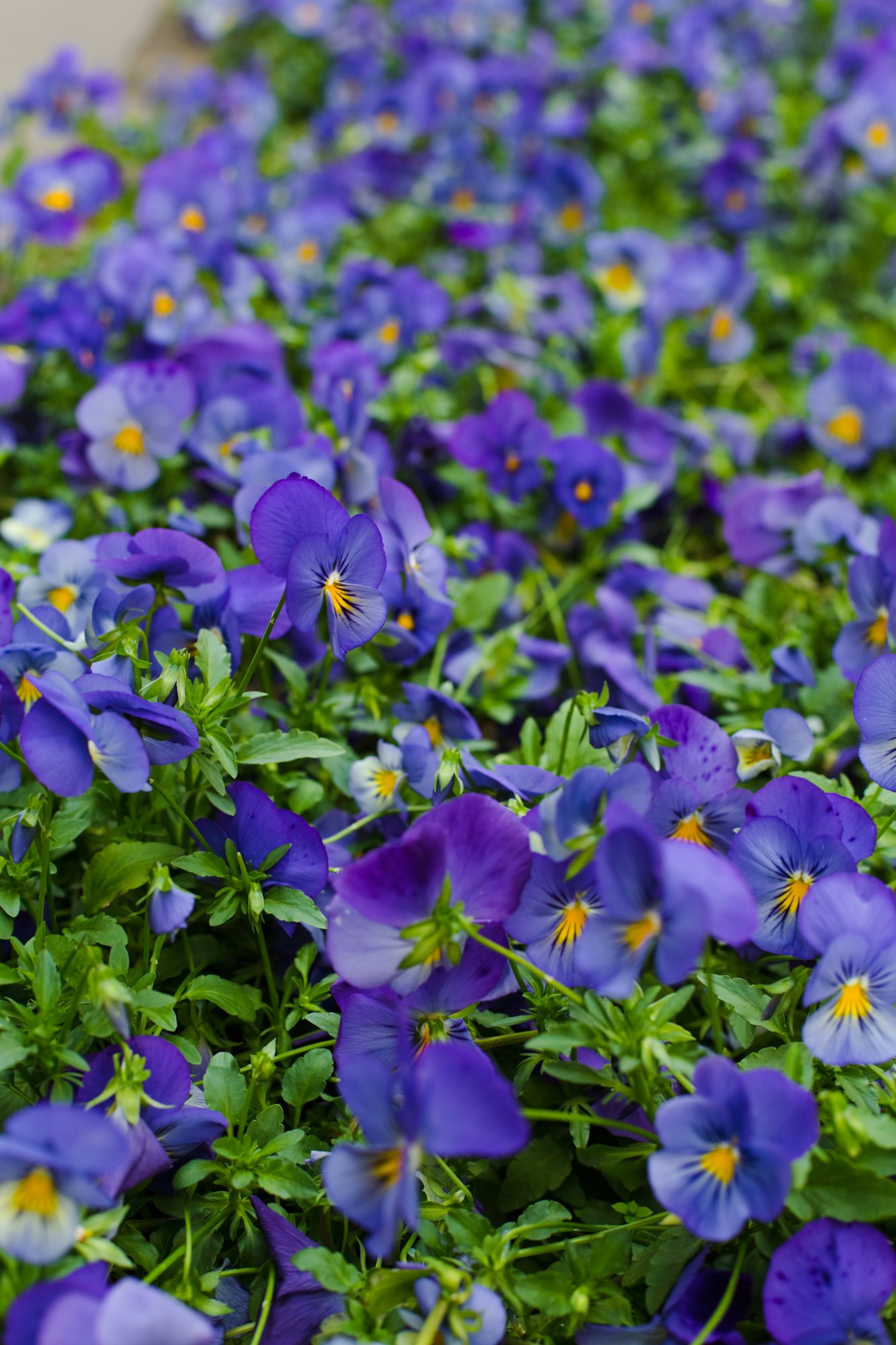
If you like pansies, you’ll adore violas. They’re smaller, produce more blooms, and seem to thrive on neglect. Their cheerful faces make any gray day feel brighter.
How to Make It Thrive: Keep the soil slightly moist and remove faded flowers to extend their blooming period.
7. Skimmia Japonica

Skimmia is one of those plants that looks good all year. In winter, its glossy leaves and clusters of red berries steal the show. It’s perfect for shady corners that need life.
How to Make It Thrive:Use slightly acidic compost and avoid waterlogging by ensuring good drainage.
8. Winter Jasmine
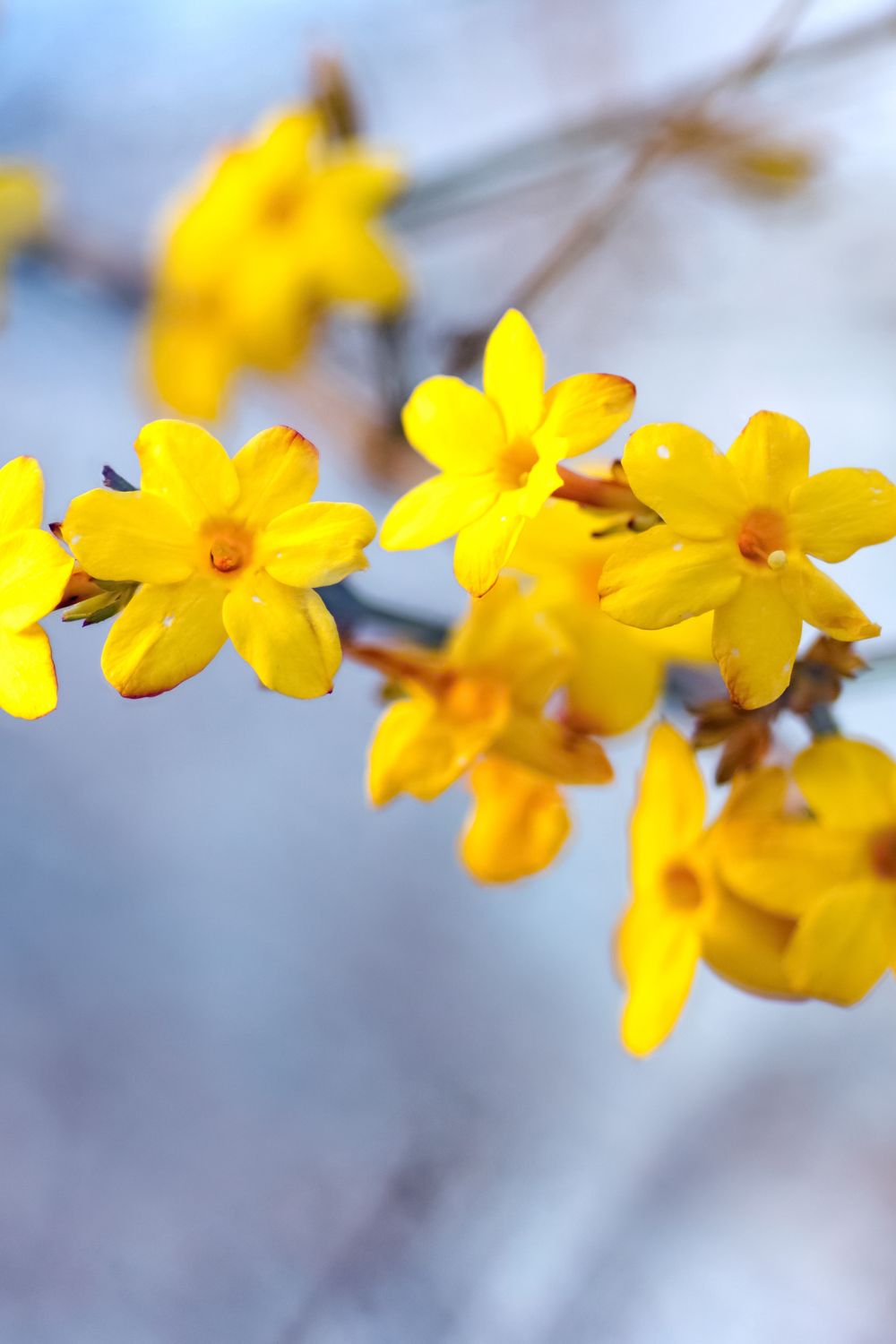
Winter jasmine’s bright yellow flowers appear when little else is blooming. It’s great in large pots where it can trail or climb, adding color and movement to dull winter spaces.
How to Make It Thrive: Give it plenty of sun and prune after flowering to encourage healthy new growth.
9. Boxwood (Buxus)
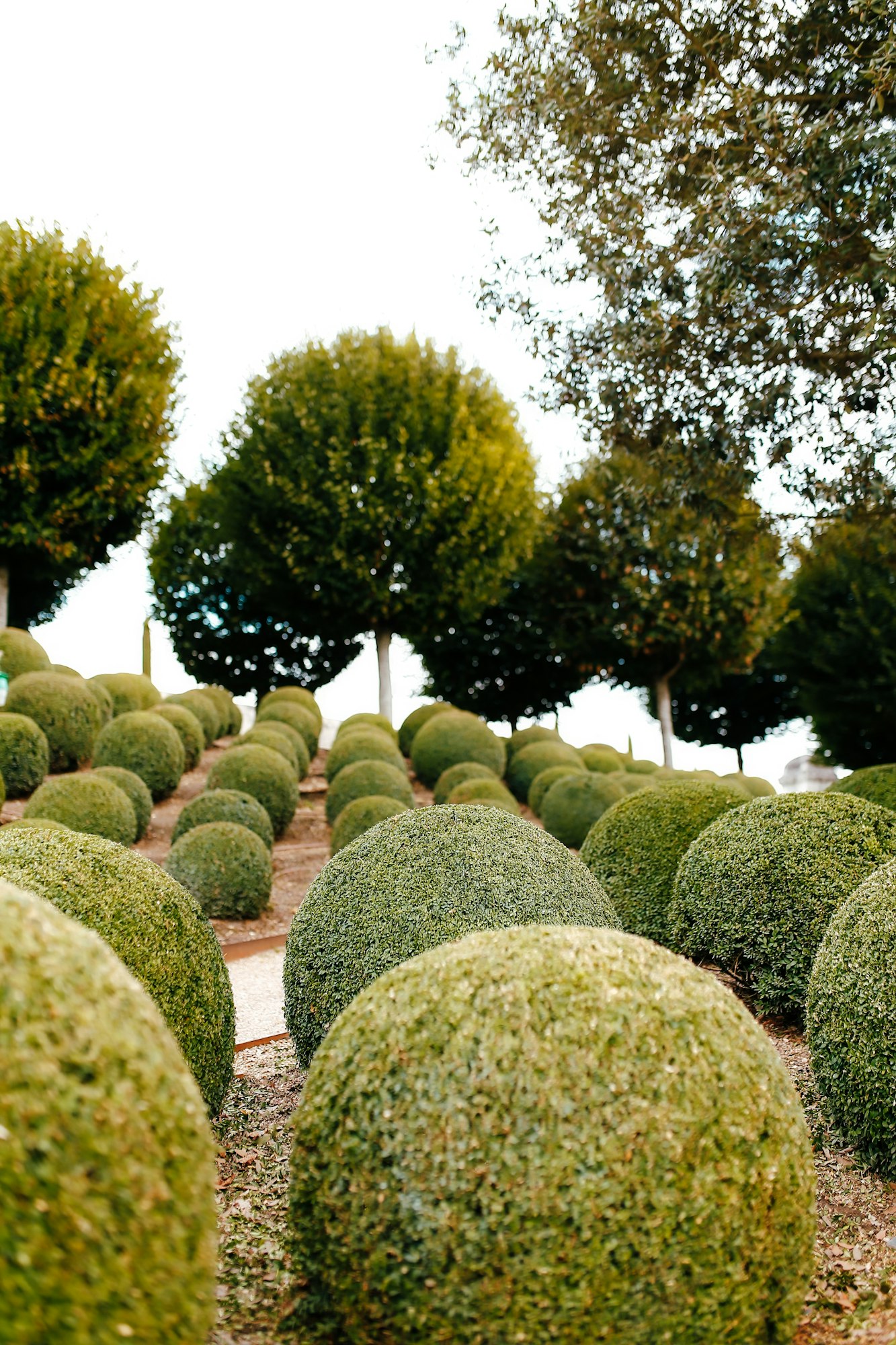
If you want something tidy and evergreen, boxwood is a classic choice. Its neat, compact shape adds structure and looks beautiful with fairy lights or a dusting of snow.
How to Make It Thrive: Water sparingly in winter and protect from icy winds that can dry out the foliage.
10. Ivy (Hedera Helix)
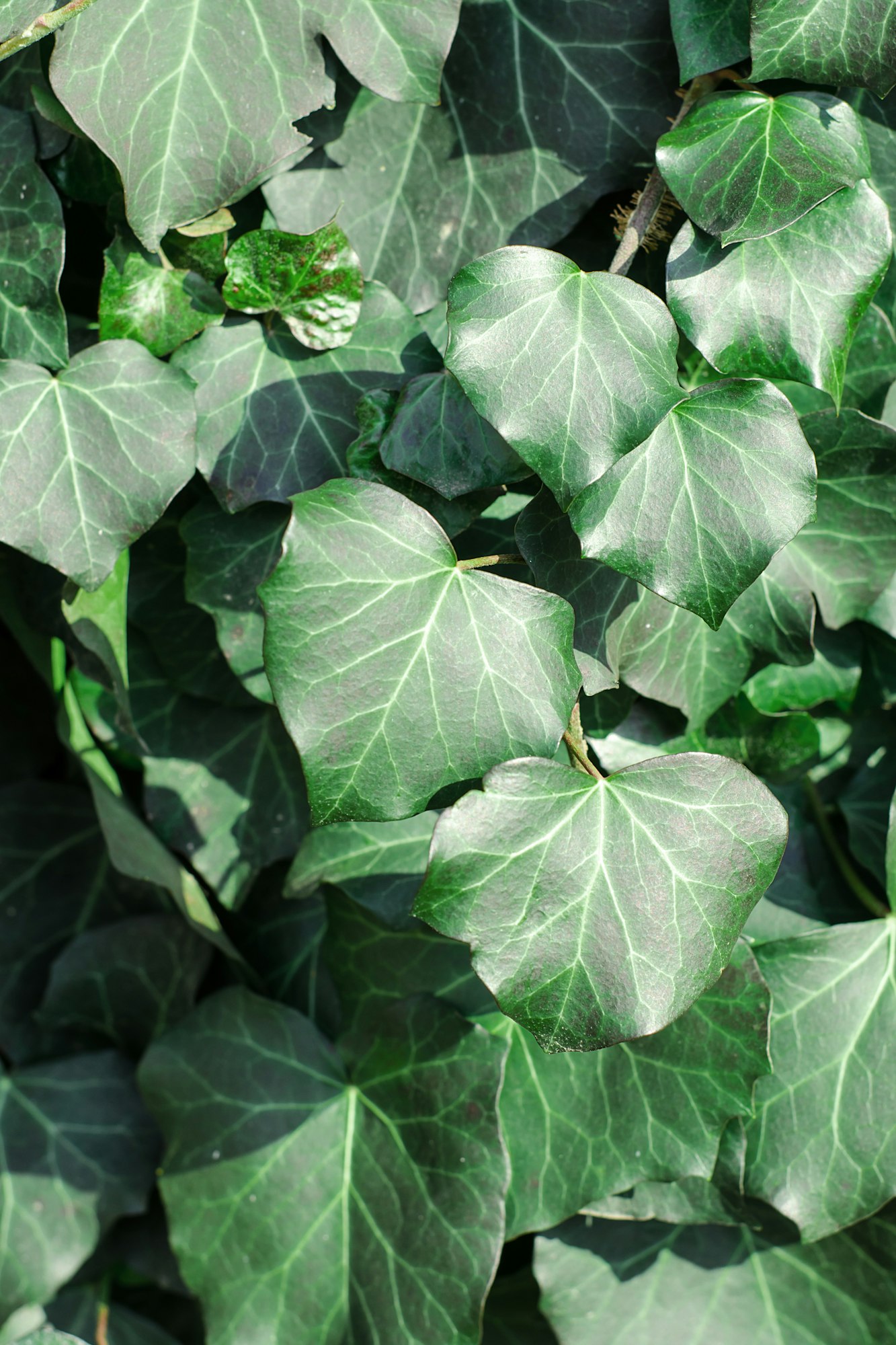
Ivy brings effortless greenery to pots and hanging planters. Its trailing vines soften edges and complement colorful winter blooms perfectly.
How to Make It Thrive: Place in part shade and trim back in spring to keep it from taking over.
11. Camellias
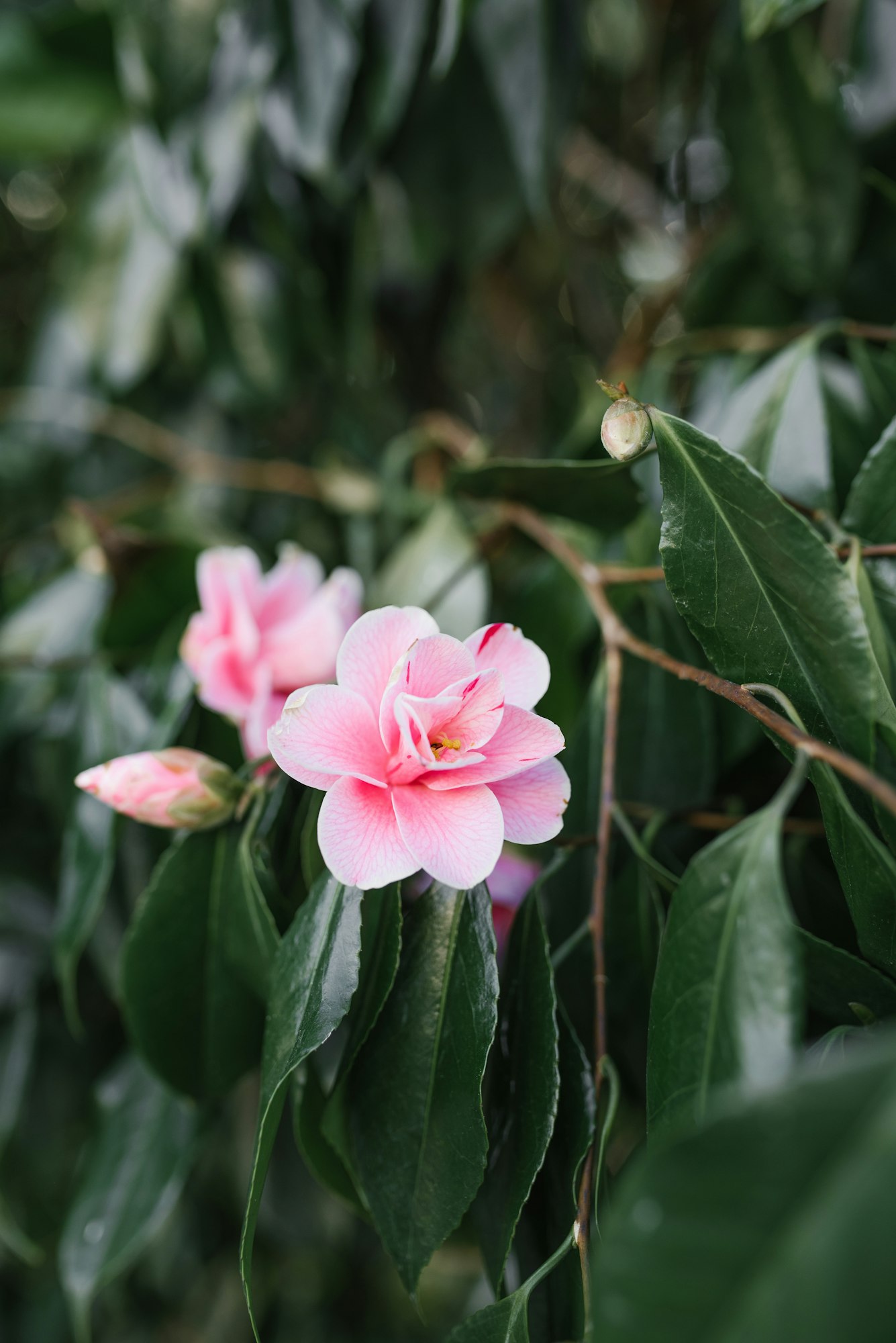
Camellias are pure winter luxury. Their glossy leaves and rose-like blooms can light up even the gloomiest day. A well-placed pot on the porch will reward you for years.
How to Make It Thrive: Use ericaceous compost and shelter from cold winds and early morning sun.
12. Primroses
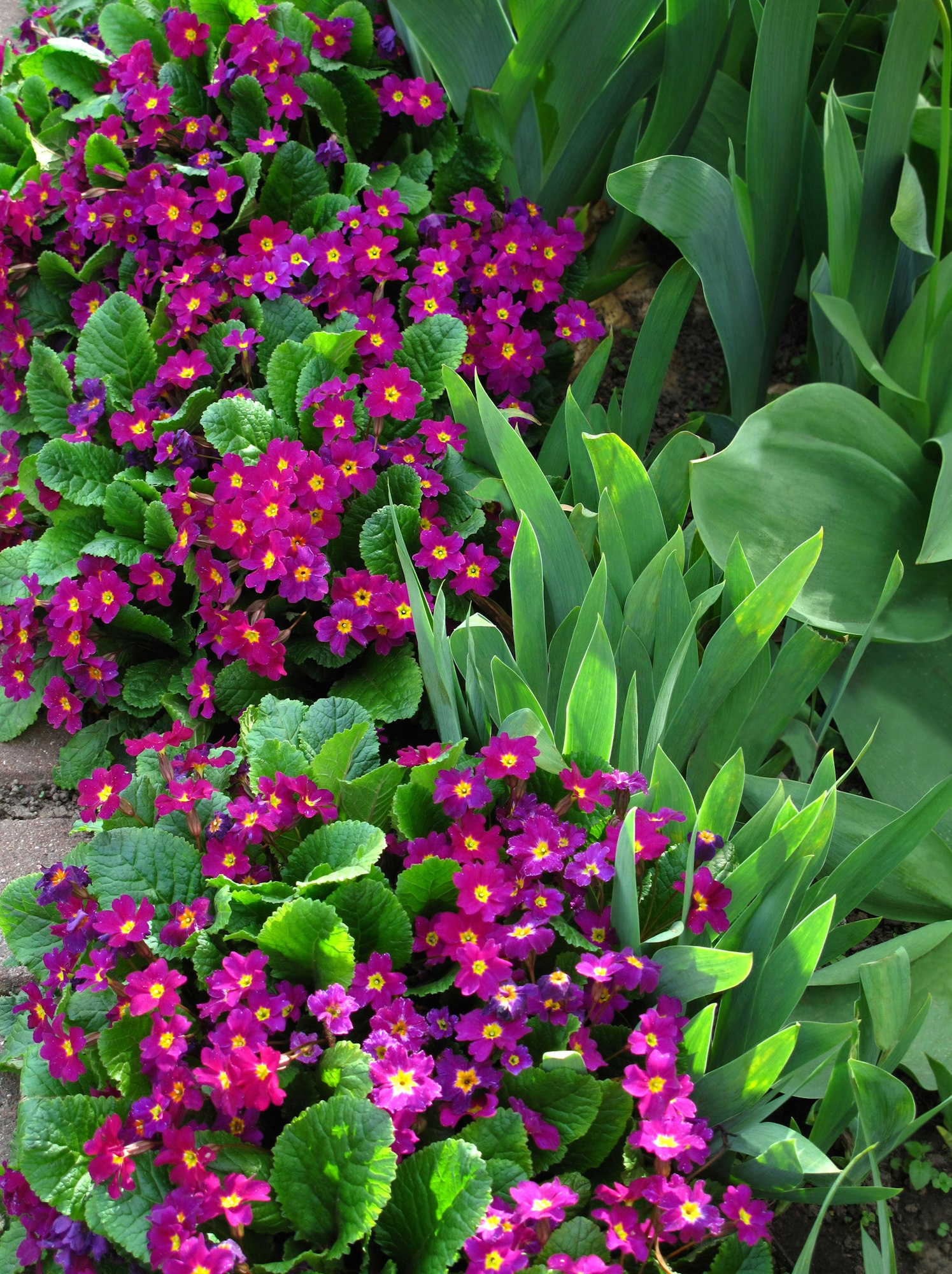
Primroses bloom early, bringing bursts of color to the tail end of winter. They’re low maintenance, tough, and easy to mix with bulbs or evergreens in pots.
How to Make It Thrive: Keep soil moist but well-drained, and remove dead blooms to help them flower longer.
13. Dusty Miller

With its silvery leaves, Dusty Miller adds contrast and texture to any winter arrangement. It pairs beautifully with purple pansies or ornamental kale.
How to Make It Thrive: Give it full sun and let the topsoil dry slightly between waterings.
14. Dwarf Conifers

Small conifers are perfect for year-round greenery. They’re hardy, slow-growing, and look great in decorative containers or grouped for a mini winter forest effect.
How to Make It Thrive: Choose varieties like dwarf pines or junipers and keep soil moist but not soggy.
15. Coral Bells (Heuchera)
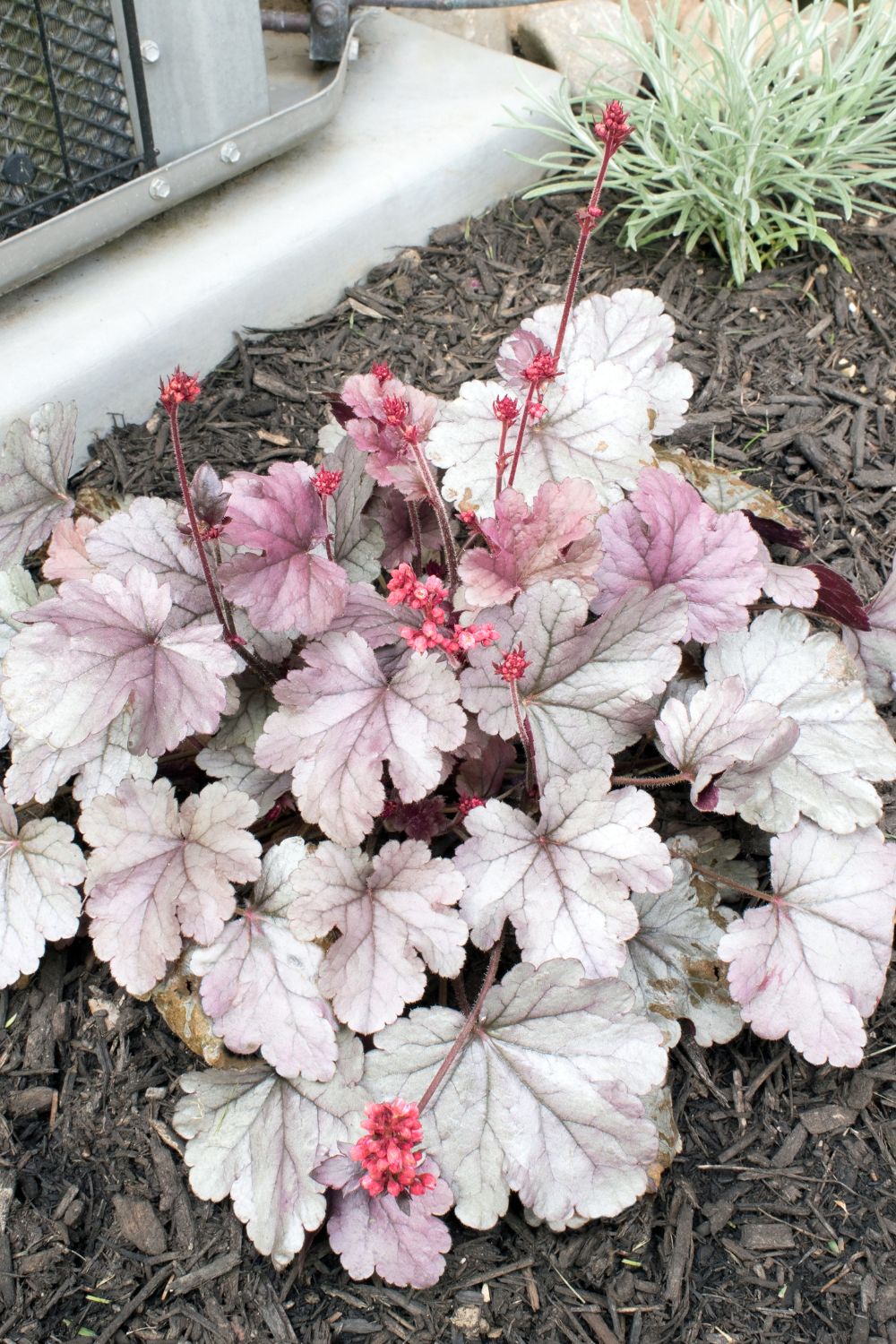
Heucheras are all about colorful leaves—burgundy, amber, or deep purple—that stay vibrant even in cold weather. They’re a beautiful way to add warmth and contrast.
How to Make It Thrive:Grow in partial shade and cover with mulch before extreme frost to protect the roots.
Container Care Tips for Winter
Even the toughest plants need a little extra help in winter.
- Use frost-proof pots: Terracotta can crack, so choose plastic, stone, or resin containers.
- Raise pots off the ground: Small feet or bricks help drainage and prevent roots from freezing.
- Water wisely: Only water when the soil feels dry—plants don’t need much in cold weather.
- Group pots together: It helps retain warmth and protects plants from strong winds.