






In This Article Show
June is a wonderful month for gardening, offering a variety of plants that thrive in the warmer weather. Whether you’re an experienced gardener or just starting, June provides the perfect opportunity to expand your garden with a mix of vegetables, herbs, and flowers. Planting in June enhances your garden’s beauty and ensures a bountiful harvest later in the season.
In this guide, we’ll explore 19 different food, herb, and flower options that are ideal for planting in June. From juicy tomatoes and crisp cucumbers to fragrant basil and vibrant marigolds, there’s something for everyone.

Foods to Plant in June
Let’s get started and make your June garden a success!
1. Tomatoes

Tomatoes are a staple in many gardens, especially in June when the warm weather helps them thrive. They are versatile and can be used in various dishes, from salads to sauces.
- Varieties to Try: Consider planting Roma, Cherry, and Beefsteak tomatoes for a diverse harvest.
- Planting Tips: Plant tomatoes in well-draining soil, and provide plenty of sunlight, and water regularly to keep the soil moist but not waterlogged.
2. Peppers

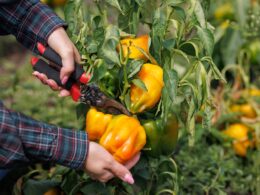
Peppers are another excellent choice for June planting. They come in many varieties, each with its flavor and heat level.
- Best Types for June: Bell peppers, Jalapeños, and Poblano peppers are great options for this month.
- Soil and Water Requirements: Peppers prefer well-draining soil rich in organic matter. Water them consistently, but avoid waterlogging the soil to prevent root rot.
3. Cucumbers
Cucumbers grow quickly and are perfect for summer salads and pickles. They need plenty of space and support to grow well.
- Quick Growing Guide: Plant cucumbers in rich, well-draining soil. Provide a trellis or support for the vines to climb, and ensure they receive full sun.
- Common Issues and Solutions: Watch out for powdery mildew and cucumber beetles. Use neem oil or insecticidal soap to manage pests.
4. Squash

Squash is a versatile vegetable harvested in various stages, from tender young squash to mature gourds fully.
- Types of Squash: Zucchini, Yellow Squash, and Butternut Squash are excellent choices for June planting.
- Spacing and Care: Plant squash in well-draining soil with plenty of space between plants to allow for their large leaves and spreading vines. Water consistently and mulch to retain moisture.
5. Beans

Beans are a fast-growing crop that can be planted in June for a quick harvest. They are rich in nutrients and easy to grow.
- Pole vs. Bush Beans: Pole beans require support, like a trellis, while bush beans can grow without additional support. Both types are suitable for June planting.
- Harvesting Tips: Harvest beans regularly to encourage more production. Pick them when they are firm and before the seeds bulge.
6. Carrots

Carrots are a root vegetable that thrives in cooler soil, making early June an excellent time to plant them.
- Planting Techniques: Sow carrot seeds directly into the soil, ensuring they are evenly spaced. Thin seedlings to allow enough room for roots to grow.
- Thinning and Maintenance: Thin the carrots once they are a few inches tall to prevent overcrowding. Keep the soil moist and free of weeds.
7. Beets
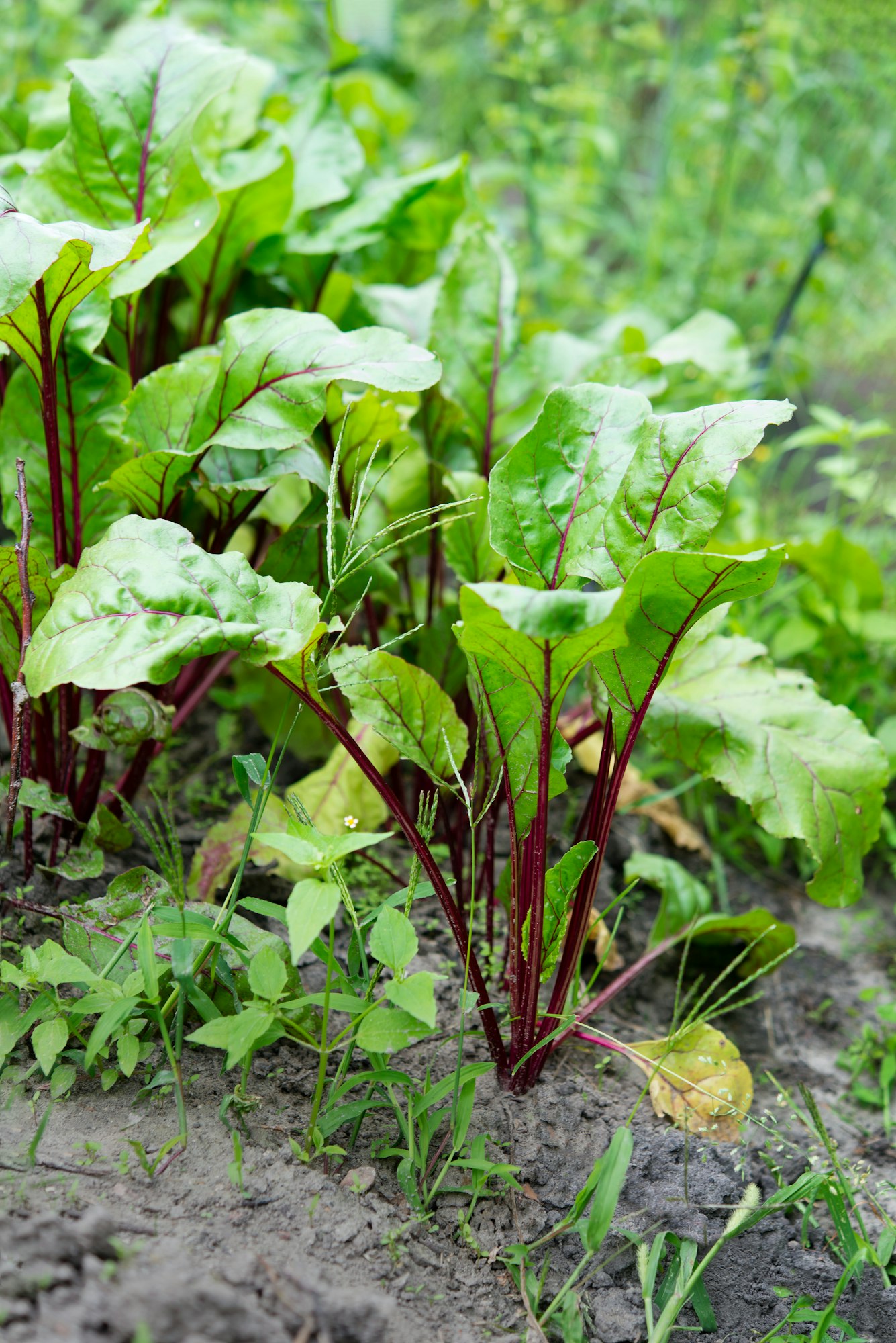
Beets are a nutritious root vegetable that can be planted in June for a late summer harvest. They are relatively easy to grow and versatile in the kitchen.
- Varieties and Benefits: Popular varieties are Detroit Dark Red, Golden Beets, and Chioggia. Beets are rich in vitamins and minerals, making them a healthy addition to any diet.
- Growing Conditions: Plant beets in well-draining soil with full sun. Keep the soil consistently moist and thin with seedlings to ensure proper root development.
Herbs to Plant in June
8. Basil

Basil is a fragrant herb that’s a favorite in many kitchens, especially in Mediterranean dishes. It grows well in warm weather, making June an ideal month to plant it.
- Varieties and Uses: Try Genovese, Thai, and Lemon Basil. Each variety has a unique flavor profile suited for different culinary uses, from pesto to garnishes.
- Care Tips: Plant basil in well-draining soil with plenty of sunlight. Water regularly, but avoid wetting the leaves to prevent fungal issues. Pinch off the flowers to encourage more leaf growth.
9. Cilantro
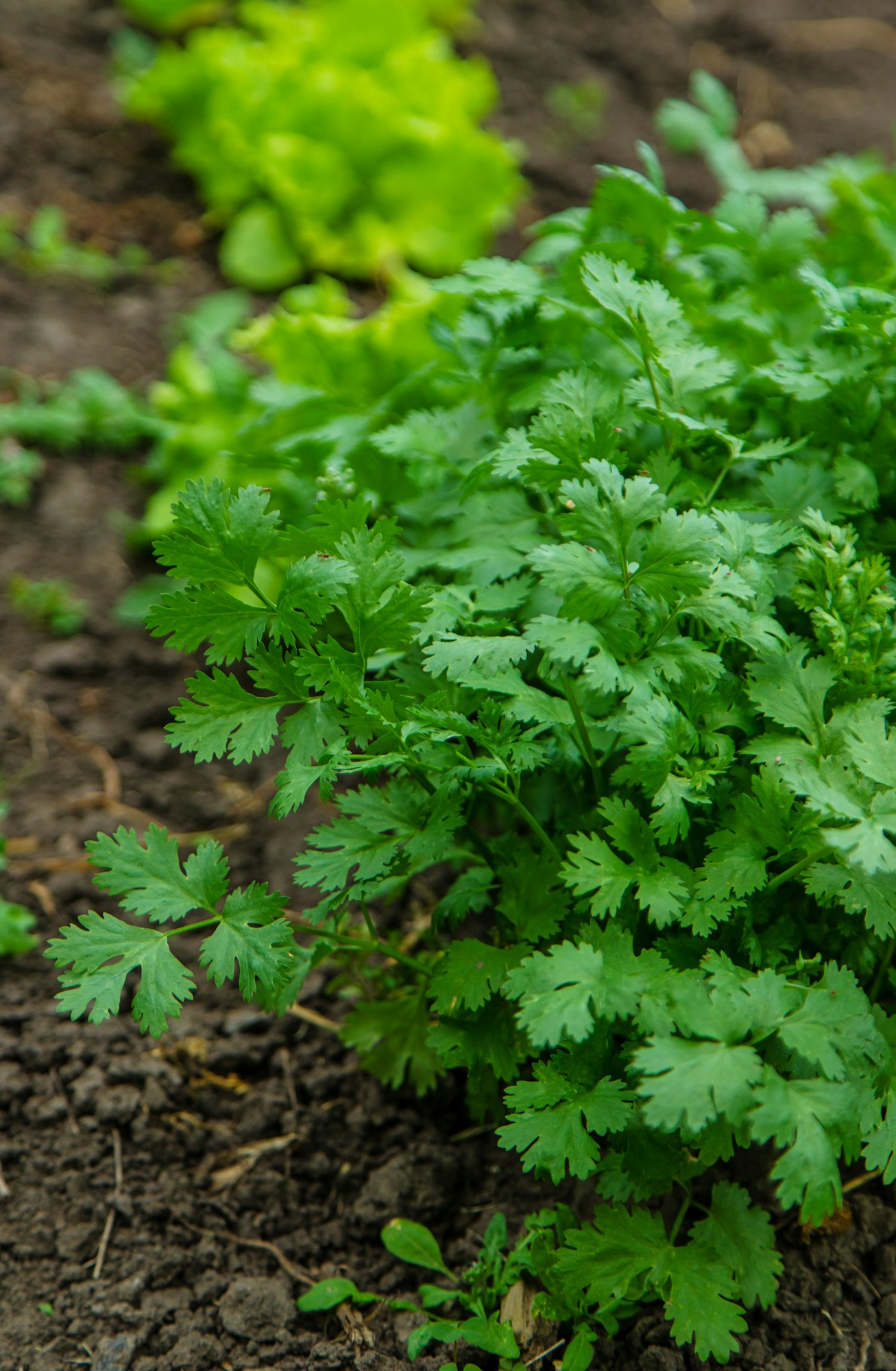
Cilantro is a versatile herb used in various cuisines around the world. It’s known for its bright, fresh flavor and is best planted in early June.
- Planting and Harvesting: Sow cilantro seeds directly in well-draining soil. Ensure they get partial to full sunlight. Harvest the leaves regularly to encourage continuous growth.
- Common Problems: Cilantro can bolt quickly in hot weather. To avoid this, plant in an area with some afternoon shade and keep the soil consistently moist.
10. Parsley

Parsley is a hardy herb that adds a fresh flavor to dishes and can be used as a garnish. It’s easy to grow and can thrive in various conditions.
- Planting Tips: Plant parsley in rich, well-draining soil. It can grow in both full sun and partial shade, making it versatile for different garden spots.
- Benefits of Growing Parsley: Parsley is packed with vitamins A, C, and K. It’s also a natural pest repellent, making it beneficial for companion planting in your garden.
11. Dill

Dill is a fragrant herb often used in pickling and for its unique flavor in various dishes. It’s a great addition to any June garden.
- How to Plant and Care: Plant dill seeds directly into well-draining soil in a sunny spot. Thin the seedlings to about 12 inches apart once they are a few inches tall. Water regularly but be careful not to overwater.
- Harvesting and Usage: Harvest dill leaves when they are young and tender for the best flavor. The seeds can also be harvested once they turn brown. Use dill in salads, soups, and as a pickling spice.
12. Sage
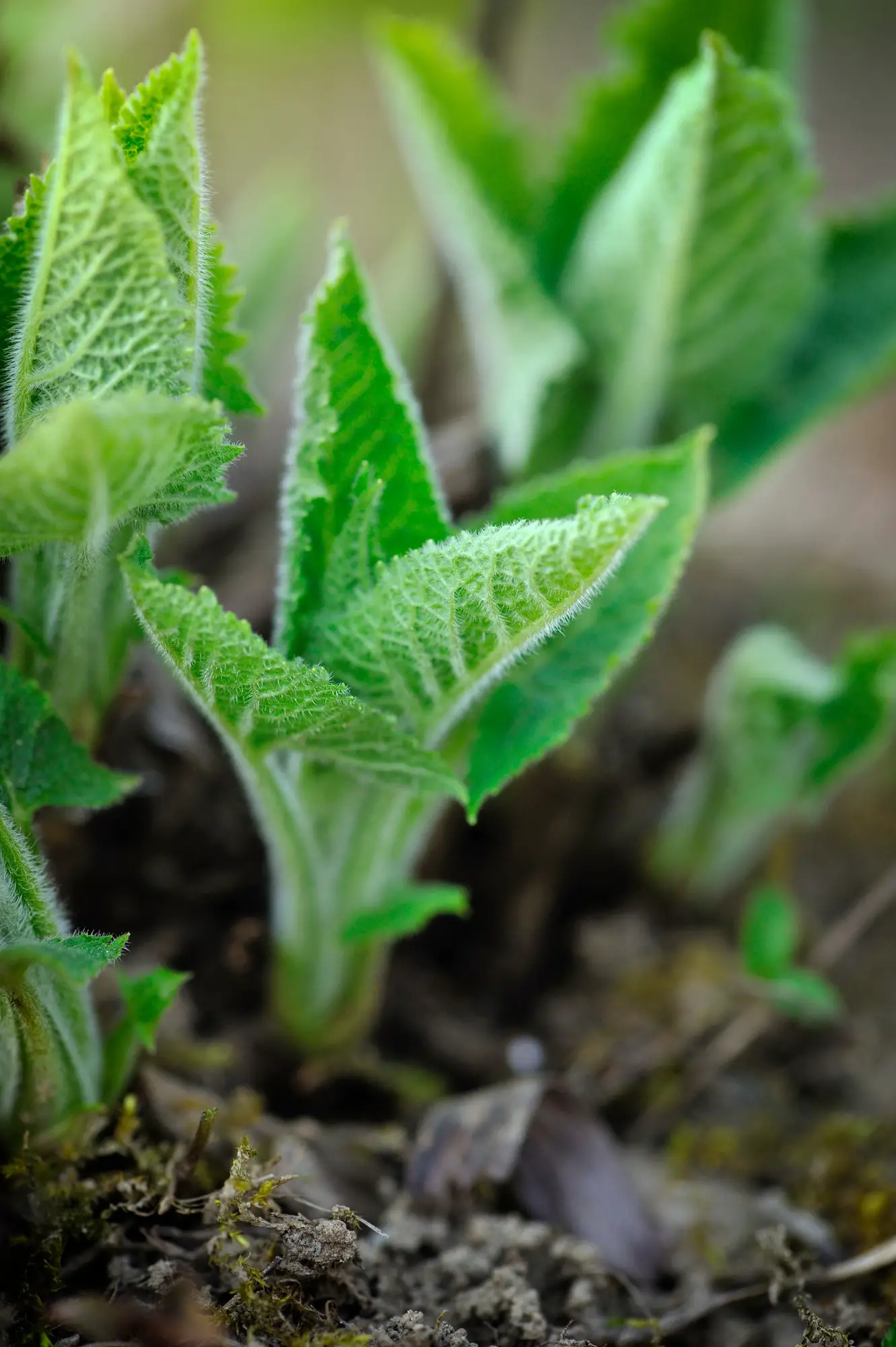
Sage is a hardy, aromatic herb that is excellent for culinary and medicinal uses. It thrives in the warm weather of June.
- Varieties and Growing Tips: Try growing Common Sage, Pineapple Sage, or Purple Sage. Plant sage in well-draining soil and ensure it gets full sun. Water sparingly once established.
- Culinary and Medicinal Uses: Sage is perfect for seasoning meats, sauces, and stuffing. It also has medicinal properties, including anti-inflammatory and antioxidant benefits.
13. Oregano

Oregano is a robust herb commonly used in Italian and Greek cuisine. It’s easy to grow and can flourish in June’s warm weather.
- Planting Guide: Plant oregano in well-draining soil with full sun. It’s best to start with seedlings or cuttings as seeds can take longer to germinate. Space plants are about 12 inches apart.
- Maintenance and Harvesting: Oregano requires minimal care. Water when the soil is dry and trim back the plant regularly to encourage bushier growth. Harvest leaves as needed, preferably before the plant flowers for the best flavor.
Flowers to Plant in June
14. Marigolds

Marigolds are vibrant, easy-to-grow flowers that brighten up any garden. They are also beneficial for their pest-repellent properties.
- Benefits in the Garden: Marigolds help deter pests such as nematodes and aphids. They also attract beneficial insects like ladybugs and bees.
- Planting and Care: Plant marigolds in well-draining soil with full sun exposure. Water them regularly, but avoid overhead watering to prevent fungal diseases. Deadhead spent flowers to encourage continuous blooming.
15. Sunflowers

Sunflowers are a stunning addition to any garden with their tall stalks and bright blooms. They are easy to grow and loved by pollinators.
- Varieties and Planting Tips: Try growing varieties like Mammoth, Autumn Beauty, and Teddy Bear. Plant sunflower seeds directly in the ground in a sunny spot. Space seeds are about 6 inches apart and thin seedlings to about 2 feet apart once they are a few inches tall.
- Common Pests and Solutions: Watch out for pests like aphids and sunflower beetles. Use neem oil or insecticidal soap to manage infestations.
16. Lavender

Lavender is a fragrant flower known for its calming properties and beautiful purple blooms. It thrives in June’s warm weather.
- Planting and Growing Conditions: Plant lavender in well-draining, sandy soil and ensure it gets full sun. Water sparingly, as lavender is drought-tolerant once established. Prune regularly to maintain shape and encourage growth.
- Uses and Benefits: Lavender is used in aromatherapy, cooking, and as a natural insect repellent. It also adds a lovely scent and visual appeal to gardens.
17. Zinnias

Zinnias are colorful, hardy flowers that can add a splash of color to any garden. They are easy to grow and care for.
- Planting Guide: Plant zinnia seeds directly into well-draining soil in a sunny spot. Space seeds about 12 inches apart. Water regularly and ensure good air circulation to prevent mildew.
- Care and Maintenance: Deadhead spent blooms to encourage more flowers. Zinnias are relatively pest-resistant but watch for powdery mildew and treat with appropriate fungicides if needed.
18. Petunias

Petunias are popular for their vibrant colors and long blooming season. They can be grown in garden beds, containers, and hanging baskets.
- Varieties and Planting Tips: Try Wave, Supertunia, and Grandiflora varieties. Plant petunias in well-draining soil with full sun. Space them about 12 inches apart for optimal growth.
- Common Problems and Solutions: Watch for pests like aphids and caterpillars. Use insecticidal soap to manage infestations. Overwatering can lead to root rot, so ensure proper drainage.
19. Cosmos

Cosmos are easy-to-grow flowers that bring a whimsical touch to gardens with their delicate, daisy-like blooms.
- How to Plant and Care: Sow cosmos seeds directly into well-draining soil in a sunny spot. Water regularly but avoid overwatering. Thin seedlings to about 12-18 inches apart to allow space for growth.
- Benefits in the Garden: Cosmos attract beneficial insects like bees and butterflies, promoting pollination. They also tolerate poor soil conditions and are drought-resistant.