




In This Article Show
I’ve found that a woodland garden can turn any outdoor space into a peaceful, natural retreat. The gentle shade, the jumble of plants, and those quiet paths—honestly, it’s where I go to unwind and just soak in nature.
With a handful of simple DIY tricks, you can bring a forest vibe right to your own yard—even if you’re working with a tiny patch of earth. I lean on things like native plants, winding natural paths, and cozy sitting nooks to make the space feel extra inviting.
1. Create layered planting with trees, shrubs, and groundcover to mimic a natural forest floor
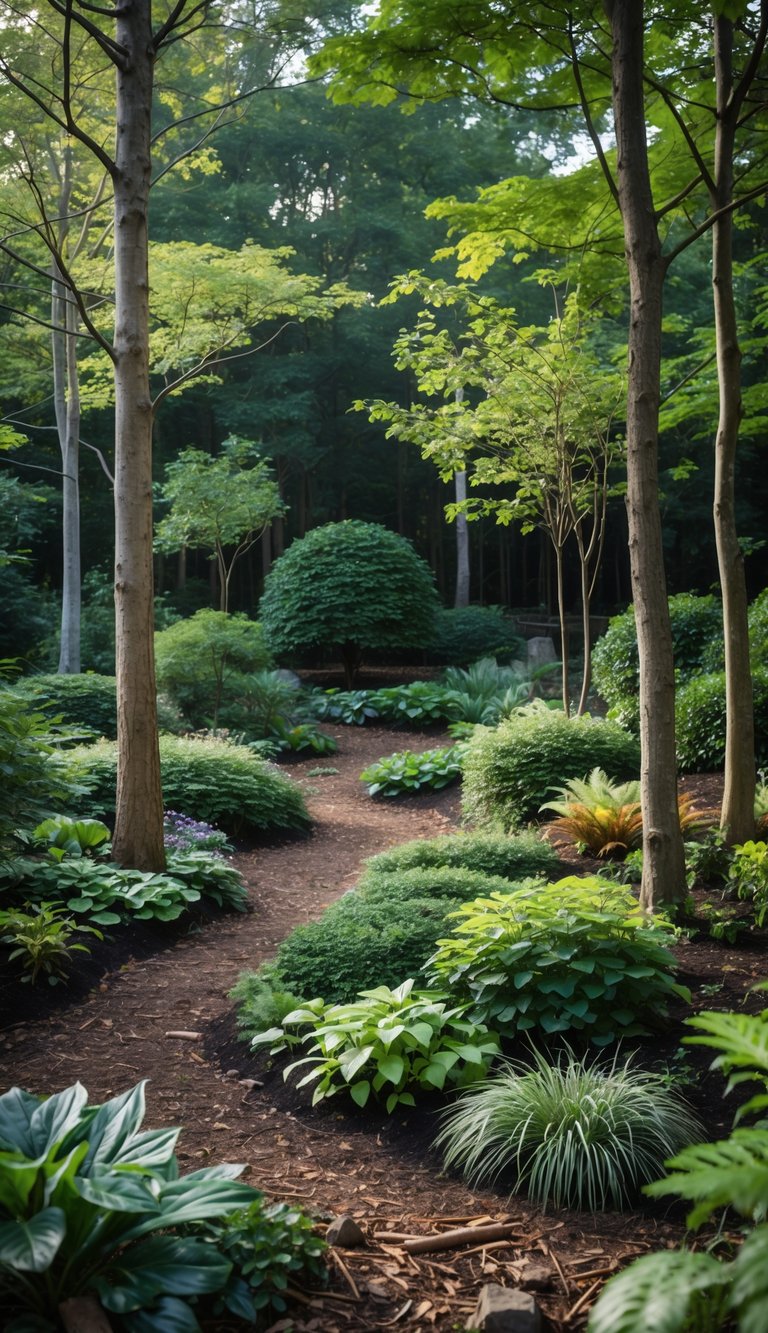
I usually kick things off with tall trees for shade and structure. Then I tuck in shrubs underneath for a middle layer, and finally, I scatter groundcovers to fill the gaps—makes it feel just like a real forest floor.
2. Use native woodland plants like bluebells, ferns, and wild ginger for authentic habitat
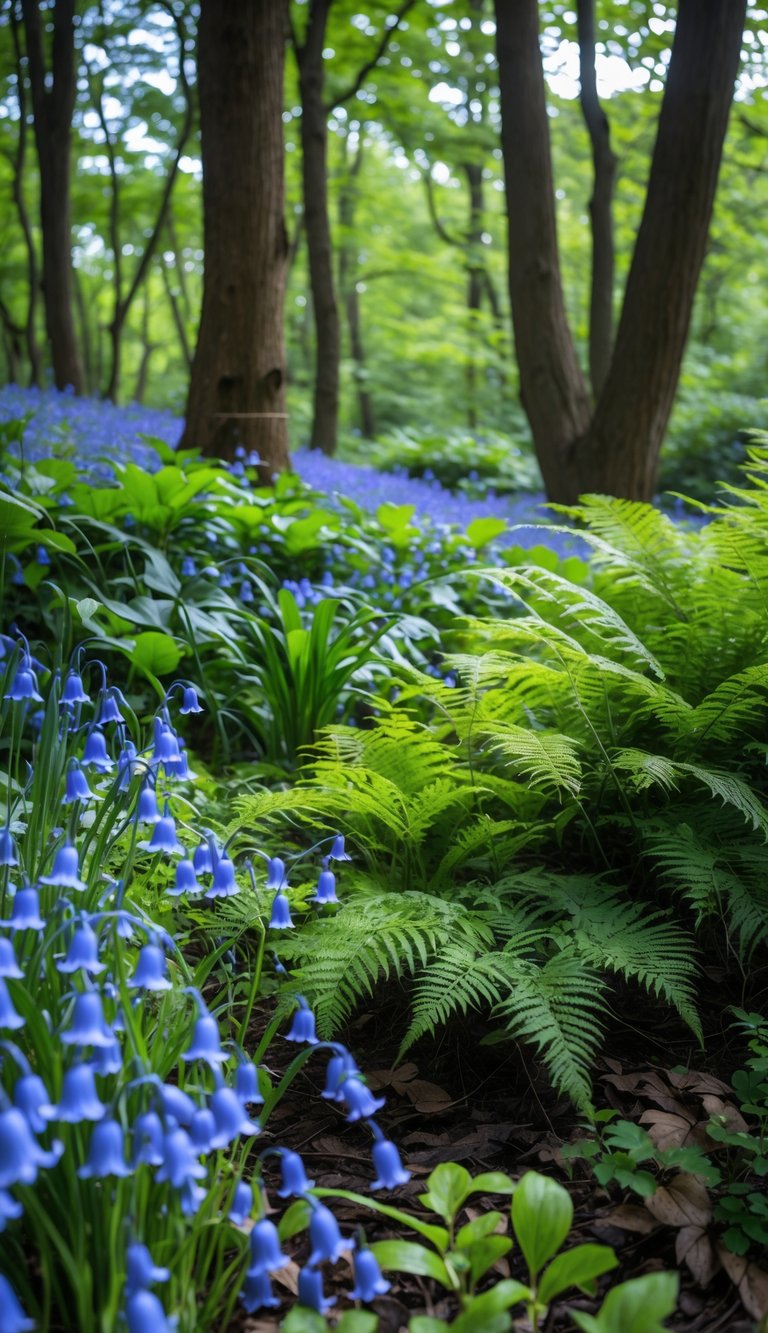
I gravitate toward native plants—bluebells, ferns, wild ginger—for that genuine woodland vibe. They just fit the shade and soil like they belong, and honestly, the local wildlife seems to love them too.
3. Build rustic willow twig chairs or benches for natural seating
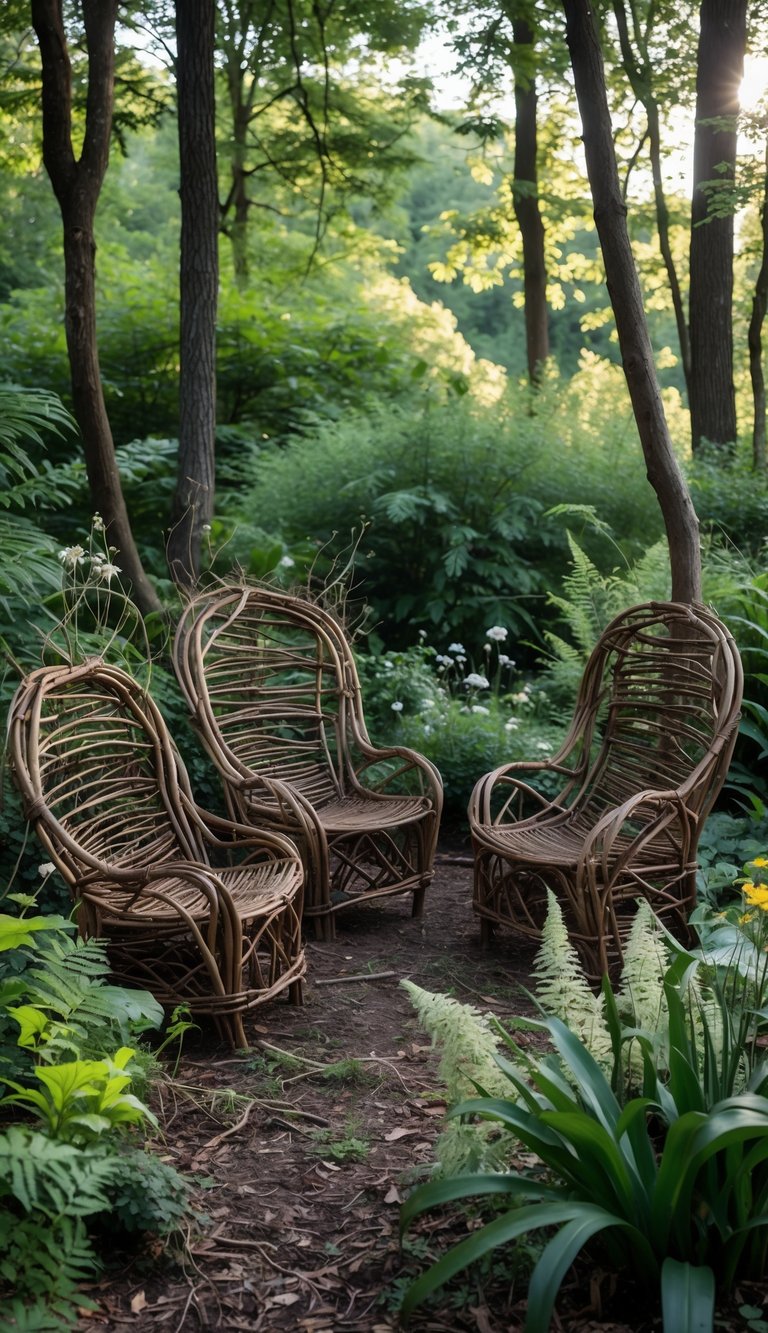
I’ve made seats out of willow twigs—they blend right in with the trees and undergrowth. Willow’s pretty forgiving; I just grab some basic tools and shape it as I go. Not fancy, but it works.
4. Construct stone sitting walls to blend with woodland aesthetics
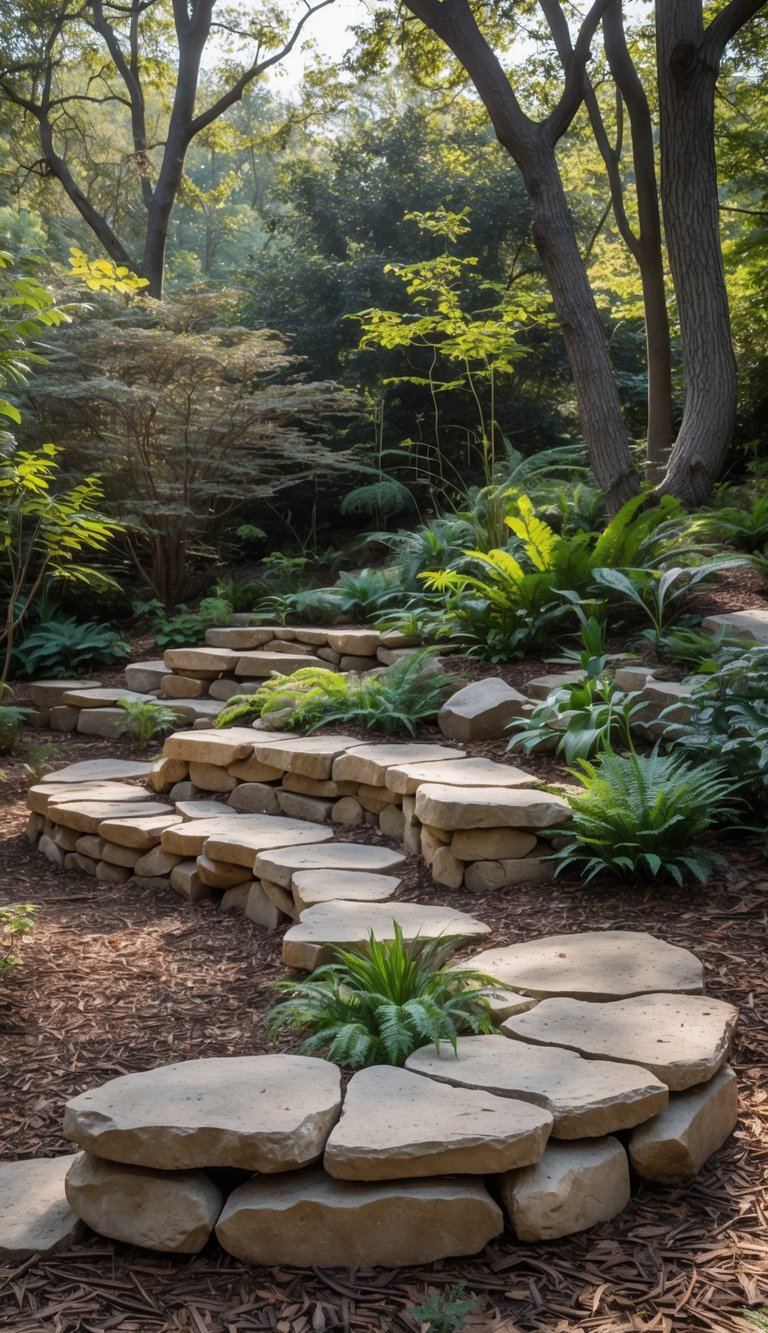
Building stone sitting walls gives the garden some structure and a place to perch. I pick stones that echo the colors and shapes already in the landscape, and I keep the walls low and flat so they’re comfy to sit on.
5. Plant dwarf camellias and ‘Ramapo’ rhododendrons for year-round color
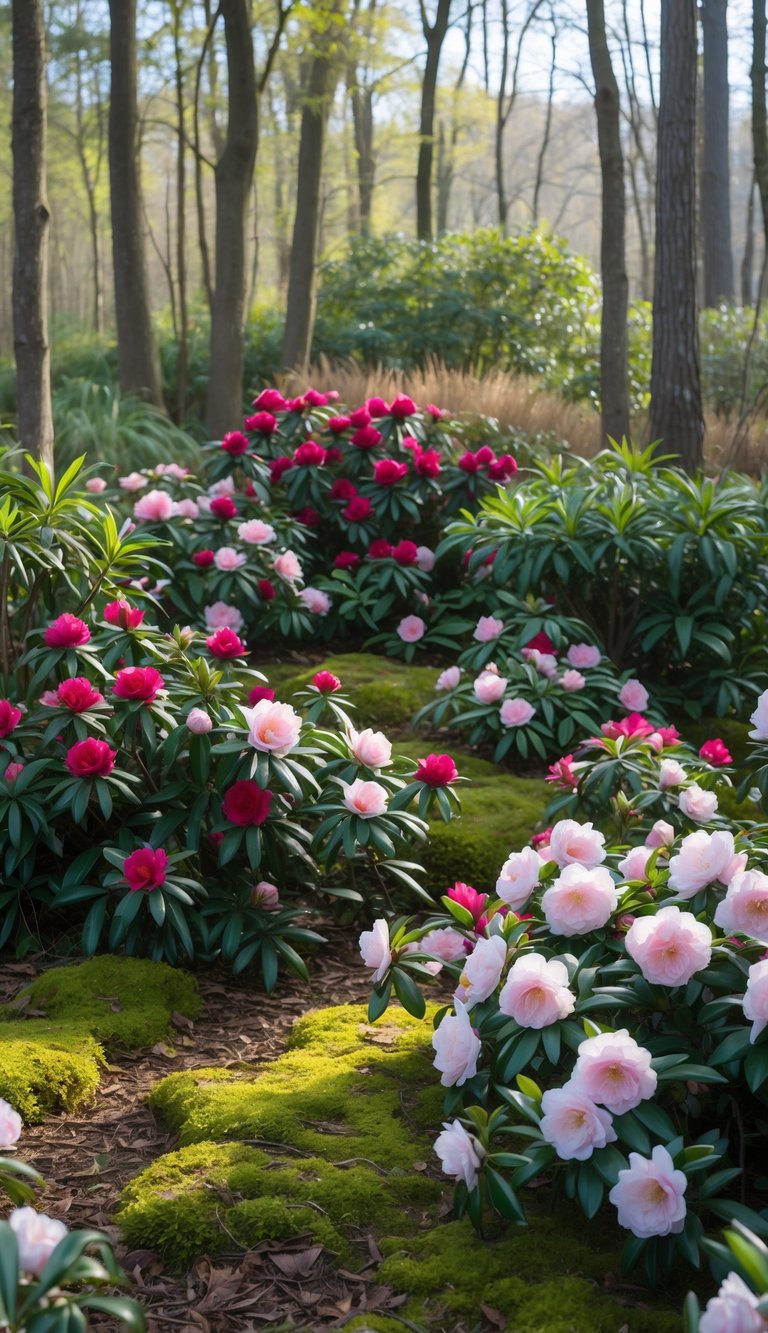
Dwarf camellias bring evergreen leaves and blooms that stick around when it’s chilly. I also squeeze in ‘Ramapo’ rhododendrons for their compact size and those punchy purple flowers in spring. They’re easy to tuck into tight spots.
6. Add fragrant herbs such as Sweet Woodruff and lemon balm for scent and wildlife
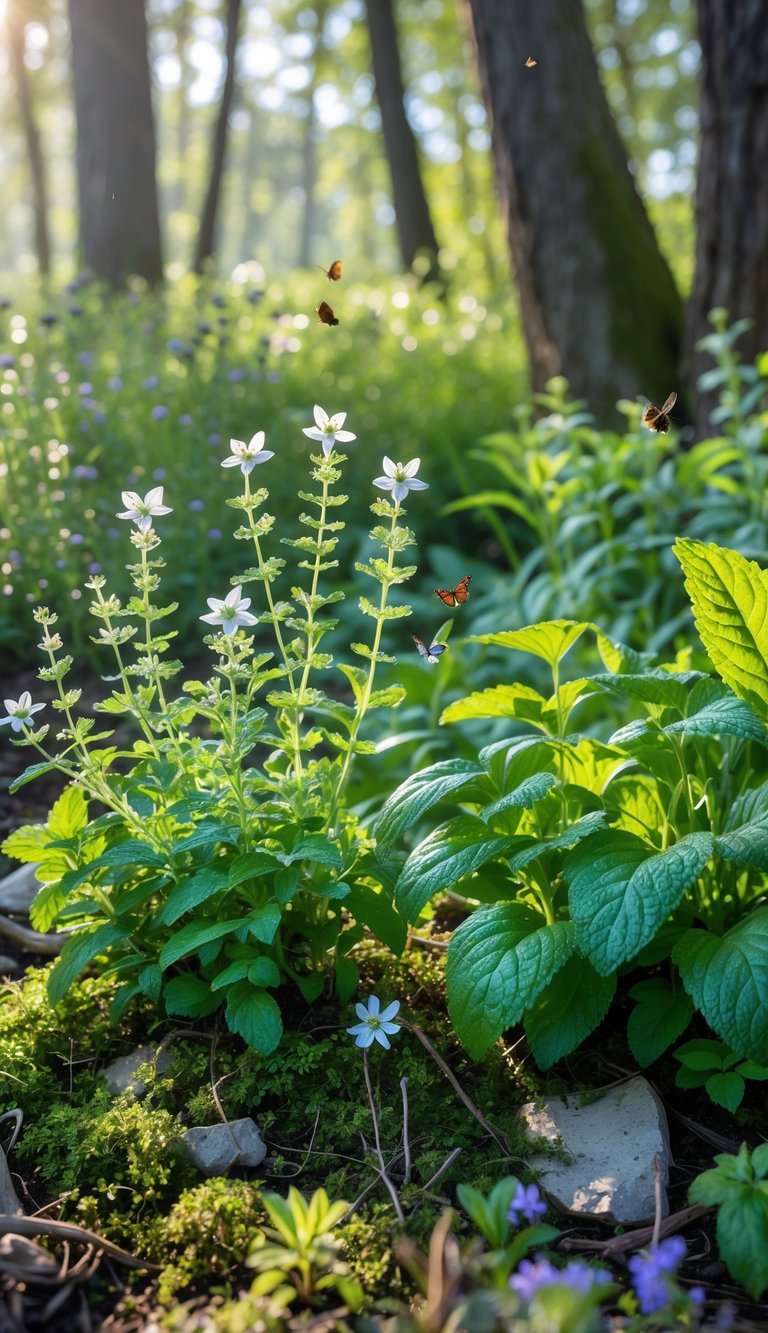
I toss in Sweet Woodruff and lemon balm for a gentle fragrance. Bees and butterflies seem to show up right away. Sweet Woodruff thrives in shade, and lemon balm throws off a fresh, lemony scent that I can’t get enough of.
7. Incorporate memory trees to add personal and emotional value
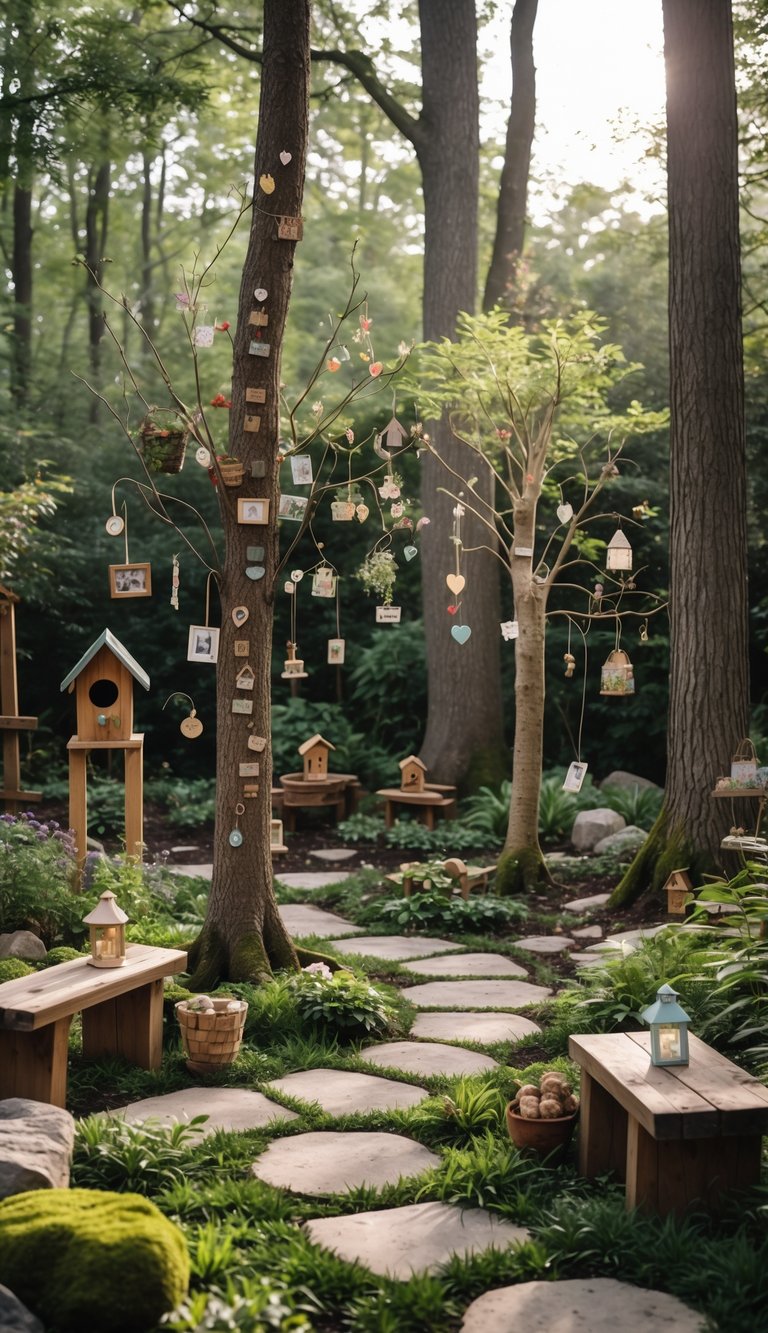
I like planting memory trees to honor people or moments that matter. Each one marks something special. Sometimes I’ll add a plaque or a little marker so I remember why I chose that spot.
8. Use handmade stepping stones or painted rocks as DIY path accents
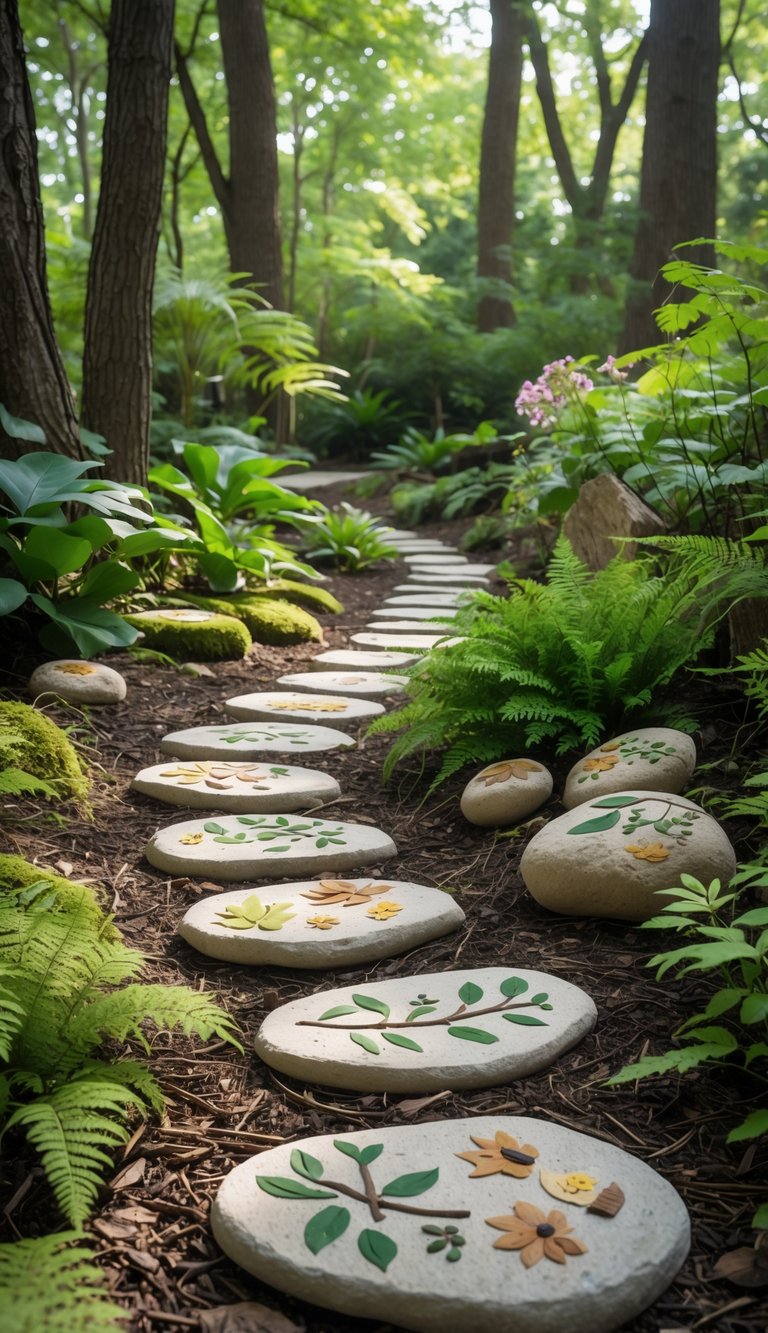
Making my own stepping stones with concrete and molds is pretty satisfying. Now and then, I’ll paint rocks with simple patterns or leaf prints—just adds a pop of color and helps guide the way.
9. Design paths with natural materials like bark or gravel to reduce weeds
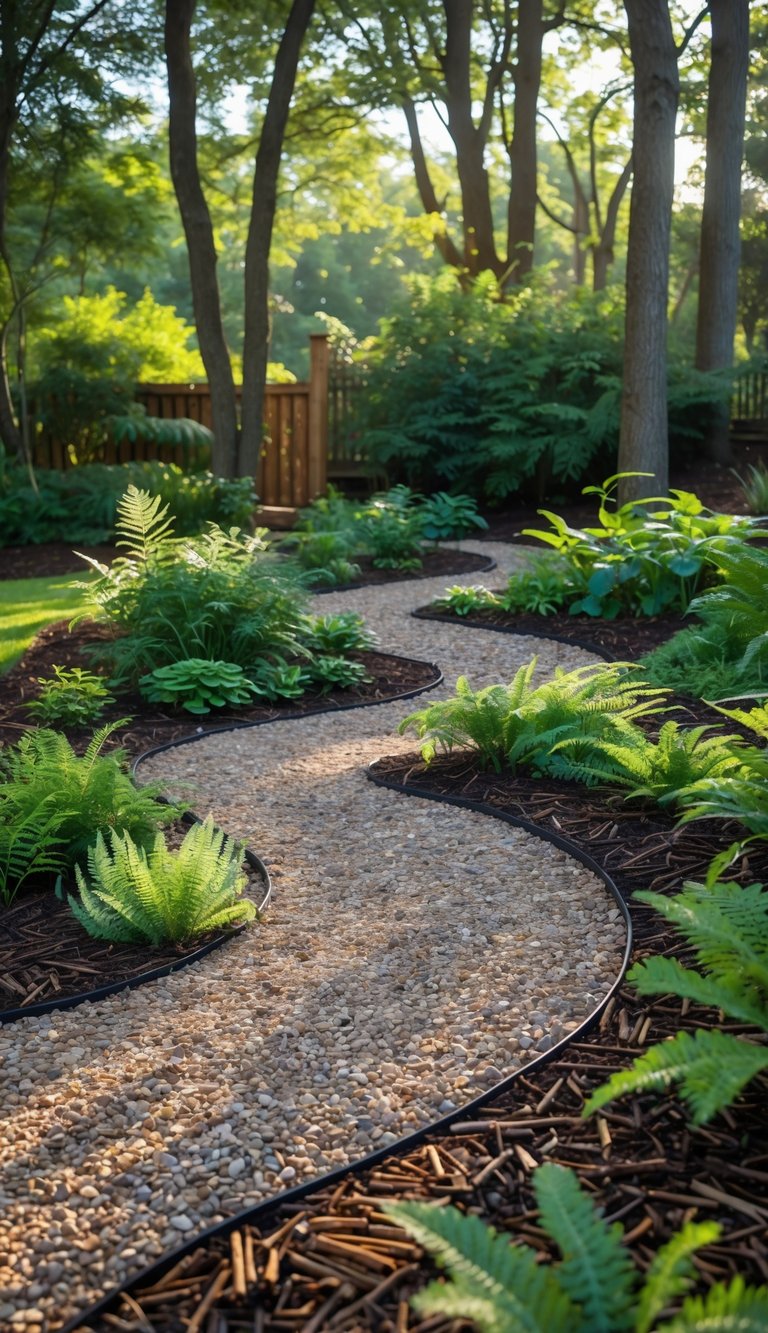
I go for bark, gravel, or wood chips on my paths. They keep weeds down by blocking sunlight, and the soil stays moist underneath. Plus, it just feels nice underfoot.
10. Consider dappled shade tolerance when selecting woodland plants
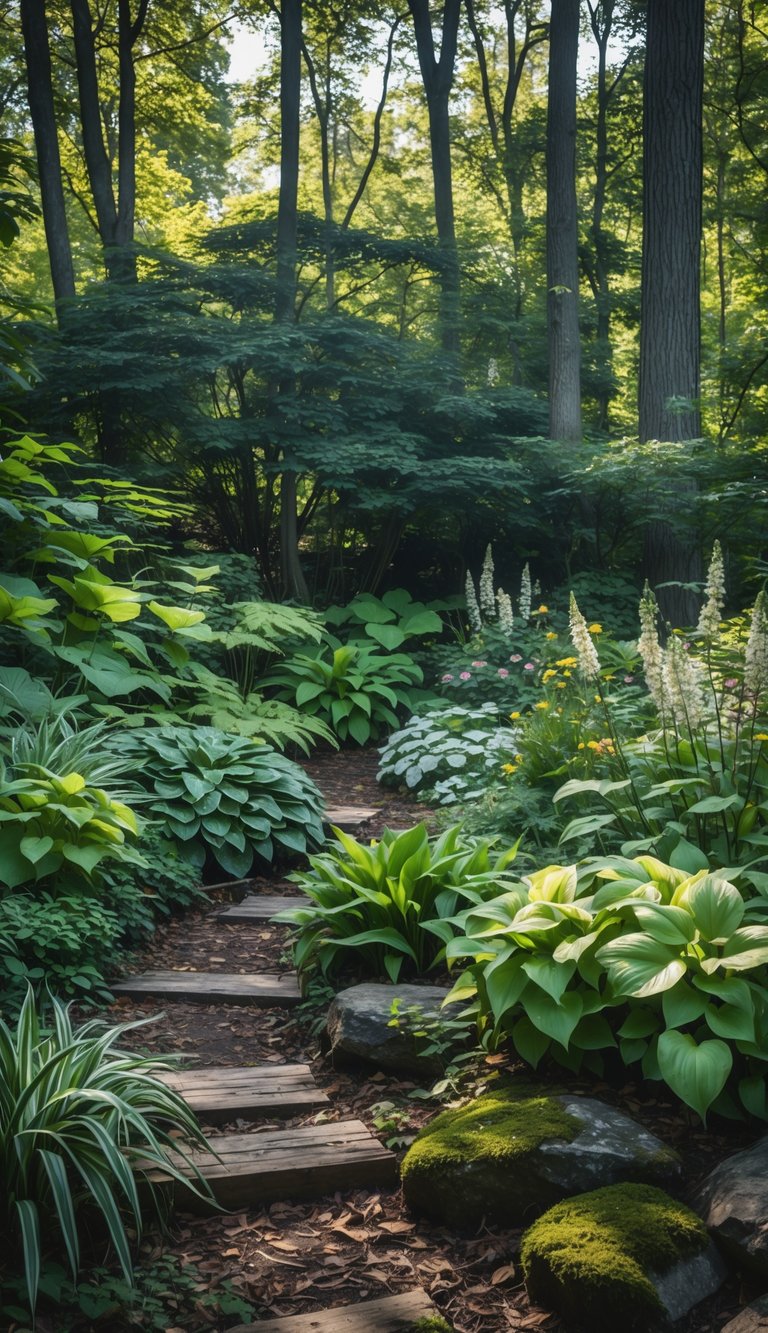
I always hunt for plants that can handle dappled shade—because not all shade’s created equal. Woodland light shifts all day. Ferns, hostas, wild geraniums—they seem to thrive in those patchy spots for me.
11. Include deciduous trees to allow seasonal light variation in understory
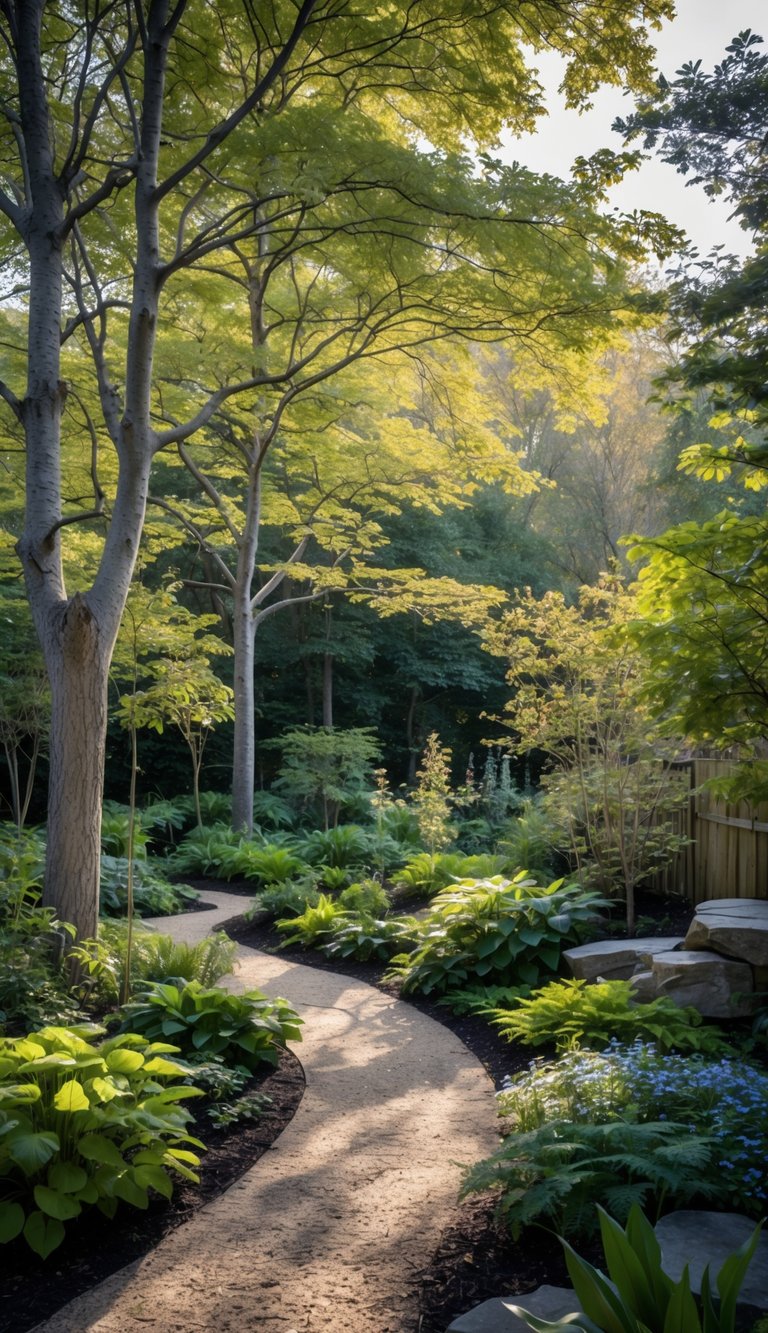
I add deciduous trees so more sunlight hits the understory in winter and early spring. Once the leaves drop, the light really helps shade-loving plants take off. By summer, the leaves return and the shade cools everything down again.
12. Install bird feeders and houses to attract local wildlife
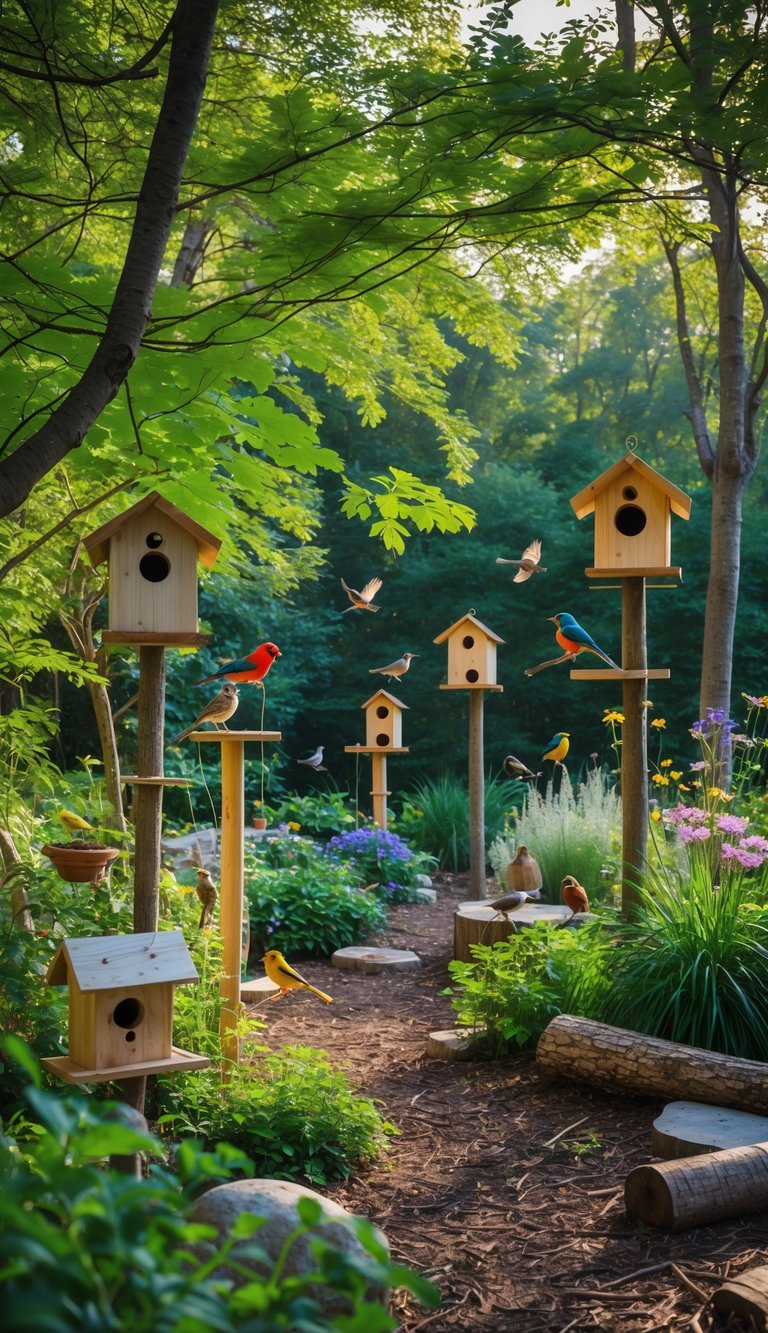
I add bird feeders and houses so birds have food and a safe spot to land. If you build a simple feeder or house from wood, it holds up well through the seasons. It’s fun watching which birds show up next.
13. Make use of microclimates for planting sensitive species
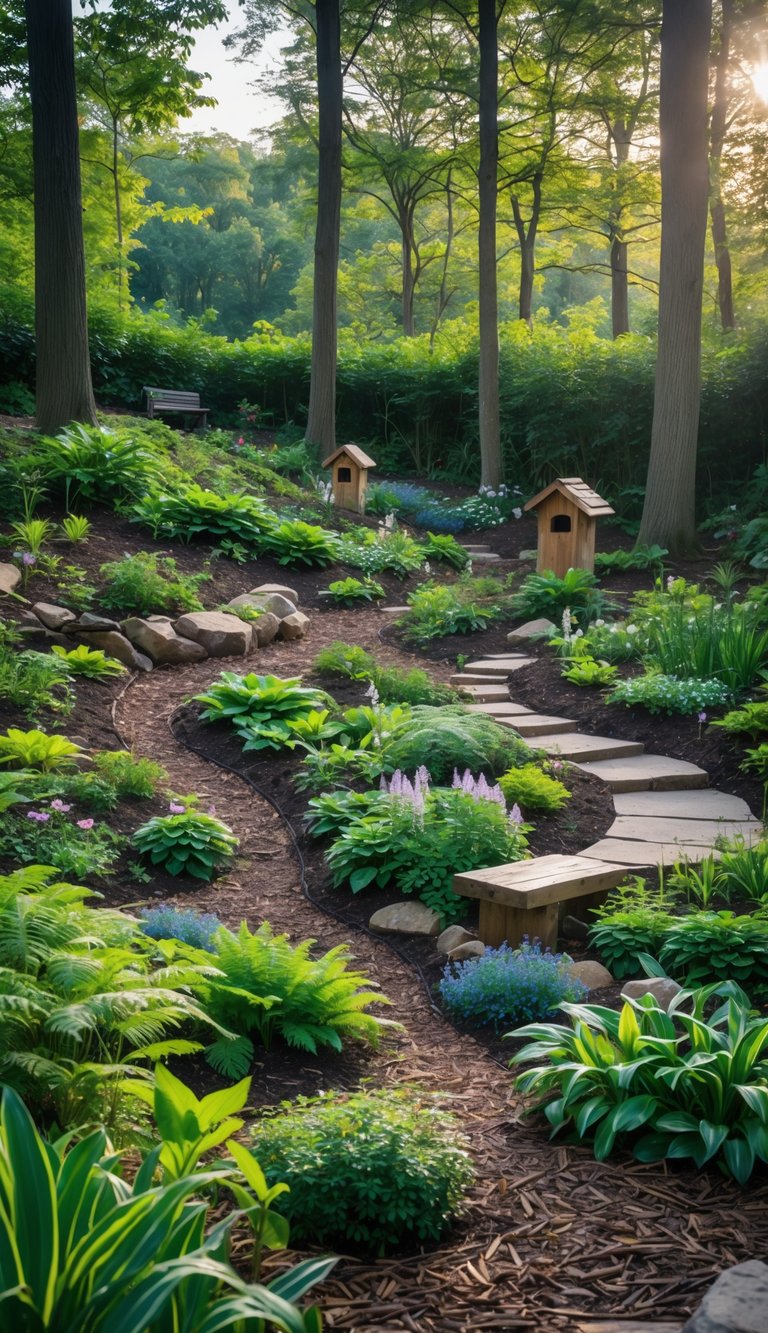
I scout out sheltered corners near walls, fences, or big plants. These spots shield sensitive species from wind or cold. Honestly, my fussier plants do way better tucked in here than out in the open.
14. Introduce compact shrubs for privacy and zoning in the garden
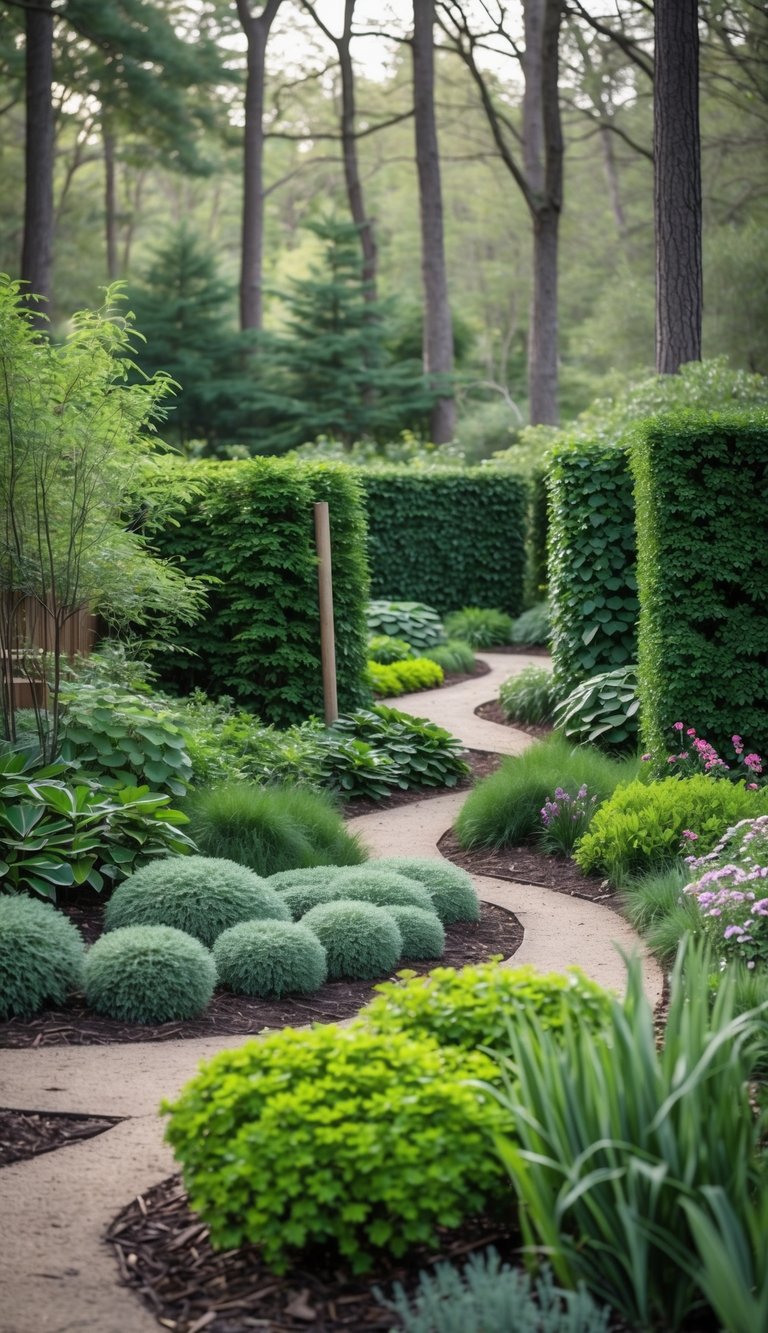
I use compact shrubs to carve out private nooks or break up the garden into zones. Dwarf boxwood and small camellias don’t crowd things out, but they make solid green screens that block views and outline paths.
15. Use leaf mulch to enrich soil naturally and retain moisture
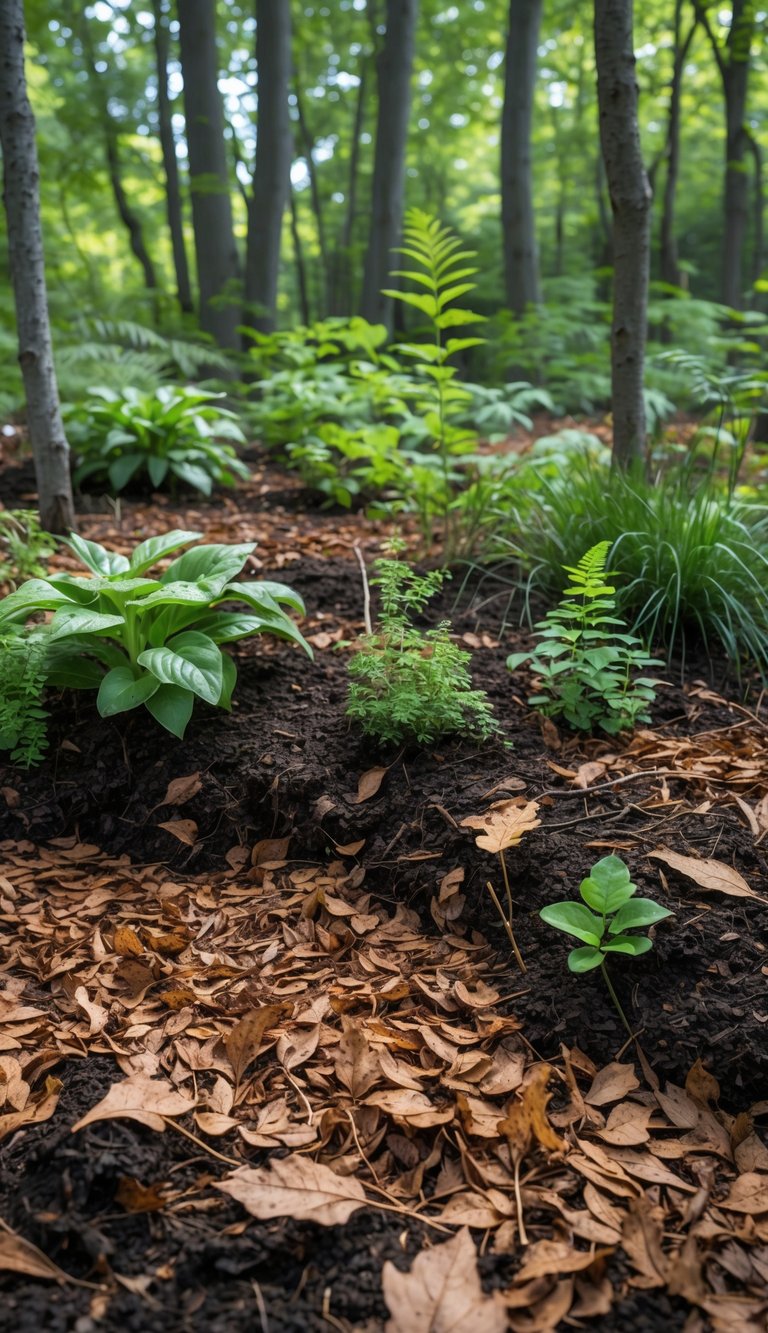
I spread shredded leaves as mulch around my woodland plants. It keeps the soil moist, helps cool the roots, and as it breaks down, it feeds the soil. Pretty simple, but it works wonders.
16. Create small clearings or glades to break dense planting
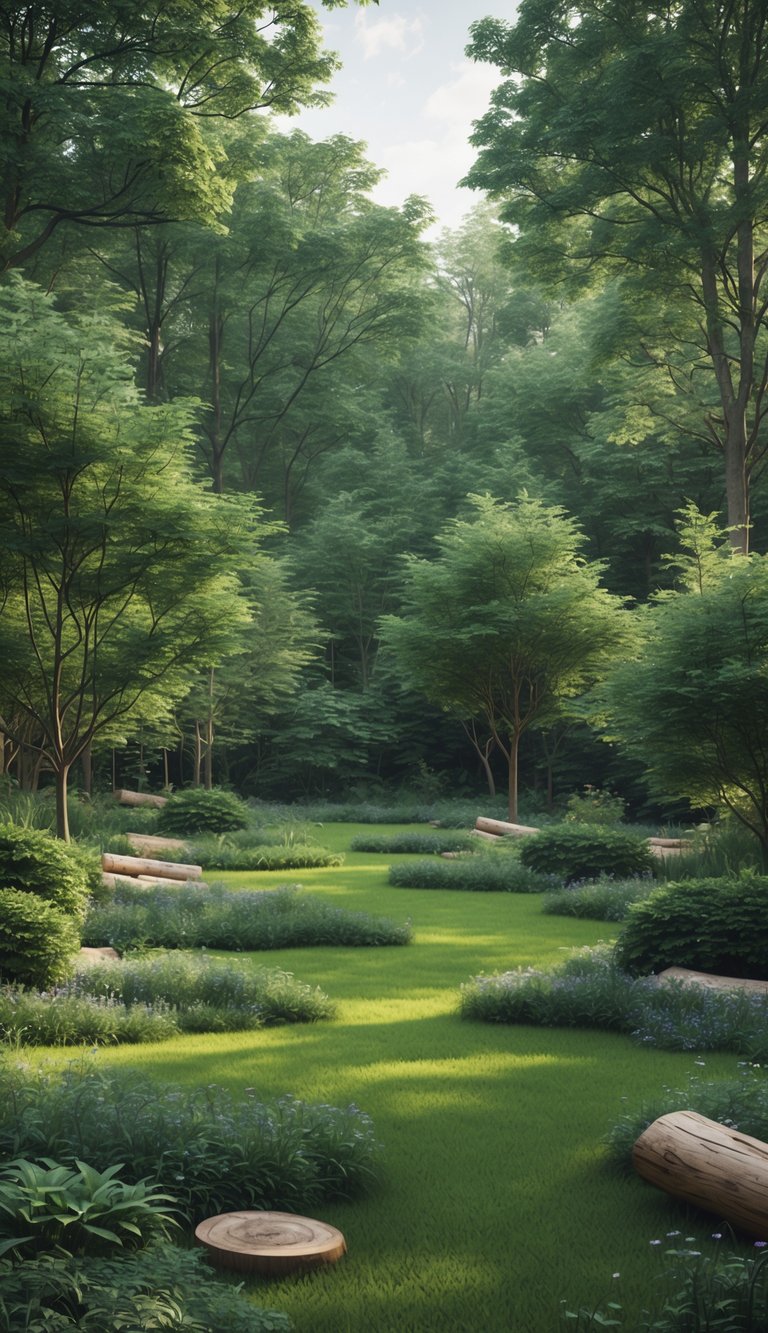
I like carving out little clearings or glades in the garden. They give your eyes a break from all the dense planting and make the space feel more balanced. Plus, the extra sunlight perks up the plants below.
17. Plant early spring bulbs like snowdrops beneath trees
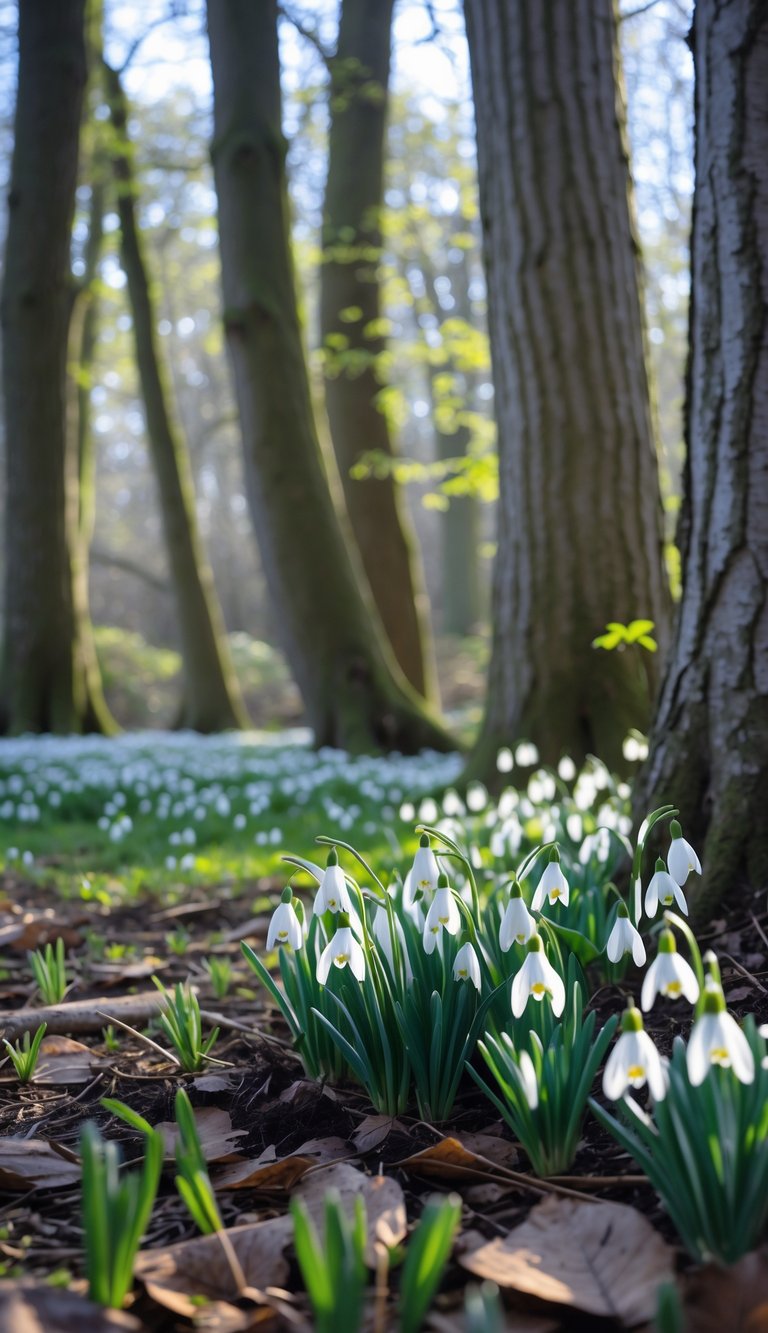
I love tucking early spring bulbs—snowdrops are my go-to—under trees for that gentle pop of color. These little guys don’t mind some shade and always seem to bloom right as the trees are still bare. Honestly, planting them in the fall is pretty easy, and come spring, it feels like a reward.