






In This Article Show
Crabgrass is a headache for lawns once summer heat kicks in. These weeds seem to take over overnight, and a lot of us scramble for something that’ll get rid of them without wrecking the rest of the yard.
Crabgrass killers usually fall into two camps: pre-emergent (keeps seeds from sprouting) and post-emergent (kills what’s already there). In summer, I lean on post-emergent options because, let’s face it, that’s when crabgrass is already staring you in the face.
When I’m picking a crabgrass killer, I check what kinds of grass I have, whether the stuff’s safe for pets or kids, and how much hassle it’ll be to use. Some products only play nice with certain lawns and can really mess up others.
I always read the label, even if it’s boring. I spent a good chunk of time digging into which crabgrass killers actually work in summer, hoping to save you some trouble.
Best Crabgrass Killers for Summer
Here’s my rundown of the crabgrass killers that stood out for me this summer. If you’re sick of weeds popping up, maybe one of these will help you out too.
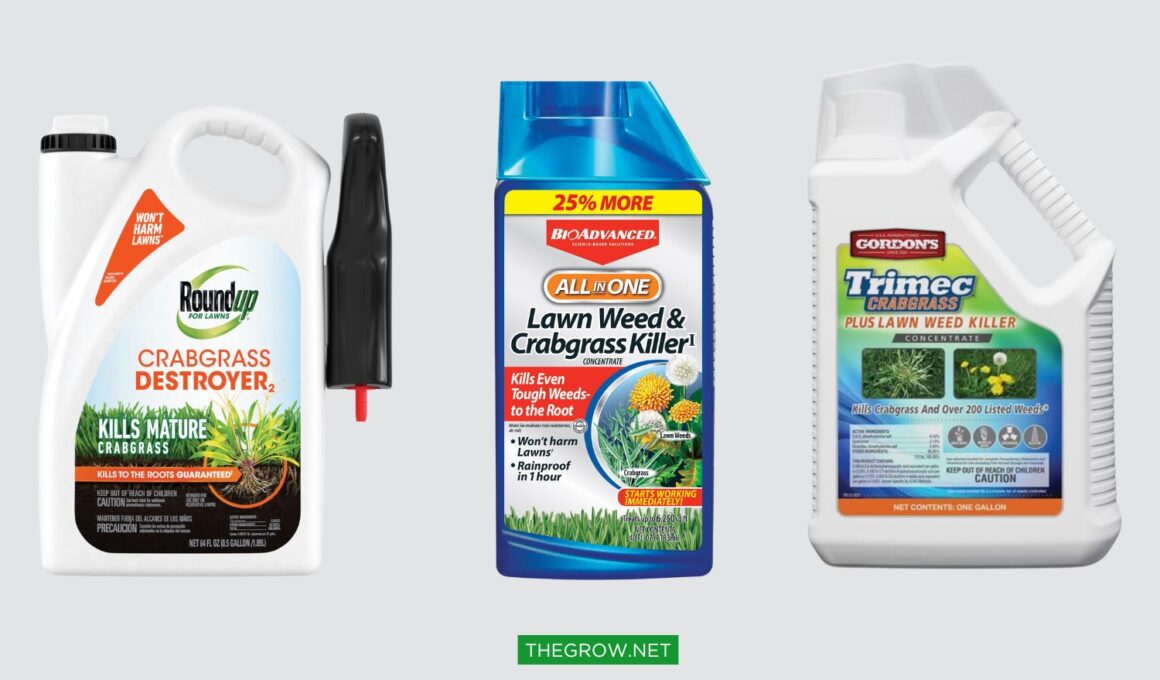
1. BioAdvanced Crabgrass Killer Concentrate

This one’s a solid pick if you want to knock out crabgrass and broadleaf weeds without nuking your lawn.
Pros
- Gets rid of crabgrass and other tough weeds
- Rainproof not long after you spray
- Easy to mix and use.
Cons
- Takes a couple weeks for full results
- Not exactly cheap.
I tried BioAdvanced Crabgrass Killer Concentrate this summer and saw crabgrass and dandelions start to fade after a week or two. Mixing it up was easy—I just used my handheld sprayer. I liked that it became rainproof fast, so surprise showers didn’t stress me out.
My grass stayed healthy, even where I sprayed over both crabgrass and clover. I’ve used it on different grass types and didn’t have problems. The weeds were stubborn, though, and a couple spots needed a second pass.
Still, I didn’t need any fancy gear or a big production to get it done.
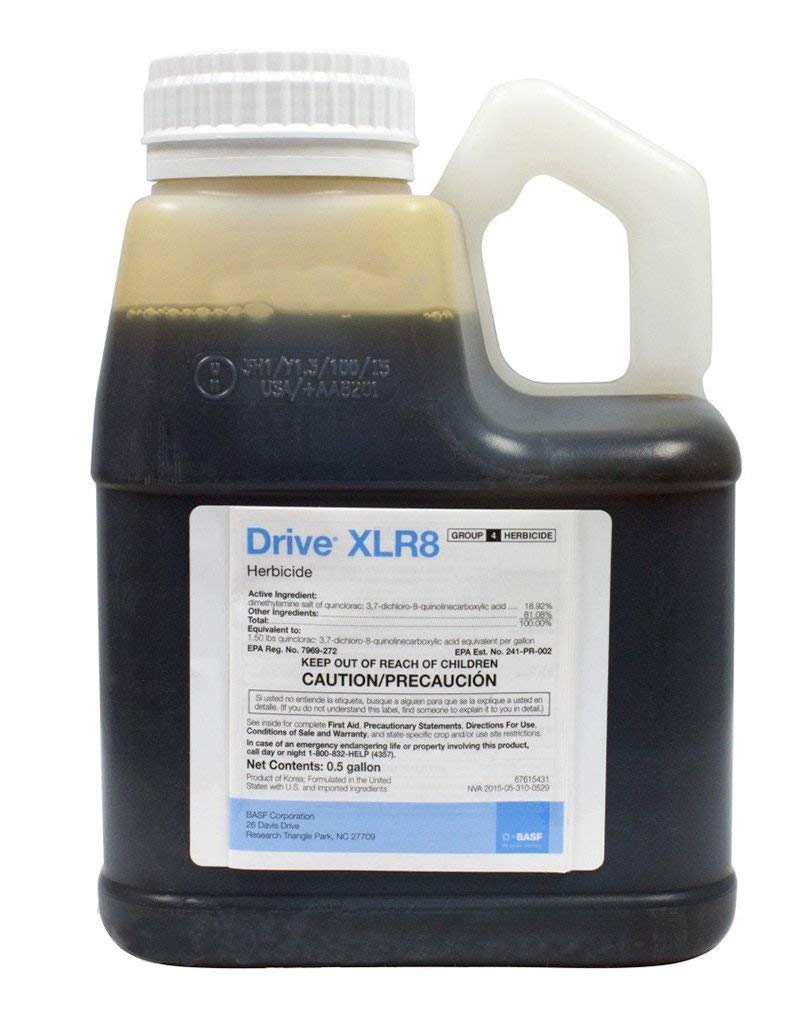
2. BASF Drive XLR8 Crabgrass Killer
If you’re after something pro-level that sticks around for weeks, this is worth a look.
Pros
- Takes down crabgrass and broadleaf weeds
- Fast action—crabgrass started browning in under a week
- Covers a big area and lasts close to a month.
Cons
- You’ll need gloves, long sleeves, and to follow the mixing rules
- Spot-treatment only in some states.
I used BASF Drive XLR8 Crabgrass Killer where other products just didn’t cut it. The water-based formula mixed well with a surfactant and didn’t leave any weird stains or smells. After about five days, crabgrass along my fence started curling and browning.
The stuff really goes after a wide range of weeds, but it’s not as simple as grabbing something off the shelf. I made sure to wear gloves and long sleeves, and I read the label twice. In some states, like New York, you can only use it for spot treatments, so check before you go wild with it.
After a summer of use, I didn’t need to reapply for at least a month, even with rain. The bottle lasted me all season, which was nice since I didn’t have to run out for more. It’s pricier, but honestly, I thought it was worth it for how well it worked.
3. Roundup Crabgrass Destroyer2

Need something that takes out tough summer crabgrass but leaves your lawn alone? This one’s worth considering.
Pros
- Targets lots of grassy weeds, not just crabgrass
- Safe for most cool-season grasses if you follow directions
- Comes ready to spray—no mixing needed.
Cons
- Won’t work for every grass type (skip it if you have bermudagrass or clover)
- Results take a few days, not hours.
With Roundup Crabgrass Destroyer2, I didn’t have to mess with mixing. The sprayer was easy to use, and it went after crabgrass, foxtail, and goosegrass. The weeds started turning white after about five days, which was pretty satisfying to see.
It took a full week for the weeds to completely die, so don’t expect instant results. You’ve really got to know your grass type—this isn’t for every yard. I avoided spraying before rain or watering, just like the label says, and that seemed to help.
Spot-treating only the problem areas saved me a lot of time. If you’ve got Kentucky bluegrass or something similar and can wait a week for results, it’s a solid midsummer fix for crabgrass.
4. Gordon’s Trimec Crabgrass Killer Concentrate

If you want a weed killer that handles crabgrass and broadleaf weeds all summer, Gordon’s Trimec is a dependable option.
Pros
- Strong against a bunch of lawn weeds
- A gallon goes a long way
- Hits crabgrass and other grassy weeds at once.
Cons
- Some crabgrass might need a second round
- Not great on wild violets.
I tested Gordon’s Trimec on a crabgrass patch that pops up every year. Mixing it in my sprayer was pretty straightforward, and it didn’t hurt the healthy grass. Most crabgrass and weeds browned out after a week, but it didn’t get every last bit right away.
One nice thing: I managed to hit dandelions and plantains at the same time, so I covered more ground in a single spray. A gallon lasted me all season, which saved me from rebuying.
Wild violets didn’t seem affected, though. And for tough crabgrass, I had to go back for a second spray in some areas. Mixing and spraying takes a little effort, but for broad coverage in summer, it’s a reliable option.
5. Scotts Turf Builder Halts Crabgrass Preventer

If you want thicker grass and fewer crabgrass headaches with minimal effort, this is an easy choice.
Pros
- Stops crabgrass and other weeds before they show up
- Fertilizes while it prevents weeds—lawn greens up fast
- Instructions are clear and application is simple.
Cons
- Only works before weeds sprout—not for existing crabgrass
- Timing is everything for best results.
I got this down early, just before crabgrass season, and the yard stayed cleaner than last year. My regular broadcast spreader worked fine, and the instructions were easy enough to follow. The grass greened up quickly, which was a nice surprise.
I like that it does two jobs at once—pre-emergent weed killer and fertilizer. My lawn thickened up faster, and I barely saw any of the usual summer weeds.
You have to nail the timing, though. It only works if you get it down before crabgrass sprouts. And if you’ve got Dichondra or Bentgrass, pick something else—it’s not safe for those. For most lawns, though, Scotts Turf Builder Halts Crabgrass Preventer made summer lawn care easier for me.
Buying Guide
When I’m picking a crabgrass killer, I always check the label first—does it actually go after crabgrass? Some weed killers try to handle everything, but I’m usually after something that really targets those grassy weeds.
It matters to me that the product’s safe for my specific lawn. Some crabgrass killers can mess up certain types of grass, so I make sure my grass is actually listed as safe before I buy anything.
There’s also the whole pre-emergent versus post-emergent thing. Pre-emergents stop crabgrass seeds from sprouting, while post-emergents go after the plants that are already popping up. I weigh which one makes sense for my situation—sometimes I’m too late for pre-emergent, honestly.
Application matters a lot. I want instructions that make sense, and I don’t love products that require a bunch of weird equipment. Liquid or granular? I’ll pick whatever seems easier that day.
Here’s a simple table I put together to compare stuff:
| Feature | What I Look For |
|---|---|
| Targets | Crabgrass-specific |
| Lawn Type Safety | Safe for my grass variety |
| Timing | Pre-emergent and/or post |
| Application Form | Liquid or granular |
| Ease of Use | Clear instructions |
I always double-check the weather and temperature details on the label. Some products only work in certain temps, or they need a dry day—which isn’t always easy to catch.
Honestly, I love when there’s a short waiting period before I can use the lawn again. If you’ve got kids or pets, you probably get it.
I keep the stuff stored out of reach and always wear gloves. Better safe than sorry, right?