





In This Article Show
Dogs can be wonderful companions, but they often see gardens as playgrounds for digging, running, and exploring. Many pet owners and gardeners face the challenge of protecting their plants, vegetables, and landscaped areas from curious or energetic dogs who don’t understand boundaries.
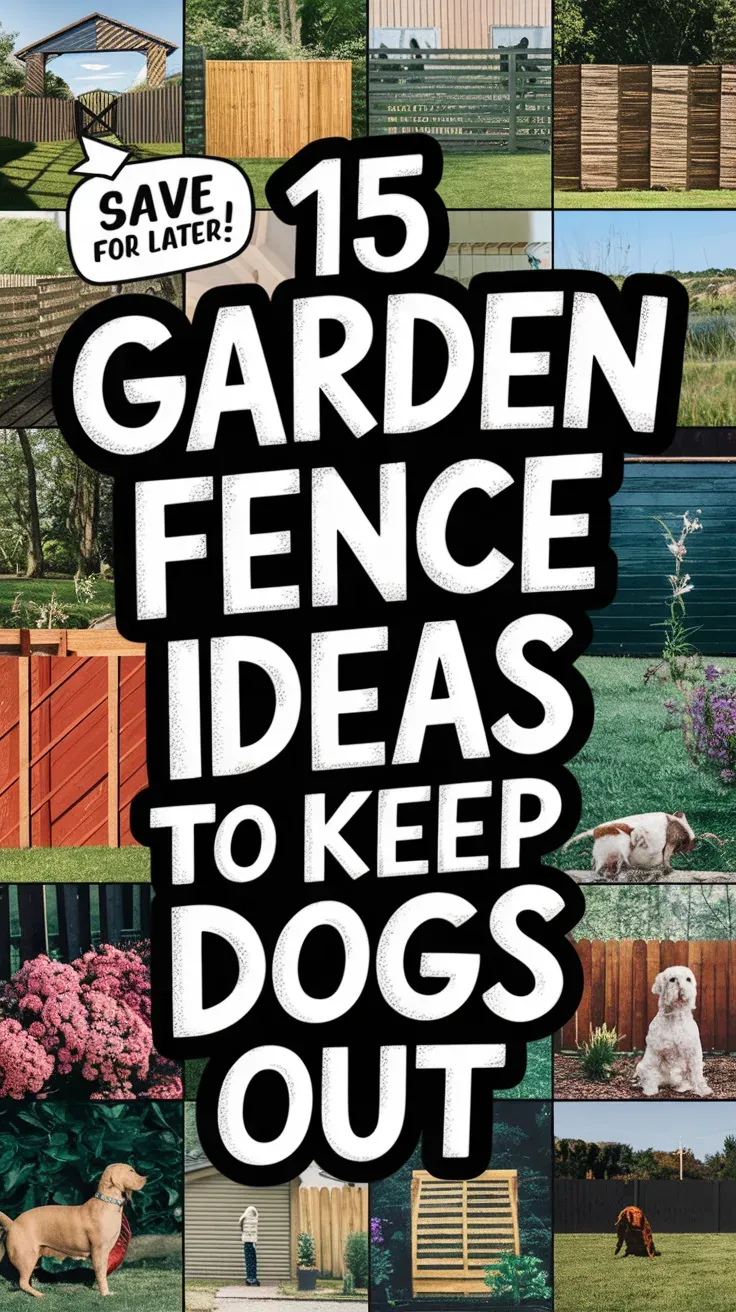
I’ll share fifteen practical fence solutions that range from permanent installations like wooden picket fences and metal panels to temporary options and natural barriers using plants.
These approaches include both traditional fencing methods and modern alternatives like invisible electric systems, each designed to address different yard sizes, budgets, and specific dog behaviors like jumping or digging.
1. Tall wooden picket fence with narrow gaps
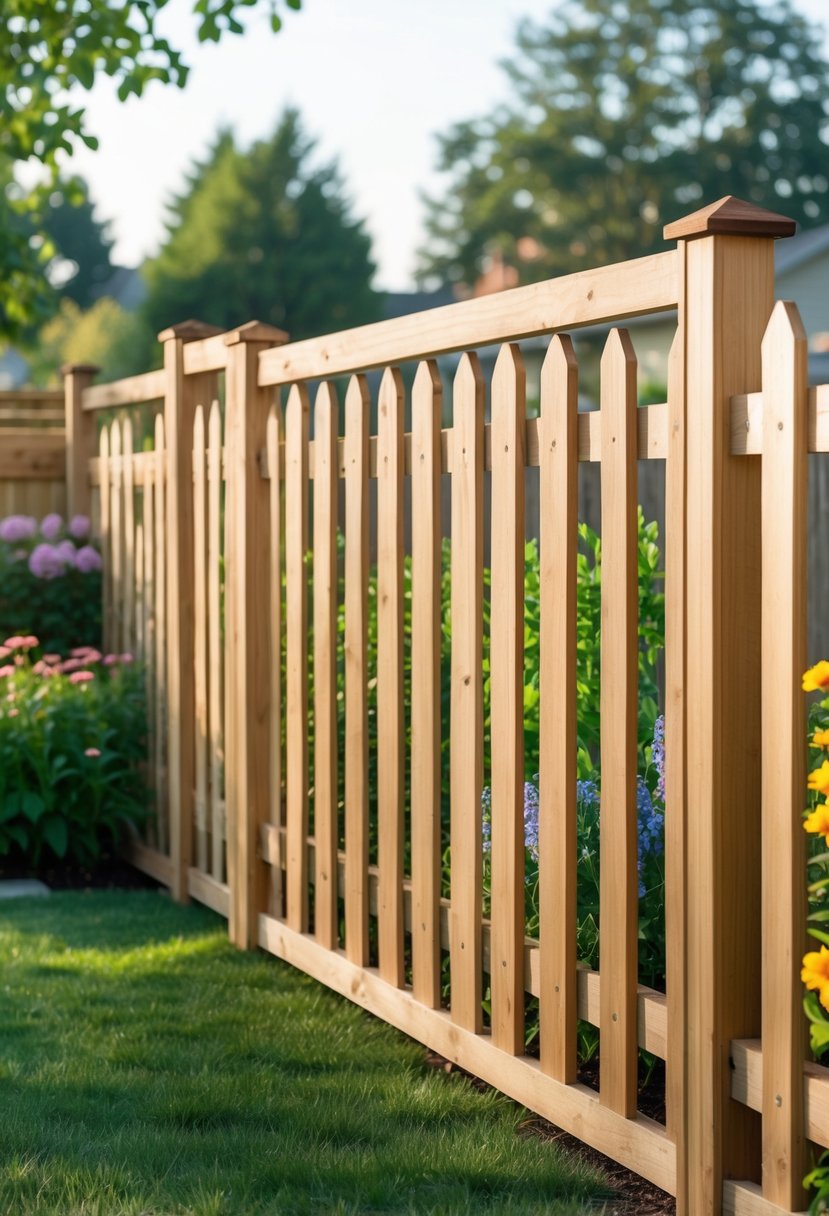
I recommend wooden picket fences reaching 6-8 feet tall with gaps under 3 inches. This height prevents most dogs from jumping over.
Feel Lighter, Healthier,
and More in Control
If you have been wanting a simple reset that does not feel stressful, this was made for you. A full plan, easy recipes, habit prompts, portion tips, and printable trackers — one day at a time.
- Full 21-day smoothie plan
- Balanced meal guide and portion tips
- Printable progress trackers
- No strict rules. No complicated prep.
Simple. Calm. Made for real life.
The narrow spacing blocks small dogs from squeezing through while maintaining garden visibility.
2. Wire mesh fencing buried underground
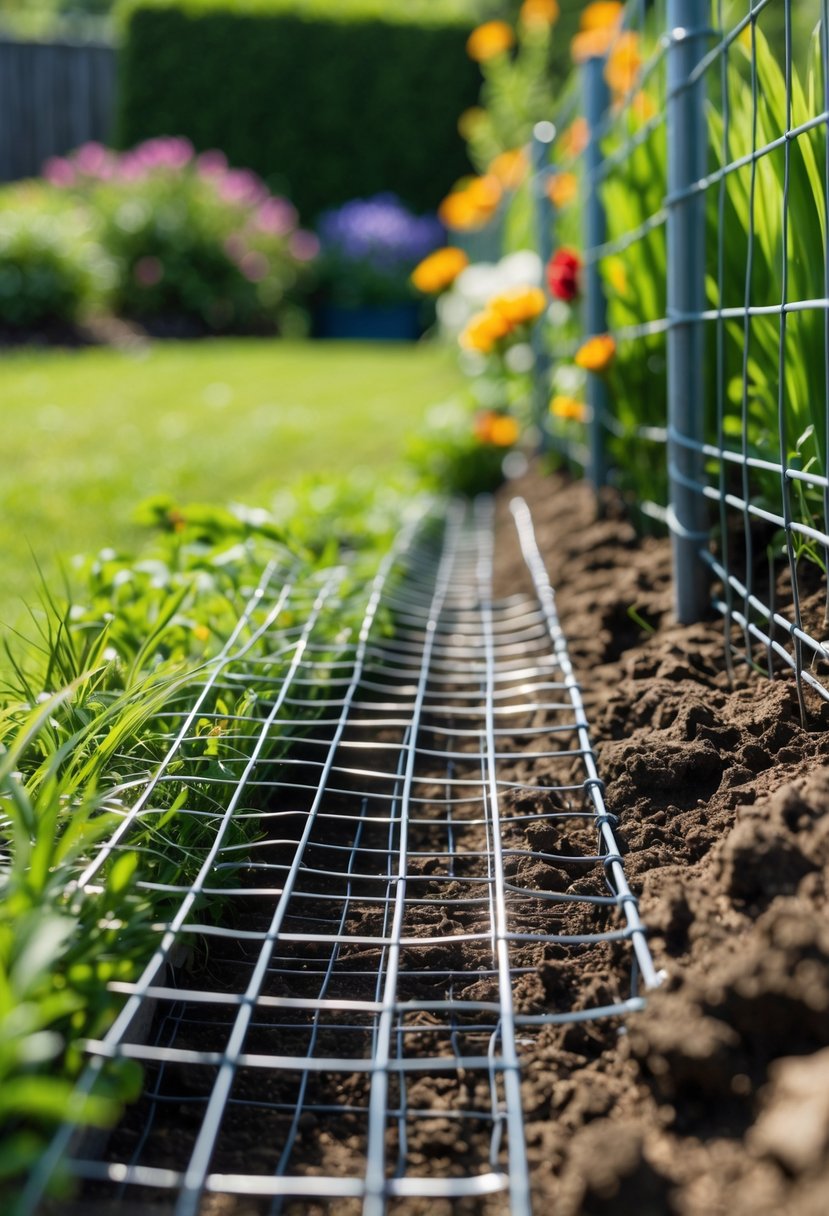
I bury wire mesh at least 12 inches deep to stop dogs from digging under my fence. This underground barrier blocks their escape route completely.
I bend the buried mesh outward from my garden. This creates an L-shape that makes digging even harder for persistent dogs.
3. Metal garden panels with powder coating
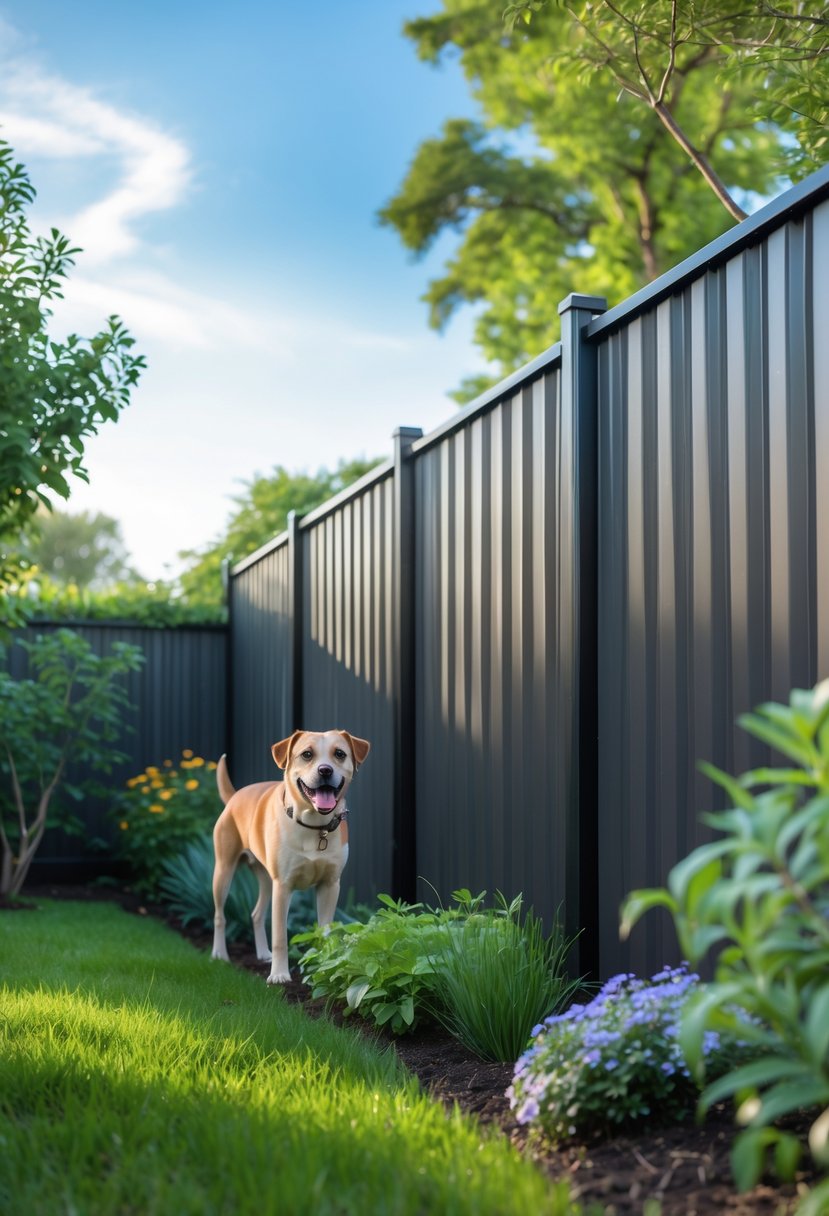
I recommend metal panels with powder coating for dog-proof fencing. The powder coating prevents rust and adds durability.
Need a Simple Healthy Reset?
You get a clear daily plan with smoothie recipes, simple habits, meal guidance, portion tips, and printable trackers — everything in one place.
A gentle way to build consistency and feel more in control of your routine.
See What Is Inside the Challenge →These panels resist weather damage better than regular paint. Dogs cannot easily damage or climb smooth metal surfaces.
4. Lattice fence topped with clear plexiglass
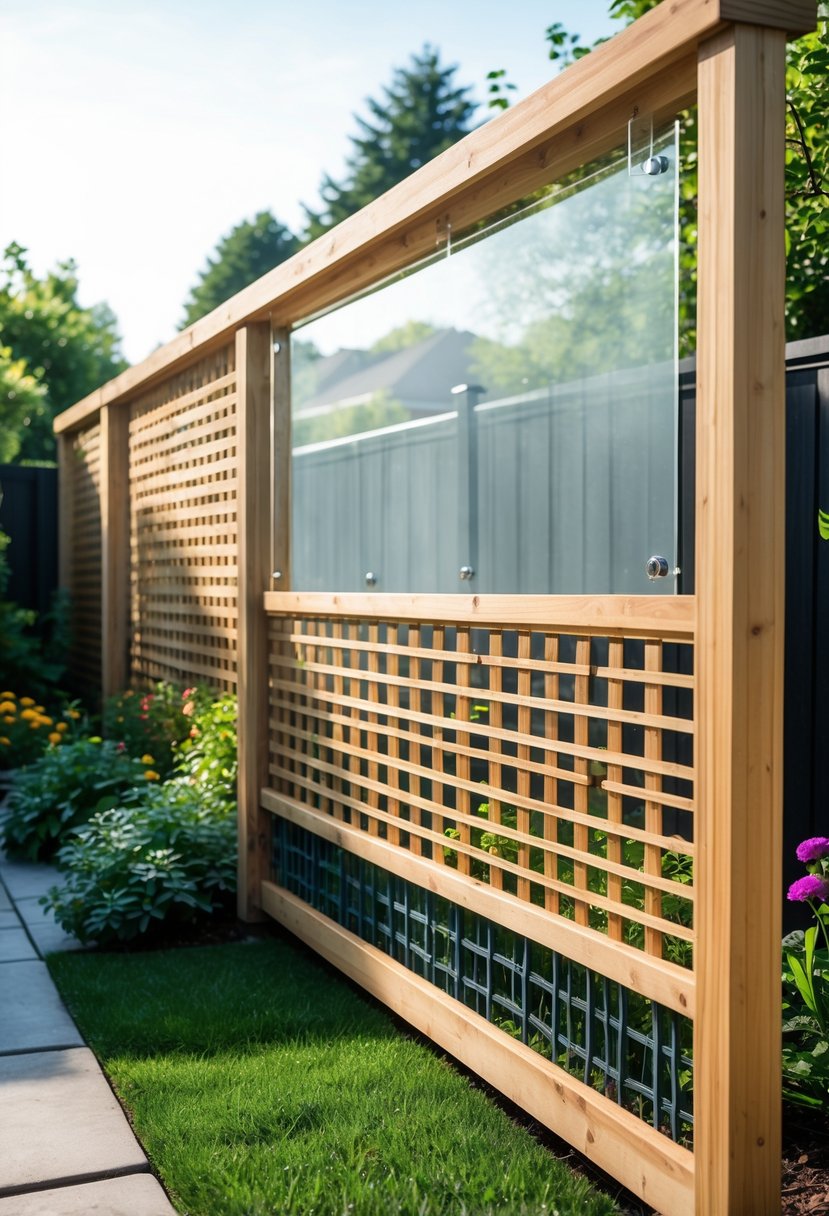
I recommend adding clear plexiglass panels on top of lattice fencing. This creates extra height without blocking your view.
The smooth plexiglass surface prevents dogs from climbing over the lattice openings.
5. Vinyl fence with solid panels
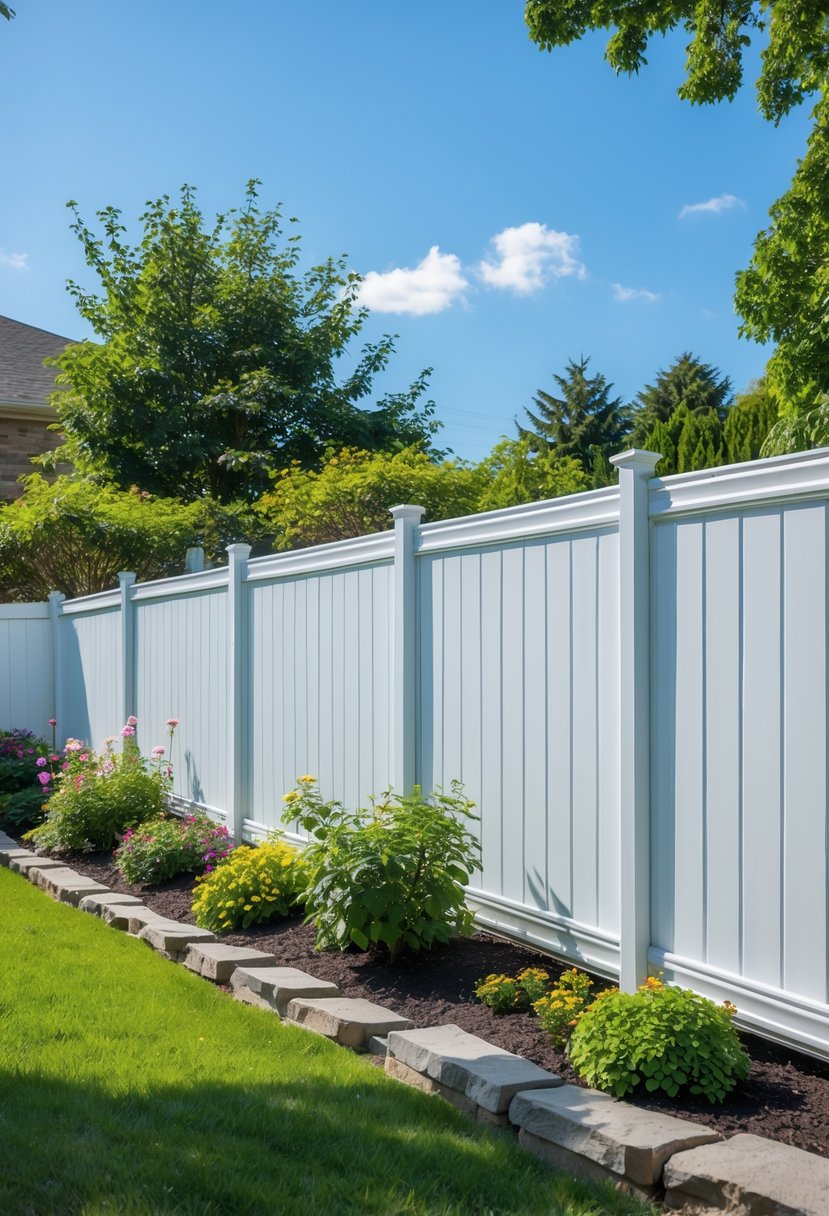
I recommend vinyl fences with solid panels for keeping dogs out of garden areas. These fences block dogs’ view completely, reducing their interest in what’s beyond.
Vinyl panels require minimal maintenance and resist weather damage effectively.
Give Yourself 21 Days of
Simple Healthy Structure
Sometimes the hardest part of eating better is knowing where to start. This challenge gives you a clear plan, daily smoothie ideas, small habits, meal guidance, and trackers so you can actually see your progress.
Calm, realistic, and made for everyday life.
6. Fence with angled extension to prevent climbing
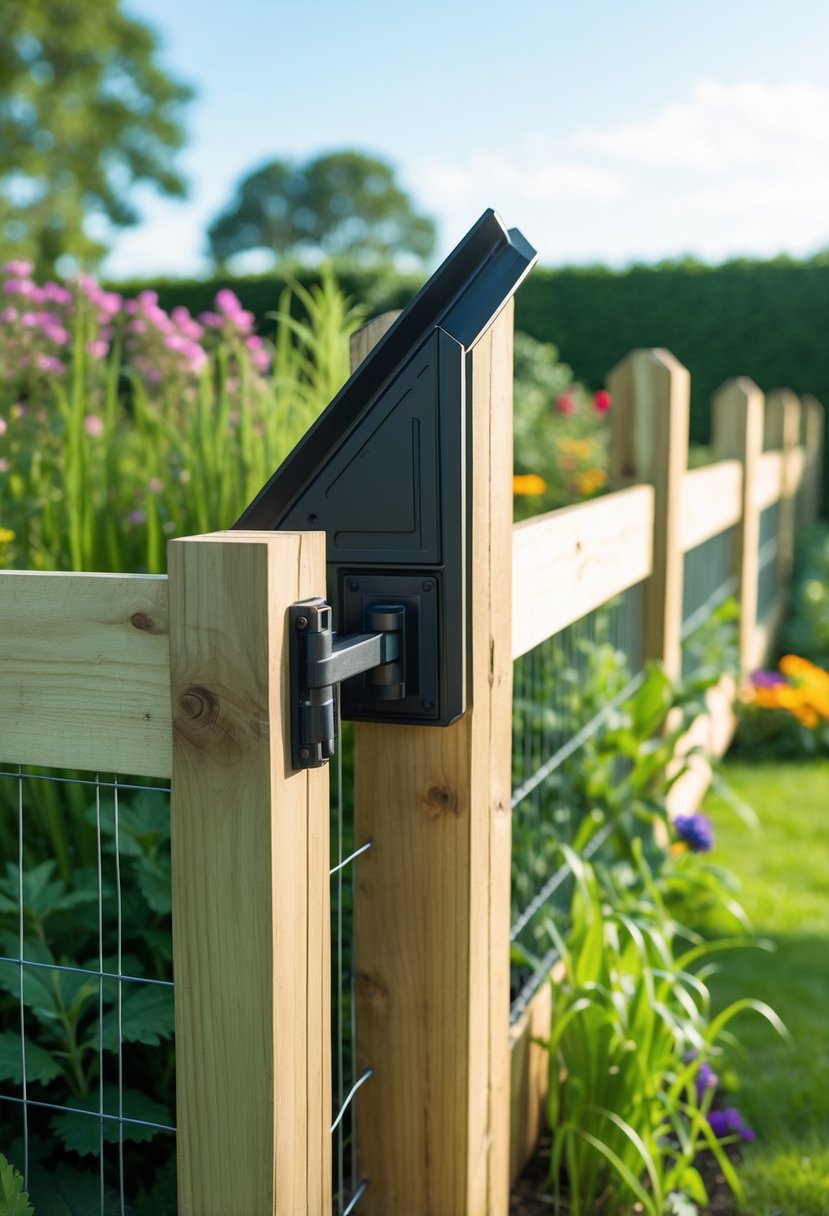
I add angled extensions to my existing fence to stop dogs from climbing over. These extensions arch inward at the top of the fence.
The angled design makes it impossible for dogs to get a grip and climb up.
7. Chain link fence with privacy slats
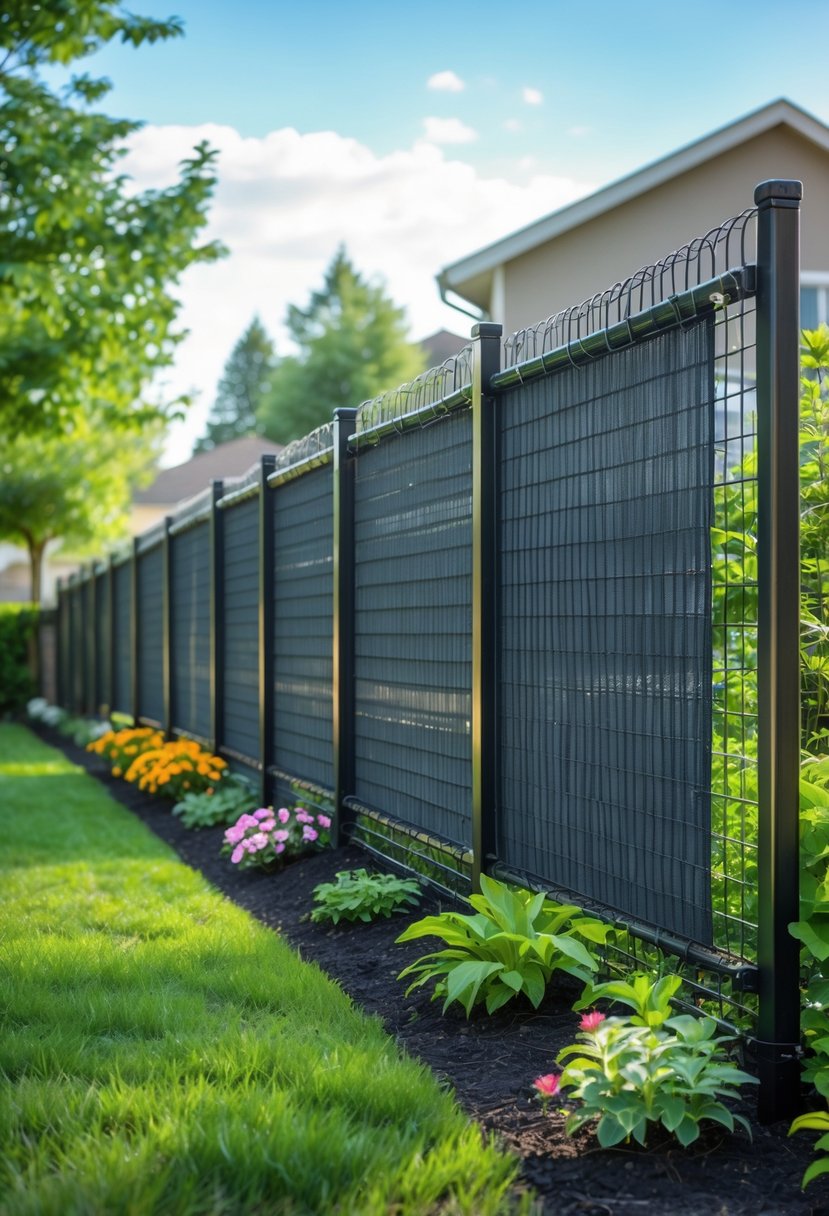
I recommend adding privacy slats to existing chain link fences for dog containment. The slats block dogs’ view of distractions outside your yard.
These plastic or wood strips weave through the fence links easily. They create solid barriers that reduce barking at passersby.
8. Temporary garden fencing with metal stakes
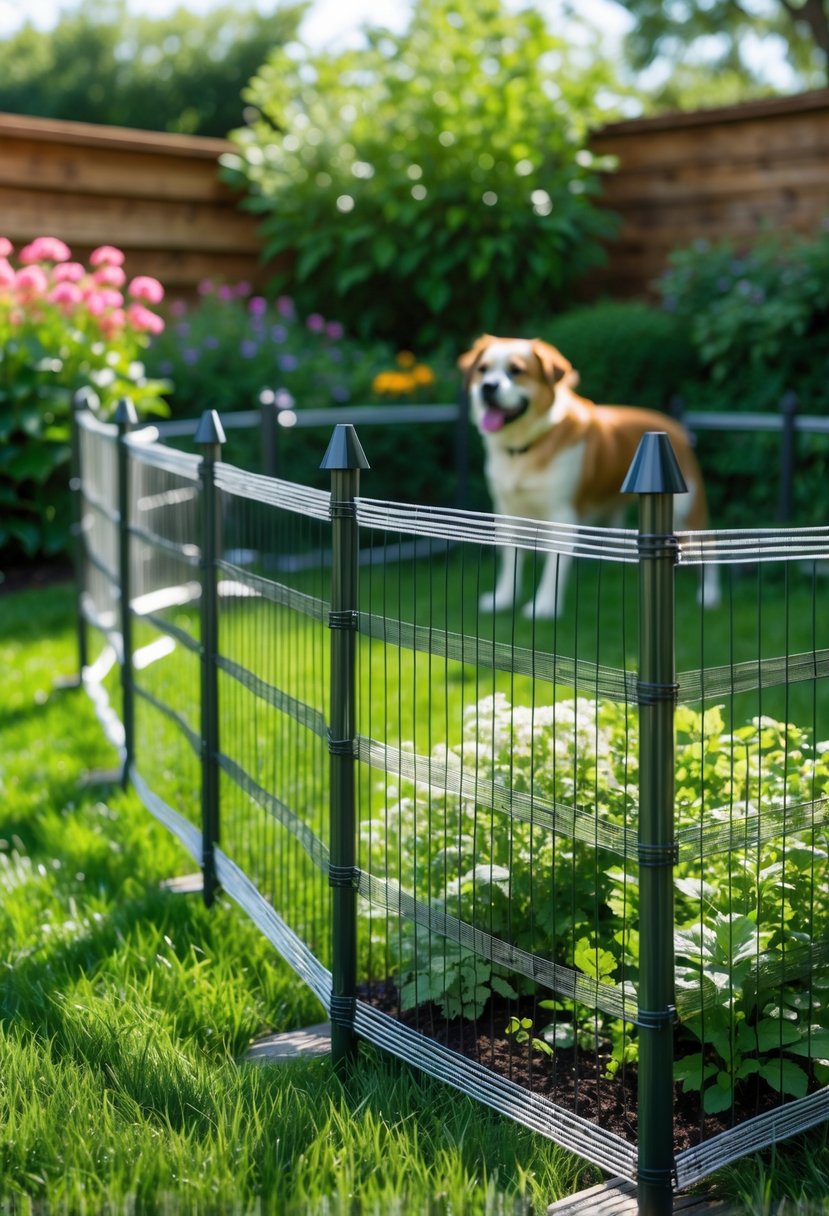
I hammer green metal fence posts into the ground at regular spaces. These stakes hold up mesh or wire fencing around my garden beds.
This setup keeps dogs out without permanent installation. I can move the fence when needed.
9. Electric invisible dog fence system
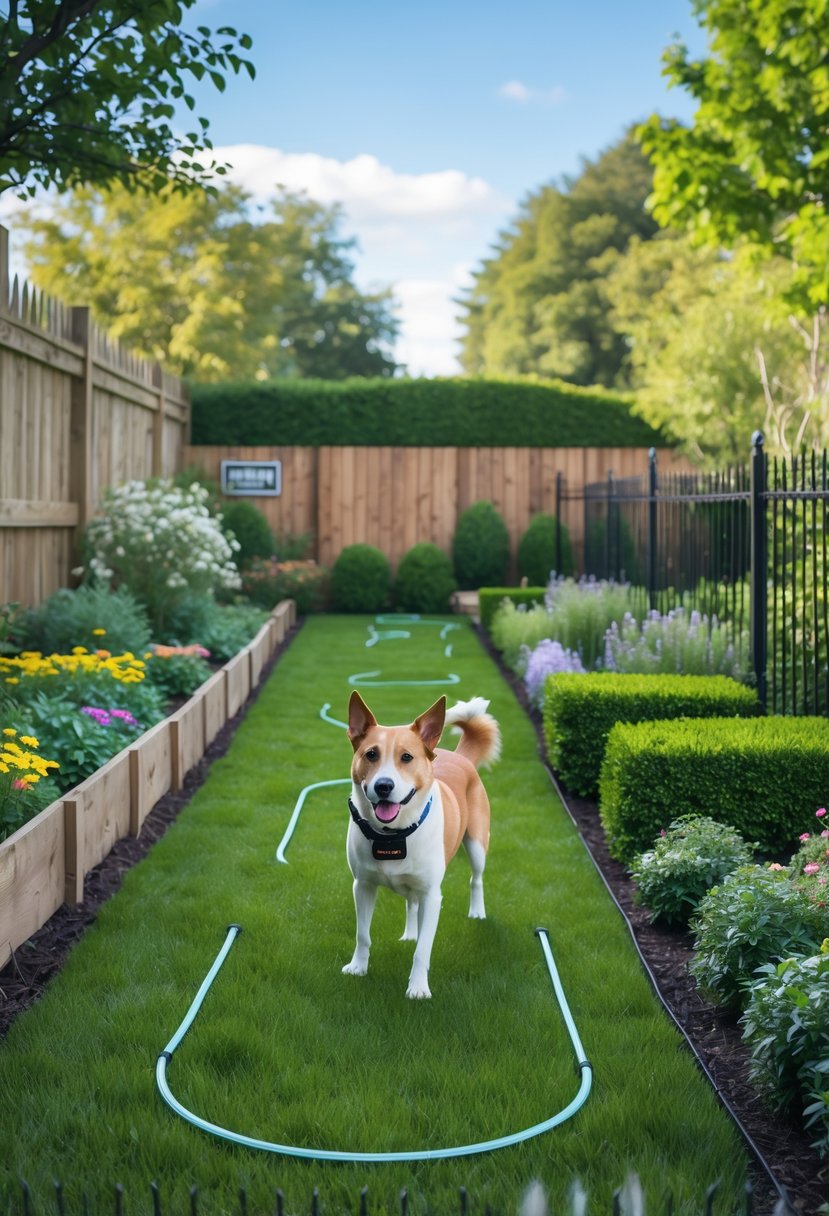
I recommend electric invisible fences for keeping dogs contained without blocking garden views. These systems use underground wires or wireless signals.
The dog wears a special collar that delivers corrections when approaching boundaries.
10. Garden fence with built-in dog door
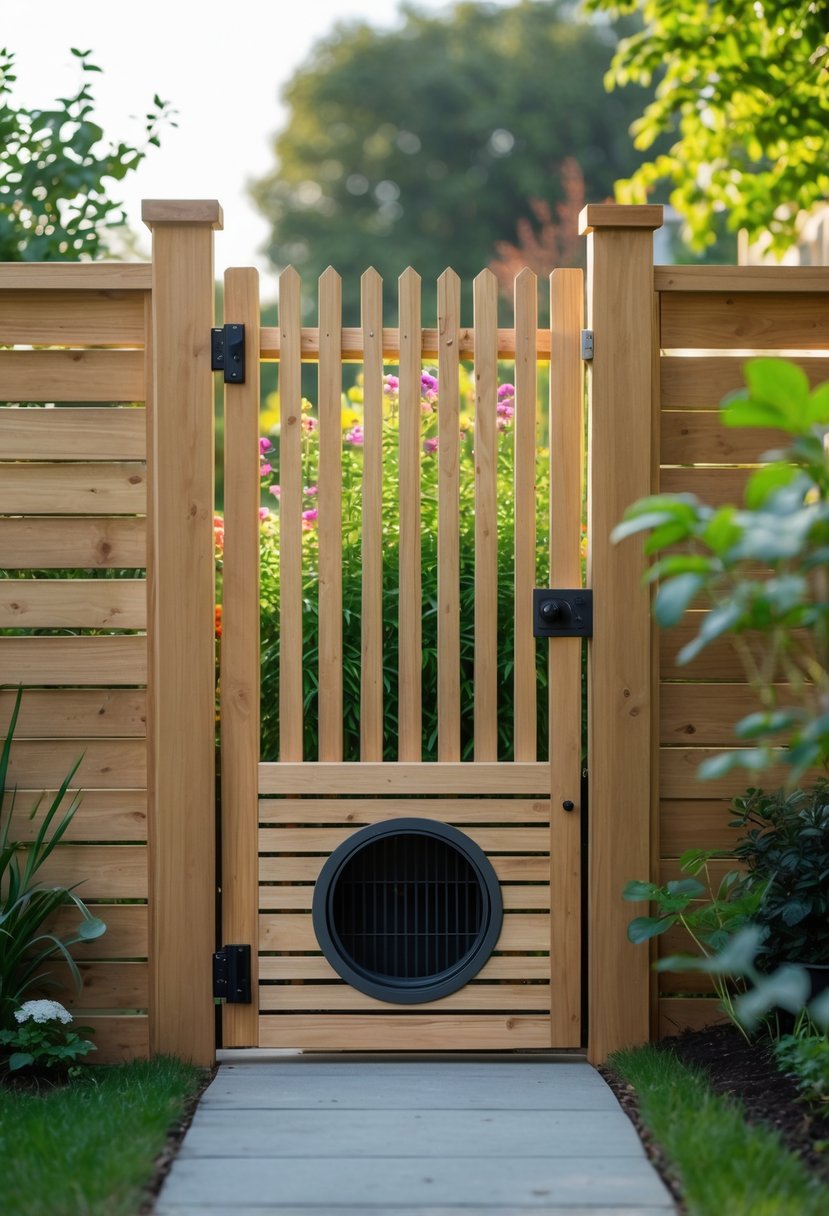
I recommend adding a dog door to your garden fence for controlled access. This lets your dog move freely between areas while keeping unwanted dogs out.
The door works best in solid wood or vinyl fencing. I suggest installing it at your dog’s chest height for easy use.
11. Concrete garden wall with metal top rail
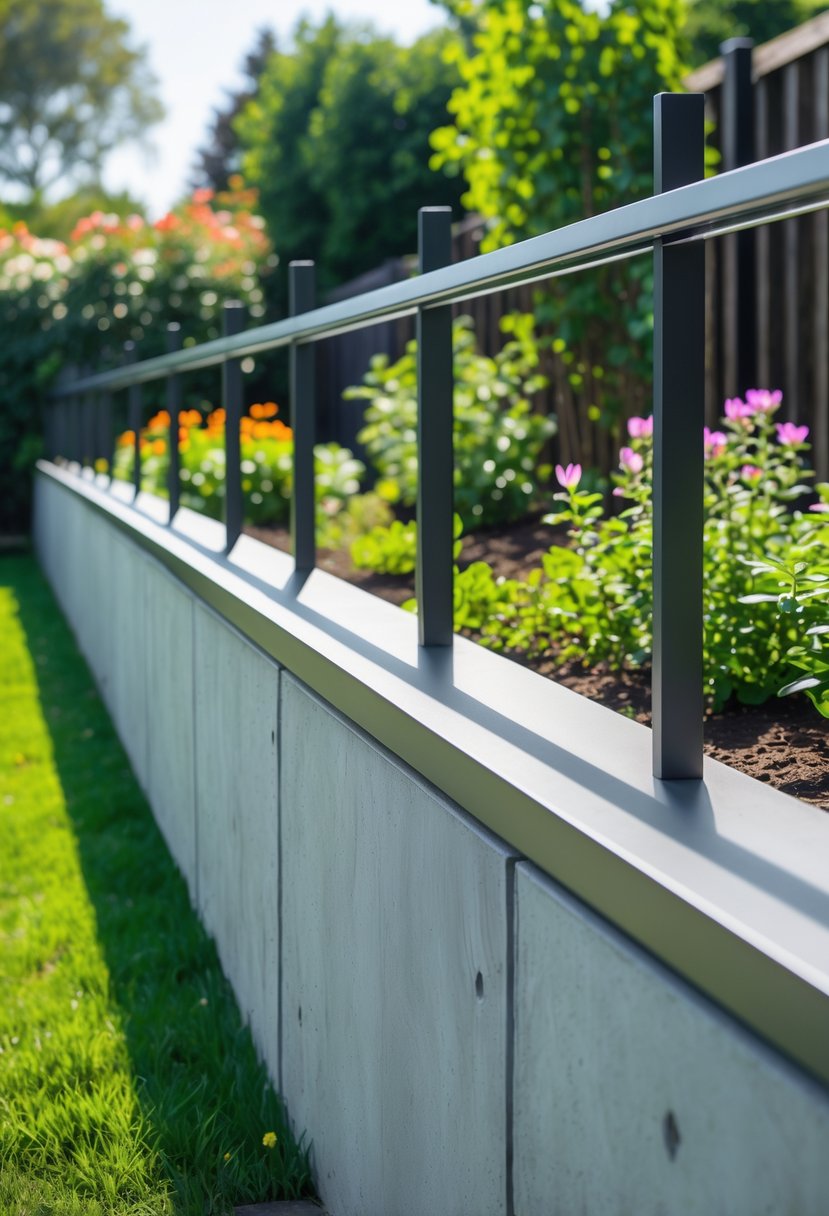
I recommend this combination for maximum dog deterrence. The concrete base prevents digging underneath.
The metal rail on top adds extra height. This design stops both jumping and climbing attempts effectively.
12. Hedge barrier planting for a natural dog deterrent
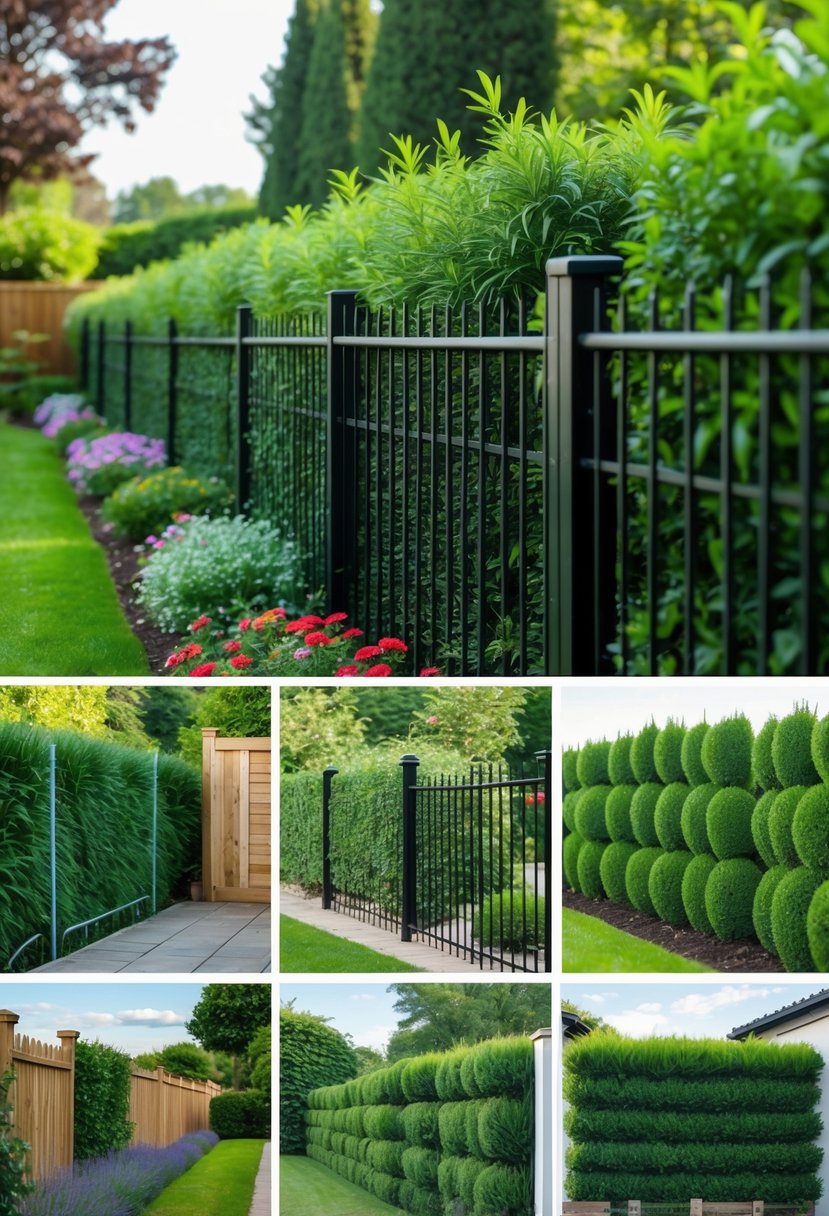
I recommend planting dense hedges as living barriers that dogs avoid naturally. Many dogs dislike pushing through thick vegetation.
Dense shrubs create physical obstacles while adding beauty to your yard. Plant them along garden boundaries where dogs typically enter.
Choose fast-growing evergreen varieties for year-round protection.
13. Fence with chicken wire reinforcement
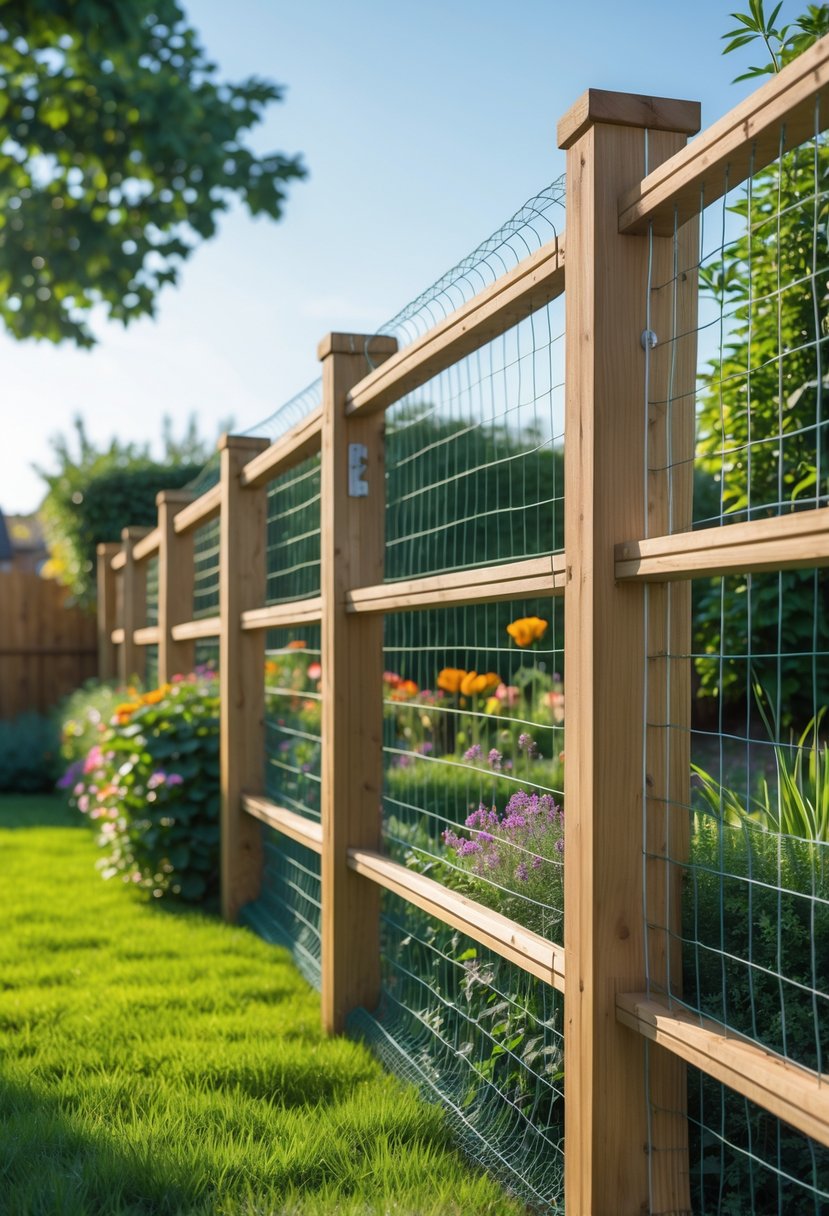
I recommend adding chicken wire to strengthen your existing fence against dogs. This wire mesh fills gaps where dogs might squeeze through.
The chicken wire creates a double barrier that most dogs cannot breach or dig under easily.
14. Combination wood and wire garden fence
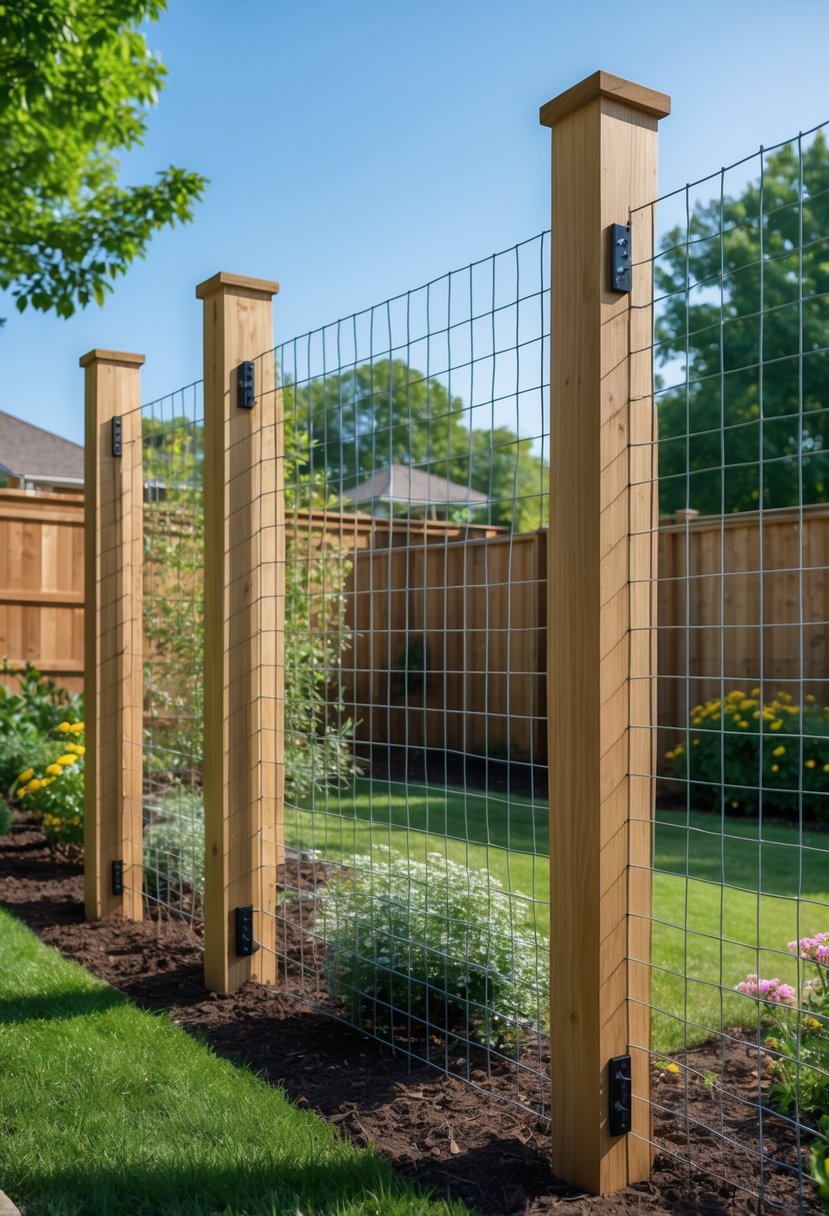
I recommend combining wooden posts with wire mesh for an effective dog barrier. This design uses sturdy wood frames with wire panels between posts.
The wire prevents dogs from squeezing through gaps. Wood posts provide strong anchor points every six to eight feet apart.
15. Low garden wall with wire mesh overlay
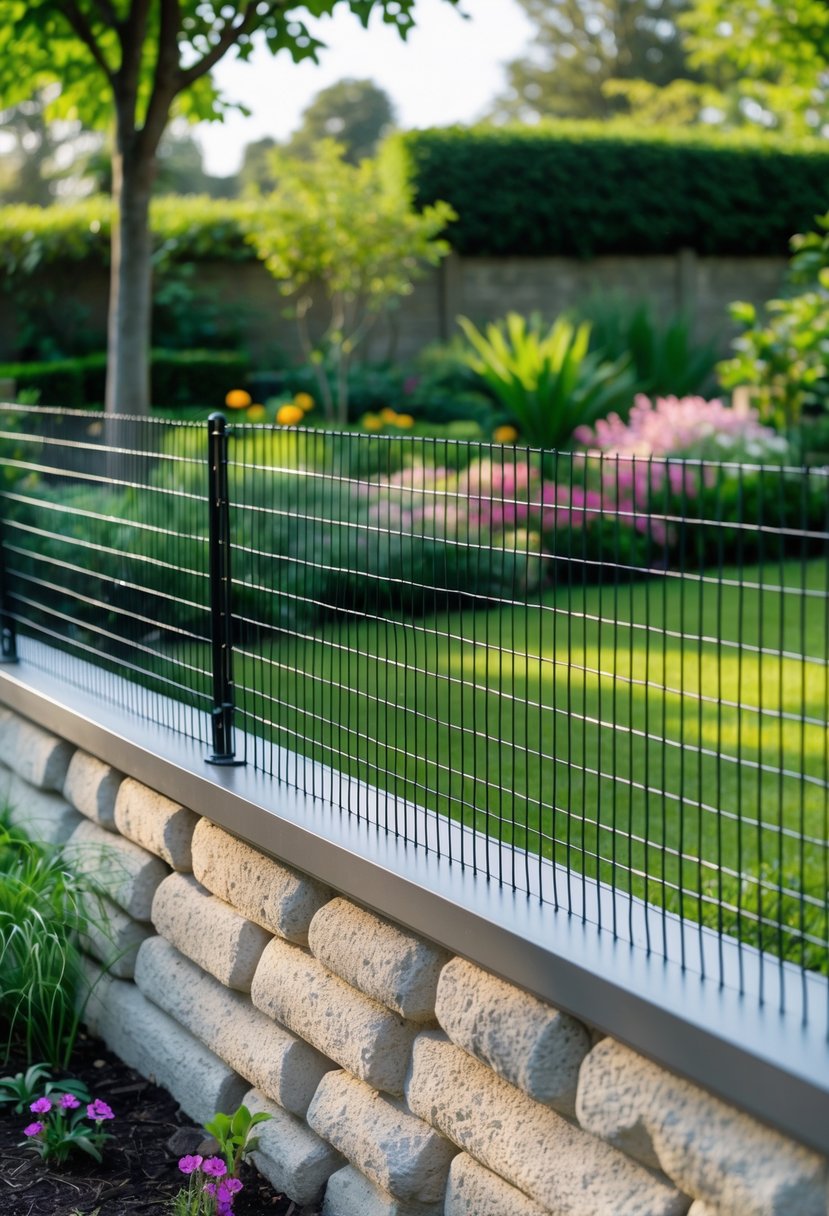
I built a short stone or brick wall about 2-3 feet high. Then I add wire mesh on top to reach the full height needed.
This design looks attractive while keeping dogs out effectively.