




In This Article Show
A beautiful garden can quickly become a buffet for hungry animals if it lacks proper protection. Deer, rabbits, groundhogs, and other wildlife see your vegetable garden and flower beds as their personal dining room.

The right fence design can save your garden from animal damage while still looking good in your yard. From simple wire barriers to more advanced electric systems, different fence types work better for specific animals and garden layouts.
Some options focus on blocking small burrowing pests, while others target larger wildlife that can jump or climb over basic barriers.
1. Buried wire fencing to block burrowing animals
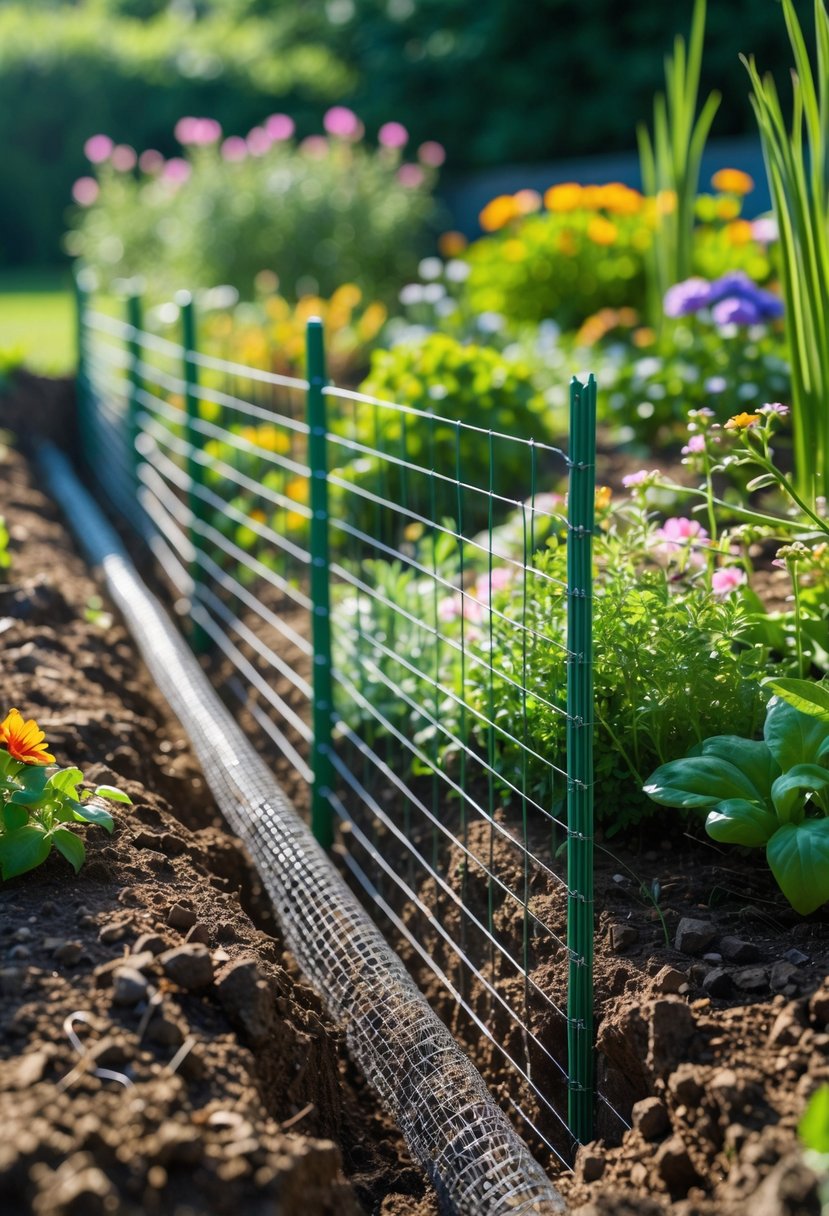
I install buried wire fencing by digging a trench 2-3 feet underground. I use hardware cloth or chicken wire in an L-shape configuration.
This method stops rabbits, groundhogs, voles, and moles from digging under my garden fence.
2. 3D electric fences for deer and larger wildlife
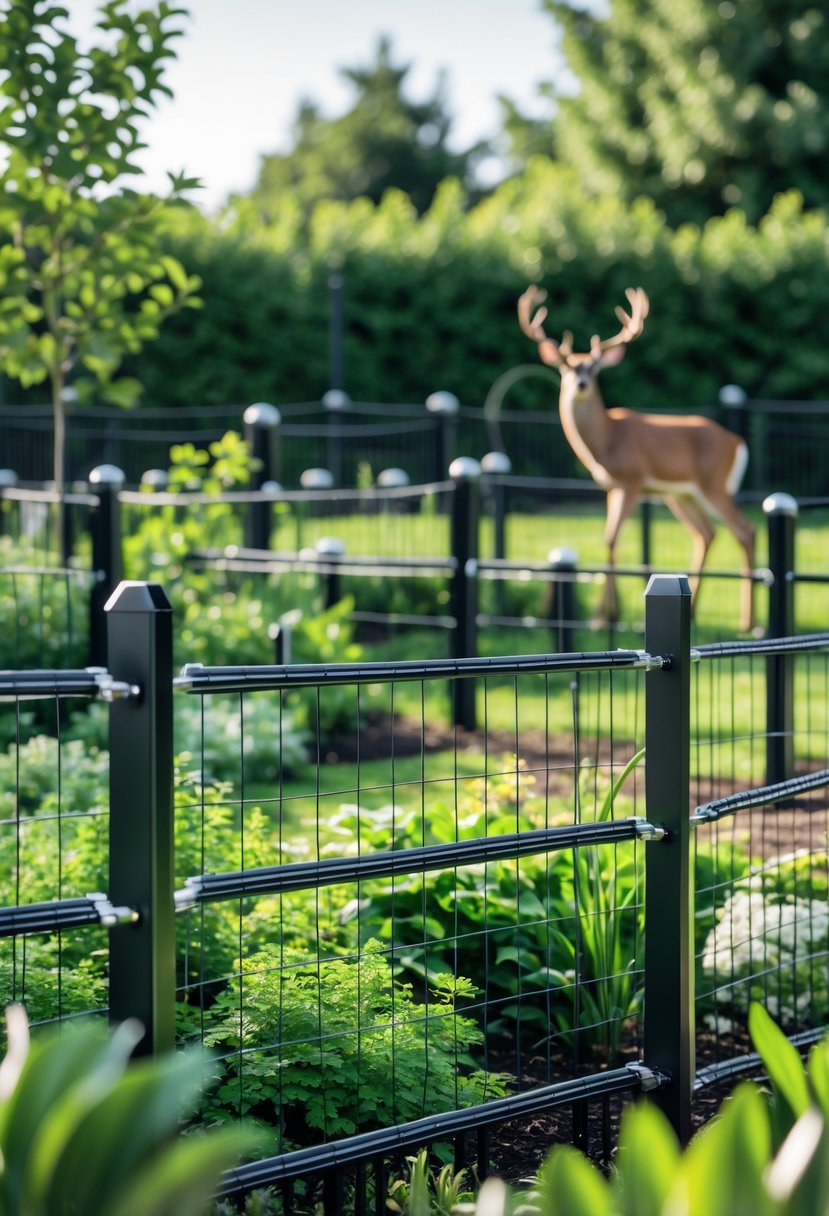
I recommend 3D electric fences as an effective solution for keeping deer out of your garden. This design uses two electrified rope barriers set three feet apart.
The depth creates confusion for deer. They cannot easily judge the fence as a jumping obstacle like they would with flat fencing.
3. Individual mesh cages around plants
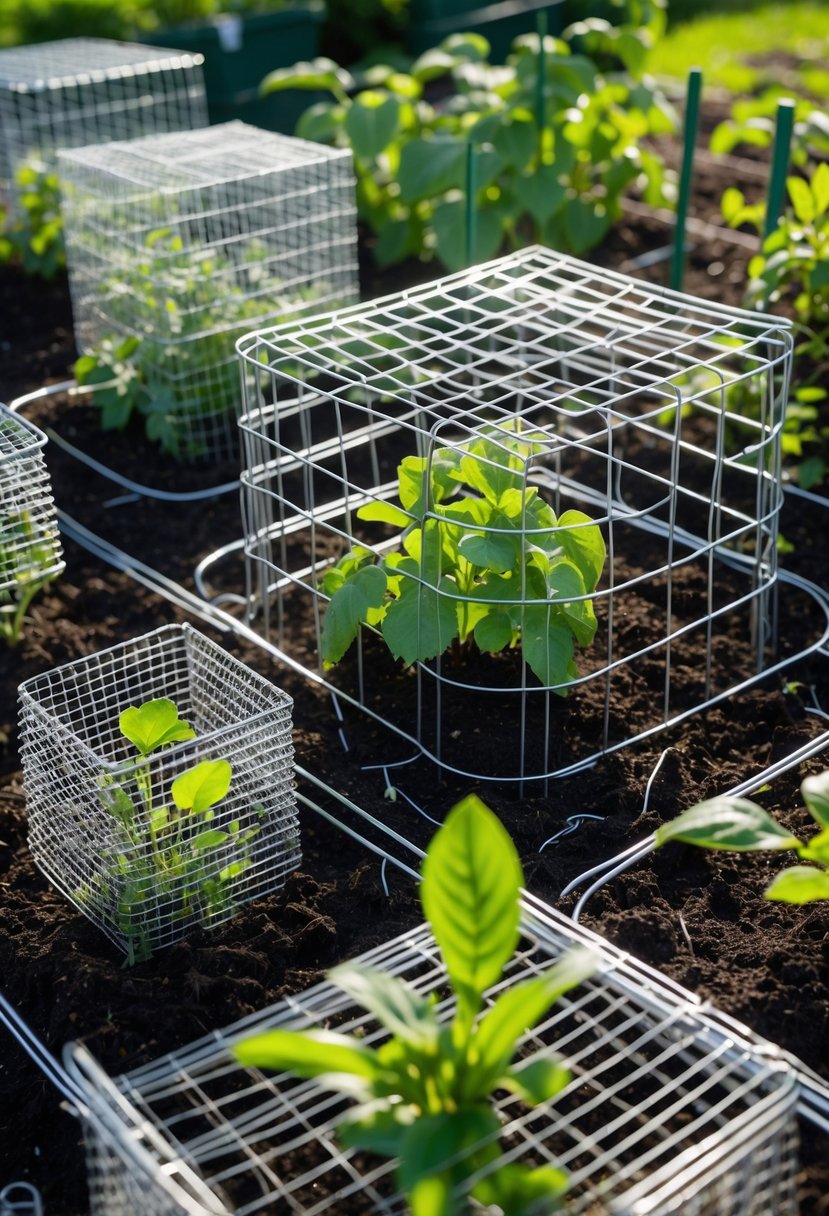
I use individual mesh cages to protect specific plants from rabbits and small pests. These cages create barriers around valuable crops.
I can easily move these portable cages as needed throughout my growing season.
4. Tall wooden picket fences to deter deer
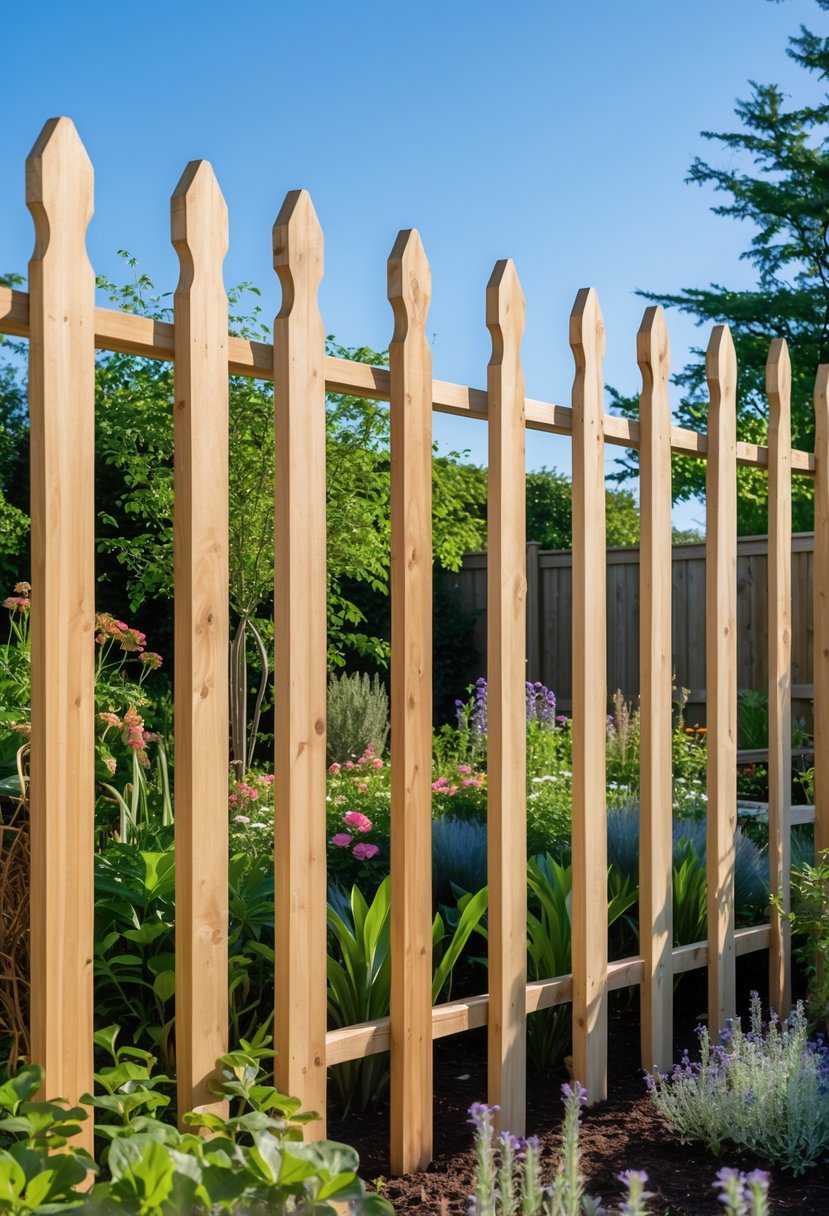
I recommend building wooden picket fences at least 8 feet tall to keep deer out. This height prevents most deer from jumping over.
Choose sturdy wood materials like cedar or pressure-treated lumber. These woods last longer against weather.
5. Wire mesh fencing with small gaps for rabbits
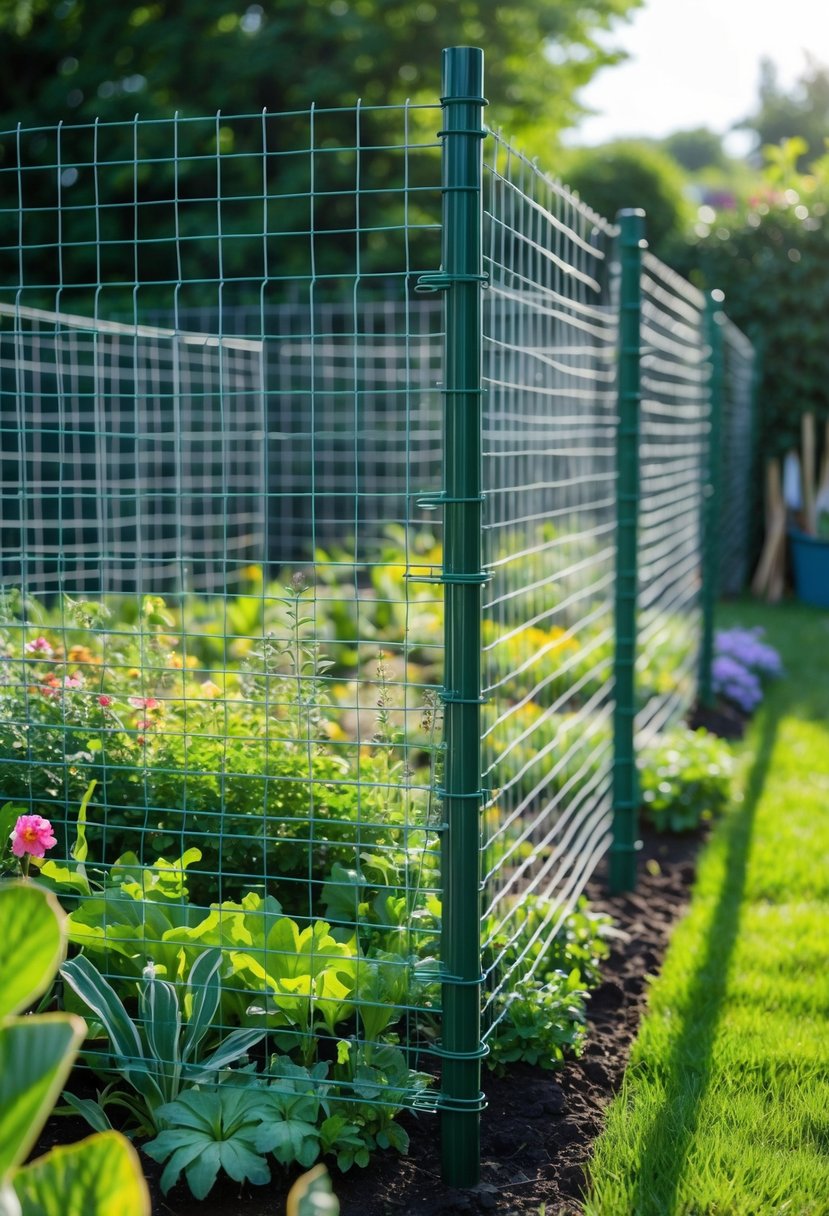
Wire mesh fencing works well for keeping rabbits out of gardens. I recommend using mesh with gaps of one inch or smaller.
Rabbits can squeeze through larger openings easily. The small gaps prevent them from getting into your garden beds.
6. Solid panels to create visual blocks for deer
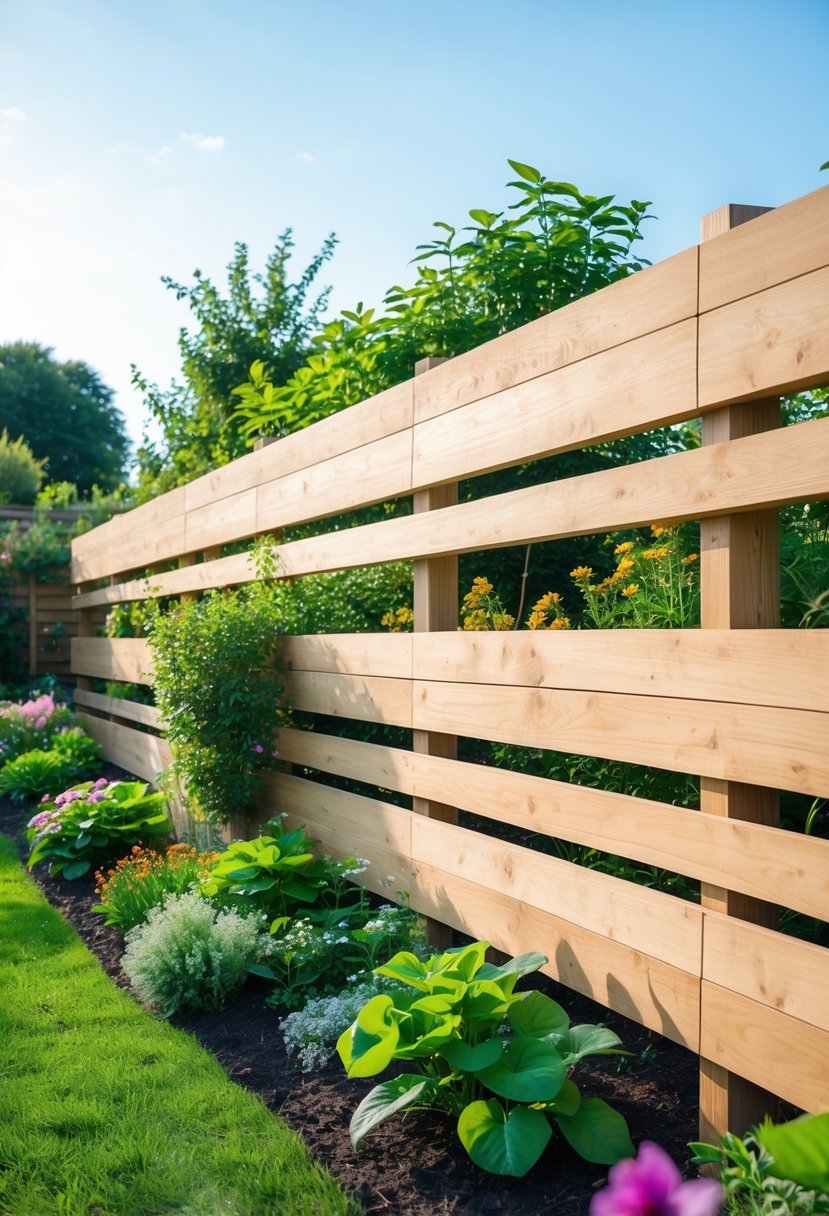
I recommend solid wood or vinyl panels to block deer’s view into your garden. When deer can’t see what’s inside, they’re less likely to investigate.
These panels work best at six to eight feet tall.
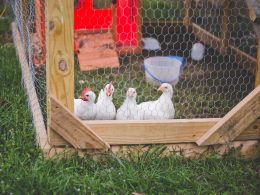
7. Chicken wire fences for small pests
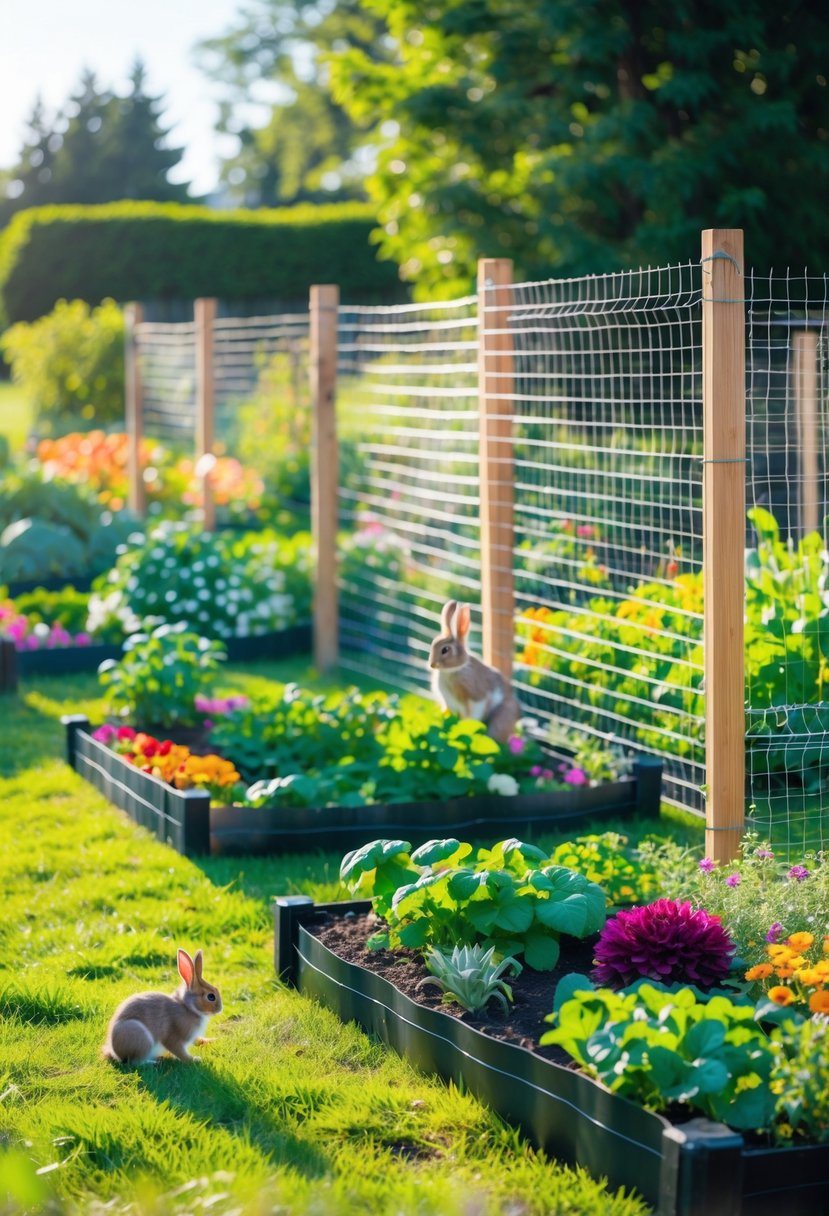
I use chicken wire to block rabbits, squirrels, and other small animals from my garden. The small mesh openings stop these pests from squeezing through.
I secure the wire to the ground with metal staples. This prevents animals from crawling underneath the fence.
8. Metal T-posts combined with wire mesh
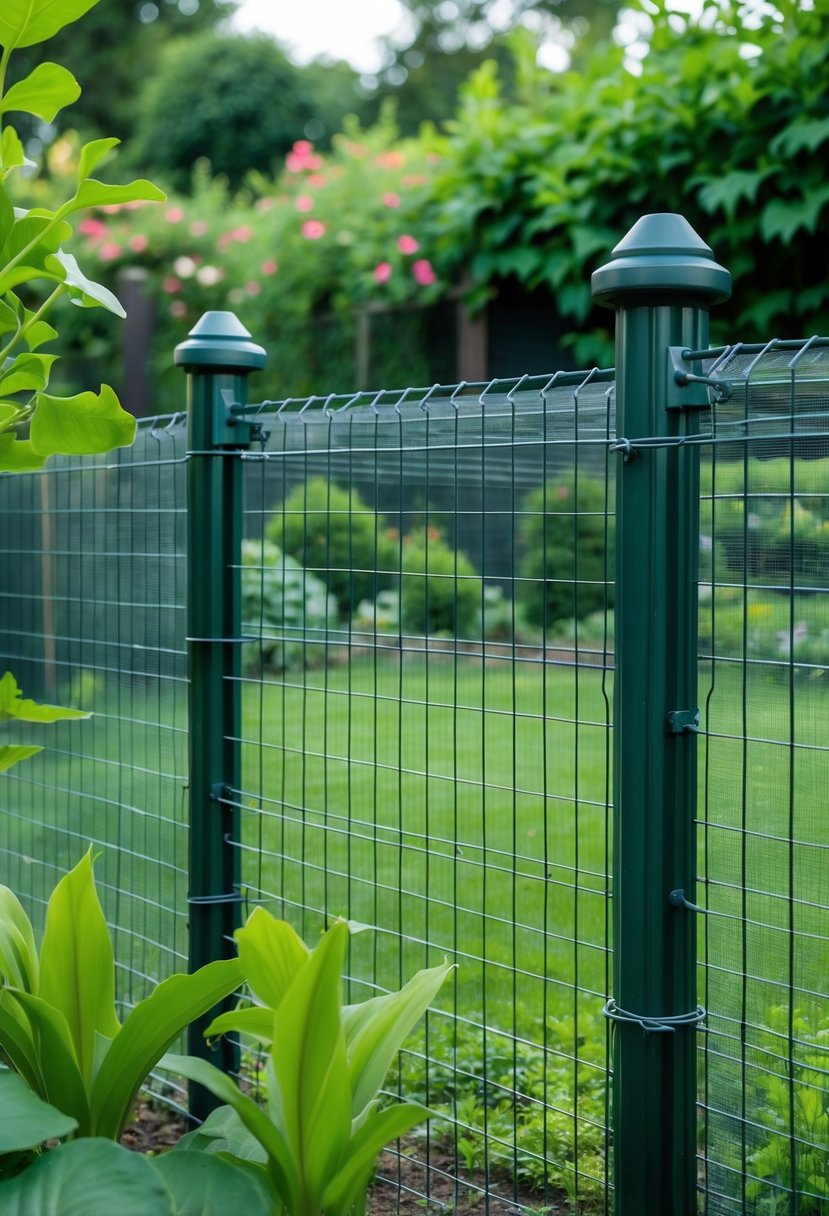
I find metal T-posts with wire mesh create strong garden fences. The steel posts anchor deep underground for stability.
Wire mesh attaches easily to T-posts using clips. This combination stops rabbits, deer, and other animals effectively.
9. Reclaimed pallet fences as a budget option
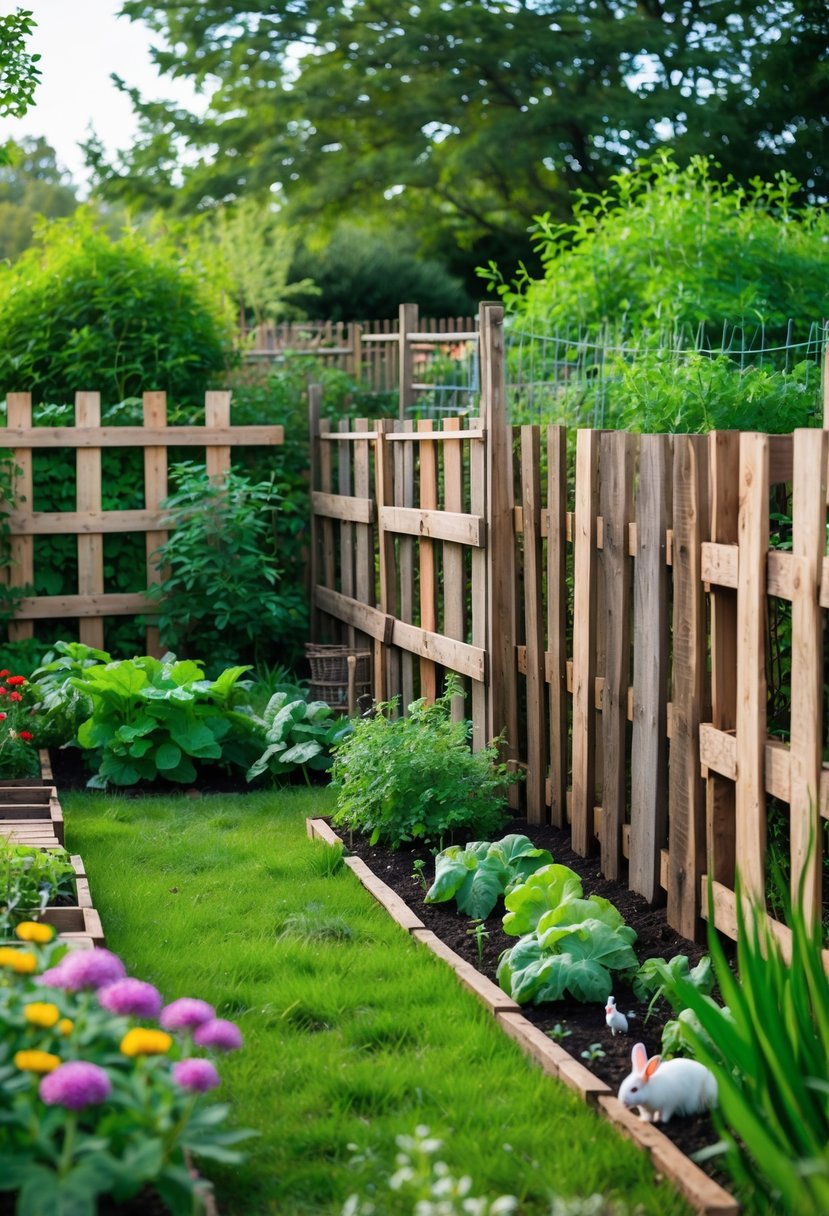
I recommend using free wooden pallets for an affordable animal barrier. Pallets cost almost nothing and work well for keeping small animals out.
I can build a basic pallet fence for under $30 in materials.
10. Bamboo fencing attached to wooden posts
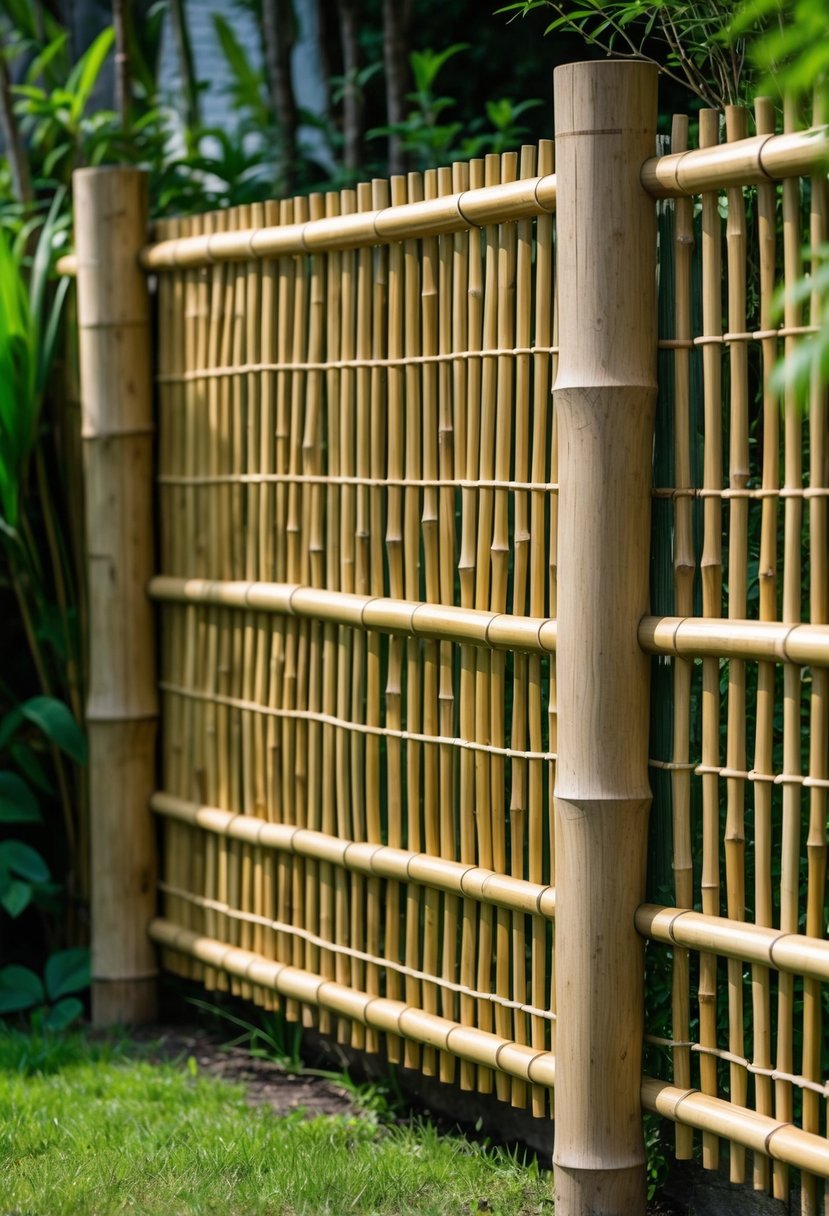
I recommend bamboo panels attached to wooden posts for an affordable animal barrier. This method costs $12 to $23 per linear foot.
The wooden posts provide strong support while bamboo panels create effective screening. Animals cannot easily climb or push through this combination.
11. Reed fencing to add style and function
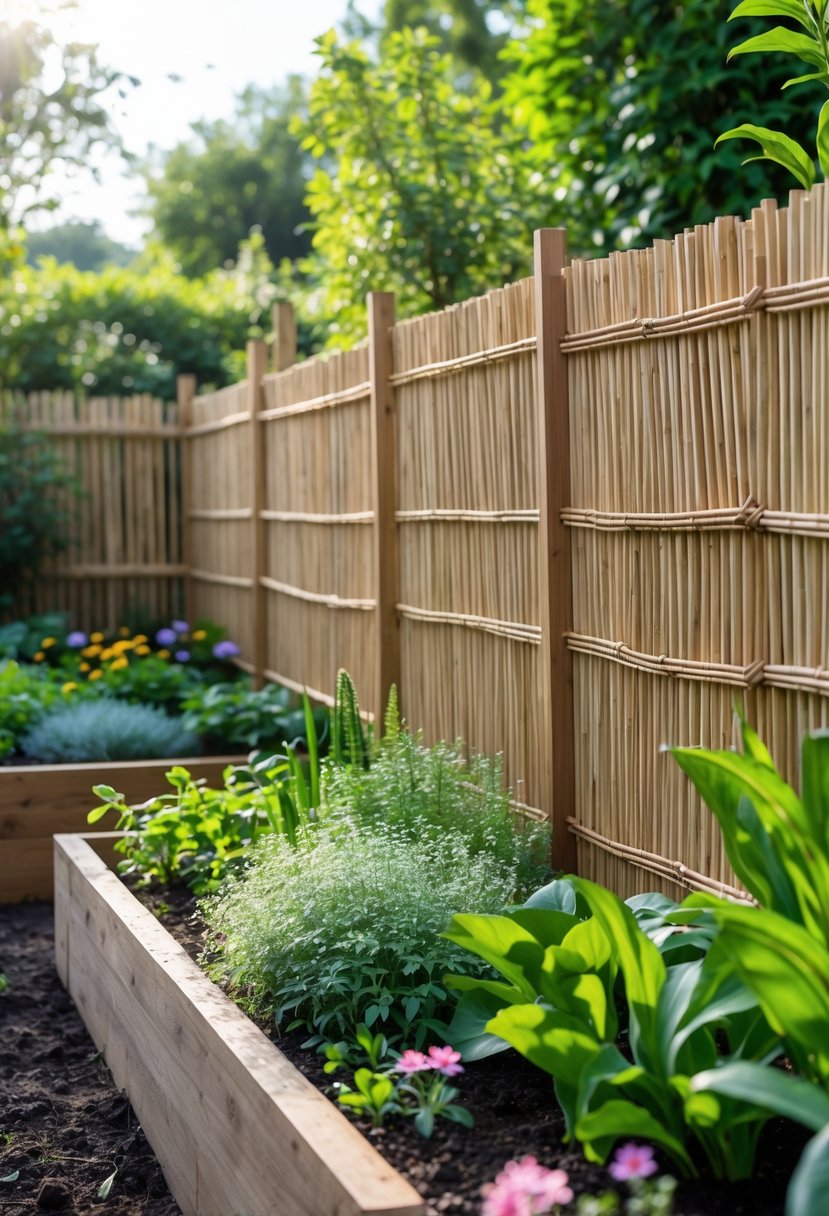
I recommend reed fencing as a natural barrier that keeps small animals out while looking attractive. The dense weaving blocks rabbits and other garden pests from entering your space.
Reed panels are lightweight and easy to install. I can mount them directly to posts or attach them to existing fences for added height and protection.
12. Adding a top rail to prevent climbing
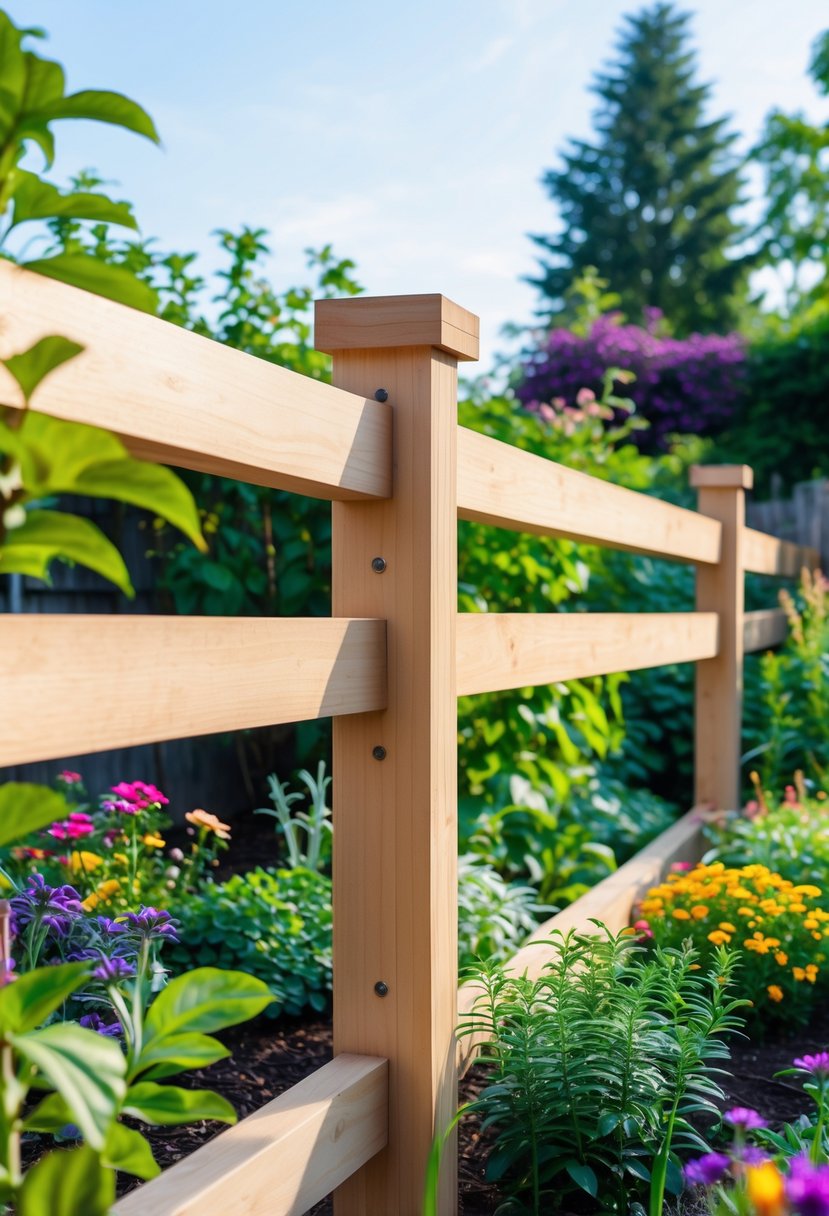
I add a smooth top rail to make my fence harder for animals to climb. The rail creates an unstable surface that prevents raccoons and cats from getting a good grip.
13. Using buried electric wire to prevent digging
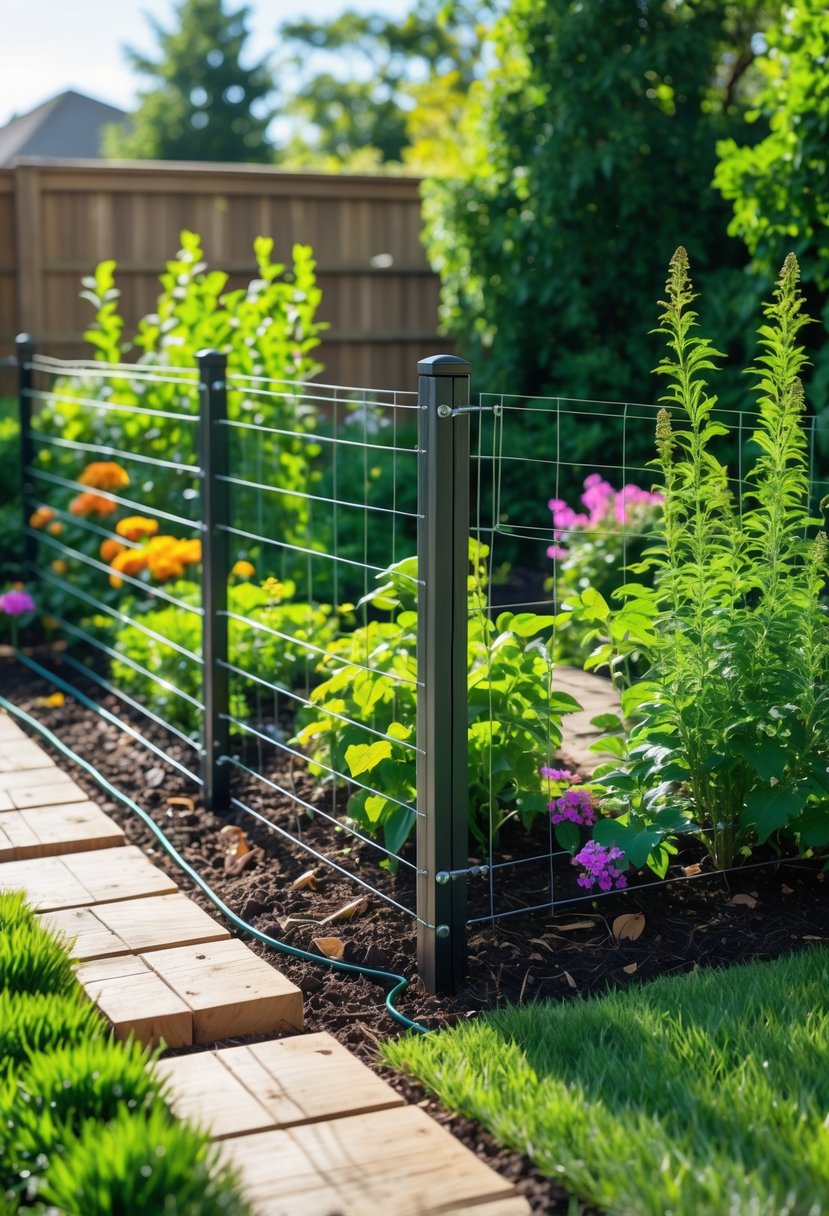
I recommend burying electric wire six inches underground around your garden perimeter. This creates a shock barrier that stops rabbits, groundhogs, and other digging animals.
The buried wire delivers a mild electric pulse when animals try to dig underneath your fence. This trains them to avoid the area completely.
14. Garden fence with angled extensions to deter climbing
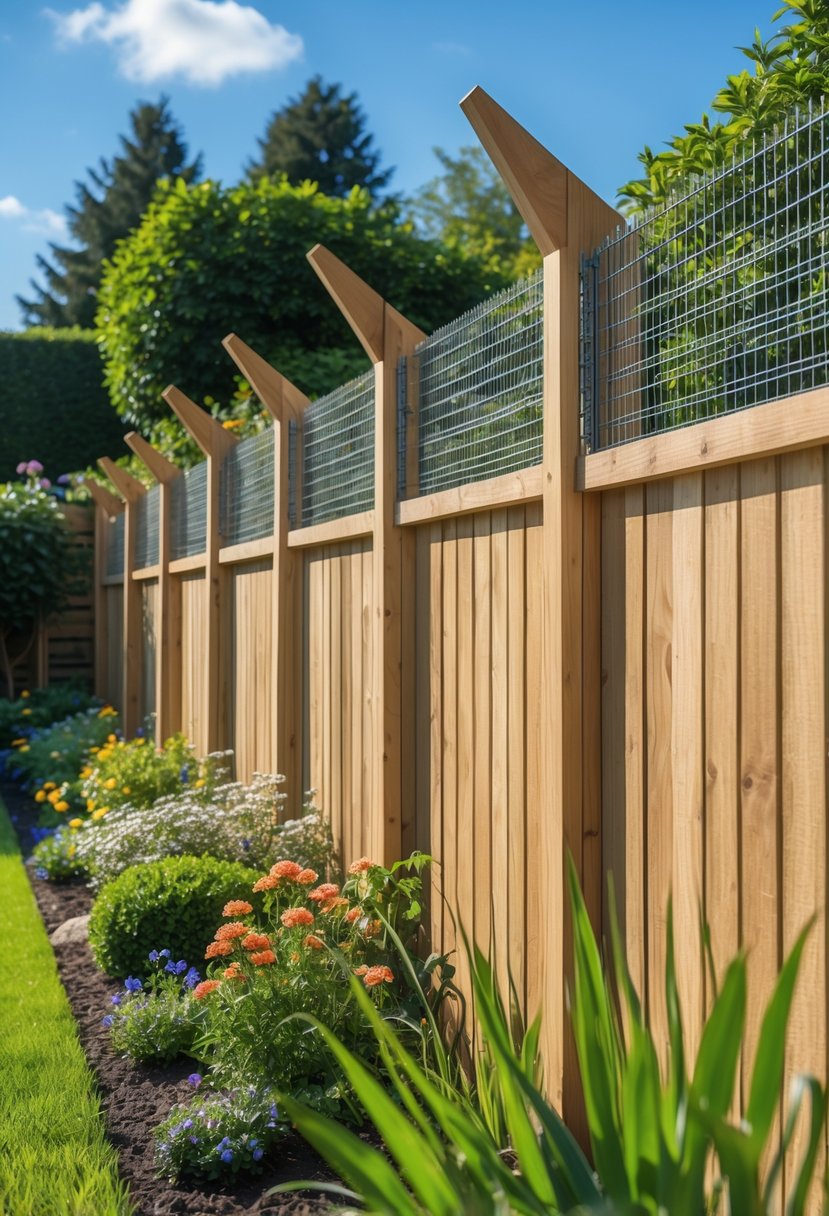
I recommend adding angled extensions to fence posts to stop animals from climbing over. These extensions create an overhang that makes it hard for animals to grip and climb.
The angled design works well against cats, raccoons, and other climbing pests.
15. Double-layered mesh fences for extra protection
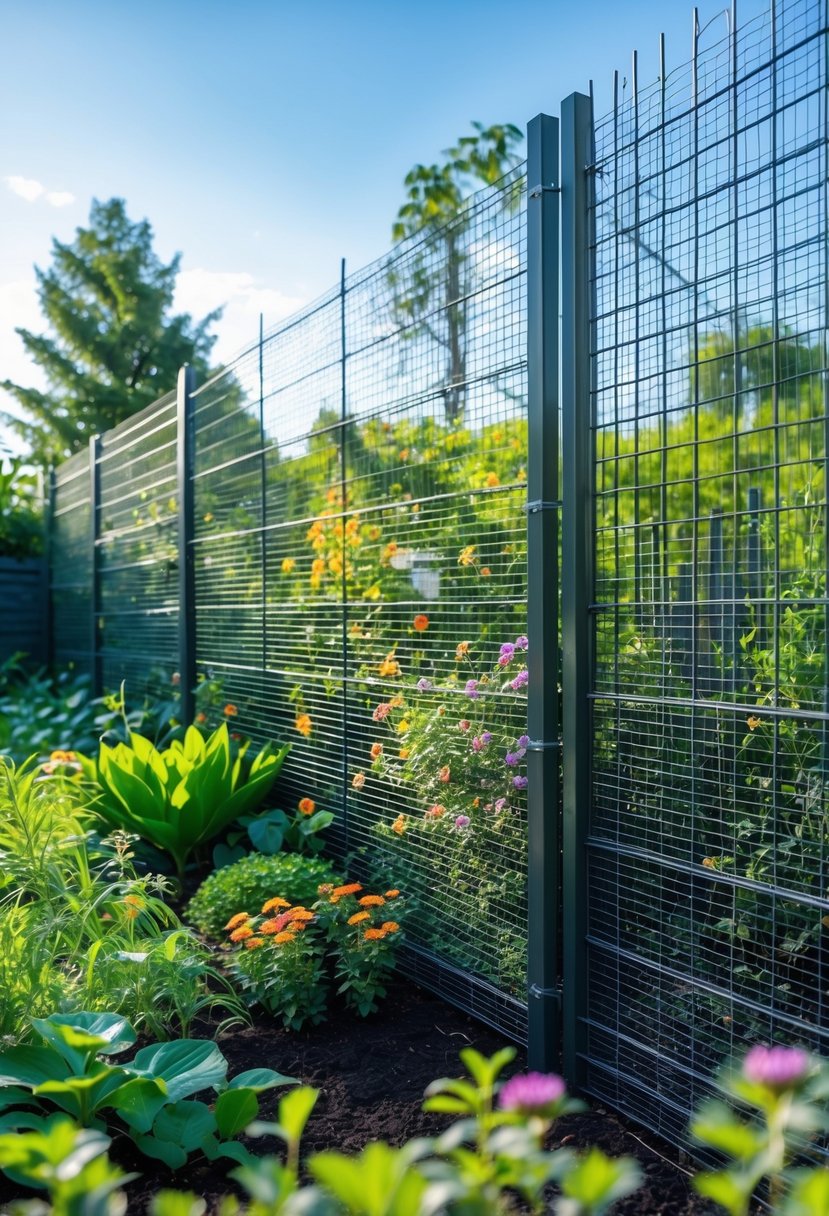
I recommend installing two mesh fences spaced four feet apart. This creates a barrier that stops deer from jumping over.
The double fence method works because deer cannot jump both high and far at once.