






In This Article Show
Garden netting for raised beds offers a simple way to protect your plants from pests, birds, and harsh weather without using chemicals. These protective barriers help keep your vegetables and flowers safe while still allowing sunlight, air, and water to reach your crops.
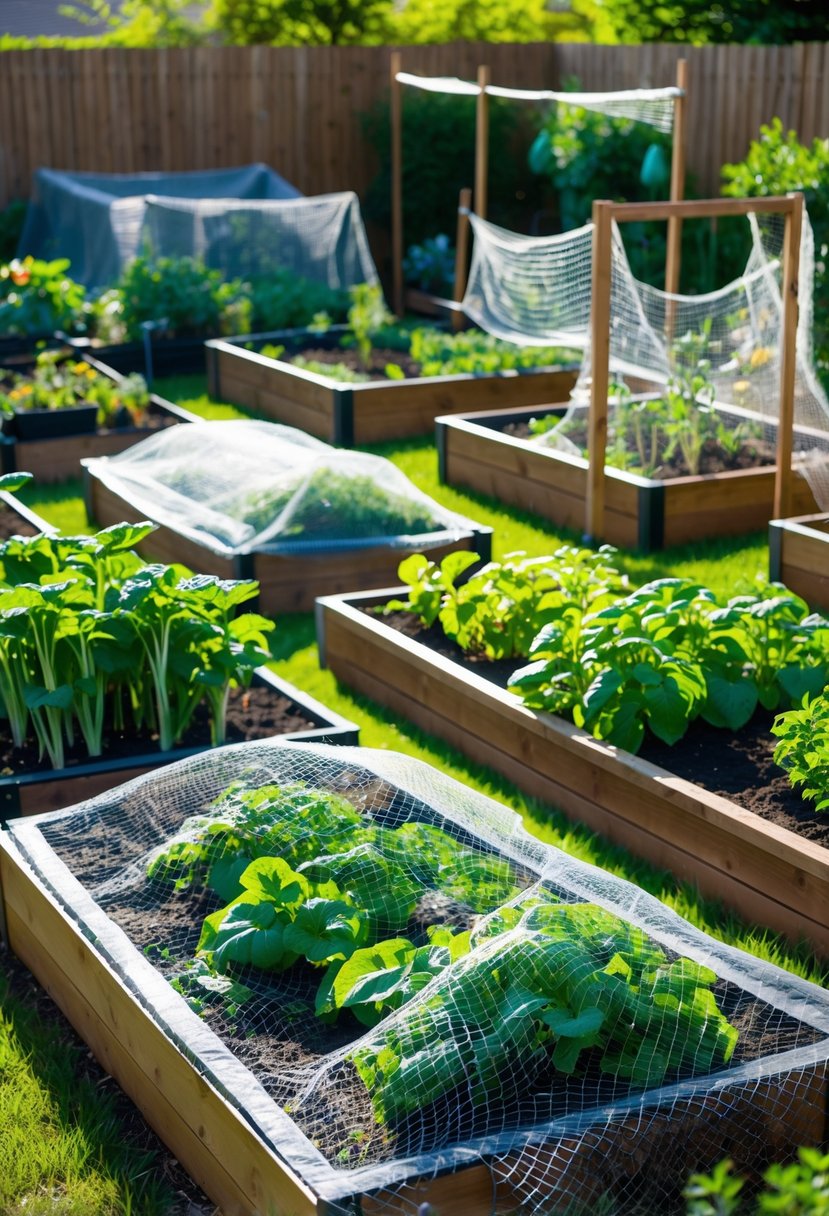
From simple wooden frames with bird netting to advanced mesh tunnels with zipper access, there are many ways to cover your raised beds.
You can choose from materials like PVC pipes, bamboo poles, or metal cages depending on your budget and needs. Some options work best for temporary protection while others provide year-round coverage for your garden.
1. Wooden frame with bird netting cover
shop the nets
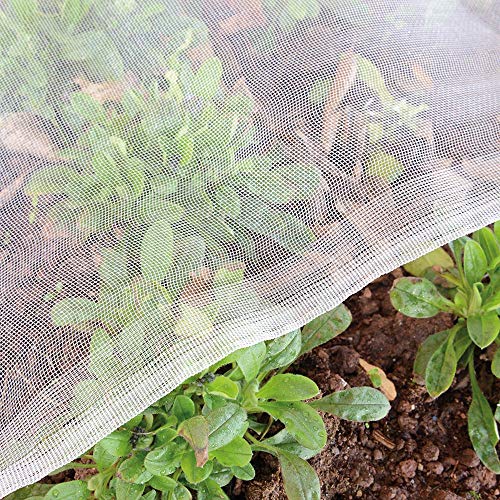


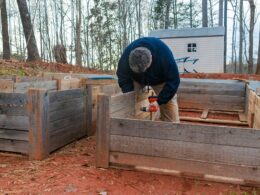
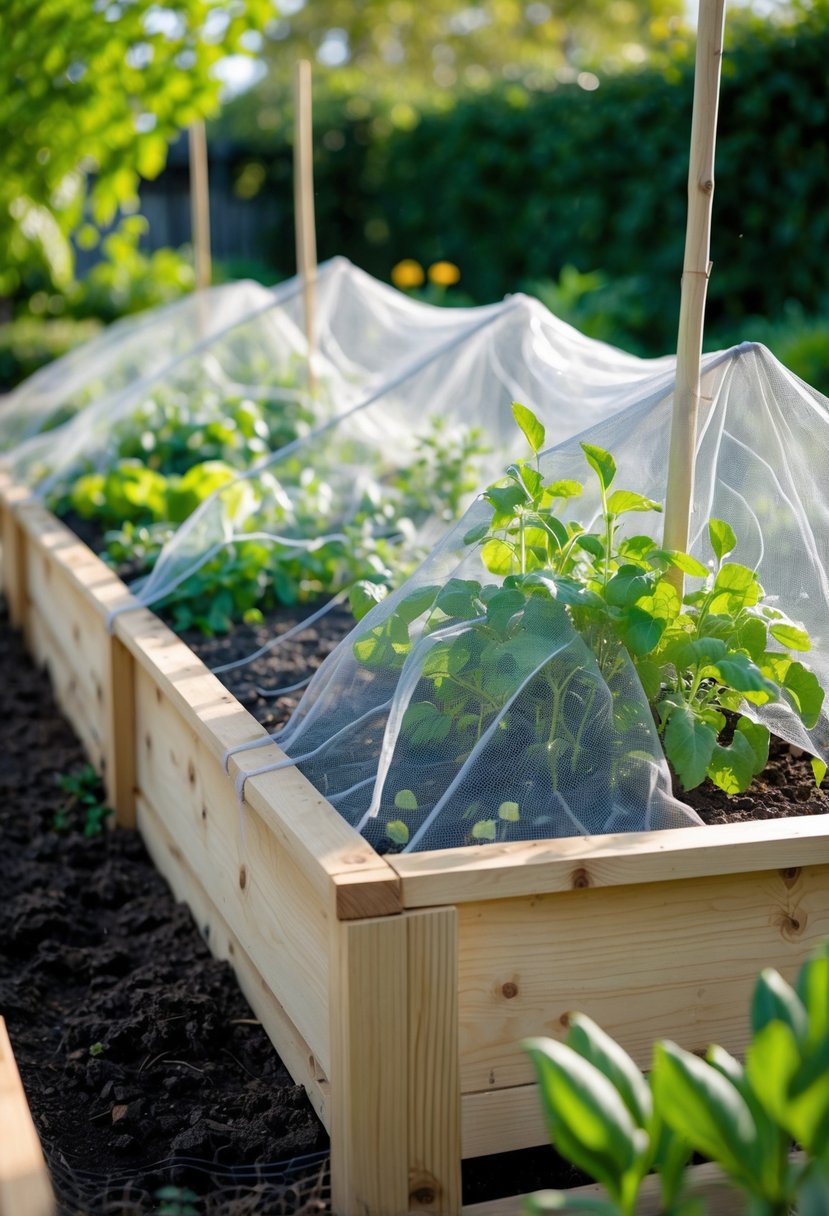
I build wooden frames using cedar or pine boards. The wood creates a sturdy base that lasts for years.
I stretch bird netting over the frame and secure it with clips. This protects my vegetables from birds while letting sunlight through.
2. PVC pipe hoop frame with mesh netting
shop the nets
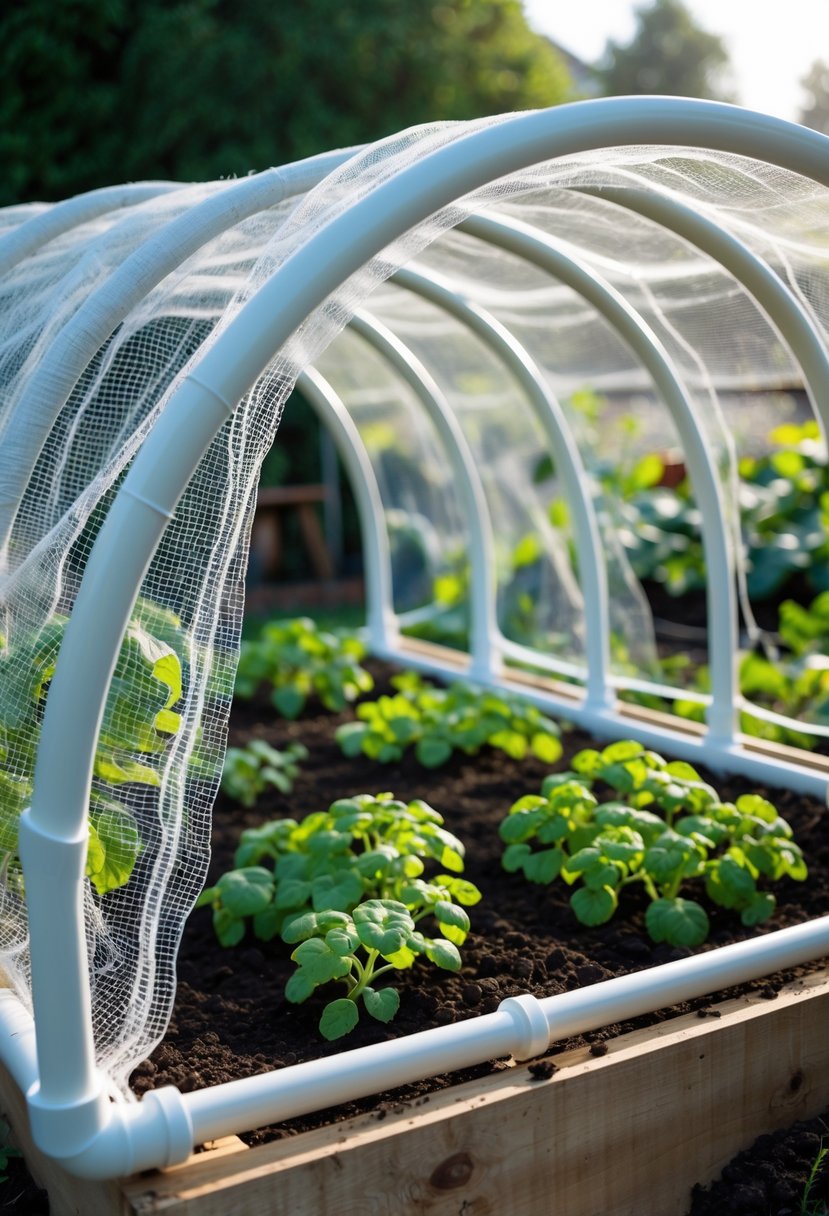
I use PVC pipes to create sturdy hoop frames over my raised beds. The lightweight pipes bend easily into arcs.
I attach heavy-duty mesh netting to these hoops. This protects my crops while letting pollinators reach the plants.
3. Metal cage enclosure with fine wire mesh
shop the nets
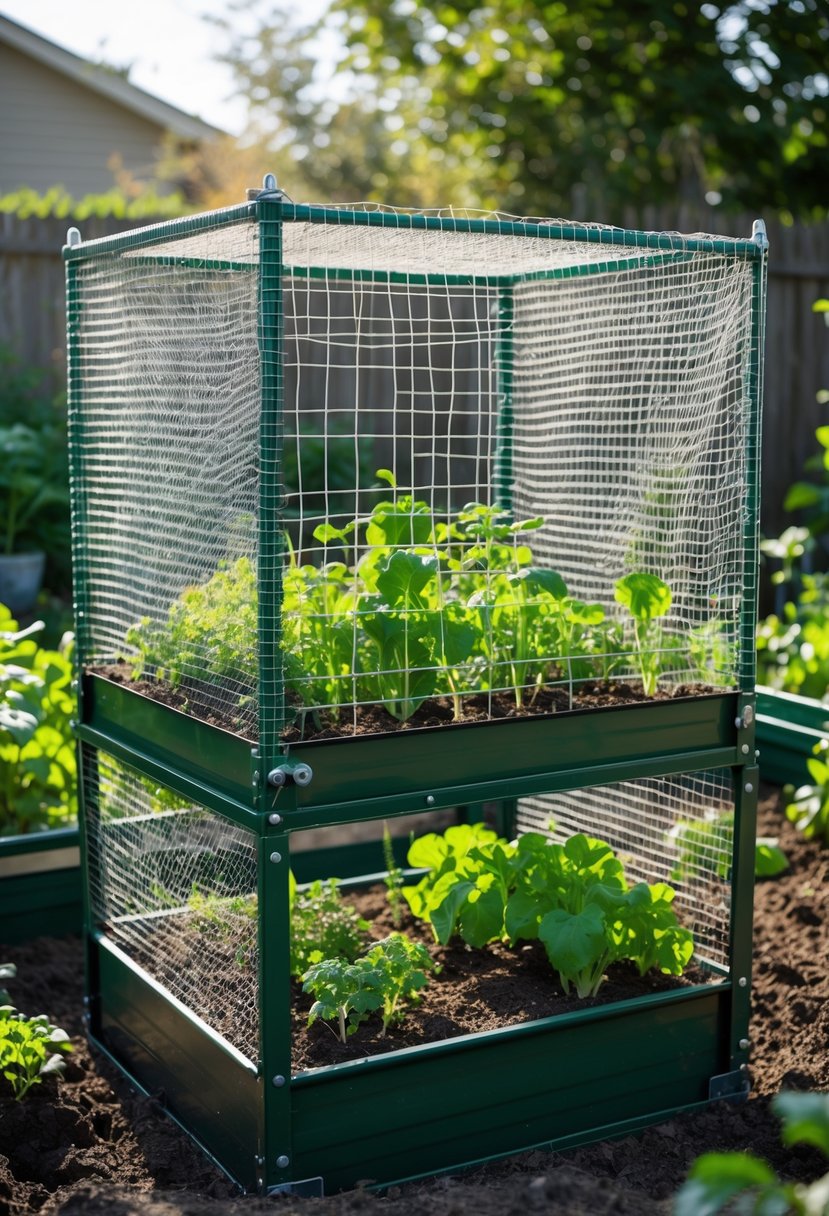
I recommend building a metal cage around your raised bed using fine wire mesh. This creates a strong barrier that keeps pests out while letting air and sunlight reach your plants.
The fine mesh stops small insects from getting through.
4. Floating row covers draped directly over plants
shop the nets
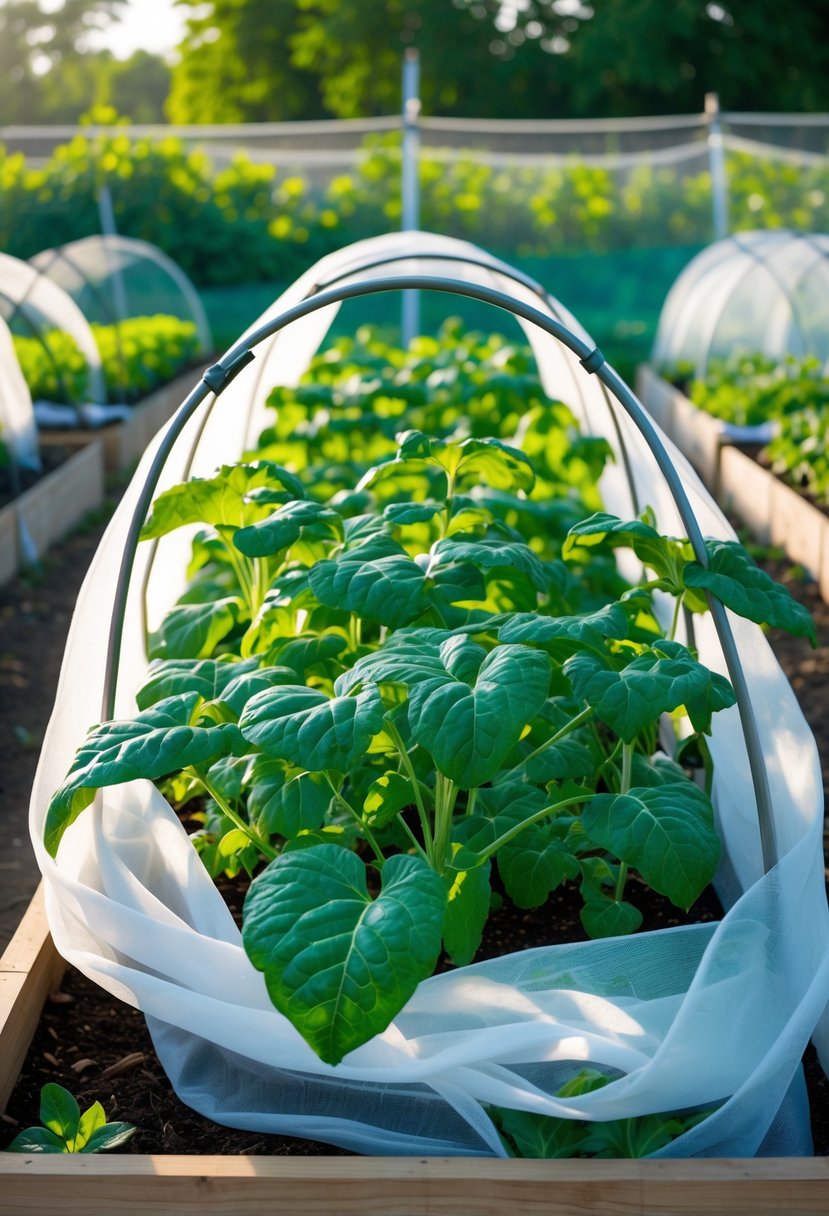
I drape lightweight fabric covers directly over my plants without any frame support. The covers rest on the plants and move with them as they grow.
This method works well for small plants and seedlings in raised beds.
5. Geotextile weedmat barrier as netting material
shop the nets
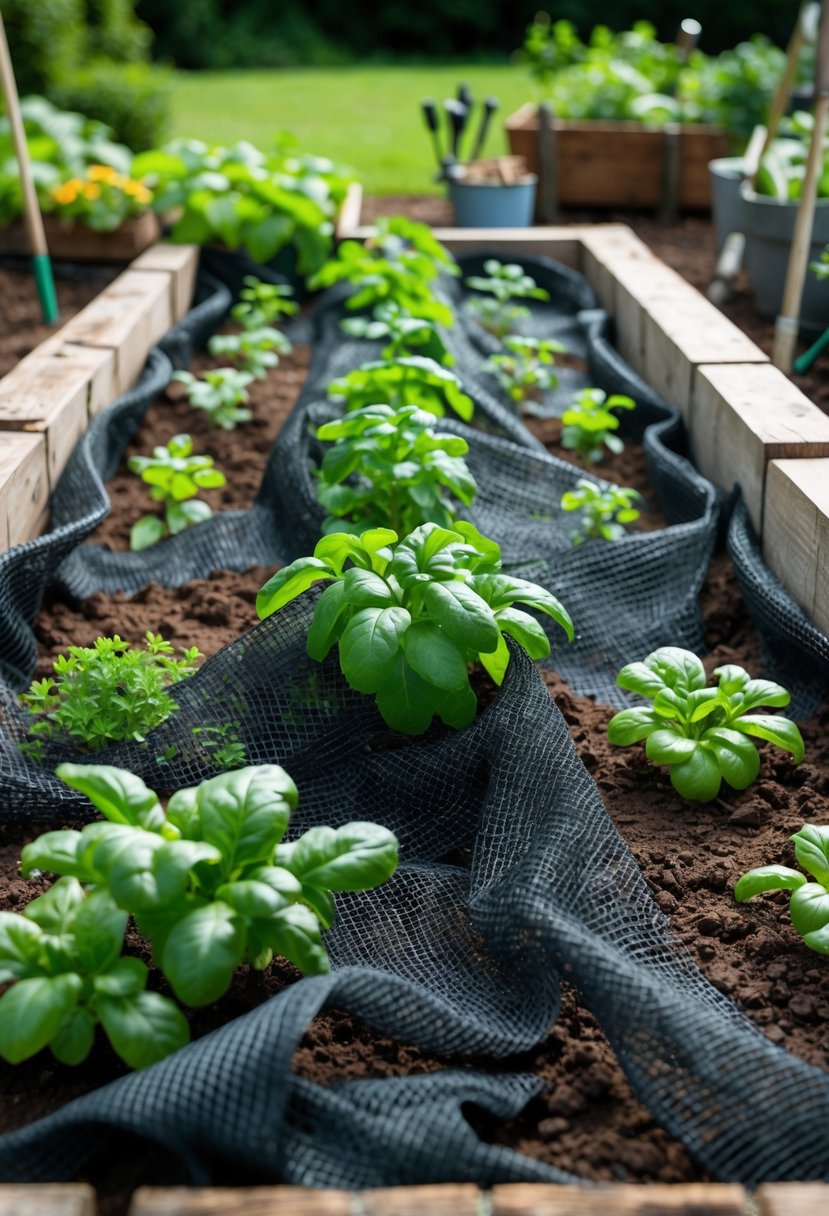
I’ve found that geotextile weedmat barriers work well as garden bed covers. These materials offer good puncture resistance while letting water through to plants underneath.
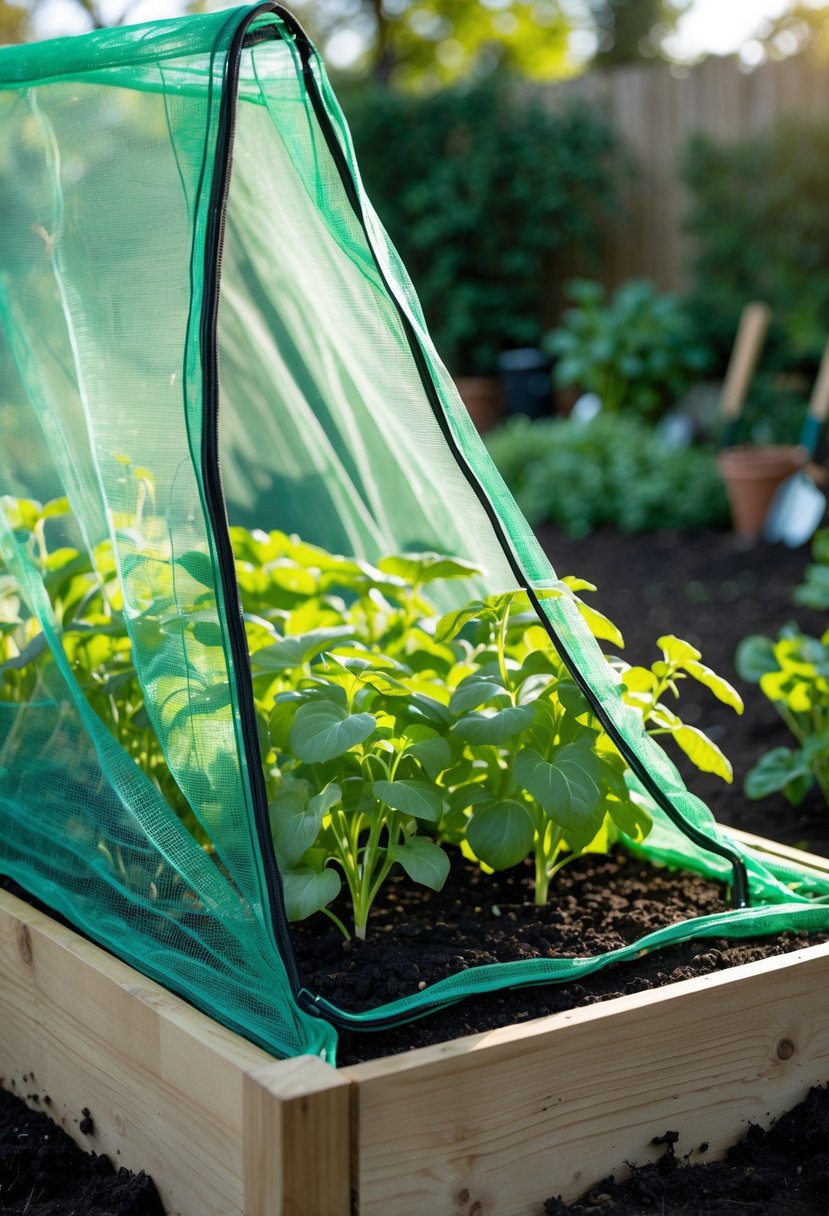
6. Removable netting structure with zippered access
shop the nets
I recommend zippered netting covers for easy garden access. The zipper door lets me water and harvest without removing the entire cover.
This design protects plants while keeping maintenance simple. I can reach any plant through the zippered opening.
7. Garden fabric secured with soil staples
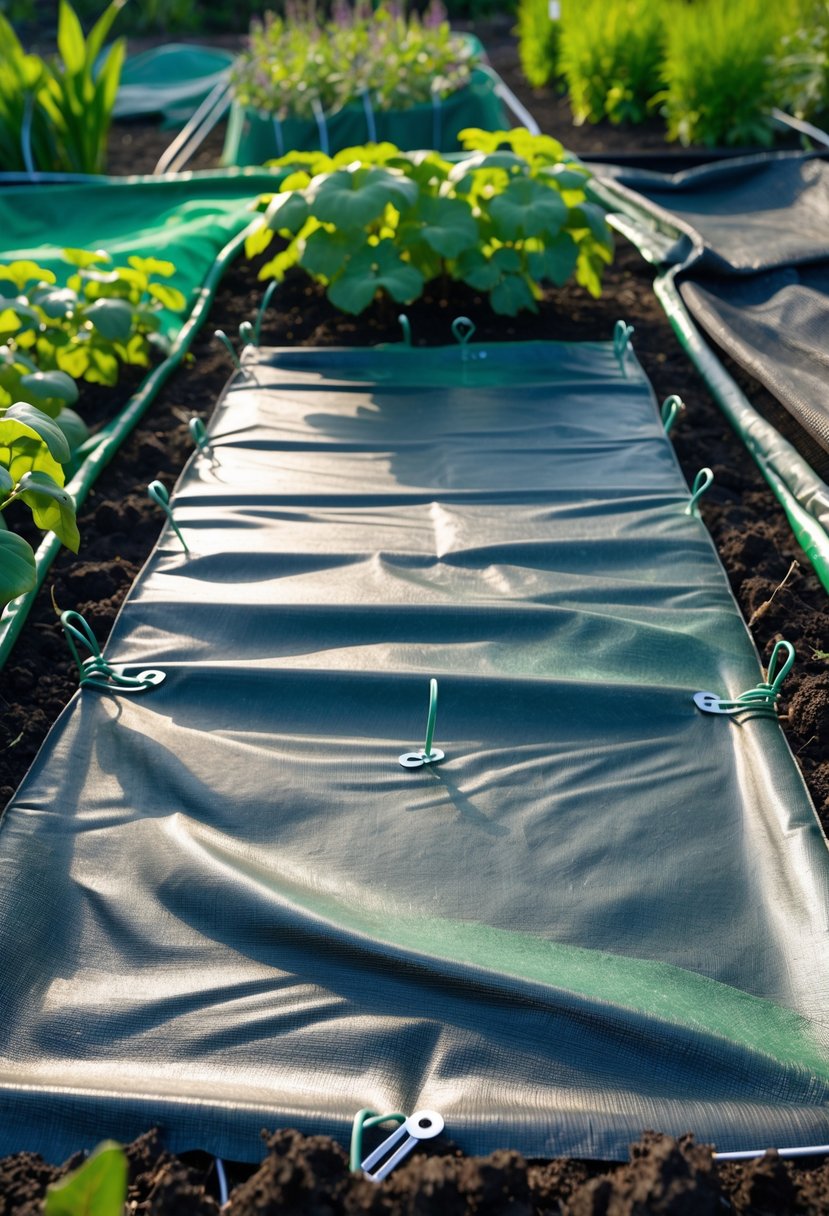
I use garden fabric with soil staples for my raised beds. This method works well to protect plants from pests.
The fabric drapes directly over plants. I secure the edges with soil staples to prevent wind damage.
shop the nets
8. Overhead canopy supported by bamboo poles
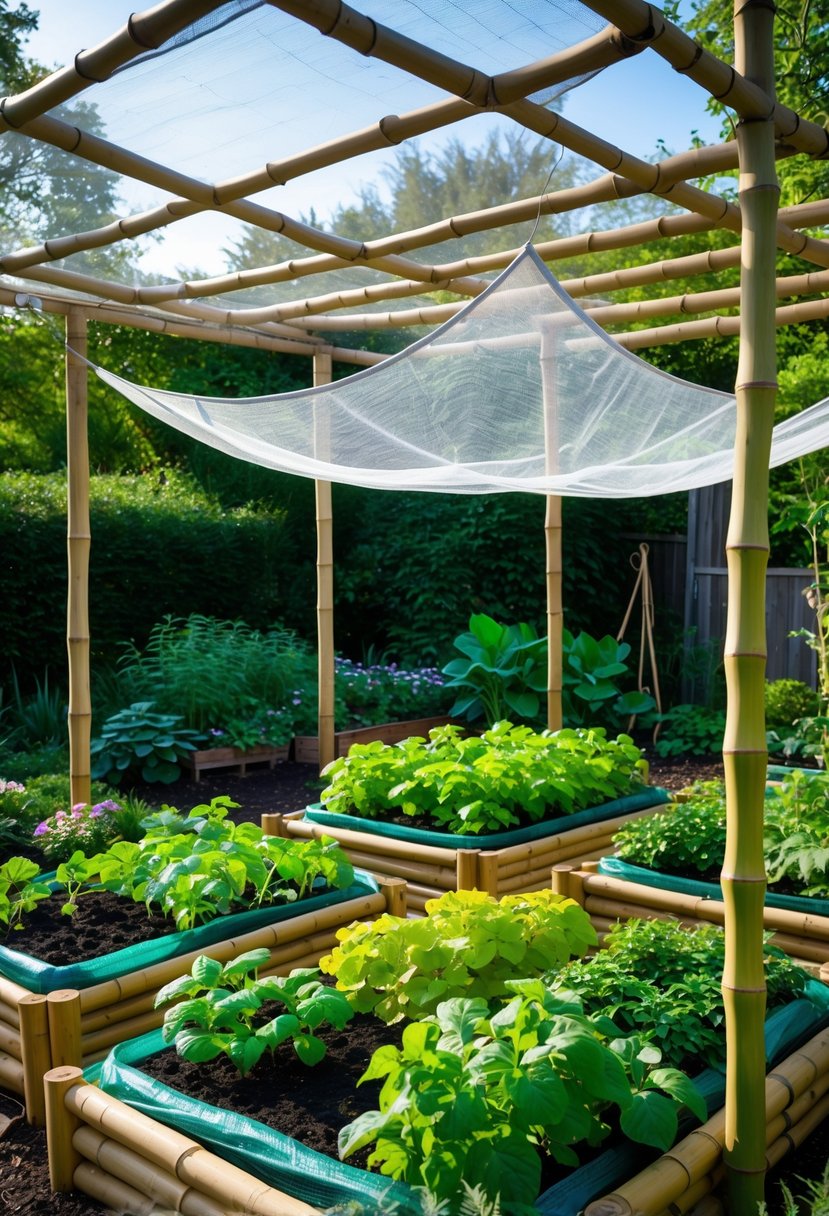
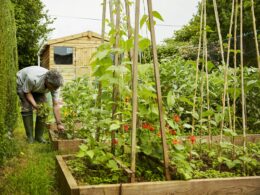
I create overhead canopies using bamboo poles as the frame structure. The bamboo poles form a grid pattern that supports netting or fabric above my raised beds.
I secure horizontal bamboo poles across vertical supports with twine at each intersection point.
9. Vertical trellis with integrated netting
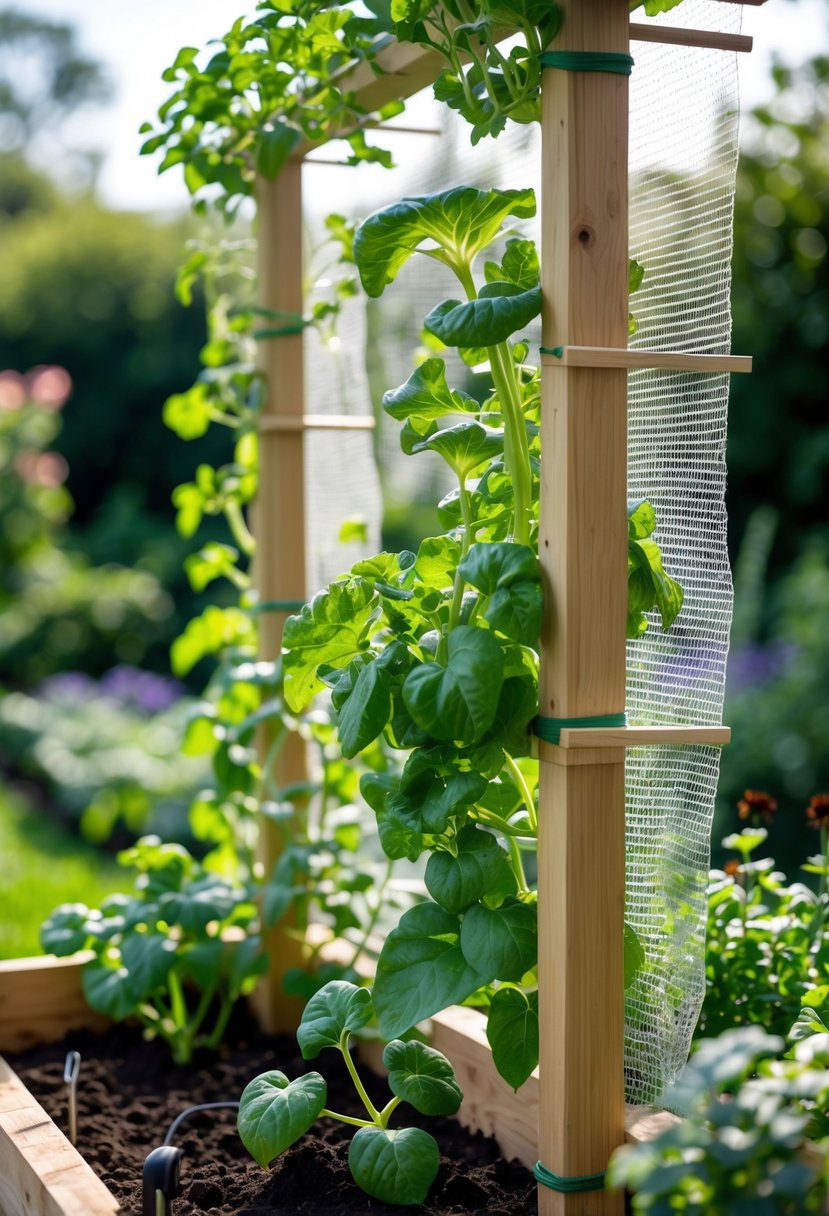
I combine wooden or metal trellis frames with garden netting for the best support system. This design works great for climbing vegetables like peas and beans.
The netting fills gaps between trellis slats. Plants get more places to grab and climb up.
10. Plastic garden mesh with UV protection
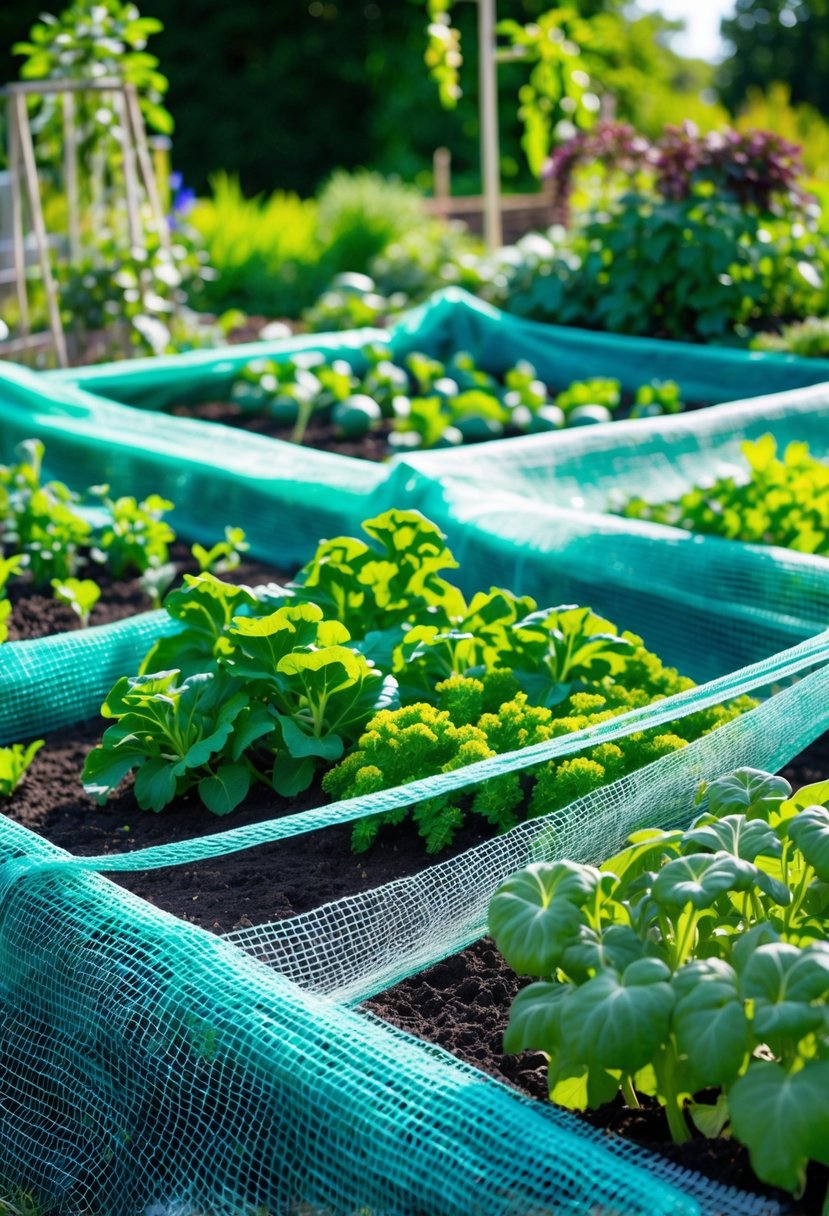
I recommend plastic mesh made from polyethylene or polypropylene materials. These meshes resist sun damage and last longer in outdoor conditions.
UV-resistant plastic mesh protects plants from birds and small pests while allowing sunlight and water through.
11. Bird netting secured by wooden stakes
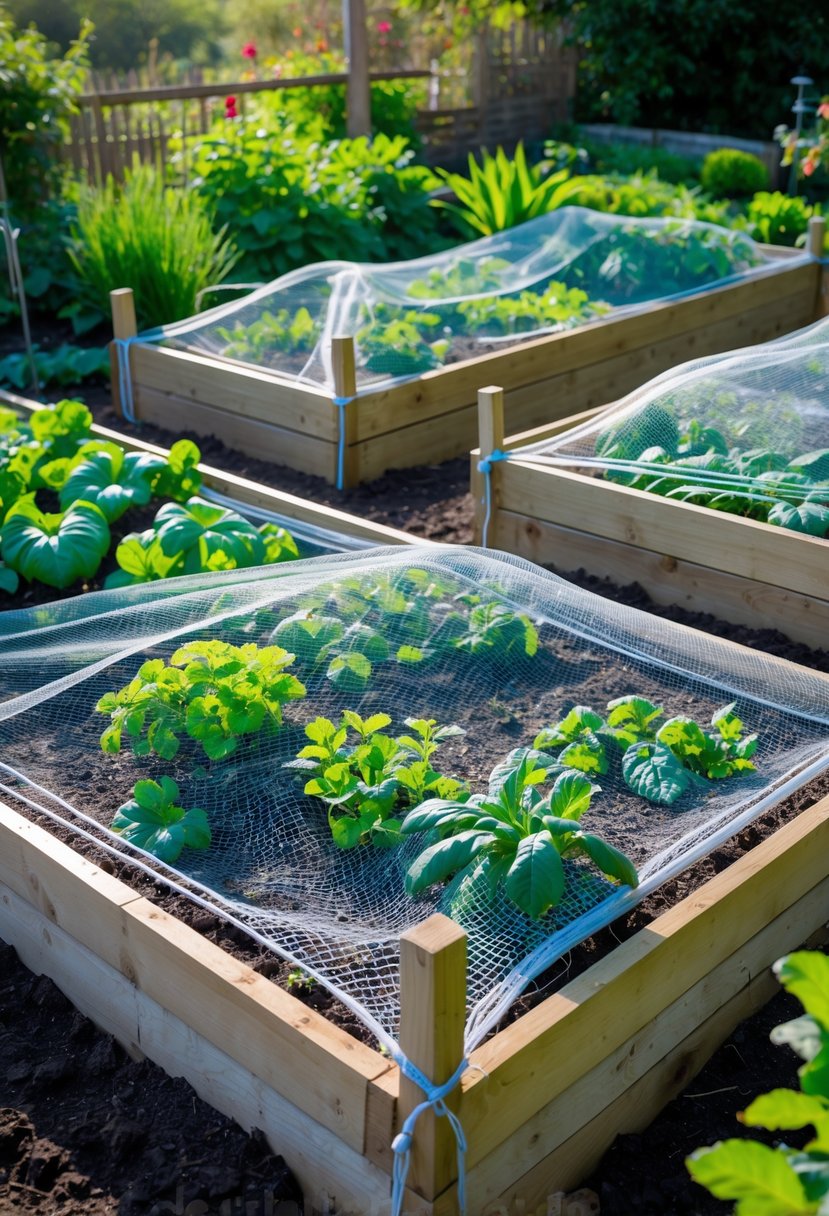
I use wooden stakes to anchor bird netting around my raised beds. The stakes drive easily into soil and hold the netting edges down securely.
This method works well for lightweight mesh protection.
12. Foldable netting frames for seasonal use
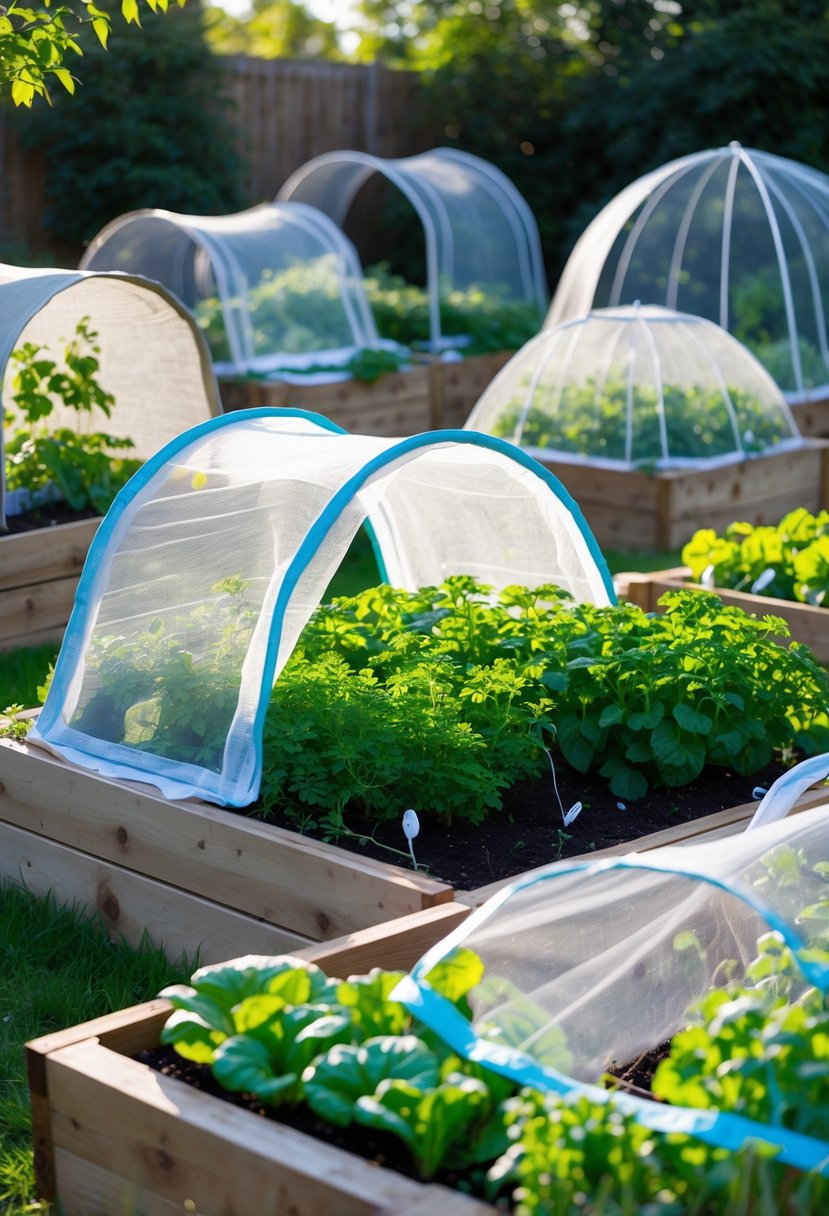
I use foldable netting frames for quick garden protection. These frames fold flat when not needed.
They work great for seasonal pest control. I store them easily during winter months.
13. Wire mesh panels attached to raised bed edges
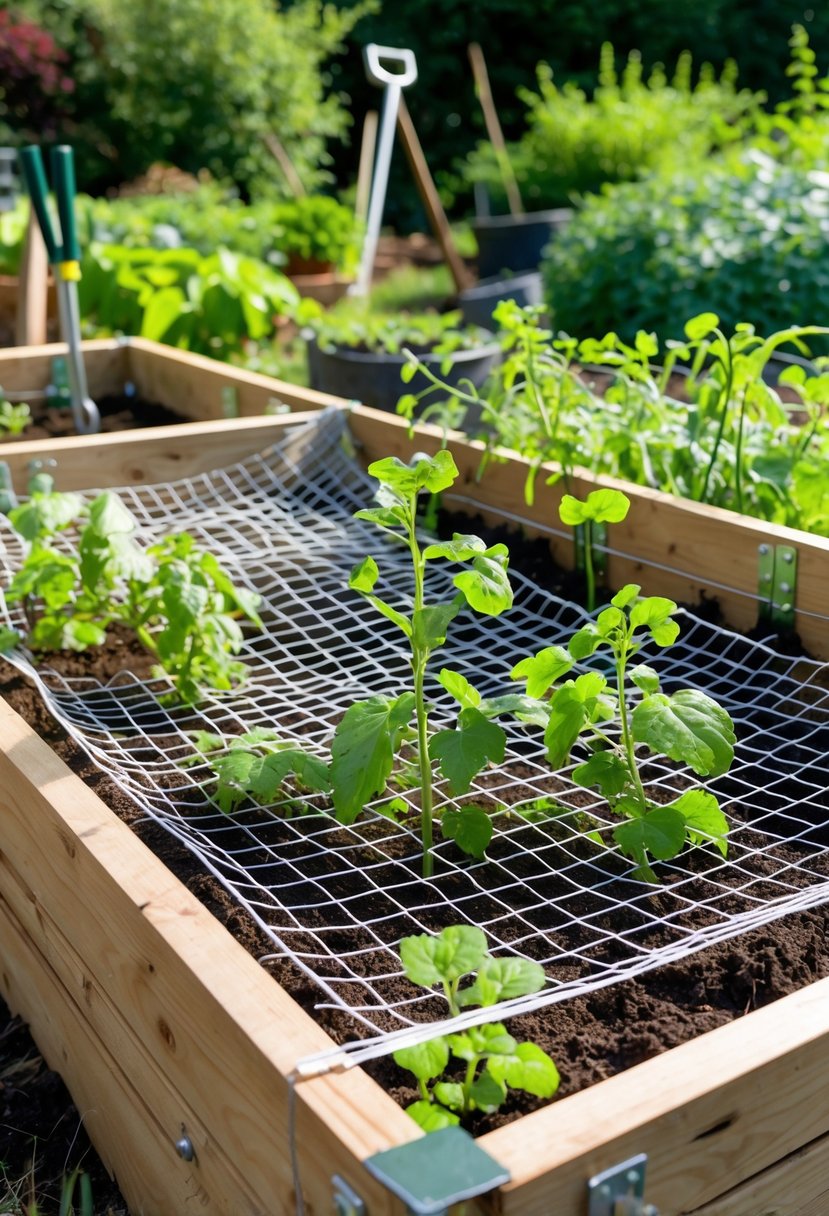
I attach wire mesh panels directly to my raised bed sides for pest protection. The mesh creates a barrier against rabbits, squirrels, and birds.
I secure panels using zip ties or clips to the bed frame. This method works well with wooden or metal raised beds.
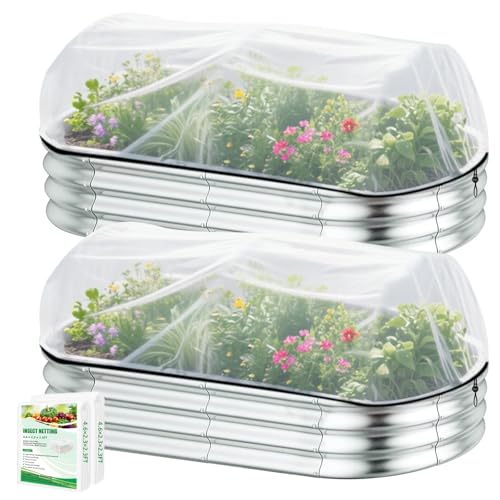
14. Mesh tunnel cover with zipper entry
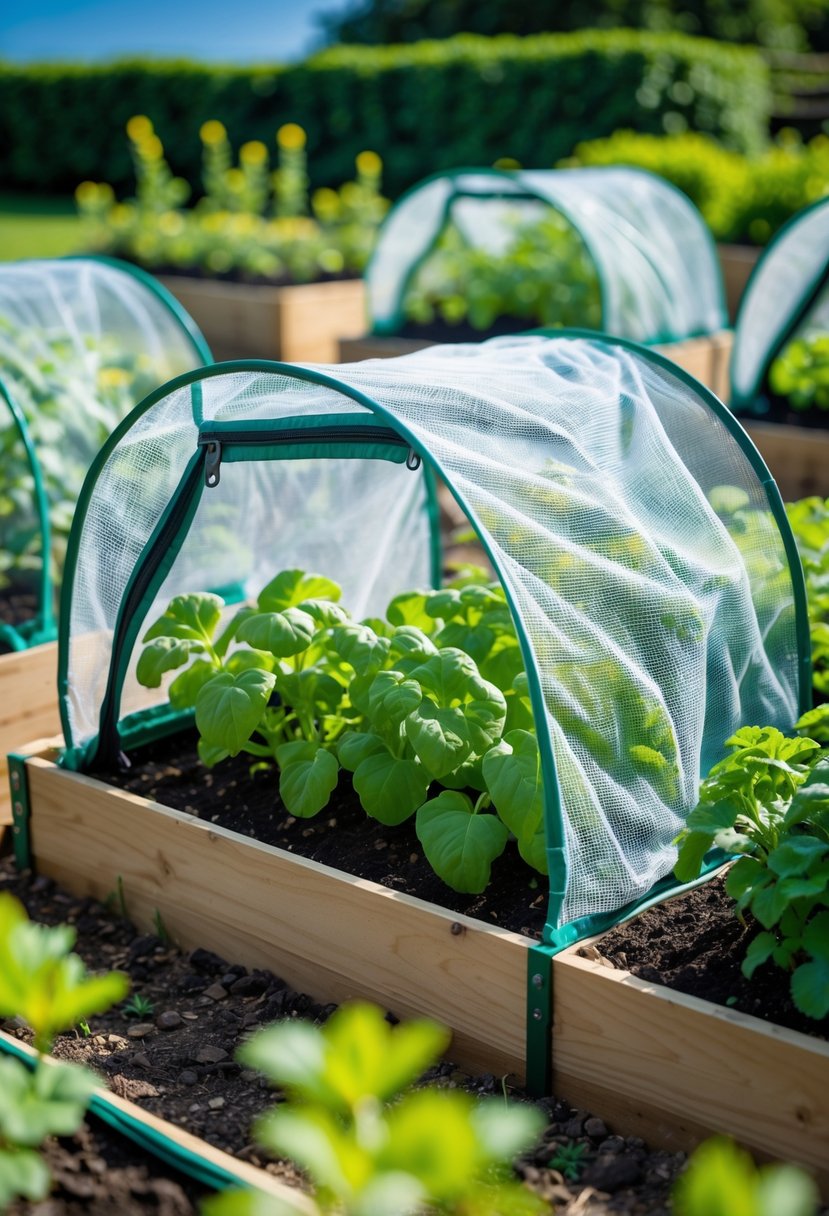
I find mesh tunnel covers with zippered doors perfect for my raised beds. The zipper entry lets me water and tend plants without removing the entire cover.
These covers typically measure around 98 by 49 inches and feature roll-up doors.
15. Heavy-duty nylon netting with reinforced edges
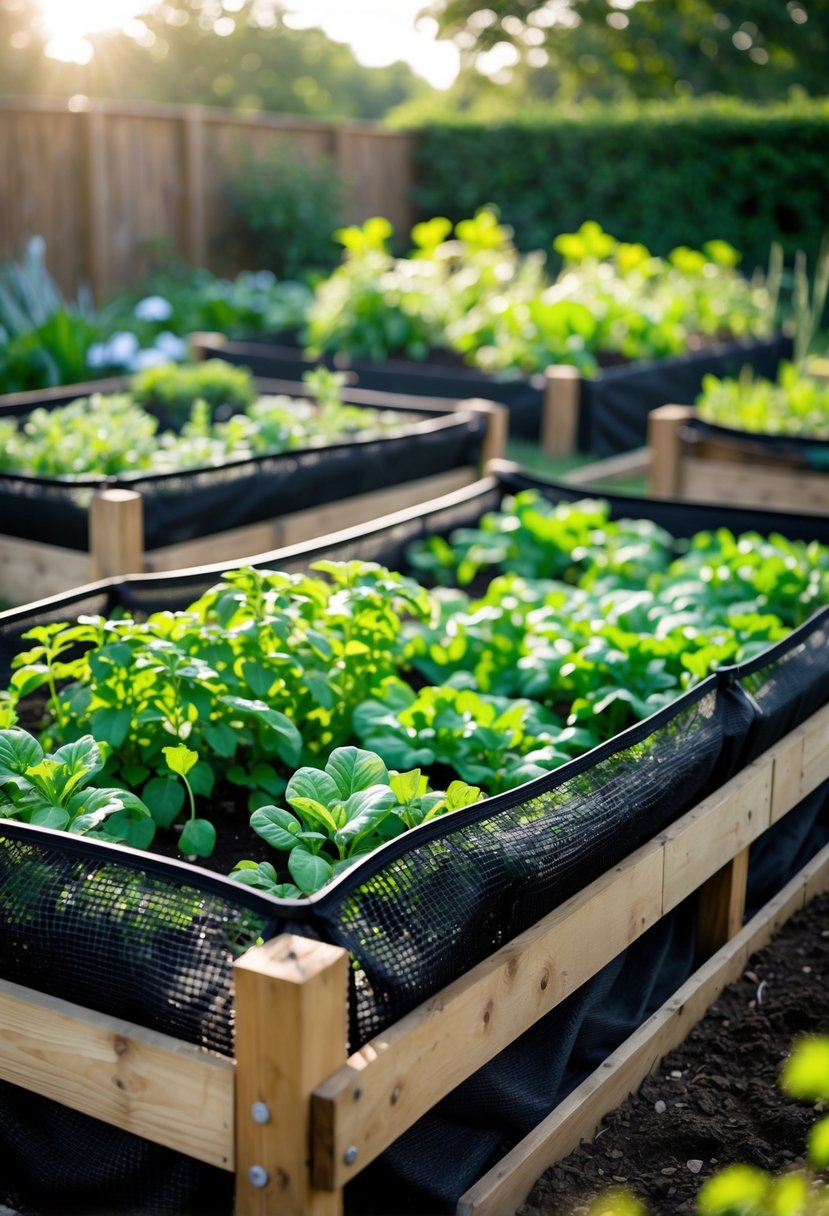
I recommend heavy-duty nylon netting with reinforced edges for raised beds that need strong plant support. The reinforced edges prevent tearing and add durability for long-term garden use.