






In This Article Show
Vertical gardening is a smart way to grow plants when you don’t have a lot of space. It lets you use walls, fences, and other upright spots to create a garden. This type of gardening is great for small yards, balconies, or even indoors.

Growing plants vertically can help you save space and still have a nice garden. We can grow many types of plants this way, from vegetables to flowers.
It’s a fun way to add green to your home without needing a big yard. Let’s look at some of the best plants for vertical gardens in small spaces.
1. Pothos
Pothos is a top choice for vertical gardening in small spaces. This versatile plant is known for its trailing vines and heart-shaped leaves.
We love pothos for its easy care requirements. It thrives in various light conditions, from low to bright indirect light. This adaptability makes it perfect for different areas in your home.
Pothos grows quickly and can reach impressive lengths. We can train it to climb trellises, walls, or even indoor support structures. This vertical growth habit maximizes space usage in compact areas.
The plant comes in several attractive varieties. Some have solid green leaves, while others feature marbled patterns of white, yellow, or silver. This diversity allows us to create visually interesting vertical displays.
Pothos also helps purify indoor air, making it a functional and beautiful addition to any small space vertical garden.
2. English Ivy

English Ivy is a great choice for vertical gardens in small spaces. This evergreen climber can create a lush green wall that looks good year-round. It’s especially nice in fall and winter when other plants lose their leaves.
English Ivy is tough and can grow in many conditions. It doesn’t need much care once it’s established. The plant can spread quickly, covering walls and fences with its attractive leaves.
We like English Ivy for its ability to purify air indoors. It can remove harmful toxins, making it a smart pick for small indoor spaces. The plant also does well outdoors, adding a classic touch to garden walls.
When planting English Ivy, give it something to climb on. A trellis or wire mesh works well. With proper support, it can grow quite tall, making the most of limited space in small gardens.
3. Philodendron
Philodendrons are excellent choices for vertical gardening in small spaces. These versatile plants come in many varieties, including climbing, crawling, and upright types.
Climbing philodendrons are perfect for trellises or hanging baskets. They have heart-shaped leaves and can grow quite long, adding a lush, green touch to any vertical space.
Crawling philodendrons spread along the ground but can be trained to grow upwards. They’re great for filling in gaps and creating a full look in vertical gardens.
Upright philodendrons have a more tree-like appearance. They can grow without support and add structure to vertical plantings.
We love philodendrons for their easy care and adaptability. They thrive in bright, indirect light and don’t need frequent watering. Their glossy leaves come in various shapes and colors, adding visual interest to any vertical garden setup.
4. String of Pearls
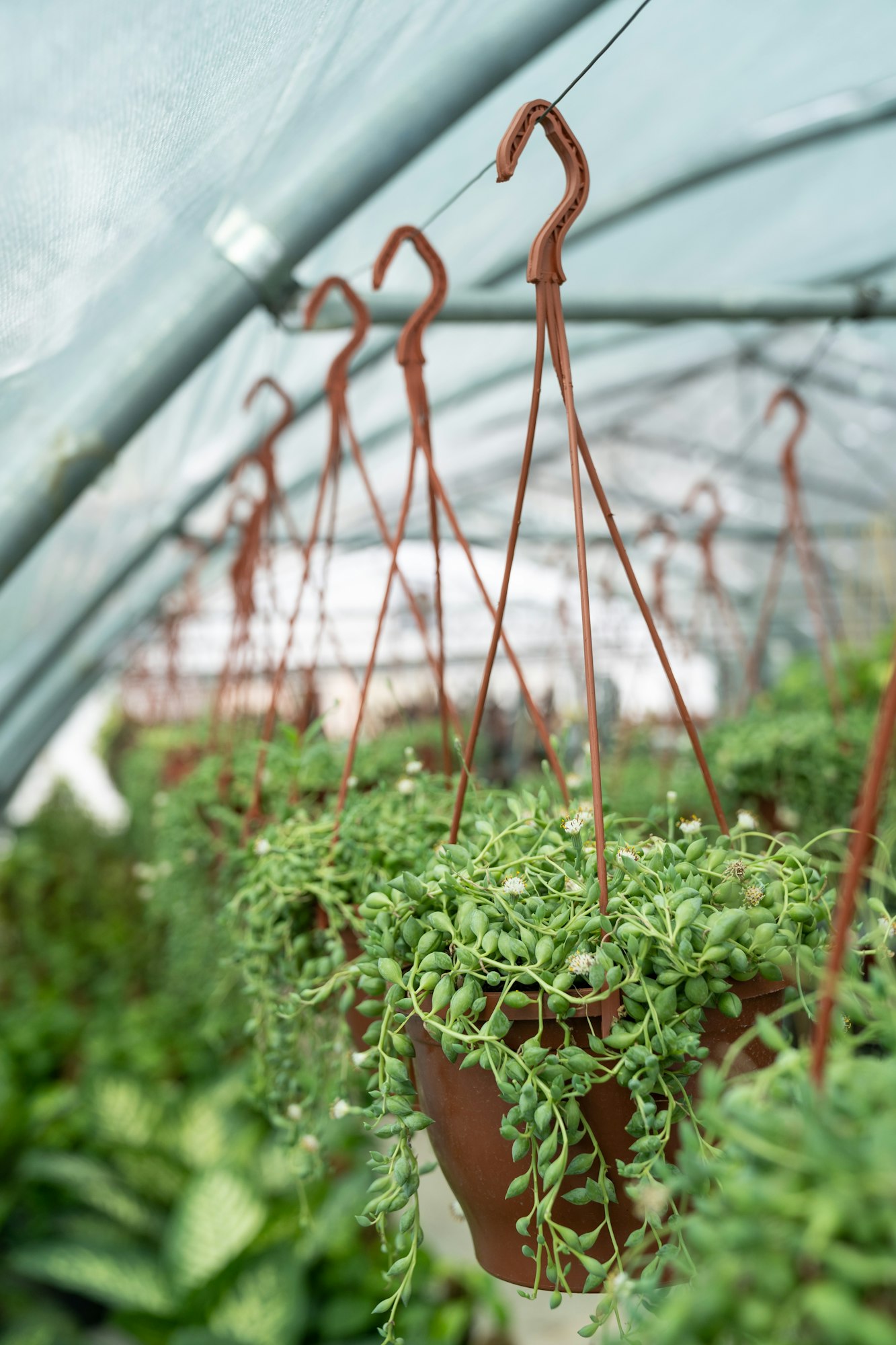
String of Pearls is a charming plant that’s perfect for vertical gardens in small spaces. Its unique trailing stems are covered in small, round leaves that look like little green pearls.
We love how this plant adds whimsy to any vertical setup. It’s non-invasive and stays contained, which is great for tight spots where we want plants to behave.
String of Pearls thrives in bright light but can handle some shade. It’s drought-tolerant, making it easy to care for. We suggest planting it in a pot with drainage holes using cactus potting mix.
This succulent looks stunning in hanging baskets or cascading down from high shelves. It’s a real conversation starter too – guests often ask about those fun, bead-like leaves.
With its compact size and low maintenance needs, String of Pearls is a top pick for vertical gardens in small areas.
5. Spider Plant
Spider plants are perfect for vertical gardening in small spaces. These easy-to-grow plants have long, arching leaves that cascade down beautifully.
We love spider plants for their air-purifying abilities. They remove indoor pollutants, making them great for bedrooms and offices.
Spider plants thrive in bright, indirect light. We can hang them in macramé planters or place them on high shelves to showcase their trailing foliage.
These plants are low-maintenance and drought-tolerant. We only need to water them when the soil feels dry. They also produce baby plants called “spiderettes” that can be propagated easily.
For vertical gardens, we can use tiered planters or wall-mounted pockets. The contrasting green and white striped leaves add visual interest to any space.
6. Fern

Ferns are excellent choices for vertical gardens in small spaces. These lush, leafy plants thrive in shady spots and add a touch of elegance to any wall or hanging basket.
Many fern varieties work well in vertical setups. Boston ferns and maidenhair ferns are popular options that create a cascading effect. Their delicate fronds add texture and visual interest.
Ferns prefer indirect light and cooler temperatures. This makes them ideal for north-facing walls or shaded balconies. They also do well in humid environments, so bathrooms can be great spots for fern-filled vertical gardens.
We love how ferns can grow in limited soil. This trait allows them to flourish in small containers or pockets on living walls. With proper care, these versatile plants will create a lush, green backdrop in tight spaces.
7. Swiss Cheese Plant
Swiss cheese plants are perfect for vertical gardening in small spaces. These tropical beauties have large, glossy leaves with distinctive holes and splits.
We love how they can climb and trail, making them ideal for walls or tall structures. They’re easy to grow and care for, needing only moderate watering and bright, indirect light.
To propagate, we can take stem cuttings with a few leaves attached. We place them in water or moist soil until roots develop.
Swiss cheese plants prefer warm temperatures and humidity. We can mist their leaves or use a pebble tray to increase moisture around them.
As they grow, we can guide them up a trellis or moss pole. This supports their natural climbing habit and helps them thrive in vertical spaces.
8. Hoya
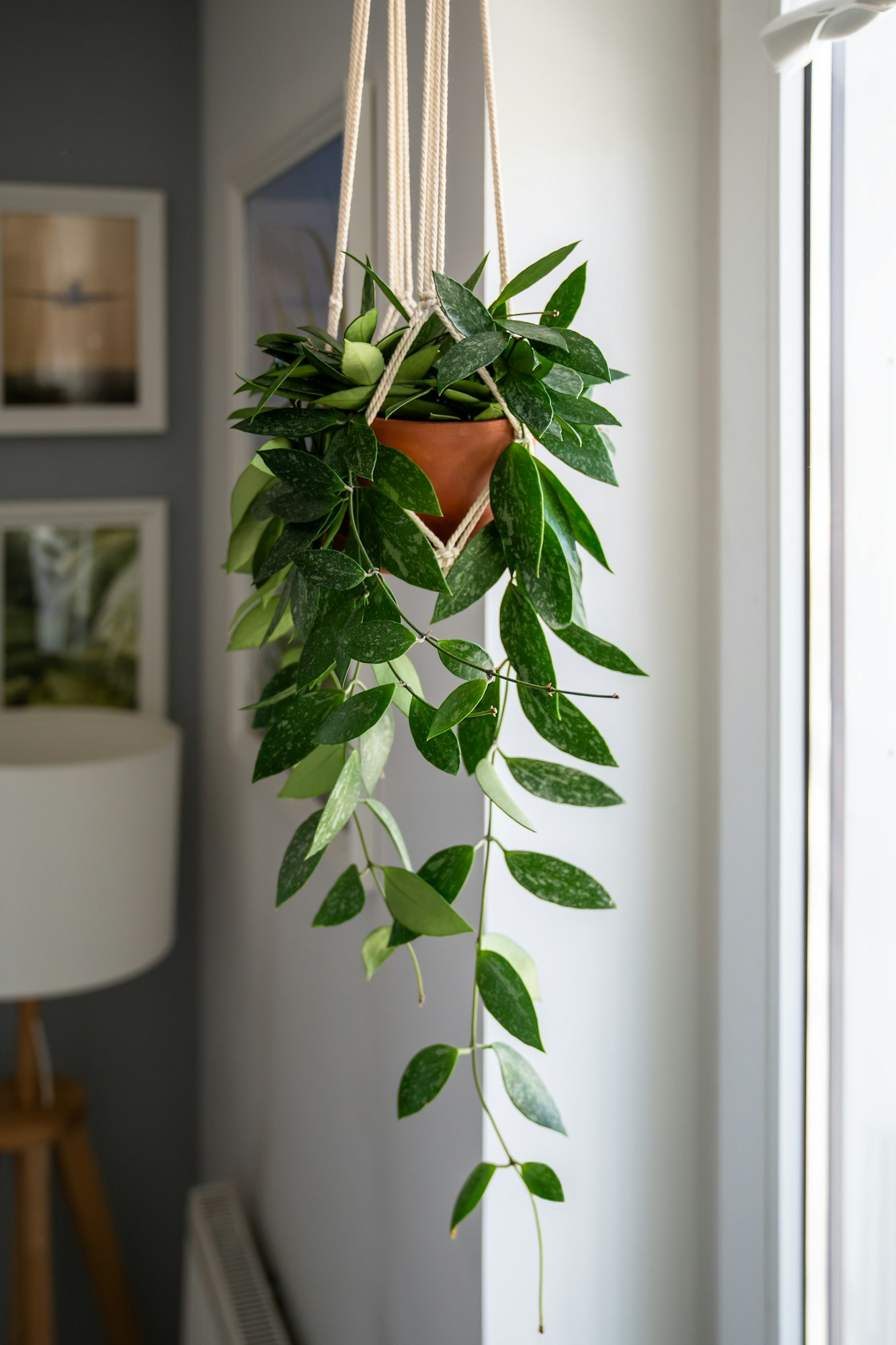
Hoyas are great plants for vertical gardening in small spaces. These vining plants have beautiful waxy leaves and stunning flowers. Many hoya varieties stay compact, making them perfect for tight spots.
We love hoyas for their low maintenance needs. They don’t require frequent watering and can thrive in various light conditions. Their trailing vines look amazing cascading down from hanging baskets or climbing up trellises.
Some small-leaf hoya varieties work especially well in vertical gardens. Hoya pubicalyx ‘Cherry’ produces deep red flowers and grows only 2-4 inches tall. Hoya carnosa ‘Mathilde’ is another compact option with variegated foliage.
For a unique look, try Hoya kentiana ‘Lori Lyn’ with its long, pointy leaves. Or go for the tightly clustered leaves of Hoya compacta ‘Regalis’, which has eye-catching pale yellow and green variegation.
9. Boston Fern
Boston ferns are great picks for vertical gardens in small spaces. They have lush, feathery fronds that create a beautiful cascading effect.
These ferns thrive in partial to full shade, making them perfect for shaded walls or indoor vertical gardens. They prefer humid environments, so misting them regularly can help keep them healthy.
Boston ferns are low-maintenance plants that don’t need much pruning. They grow well in hanging baskets or wall-mounted planters.
We love how Boston ferns add a tropical feel to any space. Their bright green color can liven up a dull wall or corner.
When planting Boston ferns vertically, make sure to use a well-draining potting mix. Water them when the top inch of soil feels dry to the touch.
10. Fiddle Leaf Fig

Fiddle leaf figs are popular indoor plants that can thrive in vertical gardens. These trees have large, violin-shaped leaves that add a bold, tropical look to any space.
Fiddle leaf figs grow best in bright, indirect light. They prefer consistent moisture but don’t like soggy soil. We recommend watering when the top inch of soil feels dry.
These plants can grow quite tall, making them ideal for filling vertical space. Regular pruning helps maintain their size and shape for small areas.
Repotting is only needed every 3-4 years. When repotting, choose a pot just 2-4 inches larger than the current one.
To encourage fuller growth, we can pinch off the tips of stems. This promotes branching and more leaves. With proper care, fiddle leaf figs make stunning additions to vertical gardens.
11. Golden Pothos
Golden Pothos is a fantastic choice for vertical gardens in small spaces. This hardy vine grows quickly and can reach lengths of up to 6-8 feet indoors.
The heart-shaped leaves feature beautiful golden variegation, adding a bright touch to any space. Golden Pothos thrives in various light conditions, from low to bright indirect light.
We love how easy Golden Pothos is to care for. It doesn’t need frequent watering and can bounce back from occasional neglect.
This plant is great for hanging baskets or climbing trellises. It can also trail down from high shelves, creating a lush, cascading effect.
Golden Pothos helps purify indoor air by removing common pollutants. This makes it both beautiful and functional in small spaces.
12. Purple Heart

Purple Heart is a stunning plant for vertical gardens in small spaces. Its vibrant purple leaves add a pop of color to any wall or hanging basket. This hardy plant is easy to grow and maintain.
Purple Heart thrives in full sun to partial shade. It grows quickly and can trail up to 3 feet long. We love how it cascades down from hanging planters or climbs up trellises.
This plant is drought-tolerant once established. It needs well-draining soil and moderate watering. Purple Heart is also frost-hardy in many regions.
We can easily propagate Purple Heart from stem cuttings. This makes it a cost-effective choice for filling vertical spaces. Its dense growth habit provides good coverage on walls or screens.
13. Bird’s Nest Fern
Bird’s nest ferns are great choices for vertical gardens in small spaces. These ferns have unique, broad leaves that form a nest-like shape, adding visual interest to any wall.
We love bird’s nest ferns for their ability to thrive in low light conditions. This makes them perfect for shady spots or indoor vertical gardens.
These ferns prefer high humidity, so they’re ideal for bathrooms or kitchens. To keep them happy, we recommend misting them regularly or using a pebble tray with water.
When planting bird’s nest ferns vertically, we use a peat-based potting mix. This helps retain moisture without waterlogging the roots.
Bird’s nest ferns grow best in temperatures between 65°F and 90°F. We avoid exposing them to cold drafts or extreme heat to keep them healthy.
With proper care, these ferns can become stunning focal points in your vertical garden. Their lush, green leaves bring a touch of nature to any small space.
14. Snake Plant
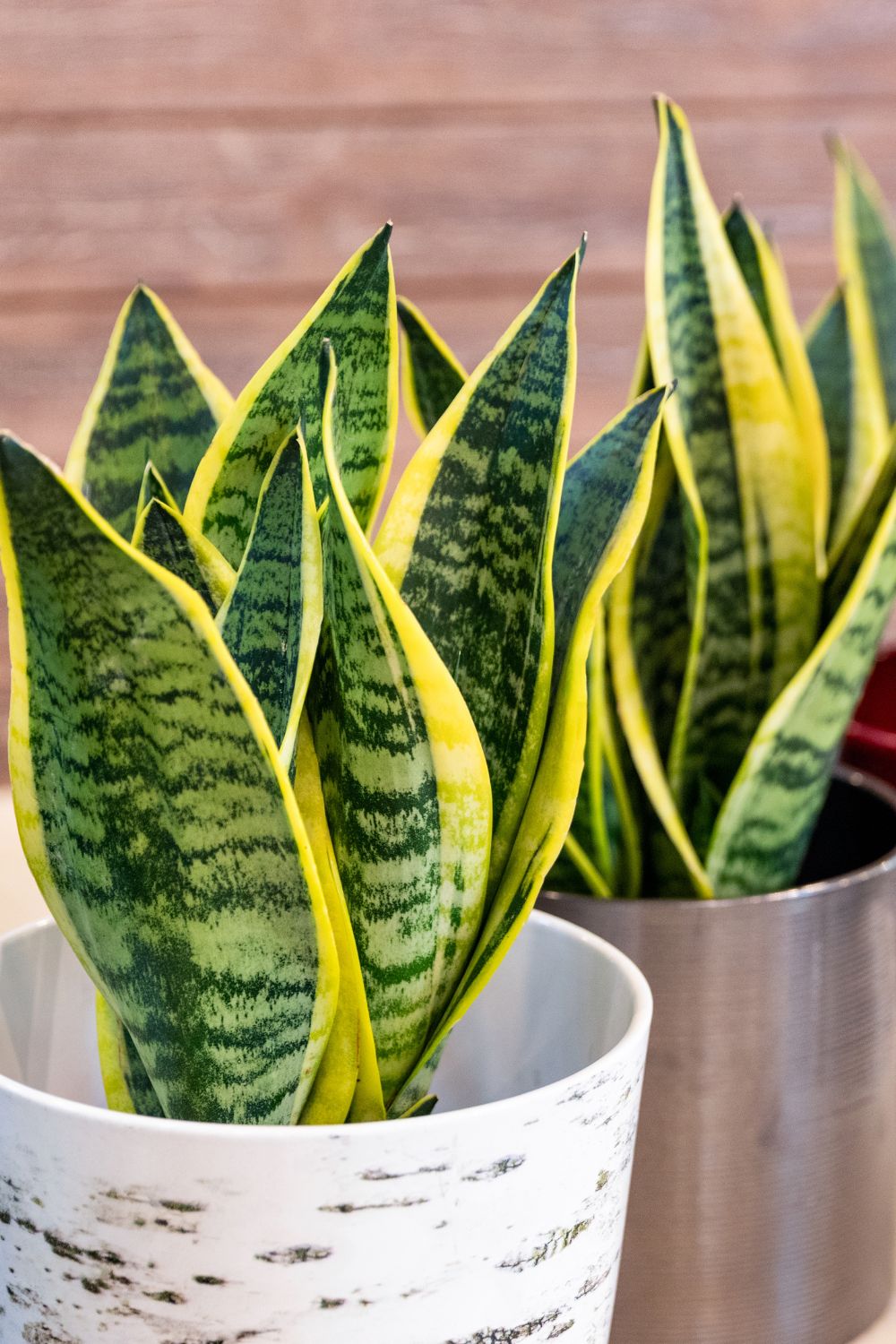
Snake plants are great for vertical gardening in small spaces. These hardy plants can thrive in low-light conditions and don’t need much water. Their tall, upright leaves make them perfect for adding height to a vertical garden.
We love snake plants for their air-purifying abilities. They can help remove toxins from indoor air, making them a healthy choice for small apartments.
There are many compact varieties of snake plants ideal for tight spaces. The “Bird’s Nest” type forms a small rosette shape, perfect for shelves or tabletops. The “Moonshine” variety has striking silvery-green leaves that add elegance to any vertical display.
Snake plants are very low-maintenance. They can tolerate neglect and still look great. This makes them an excellent choice for busy people or those new to gardening.
15. Chinese Money Plant
Chinese money plants are perfect for vertical gardening in small spaces. These compact plants have round, coin-shaped leaves that add a unique touch to any room.
We love how easy these plants are to care for. They thrive in bright, indirect light and don’t need much water. This makes them ideal for busy plant owners or beginners.
Chinese money plants grow well in small pots, so they won’t take up much space. They also produce little “pups” or baby plants that can be easily propagated.
For vertical gardens, we suggest placing these plants on shelves or hanging them in baskets. Their cascading growth habit looks great when displayed at different heights.
Remember to rotate your Chinese money plant regularly. This helps it grow evenly and maintain its bushy shape. With proper care, these charming plants will bring a touch of green to even the tiniest spaces.
16. Zebra Plant
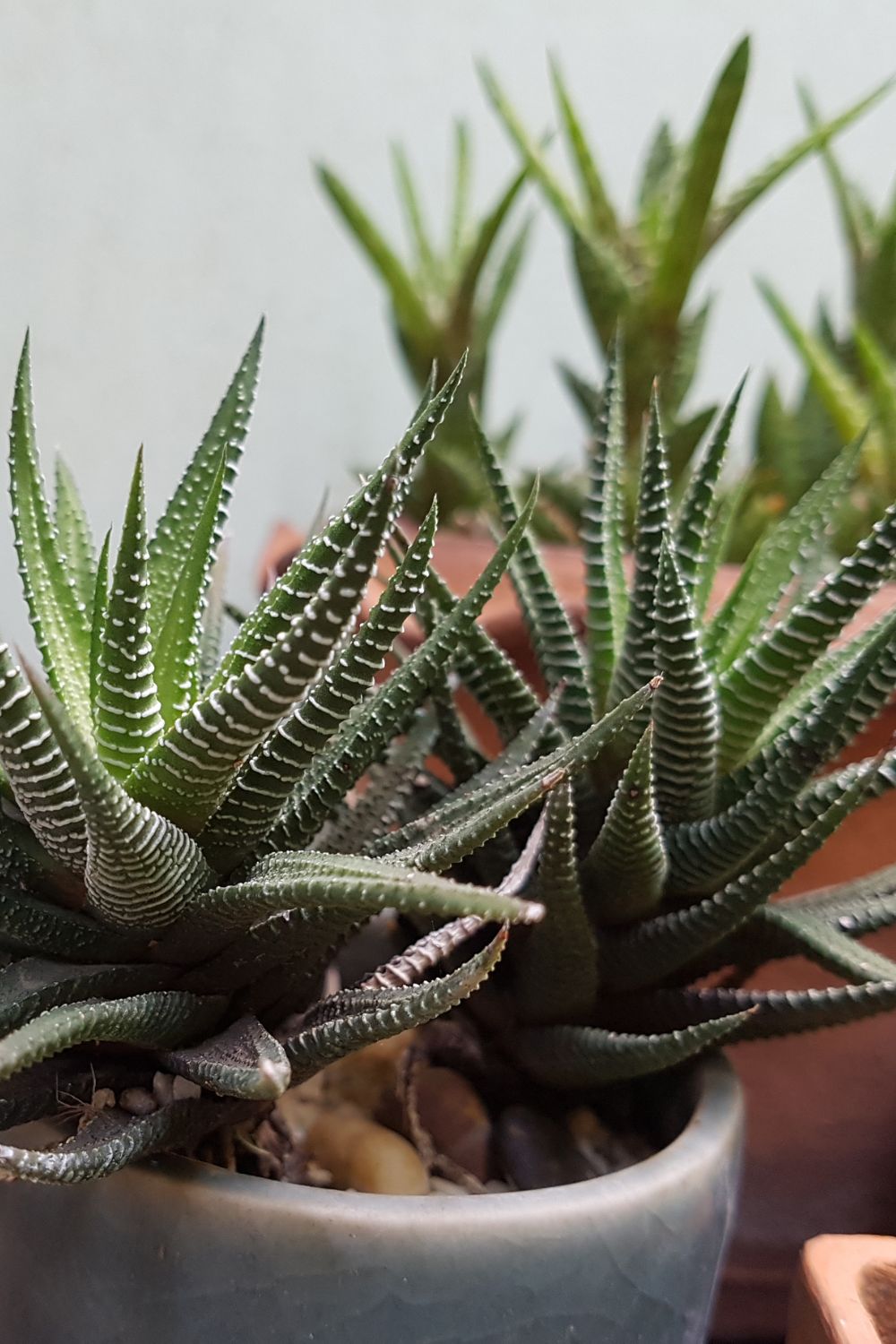
Zebra plants are stunning additions to vertical gardens in small spaces. Their eye-catching foliage features bold white stripes against deep green leaves. This tropical beauty thrives in warm, humid environments.
We recommend placing zebra plants in bright, indirect light for best growth. They prefer moist soil but don’t like to be waterlogged. Regular misting helps maintain the humidity they crave.
Zebra plants stay relatively compact, making them ideal for vertical setups. Their dramatic leaves create visual interest and contrast. We love pairing them with solid green plants for a striking display.
These plants occasionally produce tall, golden flower spikes that add even more appeal. With proper care, zebra plants can be showstoppers in any vertical garden arrangement.
17. Creeping Fig
Creeping fig is a versatile plant that thrives in vertical gardens. It’s a member of the Ficus family and has small, heart-shaped leaves that create a lush green cover.
This plant can grow up to 15 feet tall and spread 3 to 6 feet wide. It’s ideal for covering walls, fences, or trellises in small spaces.
Creeping fig is low-maintenance and adapts well to various light conditions. It prefers partial shade but can tolerate full sun or shade.
We love creeping fig for its ability to cling to surfaces without support. Its tiny roots attach to walls, creating a seamless green backdrop.
This plant is also known for its air-purifying qualities. It can help improve indoor air quality while adding a touch of nature to your space.