







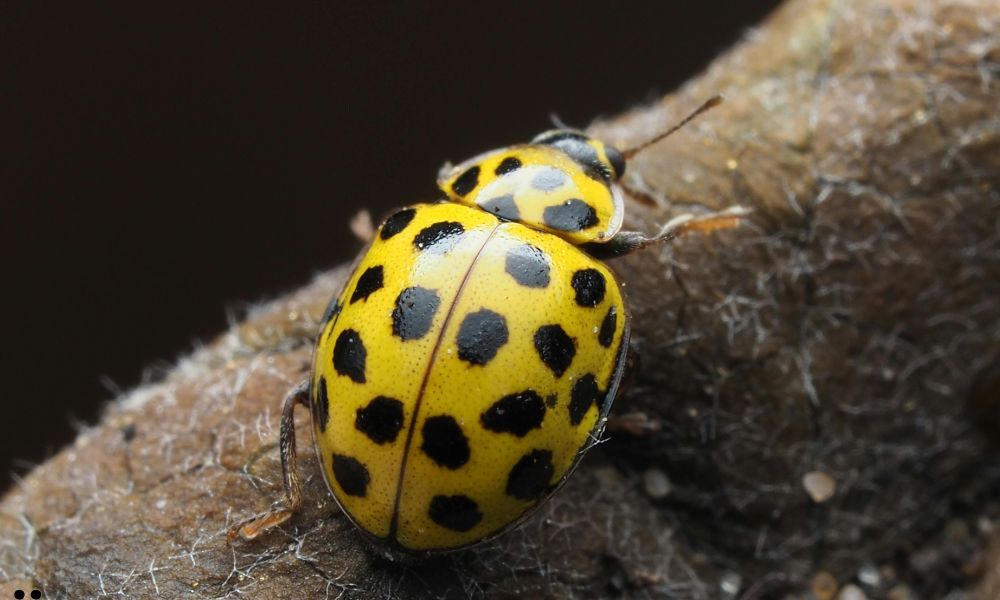
It starts in the fall. A few spotted, orange-red bugs land on your sunny windowsill. They’re kind of cute at first. But soon, dozens—or even hundreds—have found their way inside, clustering in corners, crawling on lampshades, and appearing out of nowhere.
These are usually lady beetles, the multi-colored cousins of the classic garden ladybug, and they’re looking to hibernate in your warm walls. While they’re helpful garden predators outside, inside they’re just uninvited roommates. The trick is to get them back outside where they belong, without making a huge mess.

Understand Why They’re There
Knowing their motive helps you outsmart them. They aren’t eating your food or damaging your house. They sense the cooling weather and are programmed to seek shelter in cracks and crevices, mistaking your cozy home for a rocky cliffside to wait out the winter.
1. Use The Gentle Vacuum Cleaner
Forget the fly swatter. Squishing them releases a foul, staining yellow liquid and a strong odor. Your vacuum is your best friend here.
- Use the Hose Attachment: Simply use the hose extension to gently suck up clusters of ladybugs from walls, windows, and ceilings. This is fast and clean.
- The Important Final Step: Immediately take the vacuum canister or bag outside, empty it far from your house, and seal the debris in a bag. This prevents them from crawling back out inside and stops any odor from lingering in your vacuum.
2. Set Up a Simple Light Trap at Night
Ladybugs are attracted to light, especially as the days get shorter. You can use this to lure them to one easy-to-clean spot.
- The Bowl of Soapy Water Trick: At dusk, fill a wide, shallow bowl with water and a squirt of dish soap. Place it on the floor directly beneath a bright lamp or desk light. Turn off all other lights in the room. The ladybugs will fly toward the light, fall into the bowl, and drown. It’s a quiet, odor-free way to reduce numbers overnight.
3. Guide Them to an Exit with a Jar
For individual ladybugs on a window, help them find the way out.
- The Cup and Card Method: Place a clear glass or plastic cup over the ladybug. Slowly slide a stiff piece of paper or an index card underneath the rim, trapping the bug inside the cup against the window. Carry the cup to an exterior door, remove the card, and release the bug outside.
4. Seal Up Their Entry Points for Good
Getting rid of the current invaders is only half the battle. To prevent next year’s invasion, you need to play detective.
- Check the Exterior: On a bright day, look for tiny cracks and gaps, especially on the sunny south and southwest sides of your house. Pay close attention to areas around windows, doors, siding, utility pipes, and roof vents.
- Seal Everything Tight: Use high-quality silicone or acrylic latex caulk to seal any crack you find. Install or replace weather-stripping around doors and make sure your window screens are snug and tear-free.
5. Use Scents They Dislike as a Gentle Deterrent
While not a perfect barrier, strong scents can make entry points less appealing.
- A Citrus or Mint Spray: Ladybugs tend to avoid strong citrus and menthol scents. Lightly spray a mixture of water with a few drops of citrus or peppermint essential oil around window sills and door frames. Reapply every few days. This won’t kill them, but it may encourage them to look elsewhere.
6. Be Patient and Persistent
An infestation didn’t happen in a day, and it won’t be solved in one either. They may keep appearing from hidden wall voids for weeks as the weather changes.
Stay calm, keep your vacuum handy, and focus on the long-term fix: sealing up your house. It’s far more effective than any spray. Remember, these are the good guys of the garden—just a little lost.
Getting rid of ladybugs in the house is about gentle removal and smart exclusion. Vacuum them up, set a light trap, and commit to sealing those cracks. You’ll save yourself the same headache next fall, and the bugs can go back to doing their helpful job in your garden. Now, go grab that vacuum hose—it’s relocation day.