






In This Article Show
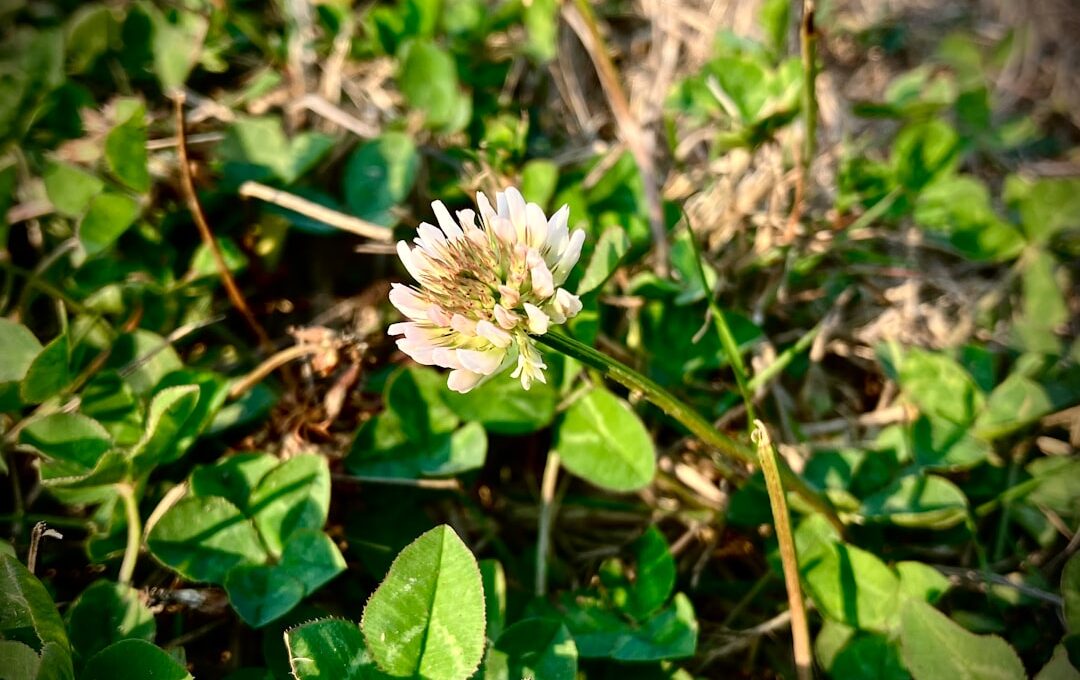
White clover is often seen as a simple ground cover or even a weed, but there’s so much more to it than meets the eye. This hardy plant has been used for centuries in traditional practices, animal care, and even as a natural remedy for people. What looks like just another plant growing in the grass can actually provide health, environmental, and practical benefits you may not have thought about.

Many people overlook white clover because it’s so common, but that’s part of what makes it valuable. It doesn’t require much care, enriches the soil it grows in, and possesses properties that can support both your home and your health. Whether you’re interested in natural wellness or just want to know more about the plants growing right outside your door, white clover is worth a closer look.
I’ve gathered some of the most useful benefits of this humble plant. From improving soil to offering gentle remedies, you might be surprised at how versatile and helpful white clover really is.
1. Improves Soil Health

One of the biggest benefits of white clover is its ability to enrich the soil. Clover is a nitrogen-fixing plant, which means it pulls nitrogen from the air and stores it in the soil. This natural process reduces the need for chemical fertilizers and helps other plants around it grow stronger and healthier.
Helpful Tip: If you have a garden, consider planting patches of white clover as ground cover. It will not only keep weeds down but also feed the soil for future planting.
2. Provides Natural Ground Cover
White clover spreads quickly and creates a thick, green carpet over bare soil. This not only looks good but also prevents erosion and keeps weeds from taking over. It’s an eco-friendly way to cover patches in your yard without using chemical weed killers.
Helpful Tip: Mix white clover seeds into your lawn grass to create a “living mulch” that looks lush and requires less mowing and fertilizer.
3. Attracts Pollinators
The small, white blossoms of clover are rich in nectar, which attracts bees, butterflies, and other pollinators. This helps support local ecosystems and encourages healthy fruit and vegetable gardens nearby.
Helpful Tip: If you’re planting a vegetable garden, keep a section of white clover nearby to naturally draw pollinators that can improve your harvest.
4. Supports Digestive Health in Herbal Use

In traditional practices, white clover tea has been used to soothe digestive discomfort. It’s thought to have mild cleansing properties that can support digestion and ease stomach upset.
Helpful Tip: If you want to try clover tea, make sure the plant hasn’t been sprayed with pesticides or chemicals. Always consult with a healthcare provider before adding any new herbal remedy to your routine.
5. Helps Detox the Body
White clover has been used as a gentle detoxifier in herbal traditions. It’s believed to support the body in flushing out impurities, making it a popular choice in cleansing teas and natural wellness routines.
Helpful Tip: Combine dried white clover flowers with other detox-friendly herbs like dandelion or nettle for a calming tea blend.
6. Provides Animal Forage
White clover is highly nutritious for livestock like cows, goats, and sheep. It’s packed with protein and makes a natural and cost-effective feed option for farmers. Even backyard chickens and rabbits enjoy it as a supplement to their diet.
Helpful Tip: If you raise small animals, offer them fresh clover leaves as a safe and nutritious treat — but introduce them slowly to avoid digestive upset.
7. Rich in Antioxidants

Clover contains natural antioxidants that may help protect the body from cell damage. These compounds support overall wellness and may contribute to healthy aging.
Helpful Tip: Drinking clover tea a few times a week can be an easy way to enjoy its antioxidant properties, but always in moderation.
8. Soothes Skin Irritations
White clover has been applied topically in folk remedies to calm skin irritations like rashes or insect bites. Its gentle compounds may help reduce redness and itching naturally.
Helpful Tip: Make a simple skin rinse by steeping clover leaves and flowers in hot water, then letting it cool before applying it to the skin with a clean cloth.
9. Supports Respiratory Health
Traditionally, clover tea has been used to ease coughs and mild respiratory discomfort. The plant is believed to have soothing effects that help calm irritation in the throat and lungs.
Helpful Tip: A warm cup of clover tea with a spoonful of honey can provide double the soothing effect when you’re dealing with a scratchy throat.
10. Encourages Biodiversity
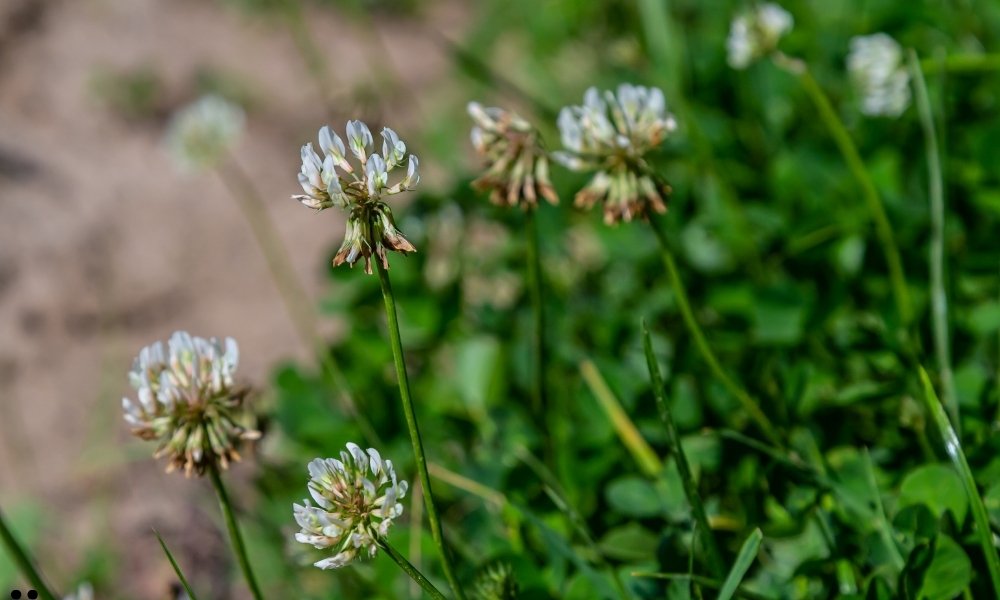
Planting white clover in your yard or garden can attract not just pollinators but also a variety of beneficial insects. This creates a small but thriving ecosystem that supports the balance of nature right outside your home.
Helpful Tip: Leave a section of your lawn unmowed where clover can bloom freely to provide food and shelter for insects and small wildlife.
11. Affordable and Easy to Grow
Unlike many specialty plants, white clover is inexpensive and grows almost anywhere. It thrives in different soils and climates, which makes it an easy choice for both beginners and experienced gardeners.
Helpful Tip: Sprinkle clover seeds over bare soil in early spring or fall. Water lightly until they sprout, and you’ll have a thriving patch in no time.