





In This Article Show
I used to be nervous about pruning my perennials. What if I cut too much? What if I killed the whole plant? But after a few seasons (and a few mistakes), I figured out that most perennials actually want a good trim—they just need you to do it the right way.
If you’re unsure when or how to cut them back, don’t worry. Here’s how I prune my perennials so they grow back healthier, fuller, and stronger—without sending them into shock.
1. Know When to Cut Back
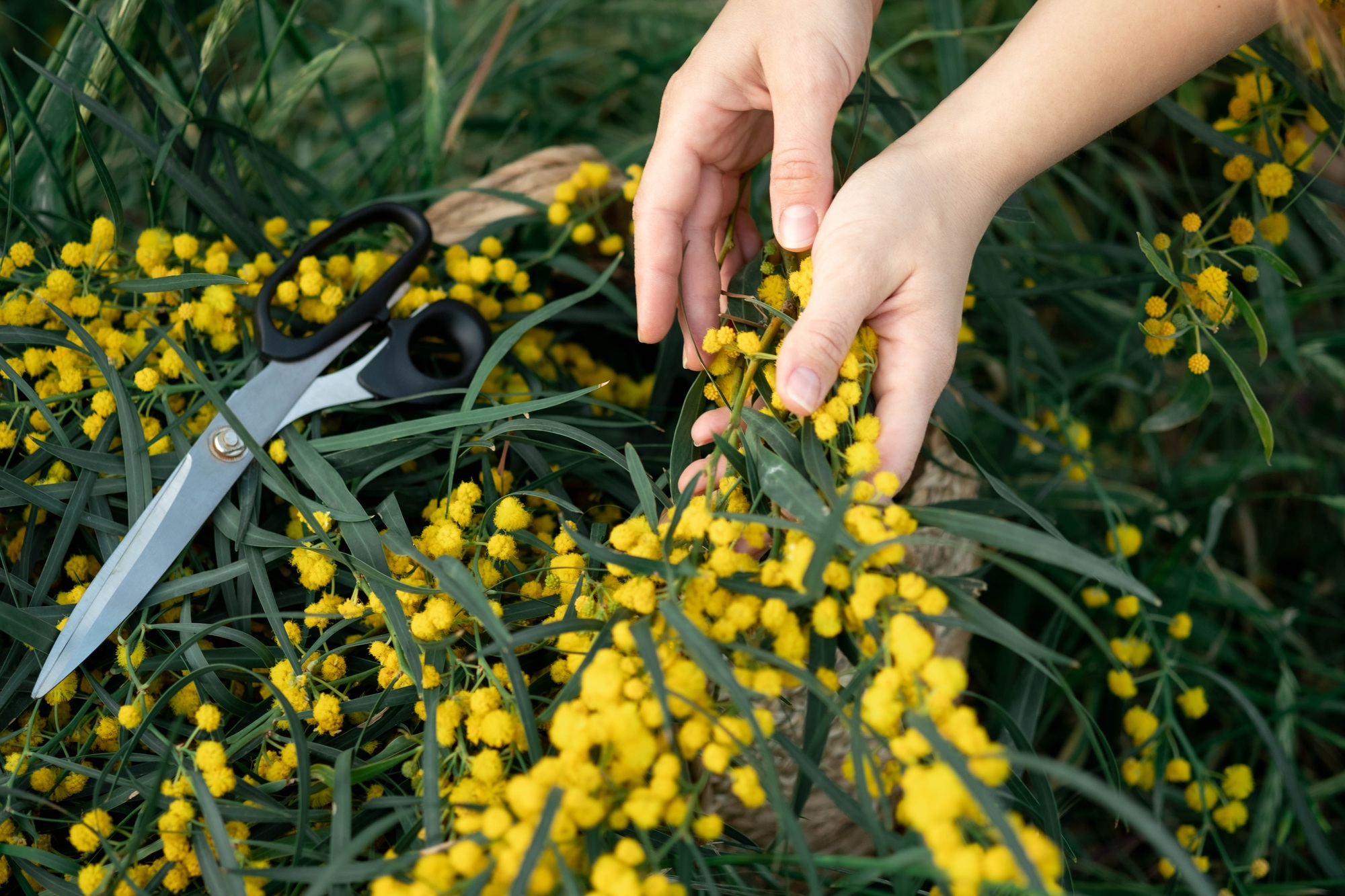
Timing makes all the difference. Cutting too early or too late can stress the plant or slow down its growth.
- Spring Cutbacks: For plants that die back in winter (like black-eyed Susans or bee balm), wait until new growth appears before cutting the old stuff.
- Fall Cutbacks: For messy or disease-prone plants, trim them down after the first frost.
- During Bloom Season: Deadhead or lightly trim to shape and encourage more blooms.
What I do: I leave seed heads up through winter for birds and beauty, then cut back everything to a few inches above the ground in early spring.
2. Don’t Cut Too Low
A common mistake is cutting all the way down to the soil. That can damage the crown of the plant (where the new growth comes from) and make it harder for the plant to bounce back.
What I do: I leave 2–4 inches of stem when cutting back. It gives the plant some structure and protects new buds forming at the base.
3. Use Clean Tools and Sharp Cuts
Dirty tools can spread disease, and dull blades can crush stems instead of cutting cleanly.
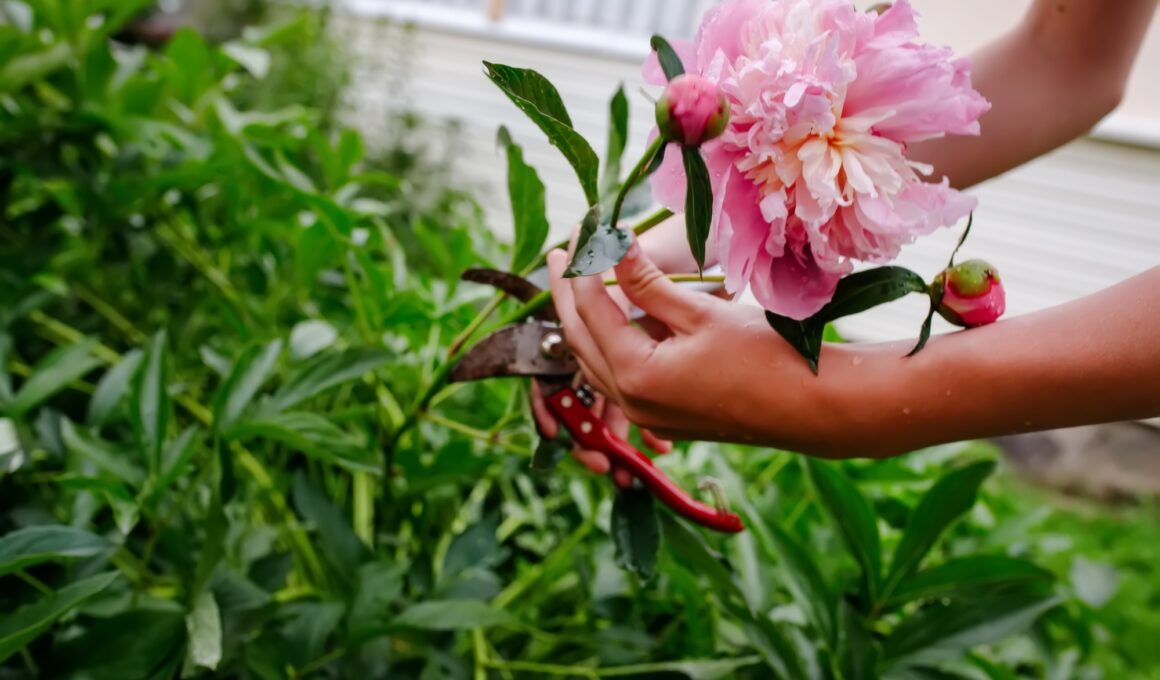
What I do: I wipe my pruners with alcohol between plants, and I always aim for a clean 45-degree cut just above a node or bud when trimming during the growing season.
4. Bonus: Not All Perennials Like the Same Treatment
Some plants, like lavender or Russian sage, don’t like to be cut all the way back to the ground. Others, like hostas or daylilies, handle a hard chop just fine.
What I do: I check each plant type before cutting. If in doubt, I prune lightly and watch how it responds.
Final Thoughts
Cutting back perennials isn’t risky if you know what to look for. Once I stopped being afraid of the scissors and started pruning with a plan, my plants looked better year after year.
So if you’re worried about killing your perennials—don’t be. With the right timing, a clean cut, and a little confidence, they’ll come back stronger and thicker than before.