






In This Article Show
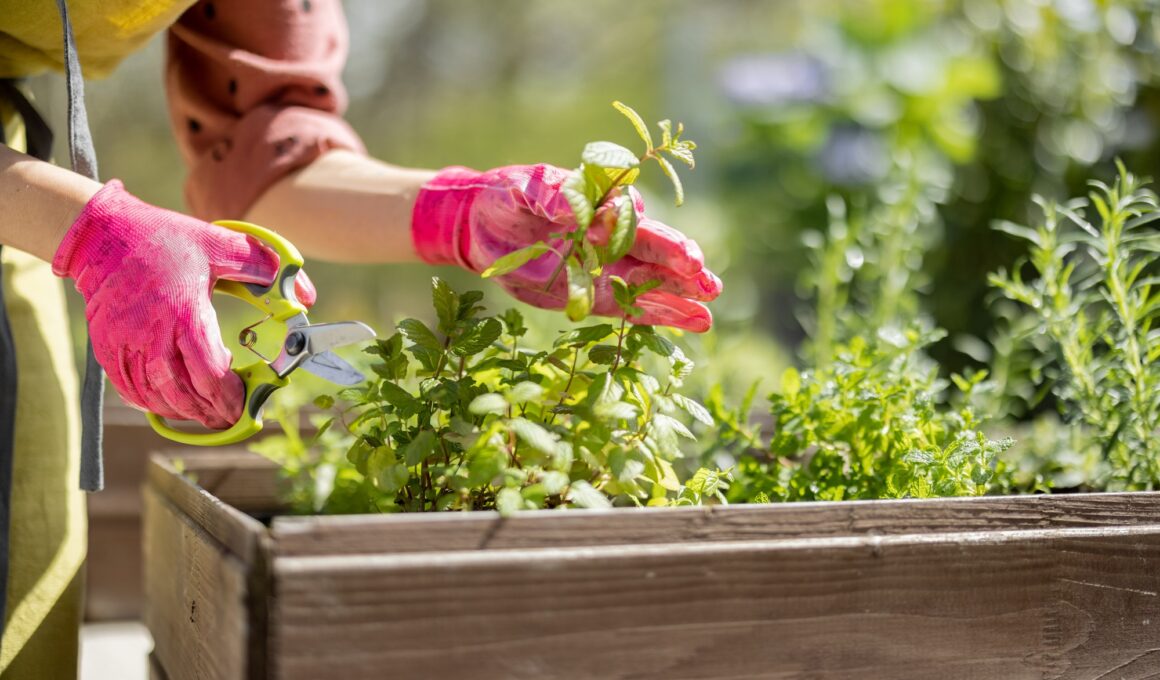
When I first started growing herbs, I was a little too excited to use them. I’d pull off big handfuls for dinner and wonder why the plant stopped growing—or worse, died. The truth is, harvesting herbs is easy, but there’s a right way to do it if you want the plant to keep producing.
If you’ve ever trimmed your basil or parsley and it never bounced back, this article’s for you. Here’s how I harvest herbs now without killing the plant—and how you can too.
1. Never Take More Than One-Third at a Time
This is the golden rule. Herbs need their leaves to make energy through sunlight. If you take too much at once, the plant gets shocked and may not recover.
Only harvest about a third of the plant at a time, especially if it’s still small. This gives it time to regrow and stay strong.
What I do: I walk around with kitchen scissors and only snip the tops or outer leaves, leaving the center to keep growing.
2. Trim Above a Leaf Node
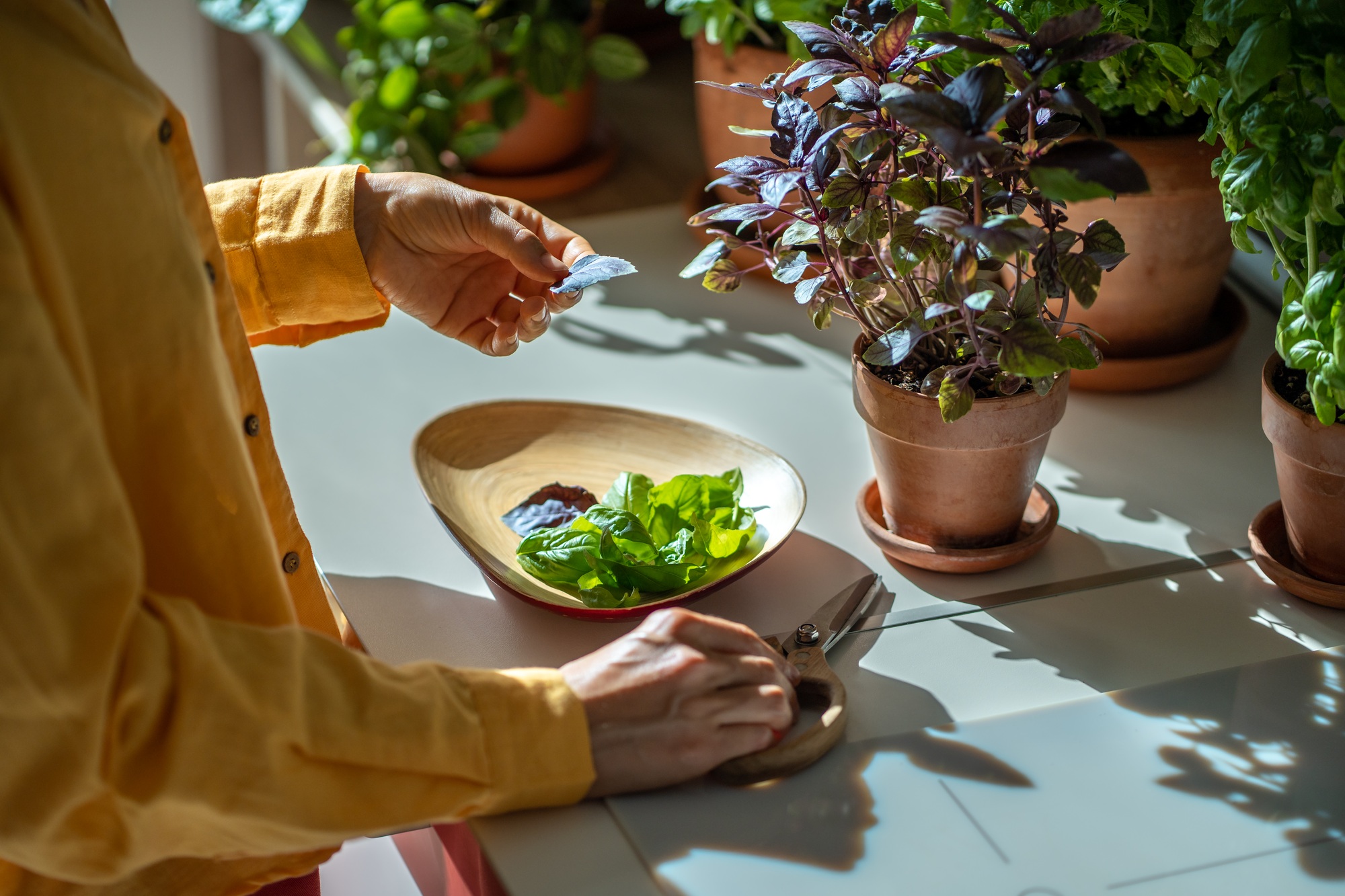
When you cut just above a leaf node—the little bump where leaves grow—you’re telling the plant to branch out. That means more stems and more herbs next time.
If you cut too low or in random spots, the plant doesn’t grow back as well. A clean cut above a node encourages fuller, bushier growth.
What I do: I look for pairs of leaves and snip right above them. Within days, I usually see two new stems growing from that spot.
3. Start with the Oldest Growth
For herbs like parsley, cilantro, and chives, it’s best to harvest the oldest stems first—the ones on the outside. Leave the younger shoots in the center to grow bigger.
For leafy herbs like basil and mint, snip the top growth to keep the plant from getting too tall and leggy.
What I do: I pick from the outside in for parsley and snip tops for basil. That way, the plant stays productive and compact.
Quick Herb-Specific Tips
- Basil: Harvest often to prevent flowers. Always pinch above a leaf pair.
- Parsley & cilantro: Cut outer stems close to the base.
- Chives: Snip at the base like a haircut.
- Mint: Take stem cuttings above a leaf node to encourage bushiness.
- Thyme & oregano: Use scissors to trim soft stems; don’t cut into the woody part.
Final Thoughts
Harvesting herbs isn’t risky if you know what you’re doing. A few smart cuts can keep your plants growing strong all season long. Since I stopped over-harvesting and started trimming the right way, my herb garden stays full and healthy, and I always have fresh flavor in the kitchen.
So grab your scissors, be gentle, and remember—snipping smart keeps the herbs (and the meals) coming.