





In This Article Show
When I first got into gardening, I assumed more water meant healthier plants. So I watered a lot. Like, every day a lot. And guess what? I ended up drowning more plants than I helped.
Too much water is just as bad as not enough — sometimes worse. Roots need moisture, yes, but they also need oxygen. If they’re always soaked, they can rot and die off without ever getting a chance to grow.
The good news? Once I figured out a few easy habits, I stopped overwatering, and my plants actually started to thrive.
Why Overwatering Is a Common Mistake
It’s easy to think plants are thirsty all the time — especially when the top of the soil looks dry. But underneath? It might still be plenty moist. That’s how root rot sneaks in.
Different plants have different needs. Some love moisture (like lettuce and basil), while others (like succulents and rosemary) prefer to dry out between waterings. The key is knowing when and how to water — not just grabbing the hose every time the sun comes out.
How I Water My Plants the Right Way

Here are the simple steps I use to avoid overwatering:
1. Do the Finger Test First
Before I water anything, I stick my finger into the soil about 1–2 inches deep.
- If it feels dry on my fingertips? Time to water.
- Is it cool or damp? I wait a day and check again.
- This one step alone has saved dozens of my plants.
2. Water at the Base
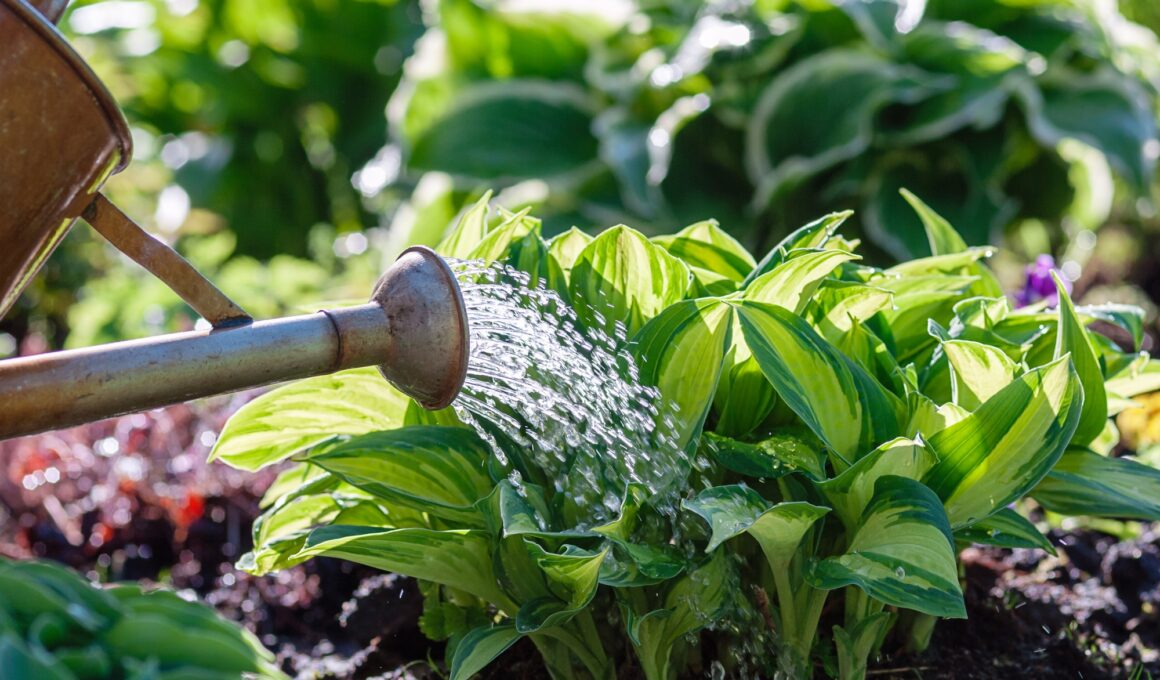
I avoid spraying leaves and always water right at the soil. This helps the water go directly to the roots, where it’s needed. Wet leaves can invite disease and mold, especially in humid weather.
3. Water Deeply, Not Frequently
I water slowly and deeply so it soaks down. A quick splash on top doesn’t do much — it just encourages shallow roots that dry out faster.
With pots, I water until it drains out the bottom. In garden beds, I let the hose trickle for a few minutes per plant rather than moving quickly from one to the next.
4. Water in the Morning
Early morning is best. The soil has time to absorb moisture before the sun gets too hot, and there’s less chance of fungus compared to watering at night.
Less Fuss, Healthier Plants
Ever since I started paying attention to the how and when instead of just watering out of habit, my garden has looked fuller, greener, and way less stressed.
If your plants are droopy or turning yellow, it might not be a lack of water — it might be too much. A few quick checks and better timing can make all the difference.
So before you reach for the watering can, take a second to feel the soil. Your plants will thank you — and you’ll save yourself a lot of guessing.