




In This Article Show
There’s nothing quite like the sight and smell of lavender in your garden. But if you plant it at the wrong time, you might end up with a sad, wilted plant instead of a thriving, fragrant bush. I’ve learned the hard way that lavender is a bit particular about its start in life.
The good news is, getting the timing right is simple once you know what this plant loves.
This guide will walk you through the two best planting windows and exactly what conditions lavender needs to settle in and flourish for years to come.
The Golden Rule: Avoid Extremes
Lavender is a Mediterranean herb at heart. It thrives in sunny, dry, and well-drained conditions. The most important rule for planting is to avoid stress.
Don’t plant when it’s too cold and wet, or too hot and humid. Your goal is to give it mild, stable weather to grow roots.
The Two Best Times to Plant Lavender
For most gardeners, you have two ideal options:
1. Planting in Spring (The Most Common Time)
- When: Plant in mid to late spring, after all danger of frost has passed and the soil has begun to warm up.
- Why: This gives the plant a full growing season to establish a strong root system before facing its first winter. The warm sun and longer days encourage steady growth.
- Look for: Dependably warm days and nights. The soil should feel warm to the touch, not cold and soggy.
2. Planting in Early Fall
- When: Plant at least 6-8 weeks before your first average fall frost.
- Why: The soil is still warm from summer, which encourages root growth, but the intense heat of summer has passed. This gives the plant time to settle in before winter dormancy.
- Caution: Only choose this option if you have reliably well-drained soil. Wet, cold roots over winter are lavender’s biggest enemy.
The One Time to Avoid: Summer
Do not plant lavender in the peak heat of summer. The stress of transplanting, combined with scorching sun and high humidity, can easily kill a young plant before it has a chance to adapt.
What Lavender Needs to Succeed at Planting Time
Getting the timing right is only half the battle. Make sure these conditions are met, too:
The Right Soil: Drainage is Everything
Lavender will not survive in heavy, wet clay. The soil must be well-draining.
- Quick Fix: If your soil is dense, plant in a raised mound or a raised bed. Mix a generous amount of gravel, sand, or crushed rock into the native soil to dramatically improve drainage.
The Right Spot: Full, Unforgiving Sun
Choose the sunniest, hottest spot in your garden. Lavender needs at least 6-8 hours of direct sunlight daily. More is better.
The Right Plant: Start Strong
Whether from a seed-starting kit or a nursery pot, begin with a healthy plant. Avoid leggy, wilted, or overwatered specimens.
A Simple Step-by-Step Planting Guide
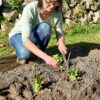
- Wait for a Cool, Cloudy Day: If planting in spring, choose an overcast afternoon or evening to reduce transplant shock.
- Dig a Proper Hole: Make it just as deep as the root ball, but twice as wide.
- Prepare the Soil: Mix some of your native soil with plenty of gravel or sand. Avoid rich compost or fertilizer—lavender prefers poor, lean soil.
- Plant High: Place the lavender so the base of the plant is slightly above the surrounding soil level. This prevents water from pooling around the crown.
- Water Wisely: Give it a good, deep drink to settle the soil. Then, let the soil dry out almost completely before watering again. Overwatering is the fastest way to kill lavender.
Special Considerations for Different Climates
- Colder Climates (Zones 5-6): Stick strictly to spring planting. This maximizes establishment time. Consider planting in a sheltered, south-facing spot for winter protection.
- Warmer/Humid Climates (Zones 7-9): Early fall planting can be excellent to avoid summer humidity. Ensure exceptional drainage. Spanish and French lavender varieties often handle humidity better than English types.
- Hot & Dry Climates (Zones 8-10): Spring or fall both work. Focus on providing intense sun and impeccable drainage.
First-Year Care: The Key to Longevity
Your job after planting is simple: be patient and don’t fuss.
- Water deeply but infrequently, only when the soil is dry a couple of inches down.
- Do not fertilize. Lavender doesn’t need it, and fertilizer can lead to weak, floppy growth.
- Mulch with gravel or stone, not bark or compost. This keeps the crown dry and reflects heat.
- Resist the urge to harvest much in the first year. Let the plant focus its energy on building roots.
Remember, a little neglect often serves lavender better than too much care. Give it sun, drainage, and a gentle start in spring or fall, and it will reward you with beauty and fragrance for many seasons.