





In This Article Show
As the days get cooler and the sunlight shifts, your garden needs a little help settling in for the months ahead. Fall isn’t just the end of the growing season—it’s also the perfect time to prep for a strong comeback in spring.

This to-do list covers the most important fall gardening tasks for home gardeners—whether you’re growing food, flowers, or a little bit of both.
Let’s break it all down into manageable steps.
1. Clean Up Spent Plants and Debris

After a long season of growing, chances are your garden has a few tired plants hanging on. Now’s the time to pull them up and clear away dead stems, weeds, fallen fruit, and anything diseased.
Why this matters
Leaving plant debris in place can lead to pests and diseases overwintering in your soil. Cleaning up now makes a cleaner, healthier start next year.
Helpful Tip
Leave healthy plants that haven’t gone to seed in place as compost mulch, or chop them up and bury them in the soil.
2. Compost What You Can
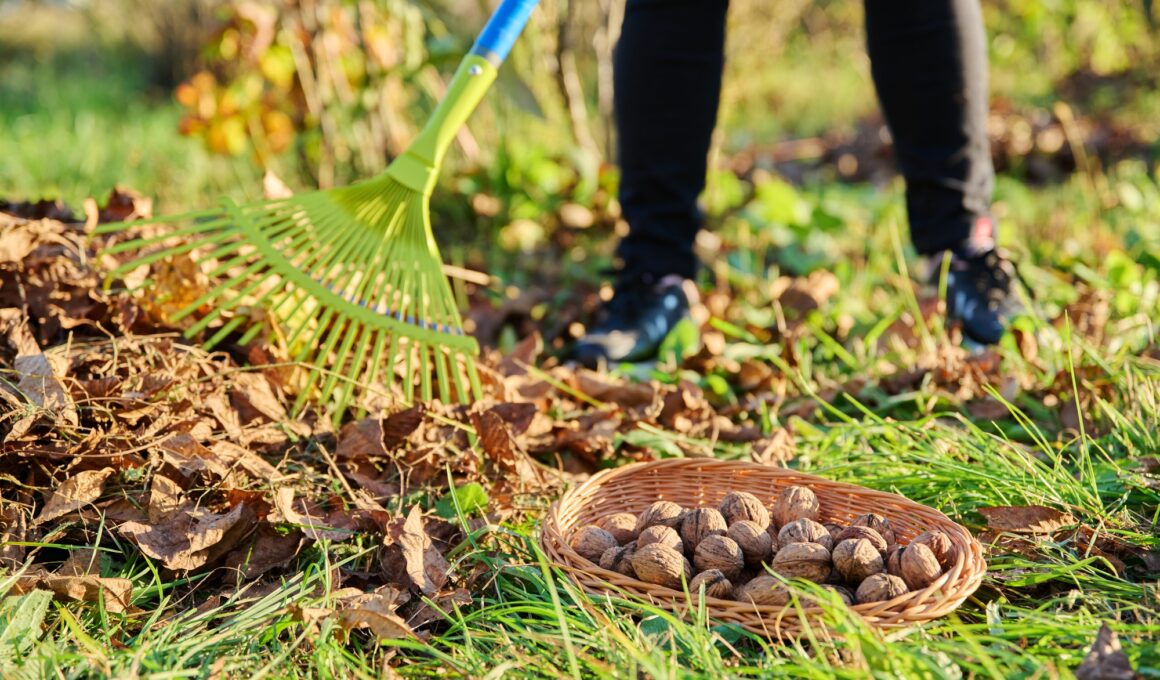
Take all that cleared-up garden waste (minus diseased plants and seed heads) and add it to your compost pile. Fall leaves, old veggie plants, and even kitchen scraps make great brown and green layers.
Why this matters
Fall is a great time to build your compost for spring planting—give it a few months to break down and turn into rich soil.
Helpful Tip
Shred your leaves or run over them with a mower to help them break down faster.
3. Mulch Garden Beds
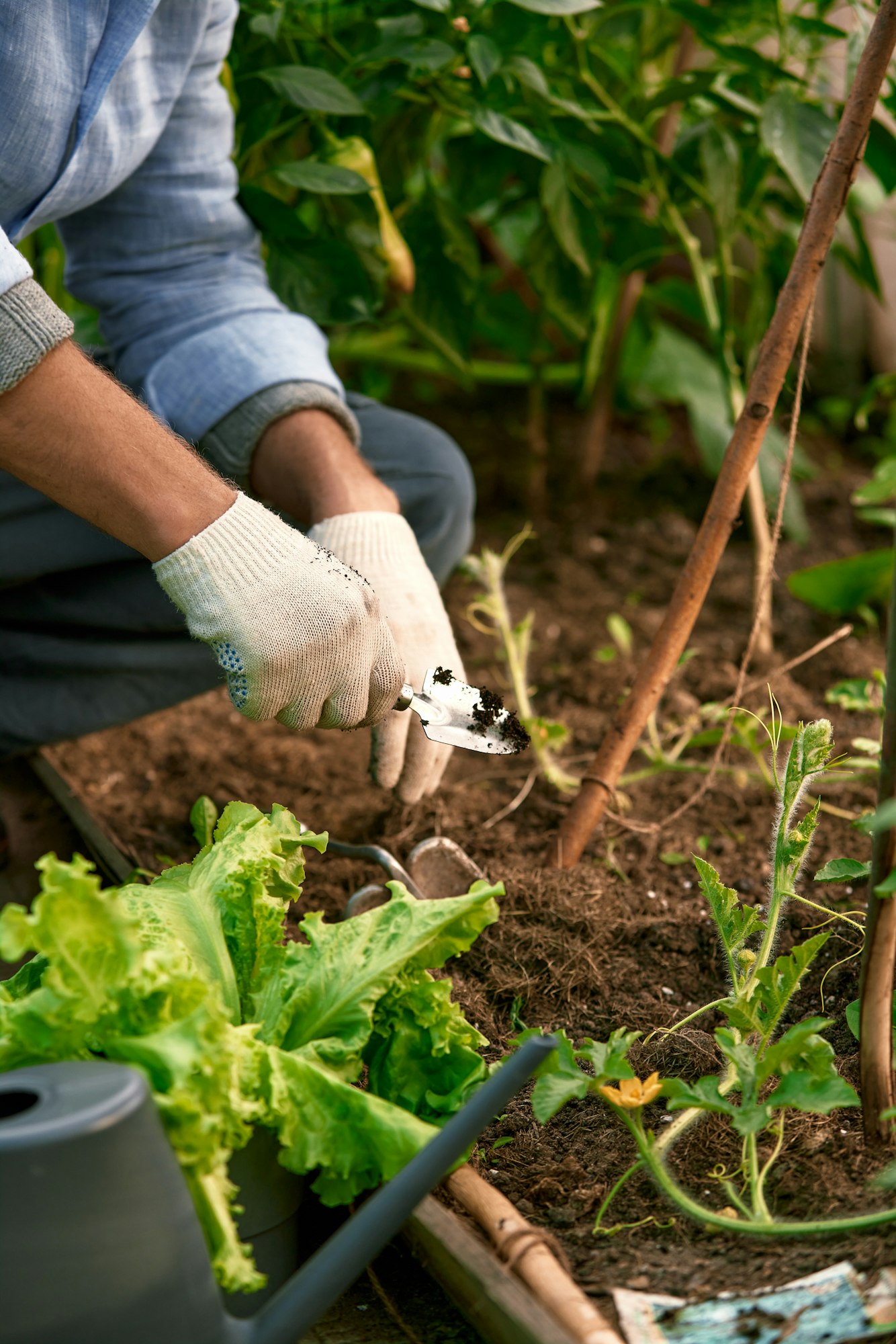
Mulching in fall helps insulate your soil, protect plant roots, and reduce weeds next season. Use chopped leaves, straw, or wood chips for a protective cover.
Why this matters
Winter temperatures can cause soil heaving (especially where it freezes and thaws), and mulch helps stabilize that.
Helpful Tip
Wait until the first hard frost before applying mulch around perennial plants to avoid trapping moisture that can cause rot.
4. Divide and Replant Perennials
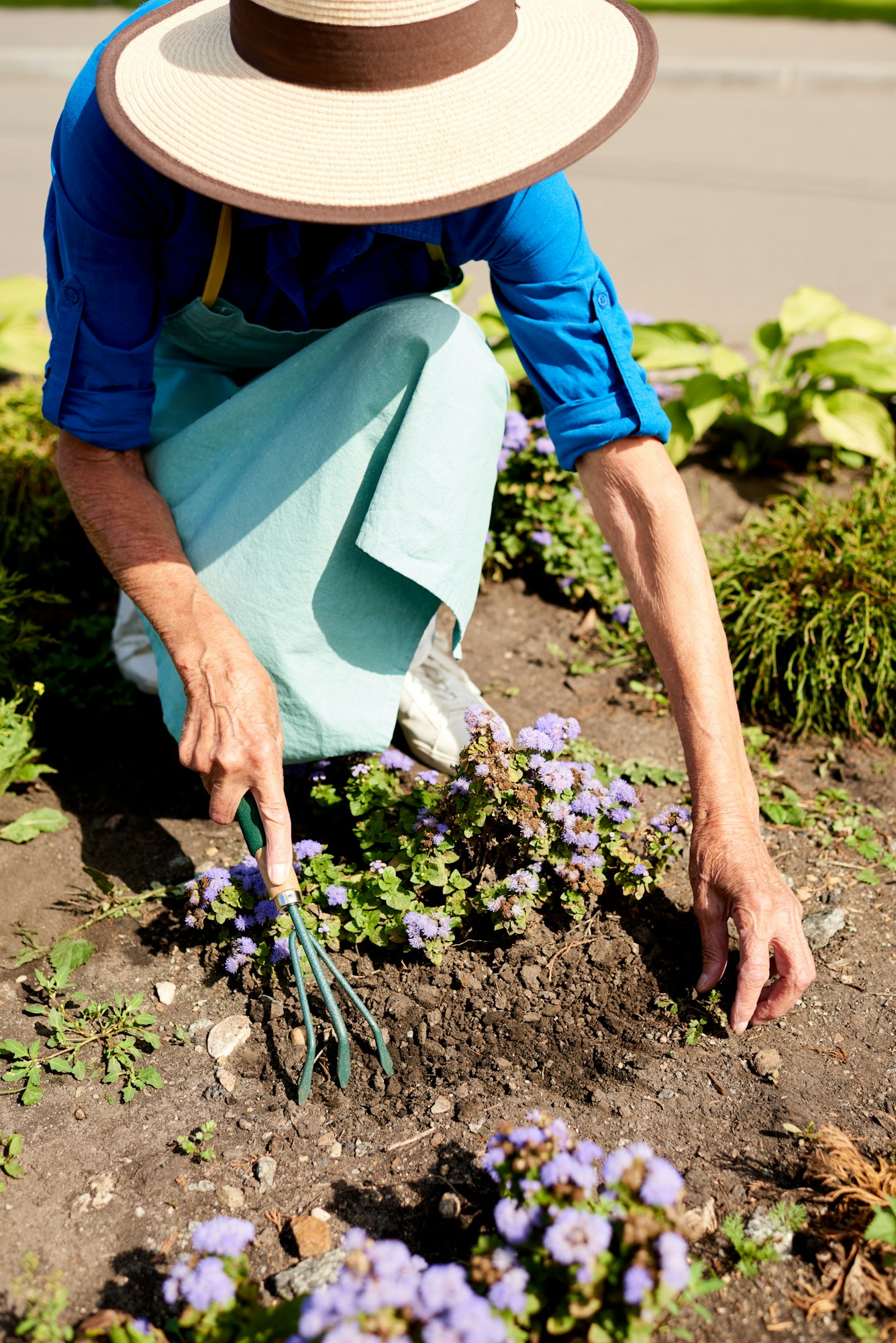
Perennials like daylilies, hostas, and irises benefit from being split up every few years. Fall is a perfect time to dig them up, divide clumps, and replant in fresh spots.
Why this matters
Dividing perennials keeps them healthy, prevents overcrowding, and gives you more plants for free.
Helpful Tip
Replant divisions quickly and water them well to help them settle in before winter.
5. Plant Fall Bulbs for Spring Blooms
Tulips, daffodils, hyacinths, crocuses—these spring favorites all need to be planted in the fall before the ground freezes.
Why this matters
Bulbs require a cold period to bloom well, and fall is your last chance to get them in the ground.
Helpful Tip
Plant bulbs about 2–3 times as deep as the bulb is tall, and pointy side up.
6. Sow Fall Crops or Cover Crops
If you’re still growing food, hardy greens like kale, spinach, or radishes can be sown early in fall. Otherwise, consider planting a cover crop like clover, rye, or buckwheat.
Why this matters
Fall veggies can give you a final harvest, while cover crops prevent soil erosion and feed the soil over winter.
Helpful Tip
Choose cover crops based on your garden’s needs—rye for weed control, legumes for fixing nitrogen.
7. Bring Tender Plants Indoors
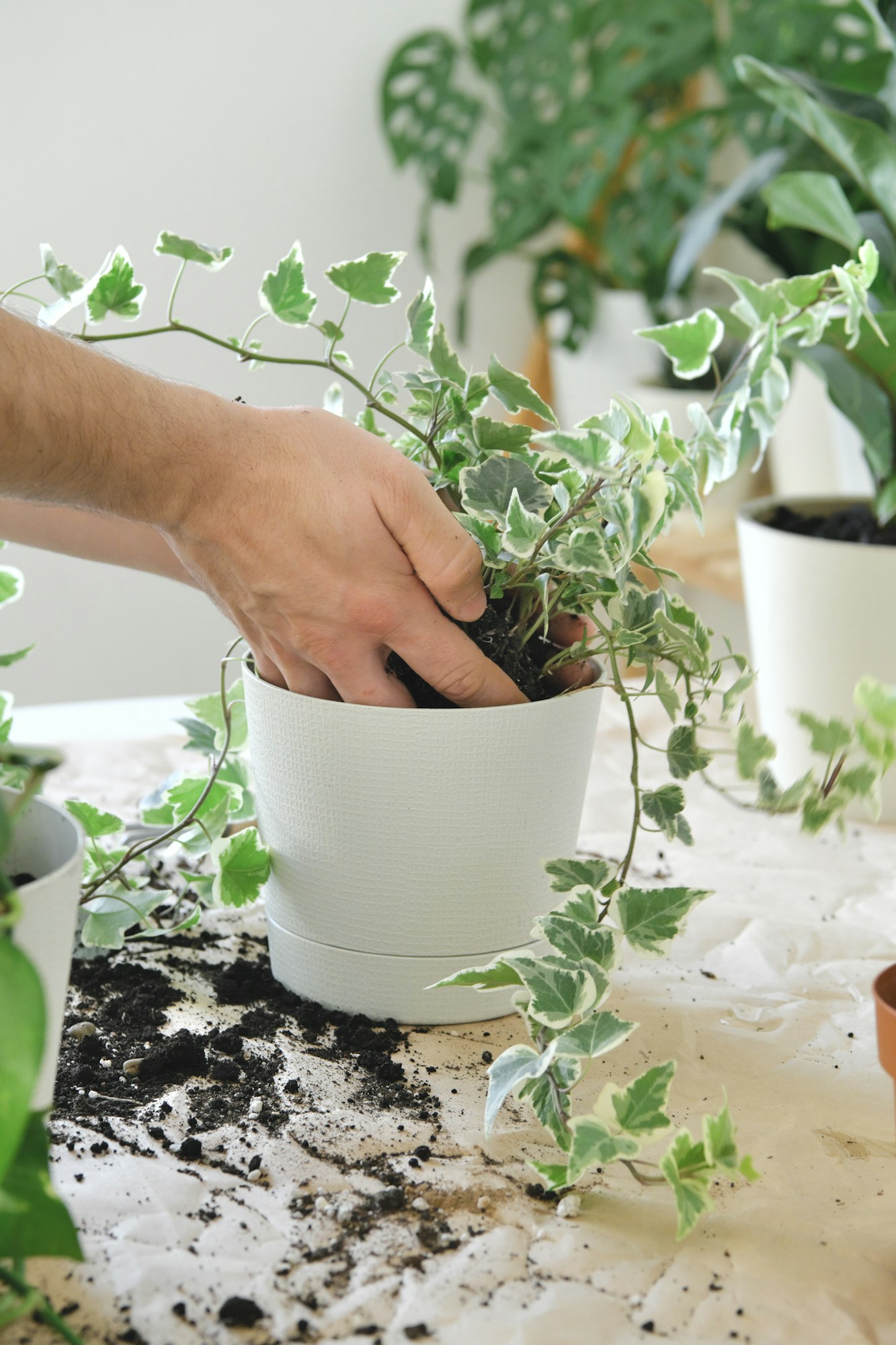
If you grow herbs, houseplants, or tender perennials like geraniums or begonias, it’s time to bring them inside.
Why this matters
These plants can’t survive frost. Moving them indoors before temperatures drop keeps them alive and growing.
Helpful Tip
Check for pests before bringing them inside. A gentle hose-down or neem oil spray helps.
8. Tidy Up Garden Tools and Supplies
Don’t leave tools out to rust or break. Fall is a great time to clean, sharpen, and store everything properly.
Why this matters
Good tools last longer and work better. Prepping now means you’re not scrambling in spring.
Helpful Tip
Rub metal tools with oil after cleaning to prevent rust.
9. Drain and Store Hoses and Watering Systems
Freezing water can crack hoses and irrigation parts. Drain them completely and coil them for storage.
Why this matters
Protects your equipment from damage and saves money on replacements.
Helpful Tip
Also, shut off outdoor faucets and cover them if you’re in a cold climate.
10. Plan Next Year’s Garden
Grab a notebook or garden journal and jot down what worked and what didn’t. Sketch ideas, rotate crop locations, and start dreaming for spring.
Why this matters
Planning ahead makes your spring more productive—and lets you order seeds before they sell out.
Helpful Tip
Take pictures of your current garden layout before cleaning up—it’ll help with next year’s decisions.
11. Protect Young Trees and Shrubs
Wrap the trunks of young trees with tree guards or mesh to prevent sunscald and animal damage. You can also mound mulch around the base (without touching the trunk) for added root protection.
Why this matters
In fall and winter, fluctuating temperatures and hungry critters like rabbits or deer can harm bark and roots, especially on newer trees.
Helpful Tip
Remove the wrap in spring to prevent moisture buildup and pests hiding under the guard.
12. Refresh or Test Your Soil
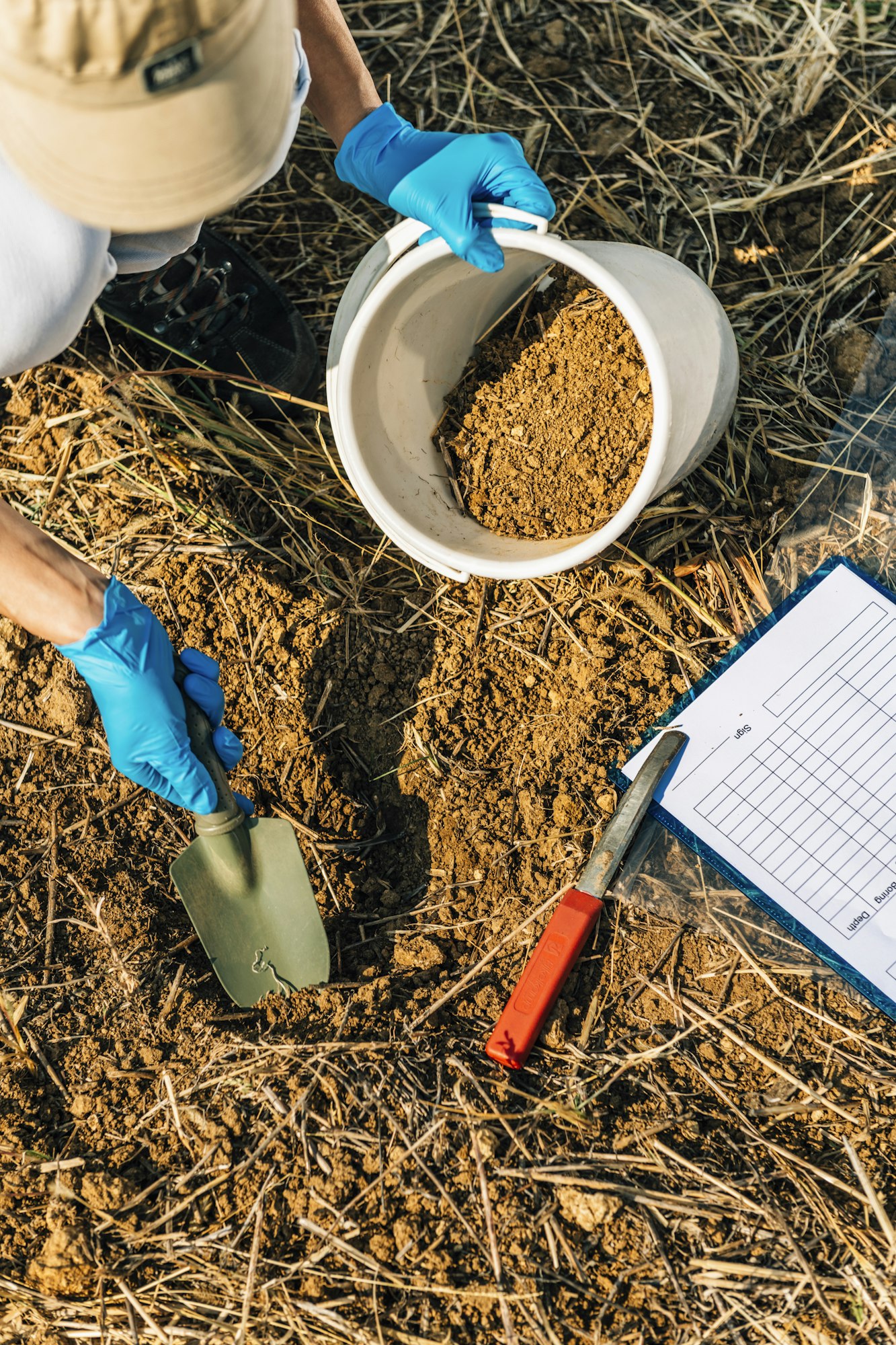
Fall is an ideal time to test your soil’s pH and nutrient levels. You’ll have plenty of time to amend it before spring planting. You can also add compost or organic matter now to improve structure.
Why this matters
Knowing your soil’s condition now means you can correct issues before they affect your next growing season.
Helpful Tip
You can get a simple soil test kit online or send a sample to a local extension service for detailed results.
13. Decorate Your Garden for the Season
Bring a little joy into your fall garden by adding seasonal touches—pumpkins, straw bales, mums, or decorative planters. It keeps your space feeling warm and inviting even as things wind down.
Why this matters
Fall gardening isn’t only about prep—it’s also a time to enjoy your hard work and appreciate your space as it transitions.
Helpful Tip
Choose hardy fall flowers like asters or ornamental cabbage that thrive in cooler weather and add pops of color.