





In This Article Show
Sloped areas in yards can be tricky to manage. These slopes can suffer from erosion without the right plants, leading to soil loss and instability. That’s where erosion control plants come in handy.
We’ve put together a list of the 18 best plants for sloped areas to help control erosion. These plants have strong root systems and spreading growth habits that help hold soil in place and prevent runoff.
Our guide includes a mix of ground covers, shrubs, and grasses suited for different climates and conditions.
1. Creeping Juniper

Creeping juniper is an excellent choice for erosion control on slopes. This low-growing evergreen shrub spreads quickly, forming a dense mat that holds soil in place.
We love creeping juniper for its tough nature. It thrives in poor, dry soils where other plants struggle. This makes it perfect for challenging hillside conditions.
Creeping juniper only grows about a foot tall but can spread up to 8 feet wide. Its bright green foliage adds year-round color to slopes. It also helps prevent weeds from taking hold.
This plant does best in full sun and well-drained soil. Once established, it needs very little care. Its deep roots make it drought-tolerant and great at stabilizing soil.
2. Creeping Thyme
Creeping thyme is a great choice for erosion control on slopes. It forms a dense, low-growing mat that helps hold soil in place.
This plant thrives in well-draining soil and full sun. Once established, it needs little water or care.
We love creeping thyme for its small, fragrant leaves and pretty purple flowers. It attracts pollinators and adds visual interest to slopes.
Creeping thyme spreads quickly to cover bare areas between other plants. This helps prevent soil from washing away during heavy rains.
It’s also tough enough to handle foot traffic, making it ideal for sloped areas that see some use.
3. Blue Rug Juniper
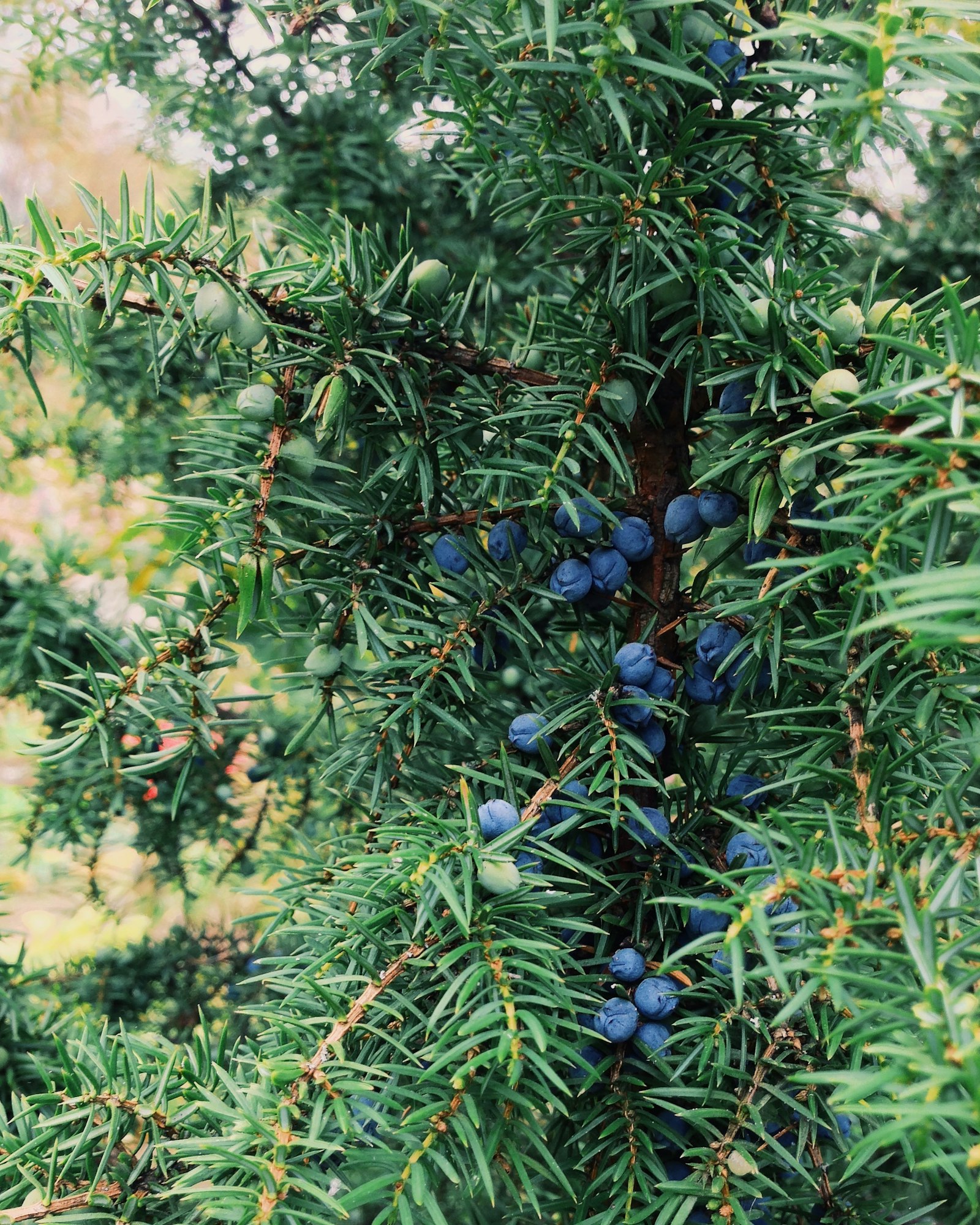
Blue Rug Juniper is a top choice for erosion control on slopes. This low-growing evergreen forms a dense mat that holds soil in place.
We love its blue-green foliage that adds year-round color to hillsides. It spreads quickly, covering large areas with minimal maintenance.
Blue Rug Juniper thrives in full sun and well-drained soil. We recommend planting it 4-6 feet apart to allow room for spreading.
This hardy plant is drought-tolerant once established. It needs regular watering for the first 6 weeks to develop strong roots.
For best results, we suggest fertilizing Blue Rug Juniper 2-3 times a year with a slow-release fertilizer. This promotes faster growth and stronger soil-holding capacity.
4. Creeping Phlox
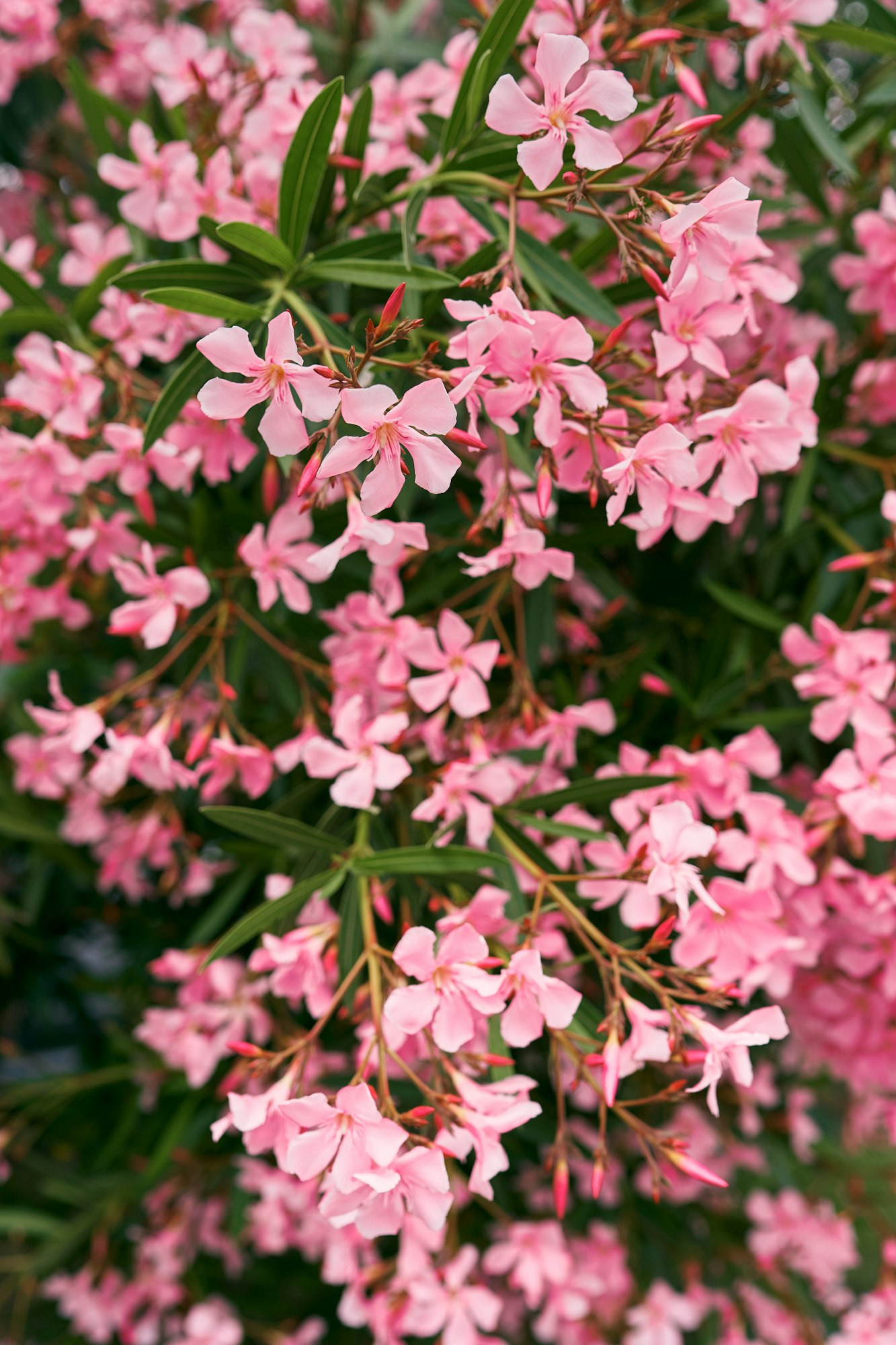
Creeping phlox is a fantastic choice for erosion control on sloped areas. This low-growing perennial forms a dense mat of foliage that helps hold soil in place.
We love how it bursts into a carpet of colorful blooms in spring. Pink, purple, red, or white flowers cover the plant, adding beauty to hillsides.
Creeping phlox thrives in full sun and well-drained soil. It’s drought-tolerant once established, making it low-maintenance.
This North American native reaches about 6 inches tall and spreads up to 24 inches wide. Its evergreen foliage provides year-round erosion protection.
5. Stonecrop Sedum
Stonecrop sedum is a versatile plant for erosion control on slopes. These low-growing succulents spread quickly, forming dense mats that hold soil in place.
We recommend varieties like Angelina Stonecrop, Biting Stonecrop, and White Stonecrop for sloped areas. They thrive in sunny, dry spots and need little maintenance once established.
Sedum’s shallow roots make it a good companion for spring bulbs. The bulbs can easily sprout through the sedum ground cover.
These plants offer colorful foliage and flowers, adding visual interest to slopes. Their drought tolerance makes them ideal for areas that don’t get much water.
6. Bearberry

Bearberry is an excellent plant for erosion control on slopes. This evergreen ground cover forms a dense mat that helps stabilize soil.
Bearberry spreads low across the ground, reaching about 1 foot tall. Its glossy green leaves add visual interest year-round.
We recommend planting bearberry in full sun for best results. It thrives in well-drained, acidic soil. This hardy plant can tolerate drought once established.
Bearberry requires minimal care, making it ideal for hard-to-reach slopes. Its extensive root system helps hold soil in place effectively.
7. Periwinkle
Periwinkle is an excellent choice for sloped areas prone to erosion. This hardy ground cover spreads quickly, creating a dense mat of foliage that helps hold soil in place.
We recommend planting periwinkle in spring or fall for best results. Space plants 8-12 inches apart to encourage rapid coverage of the slope.
Periwinkle thrives in both sun and shade, making it versatile for different areas of your yard. Its attractive purple flowers add a pop of color while its evergreen leaves provide year-round interest.
This low-maintenance plant is also deer-resistant, which is a bonus for many gardeners. With proper care, periwinkle can effectively control erosion on slopes for years to come.
8. Barrenwort

Barrenwort, also known as Epimedium or fairy wings, is a great choice for sloped areas. This perennial forms tidy mounds of foliage that spread slowly through rhizomes.
We love barrenwort for its ability to control erosion on slopes. Its clumping growth habit helps stabilize soil effectively. The plant’s hardy nature makes it low-maintenance and easy to care for.
Barrenwort thrives in shaded areas, making it perfect for slopes that don’t get much sun. It produces charming flowers in spring, adding visual interest to the landscape.
For best results, we recommend planting barrenwort in spring or early fall. Space plants 12-18 inches apart to allow for growth and proper air circulation.
9. Ajuga
Ajuga is a tough ground cover plant that works well on slopes. We love its colorful foliage and small blue flowers. This plant spreads quickly, forming a dense mat that helps prevent soil erosion.
Ajuga thrives in both sun and shade. It’s very low-maintenance and can handle foot traffic. The plant stays green year-round in many climates.
We recommend planting ajuga 12-18 inches apart. It will fill in gaps over time. Water new plants regularly until established. After that, ajuga needs little care beyond occasional trimming to keep it tidy.
10. Snow-in-Summer

Snow-in-Summer is a great choice for sloped areas prone to erosion. This low-growing perennial forms a dense mat of silvery-white foliage that spreads quickly.
In late spring and early summer, it produces a blanket of small white flowers. These blooms give the plant its name, as they resemble a light dusting of snow.
Snow-in-Summer thrives in full sun and well-drained soil. It’s drought-tolerant once established, making it ideal for dry slopes. Its extensive root system helps hold soil in place effectively.
We recommend planting Snow-in-Summer on sunny banks or rocky areas. It also works well in rock gardens or as a ground cover along pathways.
11. Woolly Thyme
Woolly thyme is a great choice for sloped areas. This low-growing plant forms a dense mat that helps prevent soil erosion. It has tiny, fuzzy leaves that give it a soft, woolly texture.
Woolly thyme thrives in full sun and well-drained soil. It’s drought-tolerant once established, making it ideal for dry slopes. This plant can handle light foot traffic and releases a pleasant aroma when stepped on.
We love using woolly thyme in rock gardens or between stepping stones. Its spreading habit fills in gaps quickly. The plant produces small pink flowers in summer, adding visual interest to slopes.
12. Creeping Jenny
Creeping Jenny is an excellent plant for erosion control on sloped areas. Its fast-spreading nature allows it to quickly cover bare patches of soil.
We love how this plant forms dense mats of bright green foliage. These mats help stabilize the soil and prevent runoff during heavy rains.
Creeping Jenny thrives in moist soil and partial shade. It’s a low-maintenance option that can tolerate some foot traffic.
This plant also adds visual interest with its small yellow flowers in summer. It works well as a groundcover in gardens or along walkways on gentle slopes.
13. English Ivy
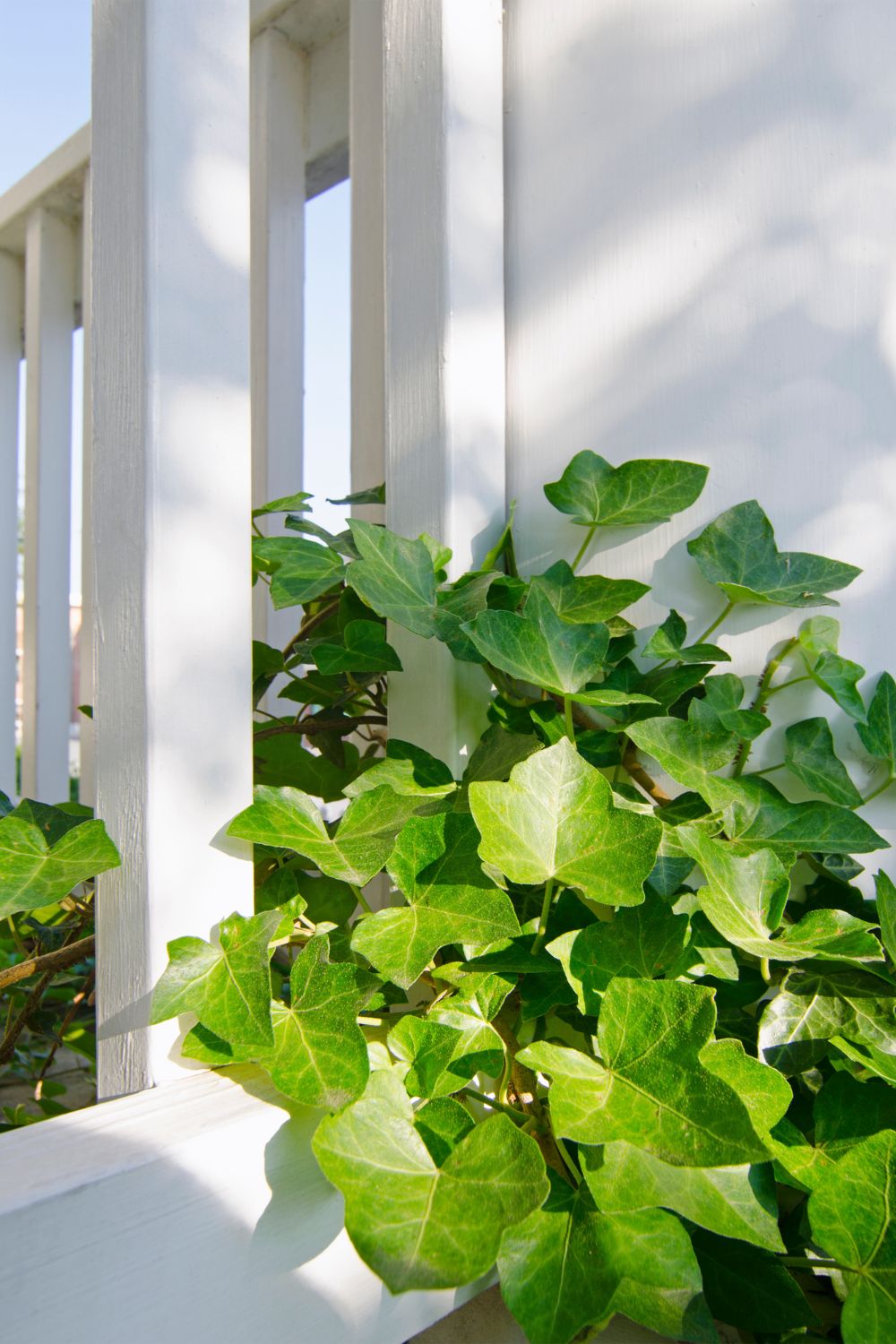
English ivy is a popular choice for erosion control on slopes. This fast-growing vine spreads quickly, forming a dense mat of foliage that holds soil in place.
We love English ivy for its ability to thrive in both sun and shade. It’s also very low-maintenance once established.
The plant’s strong root system helps stabilize soil on hillsides. Its evergreen leaves provide year-round coverage and add visual interest to sloped areas.
While English ivy is effective for erosion control, we should note it can be invasive in some regions. It’s best to check local guidelines before planting.
14. Honeysuckle
Honeysuckle vines are great for erosion control on sloped areas. They spread quickly and form dense ground cover that helps hold soil in place.
We recommend choosing non-invasive honeysuckle varieties to avoid them taking over. Low-growing types work well as ground covers on banks and slopes.
Honeysuckle plants prefer full sun to partial shade. They adapt to many soil types but need good drainage. Spring or fall is the best time to plant them.
Space honeysuckle plants 5-10 feet apart to allow room for spreading. Their fragrant flowers attract pollinators, adding beauty and ecological benefits to sloped areas.
15. Daylily
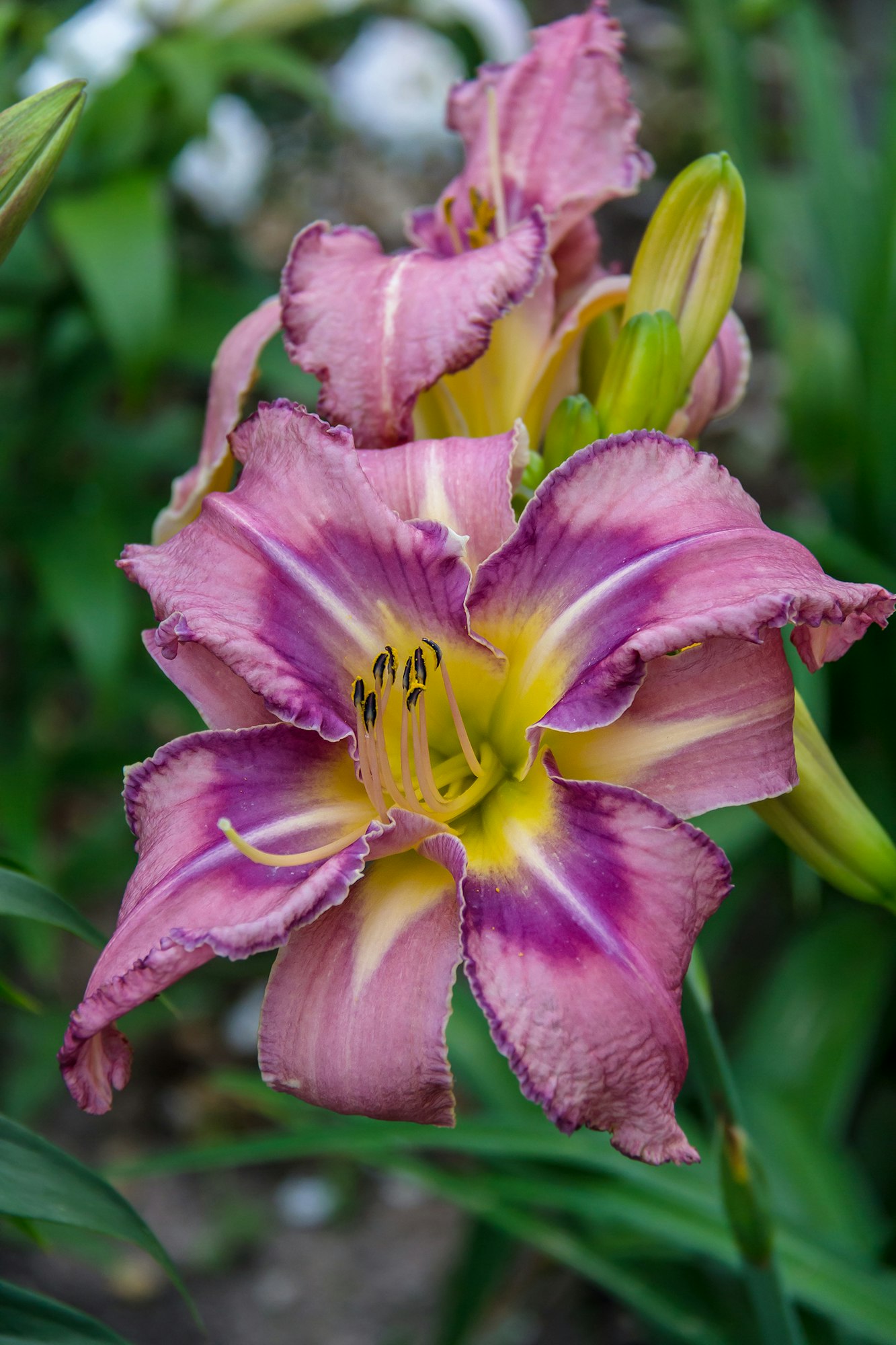
Daylilies are great plants for sloped areas and erosion control. They have strong, fibrous root systems that help hold soil in place on hillsides.
These hardy perennials spread quickly to form dense clumps. This helps prevent erosion by slowing water runoff and stabilizing the soil.
Daylilies are low-maintenance and drought-tolerant once established. They bloom in many colors throughout summer, adding beauty to slopes.
We recommend planting daylilies 12-18 inches apart on hills. This spacing allows them to fill in and provide good ground coverage for erosion control.
16. Russian Sage
Russian sage is a great choice for sloped areas. This hardy perennial has deep roots that help hold soil in place. It thrives in full sun and doesn’t need much water once established.
We love Russian sage for its silvery foliage and purple flowers. It blooms from summer into fall, adding long-lasting color to slopes. The plant grows 2-4 feet tall and wide, providing good coverage.
Russian sage is deer-resistant and attracts butterflies. It’s low-maintenance and tolerates poor soil. For best results, we plant it in well-draining spots. It pairs nicely with other drought-tolerant plants on slopes.
17. Candytuft
Candytuft is a low-growing perennial that’s great for erosion control on slopes. It forms a dense mat of evergreen foliage that helps hold soil in place.
In spring, candytuft produces masses of small white flowers that cover the plant. This creates a stunning visual effect on hillsides.
We love candytuft for its drought tolerance once established. It thrives in full sun and well-drained soil.
For best results, we plant candytuft 12-18 inches apart. This allows it to spread and fill in over time. Regular pruning after flowering keeps it compact and tidy.
18. Blue Fescue

Blue fescue is a great choice for sloped areas. This grass forms small, neat clumps with blue-green or silvery-blue foliage. It grows well in full sun to light shade.
Blue fescue has a shallow but dense root system that helps hold soil in place. This makes it effective for erosion control on gentle slopes.
We like blue fescue for its drought tolerance once established. It needs little maintenance beyond occasional trimming. The grass keeps its color year-round in mild climates.
Blue fescue looks nice planted in groups or mixed with other low-growing plants. Its compact size works well for smaller slopes or as an accent in larger plantings.