




In This Article Show
Raising goats in your backyard can be both rewarding and surprisingly manageable—if you know what you’re doing. When I first got started, I thought all I needed was a fence and a couple of goats. I quickly learned there’s a lot more to it. From choosing the right breed to keeping them healthy and happy, the little details matter.

These goat farming tips are based on what’s worked for me and many other small-scale farmers.
Whether you’re raising goats for milk, meat, or just for fun, these practical insights will help you avoid rookie mistakes and build a setup that works long term.
1. Start with the Right Breed

Not all goats are the same. I made the mistake of picking based on looks—what I should’ve done was match the breed to my goals. For milk, Nubians or Saanens work great. For meat, look into Boer goats.
Why This Works
Choosing the right breed saves time, money, and effort. You’ll get better results with animals suited to your climate, goals, and setup.
2. Build a Strong, Goat-Proof Fence
Goats are escape artists. I learned early on that a weak fence equals missing goats. Use welded wire, not regular mesh, and keep it at least 4-5 feet tall.
Why This Works
A solid fence keeps goats in and predators out. It also reduces the stress of chasing them around the neighborhood.
3. Shelter Them From Rain and Wind
Goats hate being wet. I added a simple three-sided shelter with a dry floor, and my herd has been healthier ever since.
Why This Works
Protection from the elements helps prevent respiratory illness and keeps bedding dry, making clean-up easier.
4. Keep Their Diet Balanced

Feeding goats isn’t just about tossing them hay. I offer clean hay, fresh water, and free-choice minerals. Treats like kitchen scraps are fine—in moderation.
Why This Works
Balanced nutrition supports milk production, healthy hooves, and strong immune systems—saving you vet costs later.
5. Trim Their Hooves Regularly
I used to wait too long between trims and ended up with limping goats. Now I trim every 4-6 weeks, depending on the season.
Why This Works
Regular trims prevent foot rot and discomfort. Healthy hooves mean active, happy goats that are easier to manage.
6. Provide a Clean Water Source
I used to fill buckets once a day—until I noticed my goats weren’t drinking enough. Now I use a raised water trough with fresh water always available, and they stay better hydrated.
Why This Works
Goats won’t drink dirty water. A clean, steady water supply helps with digestion, milk production, and overall health.
7. Learn Basic Goat Health Care

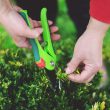
I keep a small kit with essentials like a thermometer, dewormer, and hoof trimmers. It’s saved me more than once when I noticed a goat acting off.
Why This Works
Early detection and quick care can stop small problems from turning into costly emergencies. Knowing the basics gives you peace of mind.
8. Don’t Keep a Lonely Goat
Goats are herd animals. When I tried keeping just one, it constantly cried and escaped. Adding a second goat made all the difference.
Why This Works
They’re social and need companionship to feel secure. A single goat is a stressed goat—and stressed goats aren’t healthy.
9. Rotate Grazing Areas
At first, I let them graze the same patch daily. Big mistake. Now I rotate grazing spots, and their pasture stays lush and clean.
Why This Works
Rotational grazing helps prevent parasites, gives the land time to recover, and keeps your goats from getting bored or destructive.
10. Watch Out for Toxic Plants
I thought all plants were fair game—until one of my goats got sick from eating azalea. Now I double-check everything they can reach.
Why This Works
Some common plants are dangerous for goats. Being aware of what’s safe prevents accidental poisoning and costly vet visits.
11. Keep Buck and Does Separate (Most of the Time)

I made the mistake of letting my buck stay with the does year-round. It led to surprise pregnancies and stressed-out girls.
Why This Works
Separating them gives you better control over breeding and protects the does from being overworked or bred too young.
12. Record Everything
I use a simple notebook to track births, deworming, vet visits, and feed changes. It’s helped me spot patterns I wouldn’t have noticed otherwise.
Why This Works
Good records help you make smarter decisions and catch issues early. You’ll also appreciate them during breeding season or when selling stock.