




In This Article Show
Fall is one of the most useful seasons in the garden, but it is also easy to make decisions that create more work later. Cutting plants back too early, leaving soil exposed, overwatering, or planting at the wrong time can weaken plants just before winter and reduce how well the garden performs in spring.
The best fall gardening routine is not about cleaning everything until the beds look empty. It is about protecting healthy soil, removing genuine problems, giving new plants enough time to establish, and leaving useful food and shelter for wildlife. Avoiding these common mistakes can help your garden enter winter in much better condition.
1. Cutting Every Plant Down to the Ground
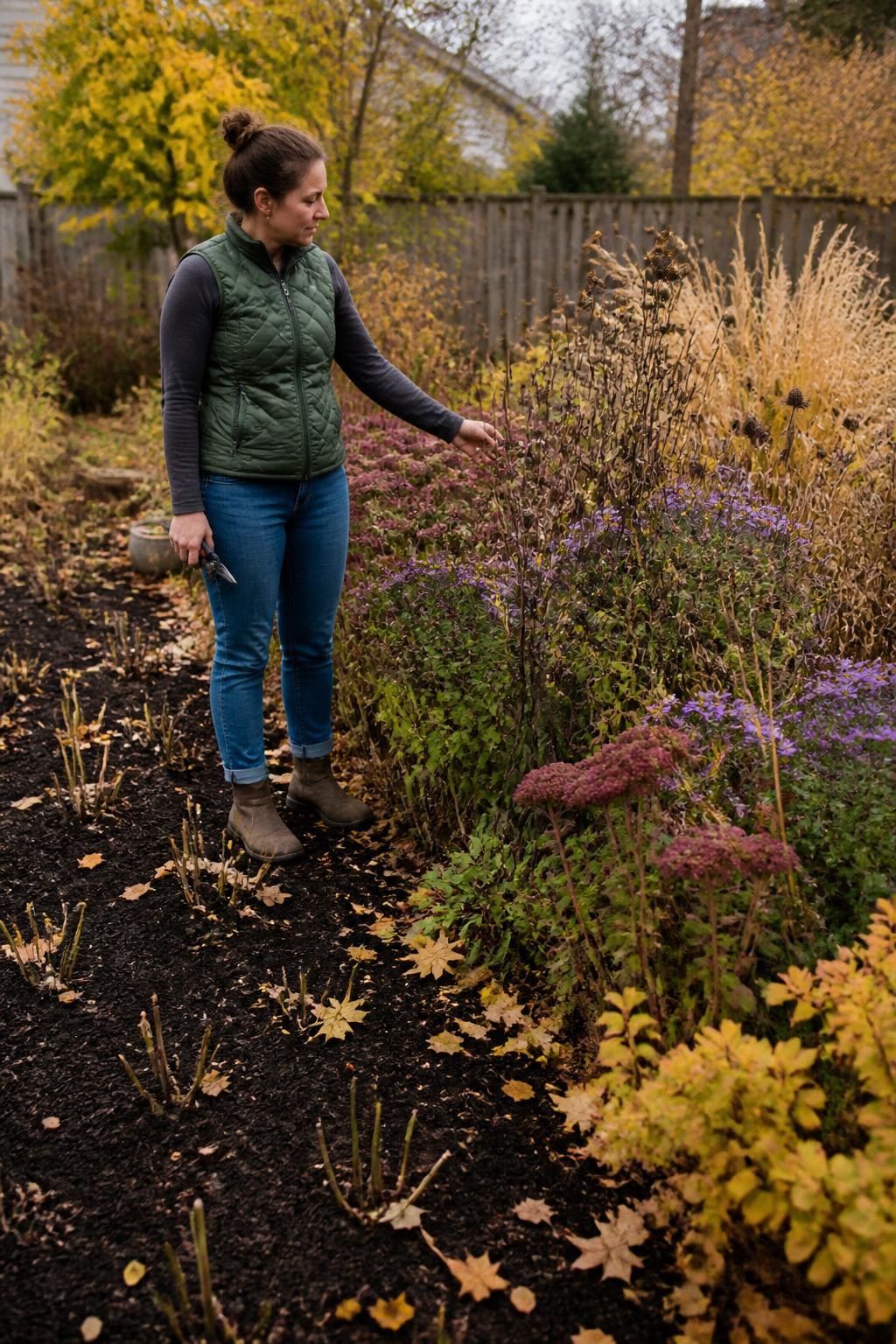
It can be tempting to cut every faded plant down as soon as fall arrives, but many healthy stems and seedheads still serve a purpose. Coneflowers, black-eyed Susans, sedum, ornamental grasses, asters, and native perennials can provide seeds for birds, shelter for beneficial insects, and structure through winter.
Remove plants that are diseased, collapsing across paths, or likely to spread unwanted seeds. Leave selected healthy plants standing until late winter or early spring. This creates a more balanced cleanup and prevents the garden from becoming completely bare.
2. Pruning Spring-Flowering Shrubs in Fall
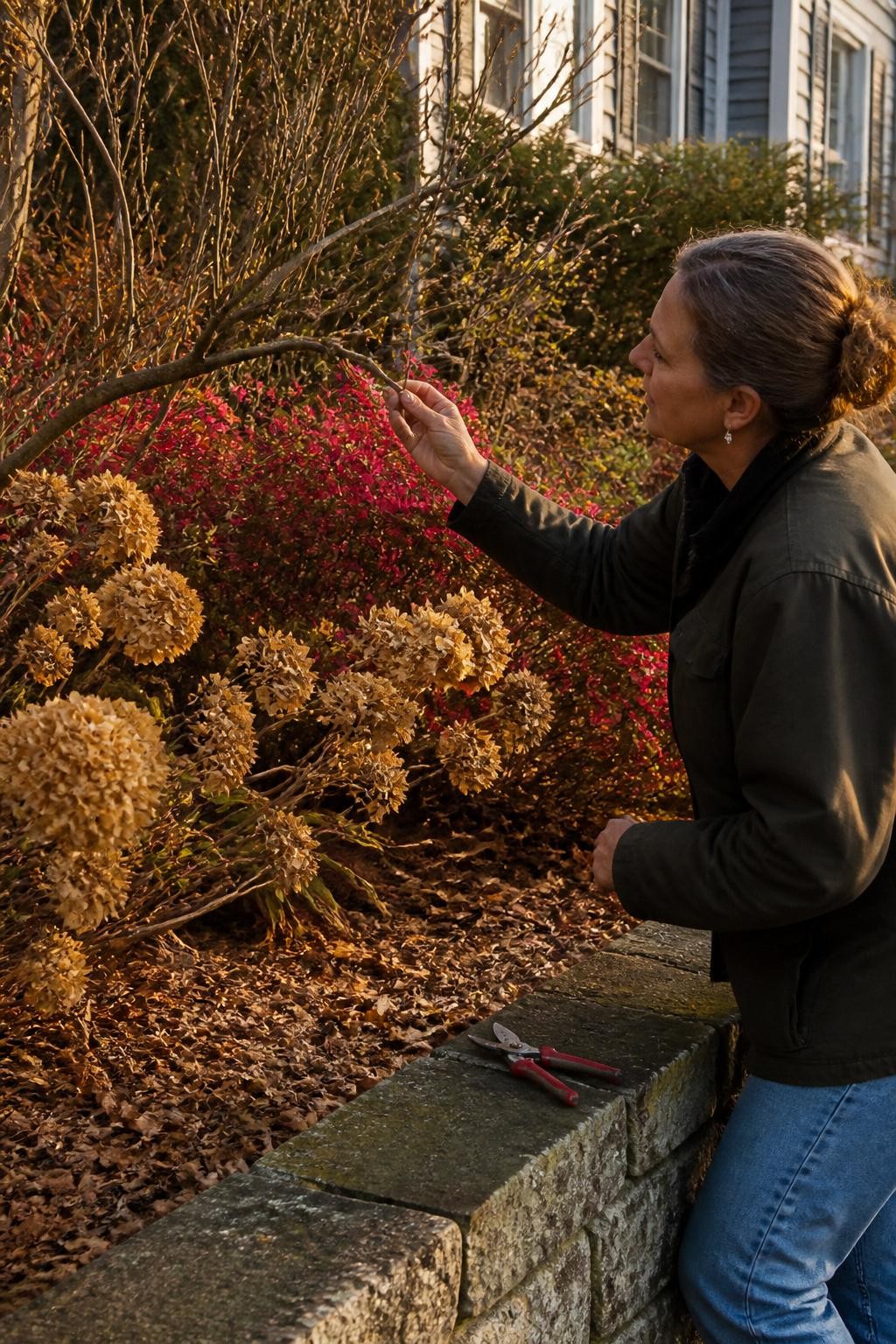
Many spring-flowering shrubs form their flower buds months before they bloom. Pruning lilacs, forsythia, azaleas, rhododendrons, weigela, and some hydrangeas in fall can remove much of next spring’s display.
Limit fall pruning to dead, damaged, diseased, or dangerous branches. Save shaping for shortly after the plant finishes flowering, unless the variety has different pruning needs. When you are unsure, identifying the plant before making any large cuts is safer than guessing.
3. Leaving Garden Soil Completely Bare
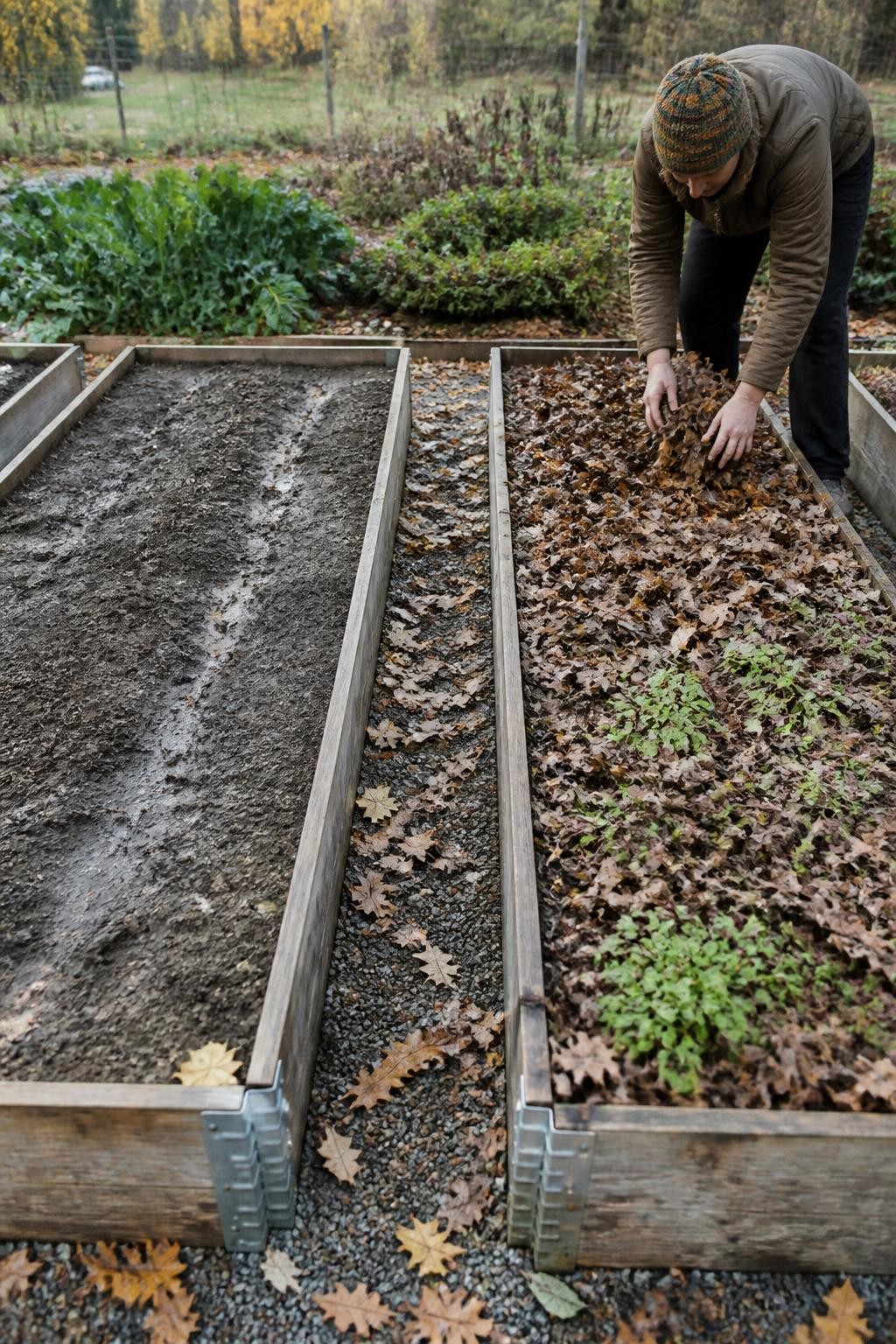
Bare soil is exposed to heavy rain, erosion, compaction, nutrient loss, and winter weed growth. It can also lose some of the structure and biological activity that help plants establish strong roots.
Cover empty beds with shredded leaves, clean straw, compost, or a locally suitable cover crop. Use a loose layer rather than a thick wet mat. In spring, move the covering aside for sowing or leave it around larger transplants as mulch.
4. Mulching Too Early or Too Heavily
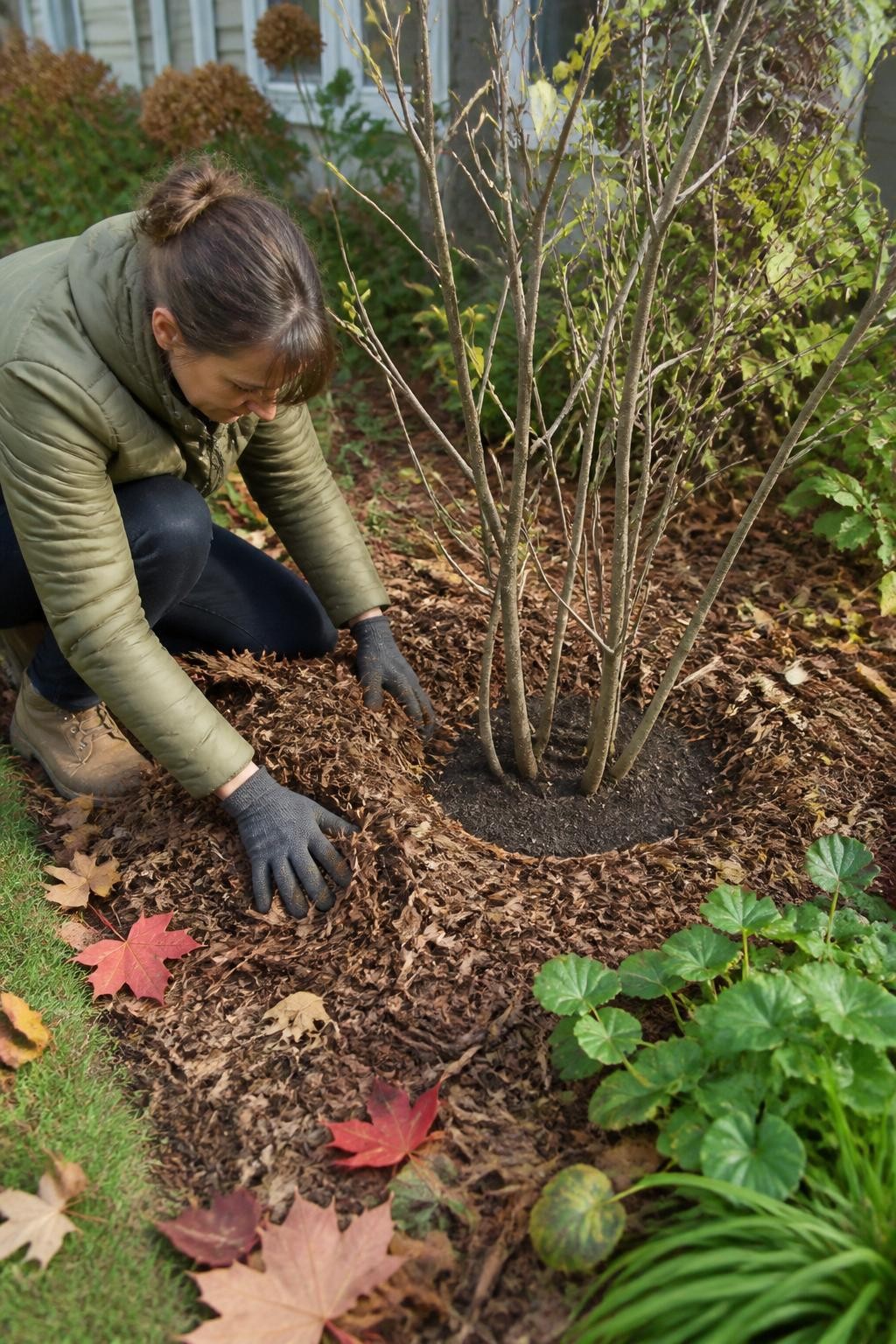
Applying heavy mulch while the soil is still warm can create shelter for rodents and delay natural dormancy. Thick piles around stems and crowns can also trap excess moisture, leading to rot and other damage.
Wait until the soil has cooled before applying winter mulch around vulnerable plants. Spread it across the root area while keeping it away from trunks, crowns, and stems. The goal is to reduce rapid temperature changes, not to bury the plant.
5. Planting Too Late for Roots to Establish
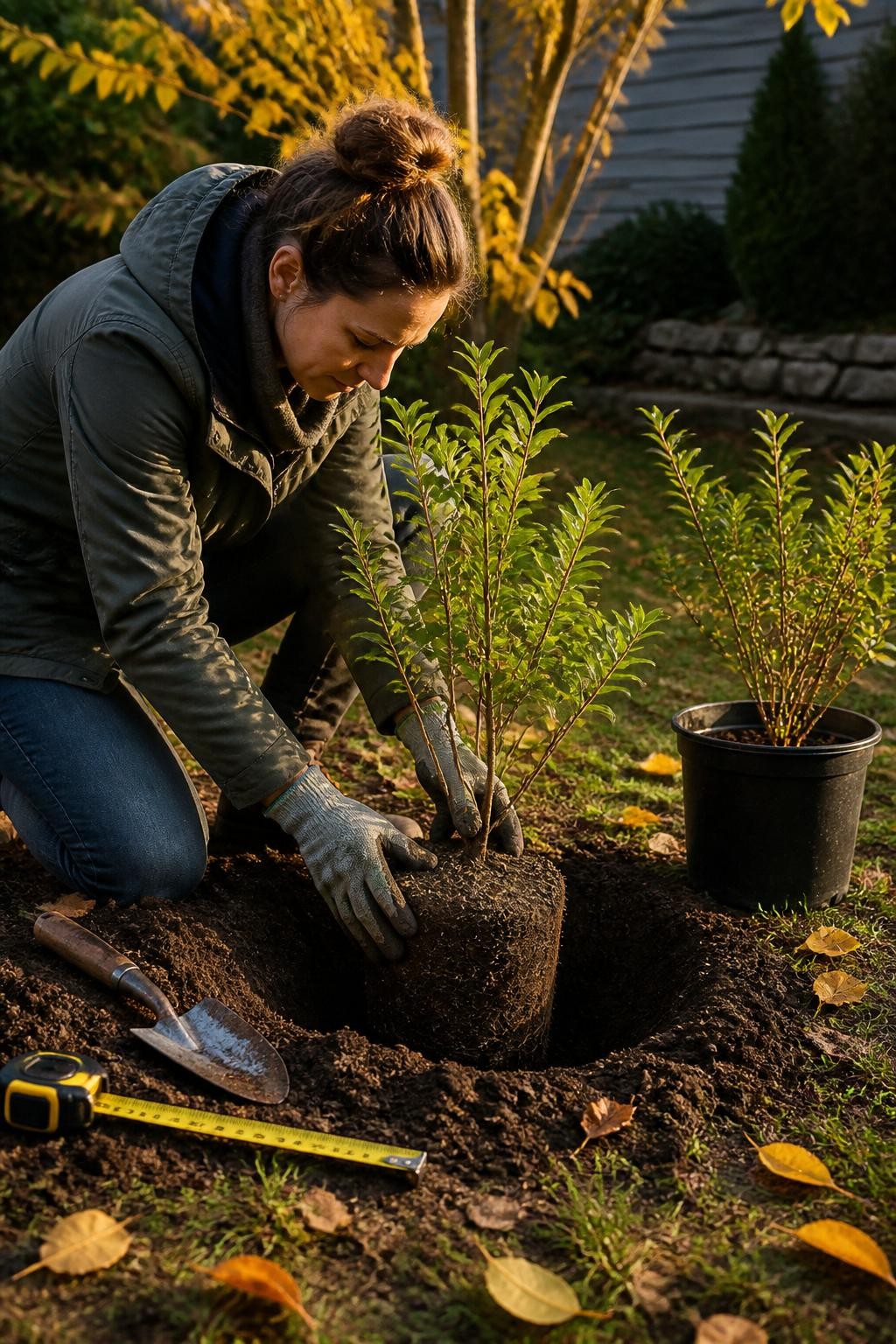
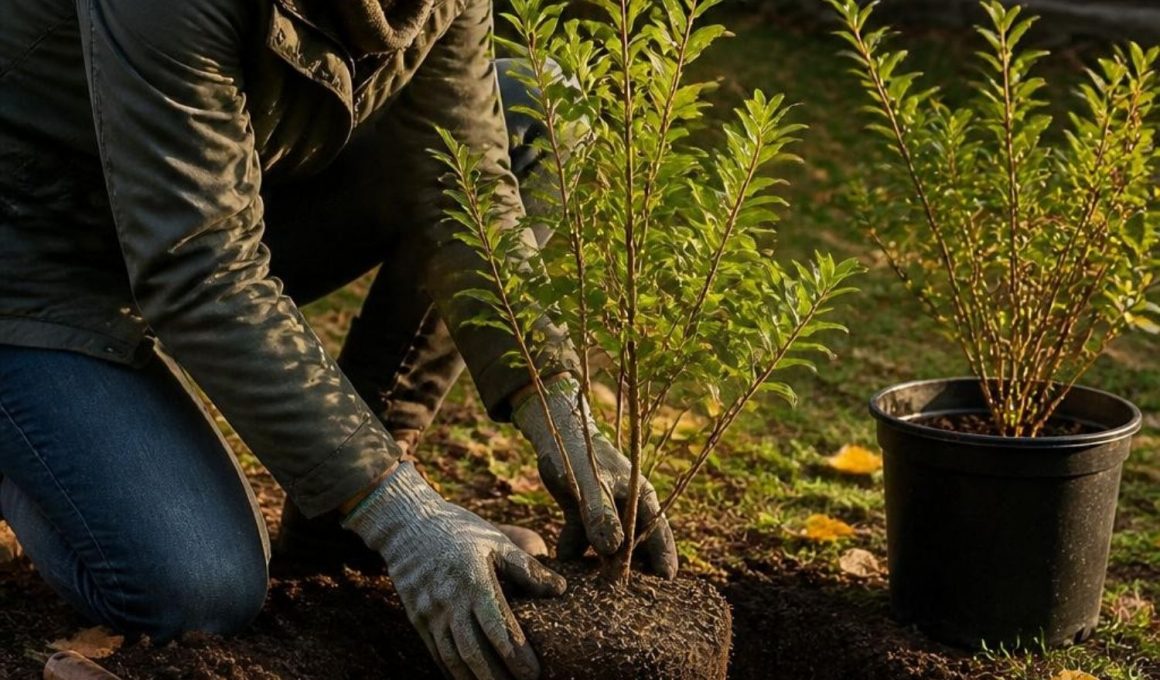
Fall can be an excellent planting season, but trees, shrubs, and perennials still need enough time to begin developing roots before the ground freezes. Planting at the last possible moment can leave them unstable and more vulnerable to winter drying.
Plan major planting projects several weeks before your usual hard-freeze period. Water new plants deeply and continue checking the soil during dry weather. In colder regions, very late purchases may be safer in sheltered containers or temporarily heeled into the soil until spring.
6. Overwatering as Temperatures Drop
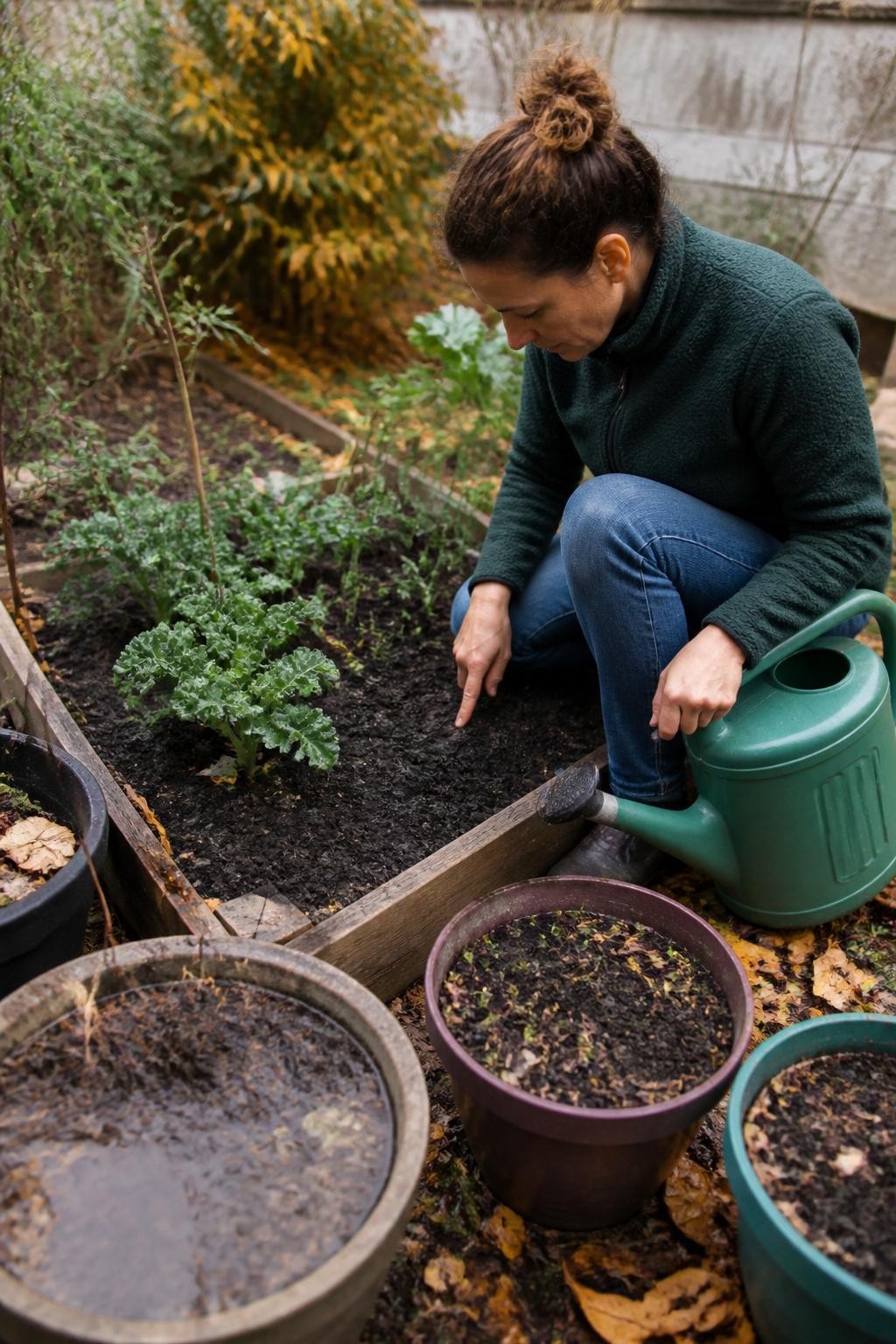
Plants usually lose water more slowly in fall because temperatures are cooler and sunlight is less intense. Continuing a summer watering schedule can leave roots sitting in wet soil and encourage rot, fungal disease, and weak growth.
Check the soil before watering instead of relying only on the calendar. Water deeply when necessary, then allow the upper soil to begin drying. Containers, new plantings, and evergreens still need attention, but they should not remain constantly soaked.
7. Ignoring Diseased Plant Material
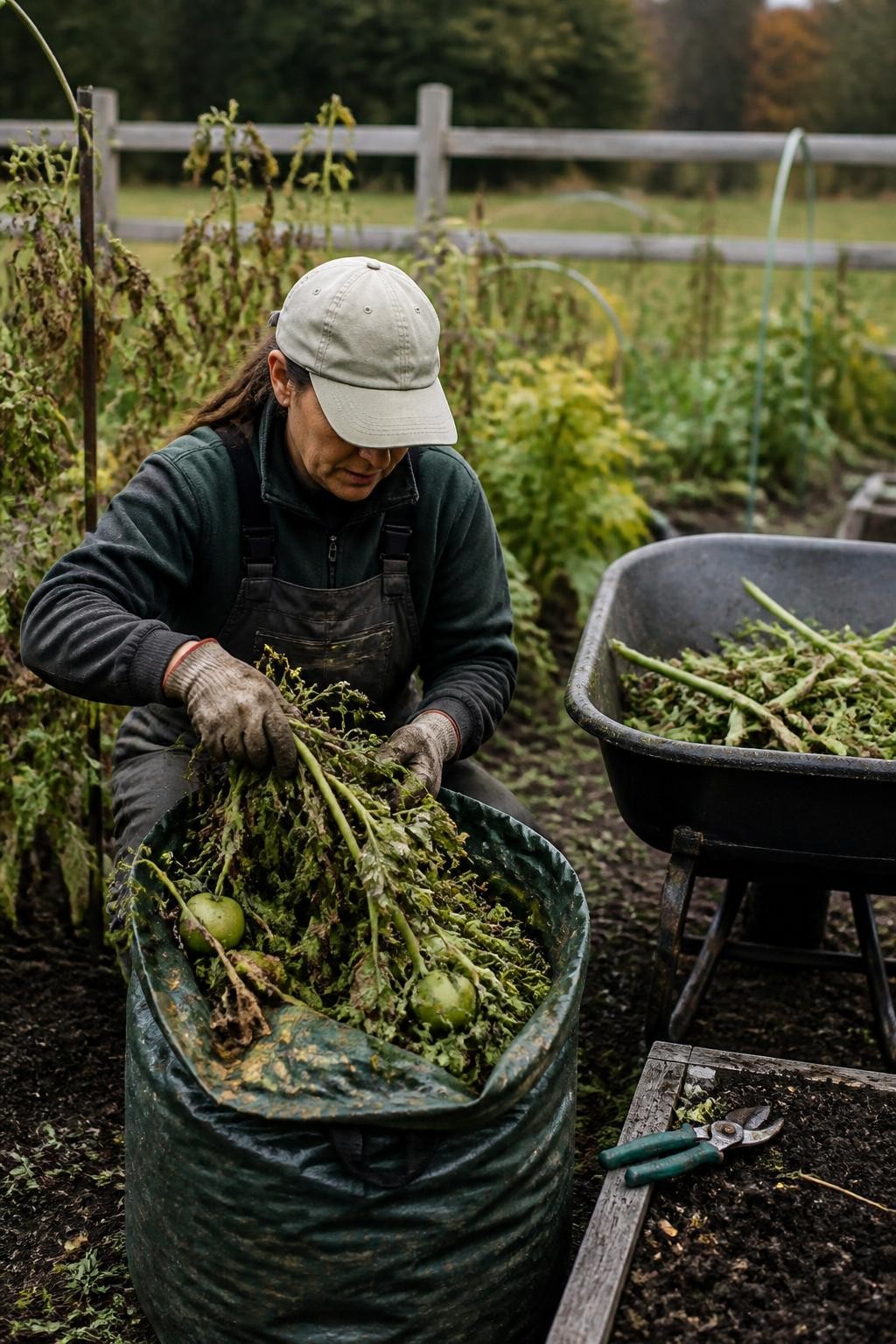
Leaving infected stems, leaves, and fallen fruit in beds can allow some pests and diseases to survive into the next growing season. This is especially risky with plants that had serious blight, mildew, rot, or recurring insect damage.
Remove diseased debris completely and dispose of it through an appropriate local method. Do not add it to a cool backyard compost pile unless you know the pile reaches temperatures capable of destroying pathogens. Healthy material can still be chopped and composted separately.
8. Using Too Much Fertilizer Before Winter
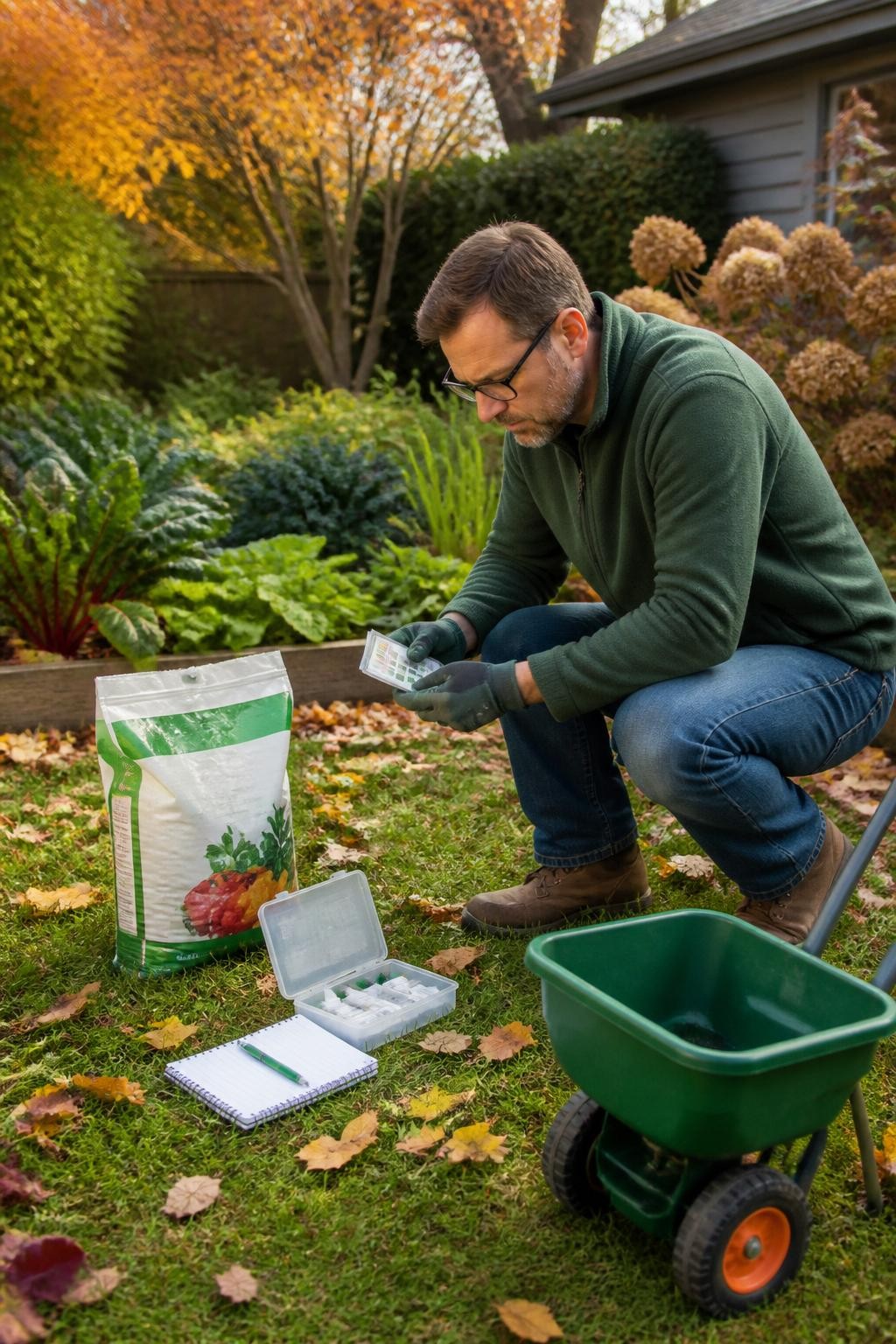
Heavy fertilizing late in the season can encourage soft new growth just as plants should be preparing for dormancy. That tender growth may be damaged by frost, while excess nutrients can wash out of the soil during winter rain.
Use compost to support soil structure and rely on a soil test before applying concentrated fertilizer. Some lawns and specific crops benefit from carefully timed fall feeding, but the product and amount should match the actual need. More fertilizer does not automatically mean stronger plants.
9. Forgetting to Protect Containers and Irrigation Equipment
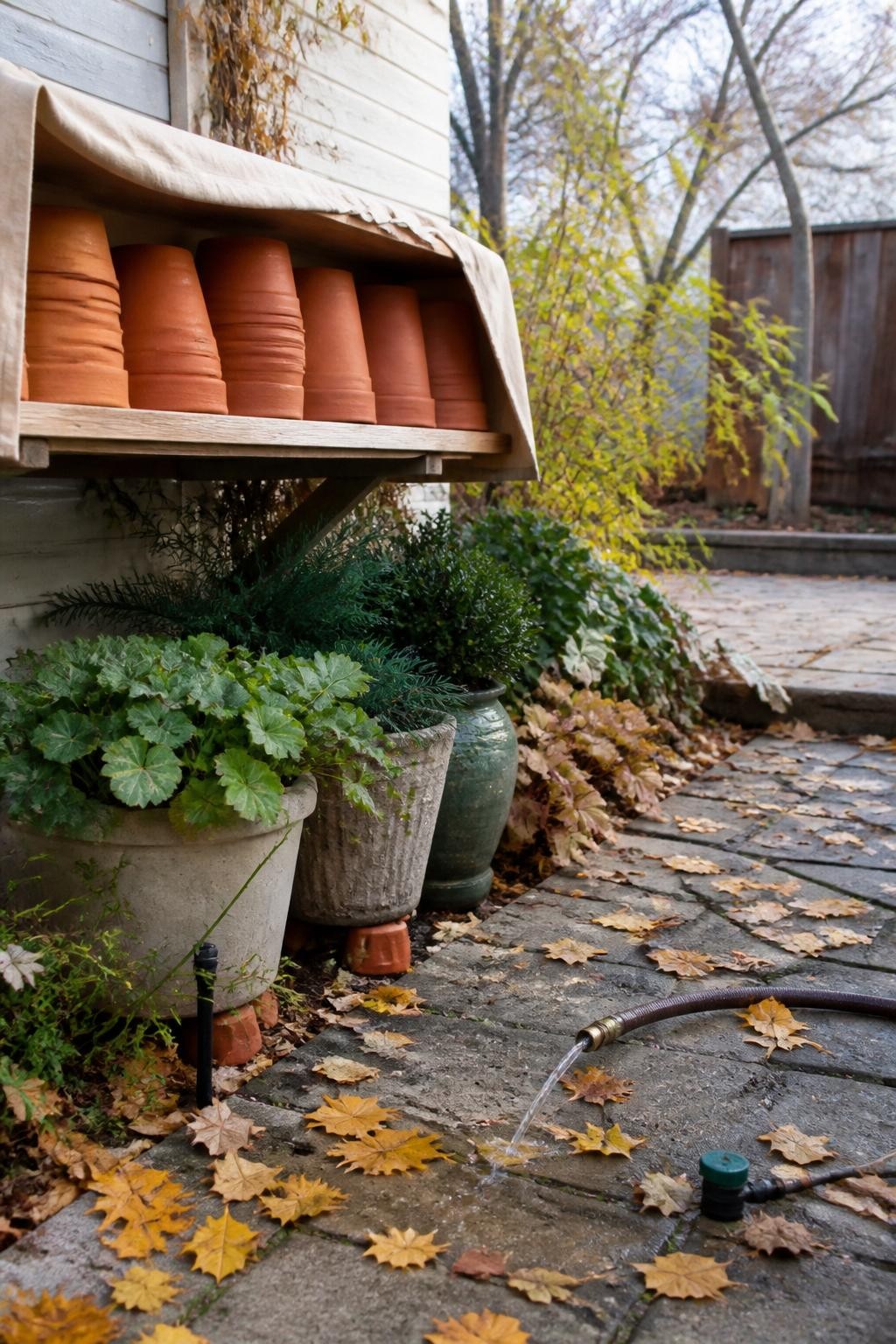
Water trapped inside hoses, watering wands, drip lines, and thin containers can freeze and expand. This can crack fittings, damage irrigation systems, and split pots that were left filled with wet soil.
Drain and store hoses, empty watering cans, and flush irrigation lines before regular freezes. Move vulnerable pots into a dry sheltered area. Keep planted containers raised slightly so drainage holes remain open and water does not collect beneath them.
10. Cleaning the Garden So Thoroughly That Wildlife Has Nothing Left
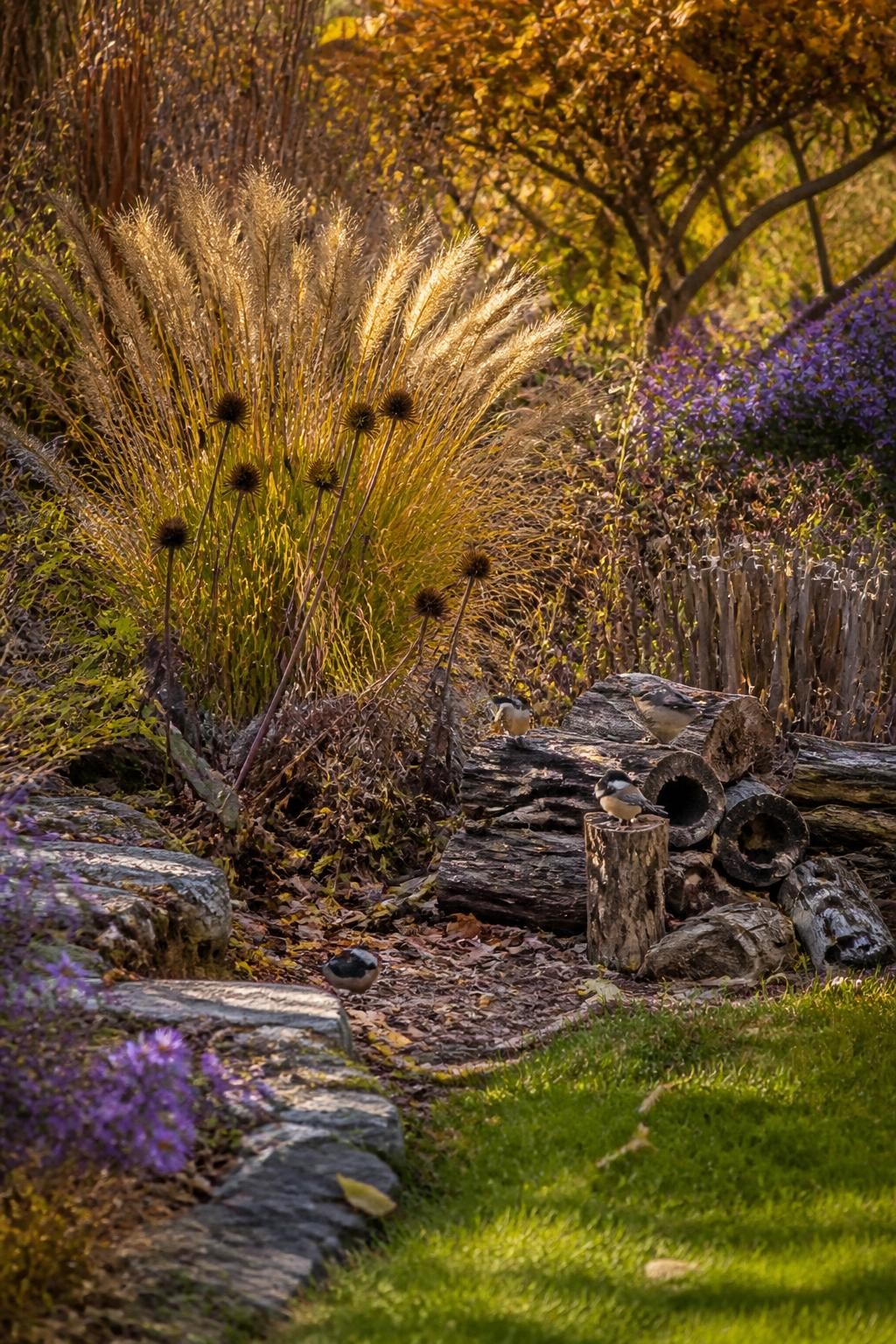
An overly aggressive cleanup can remove seeds, stems, leaves, and hiding places that birds and beneficial insects rely on through winter. A perfectly empty garden is not always a healthier garden.
Keep paths, entrances, and diseased areas tidy, but leave selected seedheads, hollow stems, logs, and leaf litter in quieter parts of the yard. This creates useful habitat without allowing the whole garden to become unmanaged. Finish the remaining cleanup in spring after temperatures begin to rise.