







In This Article Show
Houseplants bring life to your home—but if you share that home with cats or dogs, not all greenery is created equal. Many common houseplants contain natural toxins that can cause anything from mild digestive upset to serious health problems in pets.
Some are toxic only when eaten, while others can irritate skin or cause more dangerous reactions.
To help you avoid an emergency vet visit, here are 15 popular houseplants that aren’t safe for cats or dogs, along with details on why they’re risky and what symptoms to watch for.
1. Peace Lily (Spathiphyllum)
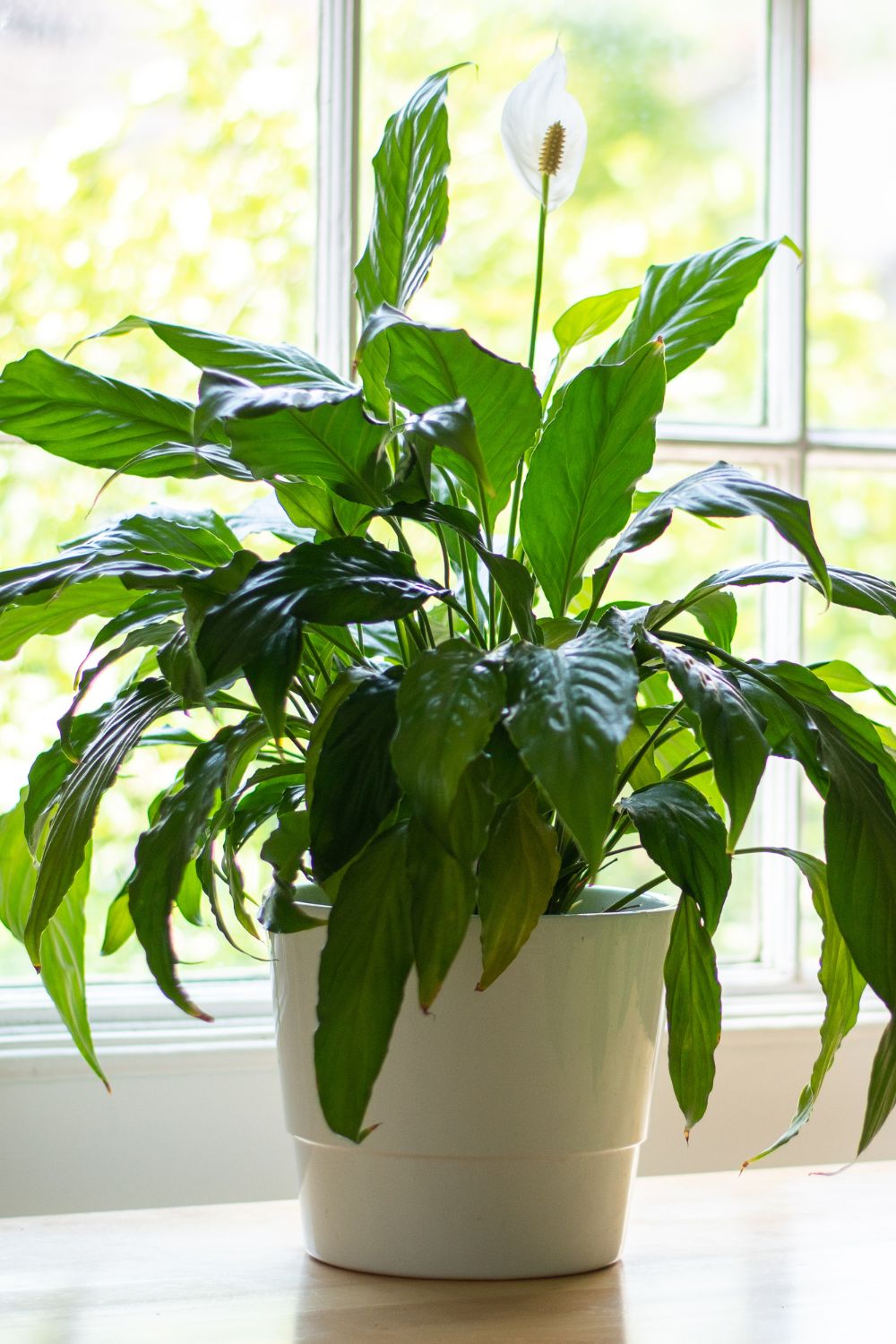
Peace lilies are elegant and easy to grow, often prized for their glossy leaves and occasional white blooms. But for pets, they’re trouble.
Why to avoid
They contain insoluble calcium oxalates, which can cause painful burning and swelling in the mouth, drooling, vomiting, and difficulty swallowing—even if just a small amount is chewed.
Pet risk level
Moderate to high, especially for curious kittens or puppies.
2. Pothos (Epipremnum aureum)

Also known as devil’s ivy, pothos is one of the most popular indoor plants because it thrives almost anywhere. But it’s not pet-safe.
Why to avoid
Its sap contains compounds that irritate your pet’s mouth and digestive system. Common symptoms include intense drooling, pawing at the mouth, and vomiting.
Pet risk level
Moderate. It’s not typically fatal but can cause a lot of discomfort.
3. Snake Plant (Sansevieria trifasciata)
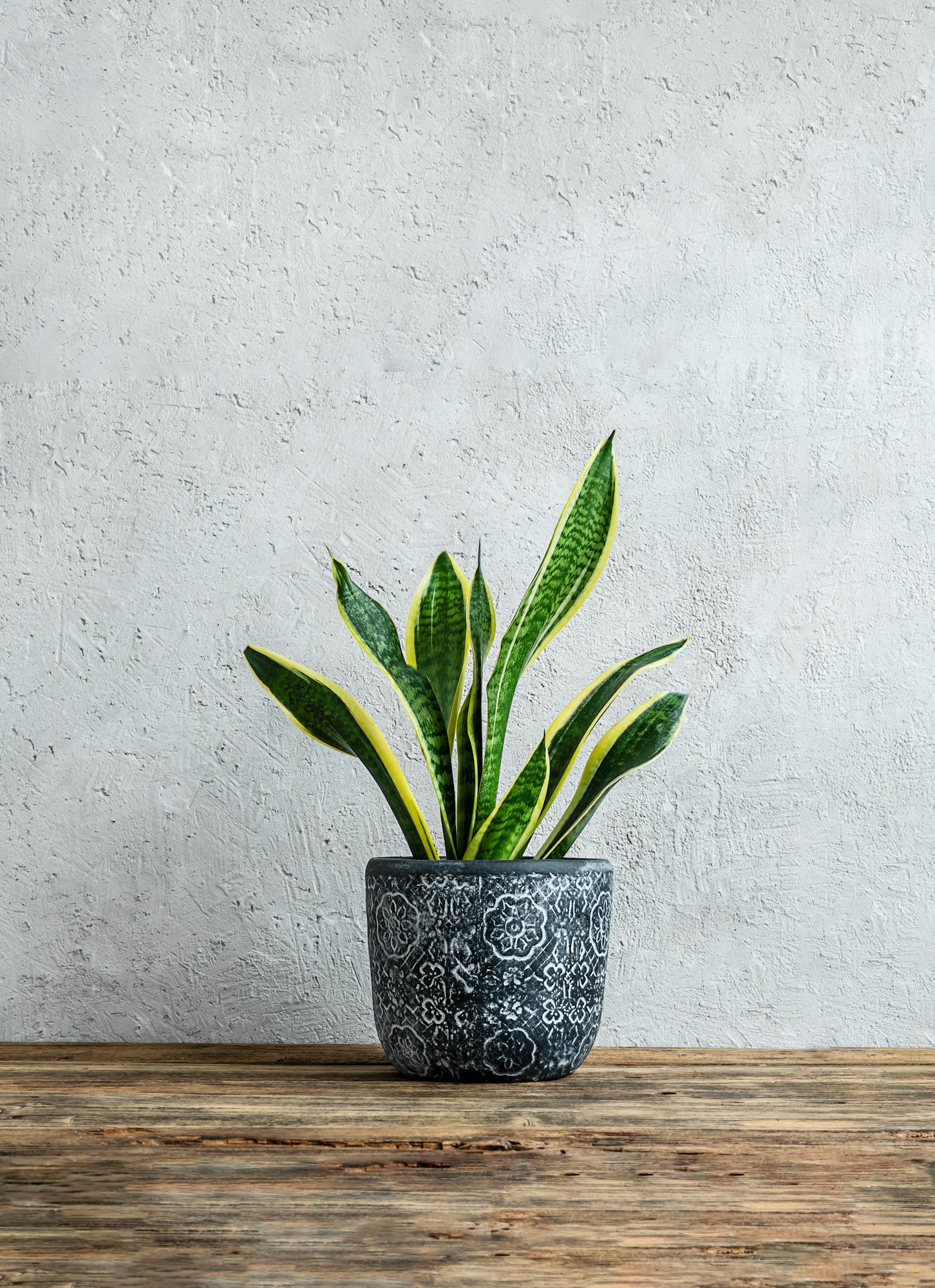
This upright, low-maintenance plant is loved for its ability to survive low light and neglect—but it’s mildly toxic to pets.
Why to avoid
Contains saponins, which may cause nausea, vomiting, and diarrhea if eaten.
Pet risk level
Low to moderate. Usually only causes mild symptoms, but still worth keeping out of reach.
4. ZZ Plant (Zamioculcas zamiifolia)
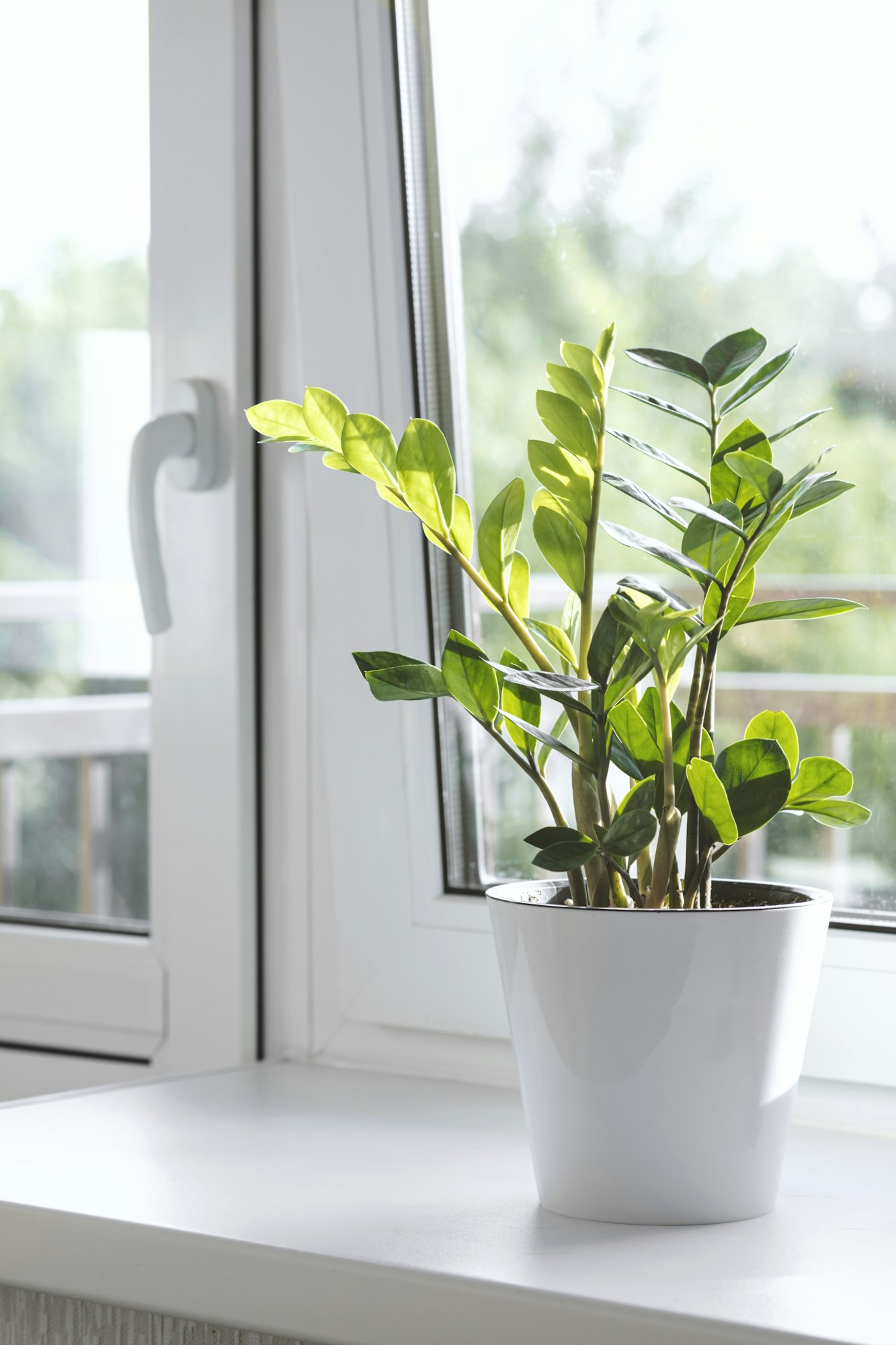
The ZZ plant is practically indestructible, making it a go-to for beginners. However, it’s also considered toxic to pets.
Why to avoid
Its calcium oxalate content can irritate the mouth and stomach if nibbled, leading to vomiting, drooling, or trouble eating.
Pet risk level
Moderate. It doesn’t take much to cause irritation.
5. Philodendron (all varieties)
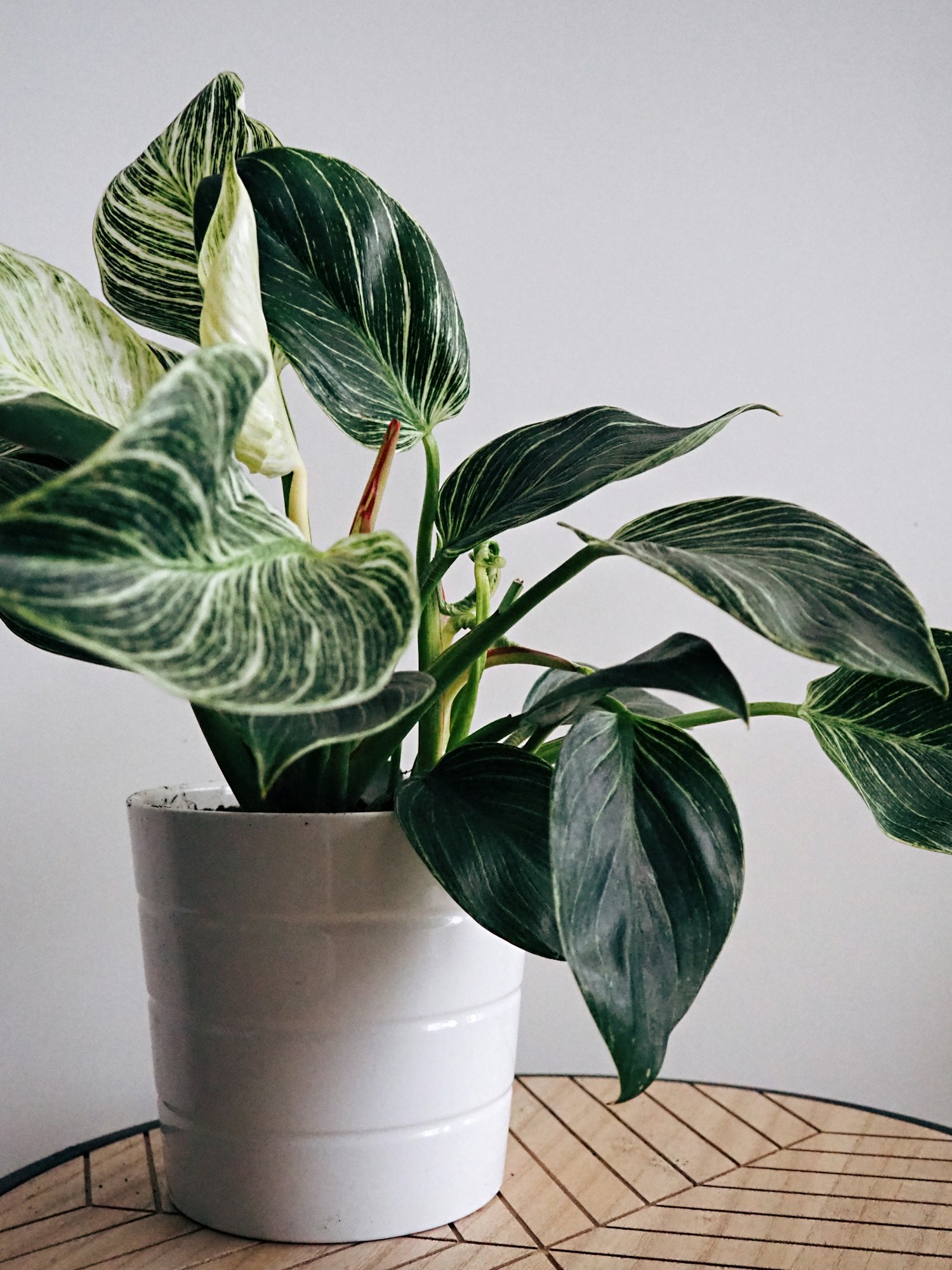
Philodendrons come in many shapes and sizes—heartleaf, split-leaf, and more. Unfortunately, none are safe for pets.
Why to avoid
They contain calcium oxalates that cause oral pain, drooling, and digestive upset. In rare cases, swelling can interfere with breathing.
Pet risk level
Moderate to high. Symptoms can be severe if a large amount is eaten.
6. Dieffenbachia (Dumb Cane)
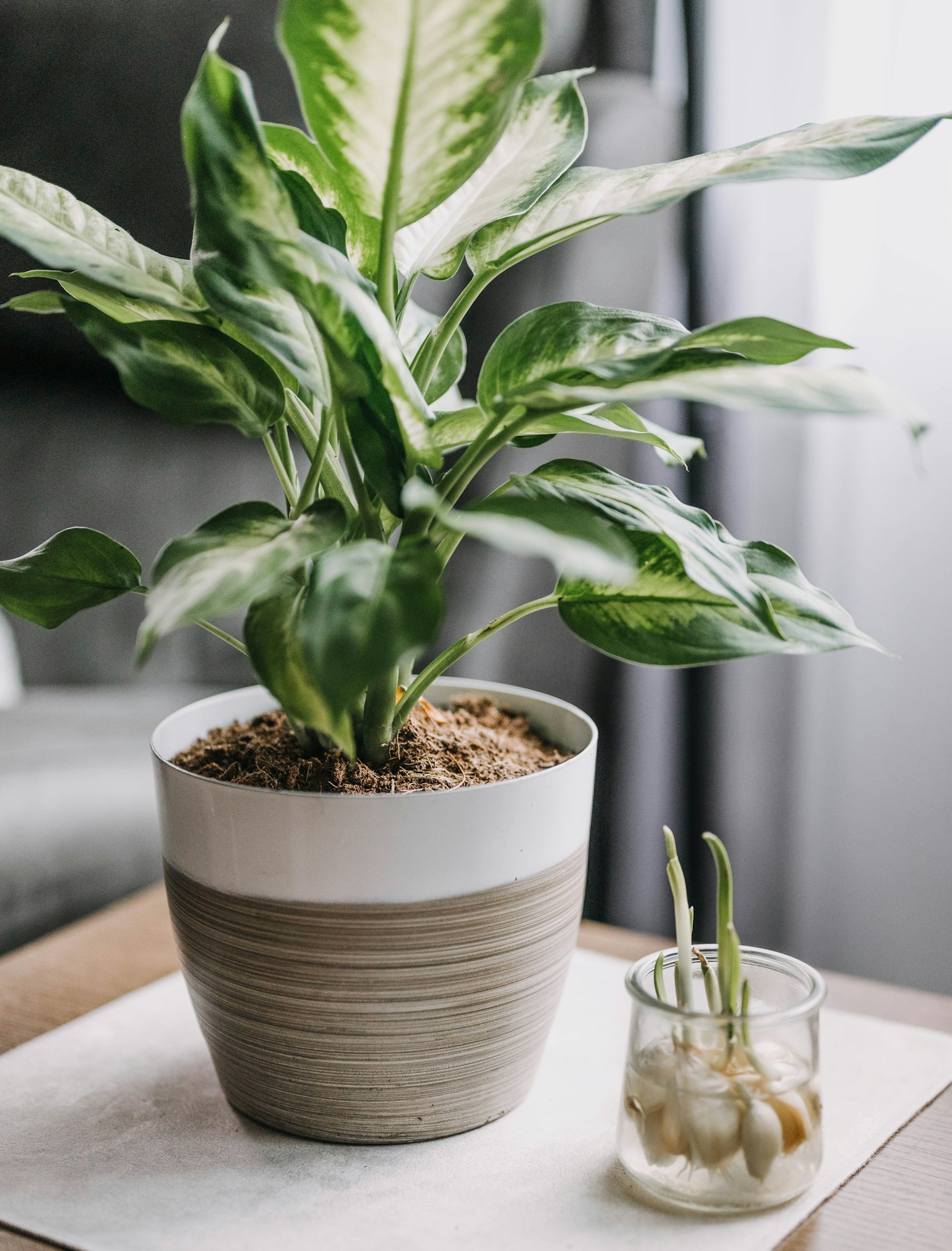
Why to avoid
A common office and home plant with striking leaves, Dieffenbachia is attractive—but risky for pets.
It contains oxalate crystals that can cause severe mouth irritation, vomiting, and in some cases, swelling of the airway.
Pet risk level
High. Even a small bite can trigger a strong reaction.
7. Aloe Vera
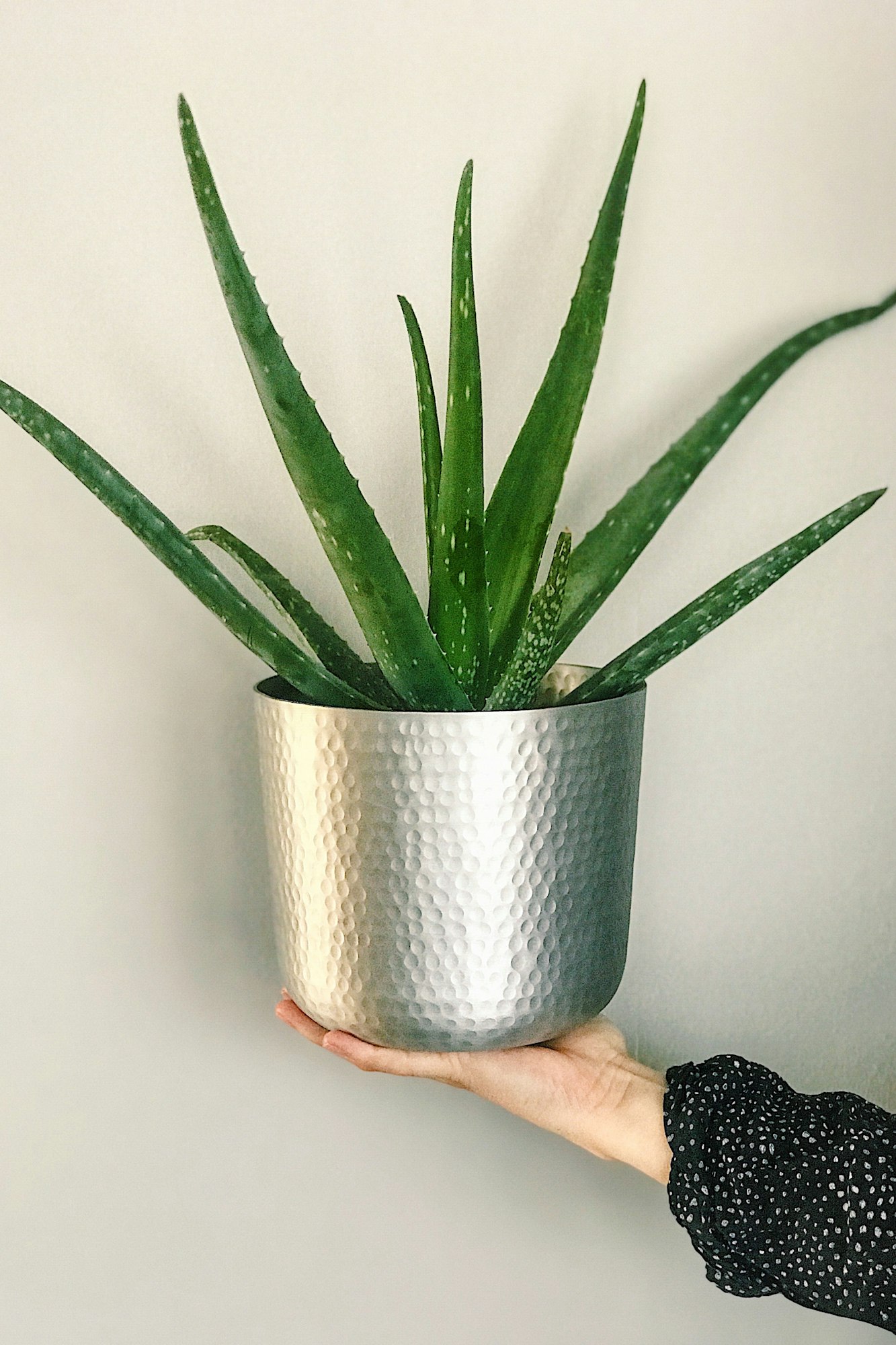
While great for treating cuts and burns in humans, aloe is not pet-friendly in plant form.
Why to avoid
The latex layer just beneath the skin of the leaf contains compounds that can cause vomiting, diarrhea, and lethargy in pets.
Pet risk level
Moderate. The gel is less toxic, but the plant as a whole can still cause harm.
8. English Ivy (Hedera helix)
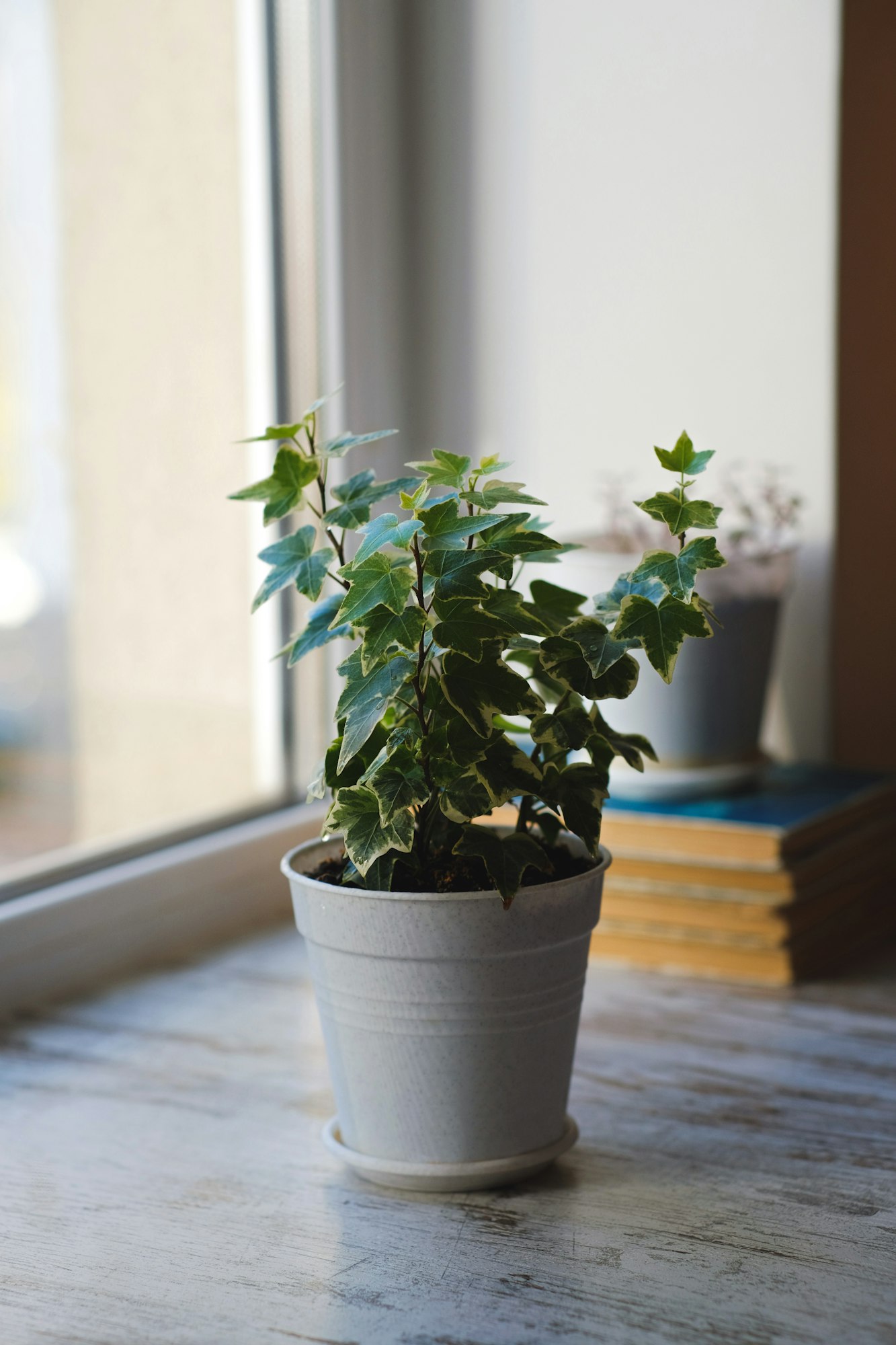
Often grown in hanging baskets or as a decorative trailing plant, English ivy is toxic to both cats and dogs.
Why to avoid
It contains triterpenoid saponins that can lead to vomiting, drooling, abdominal pain, and diarrhea.
Pet risk level
Moderate to high, especially in pets that chew leaves regularly.
9. Jade Plant (Crassula ovata)
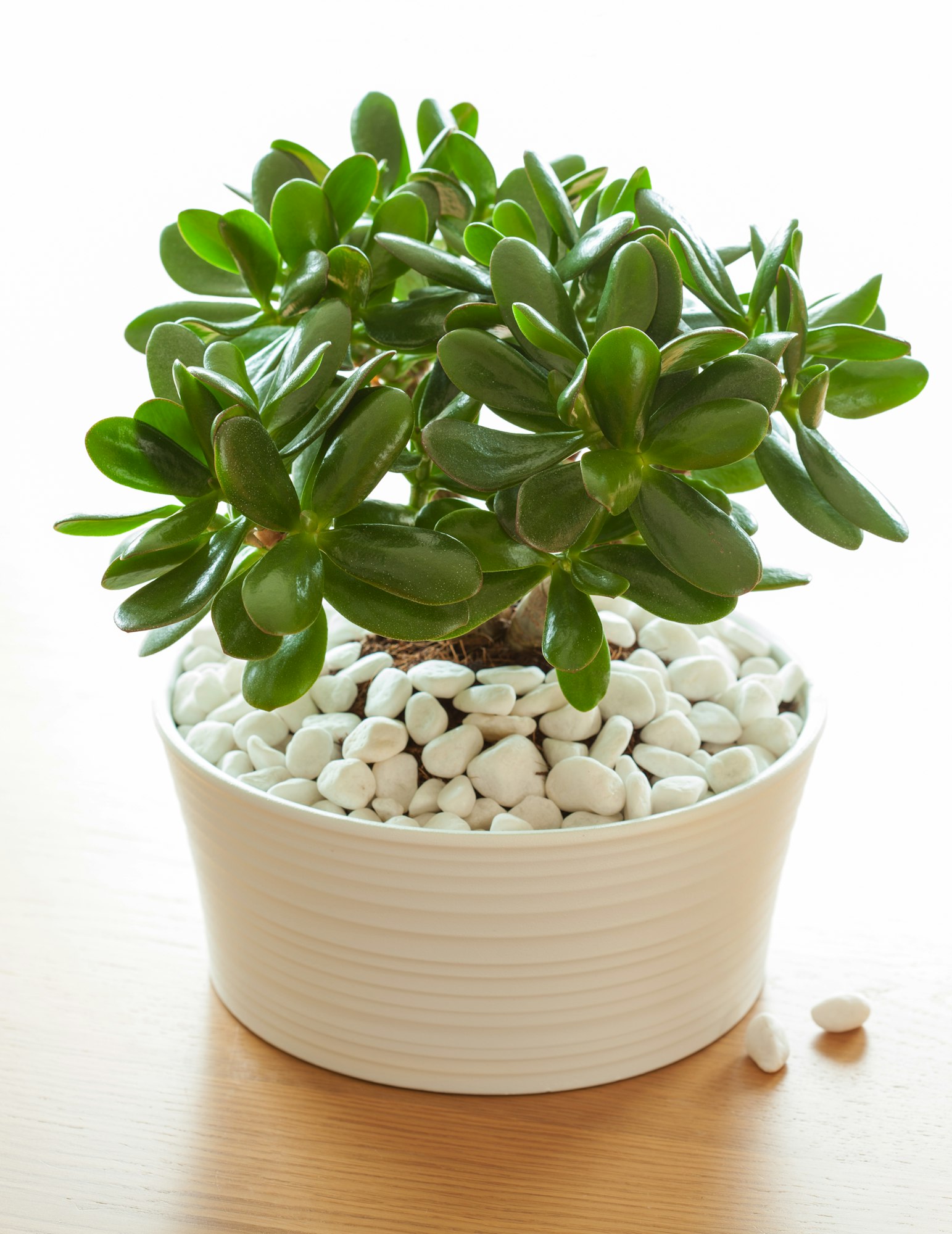
This succulent is popular for its chubby leaves and low maintenance, but it’s best kept out of homes with pets.
Why to avoid
The exact toxin is unknown, but ingestion can lead to vomiting, lethargy, incoordination, and even tremors.
Pet risk level
Moderate. Serious reactions are less common but possible.
10. Sago Palm (Cycas revoluta)

This is one of the most toxic plants on the list and should be completely avoided in pet households.
Why to avoid
All parts of the plant are poisonous, especially the seeds. It contains cycasin, which causes liver failure, seizures, and can be fatal even in small amounts.
Pet risk level
Extremely high. This is a veterinary emergency if ingested.
11. Monstera Deliciosa
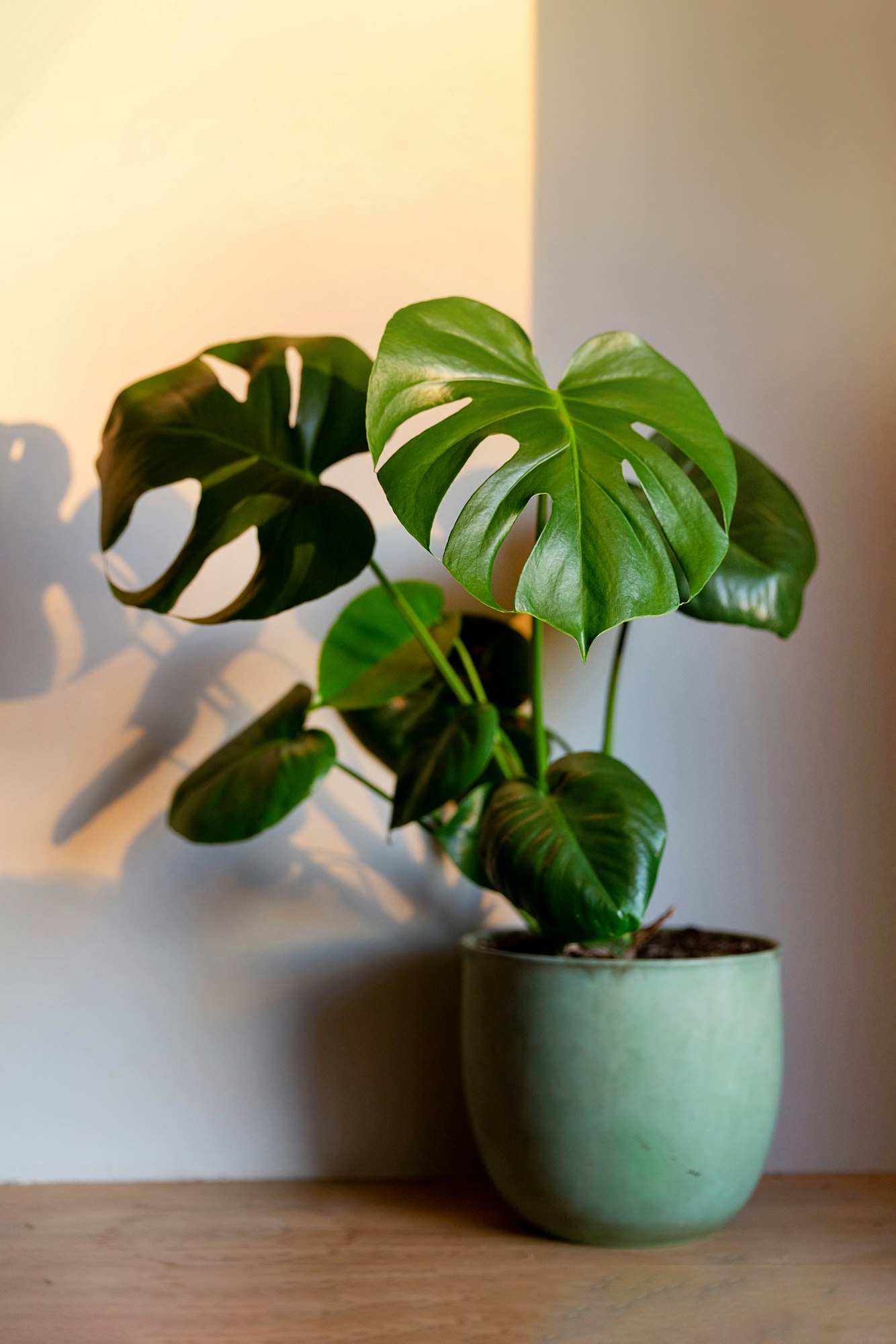
Famous for its large, split leaves, Monstera is trendy but not pet-safe.
Why to avoid
Like many tropicals, it contains insoluble calcium oxalates. Ingestion leads to oral pain, vomiting, and drooling.
Pet risk level
Moderate. Most pets recover quickly, but it can be quite painful.
12. Rubber Plant (Ficus elastica)
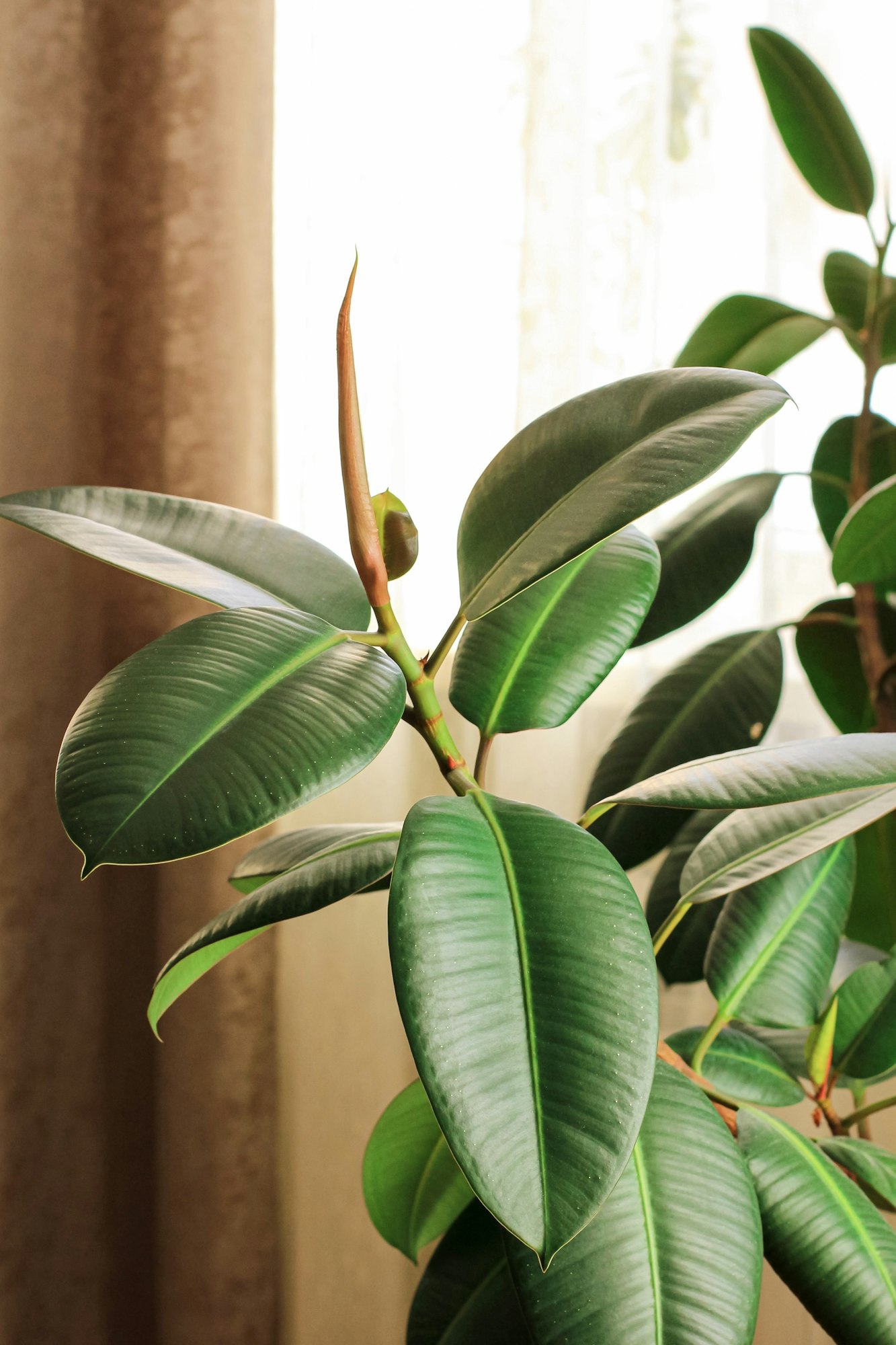
Rubber plants are often used as indoor trees, but their sap is irritating to pets.
Why to avoid
Chewing the leaves or stems can cause mild to moderate vomiting and oral irritation.
Pet risk level
Low to moderate. Not usually dangerous, but still not safe.
13. Dracaena (Corn Plant)
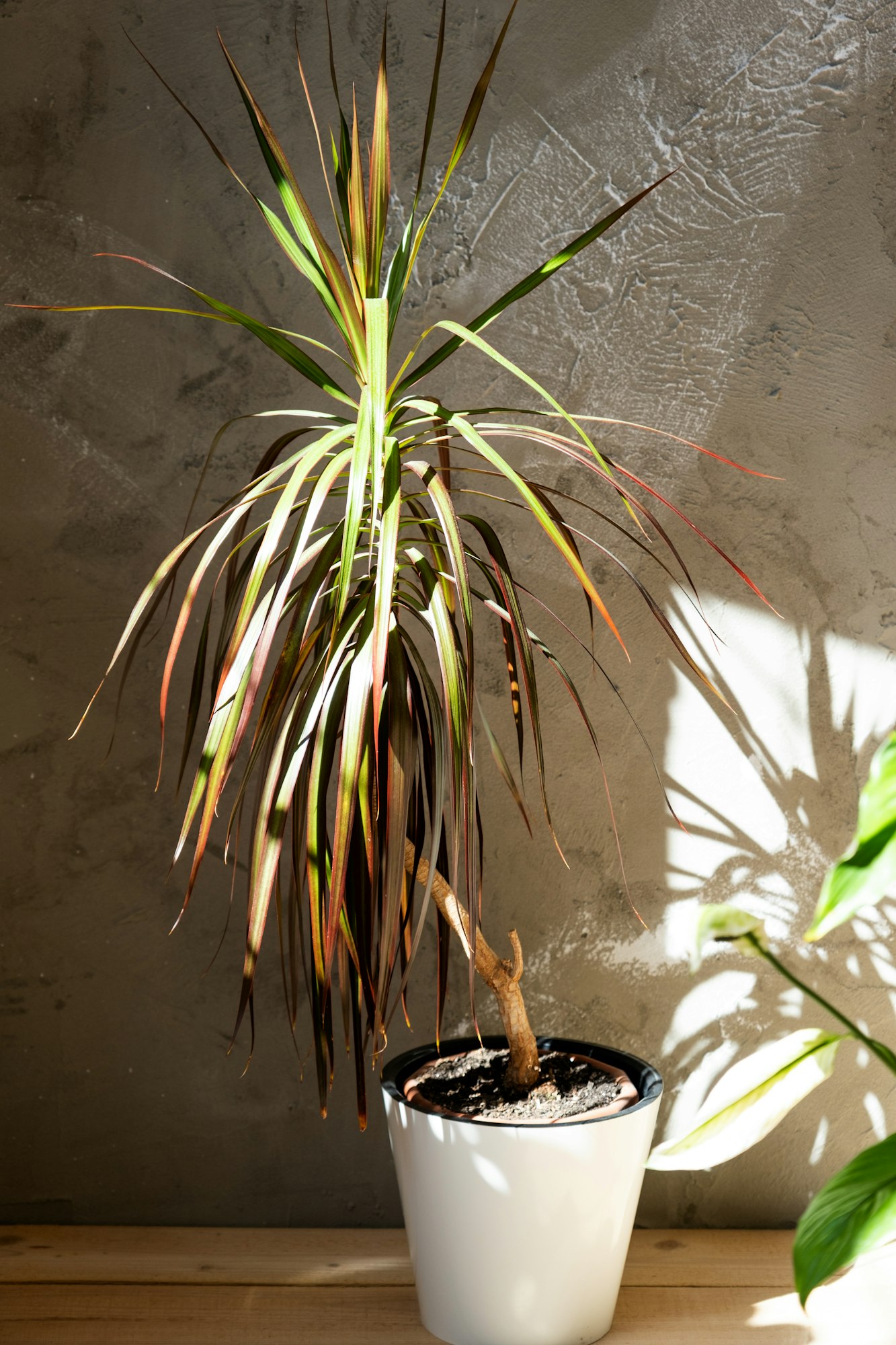
Dracaena is a common indoor plant that grows tall and looks great—but it’s toxic to both dogs and cats.
Why to avoid
It contains saponins, which can cause vomiting (sometimes with blood), appetite loss, and depression.
Pet risk level
Moderate. Ingestion usually causes GI distress.
14. Kalanchoe

This succulent produces small clusters of flowers and is often sold in garden centers, but it’s a risky one for pets.
Why to avoid
Kalanchoe contains compounds that can affect heart rhythm in high amounts and cause vomiting or diarrhea in smaller doses.
Pet risk level
Moderate to high, depending on how much is ingested.
15. Lavender (fresh plant form)
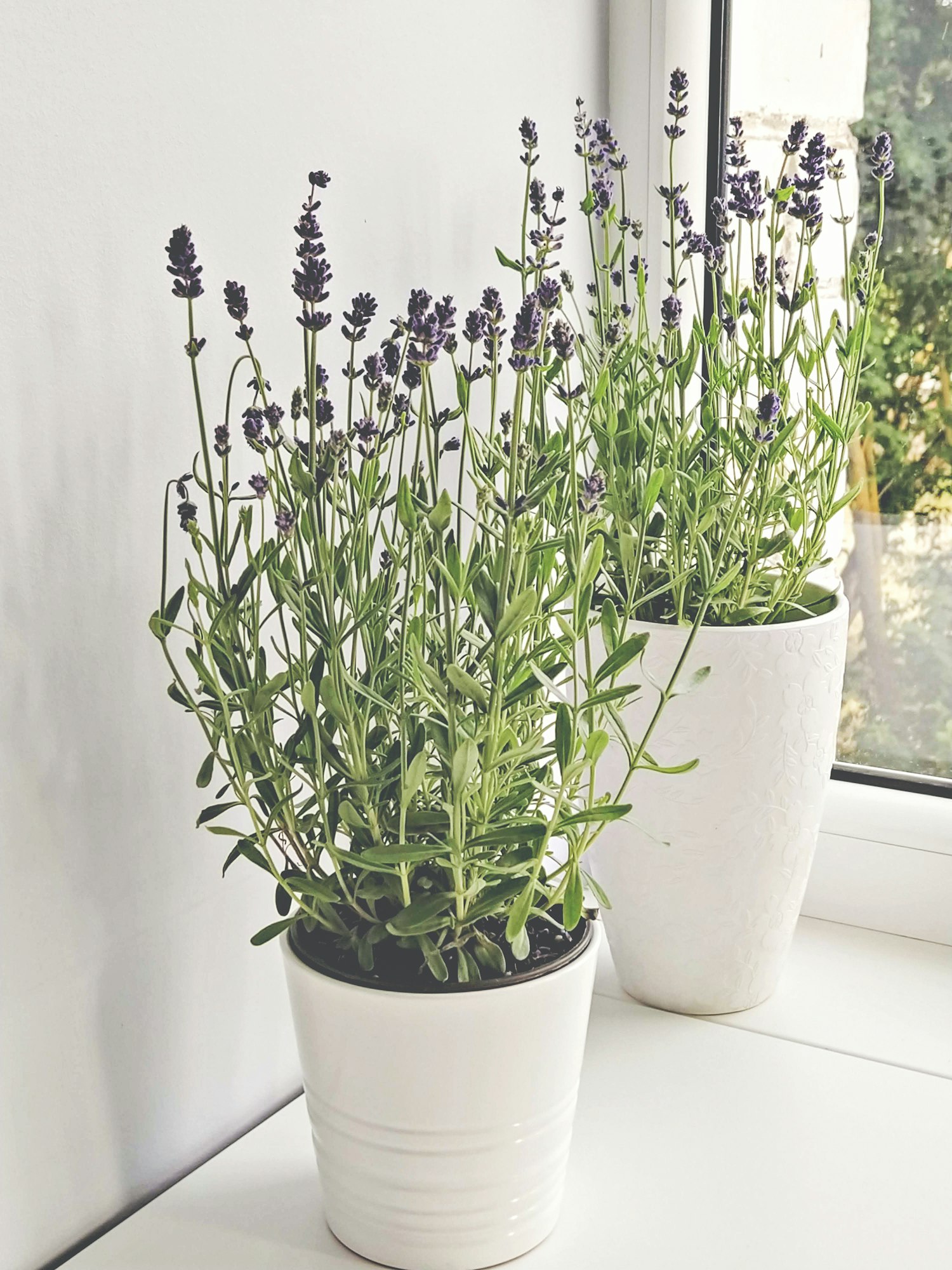
While lavender essential oil is well-known for its calming properties, the fresh plant can cause issues for pets.
Why to avoid
It contains linalool, which can cause nausea and vomiting. In large doses, it may lead to more serious symptoms.
Pet risk level
Low to moderate, but not worth the risk in households with curious pets.
Before adding any plant to your home, it’s important to check whether it’s safe for pets. Even a plant that’s harmless to humans can be dangerous for cats and dogs. Always research or consult your vet, and when in doubt, choose a known pet-safe option instead.