







In This Article Show
Want to fill your space with lush, leafy greens—but don’t have much sunlight? No problem. Some houseplants thrive in lower light and still grow tall, wide, and dramatic.

These large plants are perfect for adding a bold, natural touch to corners, entryways, or anywhere that needs a little life.
Here are 15 of the best big houseplants for low-light spaces.
1. Snake Plant (Sansevieria)
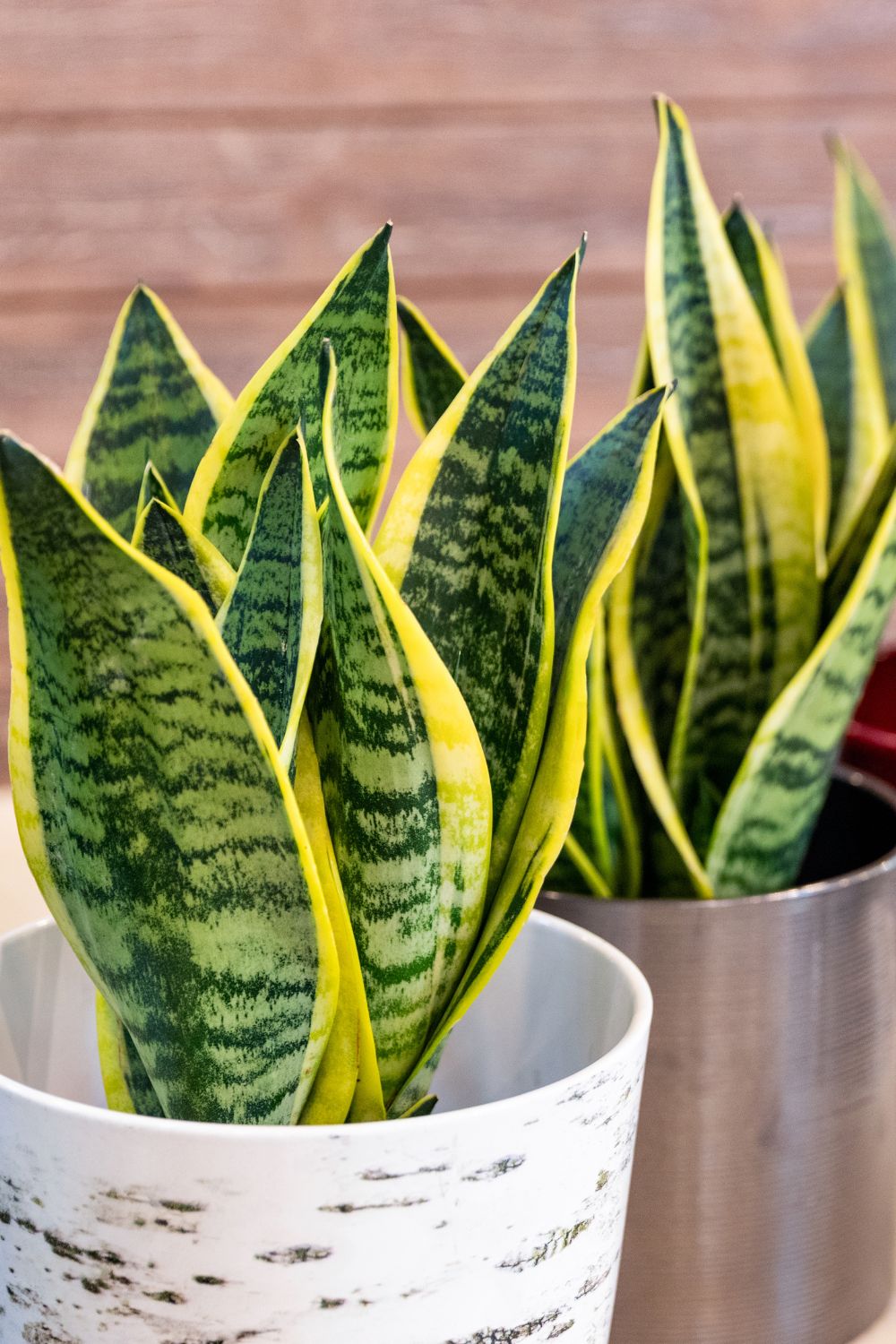
Tough as nails and nearly impossible to kill, the snake plant grows upright with stiff, sword-like leaves. It handles low light better than most large plants.
Why this works
It adapts to any light level, doesn’t need much water, and purifies the air.
Quick Tip
Let the soil dry out completely between waterings to avoid root rot.
2. ZZ Plant (Zamioculcas zamiifolia)
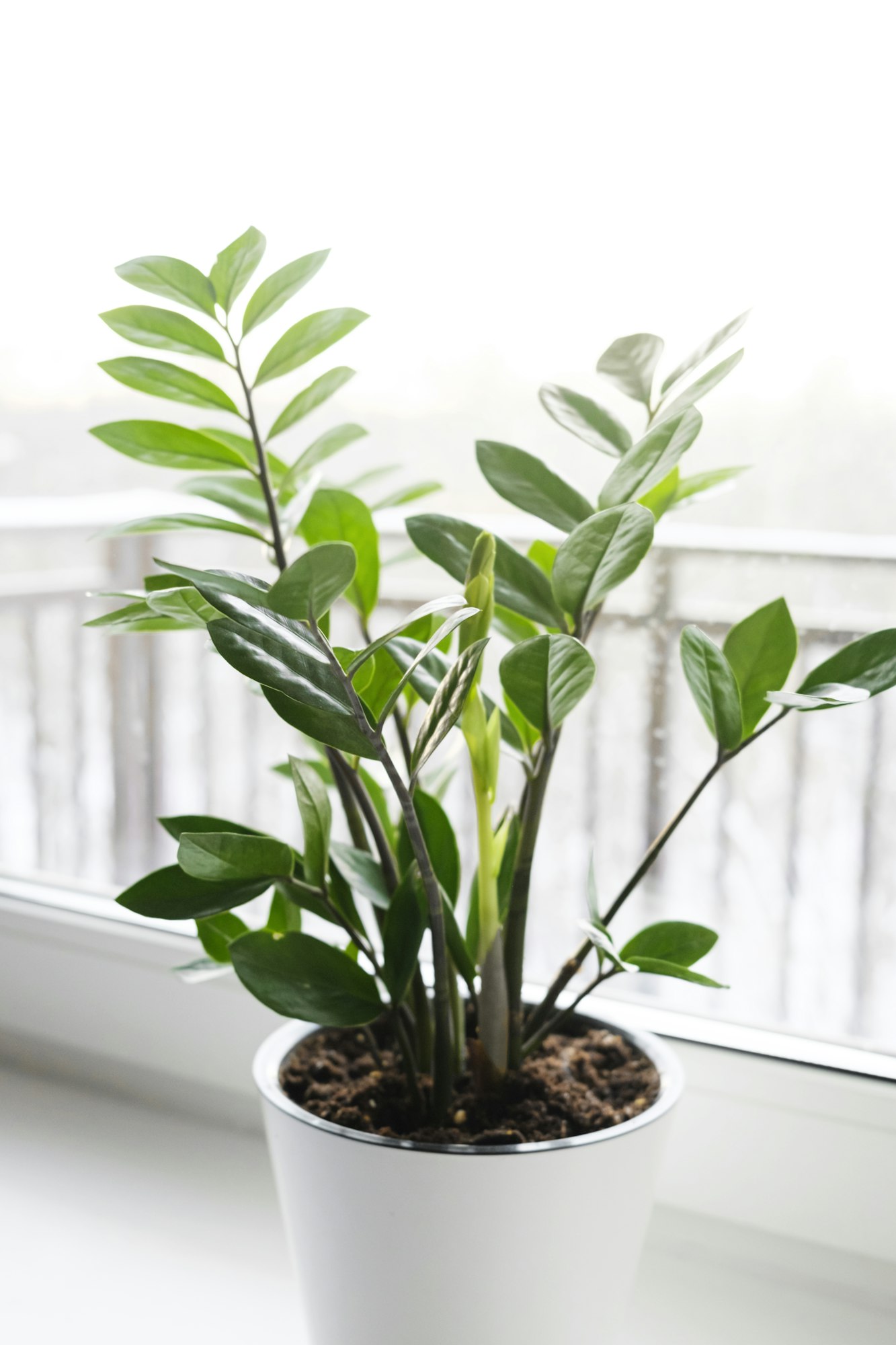
The ZZ plant has thick, glossy leaves and grows slowly but steadily. It’s a great option for dark corners or offices.
Why this works
It survives with minimal light, humidity, and care—perfect for beginners.
Quick Tip
Avoid overwatering; it stores moisture in its thick rhizomes.
3. Cast Iron Plant (Aspidistra elatior)
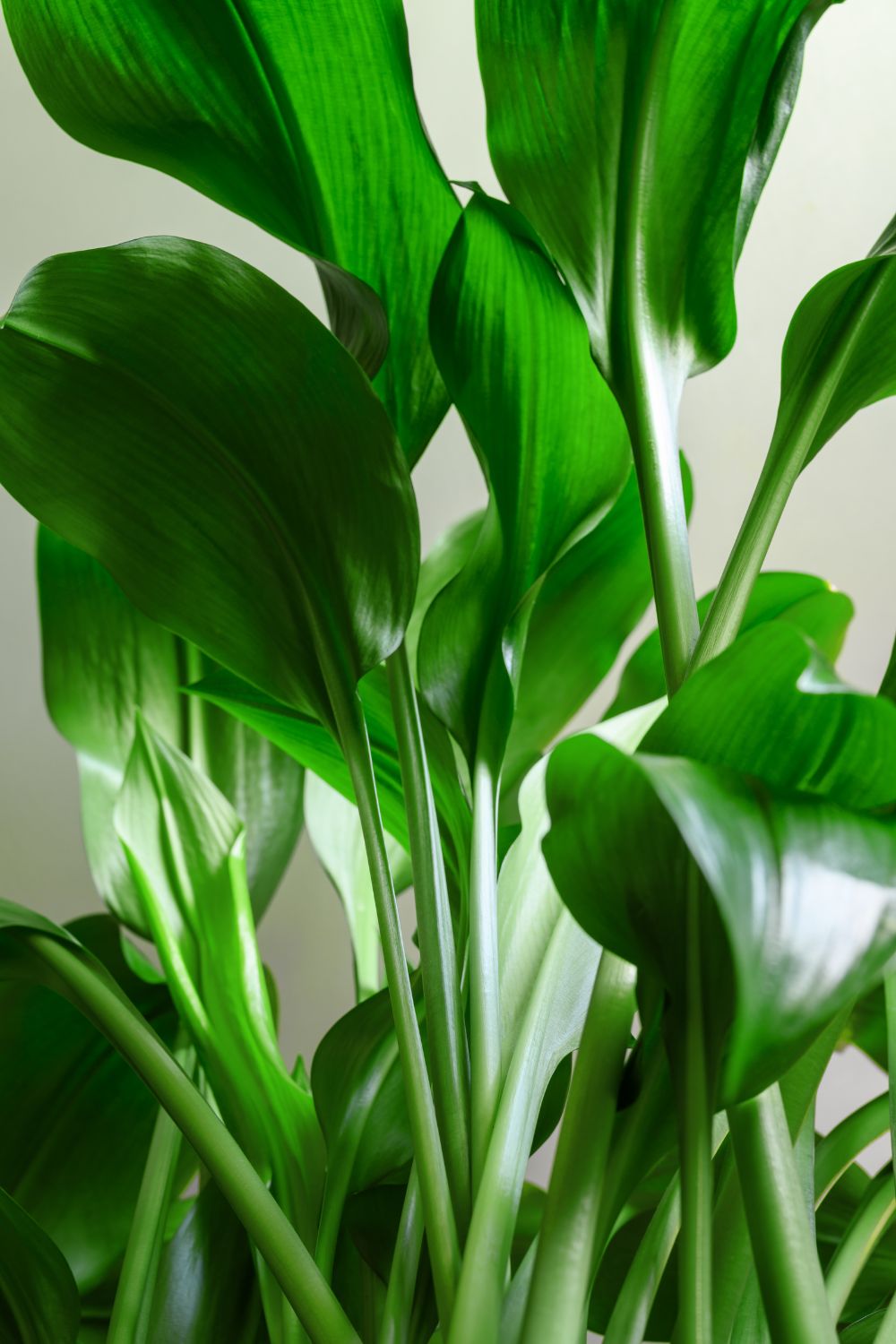
True to its name, this plant is nearly indestructible. It has long, arching leaves and grows well even in shade.
Why this works
It’s one of the best low-light options for large, leafy foliage without fuss.
Quick Tip
Wipe dust off leaves now and then to help it breathe.
4. Philodendron ‘Rojo Congo’
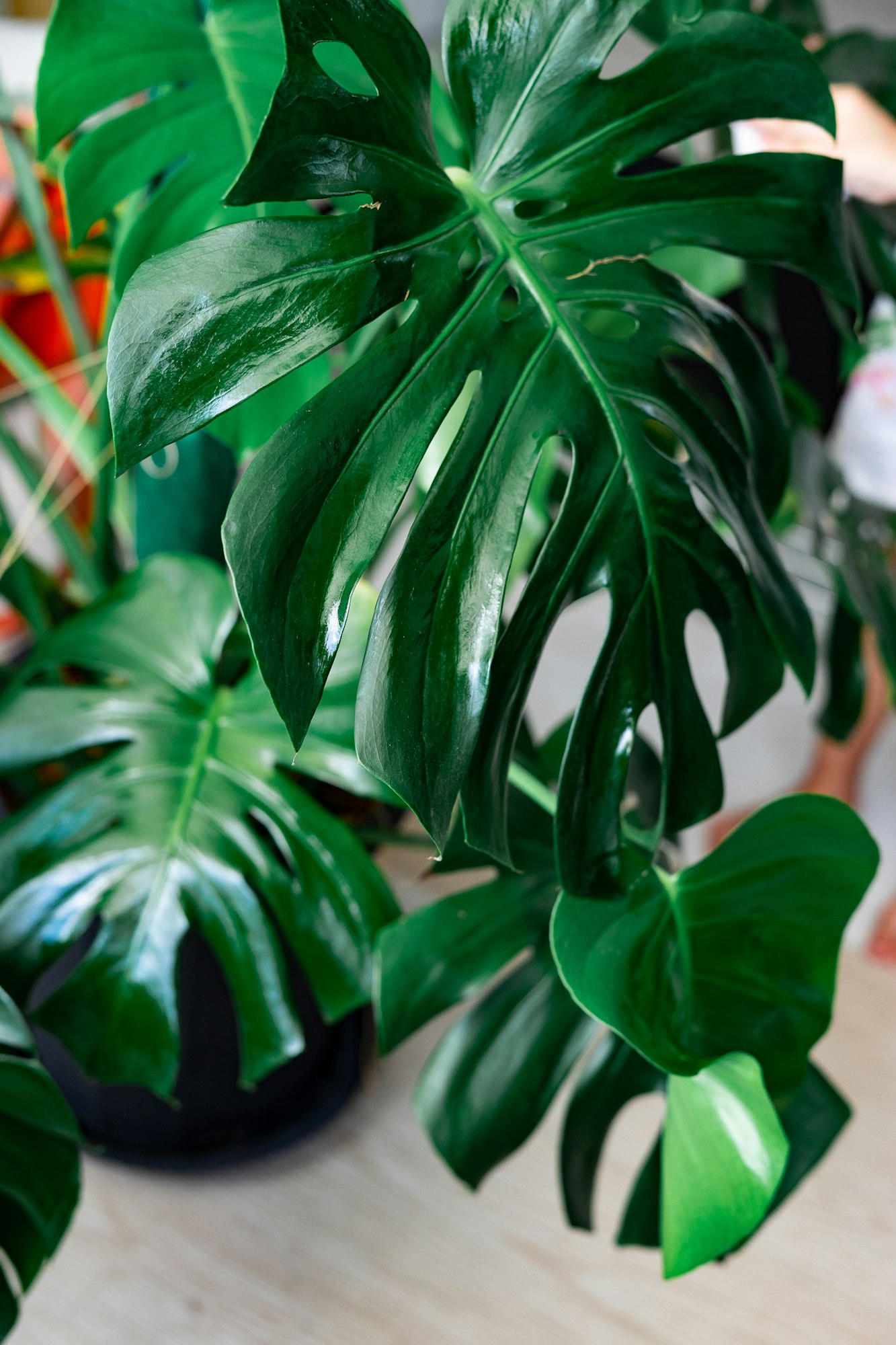
This bold, upright philodendron has broad, deep green and red-tinted leaves that grow large in time.
Why this works
Philodendrons are known for tolerating low light, and this one makes a strong visual impact.
Quick Tip
Rotate the pot occasionally for even growth.
5. Parlor Palm (Chamaedorea elegans)

A classic houseplant for a reason—parlor palms stay full and green even in lower light and cooler rooms.
Why this works
It adds tropical vibes without needing direct sun and grows into a soft, full shape over time.
Quick Tip
Keep it out of drafts and mist occasionally for humidity.
6. Chinese Evergreen (Aglaonema)
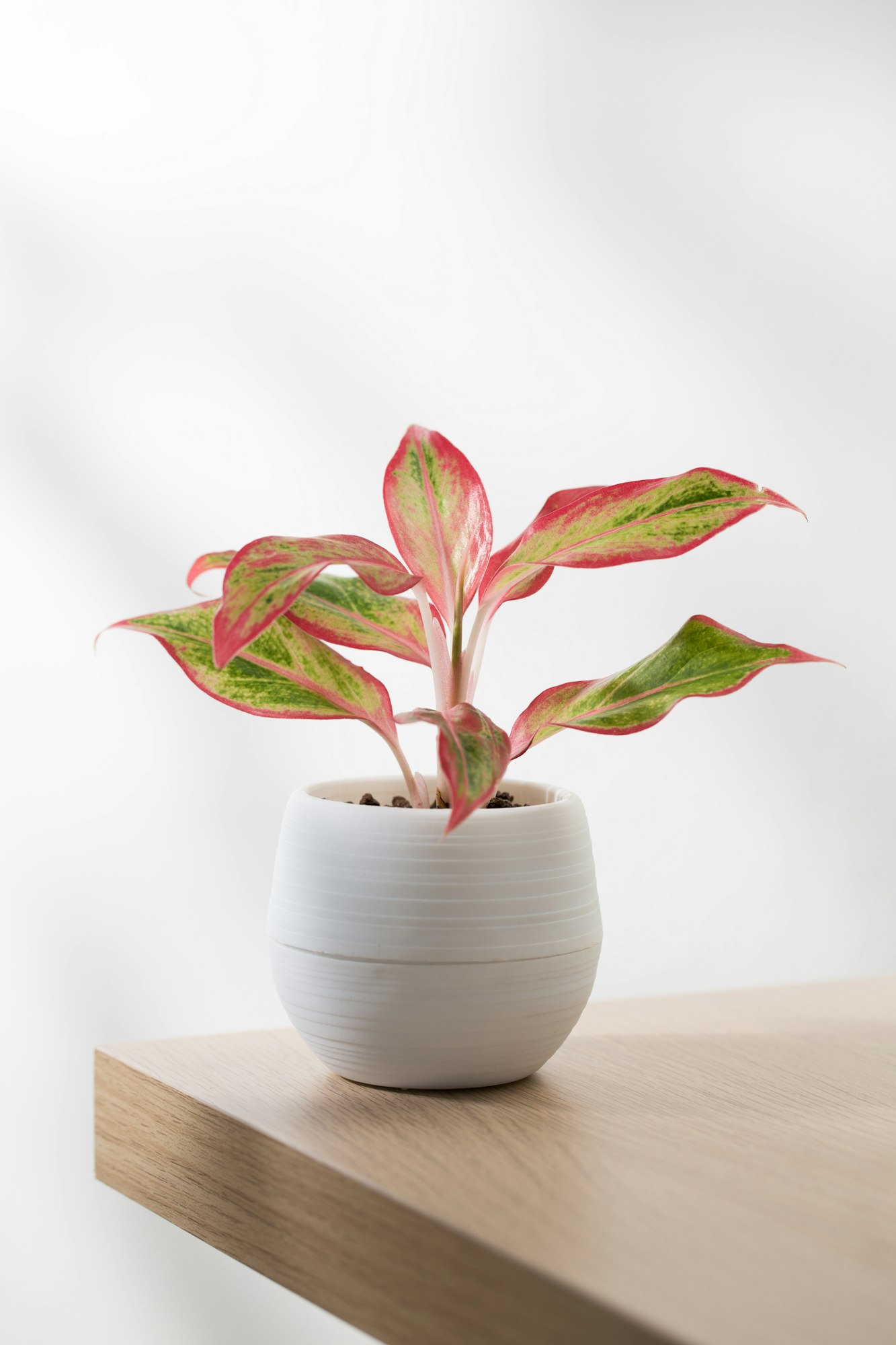
This plant has beautiful variegated leaves and grows into a bushy, tabletop-to-floor-size plant in time.
Why this works
It thrives in shade and low light, and new varieties offer pink, silver, or red-toned foliage.
Quick Tip
Wipe leaves gently to keep them looking their best.
7. Dieffenbachia (Dumb Cane)
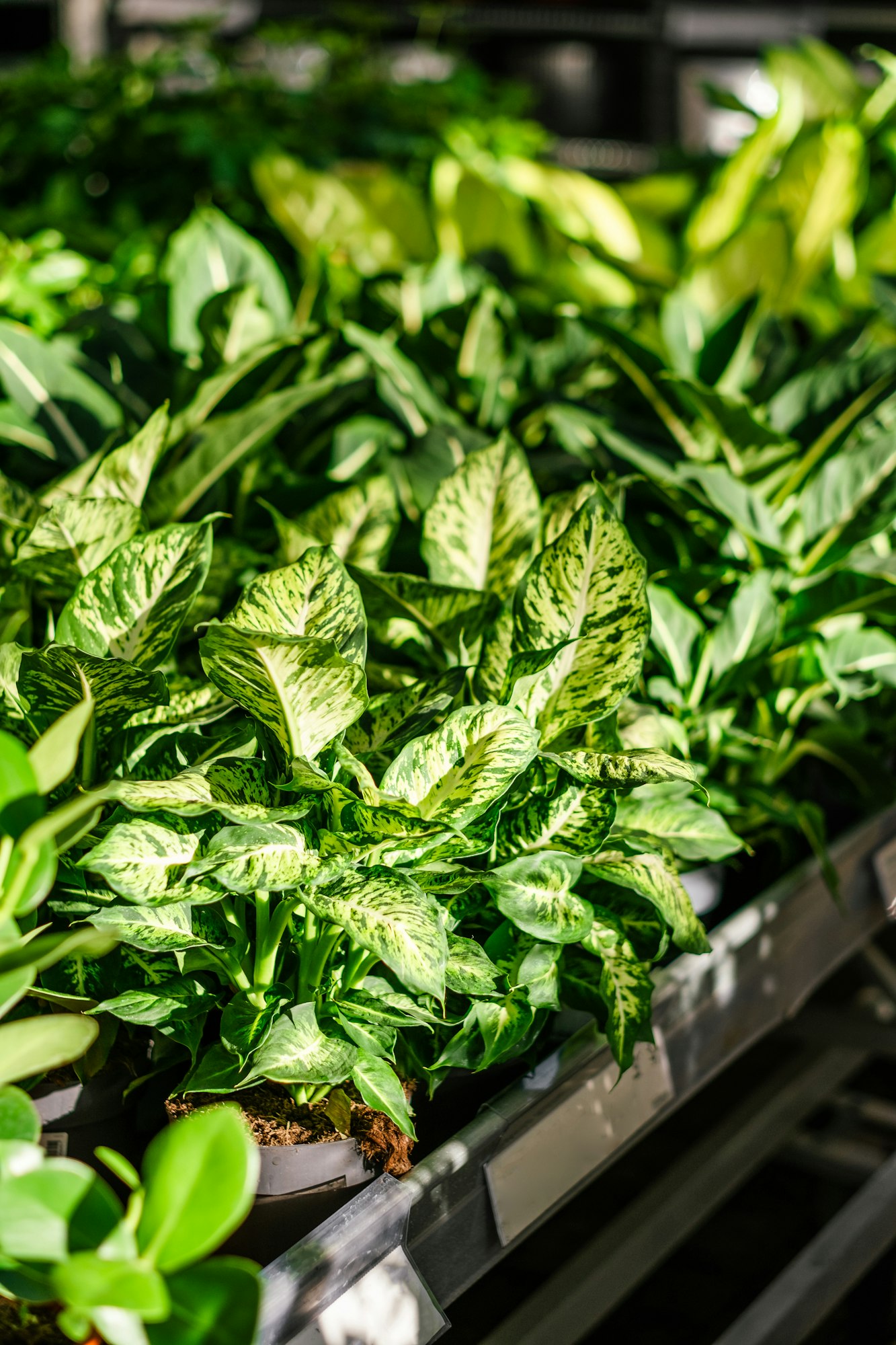
Dieffenbachia grows large, showy leaves with creamy patterns. It tolerates medium to low light but needs warmth.
Why this works
It grows tall and full without needing direct sun—just bright, filtered light.
Quick Tip
Keep it out of reach of pets and children—it’s toxic if chewed.
8. Dracaena ‘Janet Craig’
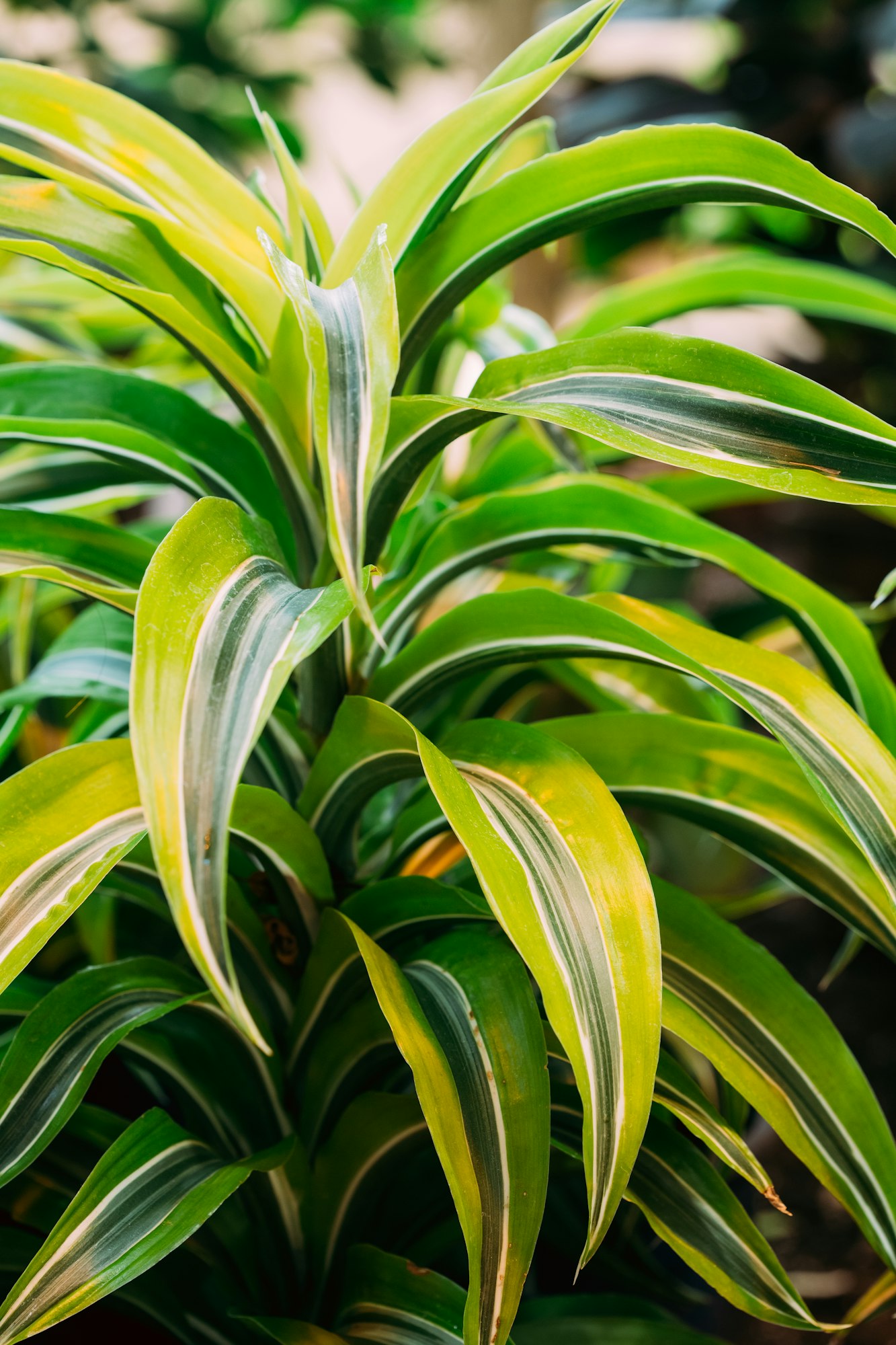
With deep green, strappy leaves and a tree-like growth habit, this Dracaena variety is great for filling empty corners.
Why this works
It tolerates low light better than most tall plants and doesn’t mind neglect.
Quick Tip
Water only when the top few inches of soil feel dry.
9. Peace Lily (Spathiphyllum)
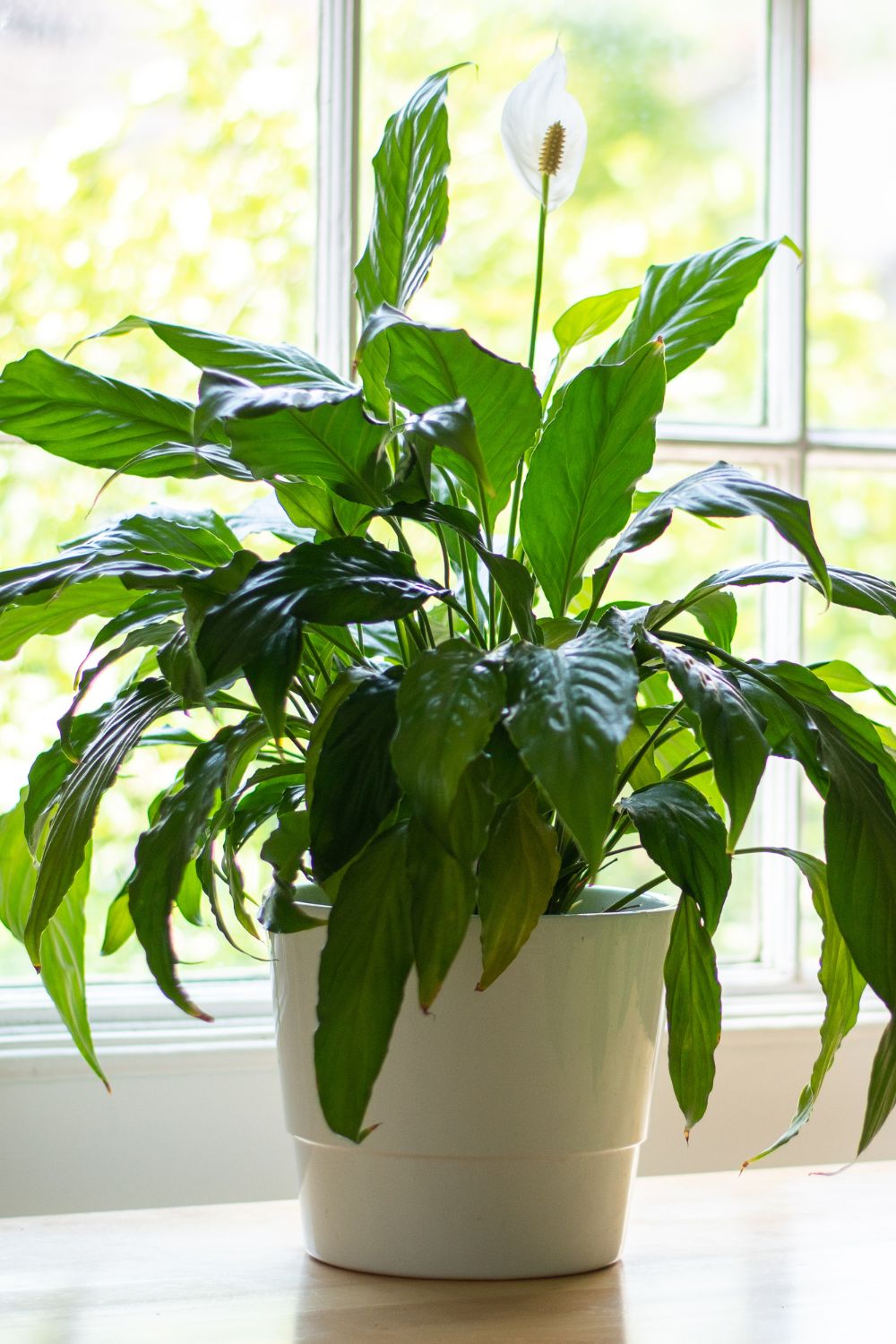
Known for its dark leaves and occasional white blooms, peace lilies grow large and lush in low-light spots.
Why this works
They adapt well to indoor light conditions and help clean the air.
Quick Tip
Leaves droop slightly when thirsty—a good natural reminder to water.
10. Bird’s Nest Fern
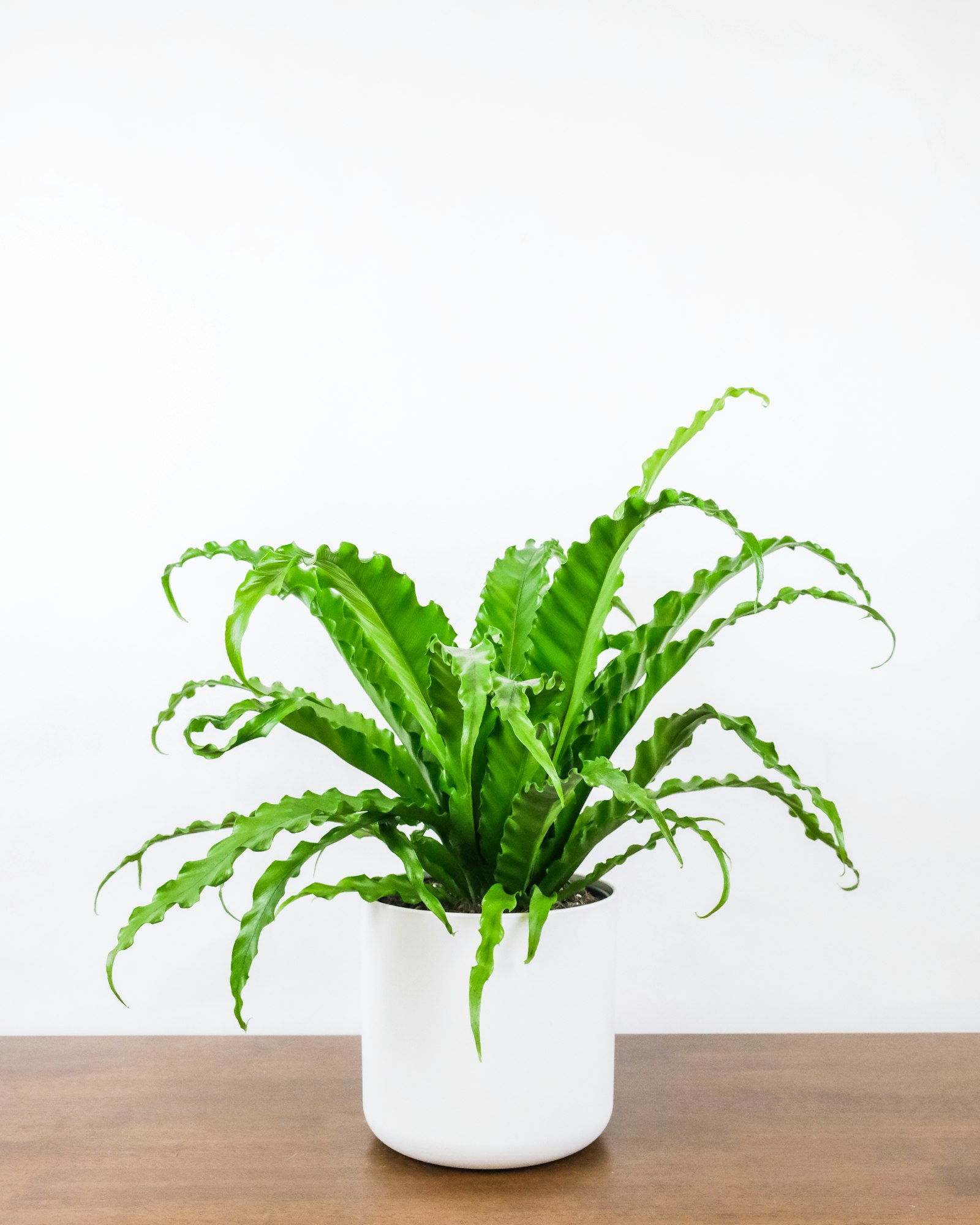
This fern has wavy, tropical-looking leaves that grow from a central rosette and can reach 2–3 feet wide.
Why this works
It handles shade well and adds bold texture without needing much sun.
Quick Tip
Avoid watering the center of the rosette to prevent rot—water the soil instead.
11. Monstera Deliciosa
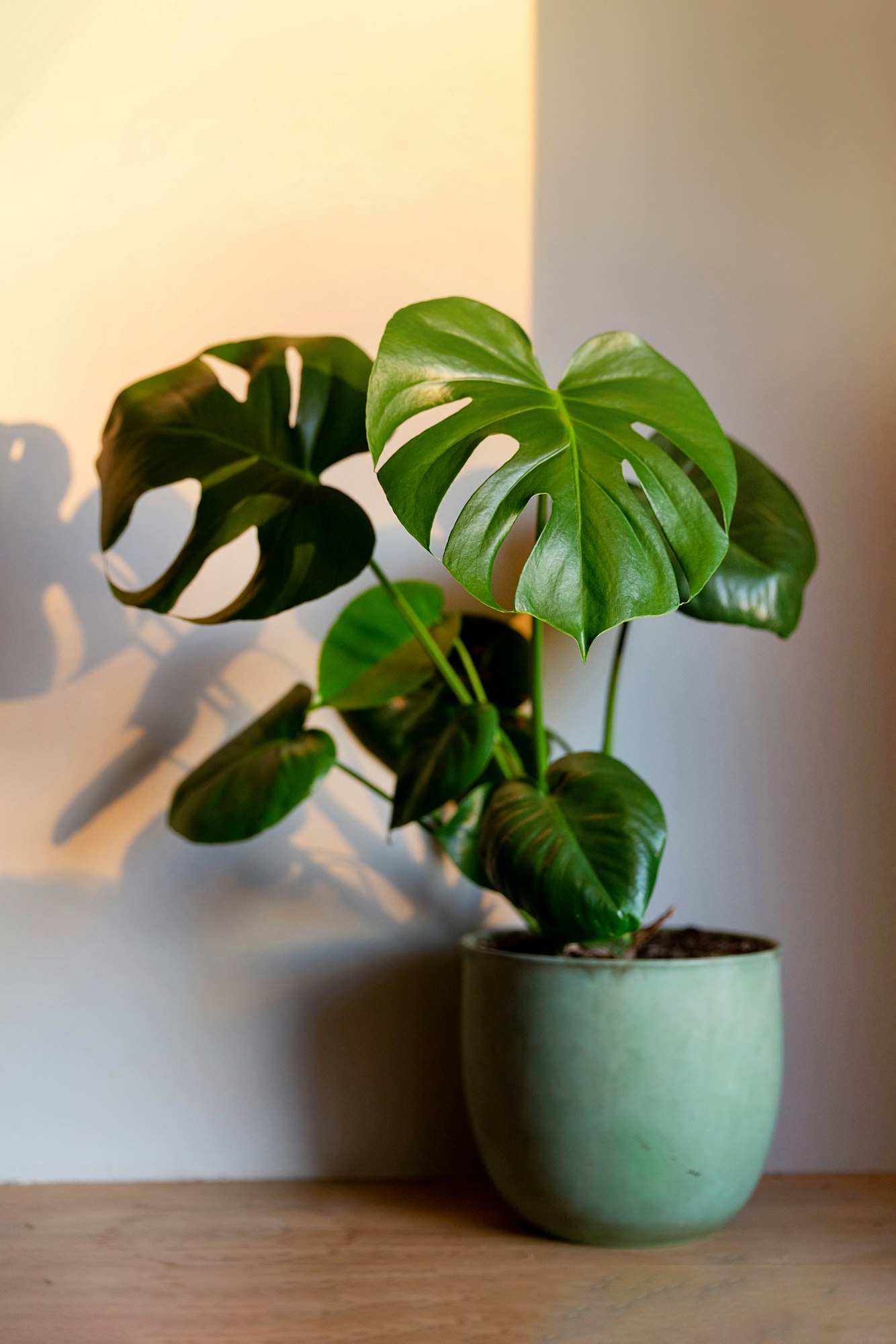
The iconic split-leaf Monstera grows huge leaves and can thrive in lower light, especially with occasional rotation.
Why this works
It’s adaptable and dramatic—great for making a statement in dimmer living rooms.
Quick Tip
Give it a moss pole or stake to encourage upright growth.
12. Kentia Palm (Howea forsteriana)
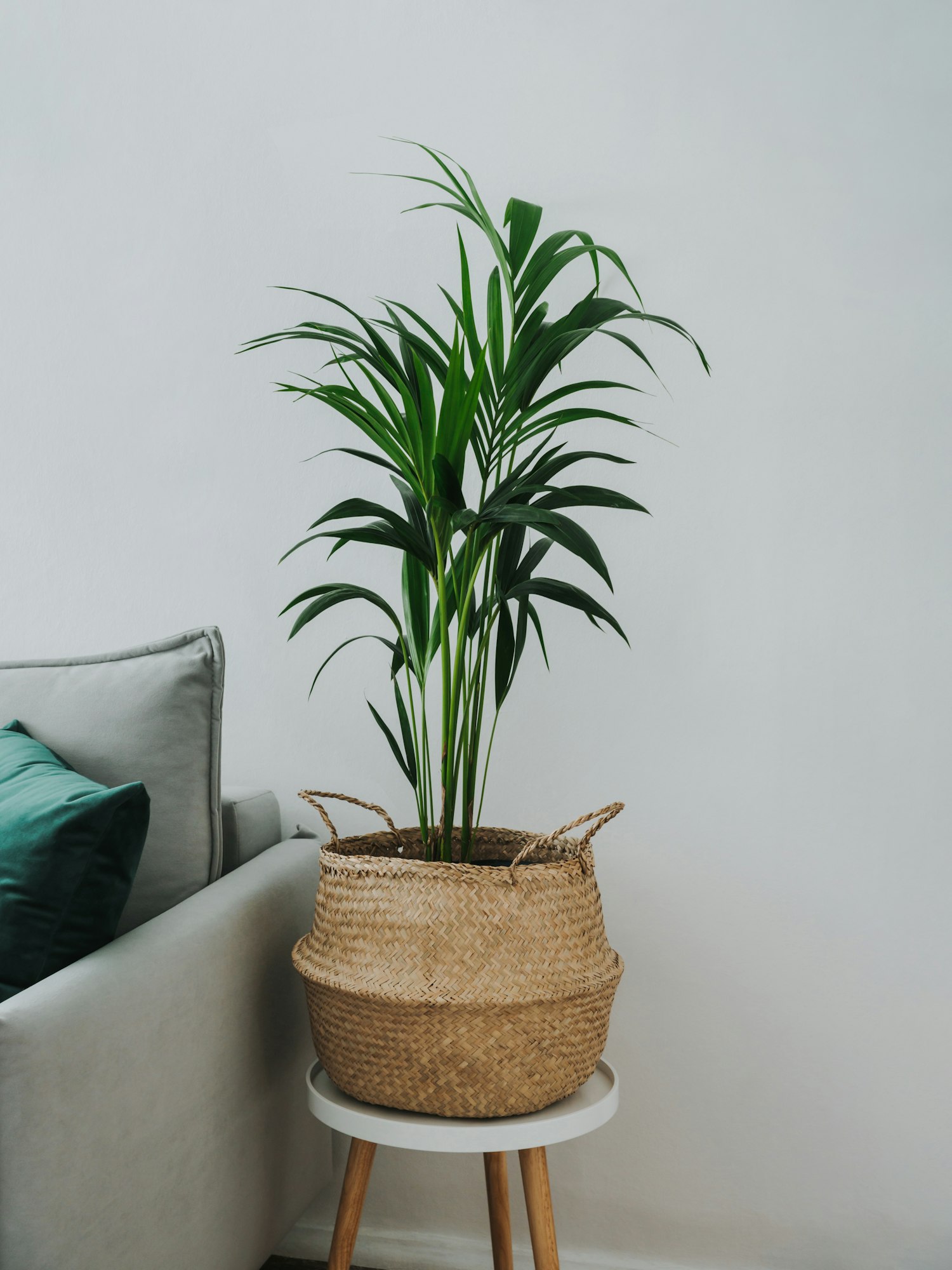
This slow-growing palm reaches impressive height over time and brings a graceful, arching look to any room.
Why this works
It tolerates shade better than most large palms and needs little fuss.
Quick Tip
Let the soil dry out slightly between waterings—overwatering is its biggest threat.
13. Rubber Plant (Ficus elastic)
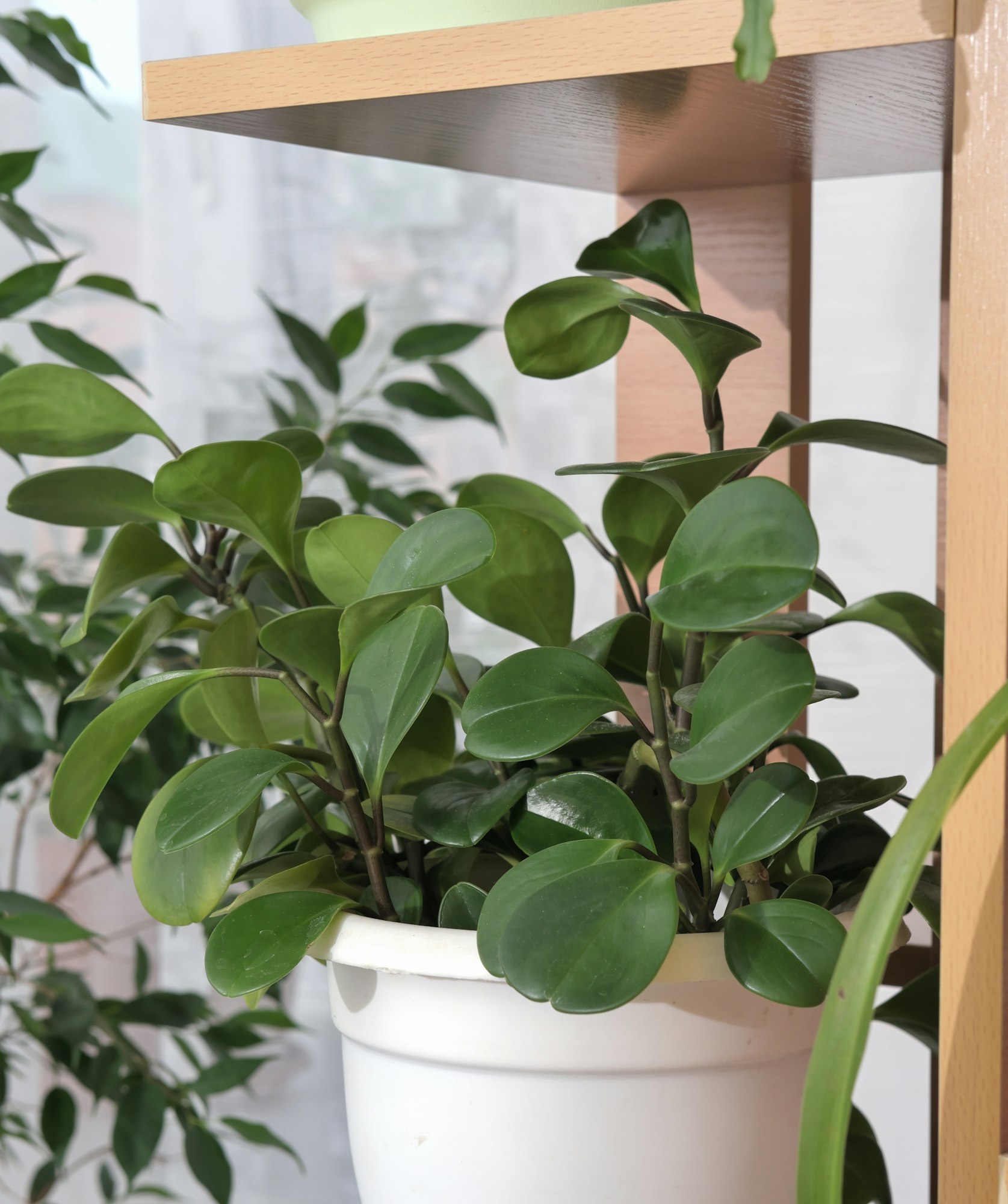
Rubber plants can grow tall with large, glossy leaves. While they prefer bright, indirect light, they do fine in low light if not moved too often.
Why this works
They’re slow growers in low light but still bring height and structure to a room.
Quick Tip
Wipe the leaves to help them shine and avoid drafts or cold windows.
14. Corn Plant (Dracaena fragrant)
With tall canes and wide striped leaves, corn plants grow upright and work well in corners or beside furniture.
Why this works
They’re known for tolerating low-light conditions and still growing steadily over time.
Quick Tip
Brown tips usually mean dry air—mist regularly or place near a humidifier.
15. Fiddle Leaf Fig (Ficus lyrata)

Fiddle leaf figs are picky about light, but they can survive in bright, low light if you don’t overwater them. They bring a bold look with their oversized, violin-shaped leaves.
Why this works
With care, it grows tall and makes a striking indoor tree—even in indirect light.
Quick Tip
Rotate it weekly and water only when the top few inches of soil are dry.