




In This Article Show
When I first noticed tiny brown bumps on my plant’s stems, I assumed it was just part of the plant. Then I saw the sticky residue, the curling leaves, and the ants—and I knew something was wrong.

It was scale. These little pests are sneaky and stubborn, but once you know what to look for and how to handle them, you can get rid of them without losing your plant.
If you’ve spotted strange bumps or sticky leaves on your houseplants, here’s the best way I’ve learned to treat scale—and keep it from coming back.
1. Identify the Problem Early
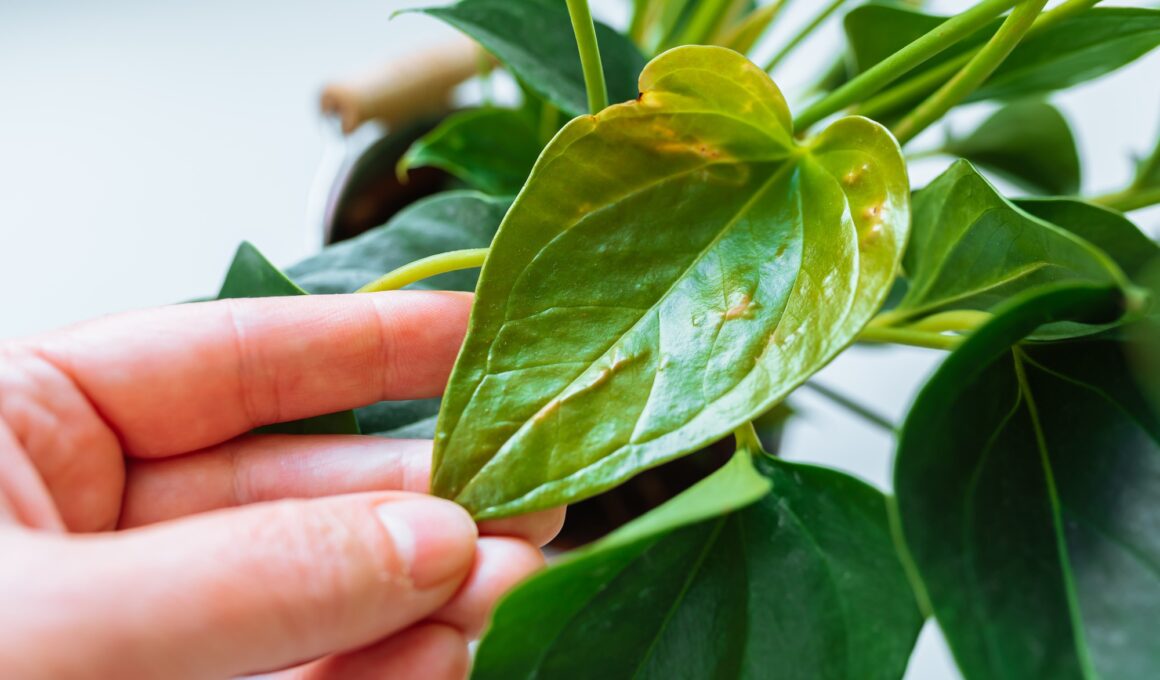
Scale bugs look like small, round or oval bumps stuck to the plant. They don’t move much, but they suck sap from the stems and leaves, slowly weakening the plant. If your plant feels sticky, or you notice yellowing leaves or a sudden ant problem, you’re probably dealing with scale.
What I do:
I gently rub my fingers over suspicious spots. If they pop off easily and leave behind a sticky mark, it’s scale—not a normal part of the plant.

2. Remove What You Can by Hand
The first step is to get rid of as many bugs as possible manually. This won’t solve the problem completely, but it gives you a head start.
What I do:
- I use a damp cloth or cotton swab dipped in rubbing alcohol to wipe off each scale bug.
- For heavier infestations, I use an old soft toothbrush to gently scrub the stems and undersides of the leaves.
Yes, it takes time—but it works.
3. Follow Up With Natural Treatments
After removing visible scale, you need to treat the plant to kill any bugs that are hiding or eggs that haven’t hatched yet.
My go-to methods:
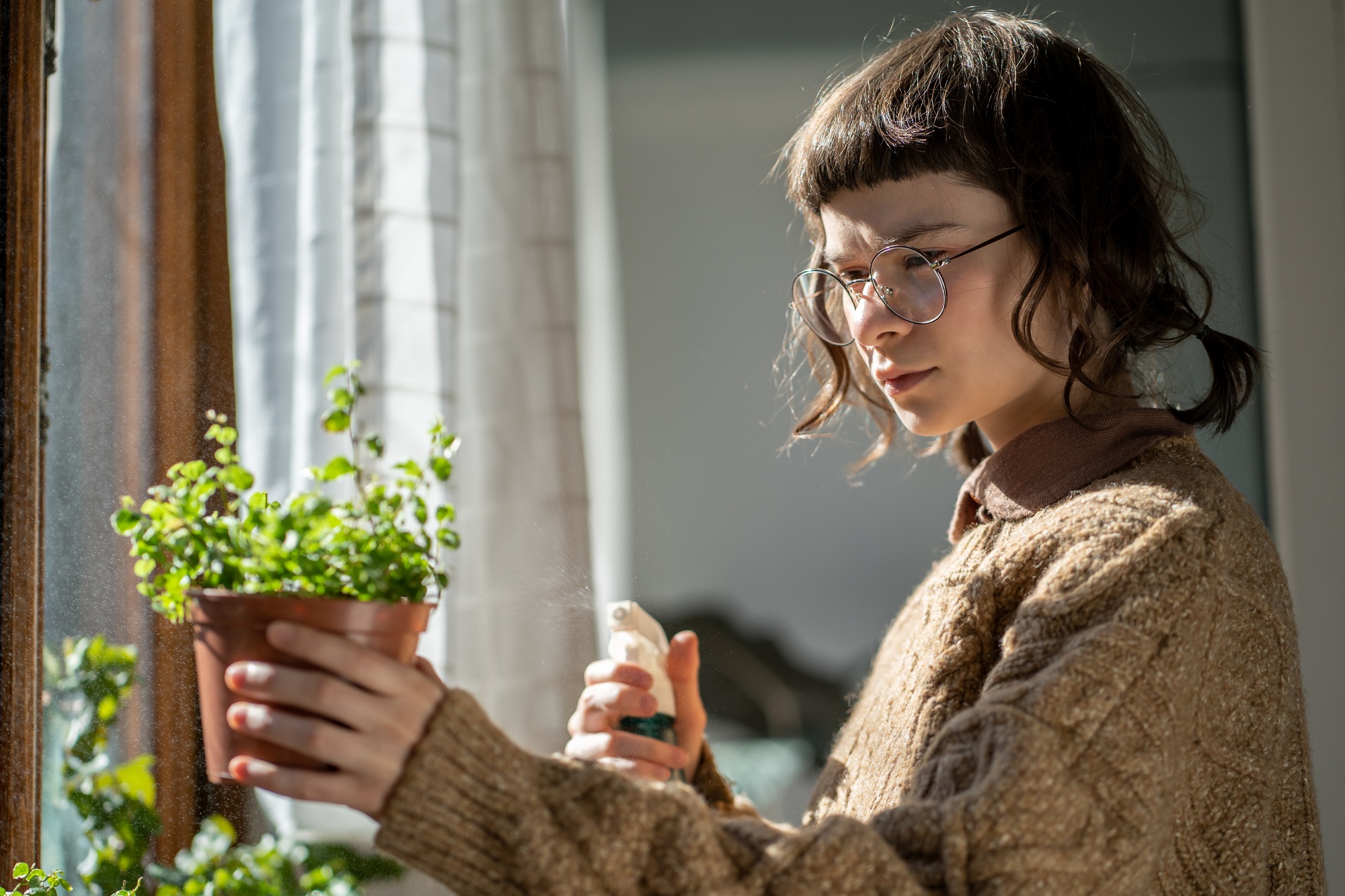
- Rubbing alcohol spray: Mix 1 part alcohol with 3 parts water and a drop of dish soap. Spray all over the plant—top, bottom, and soil surface.
- Neem oil:Mix according to the bottle directions and spray weekly for a few weeks. It acts as a natural insecticide and helps deter future pests.
What I do: I spray once a week for at least 3 weeks—even if I don’t see any bugs. It helps break the pest cycle.
4. Isolate and Monitor
Scale spreads slowly, but it does spread. Keep the affected plant away from your other plants while you’re treating it.
What I do
I place infested plants in a separate corner of the room and check nearby plants for early signs, just in case. I also keep cleaning cloths and tools separate to avoid spreading bugs around.
Treating scale takes patience, but you don’t have to toss your plant. With a little effort—rubbing alcohol, a cloth, and some regular sprays—you can get your plant back to full health.
Once I got the hang of spotting and treating scale early, I stopped losing plants to these little pests. Keep an eye out, act fast, and your houseplants will bounce back better.