




In This Article Show
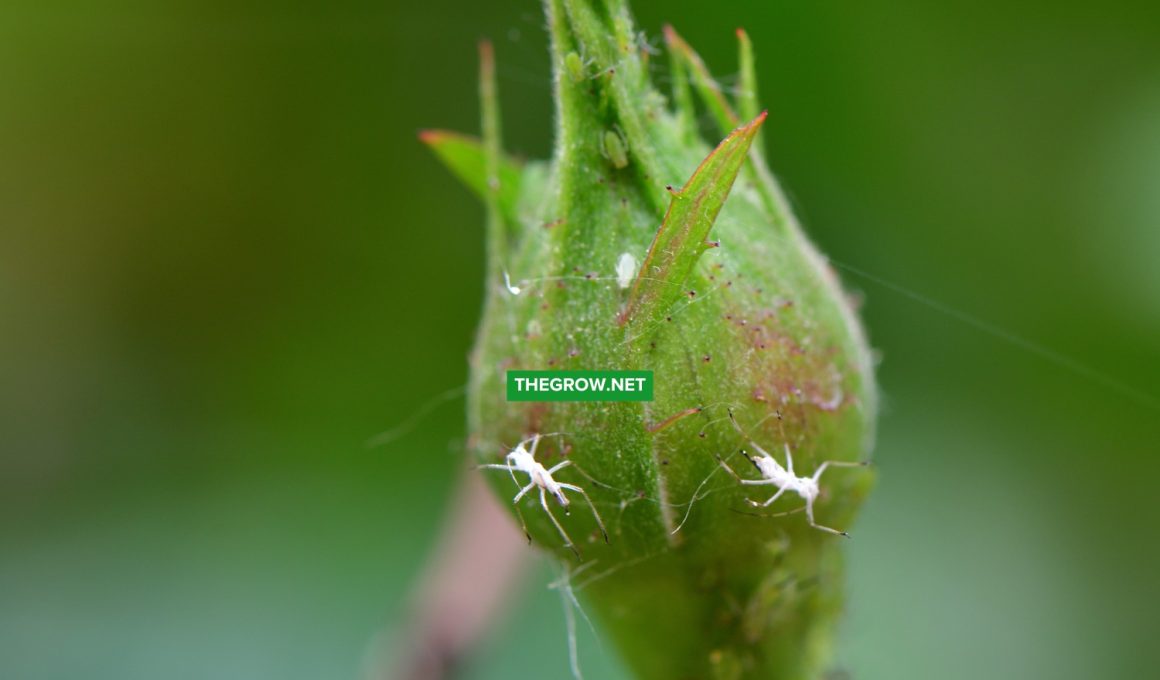
You’re checking on your favorite plants, feeling pretty good, when you notice something’s off. New leaves are curling in on themselves. The stems look a bit… fuzzy. And then you see them: a mob of tiny green, black, or gray bugs, clustered together like they’re having a secret meeting.
Your heart sinks a little. Aphids. Before you reach for the strongest chemical you can find, take a breath. Aphids are soft-bodied and surprisingly weak.
With a few natural tricks, you can send them running without harming your garden’s good bugs. Let’s look at the easiest ways to do it.
1. The Power of a Strong Blast
Often, the simplest solution is right at your fingertips.
- Why It Works: Aphids have weak legs. A strong jet of water knocks them right off the plant. Once on the ground, they usually can’t find their way back.
- How to Do It: In the morning, take your garden hose and fit it with a spray nozzle. Give the infested leaves, stems, and buds a firm but careful spray. Get the undersides of the leaves, too. This is best done in the morning so the plant has time to dry, preventing other issues. You might need to do this for a few days in a row, but it’s incredibly effective.
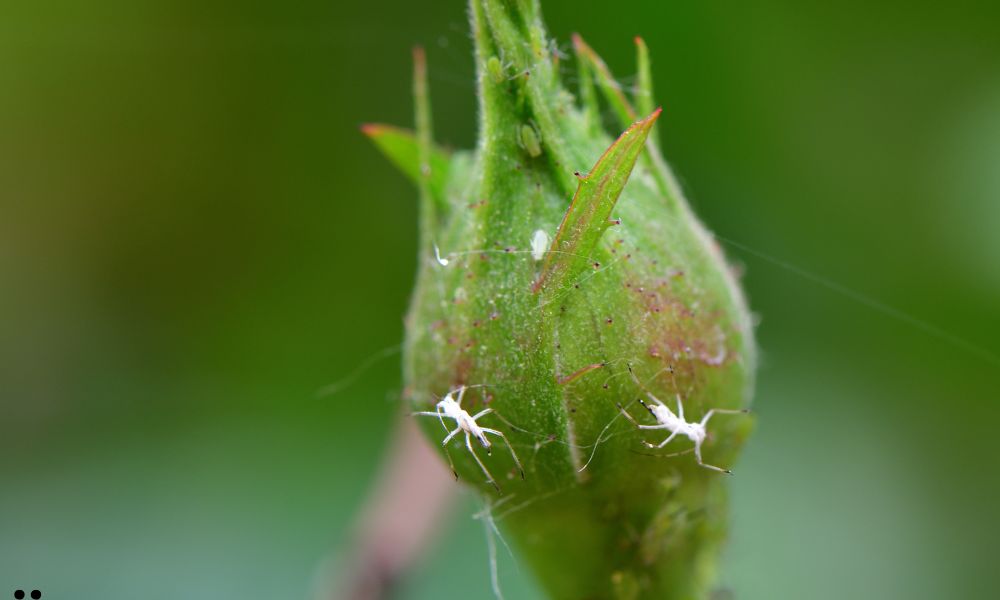
2. The Trusty Soap Spray
When the water blast needs a little backup, this homemade remedy is a winner.
- Here’s the Mix: Grab a spray bottle and add about one teaspoon of mild liquid dish soap (like the kind you use for handwashing dishes) to one quart of warm water. The soap breaks down the aphids’ protective outer layer.
- A Very Important Tip: Don’t just spray wildly. Test the mix on a small part of your plant first and wait a day to make sure it doesn’t cause damage. When you spray, aim directly at the aphids. The soap needs to contact them to work. A light rinse with plain water an hour or two later is a good idea.
3. Call in the Reinforcements: Welcome Good Bugs
Nature has its own pest control service, and you can invite them over.
- Who Are the Helpers? Ladybugs and lacewings are aphid-eating machines. You can actually buy them online or at some garden centers to release in your yard.
- How to Keep Them Around: To make these good bugs stay, you need to give them a reason. Plant things like dill, fennel, marigolds, and yarrow. These plants provide pollen and shelter for your beneficial insect allies, encouraging them to stick around and patrol your garden.
4. Grow Plants That Keep Them Away
Some plants act like natural repellents. It’s like putting up a “no vacancy” sign for aphids.
- Great Companion Plants: Try interplanting your vulnerable veggies or flowers with strong-scented herbs and flowers. Aphids tend to avoid garlic, chives, rosemary, and mint. A border of nasturtiums can even lure aphids away from your more precious plants—consider them a sacrifice patch.
5. Check Your Plants Regularly
Aphids multiply incredibly fast. The key to natural control is catching them early.
Make a habit of glancing at your plants whenever you’re watering or just enjoying the garden. Look for those clusters on new, tender growth. If you spot a few, that’s the time for the water blast or a quick squish with your fingers. A little attention goes a very long way in preventing a full-blown invasion.
Getting rid of aphids naturally is about working smarter. Start with the hose, make a little soap spray, and plant things that attract helpers. Your plants will breathe a sigh of relief, and you’ll feel like a garden genius. Now, go give those rose buds a closer look.