






In This Article Show
Fall may feel like the end of the season, but for gardeners, it’s a time of opportunity. It’s your chance to prep your space, protect your plants, and even get a jumpstart on next year.

Whether you’re growing vegetables, flowers, or just maintaining your yard, these fall gardening tasks help you make the most of the cooler months ahead.
Here are 12 of the best things you can do right now.
1. Pull Out Spent Summer Plants
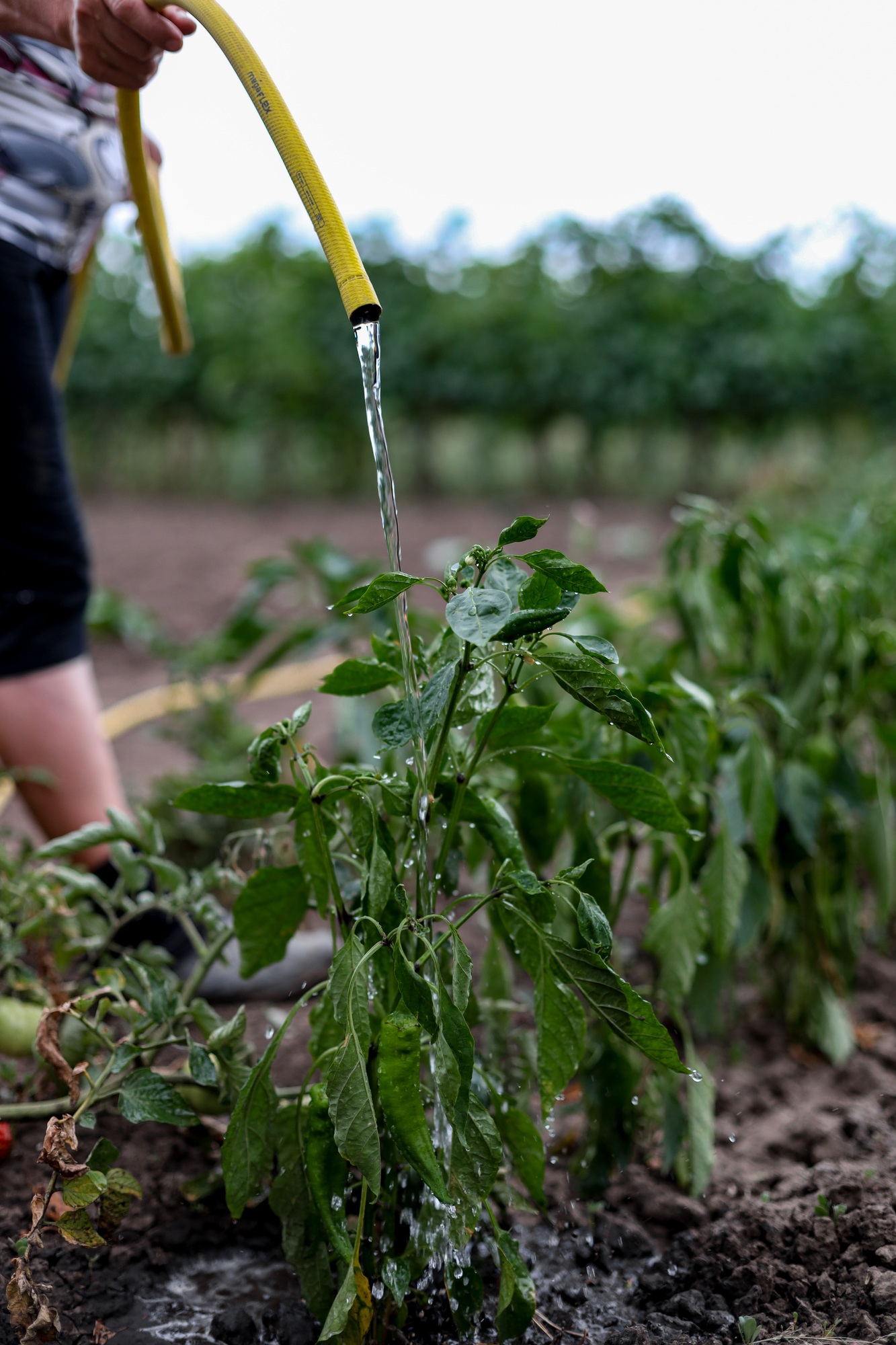
If your tomatoes are done or your cucumbers are looking rough, now’s the time to pull them out. Don’t let old plants sit around and attract pests or disease.
Why this works
Cleaning up spent plants now keeps your garden healthier and makes space for fall crops or winter prep.
2. Add a Fresh Layer of Compost
Spread a layer of compost over your garden beds to replenish nutrients and prepare your soil for next season. The fall rain and winter snow will help it soak in naturally.
Why this works
Compost improves soil structure, adds nutrients, and supports better growth when spring rolls around.
3. Plant Garlic
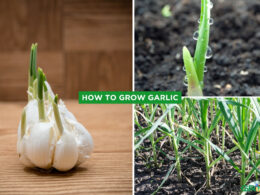
Garlic loves to be planted in fall and harvested in late spring or early summer. Just break apart the bulbs and plant each clove a few inches deep.
Why this works
Garlic needs cold weather to form strong bulbs. Planting now sets it up for a successful harvest.
4. Mulch Perennials and Beds

Adding mulch around your plants and garden beds helps protect roots from freezing and cuts down on weed growth.
Why this works
Mulch keeps the soil temperature more stable and holds in moisture during winter.
5. Divide and Replant Perennials
If you have daylilies, hostas, or other perennials that are overcrowded, fall is the perfect time to divide them and give them space to grow.
Why this works
Dividing perennials keeps them healthy and lets you spread the beauty around your garden for free.
6. Rake Leaves and Put Them to Use
Instead of tossing fallen leaves, shred them and use them as mulch or add them to your compost pile.
Why this works
Leaves are full of organic matter that breaks down into rich, healthy soil.
7. Plant Fall Vegetables
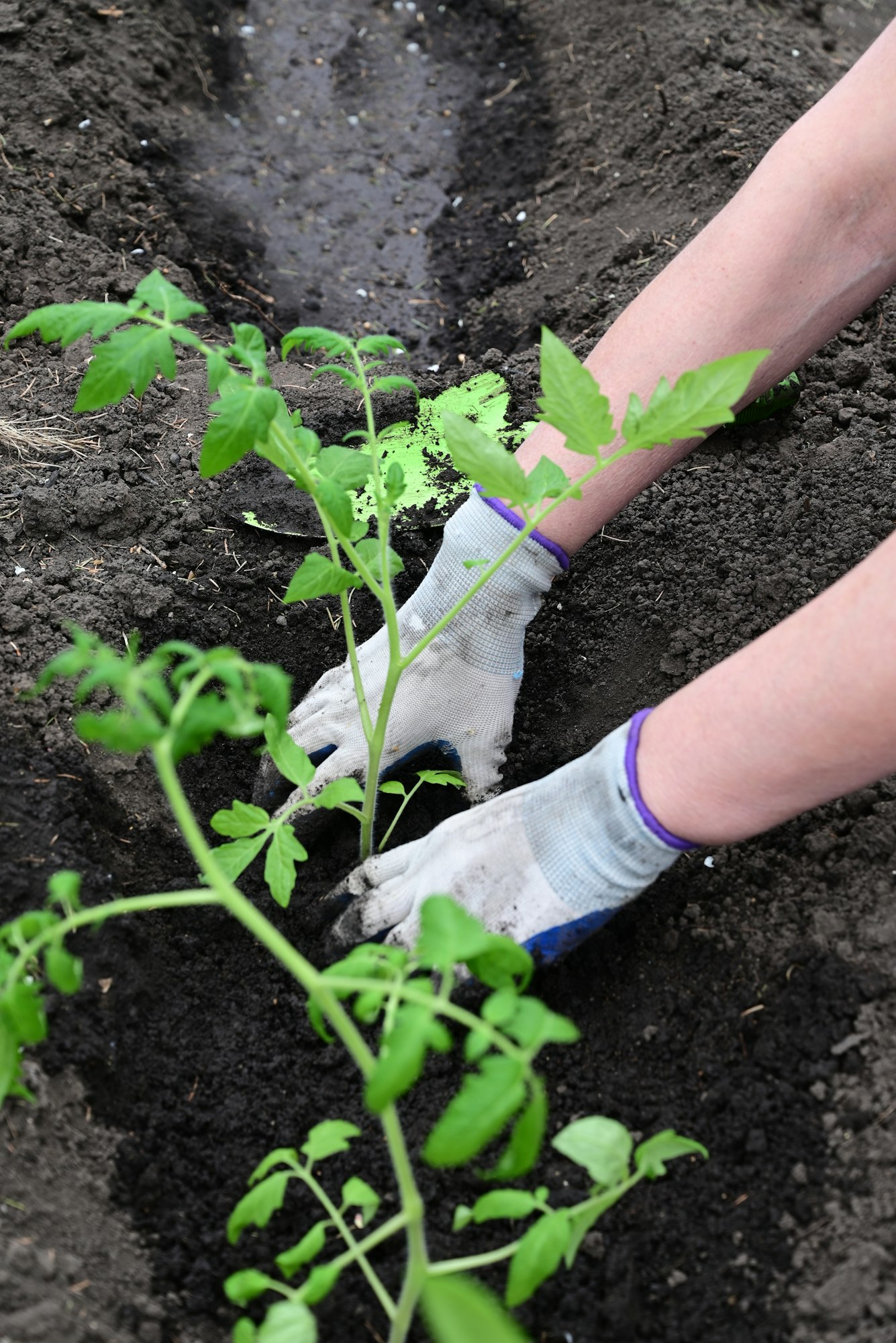
Cool-season crops like spinach, lettuce, kale, radishes, and beets can still go in the ground, especially in early fall. If you’re in a mild climate, you may get a full harvest.
Why this works
These veggies thrive in cooler temps and grow sweeter with a touch of frost. You’ll enjoy a fresh harvest when most gardens are winding down.
8. Start a Cover Crop
Cover crops like clover, rye, or buckwheat protect your soil through winter and improve its quality for spring planting.
Why this works
They reduce erosion, smother weeds, and add organic matter and nutrients back into the soil.
9. Clean and Store Your Tools
Before winter hits, wash, dry, and oil your garden tools. This prevents rust and keeps them ready for the next season.
Why this works
Caring for your tools now saves you money and hassle later. It’s a quick task with a big payoff.
10. Drain Hoses and Shut Off Outdoor Water

Disconnect hoses, empty them completely, and shut off outside faucets to prevent frozen pipes or cracks in the hose.
Why this works
Water expands when frozen, which can ruin hoses, sprinklers, and irrigation lines if left unattended.
11. Test and Amend Your Soil
Fall is a good time to do a soil test and add any necessary amendments like lime or compost, giving time for nutrients to settle in.
Why this works
Fixing soil issues now helps your garden start strong in spring without delays or surprises.
12. Take Garden Notes and Photos

Before everything dies back, snap pictures and jot down notes about what worked and what didn’t. It’ll help you plan smarter next season.
Why this works
Fresh memories now lead to better planning later. You’ll thank yourself when seed catalogs show up and you’re ready to order with a plan.