





In This Article Show
Fall gardening is all about timing. While most people are still picking tomatoes and enjoying summer blooms, smart gardeners are already thinking ahead.

If you wait until the weather feels like fall, you’re probably too late to get certain crops in the ground.
So when should you start fall gardening? Usually between late July and early September—depending on your location and what you plan to grow.
Why Fall Gardening Starts in Summer
Fall crops need time to grow before the first frost. Most cool-season vegetables actually do best when they start in warm soil and mature as the weather cools.
That means your fall planting needs to happen while there’s still enough sunlight and warmth left for your plants to take off.
Step 1: Know Your First Frost Date
The best way to figure out when to plant is to find out when your area usually gets its first fall frost. You can look this up by zip code online or check with a local garden center.
Once you know your frost date, count backward using the number of days your crop needs to grow. For example:
- Lettuce (30–50 days): plant 4–6 weeks before first frost
- Carrots (60–75 days): plant 8–10 weeks before first frost
- Kale (55–75 days): plant 6–8 weeks before first frost
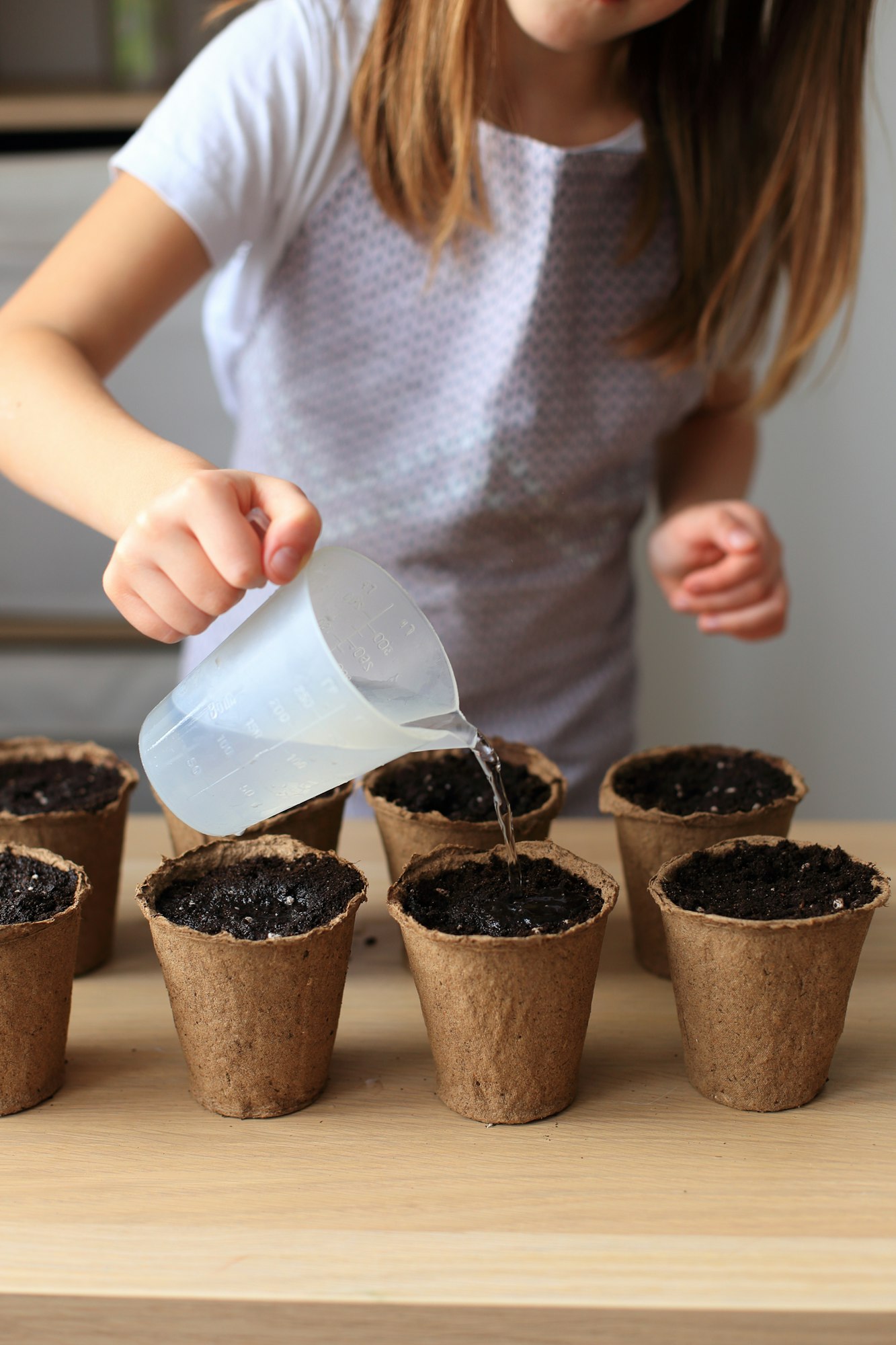
Step 2: Start Seeds Indoors (If It’s Still Hot)
In many places, late summer can still be very warm. That heat can be too much for cool-weather crops like spinach or lettuce. Instead of planting directly in the garden, try starting seeds in trays indoors or in a shady spot outside. Once seedlings are strong enough, transplant them into your garden.
Step 3: Focus on the Right Crops

The best fall crops are ones that enjoy cooler temperatures or are frost-tolerant. Good options include:
- Leafy greens (lettuce, kale, spinach)
- Root veggies (carrots, radishes, turnips, beets)
- Broccoli, cauliflower, and cabbage (if planted early)
- Garlic and onions (planted in fall for spring harvest)
Step 4: Keep an Eye on the Weather
Watch the forecast as the season goes on. You may want to use row covers or cold frames if frost comes early. A little protection can give your plants extra time to mature.