





In This Article Show
Creating privacy in your yard can be a challenge, especially in smaller spaces. Many homeowners want to block unwanted views or create secluded areas without sacrificing style. Plants offer a natural and attractive solution for this common landscaping issue.
We’ve compiled a list of 18 plants that work well for hedges and privacy screens. These carefully selected options range from fast-growing shrubs to compact trees, providing choices for various garden sizes and climates.
Our guide aims to help you find the perfect plants to create a beautiful and private outdoor space.
1. Boxwood

Boxwood shrubs are a popular choice for hedges and privacy screens. They have dense, evergreen foliage that creates a solid barrier. Boxwoods come in various sizes, from compact varieties to taller options. We can find types that grow 2 to 2.5 feet tall and wide, perfect for low hedges.
For taller privacy screens, some boxwood varieties can reach greater heights. Their soft, lush leaves form an effective visual barrier. Boxwoods are versatile and can be shaped through pruning. They maintain good winter color and some types resist common plant diseases.
2. Loropetalum
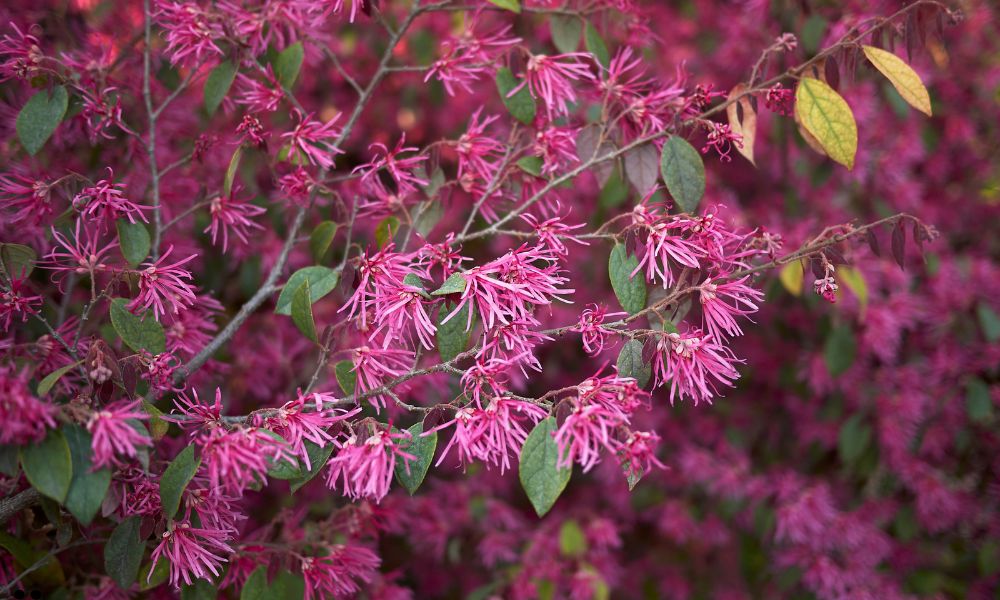
Loropetalum is a fast-growing shrub that makes an excellent choice for hedges and privacy screens. This versatile plant comes in various sizes, from dwarf varieties to taller ones reaching up to 15 feet.
We love Loropetalum for its colorful foliage, which ranges from deep green to vibrant purple. It also produces delicate, fringe-like flowers that add extra charm to any garden.
Loropetalum thrives in USDA zones 7-10 and adapts well to different soil types. It’s relatively low-maintenance and can be shaped easily through pruning. For a dense hedge, we recommend planting Loropetalum shrubs close together. This creates an effective privacy screen with attractive year-round color and texture.
3. Holly

Holly trees make excellent privacy screens and hedges. They offer dense, evergreen foliage that provides year-round coverage. American holly can grow up to 50 feet tall, perfect for large privacy needs. For smaller spaces, Dragon Lady holly reaches 10-20 feet in height.
Nellie Stevens holly is a popular choice, growing 20-30 feet tall. It has glossy green leaves and red berries in winter.
Holly trees are low-maintenance and tolerate various soil types. They grow best in full sun to partial shade. Regular pruning helps maintain the desired shape and size for your hedge.
4. Privet

Privet is a popular choice for privacy hedges. We like it for its quick growth and dense foliage. These shrubs can reach heights of 10 to 15 feet, making them great for screening.
Privet adapts well to different soil types. It’s also easy to trim and shape. This makes it a low-maintenance option for many homeowners.
The small white flowers of privet bloom in summer. They give off a sweet scent that many find pleasant. Privet keeps its leaves year-round in warmer areas, adding to its appeal as a privacy screen.
5. Wax Myrtle

Wax myrtle is an excellent choice for privacy hedges. This fast-growing evergreen shrub thrives in coastal and dry areas. We love wax myrtle for its low maintenance needs and natural privacy barrier. It’s salt and drought-tolerant, making it perfect for tough conditions.
Wax myrtle can grow up to 20 feet tall, creating a dense screen. It also attracts wildlife, adding beauty to your yard. This versatile plant works well as a backdrop for smaller plants or lining driveways. It can even provide shade near patios.
6. Arborvitae

Arborvitae trees are popular choices for privacy hedges and screens. They grow tall and narrow, making them ideal for smaller spaces. We recommend the Thuja occidentalis ‘Degroot’s Spire’ variety. It reaches 20 feet in height but only 4 feet wide. Plant them 4 feet apart for a dense hedge.
The Techny Arborvitae is another good option. It grows up to 15 feet tall and 6-8 feet wide. This variety works well for both privacy screens and windbreaks. For a splash of color, try the ‘Yellow Ribbon’ arborvitae. It grows 8-10 feet tall and 3 feet wide. The golden foliage adds visual interest to your landscape.
7. Bamboo
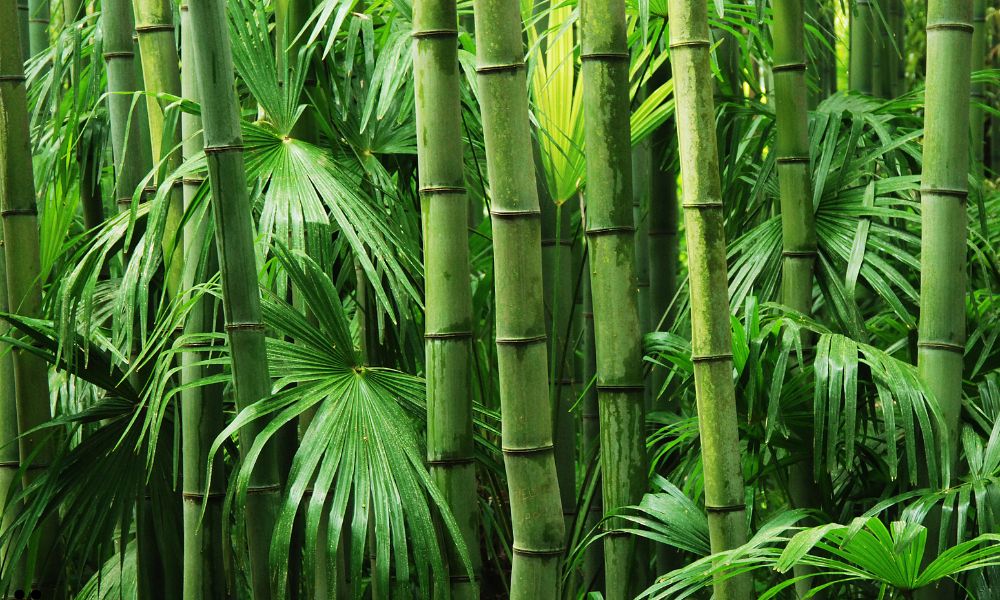
Bamboo is a fast-growing plant that makes an excellent privacy screen. It can quickly create a tall, dense barrier in your yard. Many bamboo varieties work well for hedges. Seabreeze bamboo is a popular choice for coastal areas. It grows 30-35 feet tall and has thick foliage that provides good screening.
Clumping bamboos like Fargesia are better for colder climates. They don’t spread as aggressively as running bamboos. When planting bamboo for privacy, space plants 3-5 feet apart for faster coverage. With proper care, bamboo can form a solid screen within a few years.
8. Yew

Yew shrubs make excellent privacy hedges. We find they grow densely and respond well to pruning. Many yew varieties reach 6-15 feet tall, perfect for screening. The Irish yew grows about 1 foot per year. In 10 years, it can reach 4-10 feet high. Regular trimming keeps it neat.
For low, dense hedges, we recommend Taxus x media ‘Brownii’. The ‘Hatfieldii’ cultivar forms a broader pyramid shape, growing 8-15 feet tall and 8-10 feet wide.
Yews tolerate shade well. They create uniform hedges that look great in formal gardens. Just remember, all parts are toxic if eaten.
9. Cherry Laurel

Cherry laurel is a top choice for privacy hedges. This evergreen shrub grows quickly and forms a dense screen. Its large, glossy leaves create a lush green backdrop year-round. Cherry laurel can reach heights of 6 to 10 feet when used as a hedge.
We recommend planting cherry laurels 5 to 6 feet apart for an effective privacy screen. They thrive in full sun to partial shade. Cherry laurel is low-maintenance and drought-tolerant once established. It produces small white flowers in spring, adding visual interest.
For best results, we suggest mulching around the base and watering regularly during the first growing season.
10. Leyland Cypress

Leyland Cypress is a fast-growing evergreen tree that makes an excellent privacy screen. We love how quickly it can create a dense, tall hedge.
These trees can grow up to 3 feet per year, reaching heights of 60-70 feet. Their thick, feathery foliage provides year-round coverage.
Leyland Cypress is adaptable to various soil types and tolerates drought well. We recommend planting them 6-10 feet apart for an effective privacy screen. These trees need full sun to partial shade and regular watering when young. Pruning helps maintain their shape and density as they grow.
11. Mock Orange

Mock orange is a great choice for hedges and privacy screens. This shrub can grow up to 12 feet tall and wide, creating a dense barrier. We love mock orange for its fragrant white flowers that bloom in spring and summer. The sweet scent can fill a garden with its lovely aroma.
When planting mock orange, we choose a spot with full sun or partial shade. We dig a hole and mix in some compost to give it a good start. For a hedge, we space plants 3-4 feet apart. This allows them to grow together into a solid screen. Regular pruning helps maintain the desired shape and size.
12. Photinia
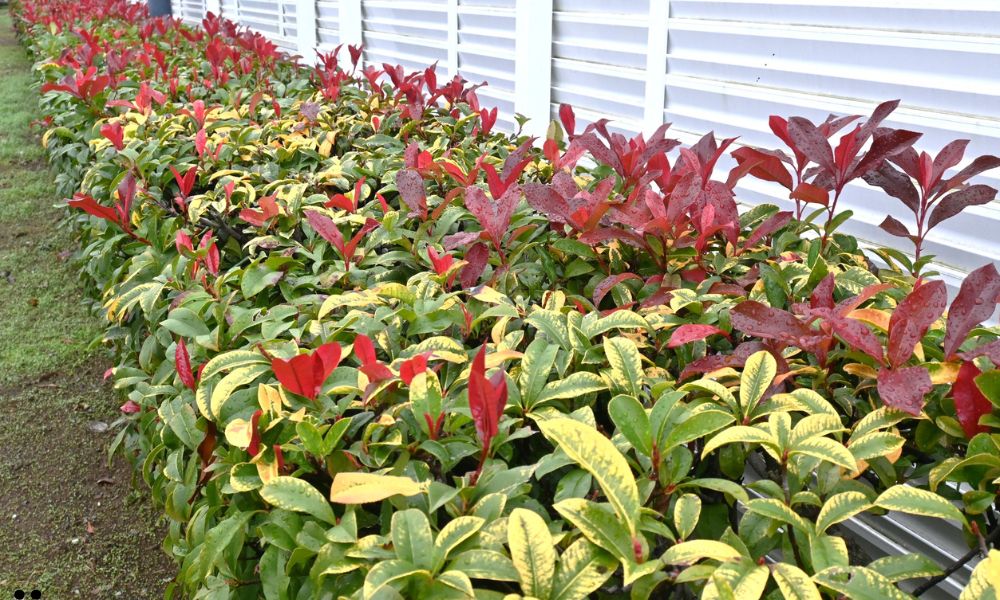
Photinia makes an excellent choice for privacy hedges and screens. This versatile shrub grows quickly, reaching 1-2 feet per year in ideal conditions.
We recommend planting Photinias 4-6 feet apart for a dense hedge. They thrive in full sun to partial shade and prefer well-draining soil. The Red Tip variety is particularly popular for its vibrant new growth. Regular pruning encourages more of the eye-catching red foliage.
Photinias are fairly low-maintenance once established. They can tolerate some drought but need regular watering when young. With proper care, these shrubs can create an attractive, fast-growing privacy screen in your garden.
13. Pittosporum

Pittosporum plants make excellent hedges and privacy screens. These versatile shrubs offer dense foliage and attractive leaves.
Pittosporum tobira, or Japanese pittosporum, is a popular choice. It can grow up to 15-18 feet tall and 10 feet wide, creating a substantial barrier. For smaller spaces, ‘Wheeler’s Dwarf’ is a compact variety. It reaches 2-3 feet in height and 5 feet in width. Its glossy green leaves add visual appeal.
When planting pittosporum hedges, we recommend spacing them about 3 feet apart. This allows for proper growth and a full, lush appearance. Pittosporums are low-maintenance once established. They only need regular watering during hot, dry periods.
14. Podocarpus

Podocarpus is an excellent choice for hedges and privacy screens. This evergreen shrub or tree offers dense, dark green foliage that creates an effective barrier.
We love podocarpus for its versatility. It can be shaped into formal hedges or left to grow naturally as a tall screen. The plant adapts well to both sun and shade conditions.
Podocarpus grows at a moderate pace, making it ideal for those who don’t need an instant hedge. Its slow growth also means less frequent trimming is required. This plant is hardy and low-maintenance, thriving in various climates. It’s particularly popular in Southern gardens due to its heat tolerance and attractive appearance.
15. Japanese Euonymus
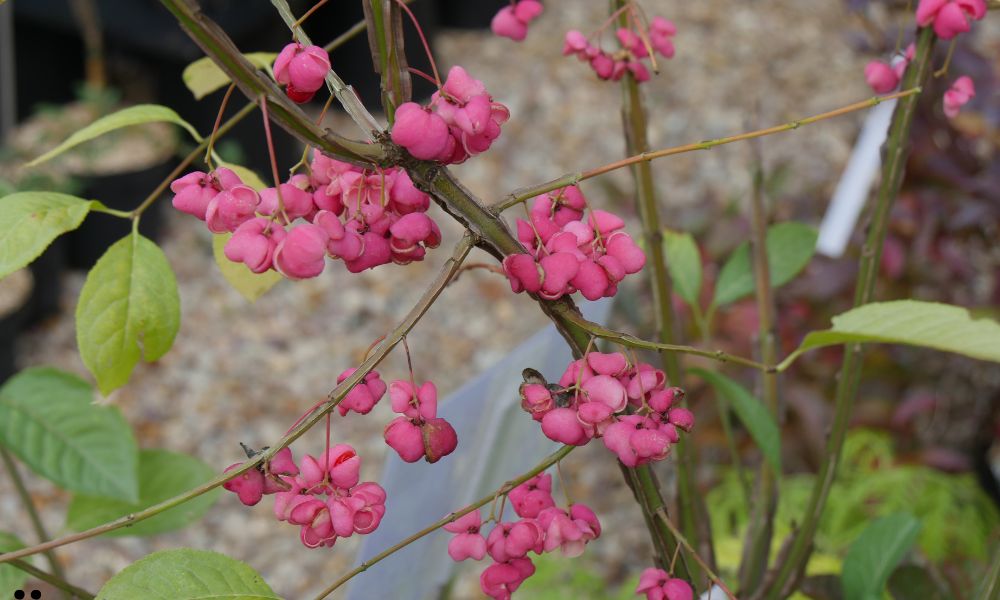
Japanese Euonymus is a versatile evergreen shrub perfect for hedges and privacy screens. It’s known for its dense, glossy green leaves that provide year-round coverage. This plant is adaptable to various conditions, including poor soil and hot climates. It grows well in both sun and partial shade, making it suitable for many garden locations.
We can easily shape Japanese Euonymus into a formal hedge or topiary. It responds well to pruning, allowing us to maintain our desired height and width. For best results, we should plant these shrubs 18 to 24 inches apart. They thrive with regular watering when the top few inches of soil dry out.
16. Carolina Cherry

Carolina cherry is a great choice for privacy screens and hedges. This evergreen shrub grows fast and can reach heights of 15 to 20 feet. Its dense foliage provides excellent coverage year-round.The shiny green leaves of Carolina cherry give it an attractive look.
In spring, it produces small white flowers that add visual interest. These flowers turn into small black berries in fall. We love how versatile Carolina cherry is. It thrives in full sun or partial shade and adapts to different soil types. This plant is also drought-tolerant once established, making it low-maintenance.
Carolina cherry can be pruned to maintain a desired shape and size. Its natural growth habit is upright and oval, perfect for creating living walls or borders.
17. Portuguese Laurel

Portuguese laurel is a great choice for hedges and privacy screens. This evergreen shrub grows up to 18 inches per year, making it a bit slower than common laurel.
We recommend planting Portuguese laurel between late autumn and late winter. Space plants about 60 cm apart for best results.
This Mediterranean native prefers warmer climates. It needs regular watering during dry spells, especially when young. Mulching around the base helps retain moisture. Portuguese laurel can be shaped into formal hedges or left to grow more naturally. Its glossy leaves and white flower spikes make it an attractive option for gardens.
18. Spartan Juniper

Spartan Juniper is a fast-growing evergreen tree perfect for privacy screens. It reaches heights of 15-20 feet with a narrow spread of 3-5 feet. This juniper thrives in USDA zones 4-9, making it suitable for most of the country. It adapts well to various soil types and requires minimal care once established.
We love Spartan Juniper for its dense foliage and columnar shape. It creates an effective natural barrier without taking up too much horizontal space.
For a privacy hedge, we recommend planting Spartan Junipers about 3-5 feet apart. They grow quickly, adding 12-18 inches of height each year.