





In This Article Show
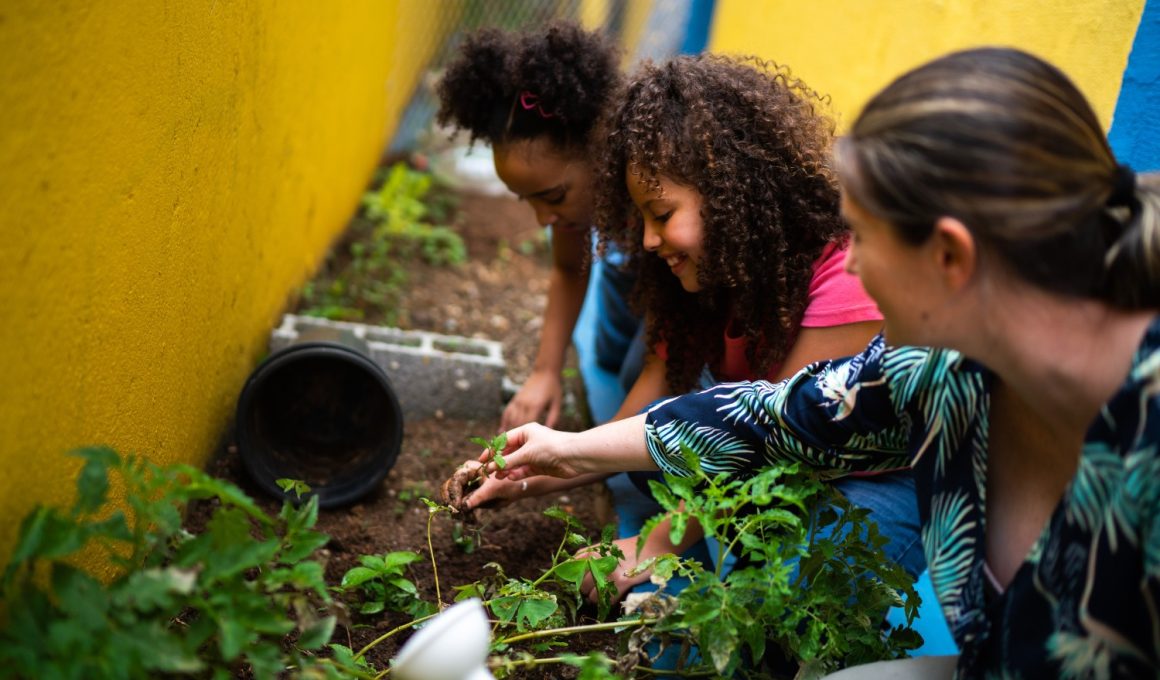
A school garden can do so much more than make the playground look nicer. It can give kids a hands-on way to learn about plants, insects, weather, food, and responsibility. It also gives them a reason to get outside, work together, and feel proud of something they helped grow.
The best school garden ideas are fun, practical, and easy for children to enjoy at different ages. Some work well for learning, while others help make the garden feel playful and inviting. In this list, I’m sharing clever school garden ideas that feel fresh, creative, and kid-friendly, while still looking beautiful and well thought out.
1. Raised Vegetable Beds With Simple Plant Labels
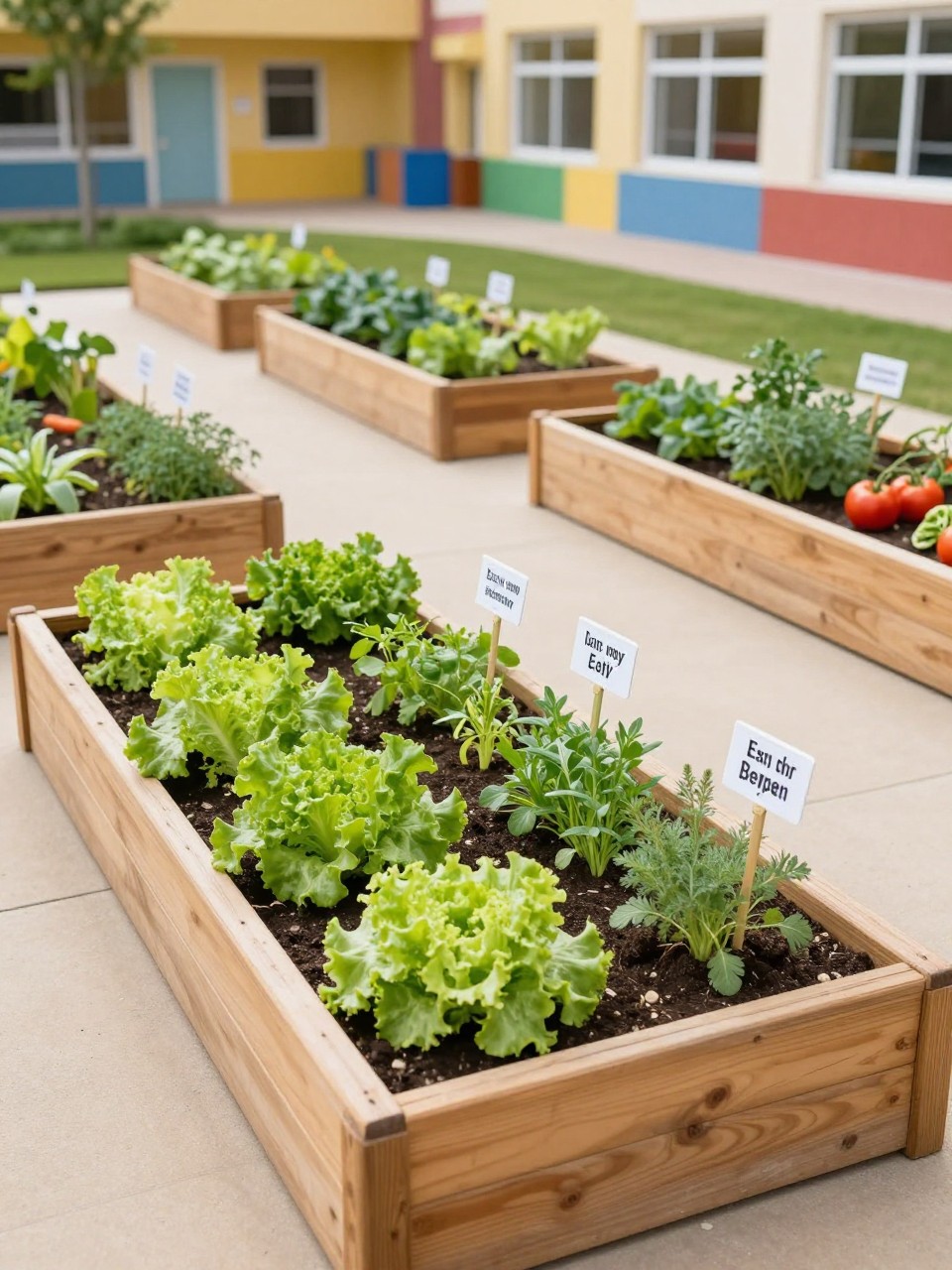
Raised vegetable beds are one of the best school garden ideas because they make planting easy to manage. Kids can clearly see where things are growing, and the tidy layout helps the whole area feel organized and welcoming.
This setup also makes learning more hands-on. Children can help sow seeds, water plants, and watch food grow over time, which makes science and nature lessons feel much more real.
2. Rainbow Painted Planters for a Fun Pop of Color
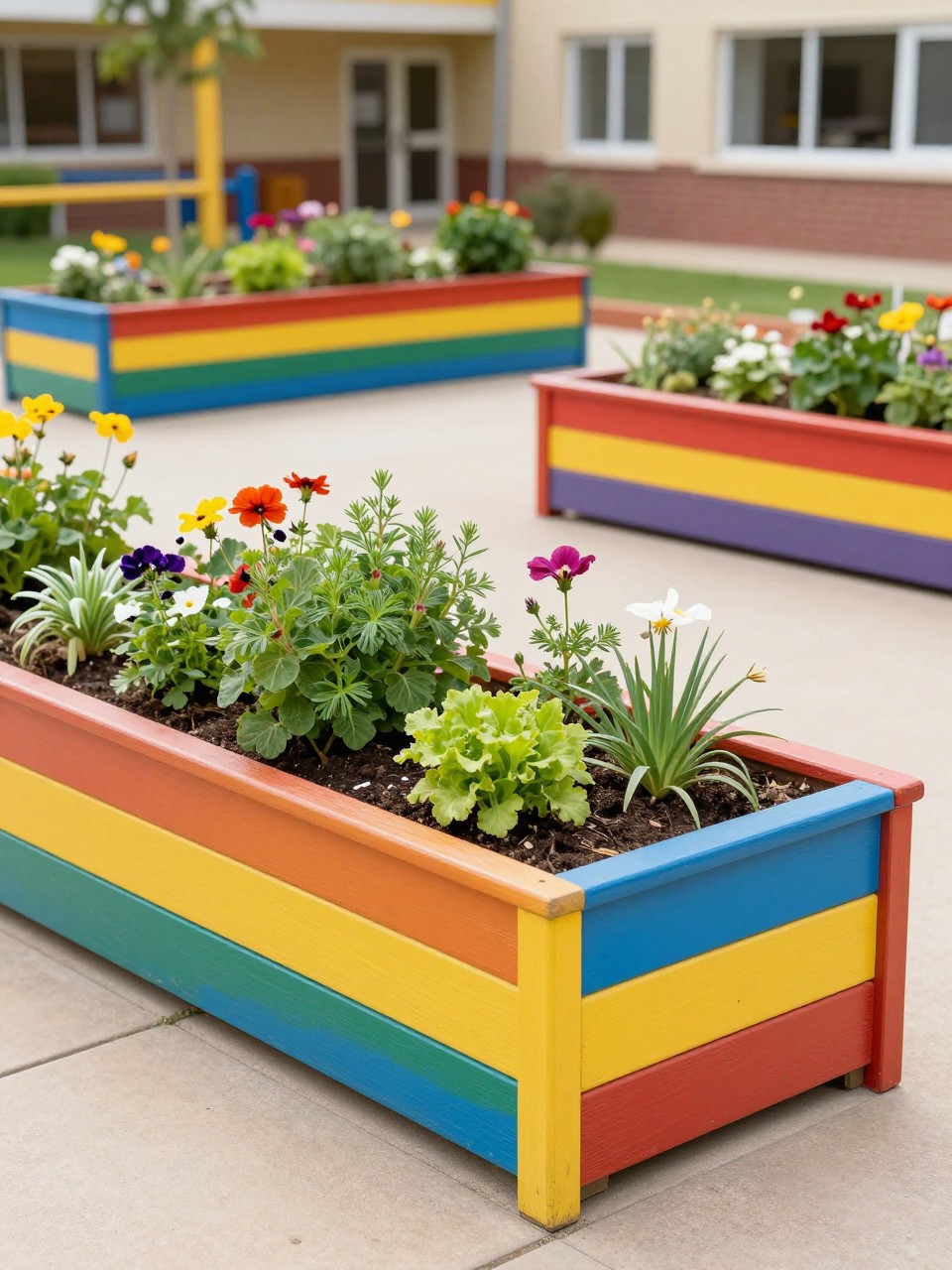
This idea is also great for school projects because children can help paint the planters. It adds a personal touch and makes the garden feel like a space the students really helped create.
3. Sensory Garden With Soft Textures and Fragrant Plants
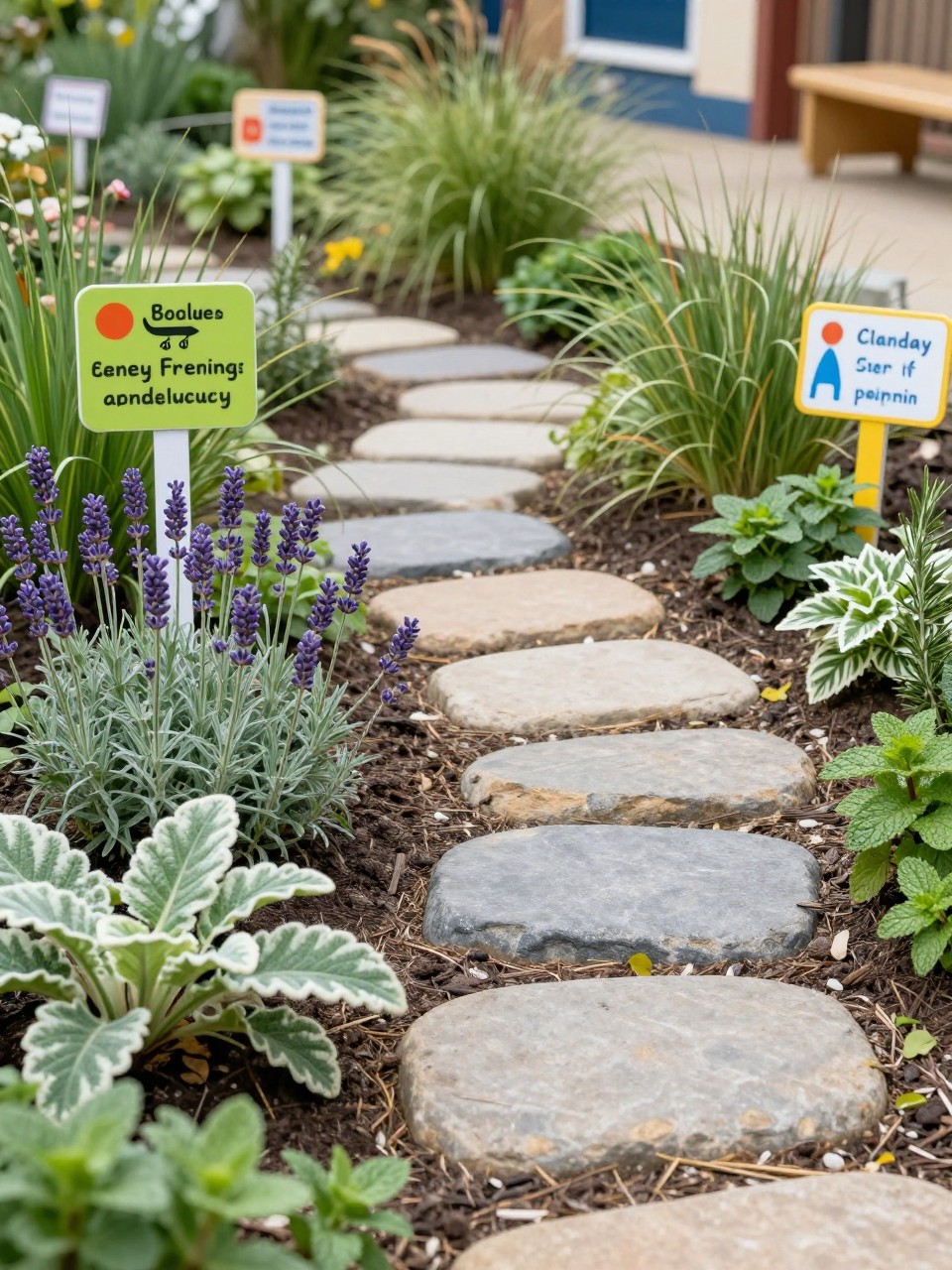
A sensory garden is a smart choice for schools because it helps children explore through touch, smell, and sight. Soft leaves, scented herbs, and different textures make the space feel calm and interesting at the same time.
This kind of garden works especially well for younger children. It creates a more interactive learning area and gives kids a gentle way to connect with nature.
4. Sunflower Tunnel Kids Can Walk Through
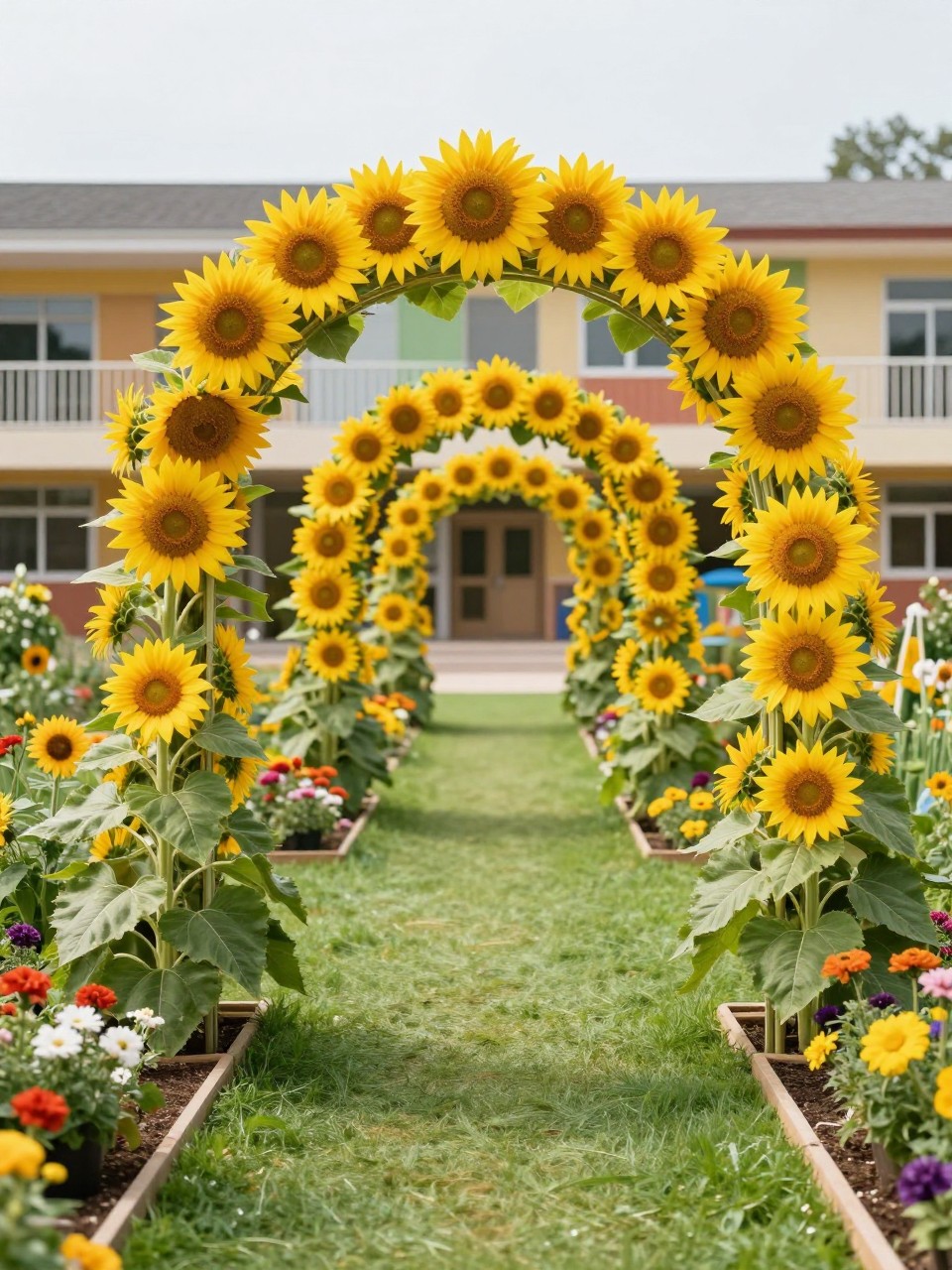
A sunflower tunnel feels magical in a school garden. It gives children something tall, bright, and exciting to walk through, which makes the garden feel more playful and memorable.
It is also a lovely way to teach kids how plants grow over time. Watching the tunnel get taller each week can make the whole garden feel more exciting and alive.
5. Pollinator Garden Filled With Butterflies and Bees
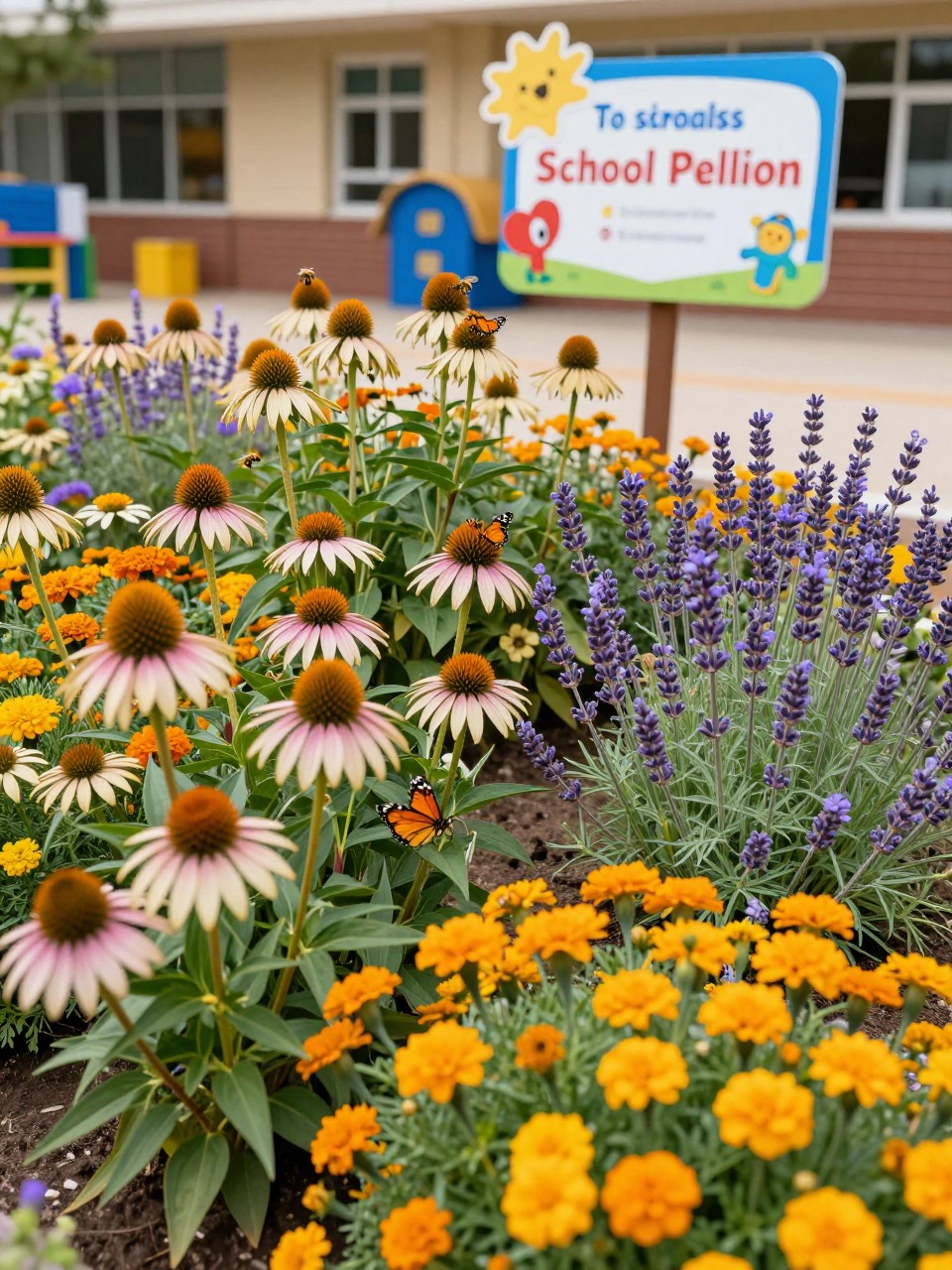
A pollinator garden helps children see how important bees and butterflies are. Bright flowers and insect-friendly plants bring movement and color into the garden, which makes the space feel lively.
This idea is great for science learning too. Kids can observe insects up close and start to understand how flowers, food, and pollinators all work together.
6. Outdoor Classroom Circle With Log Seating
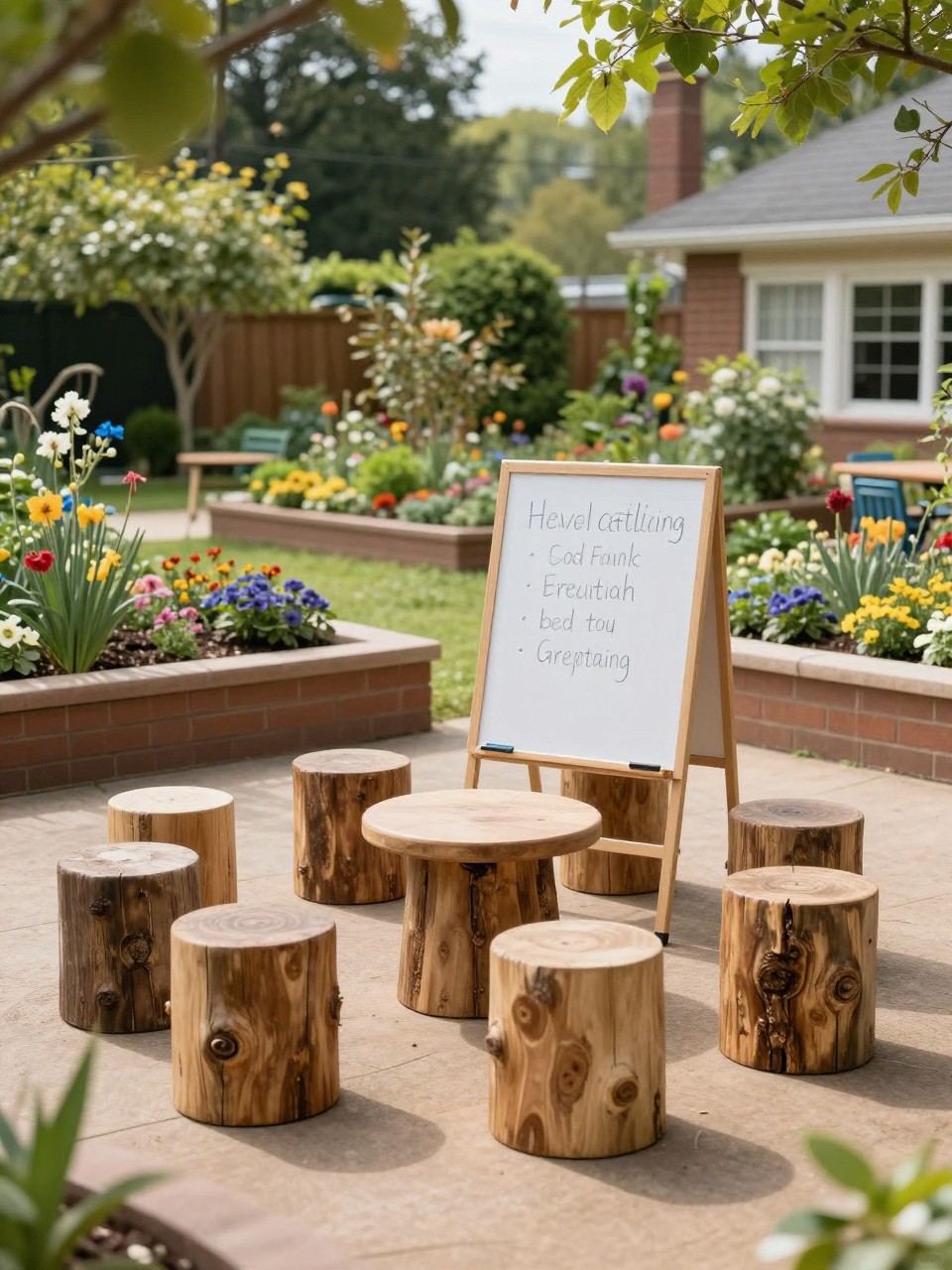
An outdoor classroom makes the garden feel useful in more ways than one. It gives teachers a place to bring lessons outside, which helps break up the school day and keeps learning fresh.
Using log seating keeps the space natural and child-friendly. It also helps the garden feel like a real part of school life instead of just a corner that looks nice.
7. Pizza Garden With Herbs and Tasty Toppings
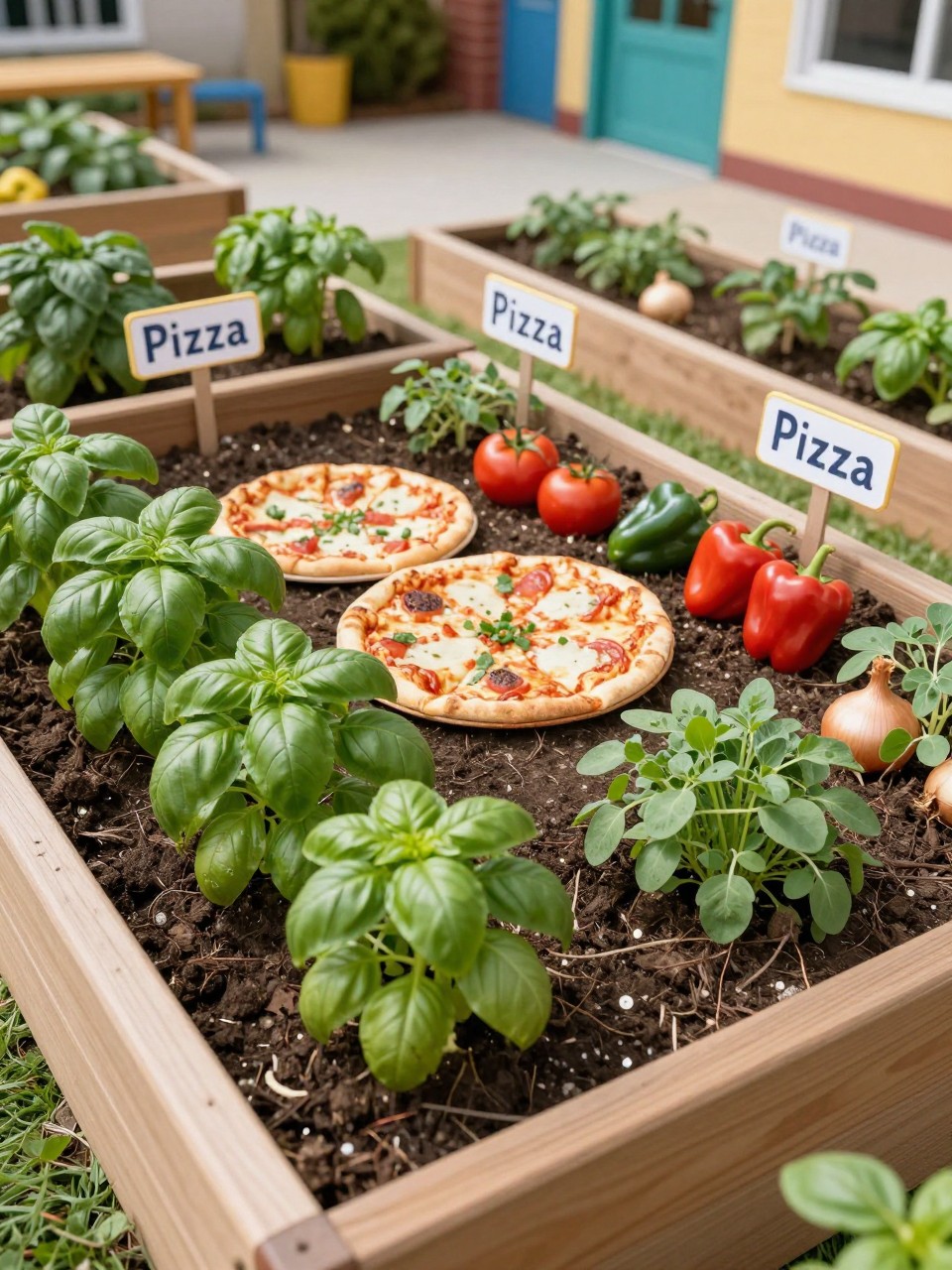
A pizza garden is a fun way to get kids excited about growing food. Planting ingredients they recognize makes the garden easier for them to connect with and understand.
This idea also opens the door for fun lessons about cooking, healthy eating, and where food comes from. It is simple, clever, and very engaging for children.
8. Recycled Container Garden Made From Everyday Items
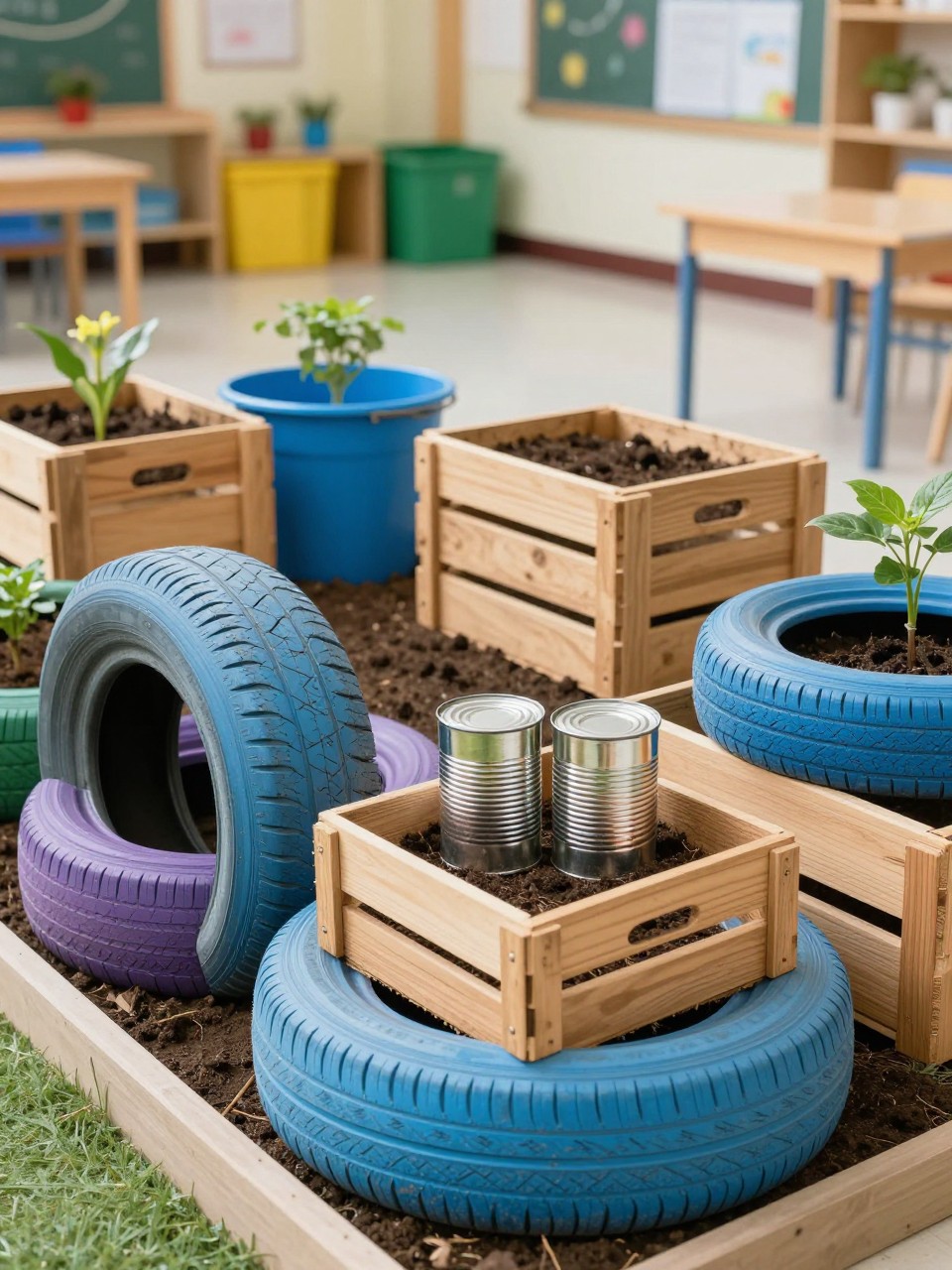
A recycled container garden teaches kids that gardening does not have to be expensive or complicated. It also helps schools turn simple items into something useful and attractive.
This idea is perfect for craft-based garden projects. It encourages creativity while also teaching children about reusing materials in a practical way.
9. Storybook Garden Inspired by Favorite Children’s Books
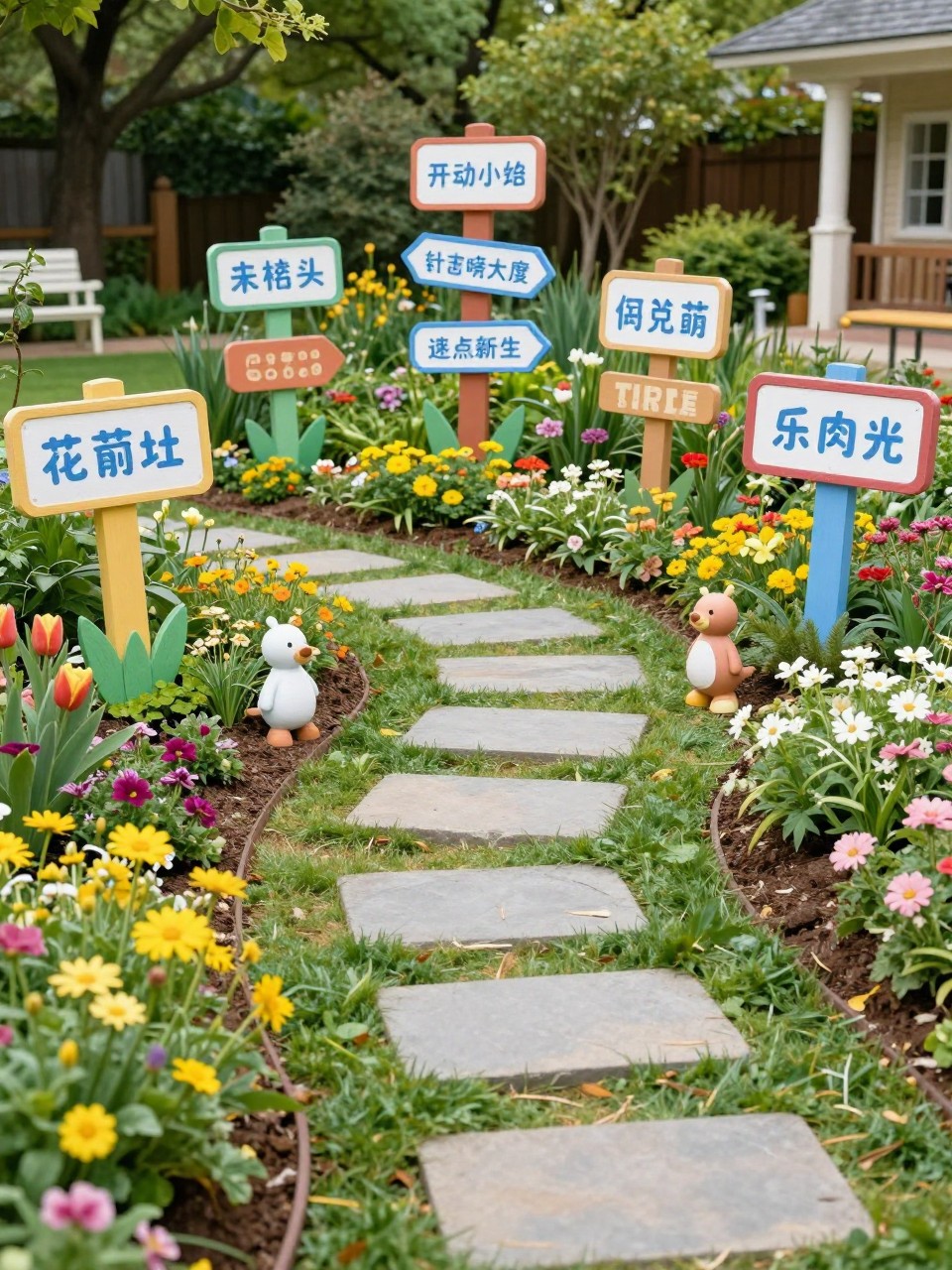
A storybook garden blends reading and outdoor learning in a really sweet way. It can be based on one favorite book or a mix of simple story themes that children know and love.
This makes the garden feel more playful and personal. It is a lovely way to spark imagination while encouraging children to see books and nature as things that can go together.
10. Alphabet Garden for Early Learning
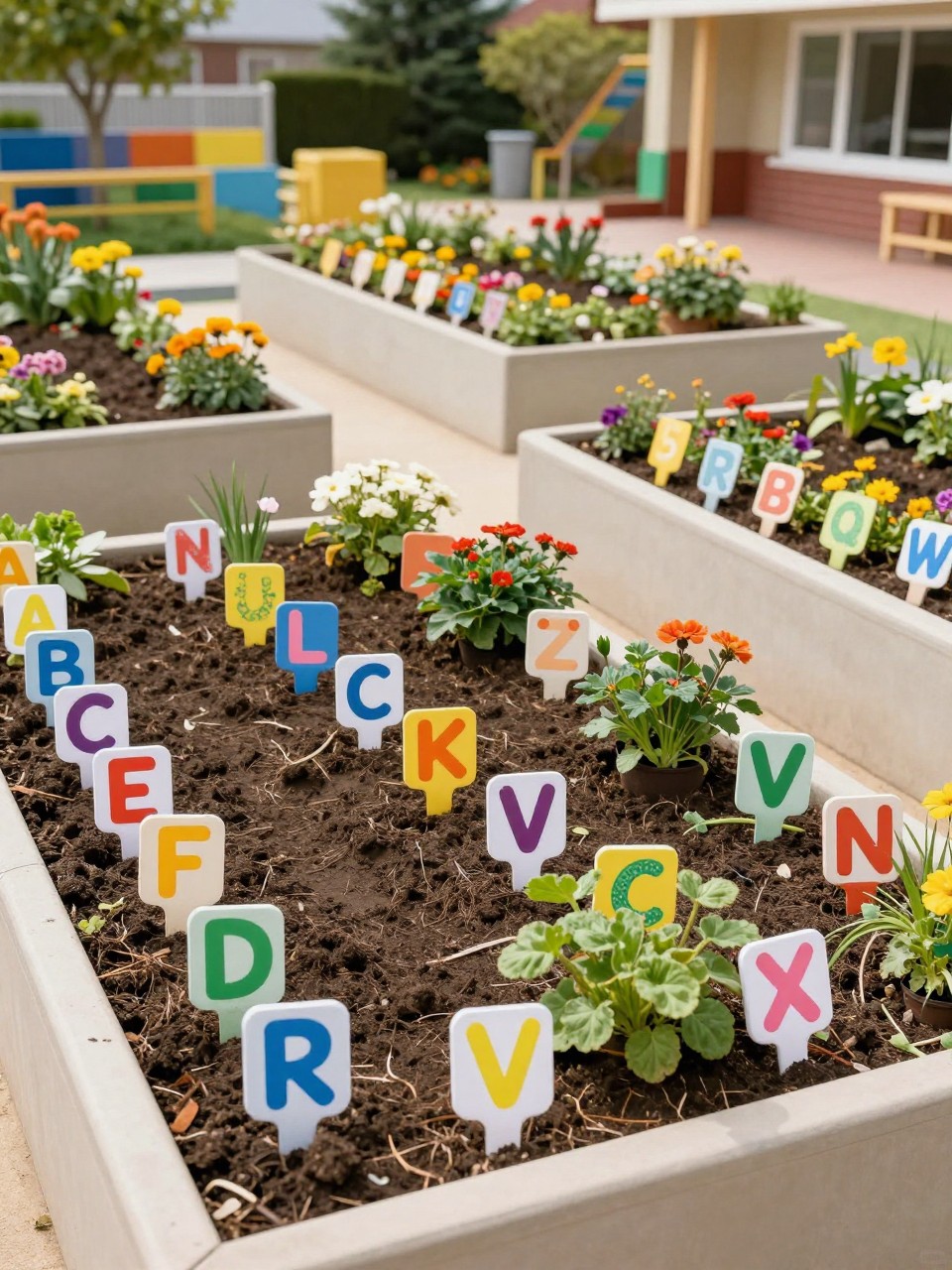
An alphabet garden is a great idea for younger children. Each section can focus on a letter, a plant name, or a simple word, which helps bring early learning into the garden.
It also makes the space feel more interactive. Kids can walk through the garden, spot letters, and connect what they see outside with what they are learning in class.
11. Butterfly Observation Corner With a Small Bench
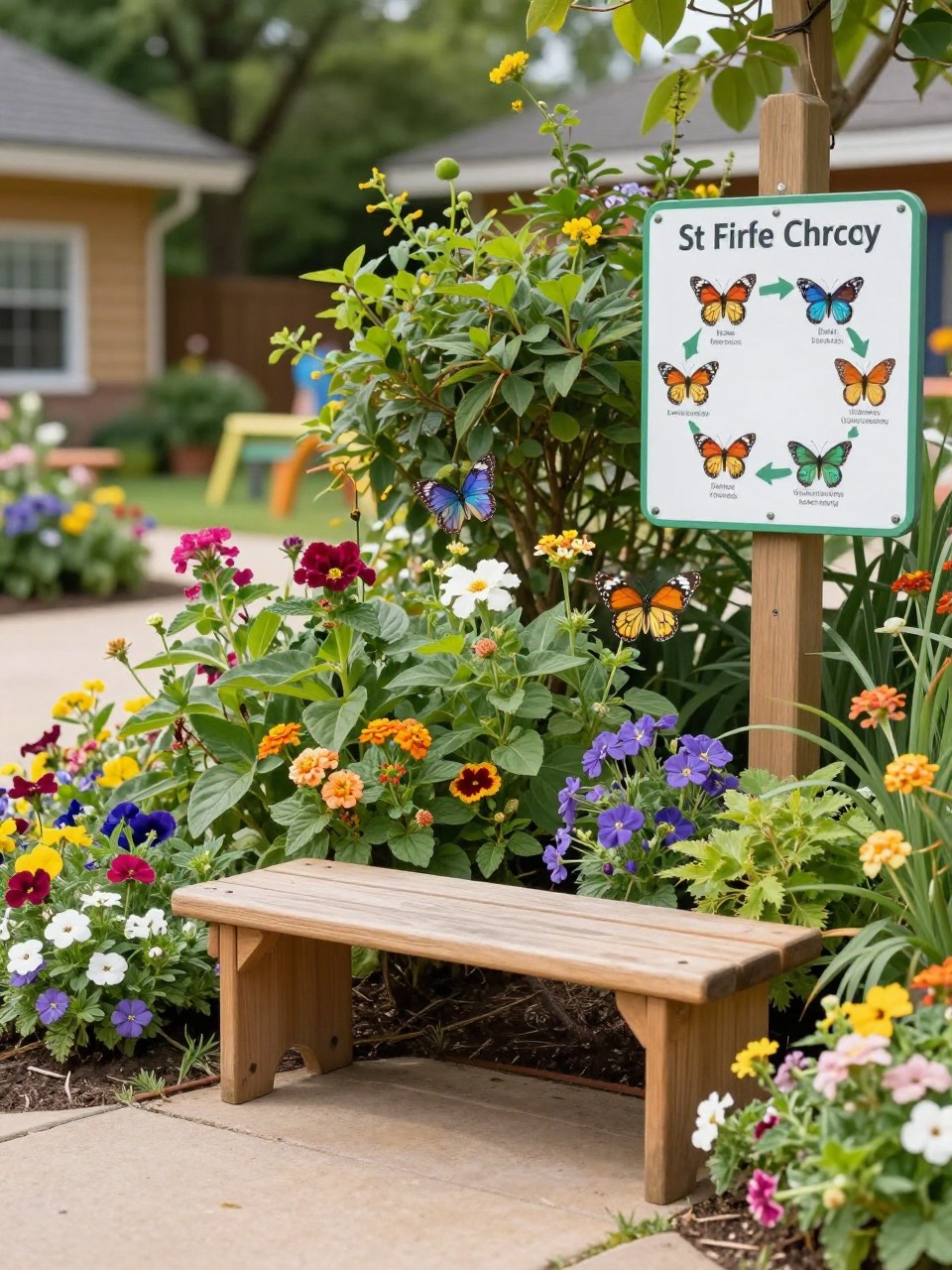
A butterfly observation corner gives children a quiet place to sit and watch nature. It adds a peaceful part of the garden that still feels fun and full of movement.
This works especially well in schools that want a calming area for children to slow down. It can also support simple nature journaling, drawing, or science observation activities.
12. Herb Spiral for a Small but Smart Garden Feature
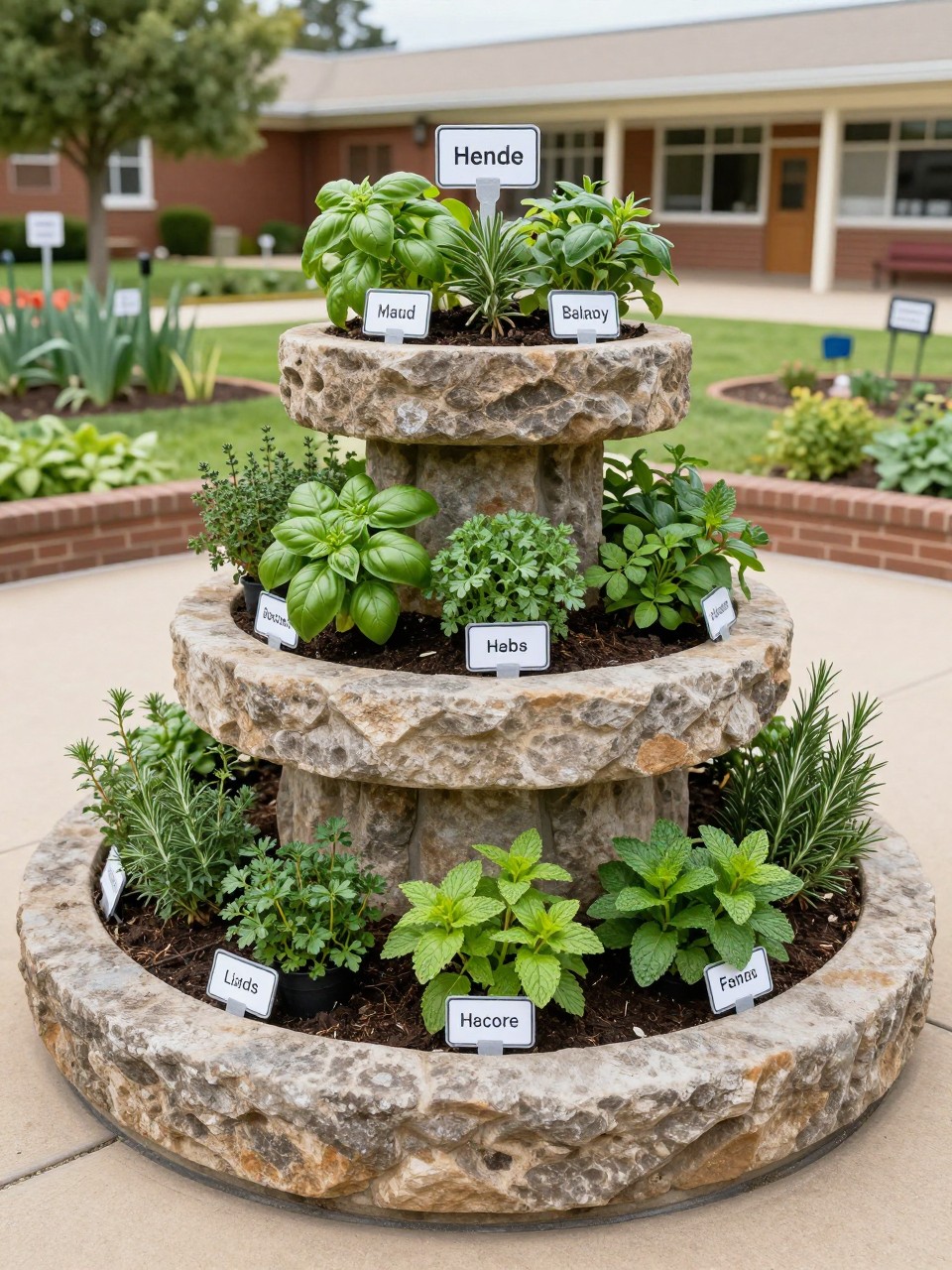
A herb spiral is a clever idea because it fits a lot into a small space. It looks interesting, feels a little different, and gives kids a chance to learn about useful plants.
It also adds shape and height to the school garden. That makes the space look more designed while still being practical for hands-on learning.
13. Wildlife Corner With Bug Hotels and Bird Feeders
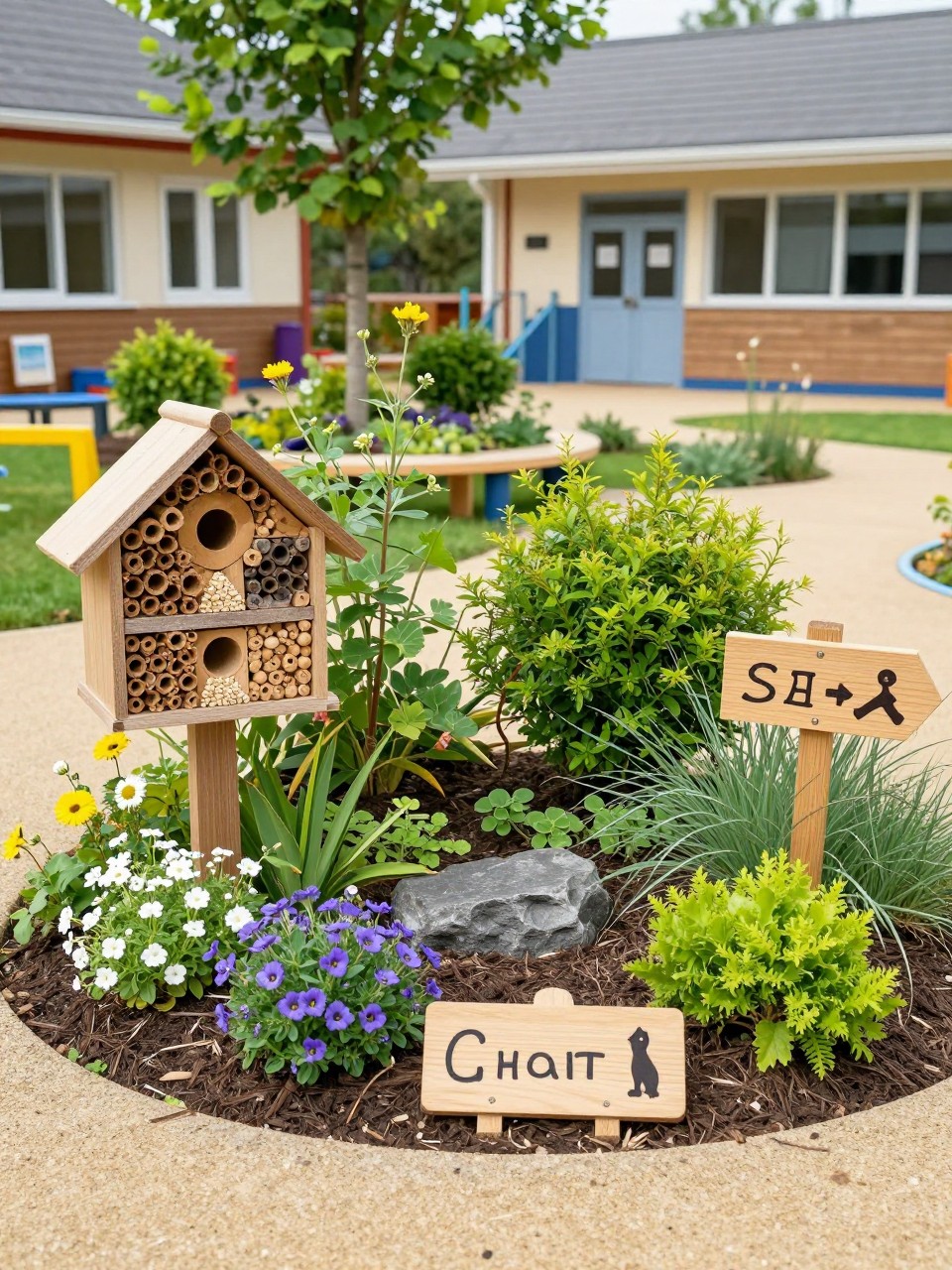
A wildlife corner helps children learn that gardens are not just for plants. They are also important spaces for insects, birds, and other helpful creatures.
This idea makes the garden feel richer and more active. It gives kids the chance to spot living things and understand how gardens support local wildlife.
14. Mud Kitchen Next to the Garden Beds

A mud kitchen adds a playful side to the garden and is always popular with kids. It gives them a place to dig, mix, and play while still staying connected to the planting area.
This works especially well for early years spaces. It helps children enjoy messy sensory play while making the school garden feel more active and welcoming.
15. Student Harvest Station or Mini Farm Stand
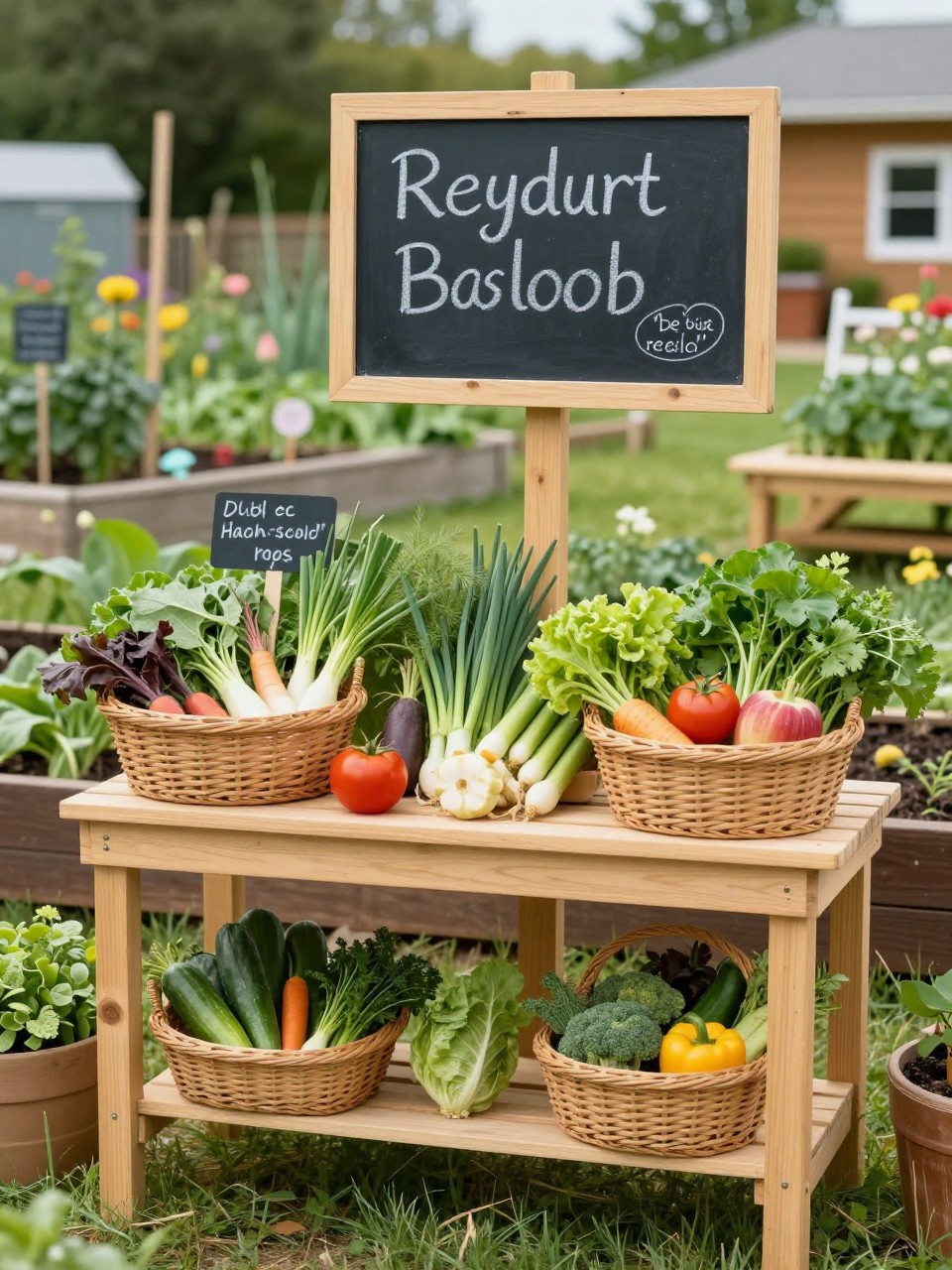
A mini harvest station gives the garden a purpose children can really see. It creates a place where picked herbs, flowers, or vegetables can be displayed after the students have cared for them.
This idea helps children feel proud of the work they put in. It also teaches them that growing food and plants leads to something useful, which makes the whole garden project feel even more rewarding.
Final Thoughts
The best school garden ideas make children want to explore, learn, and take part. A good setup should feel fun and inviting, but also simple enough for a school to use and maintain over time.
Whether you go for raised beds, a sunflower tunnel, a pizza garden, or a sensory corner, the goal is the same. You want a space that helps kids enjoy nature while learning something new. With the right mix of beauty, creativity, and practical features, a school garden can become one of the most loved parts of the school.