





In This Article Show
Hydrangeas are the showstoppers of the shade garden, with their big, lush blooms. But if you plant one at the wrong time, it can spend the whole first season just struggling to survive instead of thriving.
I’ve seen it happen—a hydrangea planted in summer heat that droops and drops leaves, never quite catching up. The key is to avoid stress.
This guide will help you choose the two best, most gentle times to plant your hydrangea, giving its roots the peaceful conditions they need to settle in and support those gorgeous flowers for years to come.
The Goal: Avoid Weather Extremes
Hydrangeas need time to grow a robust root system before facing harsh conditions. The perfect planting time is when the weather is mild, and the plant can focus its energy underground.
Avoid planting in the peak heat of summer or the freezing cold of winter.
The Two Best Times to Plant
You have two ideal windows, and both are about avoiding stress on the plant.
1. Fall Planting (The Top Choice for Many)
- When: Early to mid-fall, at least 6 weeks before your first hard frost.
- Why it’s great: The air is cool, but the soil is still warm. This encourages root growth without the demand of supporting top growth or flowers. The plant gets to establish itself quietly over winter and is ready to rock in spring.
2. Spring Planting (A Very Close Second)
- When: After the last frost has passed, but before the intense summer heat arrives. This is often late spring.
- Why it’s great: The plant has the entire growing season to get established. Just be diligent about watering as summer heat kicks in.
The One Time to Avoid: Summer
Planting in summer is risky. The combination of transplant shock, high heat, and intense sun forces the plant to spend all its energy trying to keep its leaves alive instead of growing new roots. It often leads to wilting, scorched leaves, and stunted growth.
How to Plant: It’s All About the Hole
Proper planting is just as important as timing.
- Dig a Wide, Shallow Hole: Make it 2-3 times wider than the root ball, but only just as deep.
- Loosen the Roots: If the plant is pot-bound, gently tease the outer roots apart.
- Place it Correctly: Set the plant in the hole so that the top of the root ball is level with or slightly above the surrounding soil level. Planting too deeply is a common cause of failure.
- Backfill with Native Soil: Do not amend the hole with rich compost or potting mix. Simply backfill with the soil you dug out. This encourages roots to spread into the native soil.
- Water Deeply & Mulch: Soak the area thoroughly. Then, apply 2-3 inches of mulch (shredded bark or leaf mold) around the plant, keeping it away from the stems to retain moisture and regulate soil temperature.
A Climate-Based Guide to Timing
- Cold Winter Climates (Zones 4-6):
- Best: Spring planting (May-June). This gives them maximum time to harden off before winter.
- Fall Option: Only if you can plant by early September to ensure good root establishment.
- Temperate Climates (Zones 7-8):
- Fall is Ideal: Plant from September through October. The mild winters are perfect for root growth.
- Spring is also excellent: Plant in April or May, before humidity and heat peak.
- Warm Climates (Zones 9-10):
- Best: Fall planting (October-November). The plant can establish during the cool, moist winter.
- Spring Planting: Do it very early, in late February or March, before the heat sets in.
Special Note on Bloom Color
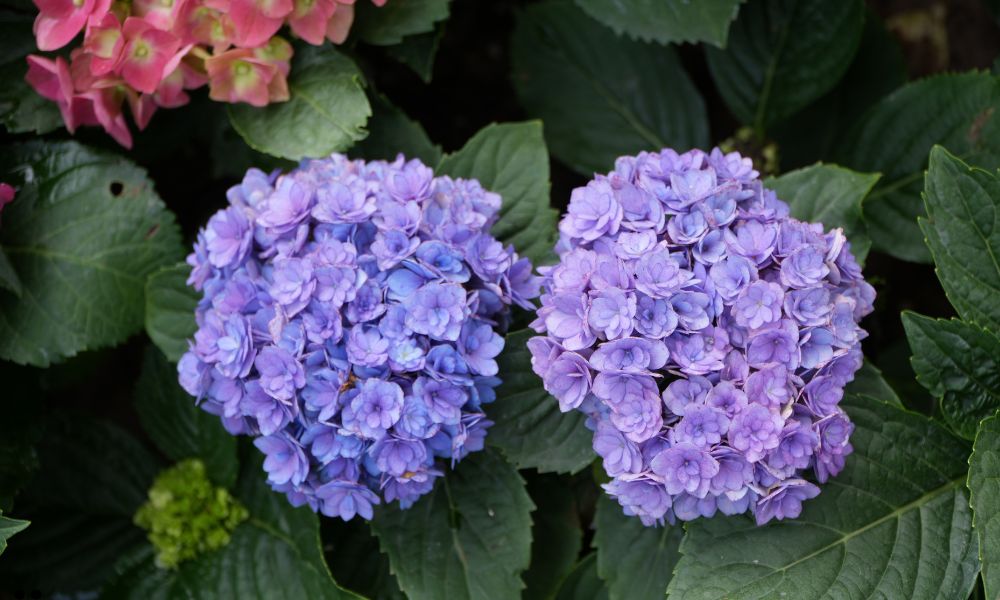
Remember, for bigleaf hydrangeas (Hydrangea macrophylla), bloom color is influenced by soil pH. This is a long-term project, not something you fix at planting.
- Blue flowers: Need acidic soil (pH 5.0-5.5). Add aluminum sulfate over time.
- Pink flowers: Need alkaline soil (pH 6.0-6.5). Add garden lime over time.
- At planting, just focus on healthy roots. You can adjust the color later.
First-Year Care: The Key to Success
Your job after planting is simple: consistent moisture.
- Water deeply 1-3 times per week, depending on rainfall and heat. The goal is consistently moist, but never soggy, soil.
- Do not fertilize at planting time. Wait until you see new growth, then use a balanced, slow-release fertilizer.
- Be patient. A hydrangea might not bloom profusely in its first year. It’s putting energy into its roots. The real show starts in years two and three.
Planting a hydrangea is an investment in future summers. By choosing a gentle season—a cool fall day or a mild spring morning—you give that investment the best possible start. Then, with a little patience, you’ll be rewarded with a thriving, blooming shrub for years.