







In This Article Show
Blueberries are a kitchen favorite—sweet, tangy, and perfect for everything from smoothies to muffins. But fresh berries don’t last long in the fridge, and once they go soft or moldy, it’s game over. Freezing is the easiest way to preserve their freshness and keep a stash ready for baking or blending anytime.

The best part? Blueberries are one of the easiest fruits to freeze. With just a few simple steps, you can make sure they don’t stick together or turn into a mushy mess. And if you prep them right, frozen blueberries will hold their shape, flavor, and nutrition for months.
In this post, we’ll walk you through how to freeze blueberries the right way—no clumps, no sogginess—just clean, delicious berries ready when you are.
Step 1: Start with Fresh, Firm Berries
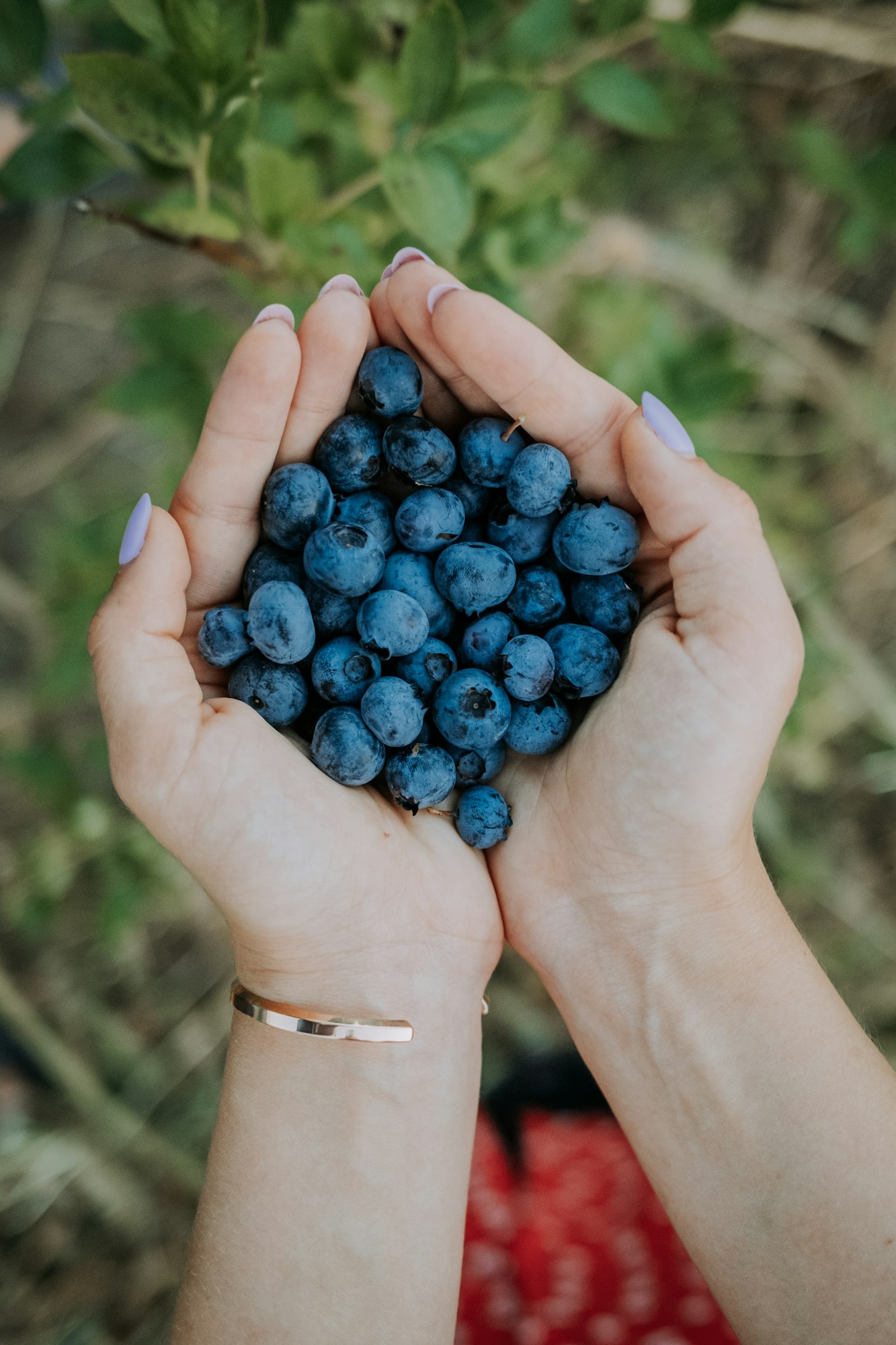
Pick blueberries that are plump, dry, and deep in colour. Avoid berries that are soft, wrinkled, or leaking juice—those won’t freeze well and could affect the whole batch.
Whether you’re using homegrown berries or store-bought, try to freeze them as soon as possible after picking or purchasing them for the best results.
Step 2: Rinse and Dry Thoroughly

Give your blueberries a gentle rinse in cool water to remove dirt or residue. Then spread them out on a clean towel or paper towels and let them dry completely.
Dry berries freeze better and are less likely to form ice crystals or stick together. Take your time here—moisture is the enemy when it comes to freezing fruit properly.
Step 3: Remove Any Stems or Damaged Berries

Take a quick moment to sort through your batch. Remove any leftover stems, squished berries, or debris. One bad berry can spoil a bag, so it’s worth doing a quick check before freezing.
Step 4: Freeze in a Single Layer

Once your blueberries are clean, dry, and sorted, it’s time to freeze them the right way. Spread the berries out in a single layer on a baking sheet lined with parchment paper. Make sure they’re not touching or overlapping too much—this helps prevent clumping.
Place the tray in the freezer for about 2–3 hours, or until the berries are completely frozen. This method is called flash freezing, and it keeps the berries from sticking together so you can grab exactly what you need later, whether it’s a handful for a smoothie or a cup for baking.
Step 5: Transfer to Freezer Bags or Containers

Once the berries are frozen solid, remove the tray from the freezer and quickly transfer the blueberries into labeled freezer-safe bags or airtight containers. Try to press out as much air as possible before sealing. This helps prevent freezer burn and keeps your berries tasting fresh.
Label the bags with the date so you can keep track of how long they’ve been stored. It’s also helpful to note the quantity—like “2 cups”—for easier measuring when you’re baking or meal prepping.
Frozen blueberries can last up to 10–12 months in the freezer if stored properly, though they’re best used within 6–8 months for peak flavor and texture.
Step 6: Use Straight from the Freezer

The great thing about frozen blueberries is you don’t need to thaw them for most recipes. Just toss them directly into your smoothie blender, pancake batter, muffin mix, or baking dish.
If you do need to thaw them—for example, for a fruit salad or sauce—let them sit at room temperature for about 30 minutes or run them under cold water. Keep in mind that thawed blueberries can be softer than fresh ones, so they’re best used in recipes where texture isn’t a big deal.
By freezing them the right way, you’ll always have delicious, ready-to-go berries that taste like summer—even in the middle of winter.