







In This Article Show
Sustainable cooking is about being thoughtful with how we shop, prepare, and enjoy food so that we’re kinder to the planet — and to ourselves. It’s not about making huge lifestyle changes overnight or feeling guilty for what’s in your fridge.
It’s about small choices that add up, day by day. From using what you have to cutting down on waste, sustainable cooking can actually make life in the kitchen easier, more affordable, and a lot more rewarding.
This guide breaks down simple, practical ways you can start cooking more sustainably right now, no matter your skill level or how busy life gets.
1. Shop Smarter
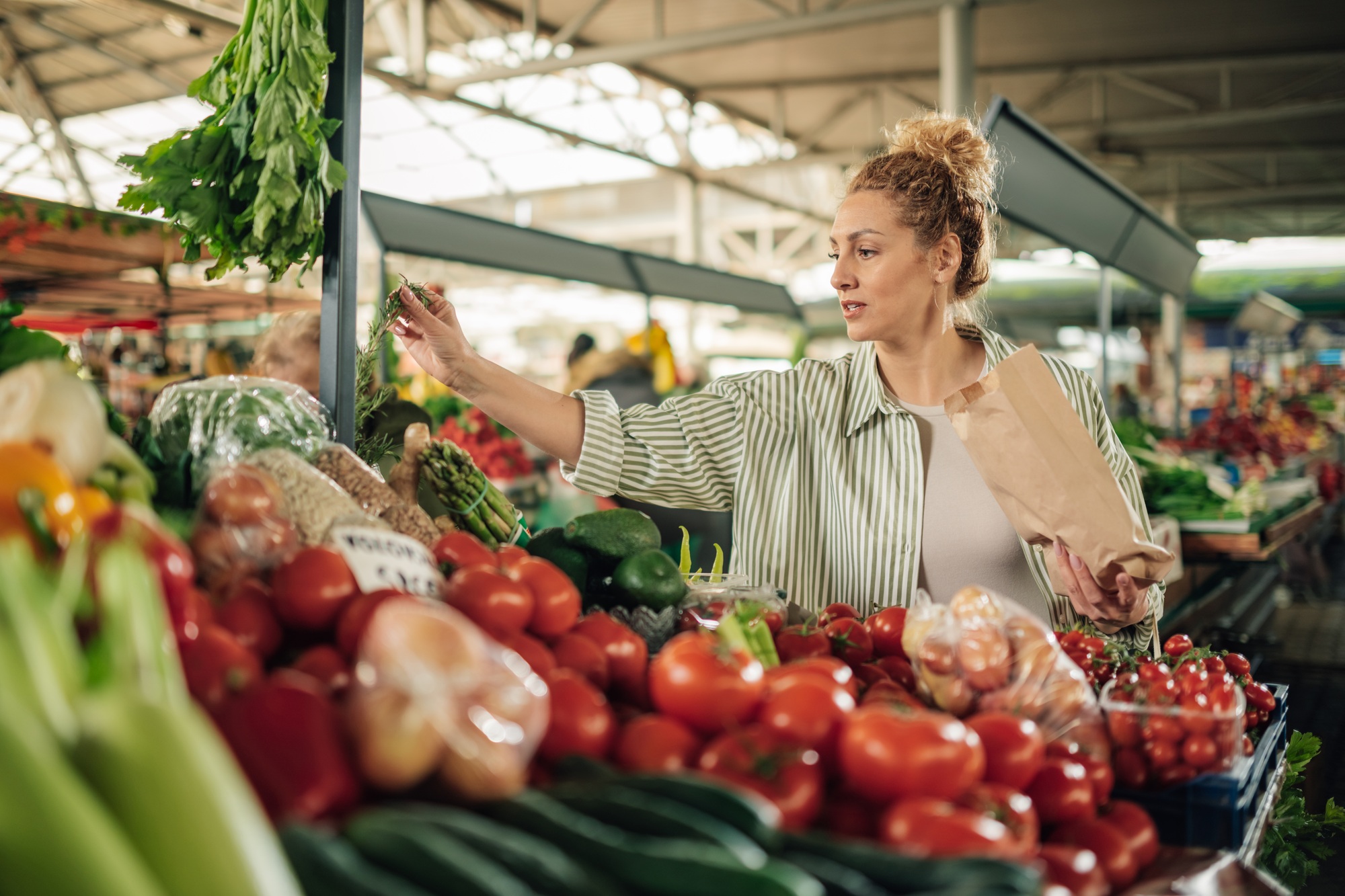
1. Buy local and seasonal foods
Choosing fruits and vegetables that are in season and grown nearby reduces the energy it takes to transport and store them. Plus, these ingredients usually taste fresher and cost less. Visit a farmers’ market or check produce signs at the store to see what’s in season.
2. Plan your meals before you shop
A little meal planning goes a long way toward cutting down on impulse buys and food that ends up forgotten in the fridge. Before heading to the store, think through your week and jot down what you’ll actually cook.
2. Bring your own reusable bags and containers
Keep a stash of cloth bags and reusable produce bags in your car or by the door so you always have them on hand. If your store allows it, consider bringing your own containers for bulk items or deli purchases.
2. Reduce Food Waste
1. Cook from what you already have
Before starting a new recipe or writing a shopping list, take a good look at what’s in your pantry, fridge, and freezer. You might be able to swap out ingredients or come up with a new dish that uses what’s on hand.
2. Store food so it lasts longer
Knowing how to store different foods can help them stay fresh. For example, wrap herbs loosely in a damp paper towel, or keep citrus in the fridge to extend its life. Avoid keeping potatoes and onions together since they make each other spoil faster.
3. Reimagine leftovers
Leftovers don’t have to be boring. Leftover roast veggies can become a quick soup or salad topping, and yesterday’s rice is perfect for fried rice or burrito bowls. Get into the habit of checking what’s in the fridge before making something new.
3. Choose Better Ingredients
1. Add more plant-based meals to your week
You don’t have to give up meat completely to cook more sustainably. Even one or two veggie-focused dinners each week can make a difference for the environment and your grocery budget.
2. Buy pantry staples in bulk when practical
Dry goods like beans, lentils, oats, rice, and pasta often come with less packaging when bought in bulk and tend to be cheaper, too. Just be sure to store them well at home so they stay fresh.
3. Look for responsibly sourced proteins
When you do buy meat or fish, try to choose options labeled grass-fed, pasture-raised, wild-caught, or sustainably farmed. It supports farming and fishing practices that are gentler on the earth.
4. Cook With Less Energy

1. Make the most of your oven and stove time
When you’re using the oven, try roasting extra veggies or baking a double batch of something so you can enjoy leftovers without turning it on again. The same goes for boiling water — consider cooking extra grains or pasta for later in the week.
2. Use lids and match pan sizes to burners
Cooking with lids on pots helps things heat faster and keeps energy from escaping. Using the right size pot or pan means you’re not wasting heat, which can speed up cooking and cut down on energy use.
3. Consider using smaller appliances
Slow cookers, pressure cookers, toaster ovens, and air fryers usually use less power than heating up a full oven. They can be great tools for quick, efficient meals.
5. Be Mindful About Packaging
1. Skip single-use plastic when you can
Try to choose products with minimal packaging or ones packaged in materials that can be easily recycled, like paper, cardboard, or glass. Bring your own storage bags and containers when shopping or packing leftovers.
2. Cut down on individually wrapped portions
Whenever possible, go for larger packages instead of individually wrapped snacks or items. Then portion them out yourself at home using reusable containers.
6. Compost Food Scraps
Even with the best planning, there will always be some waste — like vegetable peels, coffee grounds, or eggshells. Instead of tossing them in the trash, composting turns those scraps into something useful. If you don’t have space for a bin, check if your community has a compost drop-off site or farmers’ market program.
Quick Tip
Keep a small container or bag in the freezer for scraps until you’re ready to drop them off or add them to your compost pile.
7. Cook and Serve What You Need

Cooking just enough for the people at the table helps reduce what ends up uneaten. If you often have leftovers, try scaling recipes down a little or freezing extras so they don’t go to waste. Leftovers can also be packed up for lunch the next day or turned into a new meal.
Sustainable cooking doesn’t mean overhauling everything you do in the kitchen overnight. It’s about finding small changes that fit your routine and sticking with them.
Whether it’s choosing local produce, storing food more carefully, or simply planning your meals, each step helps reduce waste and use fewer resources. The bonus? Many of these habits make cooking easier, cheaper, and more fun along the way.