






In This Article Show
Just because summer’s over doesn’t mean gardening has to stop. In fact, fall can be one of the most rewarding times to grow food. The cooler weather is perfect for many crops that struggle in the heat, and the soil is still warm enough to get plants off to a good start.

Whether you’re looking for quick-growing veggies or hardy plants that can handle the chill, here’s what you can grow right now to keep your garden productive well into the season.
1. Leafy Greens (Lettuce, Spinach, Kale)

Cool temperatures make leafy greens taste sweeter and reduce the risk of bolting. Lettuce, spinach, and kale are some of the easiest crops to grow in fall—and you can often get multiple harvests from one planting.
Why this works
Greens grow quickly, thrive in cool weather, and can even tolerate light frosts. Perfect for raised beds, containers, or open ground.
Quick Tip
Plant in succession every 1–2 weeks for a continuous harvest through fall.
2. Radishes
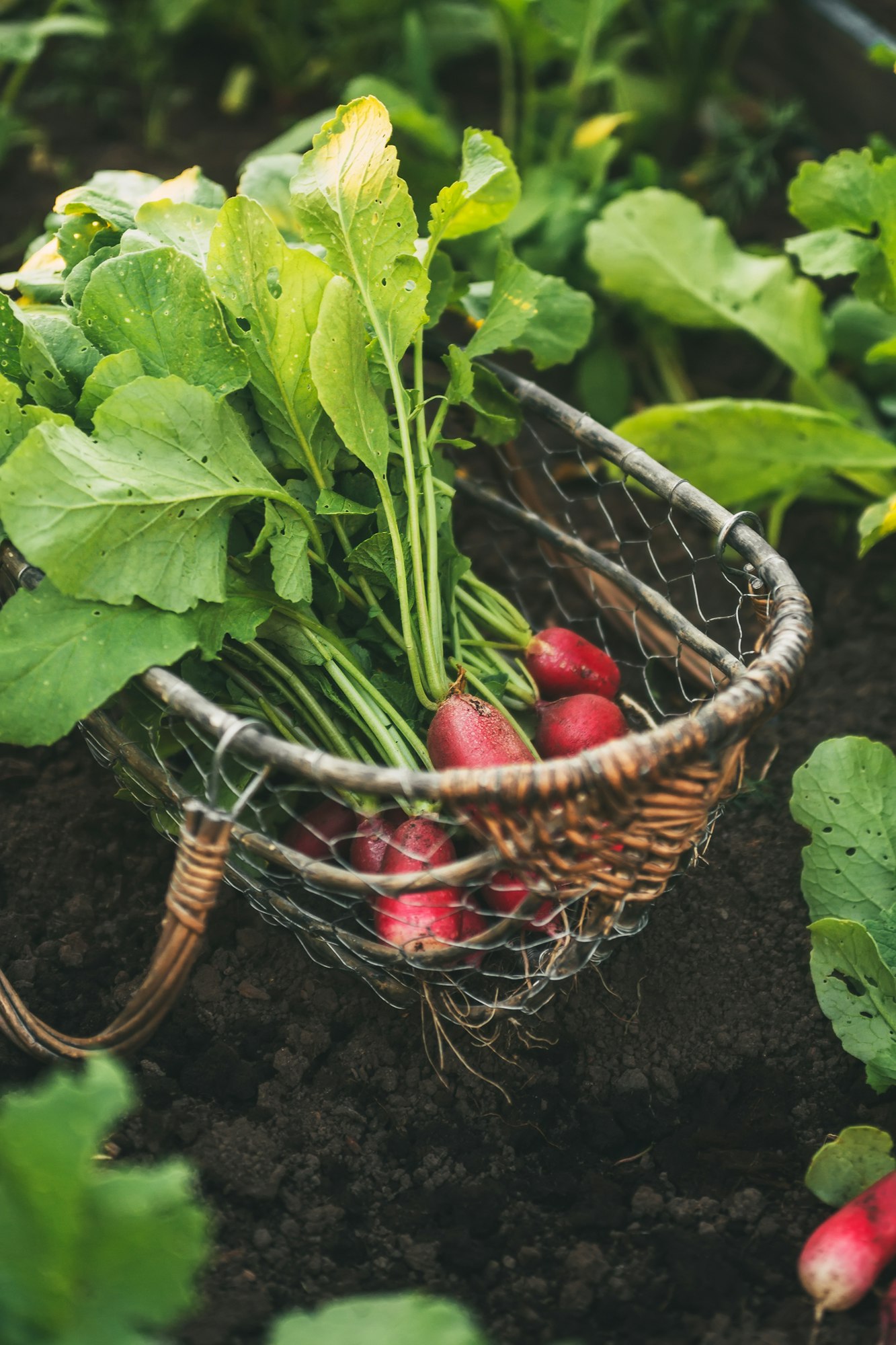
Radishes are one of the fastest-growing vegetables—you can harvest many varieties in just 3–4 weeks. They’re great for kids or beginners and don’t need much space.
Why this works
Radishes love the cooler soil and short growing season. They don’t mind early frosts and are low-maintenance.
Quick Tip
For crisp, mild flavor, harvest radishes as soon as they reach size. Leaving them too long can make them pithy or spicy.
3. Carrots
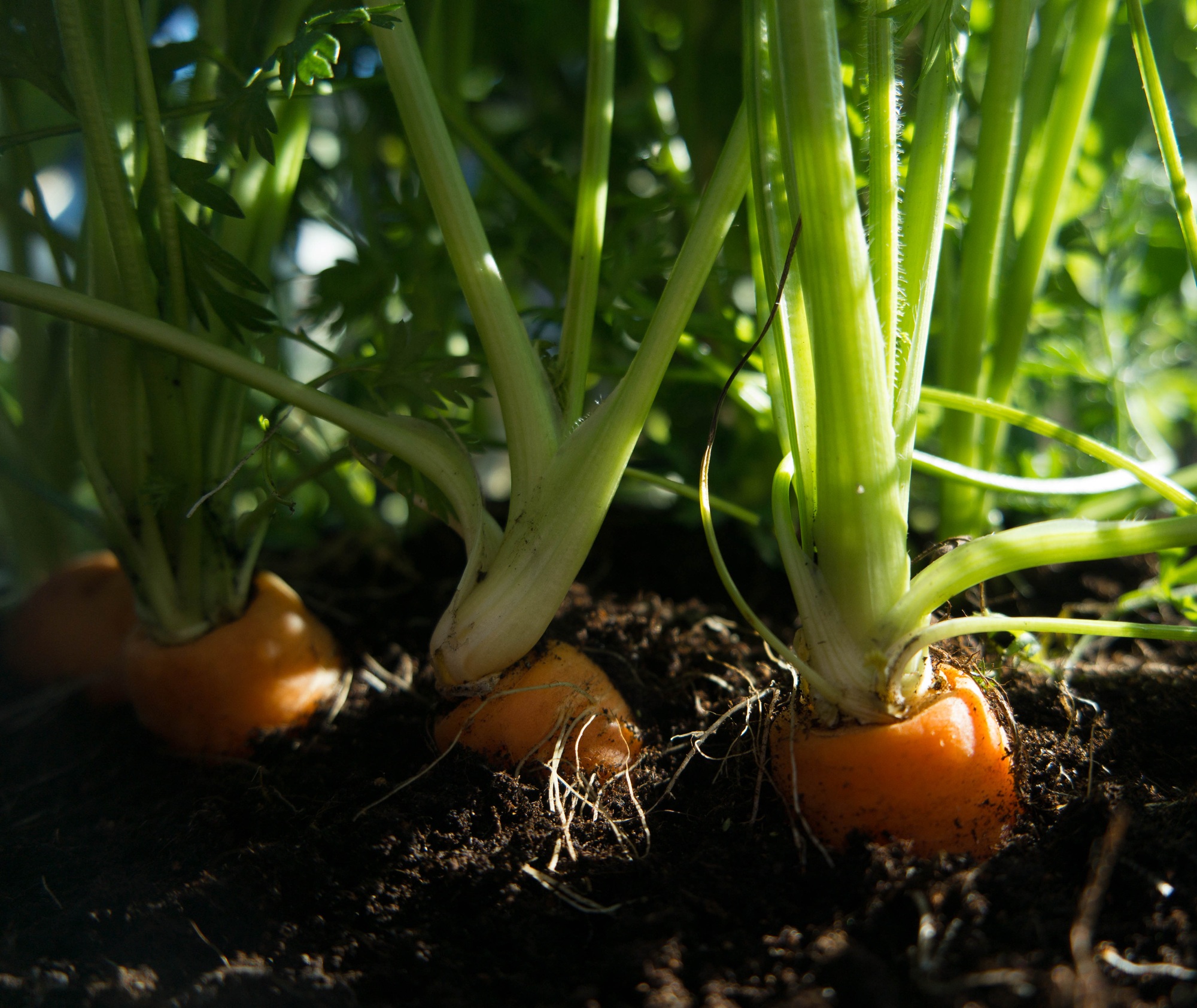
Fall-grown carrots often turn out sweeter than summer ones because the cold encourages sugar buildup. They take a little longer to grow but are well worth the wait.
Why this works
Carrots thrive in cool weather and can even be left in the ground after frost for later harvesting.
Quick Tip
Loosen the soil well before planting and avoid fresh manure, which can cause forked roots.
4. Beets
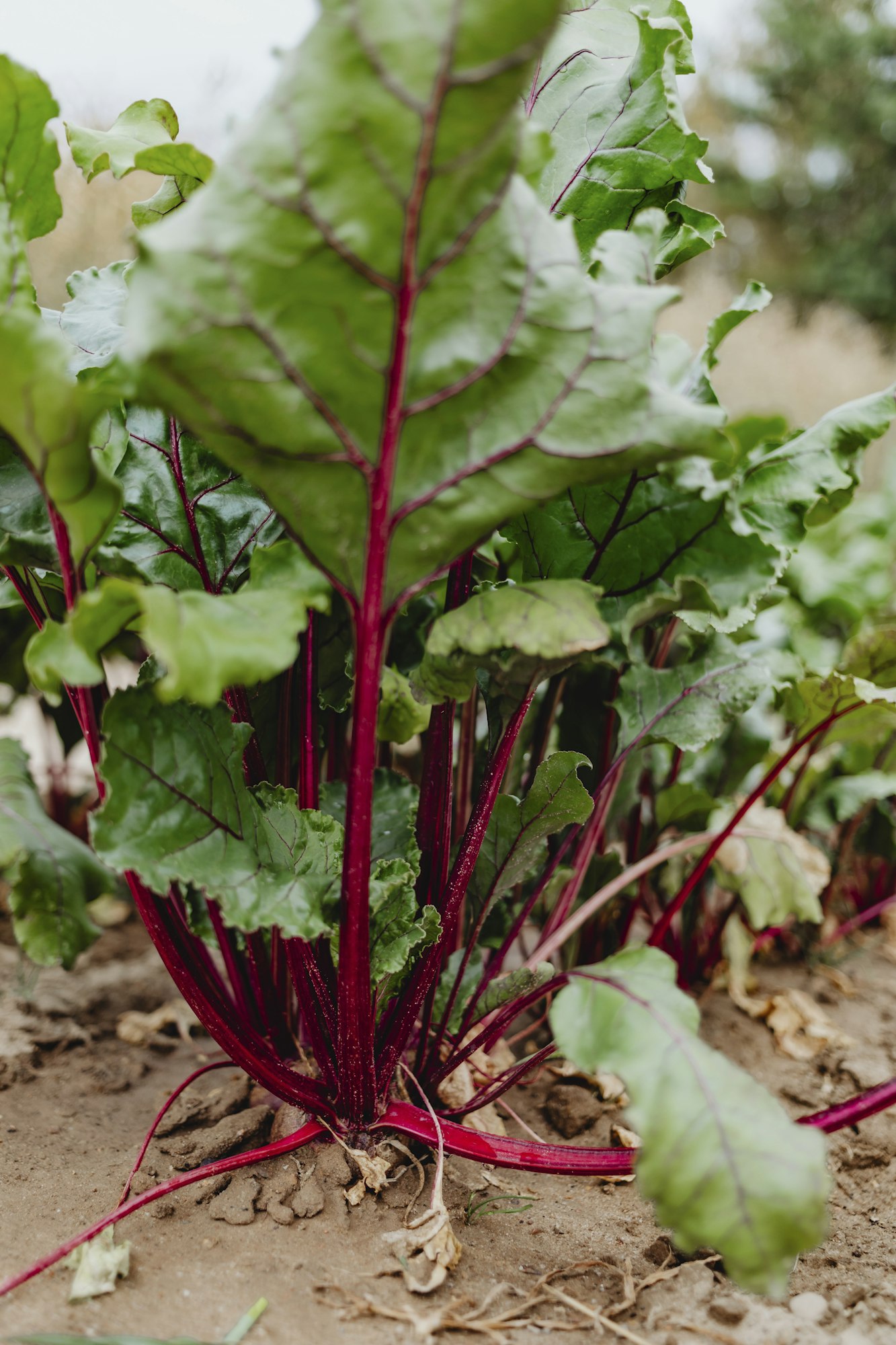
Beets are another cool-season root crop that grows well in fall. You’ll get both the sweet, earthy roots and the tasty, nutritious greens.
Why this works
They’re frost-tolerant and can grow in partial sun. Beets can be pulled small or left to size up before the ground freezes.
Quick Tip
Thin seedlings to about 3 inches apart to give roots space to grow evenly.
5. Broccoli and Cauliflower

If your fall growing season is long enough, you can plant broccoli and cauliflower starts for a late harvest. These crops love chilly nights and shorter days.
Why this works
Cool weather improves the flavor and texture. These plants often perform better in fall than in spring because they’re less prone to bolting.
Quick Tip
Use row covers if planting late in the season to protect from early frost and speed up growth.
6. Turnips

Turnips are fast-growing, cold-hardy root veggies that give you both tasty roots and edible greens. They don’t need much space and are great for smaller gardens.
Why this works
Turnips mature quickly (around 40–60 days) and don’t mind chilly nights. They’re a solid fall staple for soups, roasting, or sautéing.
Quick Tip
Harvest turnips when they’re about 2–3 inches wide for best flavor and tenderness.
8. Garlic

Garlic isn’t for harvesting in fall, but fall is the time to plant it. Tuck cloves into the soil before the first hard frost, and they’ll establish roots before winter.
Why this works
Garlic needs a cold period to form bulbs. By planting in fall, you’ll get a big harvest come next summer.
Quick Tip
Choose hardneck garlic if you live in a colder region—it handles winter better than softneck types.
8. Onions (Sets or Bunching Types)

You can plant onion sets or seeds in the fall depending on your climate. Bunching onions (like scallions) are quicker, while overwintering varieties will be ready in early spring.
Why this works
Cool temperatures slow growth but allow roots to establish. They’ll go dormant in winter and pick up again in spring.
Quick Tip
Mulch well after planting to insulate against freezing temps and help with moisture retention.
9. Peas
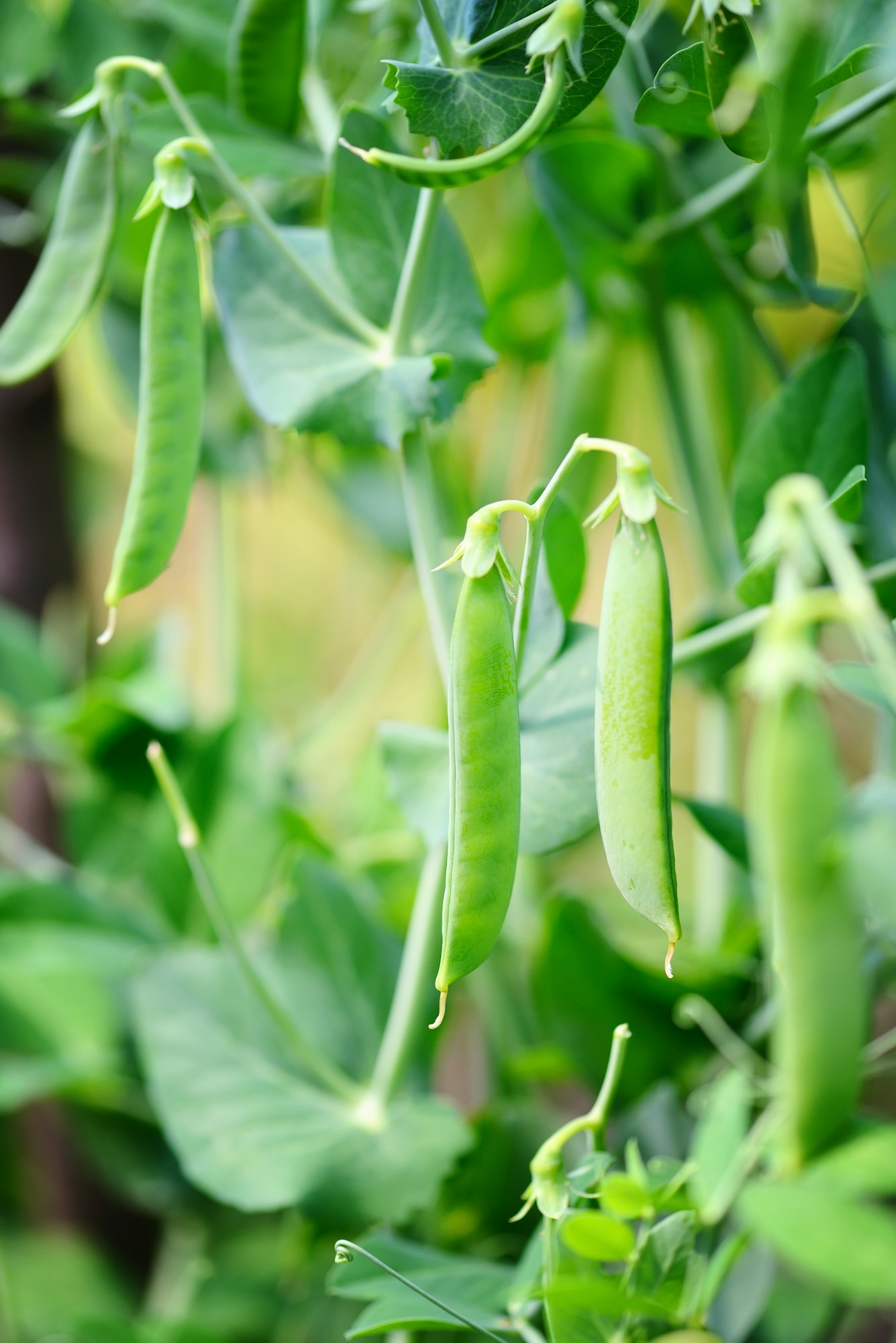
Yes—peas can make a fall appearance! If planted early enough, especially in zones with mild fall weather, you can enjoy one last round of sweet, tender pods.
Why this works
Peas thrive in cool temperatures and don’t need much to produce. Just give them something to climb and well-drained soil.
Quick Tip
Choose fast-maturing dwarf varieties for a better chance of harvest before the first frost.
10. Swiss Chard

Swiss chard is a hardy green that handles heat and cold, making it a great bridge crop for the season. It comes in colorful varieties and offers tender leaves and crunchy stems.
Why this works
It tolerates light frosts and grows well in partial sun. You can harvest outer leaves and let the center keep growing.
Quick Tip
Chard grows slower in fall than in summer, so plant early and keep it watered for best results.
11. Arugula

Arugula grows super fast and adds a peppery bite to salads. It thrives in cooler weather and doesn’t need much space to flourish.
Why this works
Fall temperatures keep arugula from getting too bitter or bolting like it does in the heat. You can be harvesting in as little as 3 weeks.
Quick Tip
Sow seeds every 10 days to keep a fresh supply going all fall long.
12. Cabbage
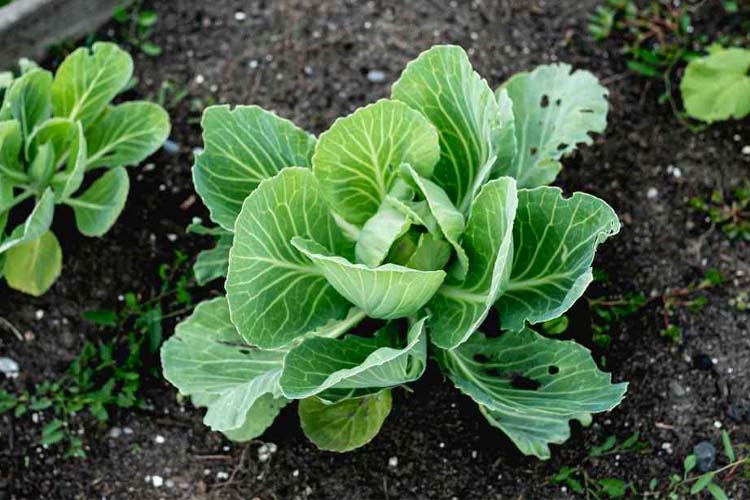
Cabbage needs more time to mature, but if you start with seedlings and have a mild fall, you can grow a late-season harvest of tight, sweet heads.
Why this works
Cool temps improve the texture and flavor of cabbage. It also stores well after harvest, making it a good fall staple.
Quick Tip
Give each plant plenty of space—cabbage heads need room to form properly.
13. Mustard Greens

Mustard greens grow quickly and add a spicy, earthy flavor to your meals. They’re cold-hardy and can tolerate light frost, which actually mellows the flavor.
Why this works
They’re fast-maturing, easy to grow, and perfect for fall stir-fries, soups, or fresh salads.
Quick Tip
Harvest young leaves for a milder taste, or let them mature for a stronger bite.
14. Asian Greens (Tatsoi, Mizuna, Bok Choy)

These leafy greens grow fast and do well in cooler weather. You can plant them early in fall and enjoy harvests within a few weeks.
Why this works
They’re more heat-sensitive, so fall is perfect. They grow quickly and can be harvested young for tender greens.
Quick Tip
Use row covers for added protection against chilly nights and to help extend your harvest window.
15. Mâche (a.k.a. Corn Salad or Lamb’s Lettuce)

Mâche is a lesser-known leafy green that thrives in cool weather and even tolerates frost and snow. It grows slowly but reliably through fall and early winter in some zones.
Why this works
It’s incredibly cold-hardy and produces tender, nutty-flavored greens when most other plants are fading out.
Quick Tip
Sow thickly in well-drained soil and harvest small clusters by snipping just above the base.