






In This Article Show
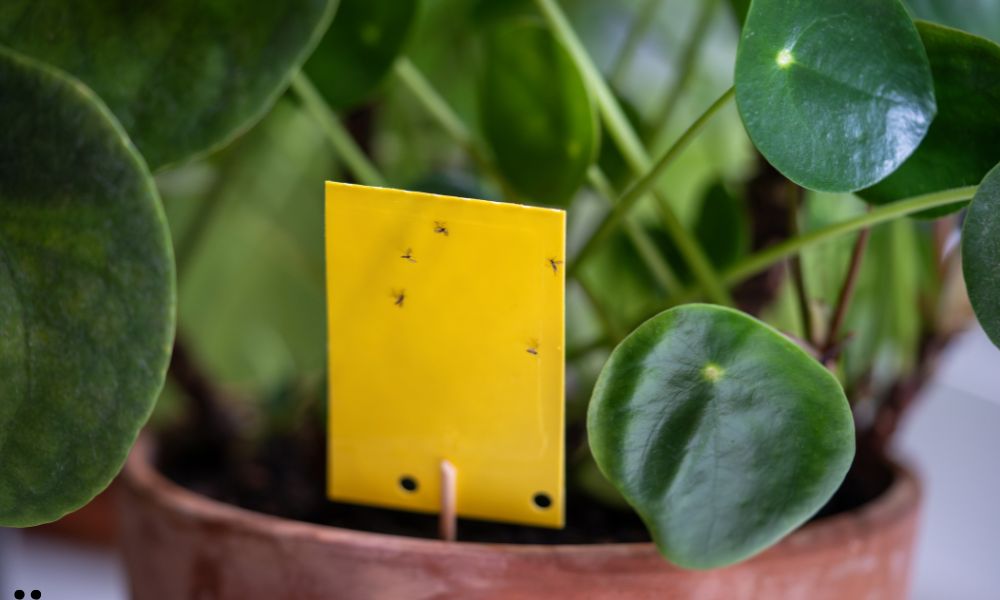
You’re giving your favorite houseplant a little water when a small, dark cloud erupts from the soil. Tiny, mosquito-like insects start drifting around, landing on your coffee cup and your laptop screen.
Fungus gnats. They’re more annoying than harmful, but let’s be honest—they’re driving you crazy. Luckily, they’re one of the easiest plant pests to beat. Their biggest weakness? They need wet soil to survive. Let’s take that away from them.
1. Dry Out the Soil, Starve Them Out
This is your most powerful move. Gnats lay eggs in damp potting mix, and the larvae feed on fungi in the soil.
- Stop Watering Immediately: For the affected plant, press pause. Stick your finger two inches deep into the soil. If it feels even slightly damp, wait. Let the top few inches become completely and utterly dry. This simple step kills larvae and disrupts their entire life cycle.
2. Set a Simple Vinegar Trap
While the soil dries, tackle the adults buzzing around your space.
- The Apple Cider Vinegar Trick: Take a small bowl or cup. Add a few tablespoons of apple cider vinegar, a drop of dish soap, and stir. Cover the bowl tightly with plastic wrap, then poke several tiny holes with a toothpick. The gnats will crawl in, attracted by the vinegar, but won’t be able to escape. Place it right on the soil surface for best results.
3. Water the Right Way to Keep Them Away
Changing how you water is the long-term solution to prevent their return.
- Try Bottom Watering: Place your plant pot in a saucer of water and let it drink from the bottom for 30 minutes. This keeps the top layer of soil dry and uninviting.
- The Finger Test is Law: Never water on a schedule. Always check the soil moisture first. Most houseplants prefer to dry out a bit between drinks.
4. Treat the Soil Directly for Stubborn Cases
If the infestation is heavy, you can attack it right in the pot with natural solutions.
- Use a Hydrogen Peroxide Drench: Mix one part 3% hydrogen peroxide with four parts water. Water your plant thoroughly with this solution. It will fizz lightly, killing larvae and eggs on contact without harming your plant’s roots.
- Sprinkle Some Cinnamon: A light dusting of cinnamon on the soil surface acts as a natural fungicide, killing off the food source for gnat larvae.
5. Create a Physical Barrier
Stop new gnats from reaching the soil to lay their eggs.
- Top-Dress the Soil: Add a nice, dry layer on top of your potting mix. Horticultural sand, fine gravel, or even a layer of decorative pebbles works perfectly. This creates a dry, inhospitable zone that breaks the breeding cycle.
6. Be Patient and Persistent
You won’t fix this overnight. The gnat’s life cycle takes a few weeks.
Keep your traps active and maintain dry soil conditions for at least a full month. Consistency is what will break the cycle for good. Your plant will be healthier for it, and your home will be peaceful again.
Getting rid of fungus gnats is about being a little less helpful with water. Let the soil dry, set your traps, and water wisely from now on. Those tiny flies don’t stand a chance. Now, go check that soil—it might be begging for a break.