







In This Article Show
Pruning tomato plants might sound intimidating, but it’s one of the best ways to grow stronger plants and get better fruit. Left alone, tomatoes can turn into a tangled mess of leaves and stems that drain energy from the plant and reduce your yield. With a few simple cuts, you can help your plant focus on growing fruitinstead of just growing bigger.

This step-by-step guide will show you how to prune tomato plants the right way—without overdoing it.
Step 1: Know What Type of Tomato You’re Growing

Before you start pruning, figure out if your tomato is determinate or indeterminate:
Determinate tomatoes (also called bush tomatoes) grow to a set size and produce fruit all at once. These need very little pruning.
Indeterminate tomatoes grow all season and produce fruit continuously. These benefit the most from regular pruning.
Why it matters: Over-pruning a determinate tomato can actually reduce your harvest, while pruning an indeterminate plant helps it thrive.
Step 2: Remove the Lower Leaves
Once your tomato plant is about 12–18 inches tall, start by trimming off the lower leaves that touch the soil or sit close to it. These leaves are more likely to attract pests, develop disease, or stay damp after watering.
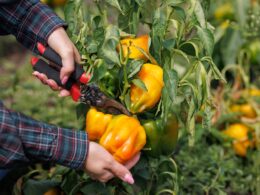
Use clean pruning shears or scissors and snip leaves right at the base of the stem.
Tip: Always prune in the morning when the plant is dry to reduce the risk of infection.
Step 3: Find and Remove Suckers
Tomato suckers are small shoots that grow in the “V” between the main stem and a branch. These little offshoots turn into full branches if left alone, and can crowd the plant and reduce airflow.
For indeterminate varieties, pinch or snip suckers off when they’re small (2–4 inches long). You can remove all or some, depending on how bushy or contained you want the plant to be.
Why it helps:Removing suckers helps the plant focus energy on producing larger, better-quality fruit.
Step 4: Thin Out Crowded Growth

If your plant has dense growth in the middle, thin it out by removing some inner leaves or branches. This opens up space for sunlight and airflow, which helps prevent fungal diseases and encourages even ripening.
Tip: Leave the top growth and several healthy leaves to protect the fruit from sunscald.
Step 5: Continue Light Pruning Through the Season
Pruning isn’t a one-time task. Check your plants weekly and remove new suckers or yellowing leaves. Toward the end of the season, you can top the plant—cutting off the main stem above the last flower cluster—to encourage ripening instead of more leaf growth.
Final note
Always use clean, sharp tools and don’t remove more than 20–30% of the plant at one time.






this article is very useful, thank you for making a good article