

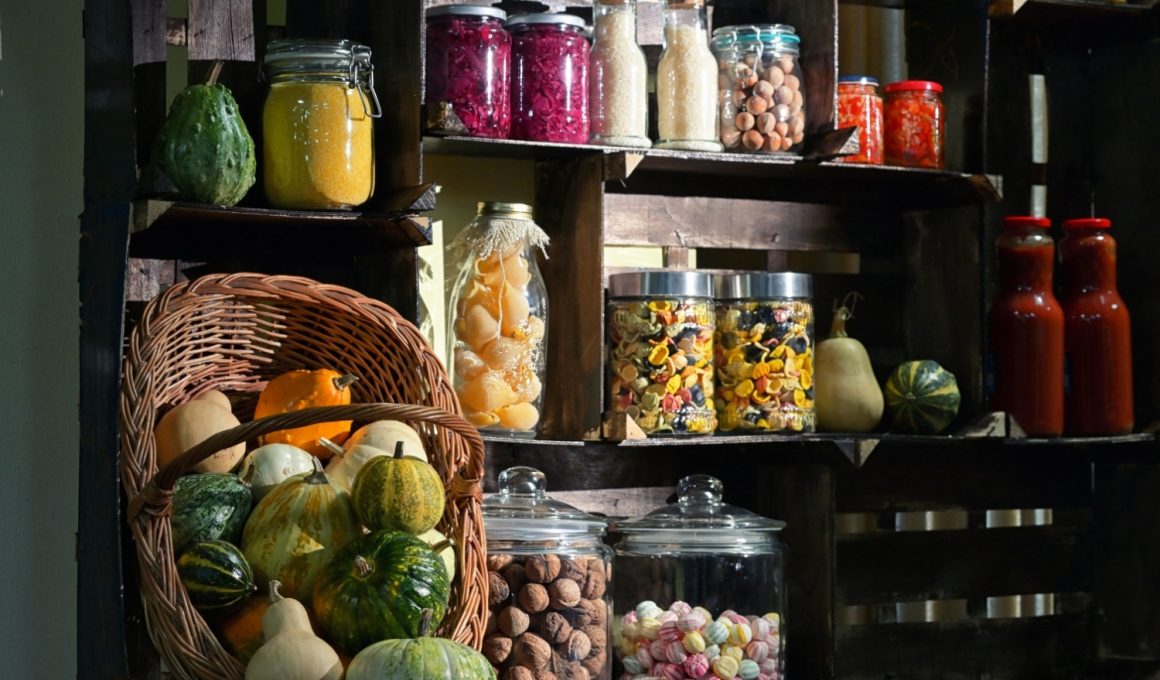
15 Amazing Pantry Organization Ideas People Are Loving

Kasey Spencer

A pantry can look tidy one day and become difficult to use again a week later. Open packets get pushed behind larger boxes, canned food disappears at the back, and newly bought groceries are placed wherever there is space.

Good pantry organization is not about transferring every ingredient into matching containers. It is about helping you see what you have, reach what you use often, and notice what needs replacing before your next shopping trip.

These ideas work in walk-in pantries, kitchen cupboards, deep cabinets, and small apartment storage spaces. Choose the systems that fit your household, eating habits, and available space instead of trying to copy a pantry that looks attractive but is difficult to maintain.

1. Create a First-to-Use Basket

Image prompt: A small everyday kitchen pantry shelf with a medium woven basket labeled “use first,” holding a partly opened bag of rice, two snack packets, pasta, a jar of sauce, and produce that should be used soon, photographed with natural iPhone photo quality, soft morning window light, believable food packaging without visible brand names, slightly imperfect but tidy arrangement, warm residential kitchen, natural shadows, no people, no watermarks on images.

Keep one basket for food that is already open, close to its best-before date, or likely to be forgotten. This gives everyone a clear place to check before opening something new.

Place the basket at eye level and review it before making your meal plan. It works especially well for snacks, pasta, bread products, sauces, and baking ingredients.

Double Your Morning Energy ⚡ Join over 2,000 readers who are clearing brain fog and doubling their morning energy with this simple 21-day smoothie challenge.

See the Challenge

2. Use Deep Drawers for Pantry Staples
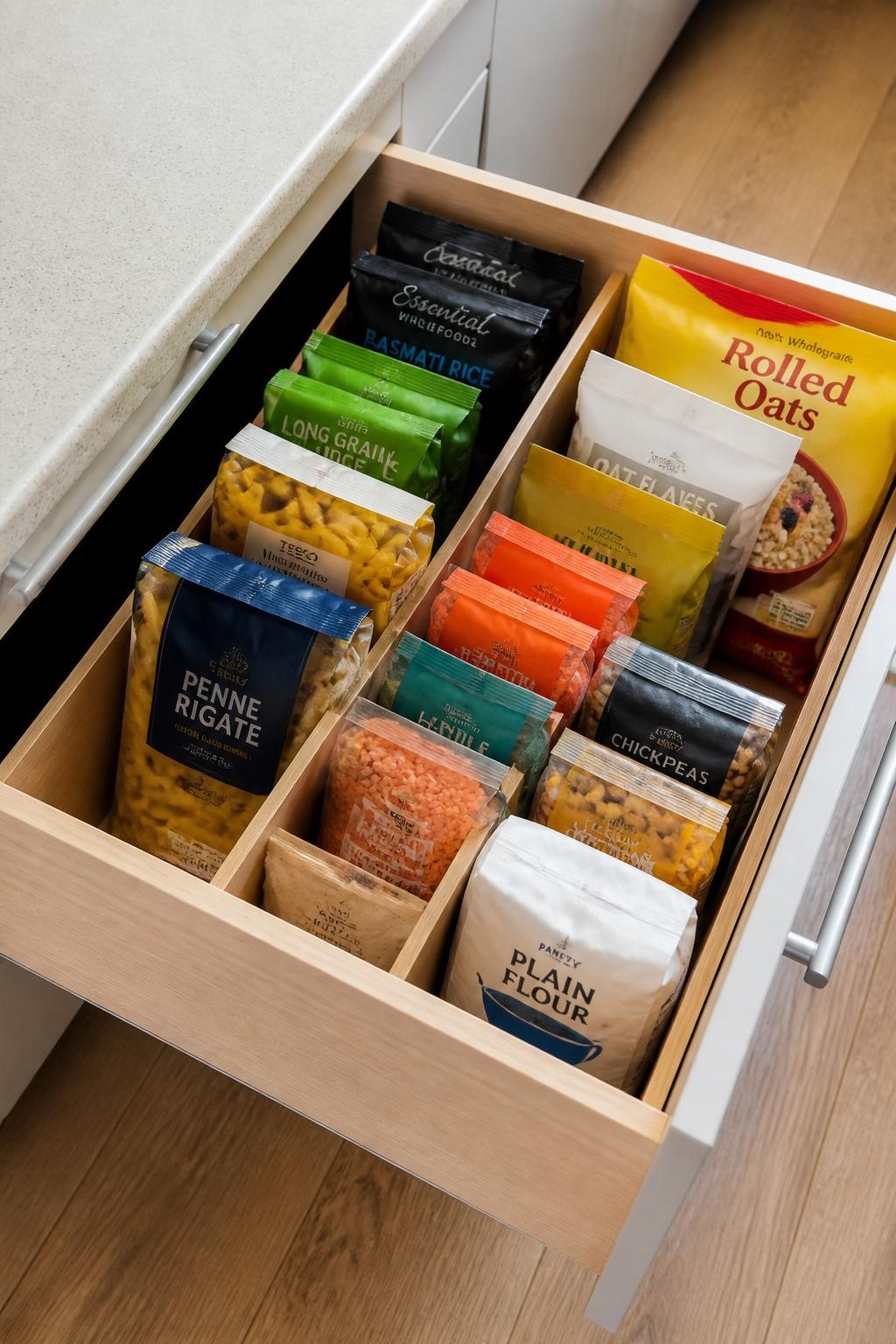
Image prompt: Open deep kitchen drawer organized with upright packets of rice, pasta, lentils, oats, flour, and cereal separated by adjustable wooden dividers, photographed from a gentle overhead angle with modern iPhone photo quality, bright natural daylight, believable packaging sizes, ordinary family kitchen, neat but not perfectly staged, no hands, no logos, no watermarks on images.

Deep drawers can be easier to use than low pantry shelves because you can see everything from above. They are ideal for packets that usually fall over or disappear behind one another.

Add adjustable dividers to create sections for grains, breakfast foods, baking supplies, and dried beans. Store packets upright whenever possible so labels remain visible.

3. Add Tiered Shelves for Canned Food

Image prompt: Pantry cupboard with a sturdy three-level tiered shelf displaying canned tomatoes, beans, coconut milk, soup, and vegetables, labels facing forward, photographed with natural iPhone photo quality, soft side lighting, realistic mixed can sizes, simple white cabinet interior, everyday home setting, no repeated branding, no people, no watermarks on images.

Cans placed in several rows are difficult to check because the front row hides everything behind it. A tiered shelf raises the back rows so each label can be seen.

Arrange cans by use rather than only by type. For example, keep meal starters together, baking tins in another section, and quick lunch ingredients on a separate level.

4. Turn One Shelf Into a Breakfast Station
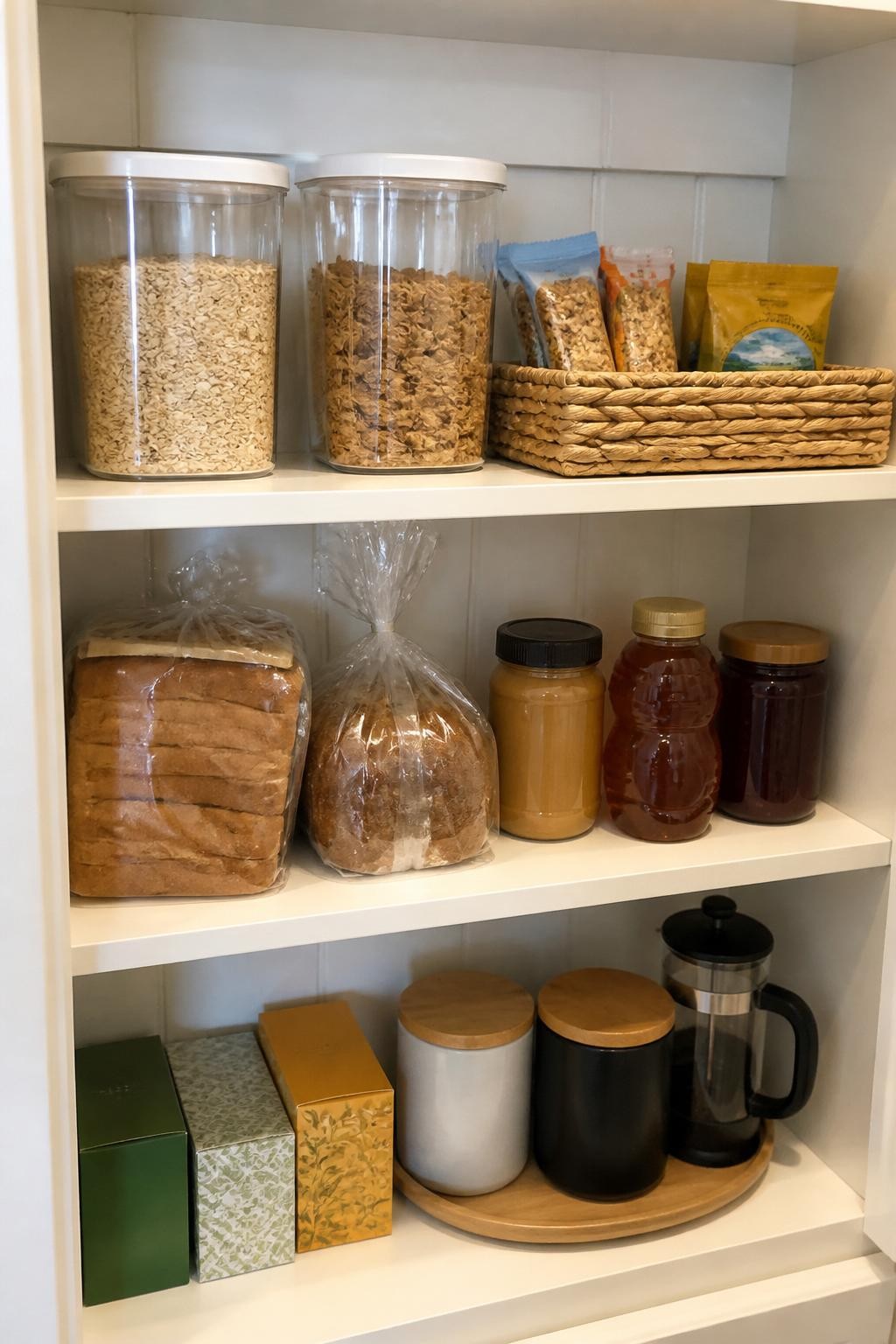
Image prompt: Dedicated pantry breakfast shelf holding oats, cereal, bread, peanut butter, honey, tea, coffee, and a small basket of breakfast bars, photographed with clean iPhone photo quality, early morning light, natural kitchen textures, simple containers mixed with original packaging, slightly lived-in family home, practical arrangement, no people, no visible brands, no watermarks on images.

Grouping breakfast items together makes busy mornings easier and stops family members from searching through the whole pantry.

Keep cereal, oats, spreads, tea, coffee, and breakfast snacks in one area. Place children’s options lower down and hot drink supplies on a higher shelf when needed.

Need a Clean Break? Bloated, sluggish, or stuck in a rut? This 21-day reset takes exactly 3 minutes a morning and actually works.

Learn More

5. Store Open Packets in Handled Bins

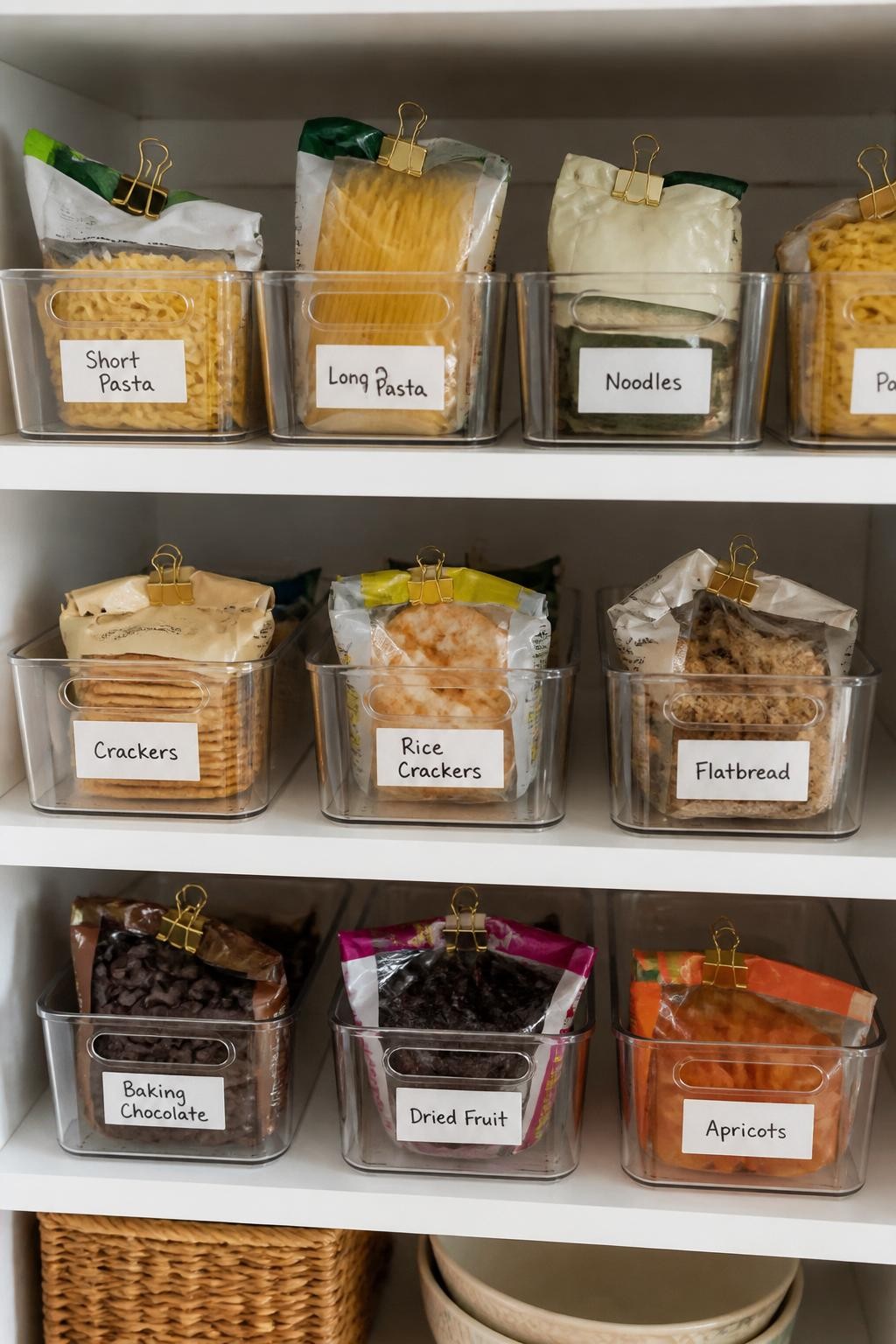
Image prompt: Pantry shelf with clear handled bins containing neatly clipped open packets of pasta, crackers, baking chocolate, dried fruit, and noodles, photographed with natural iPhone photo quality, soft daylight, believable crinkled packaging, handwritten category labels, warm home kitchen, tidy but approachable, no people, no brand logos, no watermarks on images.

Handled bins allow you to pull out an entire category instead of moving several packets one at a time. They are especially useful on deep or high shelves.

Use them for open snacks, pasta, baking additions, or meal packets. Avoid mixing unrelated foods in the same bin, since that makes items easy to overlook.

6. Build a Simple Snack Drawer

Image prompt: Shallow kitchen drawer divided into sections holding granola bars, crackers, dried fruit, small popcorn packets, nuts, and reusable snack containers, photographed from directly above with modern iPhone photo quality, bright natural light, realistic household snack packaging, slightly uneven quantities, clean wooden drawer, no hands, no logos, no watermarks on images.

A snack drawer keeps smaller packets from filling several pantry shelves. It also makes it easier to see when a particular snack is running low.

Use small dividers or open boxes to separate sweet snacks, savoury snacks, lunchbox items, and healthier options. Remove bulky outer cartons when the individual packets are clearly labelled.

7. Keep Baking Ingredients on a Portable Tray
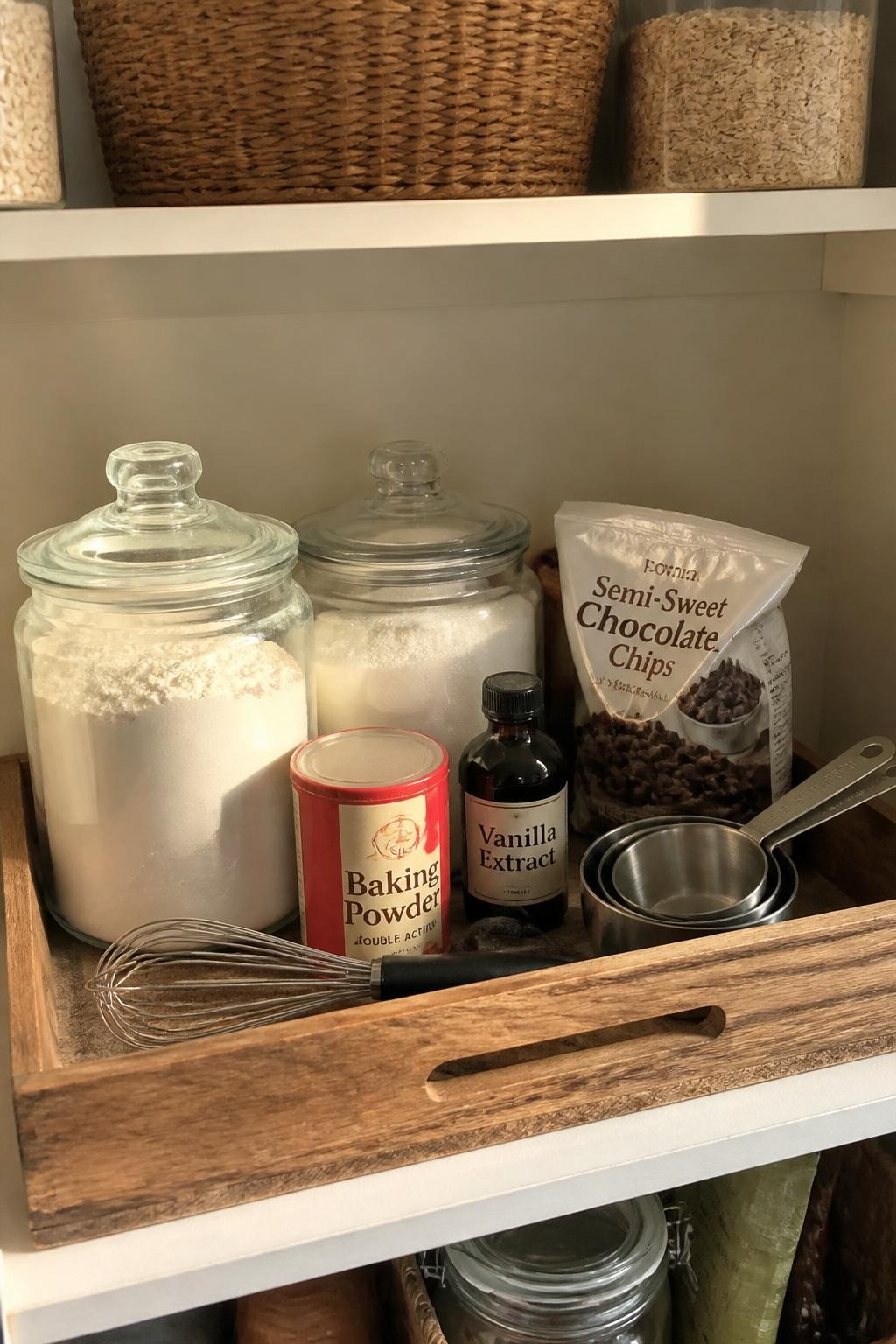
Image prompt: A sturdy wooden tray on a pantry shelf holding flour, sugar, baking powder, vanilla, measuring cups, chocolate chips, and a small whisk, photographed with natural iPhone photo quality, warm afternoon window light, believable glass jars and original packets, ordinary kitchen pantry, natural ingredient textures, no person, no visible branding, no watermarks on images.

Store frequently used baking supplies together on a tray so they can be carried to the counter in one trip.

Start Your Reset Today Stop waiting for a "perfect" Monday. Grab the 21-day reset and start feeling lighter by tomorrow morning.

View the 21-Day Plan

This works well for flour, sugar, raising agents, vanilla, measuring tools, and small decorations. Keep heavy or rarely used ingredients on the shelf to prevent the tray from becoming difficult to lift.

8. Install Narrow Shelves on the Pantry Door

Image prompt: Inside of a pantry door fitted with slim white storage shelves holding spice jars, small sauce bottles, tea boxes, food wraps, and lightweight snack packets, photographed with natural iPhone photo quality, soft kitchen daylight, believable bottle shapes and labels, compact apartment pantry, practical use of space, no people, no watermarks on images.

The pantry door can provide useful storage for smaller items that become lost on deep shelves. Narrow racks keep them visible without taking over the main pantry.

Use this area for spices, sauces, tea, wraps, or lightweight packets. Check that the shelves are shallow enough for the door to close without hitting the pantry contents.

9. Make a Weekly Dinner Basket
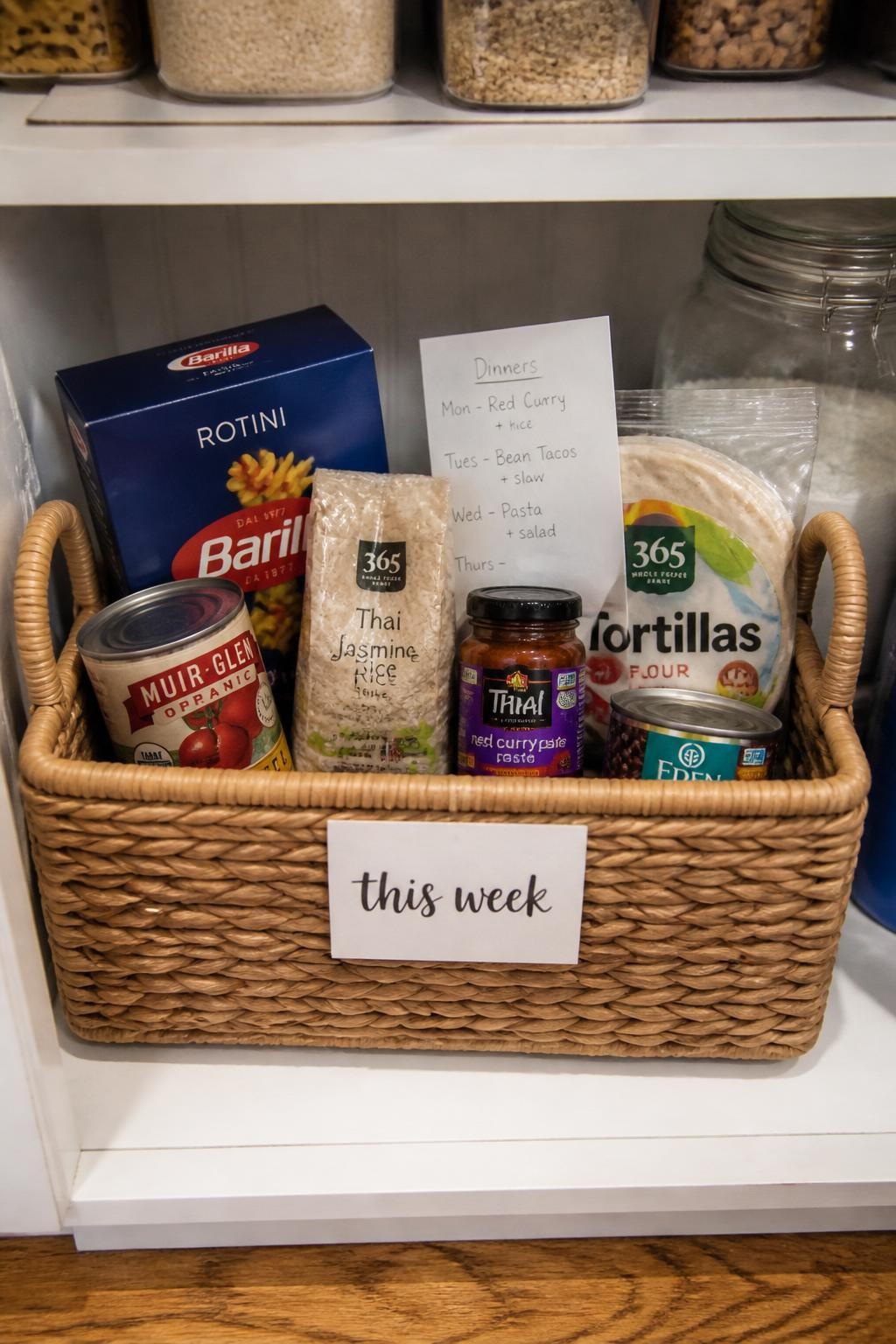
Image prompt: Pantry shelf with one large handled basket labeled “this week,” containing pasta, canned tomatoes, rice, tortillas, beans, curry paste, and recipe notes for planned dinners, photographed with natural iPhone photo quality, bright evening kitchen light, believable mixed grocery packaging, slightly informal home organization, no people, no distorted lettering, no watermarks on images.

Place the shelf-stable ingredients for your planned dinners into one basket at the beginning of the week. This helps you see which meals are ready and which still need fresh ingredients.

Do not include every ingredient from the pantry. Gather only the items assigned to that week’s meals and return any unused food during your next planning session.

10. Use Turntables for Sauces and Condiments

Image prompt: Pantry corner with two simple round turntables holding cooking oils, vinegar, hot sauce, soy sauce, salad dressing, and small jars, photographed with clear iPhone photo quality, natural side light, realistic liquid levels and glass reflections, ordinary kitchen cupboard, practical spacing between bottles, no people, no visible brand names, no watermarks on images.

Turntables make good use of deep pantry corners where bottles are usually difficult to reach. A quick spin brings items from the back to the front.

The 21-Day Reset Formula Join over 2,000 readers who are clearing brain fog and doubling their morning energy with this simple 21-day smoothie challenge.

Get the Details

Group similar bottles together and avoid overcrowding the tray. Tall bottles should remain in the centre or toward the back so they do not tip when it turns.

11. Separate Meal Ingredients by Cuisine
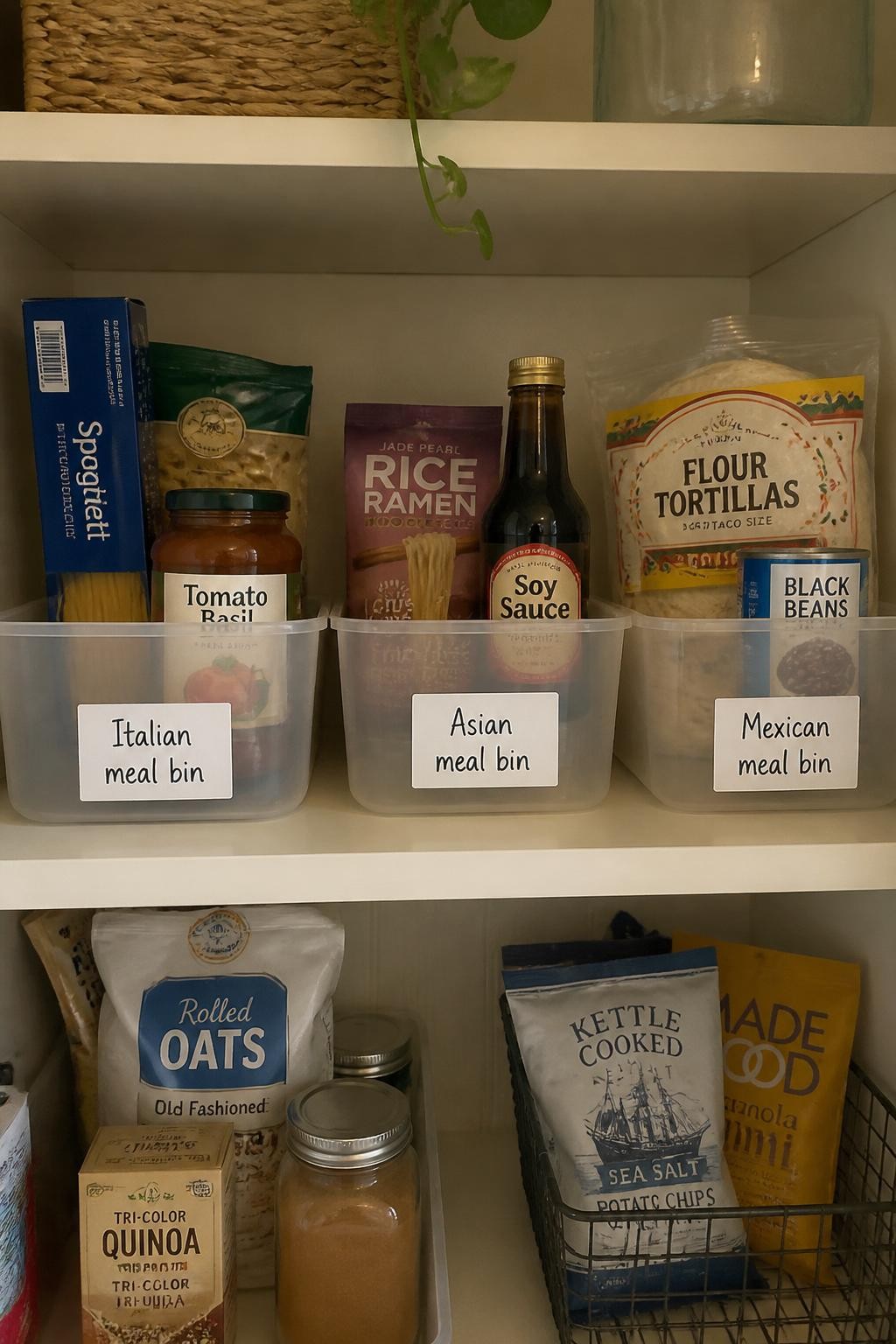
Image prompt: Pantry shelf divided into practical cuisine-based bins containing pasta and tomato sauce in an Italian meal bin, noodles and soy sauce in an Asian meal bin, tortillas and beans in a Mexican meal bin, photographed with natural iPhone photo quality, soft daylight, handwritten category labels, believable pantry foods, warm family kitchen, no people, no logos, no watermarks on images.

If your household regularly cooks a few types of meals, organize some pantry items by cuisine rather than by ingredient.

A pasta-night bin could hold pasta, sauce, and seasoning, while another stores noodles, rice vinegar, and stir-fry sauces. This makes meal preparation faster without reorganizing the entire pantry.

12. Add a Backstock Shelf With Limits
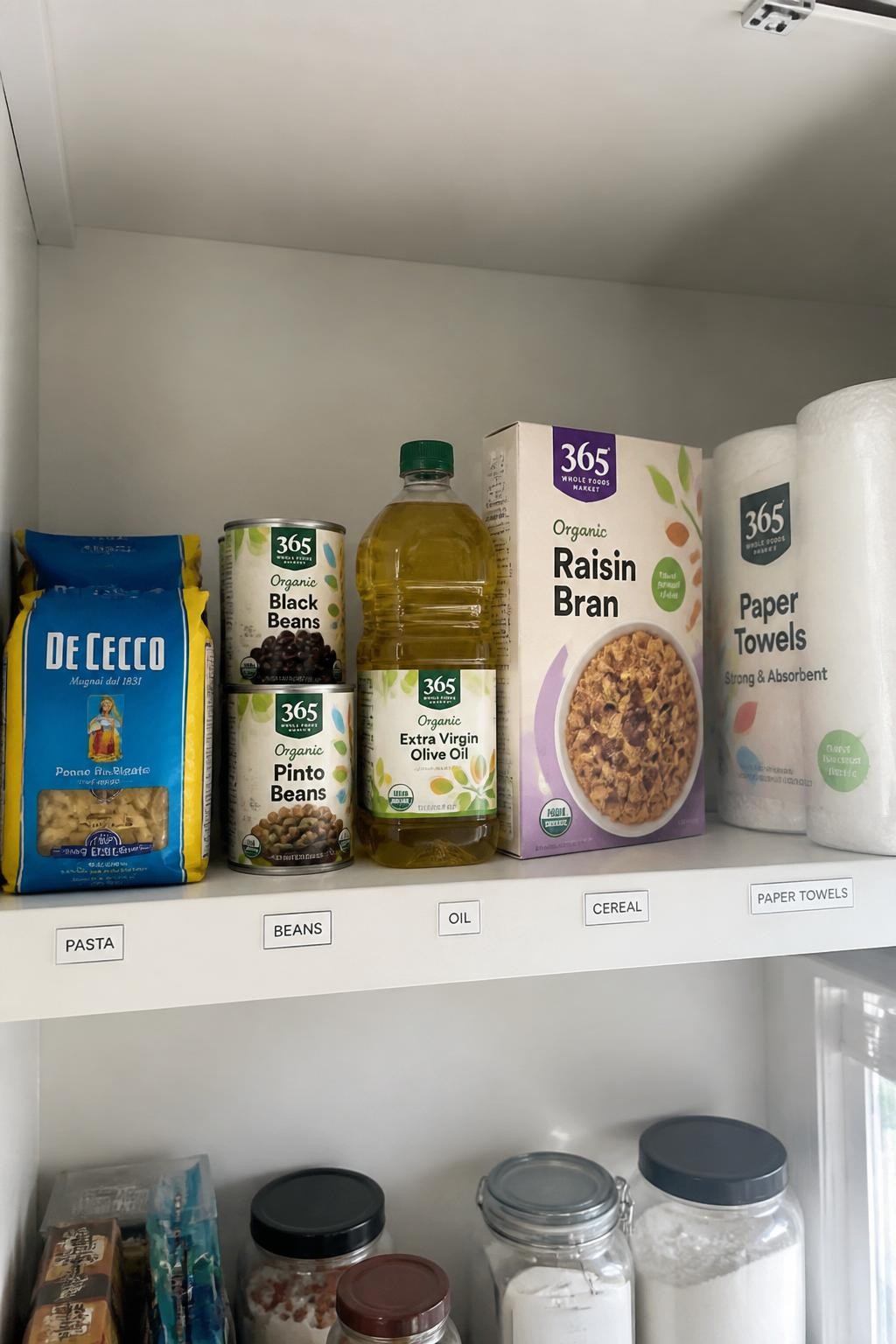
Image prompt: Upper pantry shelf holding a controlled amount of grocery backstock including two extra pasta packets, spare canned beans, cooking oil, cereal, and paper towels, each category kept behind one small label, photographed with modern iPhone photo quality, natural window light, realistic household quantities, simple clean pantry, no excessive bulk products, no people, no watermarks on images.

Buying a few extras can be useful, but too much backstock makes it harder to see what you already own. Give backup items one clearly defined shelf.

Set a simple limit for each staple based on how quickly your household uses it. Bring older items forward before adding the new groceries behind them.

13. Create a Small Appliance Supply Zone

Image prompt: Pantry shelf arranged for small kitchen appliance supplies, with air fryer liners, coffee filters, blender cups, reusable food storage bags, slow cooker accessories, and spare water filter cartridges inside labeled bins, photographed with natural iPhone photo quality, soft daylight, believable household accessories, neutral pantry interior, practical everyday organization, no people, no visible branding, no watermarks on images.

Accessories for air fryers, coffee machines, blenders, and other appliances often end up scattered across several cupboards. Keeping them together makes each appliance easier to use.

Assign one shelf or bin to appliance supplies. Remove accessories that belong to appliances you no longer own so the space stays useful.

14. Use Shelf Baskets for Root Vegetables
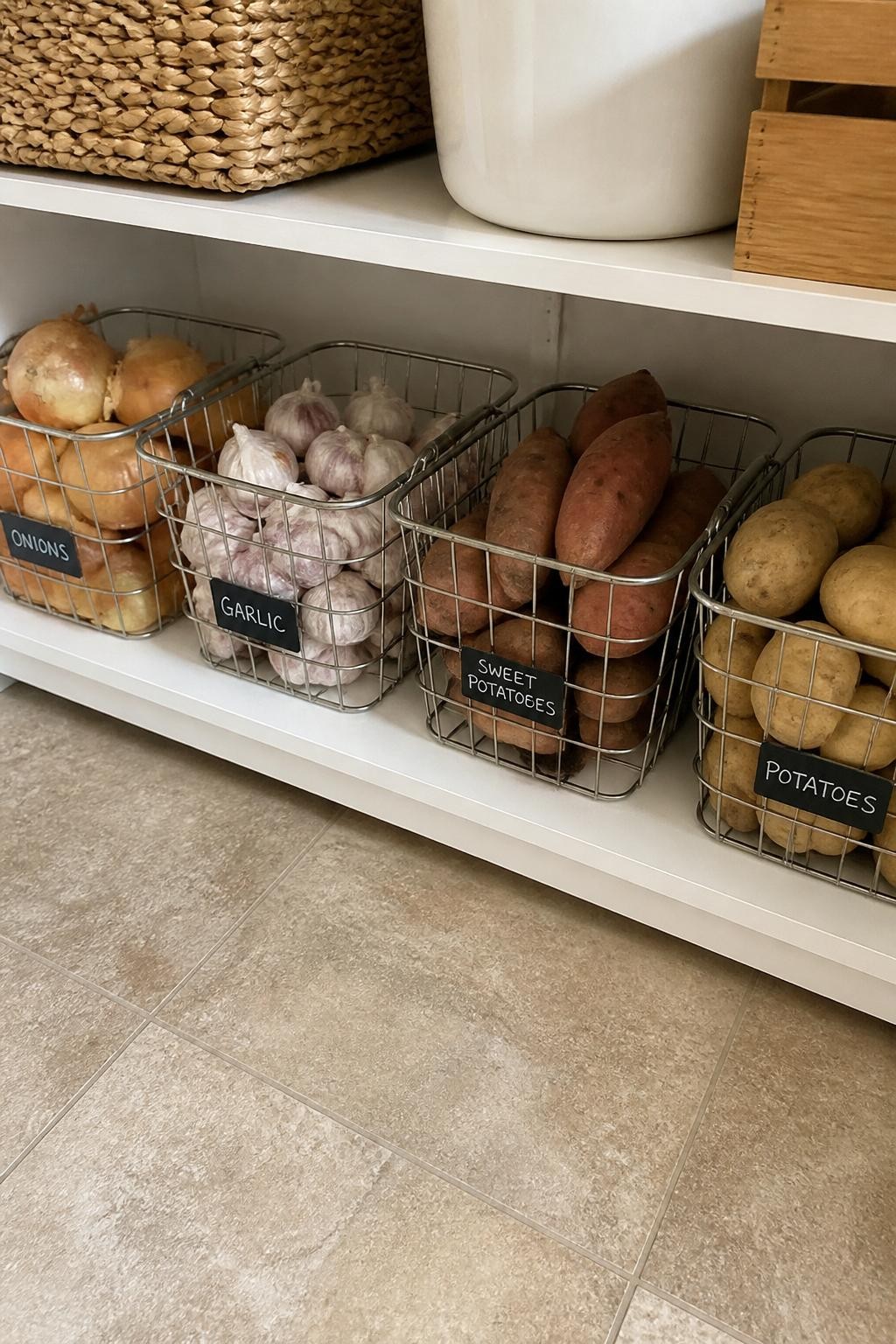
Image prompt: Lower pantry shelf with breathable wire baskets holding onions, garlic, sweet potatoes, and regular potatoes in separate sections, photographed with natural iPhone photo quality, gentle daylight, believable vegetable shapes with small natural marks, cool dry home pantry setting, simple handwritten labels, no plastic perfection, no people, no watermarks on images.

Potatoes, onions, and garlic need airflow and can create clutter when left in shopping bags. Open wire or woven baskets keep them contained while allowing ventilation.

Separate potatoes from onions and check the baskets regularly for soft or damaged produce. Place them in a cool, dark part of the pantry away from heat-producing appliances.

15. Leave One Shelf Partly Empty

Image prompt: Well-organized home pantry with one shelf intentionally left partly empty beside a few labelled bins, canned food risers, cereal, and jars, photographed with clean natural iPhone photo quality, soft late-morning light, realistic residential kitchen, visible breathing room between categories, tidy without matching every container, no people, no logos, no watermarks on images.

An empty section gives you space for groceries that do not fit your usual categories, ingredients for an upcoming event, or temporary household changes.

Without spare room, new items are pushed into random gaps and the pantry becomes messy again. Even half of a shelf can make the whole system easier to maintain.

Total
0
Shares
Leave a Reply
Related Posts
Optin Icon

Fresh Summer Recipes, Garden Tips, DIY Ideas & More 🍉

From what to plant now to what to bake and make this season, Join 191K+, *Get* simple summer inspiration delivered to your inbox, free!