




In This Article Show
Gardening with grow bags is a practical way to make the most of your space, whether you have a large yard or a small balcony. I’ve found that grow bags help plants develop healthy roots and make watering easier, which can lead to better growth overall.
If you want to improve your garden without taking up much room, grow bags offer simple and flexible solutions that fit many types of plants.
These ideas can help anyone, from beginners to experienced gardeners, find new ways to enjoy growing vegetables, herbs, or flowers in limited areas.
1. Vertical grow bag towers for maximizing limited space
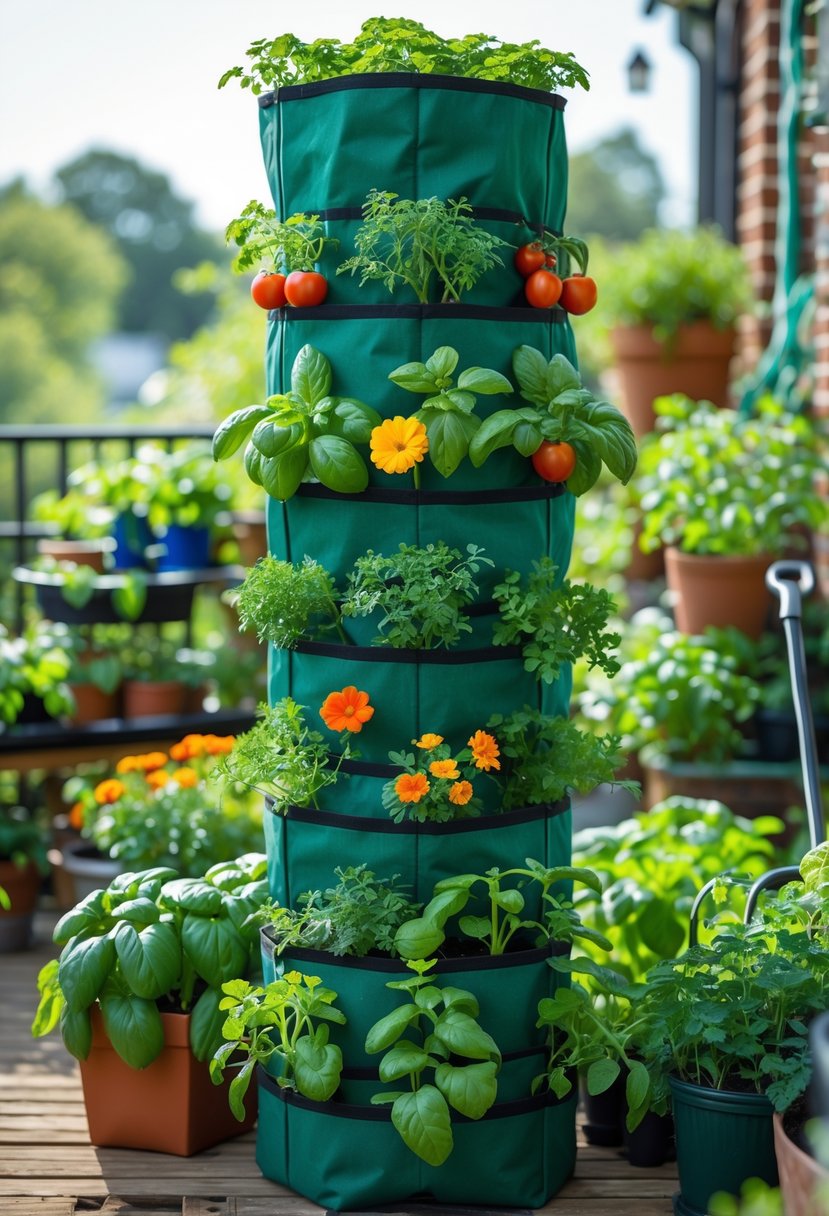
I use vertical grow bag towers to save space in my small garden. These towers allow me to grow many plants upward instead of outward. It keeps my garden organized and helps plants get enough sunlight.
2. Herb gardens in small fabric grow bags
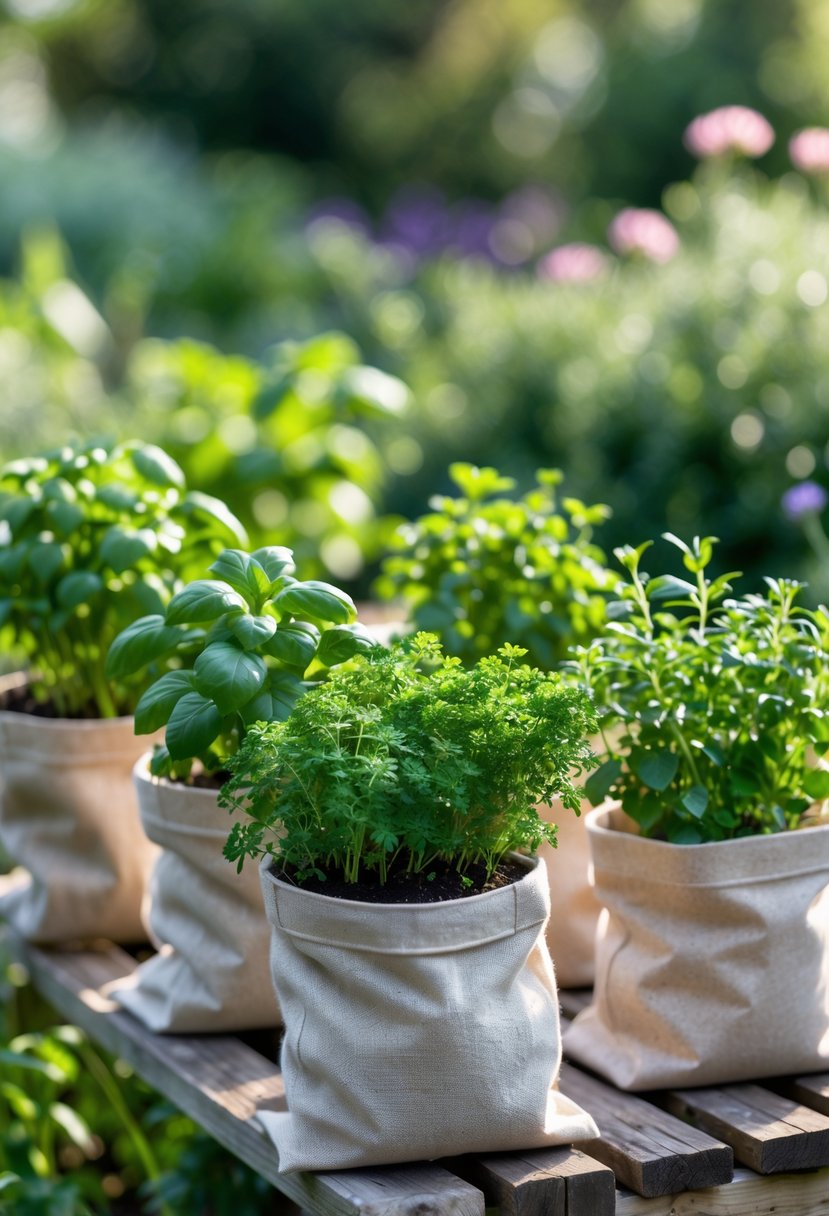
I find small fabric grow bags perfect for growing herbs. They save space and let roots breathe better than plastic pots.
Herbs like basil, thyme, and parsley grow well in these bags. They are easy to move and fit on balconies or small patios.
3. Using tiered shelving to create multi-level grow bag displays
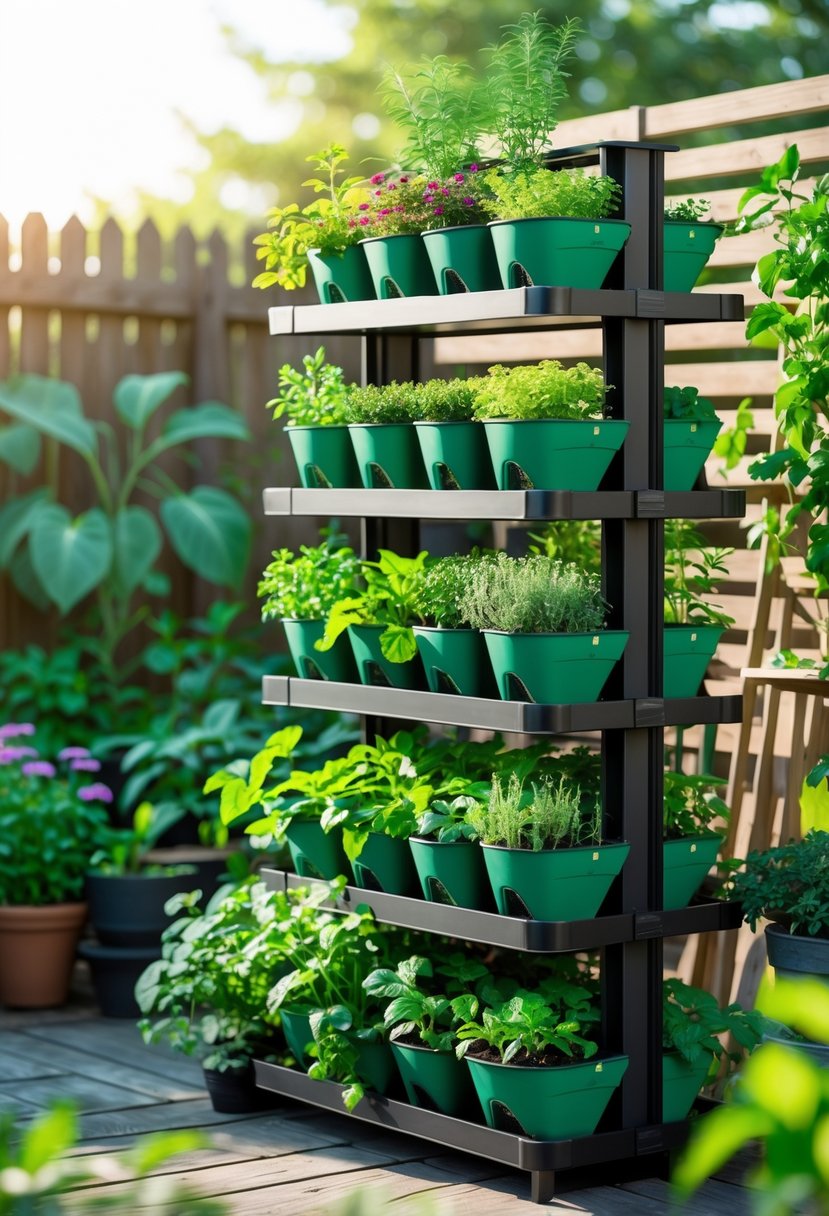
I use tiered shelving to fit more grow bags in a small space. It lets me stack plants vertically without crowding. This setup helps each plant get enough light and air.
With tiers, I can organize different crops by size and growth stage. It keeps my garden neat and easy to manage.
4. Mobile grow bag containers on wheels for easy repositioning
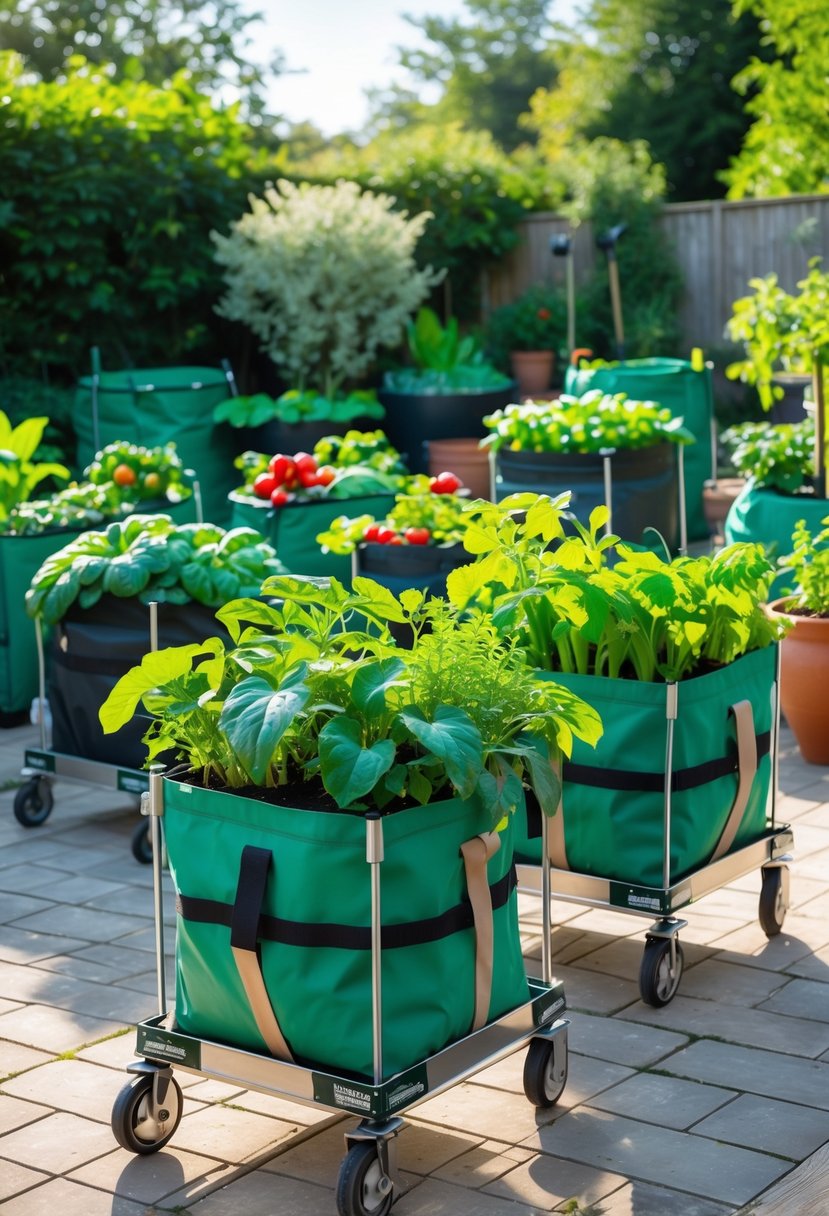
I like using grow bags on wheels because they are easy to move. This makes it simple to follow the sun or bring plants inside during bad weather. The wheels add convenience without adding much weight.
5. Succulent arrangements in compact grow bags
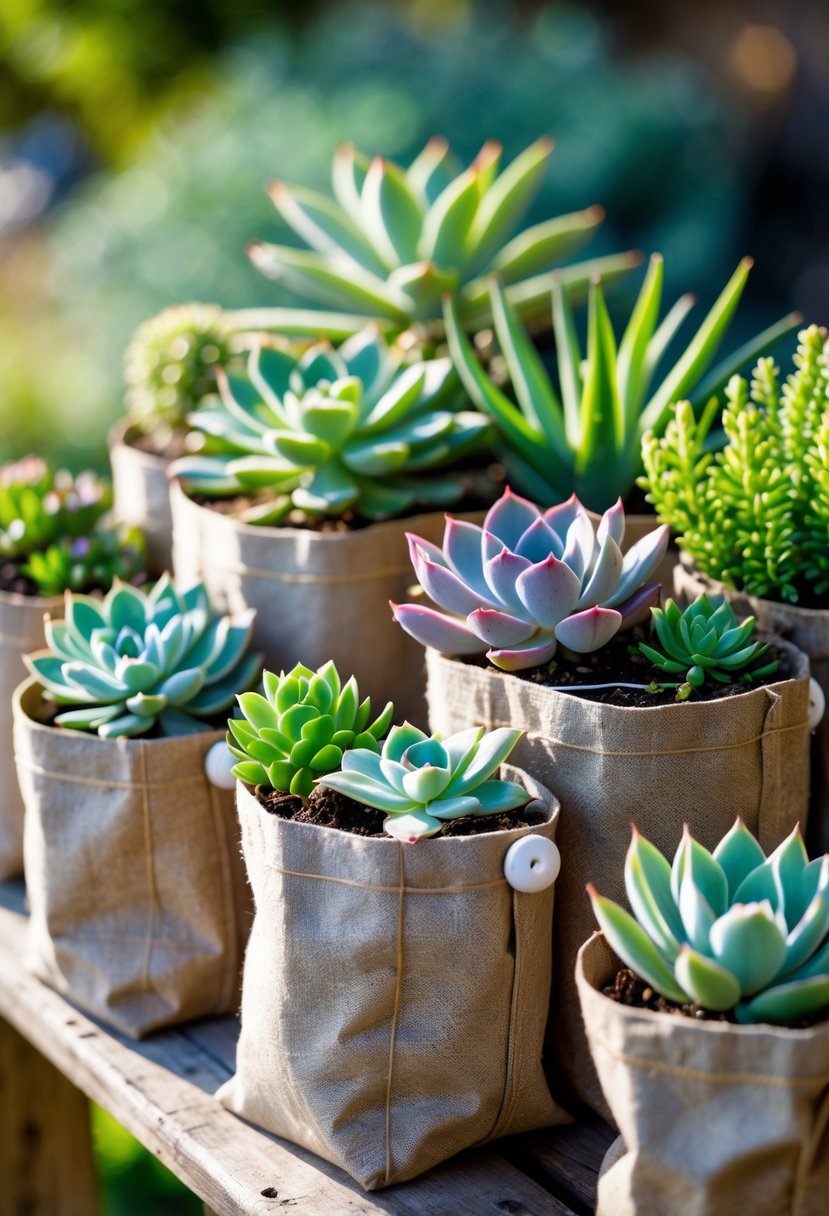
I use compact grow bags to create small succulent arrangements that fit in tight spaces. These bags allow good drainage, which succulents need. They make it easy to move the plants around, so I can find the best light.
6. Recycled fabric grow bags for eco-friendly gardening
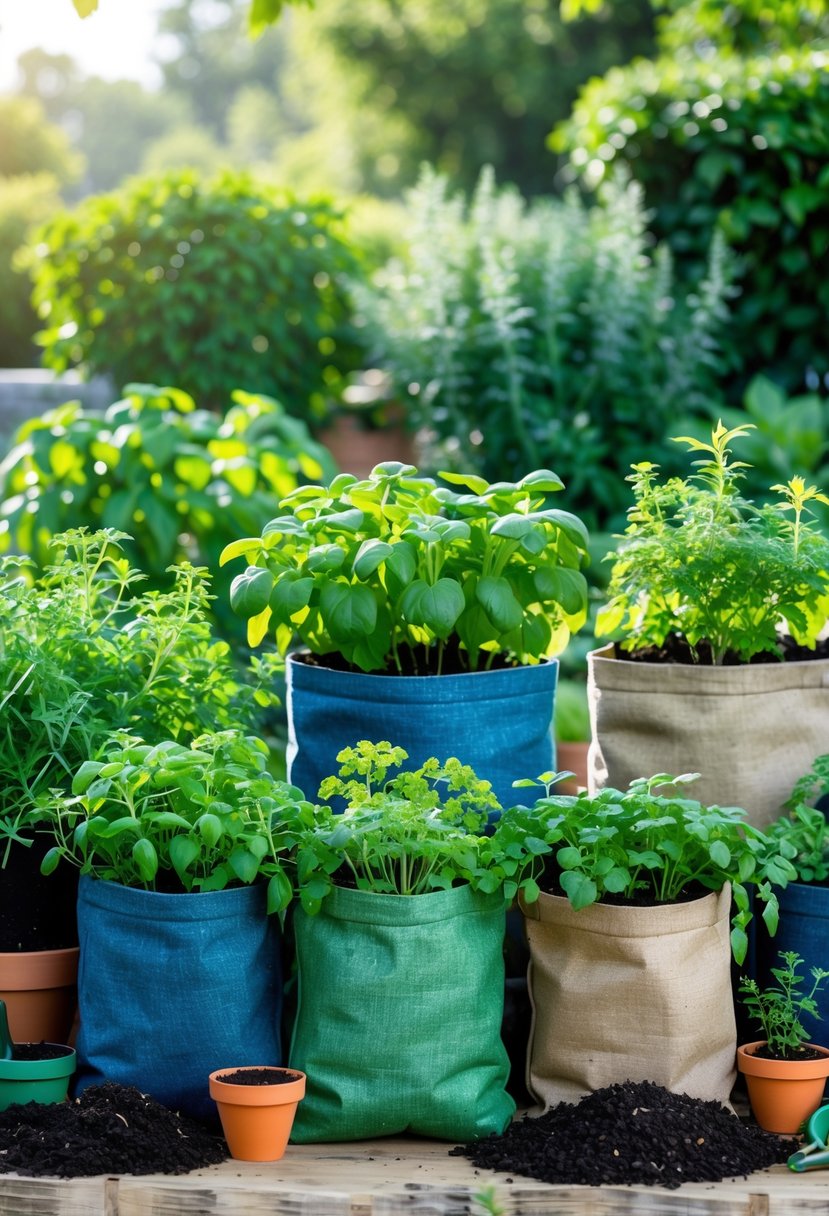
I use recycled fabric grow bags because they help reduce waste. These bags are breathable, allowing my plants to get enough air and water without staying too wet.
Using recycled materials fits my goal of gardening in an eco-friendly way. They work well for small spaces and save resources compared to plastic pots.
7. Grow bags for seasonal flower rotations
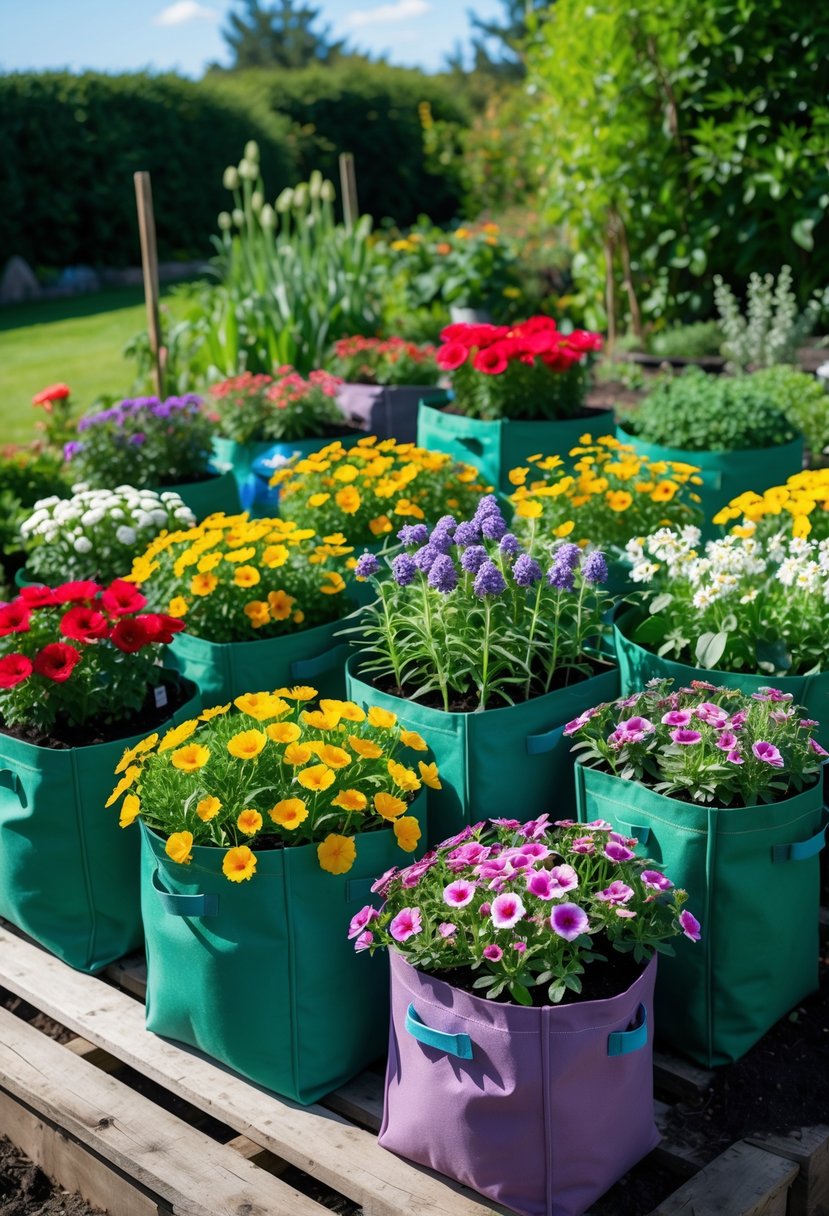
I use grow bags to change flowers with each season. It’s easy to swap plants out without disturbing the soil much. This keeps my garden colorful and healthy all year.
8. Stackable grow bags to optimize vertical gardening
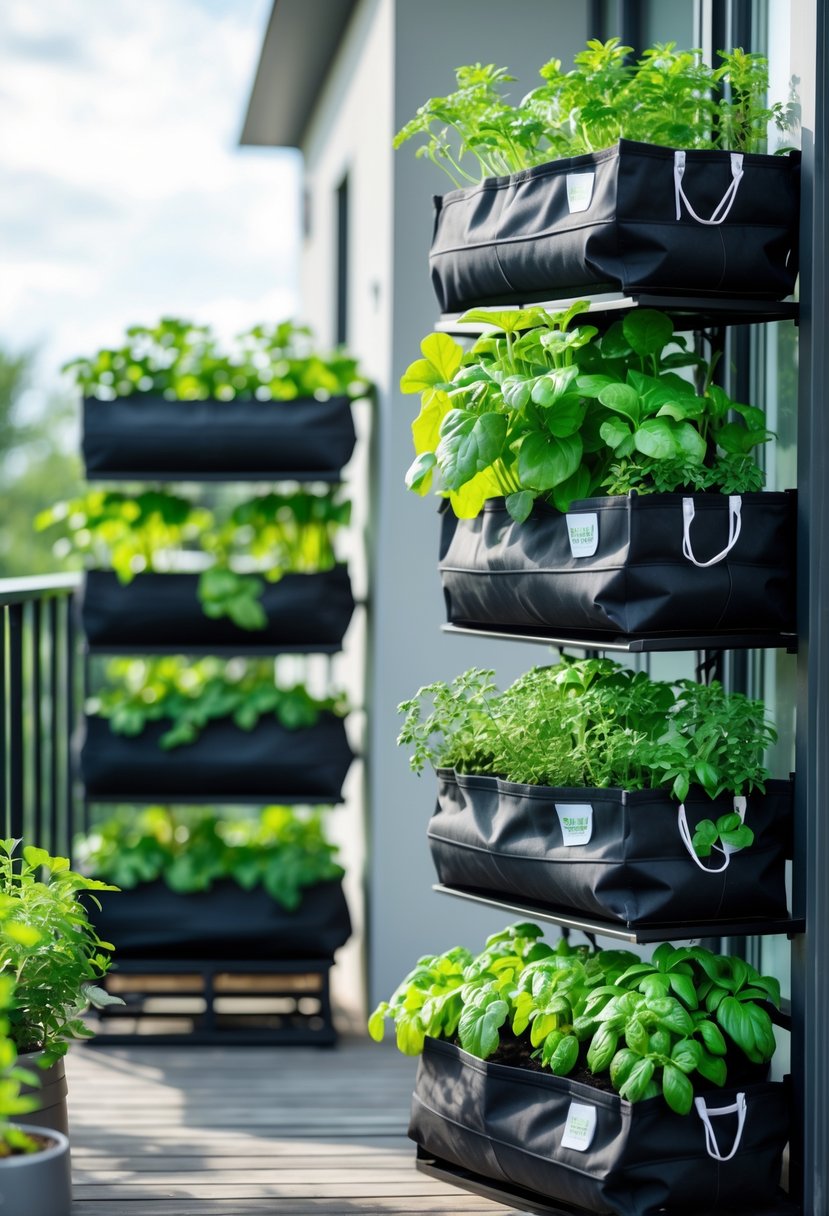
I use stackable grow bags to save space and grow more plants vertically. These bags fit nicely on small patios or balconies. They help me keep my garden organized and easy to manage.
9. Wall-mounted grow bags for decorative plant displays
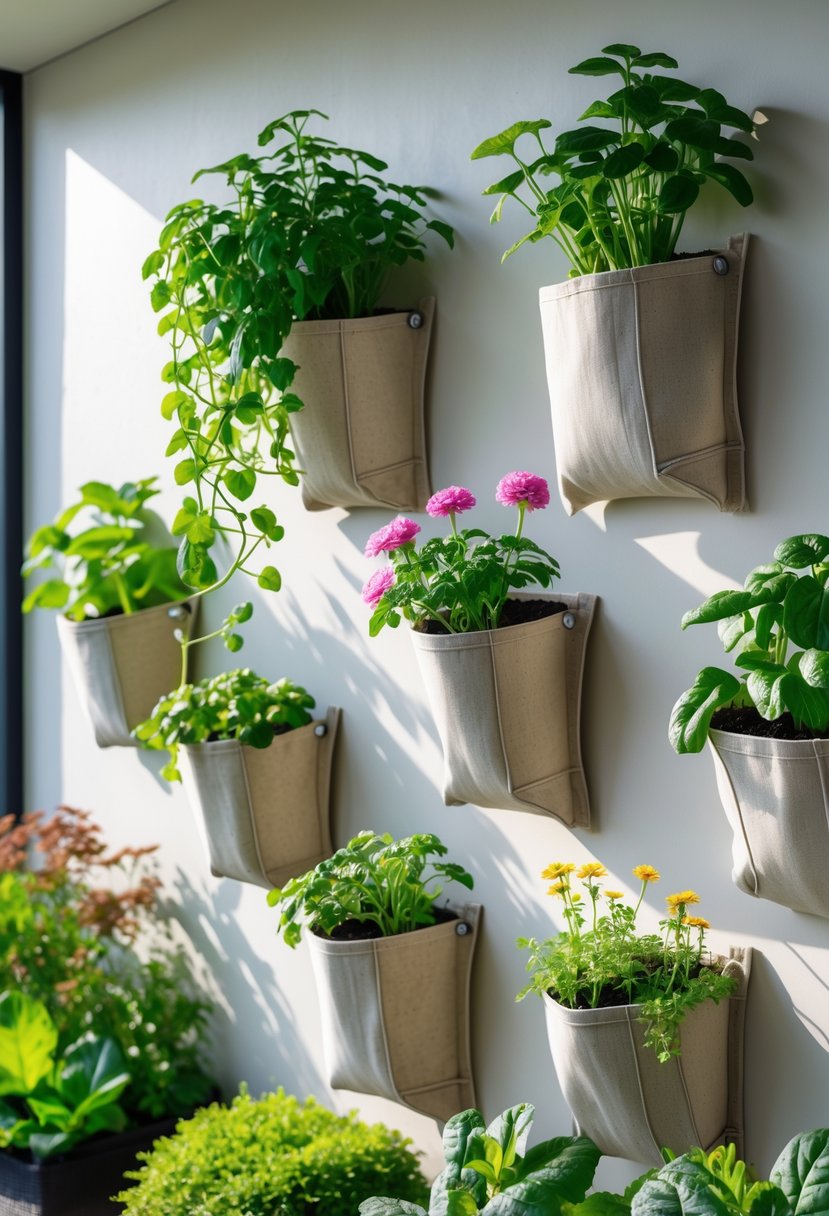
I use wall-mounted grow bags to add plants without taking up floor space. They let me create vertical gardens that look nice on bare walls.
These bags work well for flowers, herbs, and small vegetables. They are easy to hang indoors or outdoors, making my garden more colorful and organized.
10. Self-watering grow bags to reduce maintenance
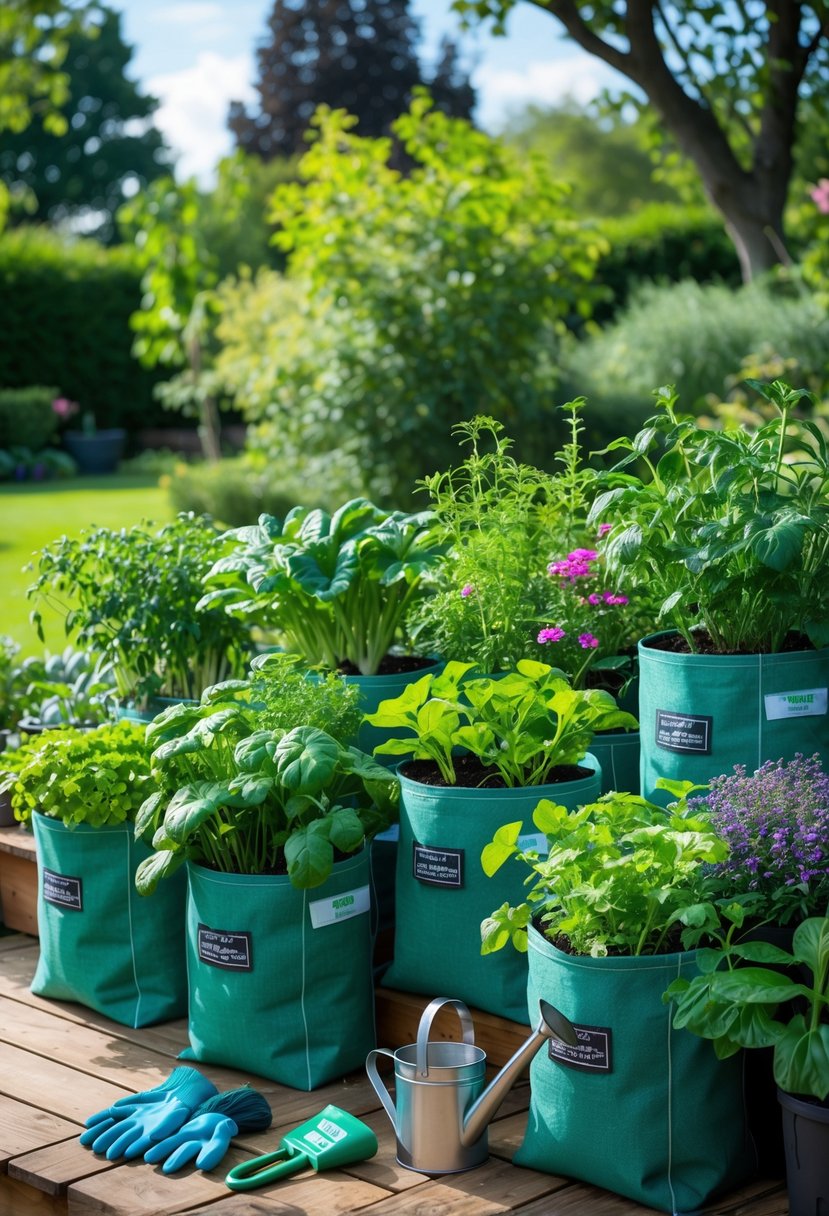
I use self-watering grow bags because they save me time. These bags have a built-in water reservoir that supplies moisture to plants gradually. This system helps prevent overwatering and keeps roots healthy with less effort.
11. Using grow bags for root vegetables like carrots and beets
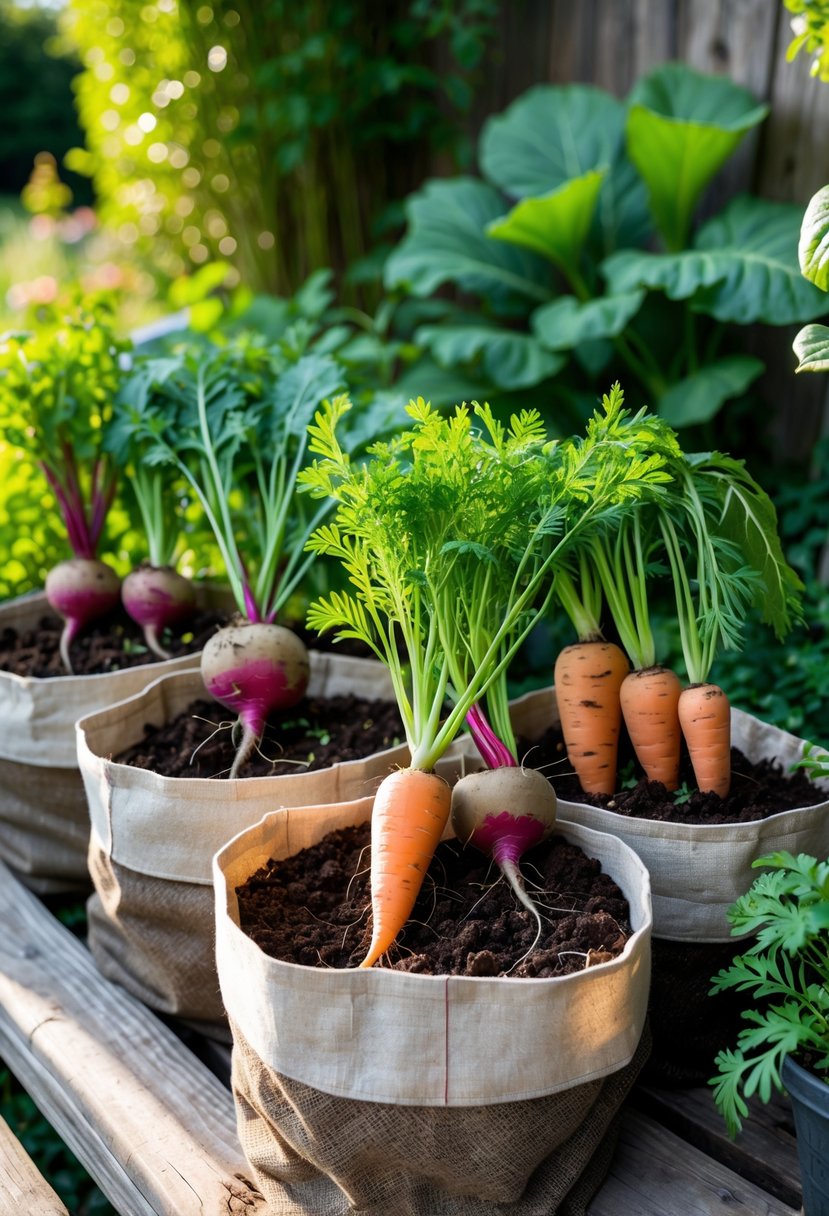
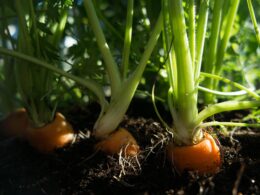
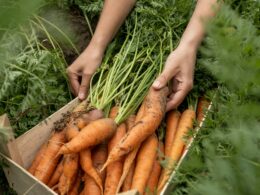
I find grow bags helpful for root vegetables because the loose soil lets roots grow straight and deep. Carrots and beets grow well in bags that drain water but hold enough moisture. This makes it easier to manage soil quality and harvest without damaging the roots.
12. Mixing herbs and edible flowers in the same grow bag
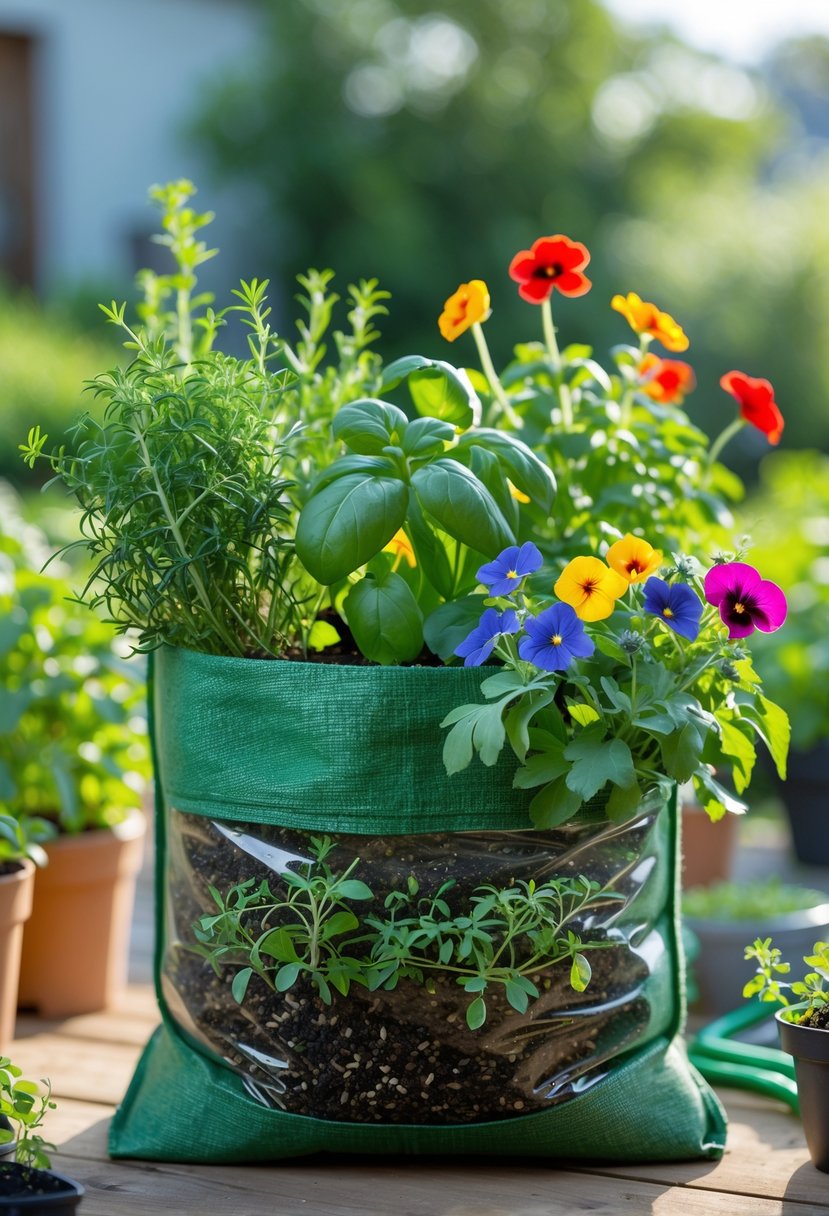
I mix herbs and edible flowers in one grow bag to save space and add color. Both grow well together if they have similar light and water needs. This combination also attracts pollinators and helps keep pests away naturally.
13. Grow bags with built-in drainage for healthier roots
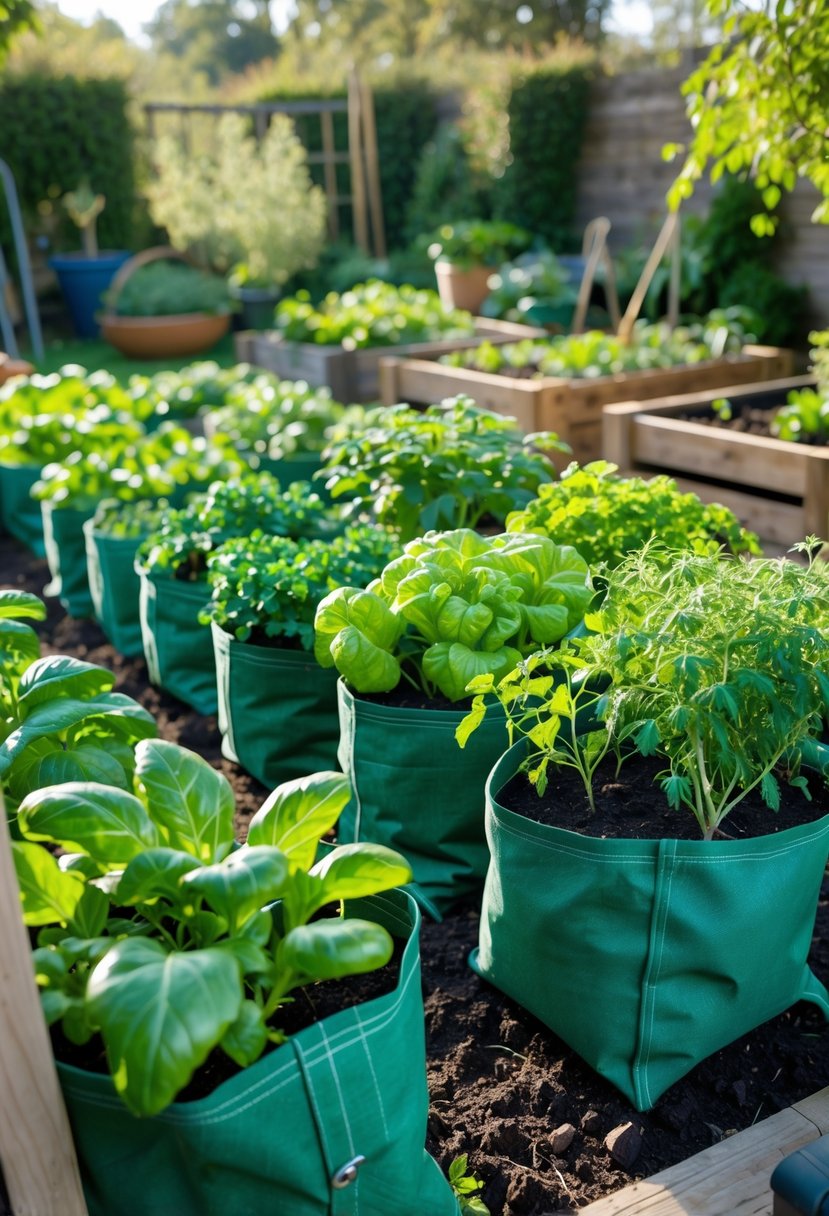
I prefer grow bags with built-in drainage because they help prevent water from pooling. This lets my plants’ roots get the air they need.
Good drainage reduces the chance of root rot. It also encourages stronger root growth.
These bags often use breathable fabric or a mesh design. This improves airflow and helps my plants stay healthy.
14. Creating a modular grow bag garden with interchangeable units
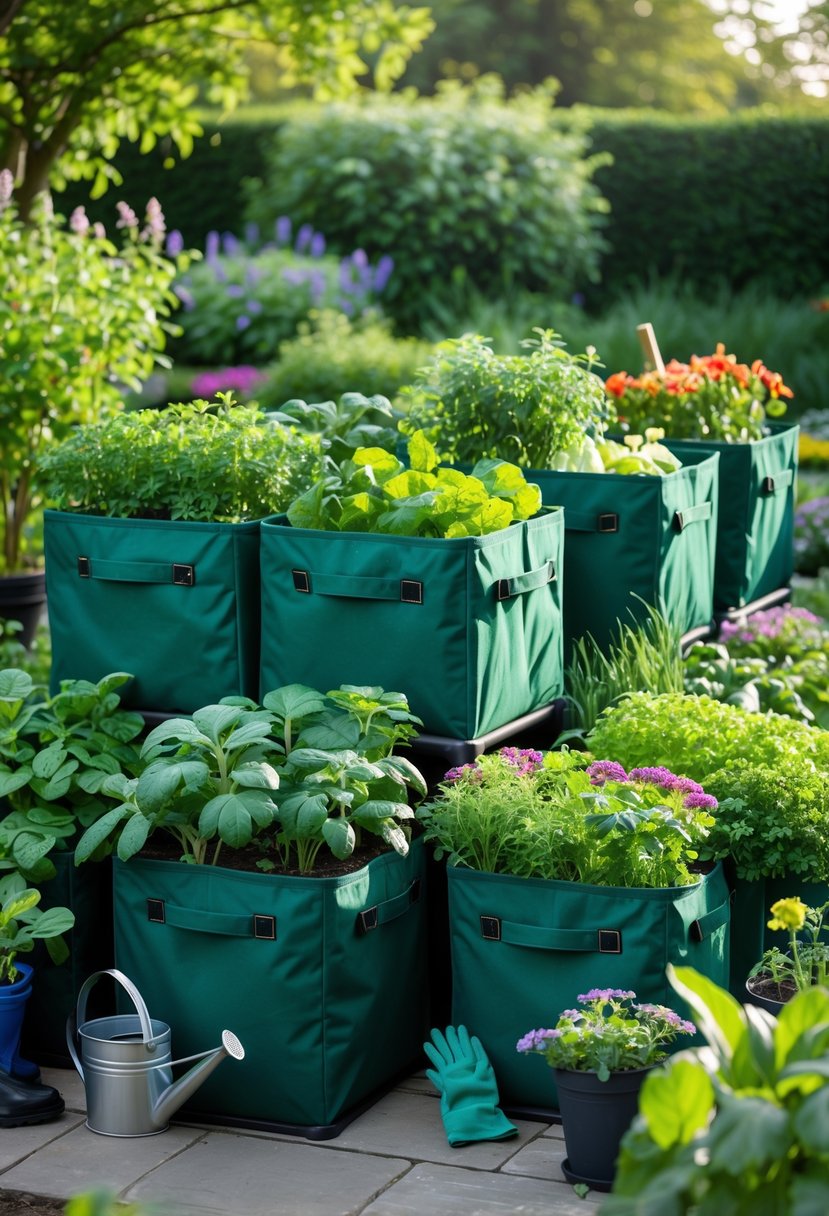
I like using modular grow bags because I can move and replace plants easily. Each grow bag acts like a unit, letting me adjust my garden layout as needed. This makes managing space and crop rotation simple and efficient.
15. Grow bags designed specifically for tomatoes and peppers
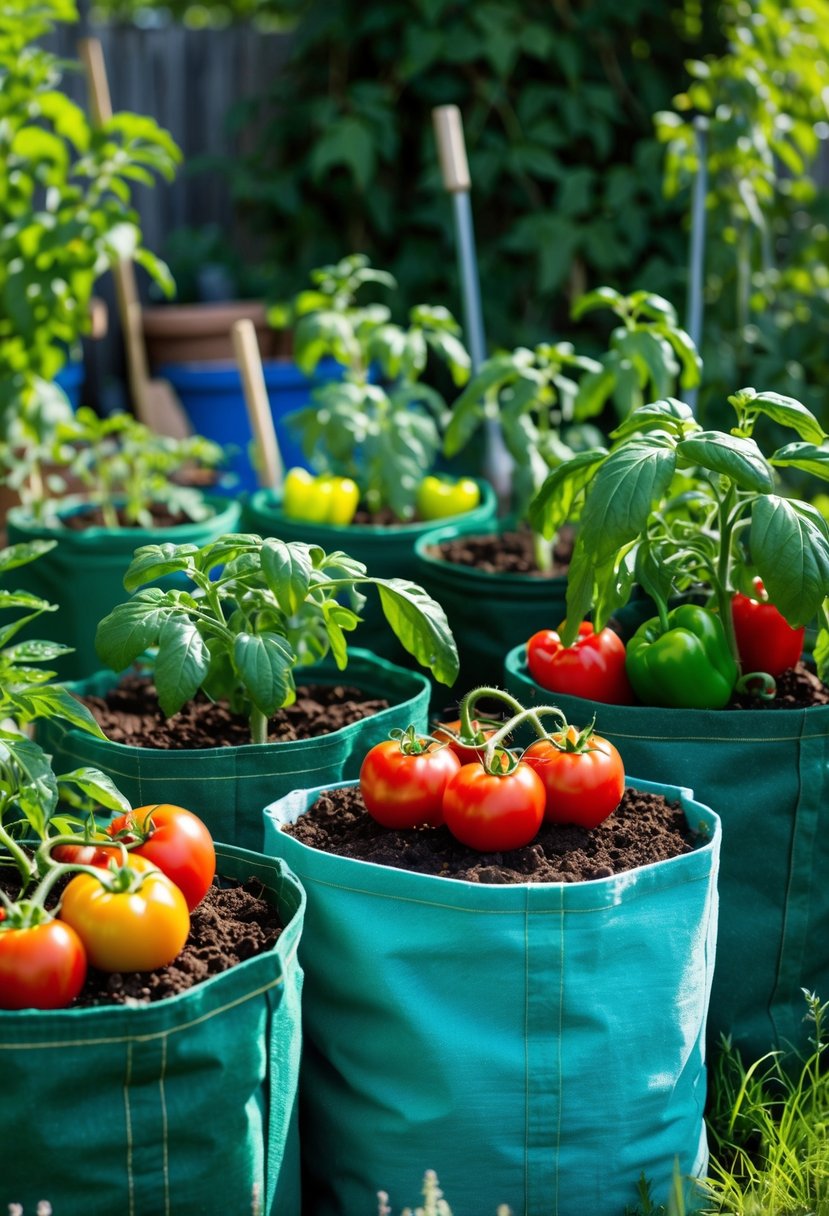
I prefer grow bags made for tomatoes and peppers because they offer the right size and drainage. These bags help roots get enough air and avoid water buildup. Using the correct grow bag improves plant health and fruit production.