





In This Article Show
Creating an Australian garden doesn’t have to be complicated or expensive. Here are 17 simple DIY projects using native plants and materials that can really transform your outdoor space—even if you’re working with Australia’s often tricky climate.

These ideas lean into practical solutions that take minimal maintenance once things are settled in. You’ll see how native picks like kangaroo paw and grevilleas can bring real color, and how simple landscaping with local materials just makes sense.
Each project aims to support local wildlife and cut down on water use and garden chores.
1. Design with Kangaroo Paw for vibrant, low-maintenance color
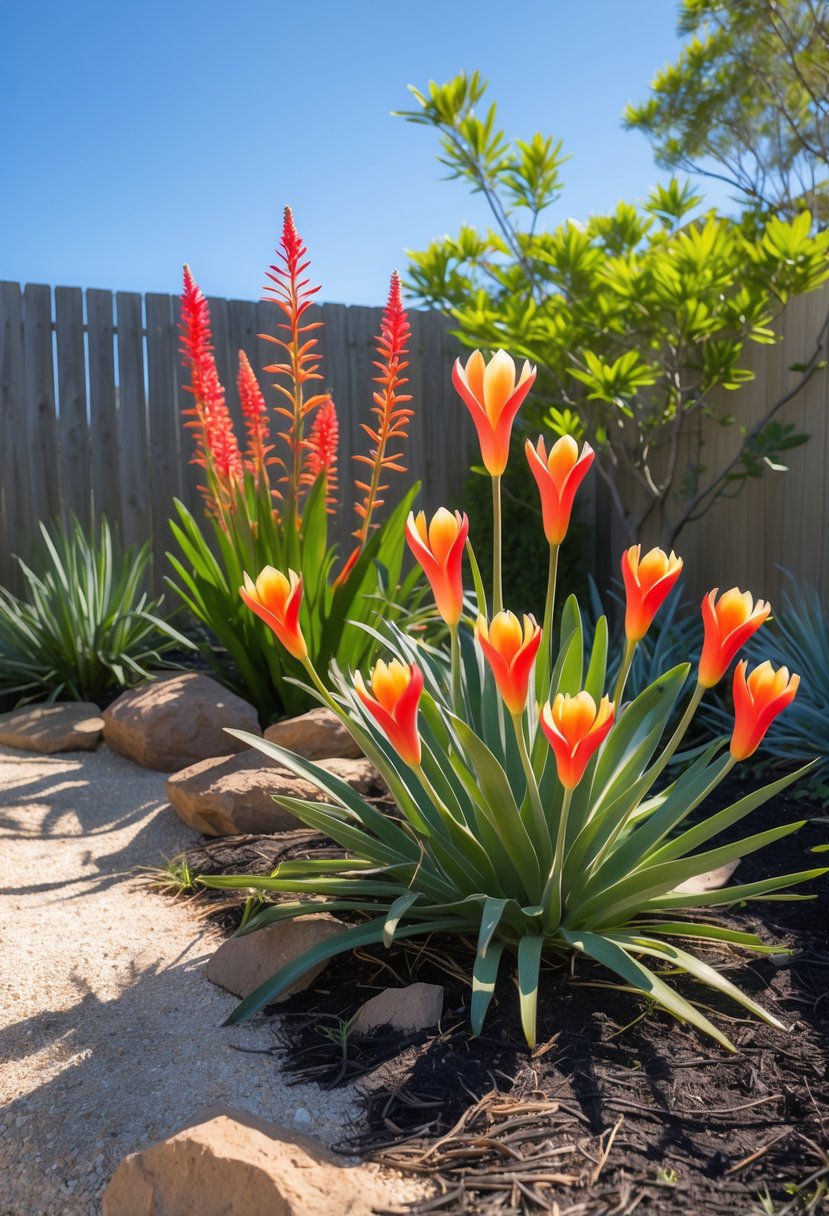
Kangaroo paw is a no-brainer for easy Aussie gardens. Once they settle in, they barely need water. The tall stems and bright flowers always seem to bring in the birds.
2. Use native grasses like Lomandra for textural contrast
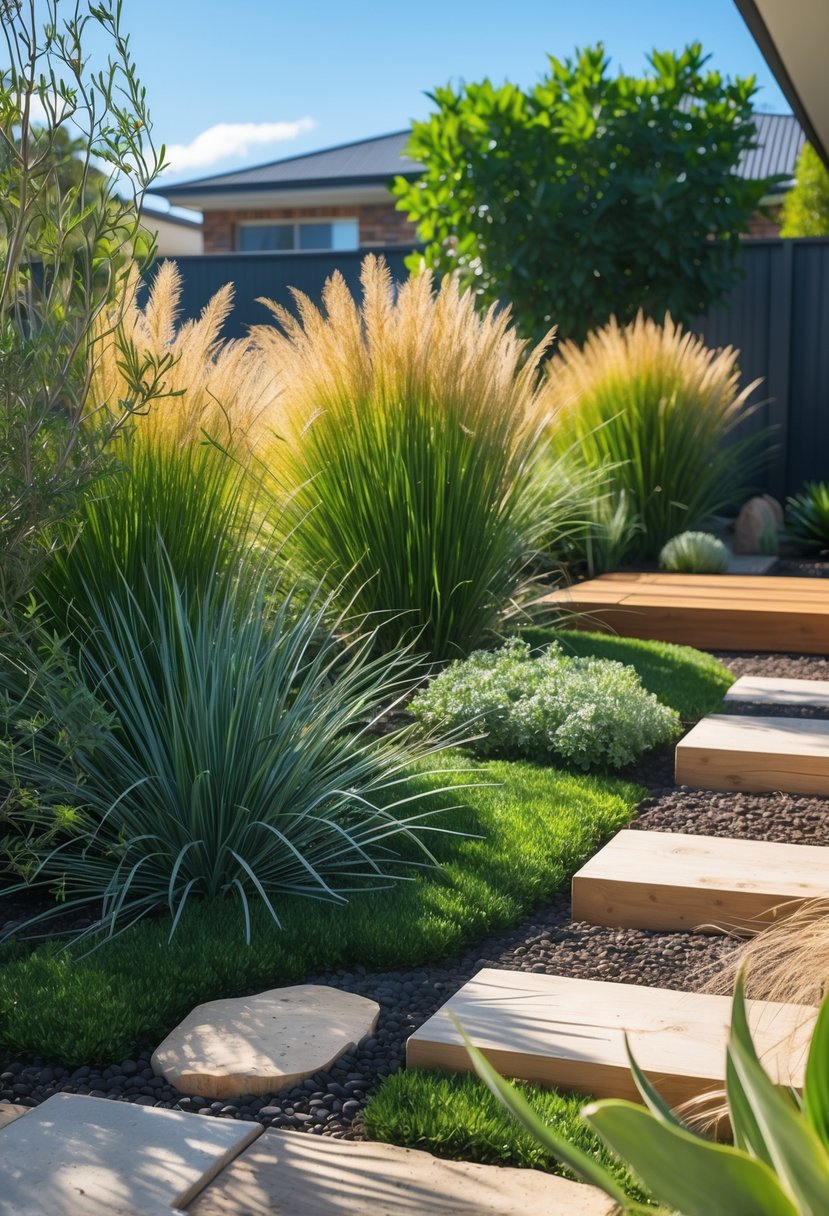
Try planting Lomandra for that easy texture and gentle movement. These grasses shrug off drought and love Australian conditions.
Their upright leaves stand out against other plants. There are plenty of Lomandra types, so you can mix up sizes and shades for interest.
3. Incorporate banksia shrubs for unique blooms and wildlife attraction
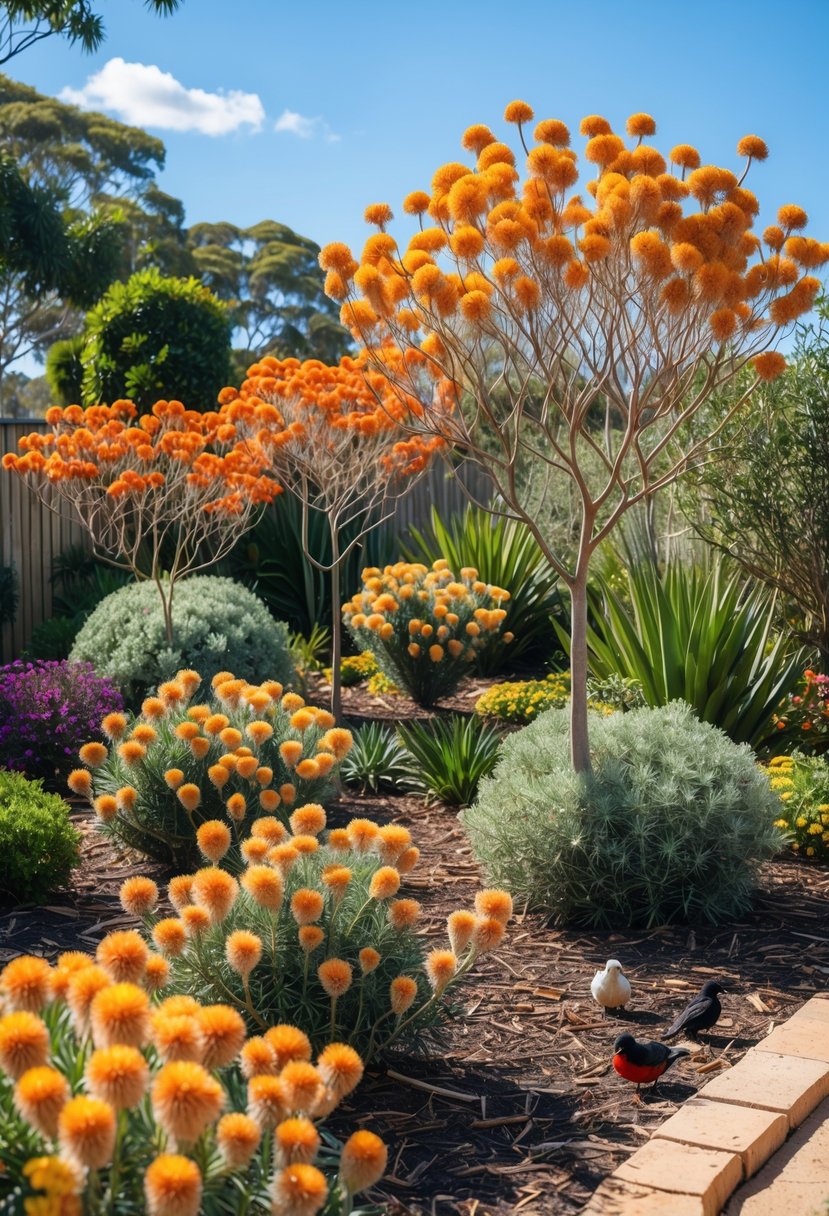
Banksias really make a statement with their bottle-brush-like flowers. Bees and birds seem to find them irresistible, and they bloom most of the year.
Use banksias as standout features or even ground cover. They’re drought-tolerant and honestly, pretty easygoing.
4. Plant bottlebrush trees to add bright red flowers and bird activity
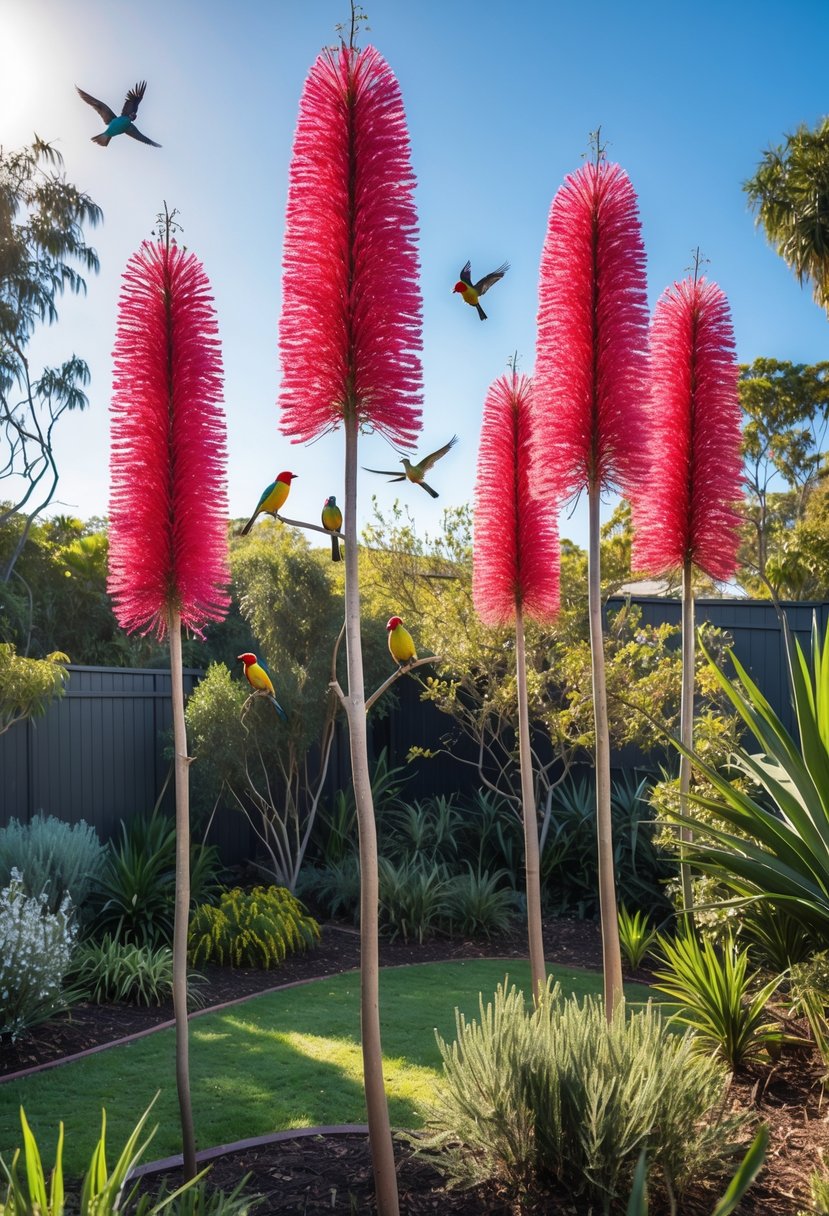
Bottlebrush trees bring those eye-catching red flowers from spring to fall. Hummingbirds can’t resist their nectar-rich blooms.
The bright, brushy flowers make great focal points in beds or along paths.
5. Create a dry creek bed with river stones to improve drainage and aesthetics
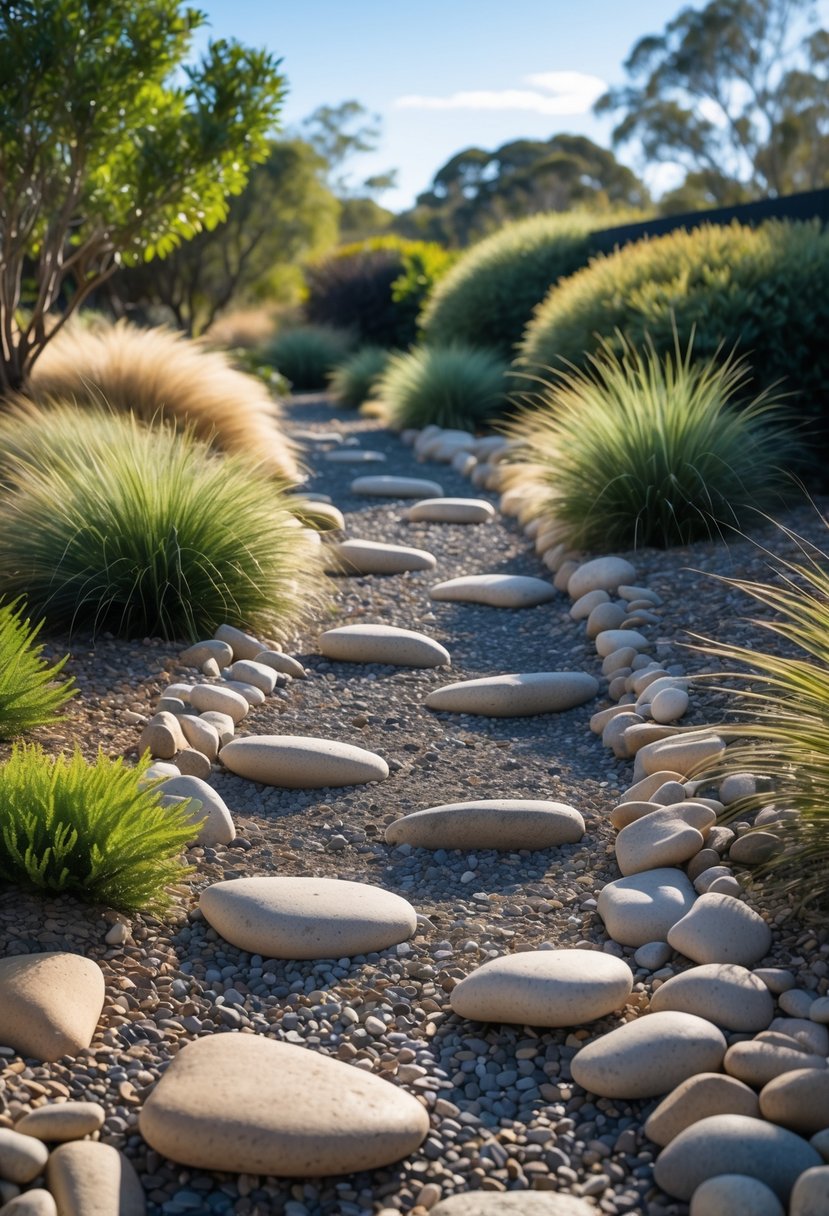
I’ve built dry creek beds with different river stones to tackle drainage issues. They direct water away from soggy spots and honestly just look cool.
6. Install a mulch layer of eucalyptus bark to retain moisture and suppress weeds
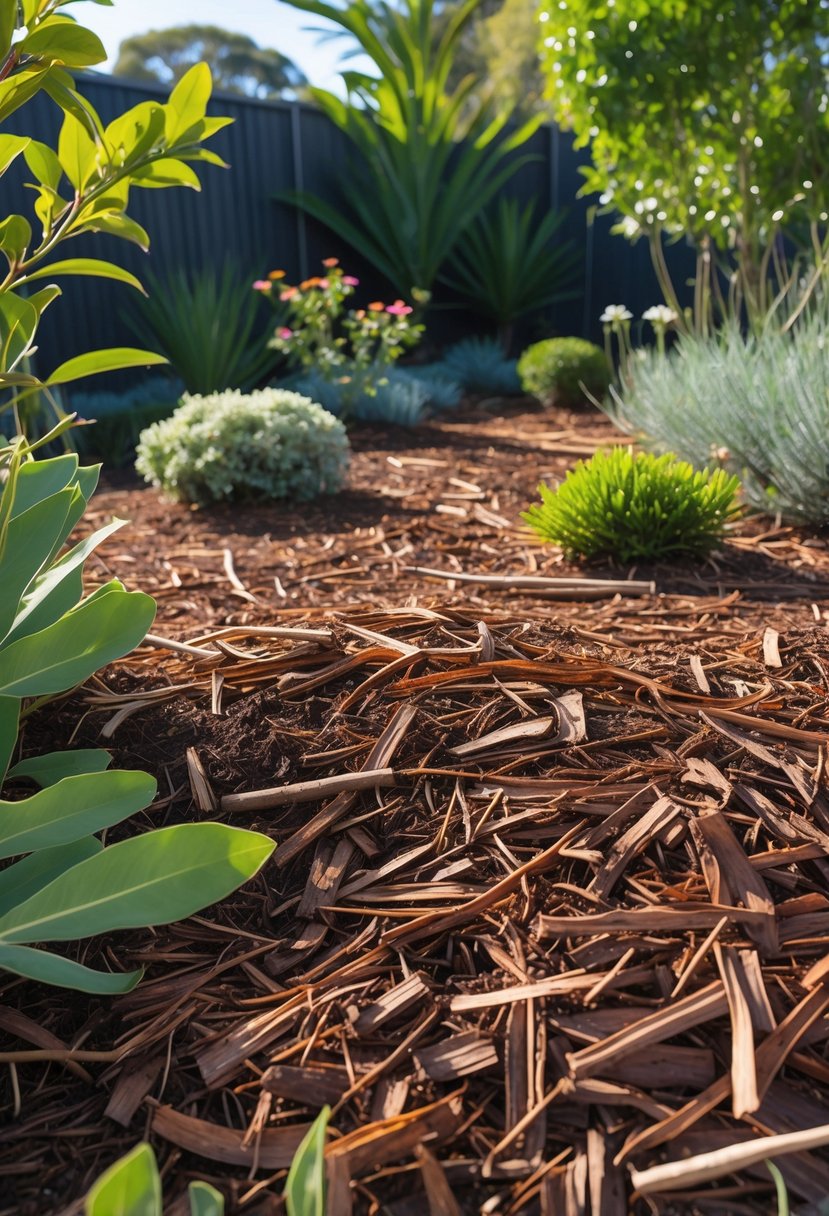
Eucalyptus bark mulch is my go-to around trees and shrubs. It keeps the soil damp longer and helps block out weeds.
I usually spread a 2-3 inch layer at the base. The bark sticks around much longer than other mulches, which is a bonus.
7. Add slender wattle for fast-growing greenery and bright yellow flowers
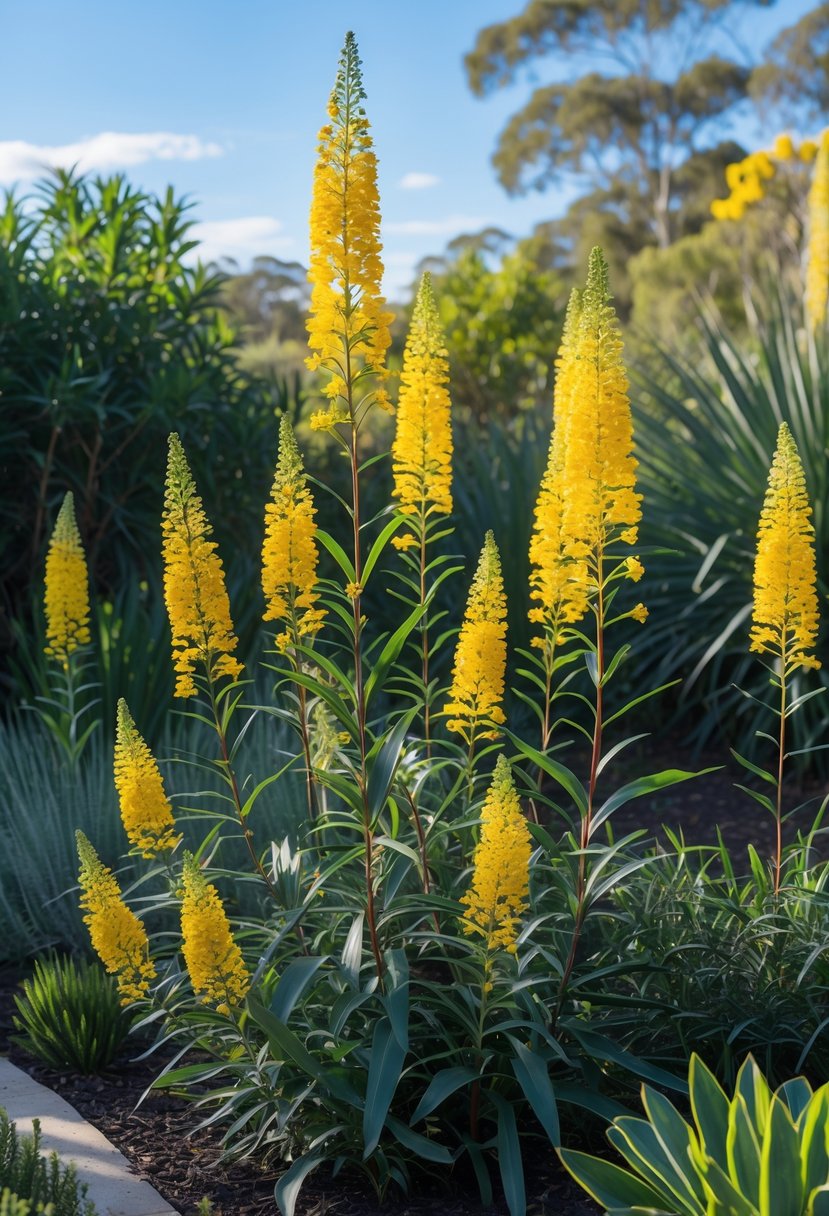
Slender wattle is fantastic for filling out a garden fast. This Aussie native grows quickly and bursts into bright yellow flowers.
Once it’s in, it barely needs any looking after. It doesn’t fuss over soil types either.
8. Use drought-tolerant grevilleas for year-round color and nectar
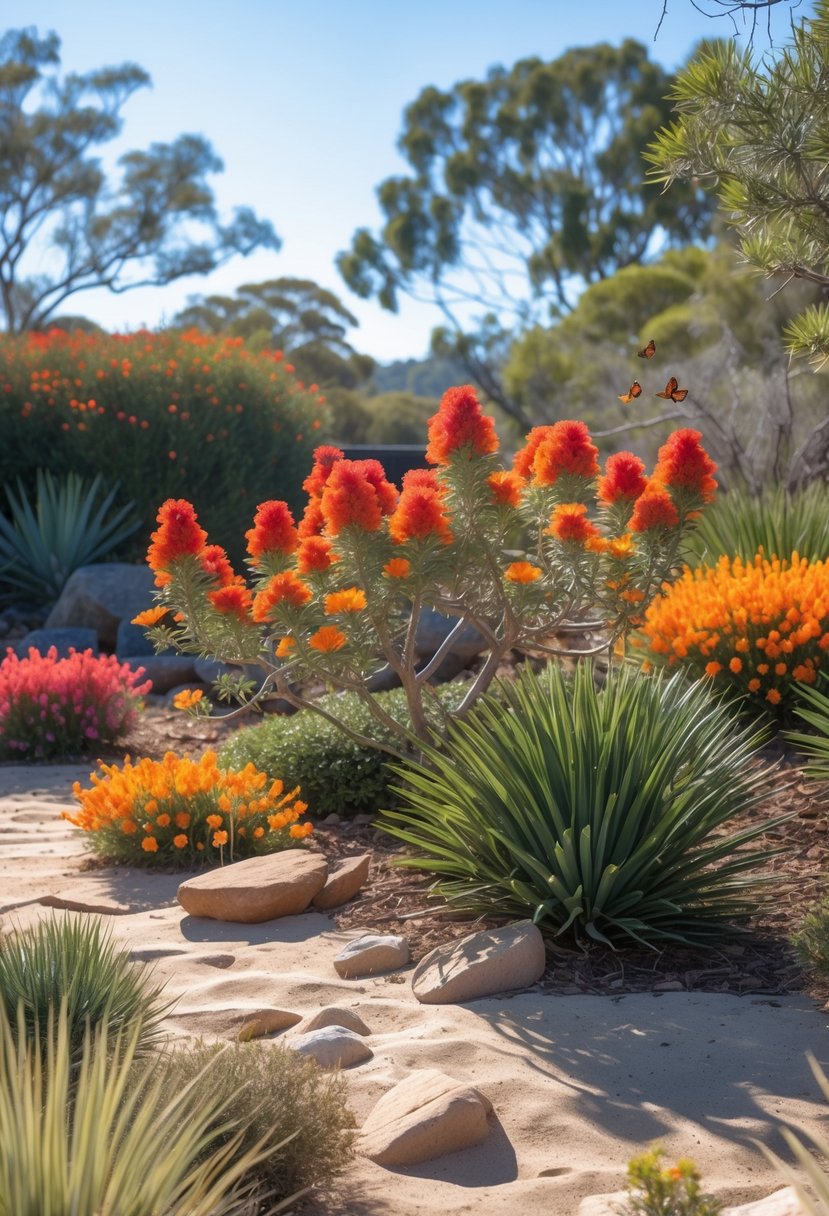
Grevilleas are a solid choice for easy-care gardens. They sip water, not guzzle it, once they’re established.
They bloom even in winter and keep birds and bees happy all year.
9. Incorporate teatree bushes for fragrant foliage and coastal hardiness
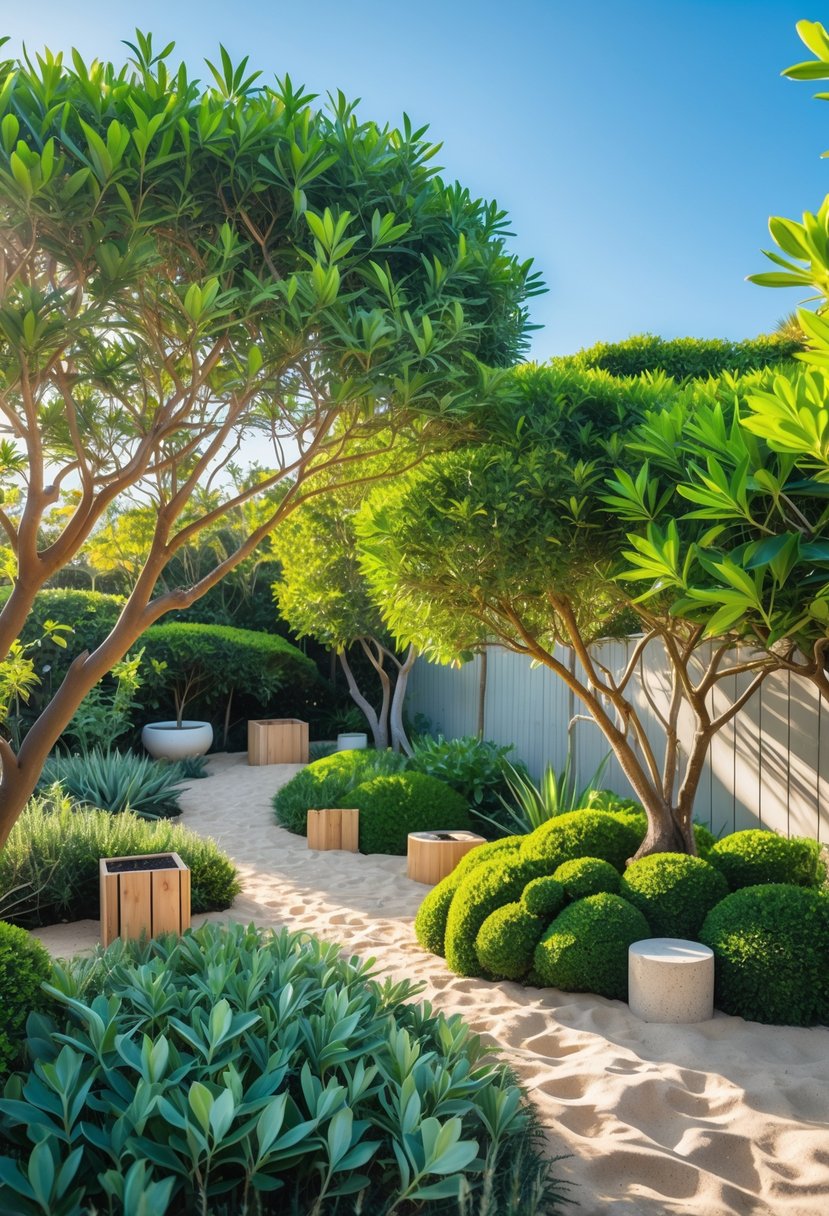
Teatree bushes are tough as nails and smell amazing. They laugh off salt spray and wind near the coast.
Once they’ve settled in, they barely need any water. If you brush past them, those tiny leaves release a super fresh scent.
10. Plant native groundcovers such as creeping boobialla for erosion control
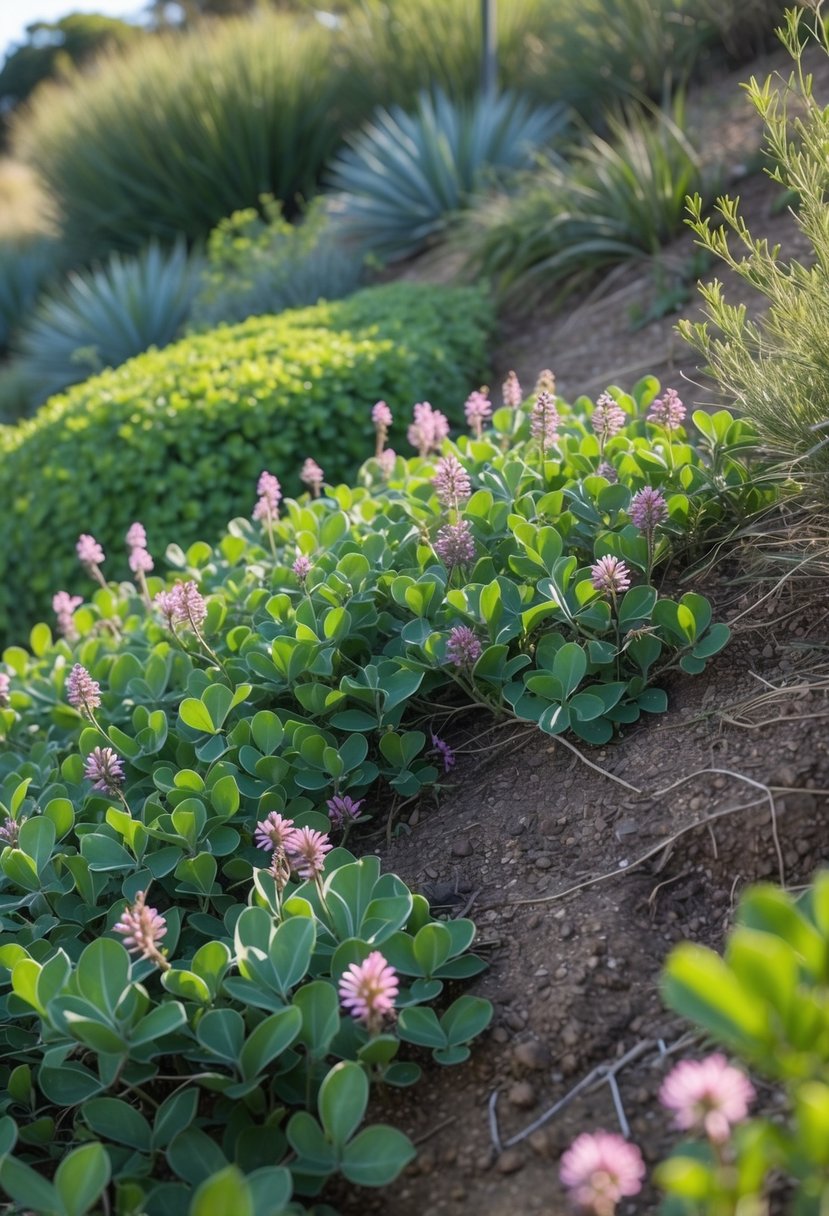
Creeping boobialla is a lifesaver for slopes and tricky spots. This native spreads out fast and really holds the soil together.
It’s pretty much set-and-forget. You’ll get little white or pink flowers, too.
11. Set up a simple drip irrigation system tailored for native plants
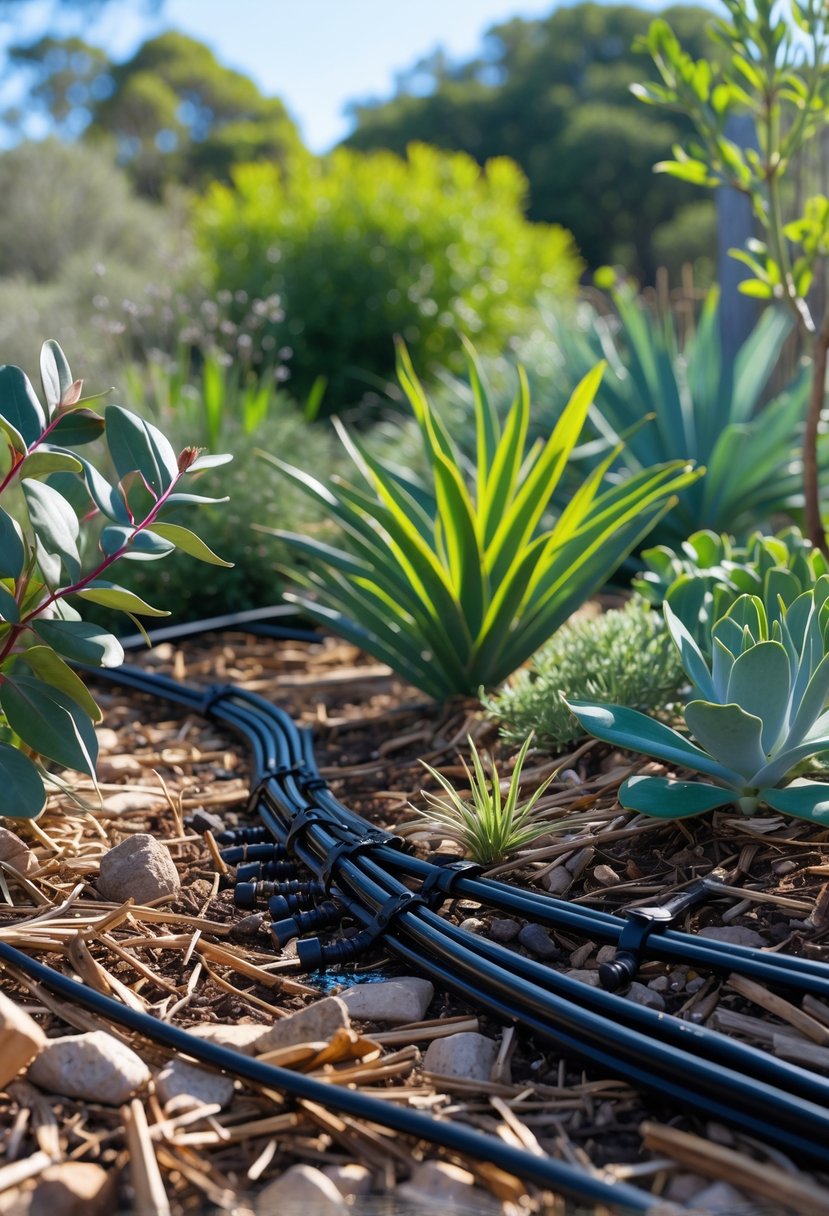
Drip irrigation just makes sense for natives. It sends water right to the roots and skips the waste—plus, native plants really don’t want to be overwatered.
I usually space the emitters a bit wider for natives, since they need less water than imported plants.
12. Build raised garden beds with Australian native wildflowers
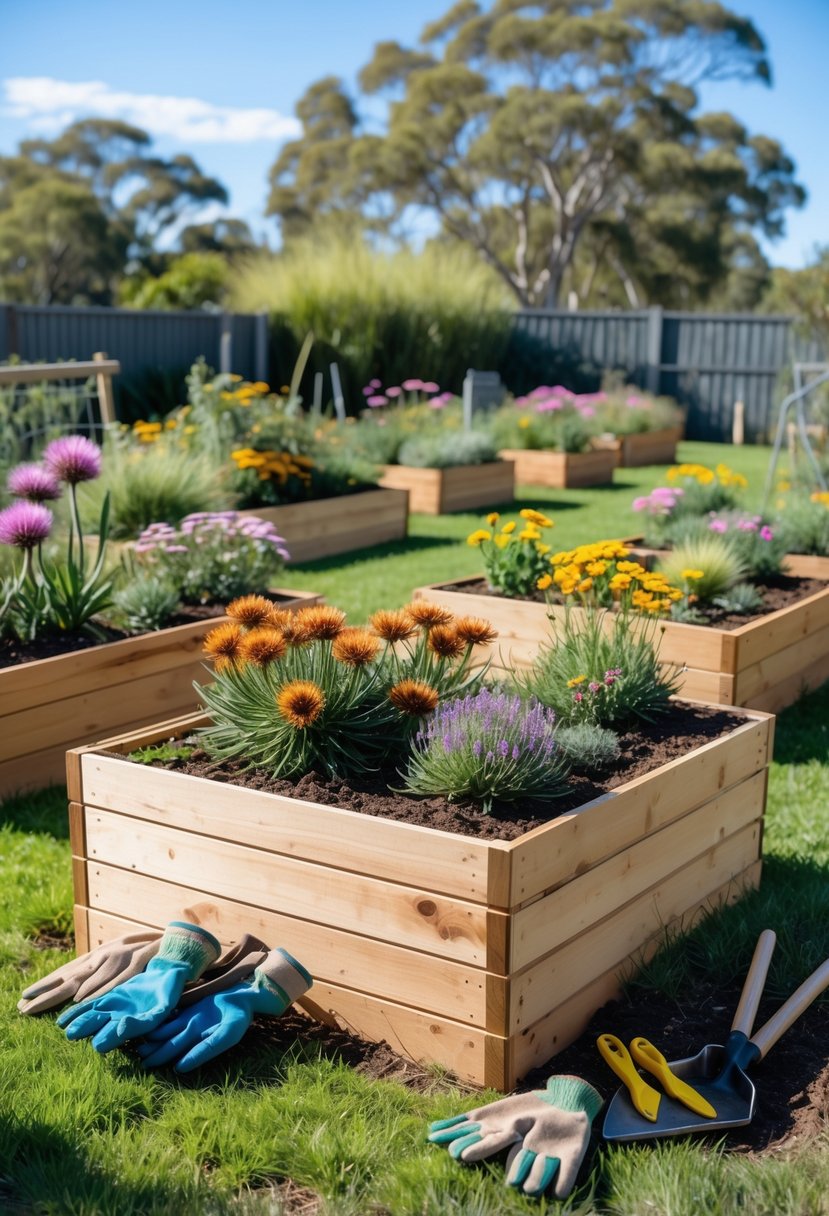
Raised beds are great for native wildflowers. They boost drainage and help with soil quality.
Wildflowers like everlastings and billy buttons seem to love raised beds, and the effect is just gorgeous.
13. Use recycled timber for retaining walls and garden edging
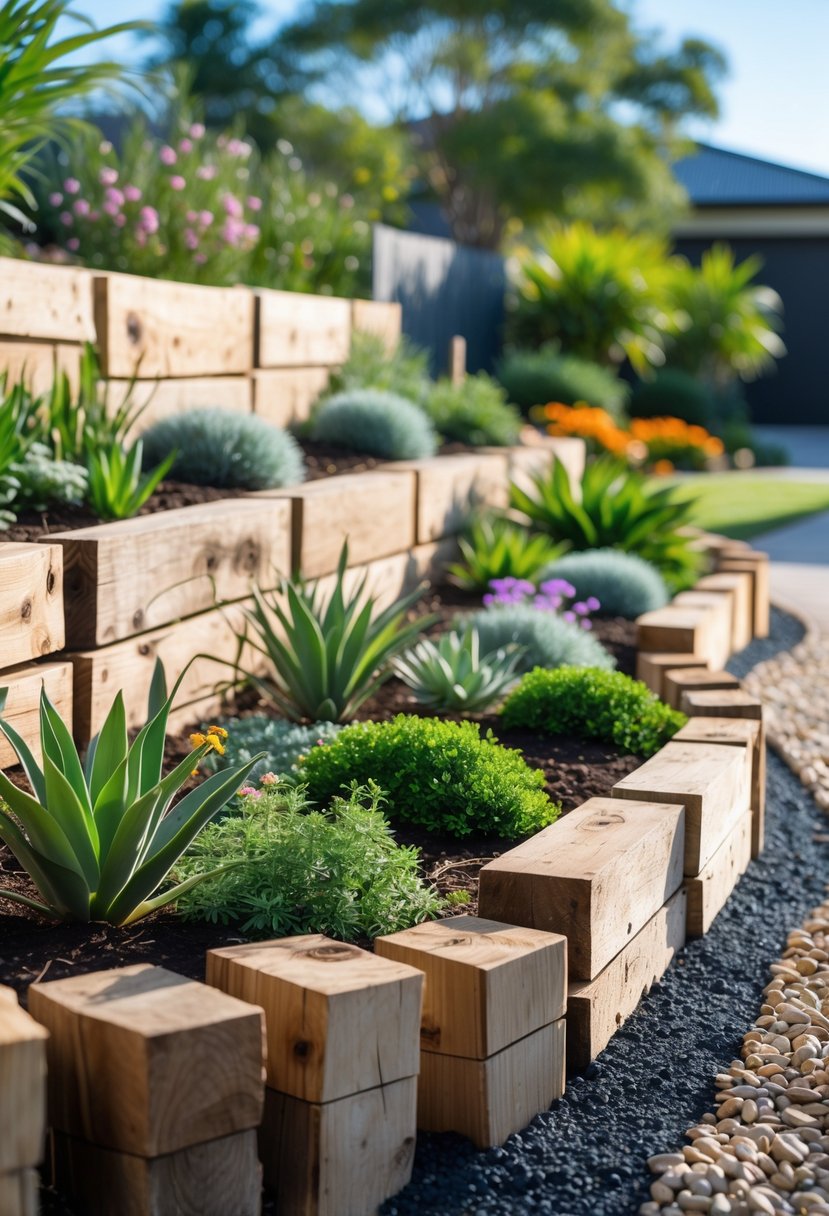
Recycled timber is my pick for garden borders and retaining walls. Old fence boards or railway sleepers give a rustic look and cut down on waste.
I cut the timber to all sorts of lengths for a custom edge. It doesn’t have to be perfect to look great.
14. Create a bird-friendly habitat with native hollow logs and water dishes
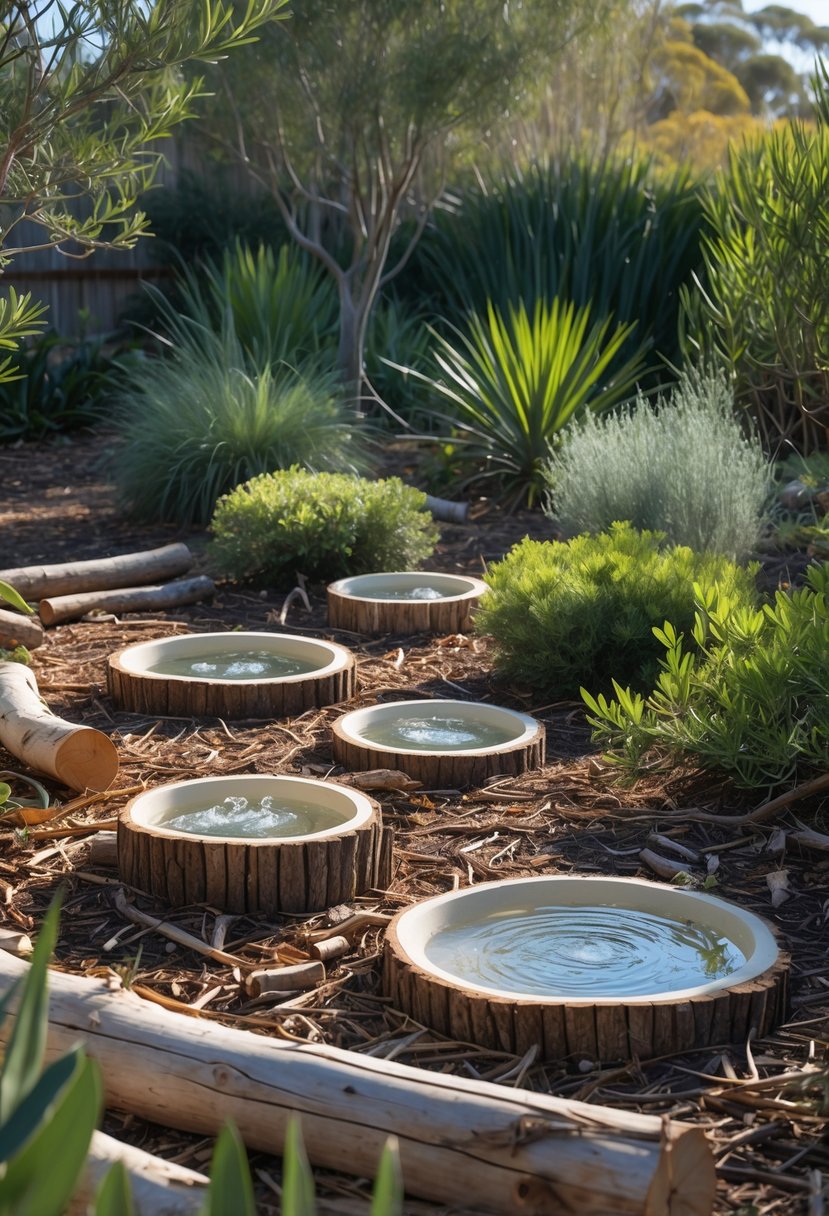
Scatter some hollow logs in your garden for native birds to nest in. You can drill holes in old branches or logs to make them bird-friendly.
Add a few shallow water dishes nearby for birds to drink and splash around.
15. Incorporate saltbush for its resilience to poor soil and salty conditions
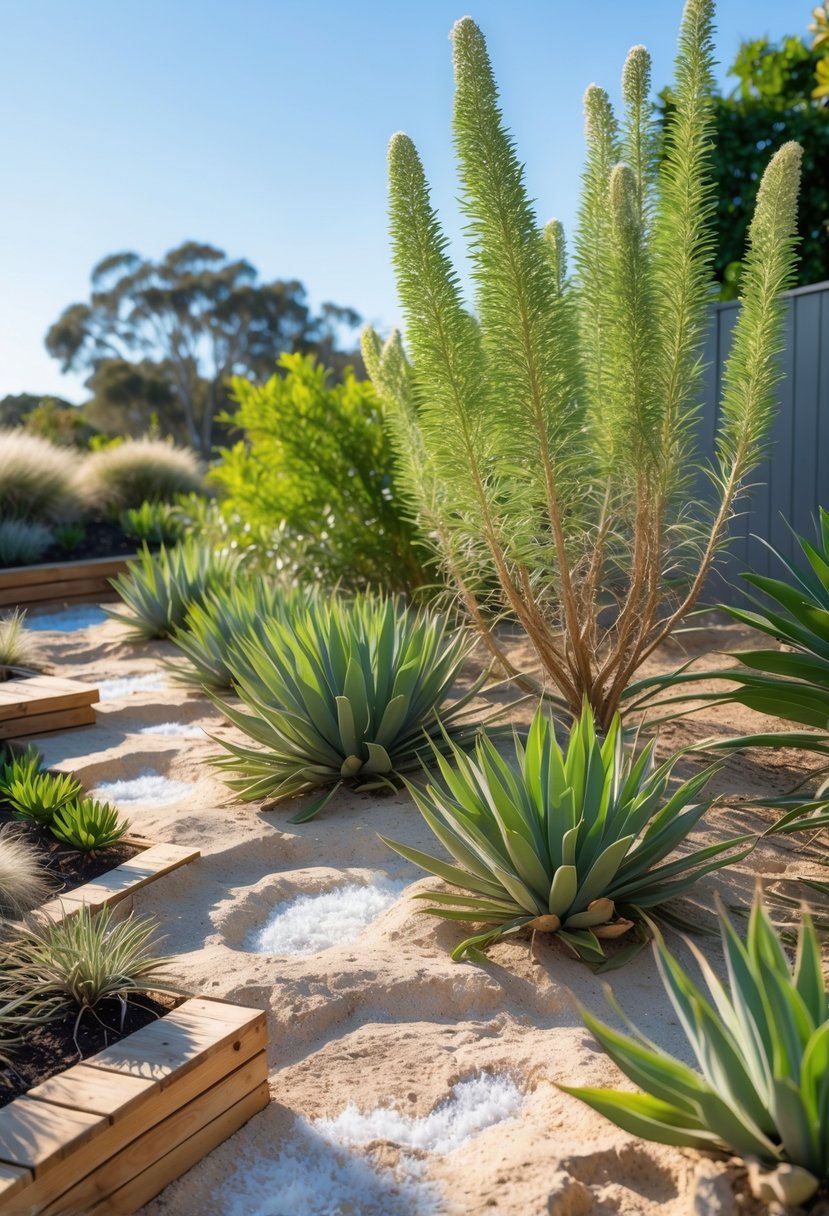
Saltbush is the answer for tough garden spots. It thrives in salty, dry soils where most plants give up.
Once it’s established, you can basically forget about watering. It’s especially handy near the coast.
16. Add spotted gum mulch to enhance soil quality and provide nutrients
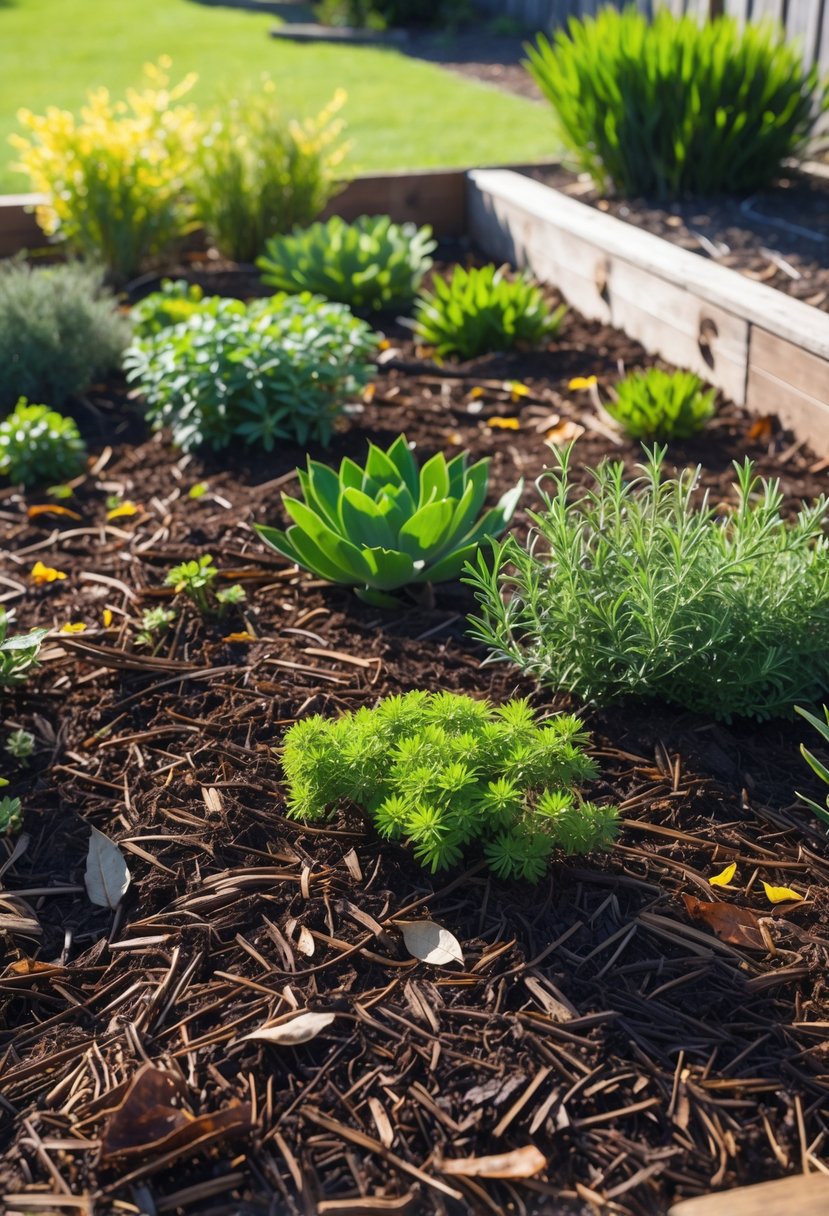
Spotted gum mulch is a natural way to feed your soil. It breaks down slowly, adding nutrients, keeping moisture in, and stopping weeds before they start. Simple, but it works.
17. Plant acacia dealbata for a quick splash of golden yellow flowers
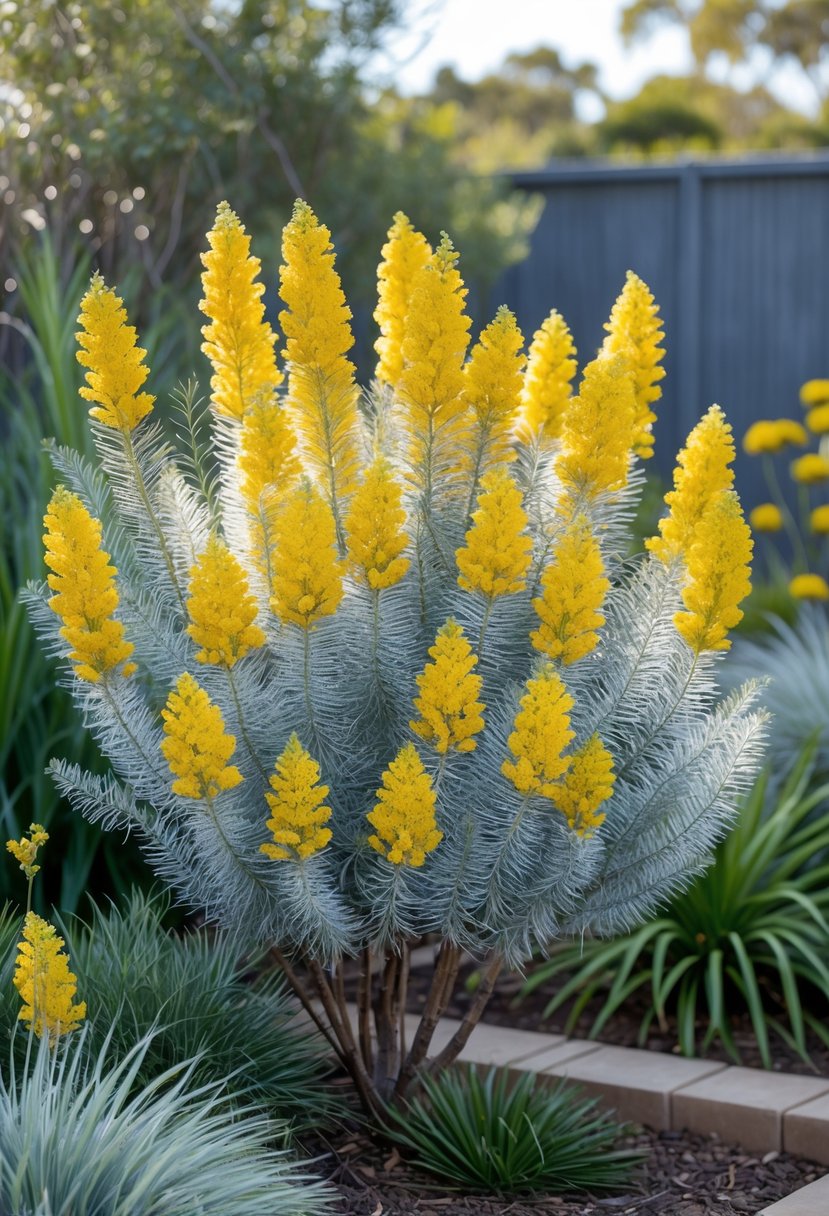
If you want fast color in your Australian garden, I’d go with acacia dealbata. This tree grows like it’s in a hurry and throws out those bright yellow flowers from late winter into early spring.
Its fluffy, ball-shaped blooms really pop with golden color. Plus, they give off a strong, sweet fragrance that lingers throughout the garden—honestly, it’s hard not to notice.