



In This Article Show
Fall is a great time to grow herbs because many popular varieties prefer cooler weather. Parsley, cilantro, chives, thyme, sage, and oregano can stay productive after heat-loving garden plants begin to fade.
With a little planning, you can keep harvesting fresh herbs through fall and protect selected plants for winter.A useful fall herb garden should be easy to maintain and placed where you will remember to harvest from it.
These ideas work in raised beds, containers, small patios, and larger garden spaces, with options for both mild and cold climates.
1. Create a Kitchen-Door Herb Container
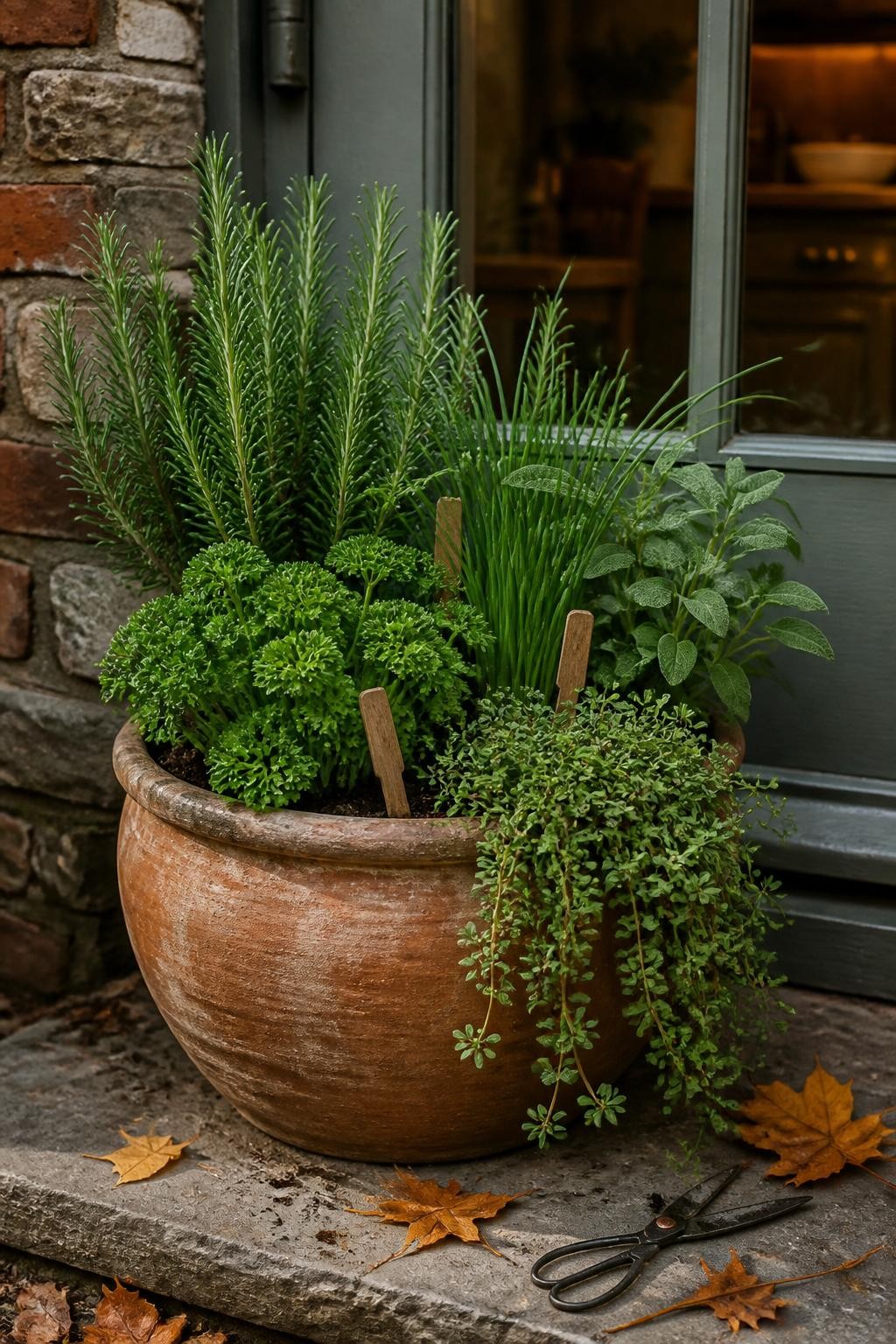
Place a mixed herb container close to the kitchen so fresh herbs are easy to reach while cooking. Use parsley and chives as leafy fillers, rosemary or sage for height, and creeping thyme around the edge. Keeping the planter near the house may also give it a little protection from cold wind.
Choose herbs with similar watering needs, or place drought-tolerant rosemary and thyme in a separate pot from moisture-loving parsley. Check the soil regularly because containers can dry out quickly on windy fall days. Harvest small amounts often to encourage fresh growth.
2. Plant a Cut-and-Come-Again Parsley Bed
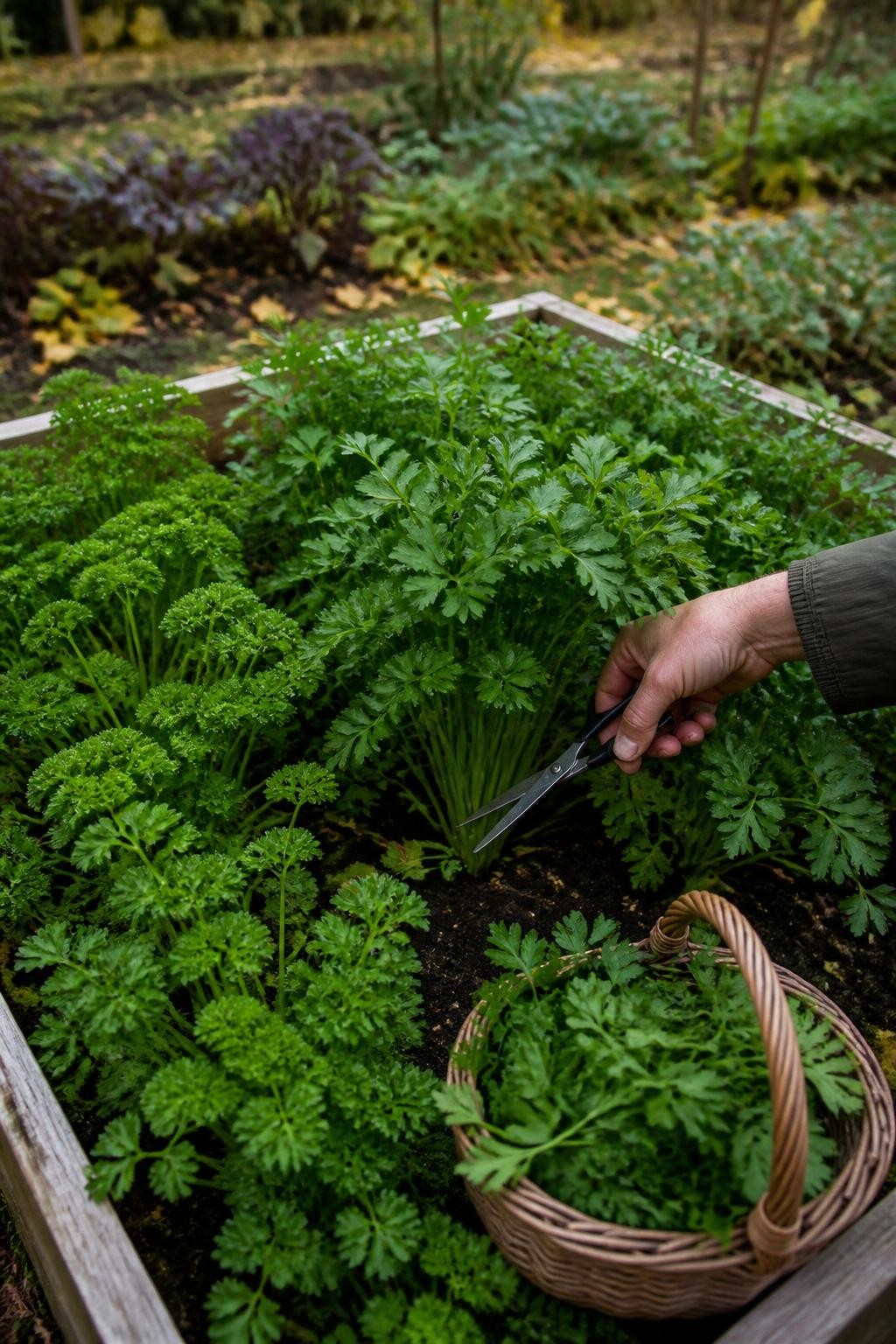
Parsley grows well in cool conditions and often becomes more productive once intense summer heat passes. Plant curly parsley, flat-leaf parsley, or a mixture of both in a sunny or partly shaded bed. Young nursery plants give you a faster harvest, while seeds are better when you have a longer mild season ahead.
Cut the older outer stems first and leave the smaller center growth in place. This lets each plant continue producing instead of removing the whole plant at once. In colder regions, cover the bed with frost cloth when temperatures drop sharply.
3. Sow Cilantro in Small Successive Rows
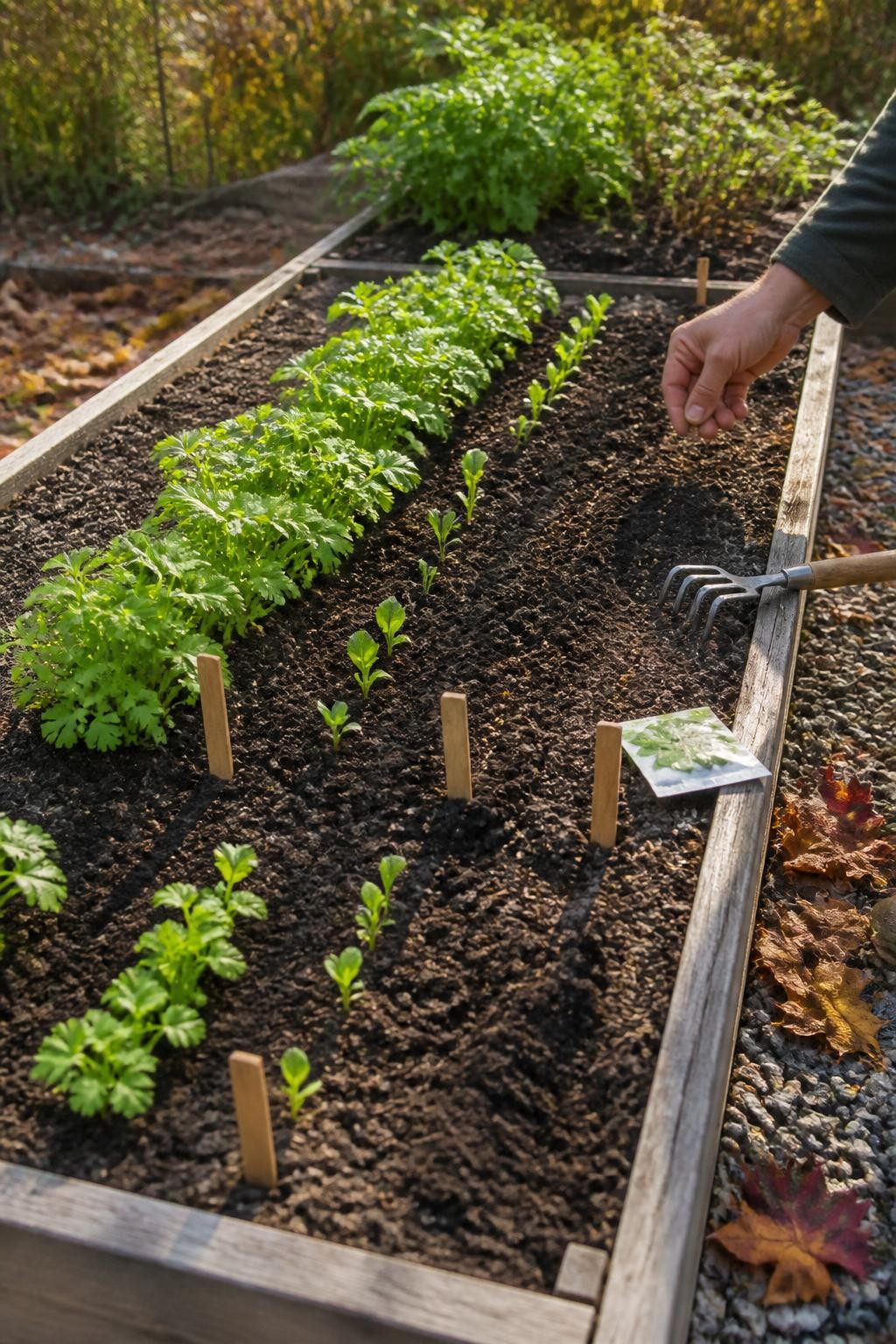
Cilantro grows quickly in cool weather but does not stay at its best for very long. Instead of sowing the entire seed packet at once, plant a short row every two weeks. This gives you a steady supply of fresh leaves rather than one large crop that matures and flowers at the same time.
Keep the soil lightly moist while the seeds germinate, and thin crowded seedlings so each plant has room to develop. Harvest the outer leaves or cut entire mature plants near the soil. Allow a few plants to flower if you want coriander seeds or food for late-season pollinators.
4. Build a Low Tunnel Over Tender Herbs
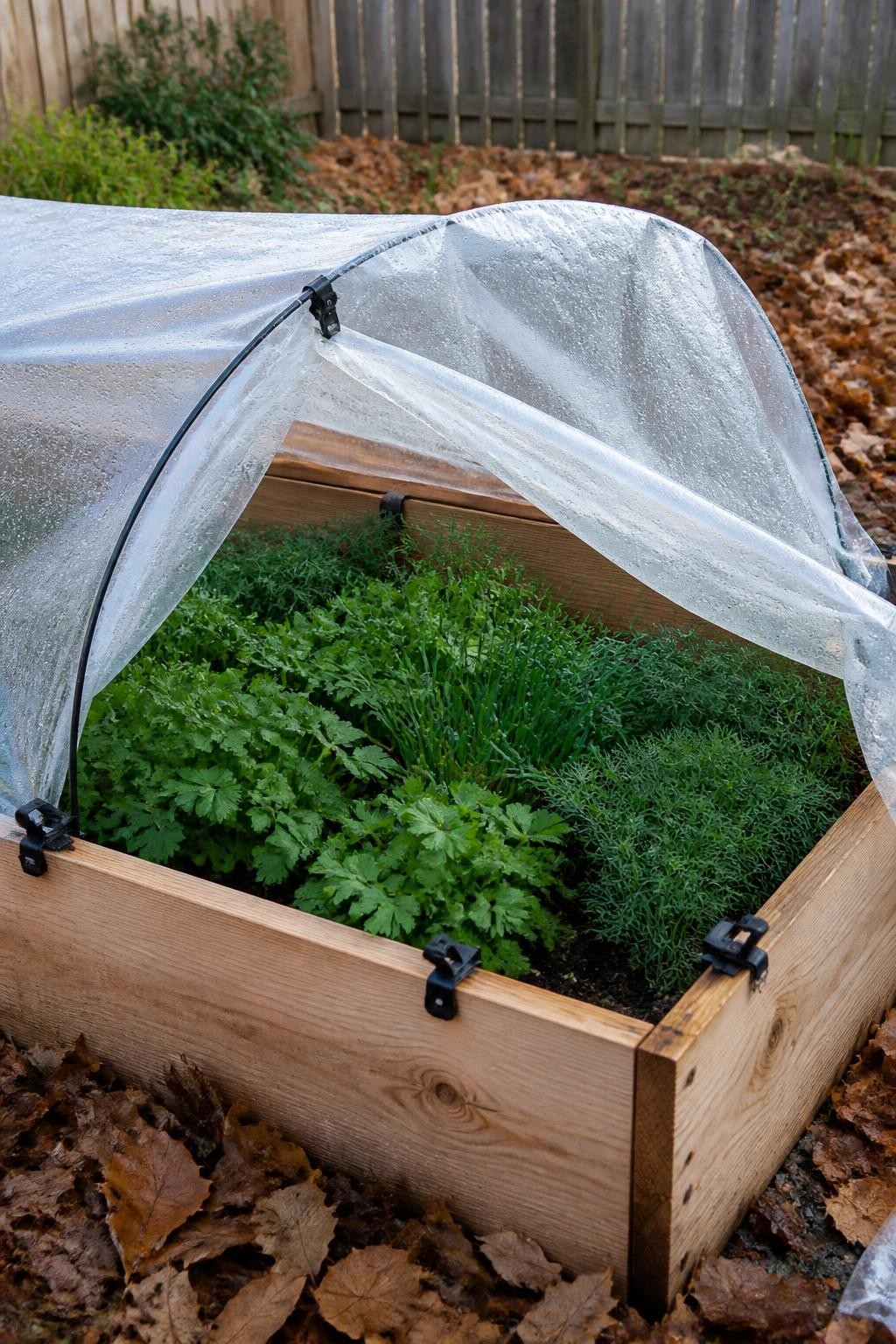
A low tunnel can extend the useful life of herbs such as parsley, cilantro, dill, and chives. Install flexible hoops across a raised bed and cover them with frost cloth or greenhouse plastic. The cover traps some warmth from the soil and protects tender leaves from cold wind and light frost.
Open the tunnel during sunny days because the temperature inside can rise quickly. Close it again before evening when colder weather is expected. Keep the cover high enough that wet plastic does not press against the foliage.
5. Make a Hardy Perennial Herb Corner
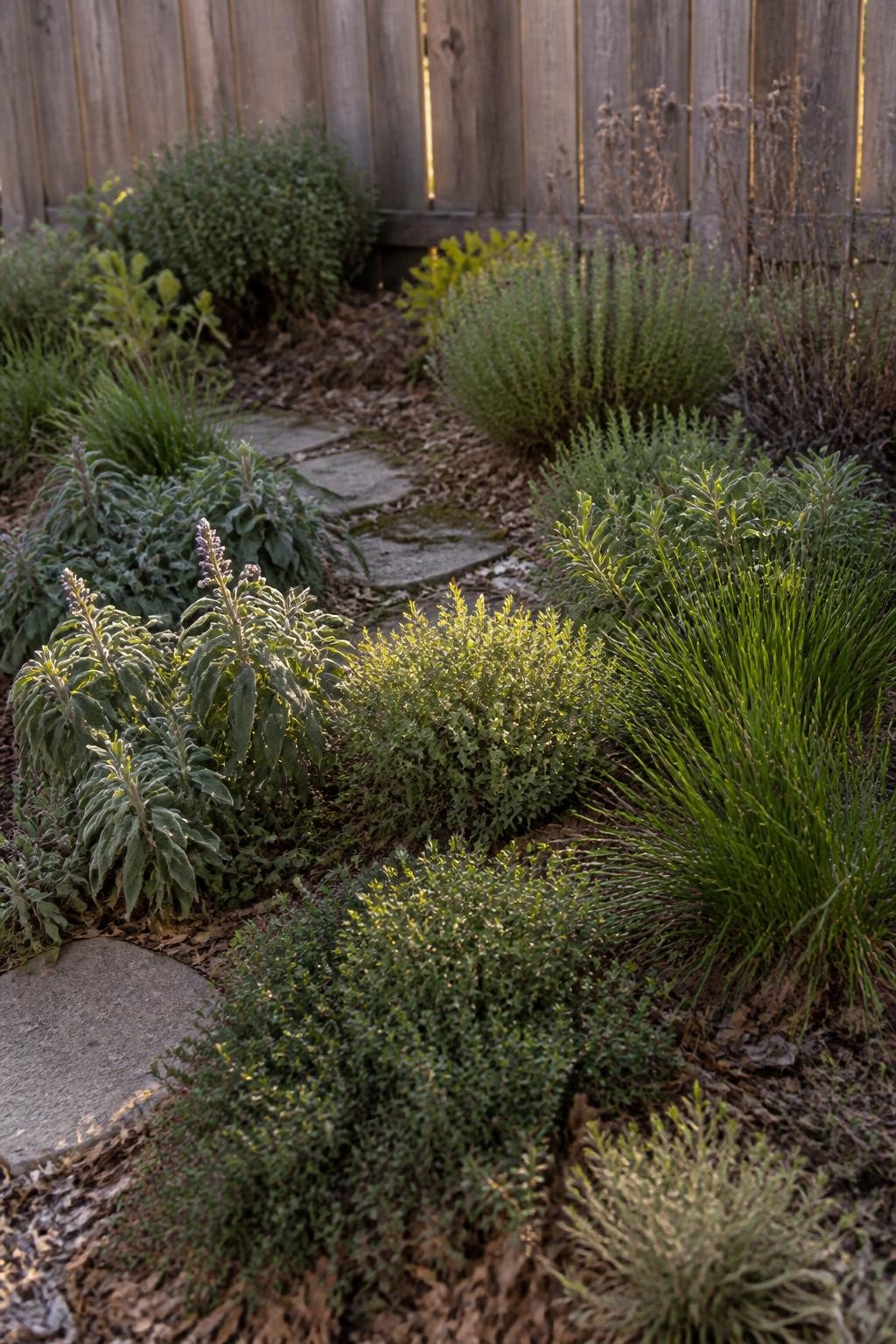
Dedicate one section of the garden to perennial herbs that can return for several years. Thyme, sage, oregano, chives, and winter savory are good choices in many climates. Keeping them together makes seasonal care easier and prevents you from accidentally digging them up when planting annual vegetables.
Choose a sunny area with soil that drains well, especially for thyme and sage. Trim damaged growth, remove weeds, and add a light layer of mulch after the soil cools. Avoid covering the crowns with thick wet leaves because trapped moisture can lead to rot.
6. Grow a Mediterranean Herb Trough
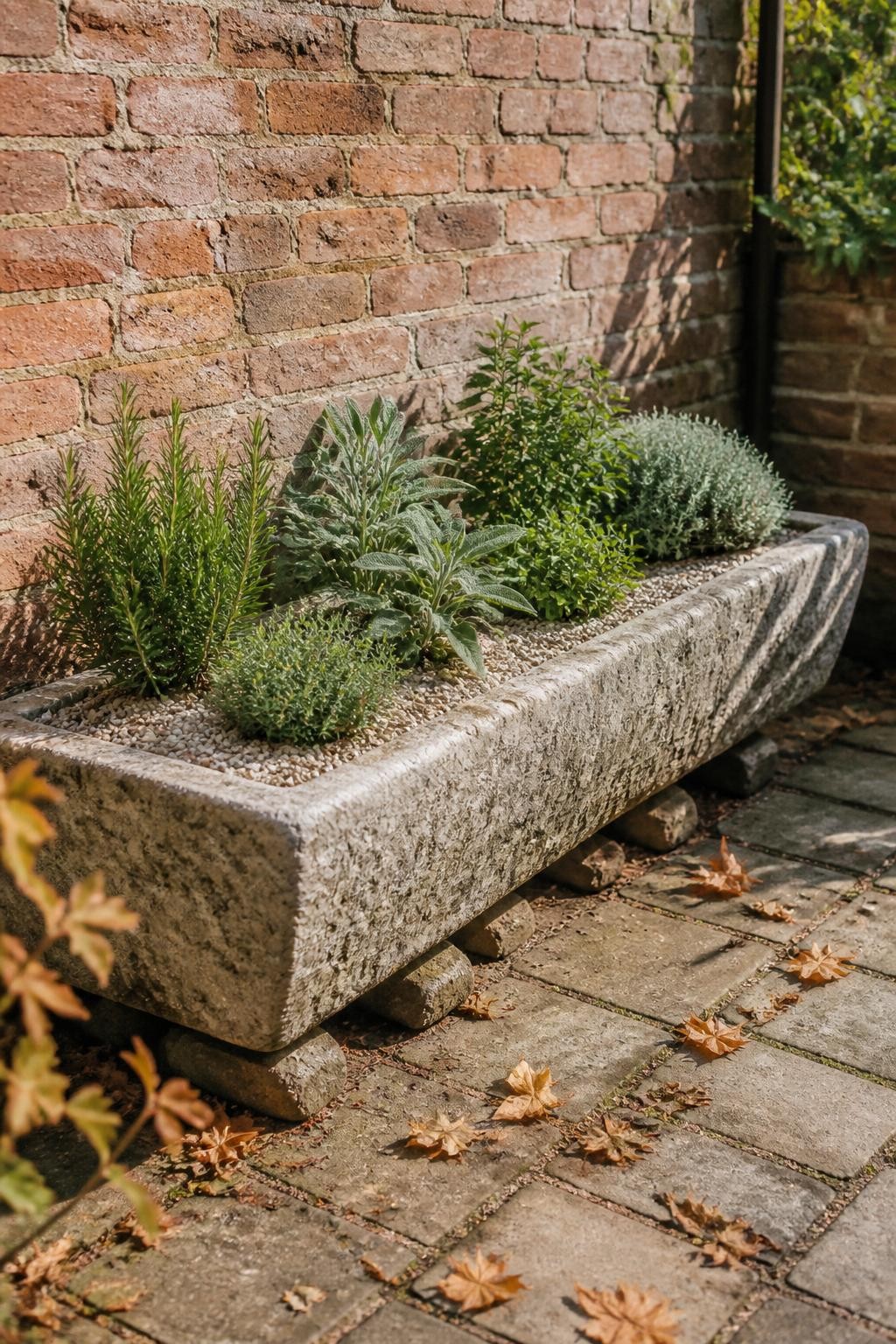
Rosemary, thyme, sage, oregano, and marjoram prefer sunny conditions and soil that does not stay wet. Planting them together in a trough makes it easier to control drainage. It also creates a tidy, fragrant garden that works well on a patio or along a sunny wall.
Mix coarse sand or fine gravel into heavy potting soil, and make sure the container has several drainage holes. Water deeply, then let the upper soil dry before watering again. In cold climates, move the trough into a sheltered bright area or protect tender rosemary before hard freezes.
7. Keep Mint in Its Own Container
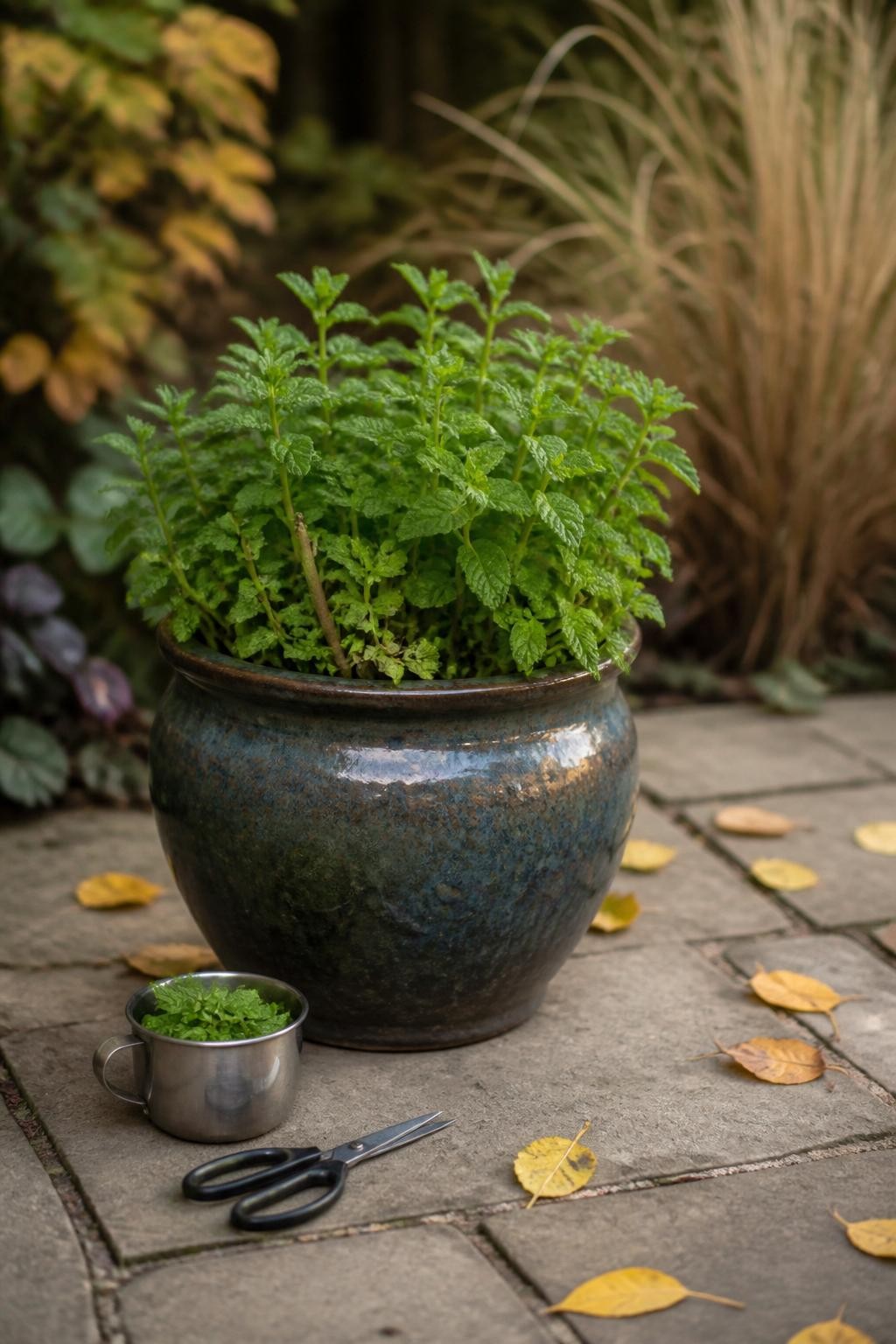
Mint can remain productive in cool weather, but it spreads quickly when planted directly in a garden bed. Keep it in a separate container so its underground runners cannot take over nearby spaces. Peppermint, spearmint, and apple mint are all useful options.
Trim long stems regularly and remove any flowers if you want the plant to focus on leafy growth. Water when the surface begins to feel dry. In very cold areas, move the pot against a protected wall or place it in an unheated garage after the plant becomes dormant.
8. Add a Chive Border Around a Raised Bed
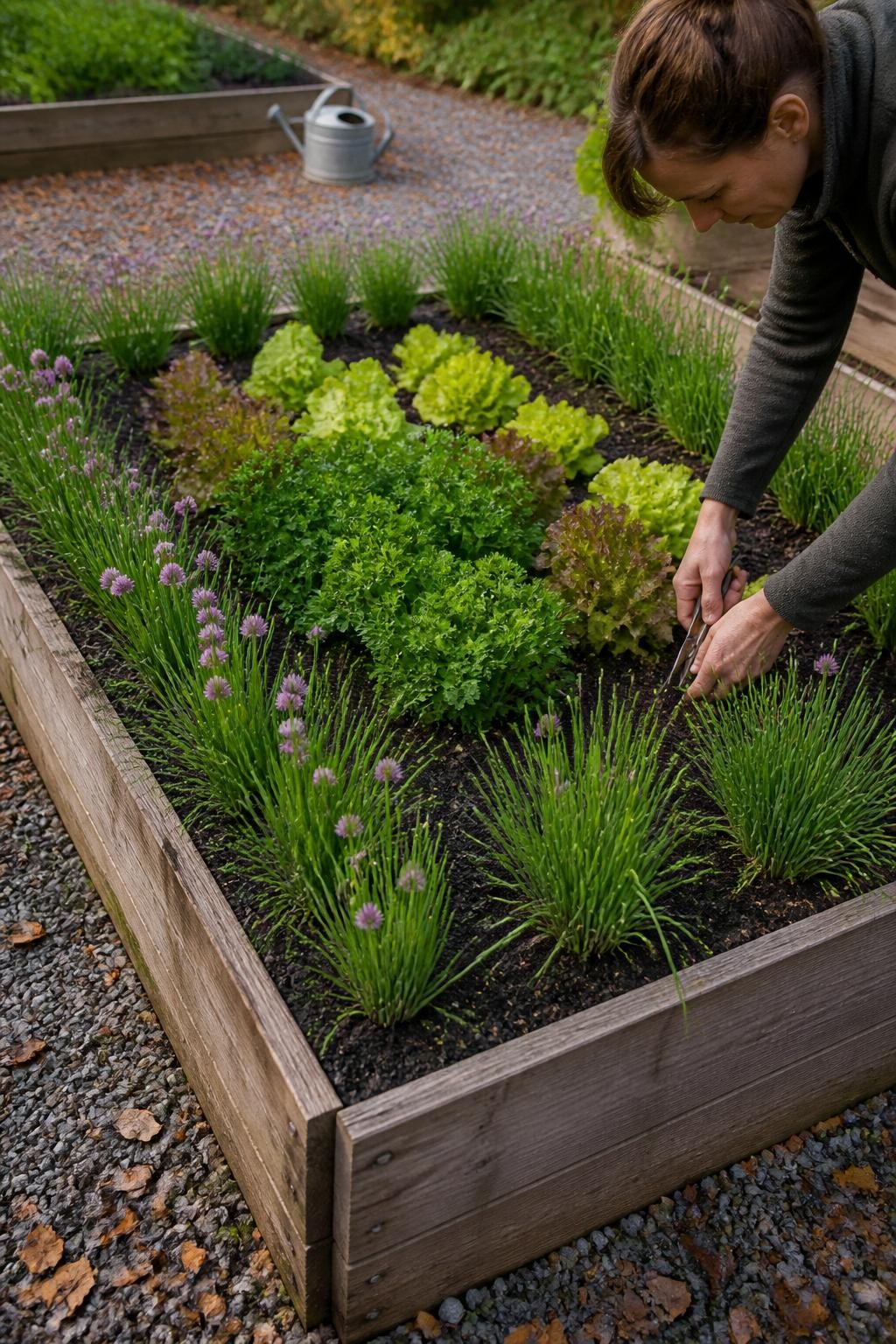
Chives form compact clumps that fit neatly around the edge of a raised bed. They take up little space, return in many climates, and produce leaves that can be cut whenever needed. Their flowers also attract pollinators when the plants are allowed to bloom.
Plant the clumps several inches back from the wooden edge so they have room to widen. Cut leaves close to the base rather than trimming only the tips. Divide crowded clumps every few years and replant the strongest sections elsewhere in the garden.
9. Start a Fall Dill Patch
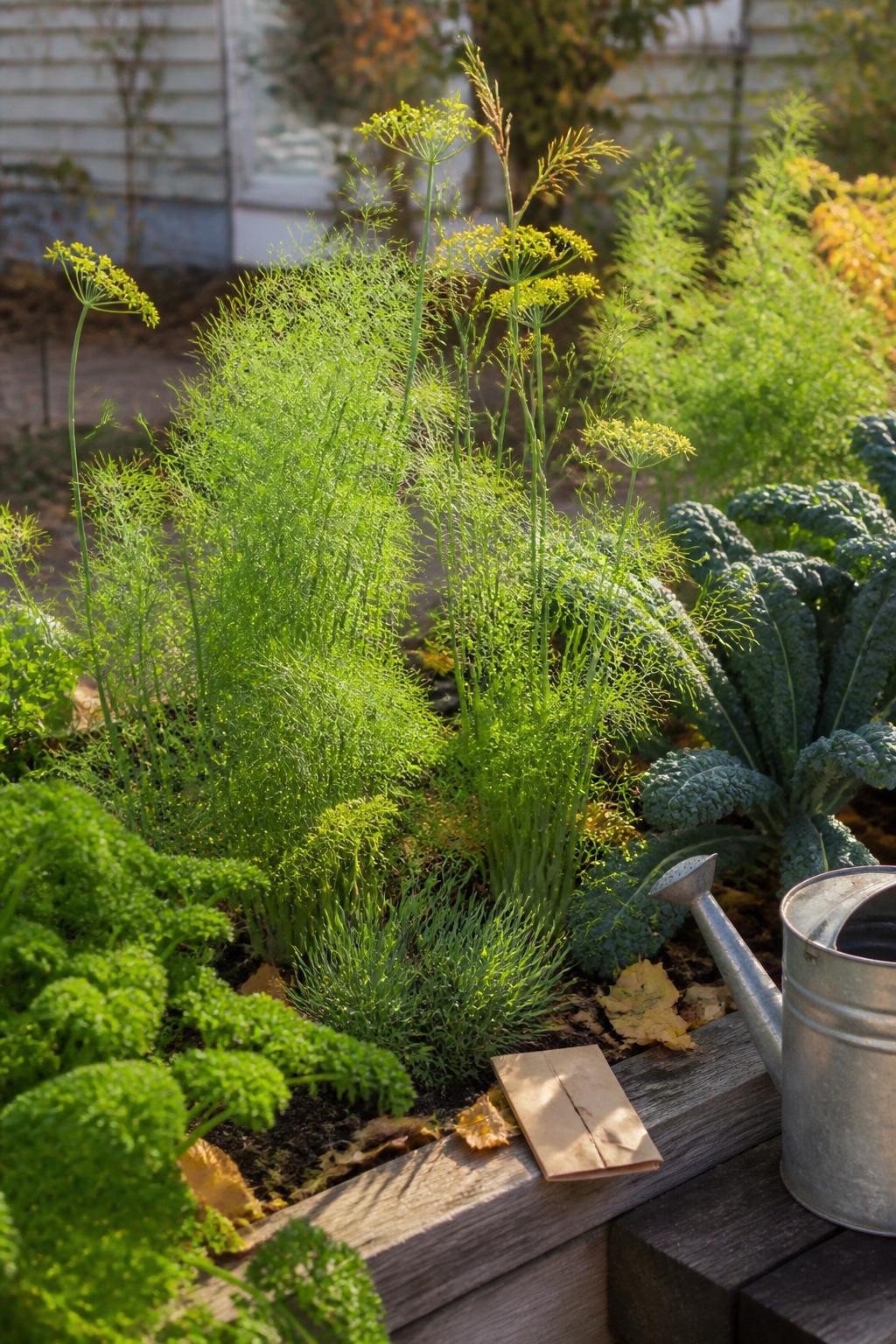
Dill prefers cooler conditions and can grow quickly from seed in fall. Sow it directly into the garden because young dill plants do not always enjoy being transplanted. Plant small batches a few weeks apart if your autumn season is long enough.
Harvest the soft outer leaves while the plants are young, or allow selected stems to flower and form seeds. Dill flowers are useful for beneficial insects, while the seeds can be saved for cooking. Taller varieties may need a small stake if fall winds are strong.
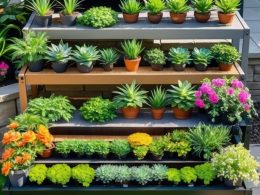
10. Prepare an Indoor Herb Transition Shelf
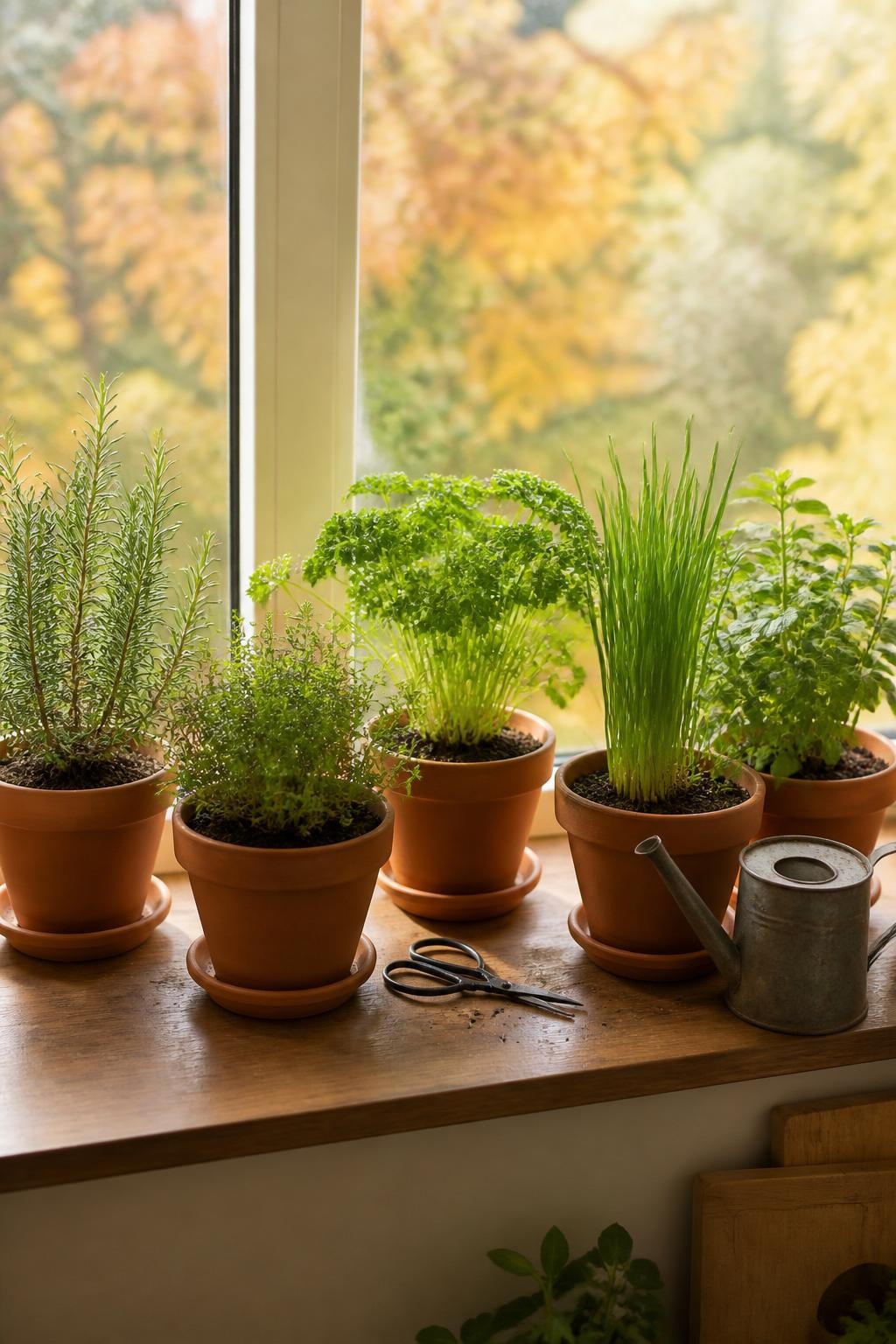
Tender or container-grown herbs can be moved indoors before damaging frost arrives. Start with healthy plants such as rosemary, thyme, parsley, chives, or oregano. Inspect the leaves and soil carefully for insects before bringing the pots into the house.
Place the herbs beside the brightest window available and turn the pots every few days. Indoor plants usually need less water than they did outside, so check the soil before watering. Trim lightly and avoid removing more than one-third of the plant at a time.
11. Take Herb Cuttings Before the First Frost
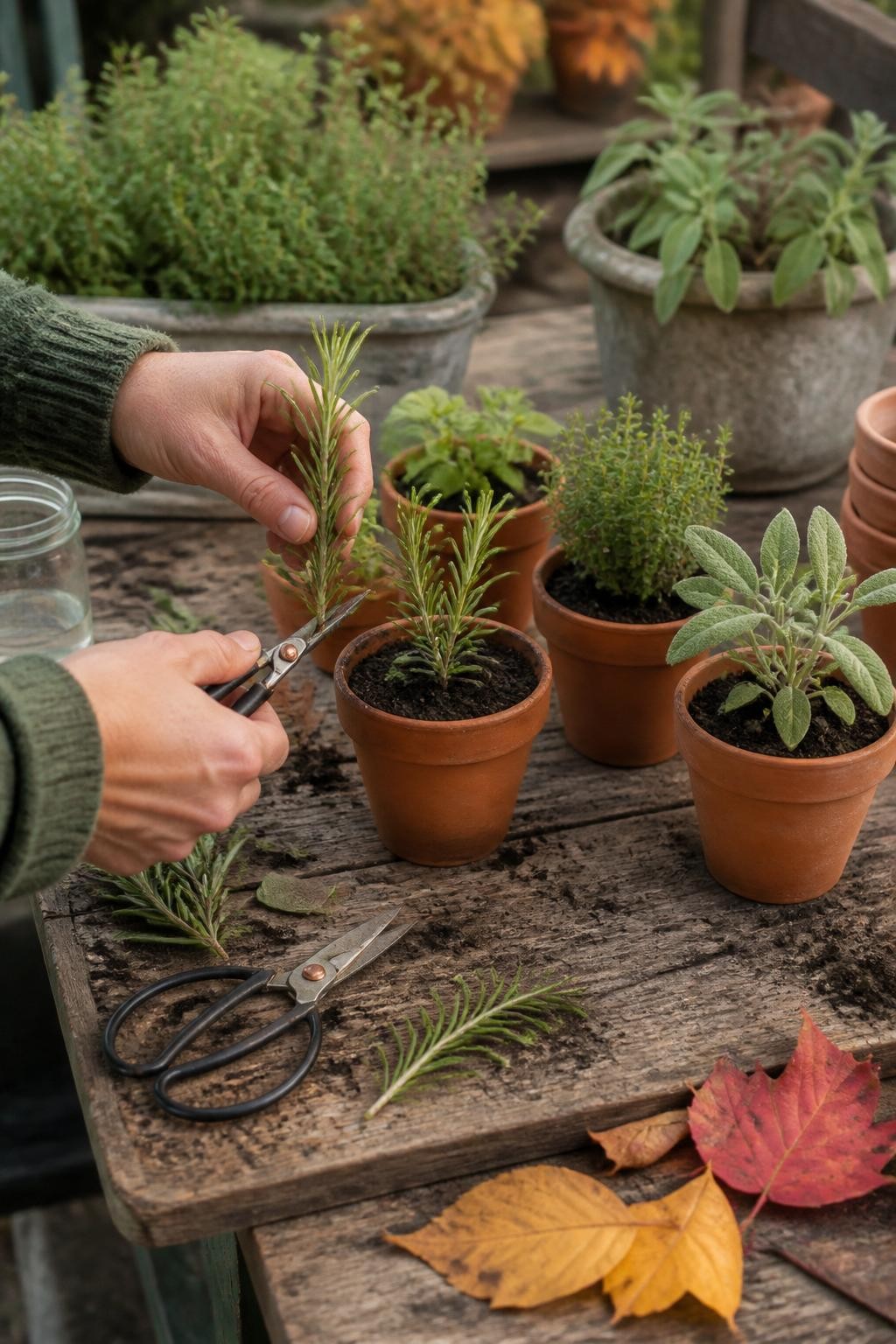
Taking cuttings lets you keep favorite herbs even when the outdoor plants may not survive winter. Snip healthy non-flowering stems from rosemary, sage, thyme, or oregano. Remove the lower leaves and place each cutting in moist potting mix or water, depending on the herb.
Keep the cuttings in bright indirect light and maintain light moisture without soaking the soil. Several cuttings may fail, so start more than you think you need. Once roots form, move each successful cutting into its own small container.
12. Let Selected Herbs Flower for Pollinators
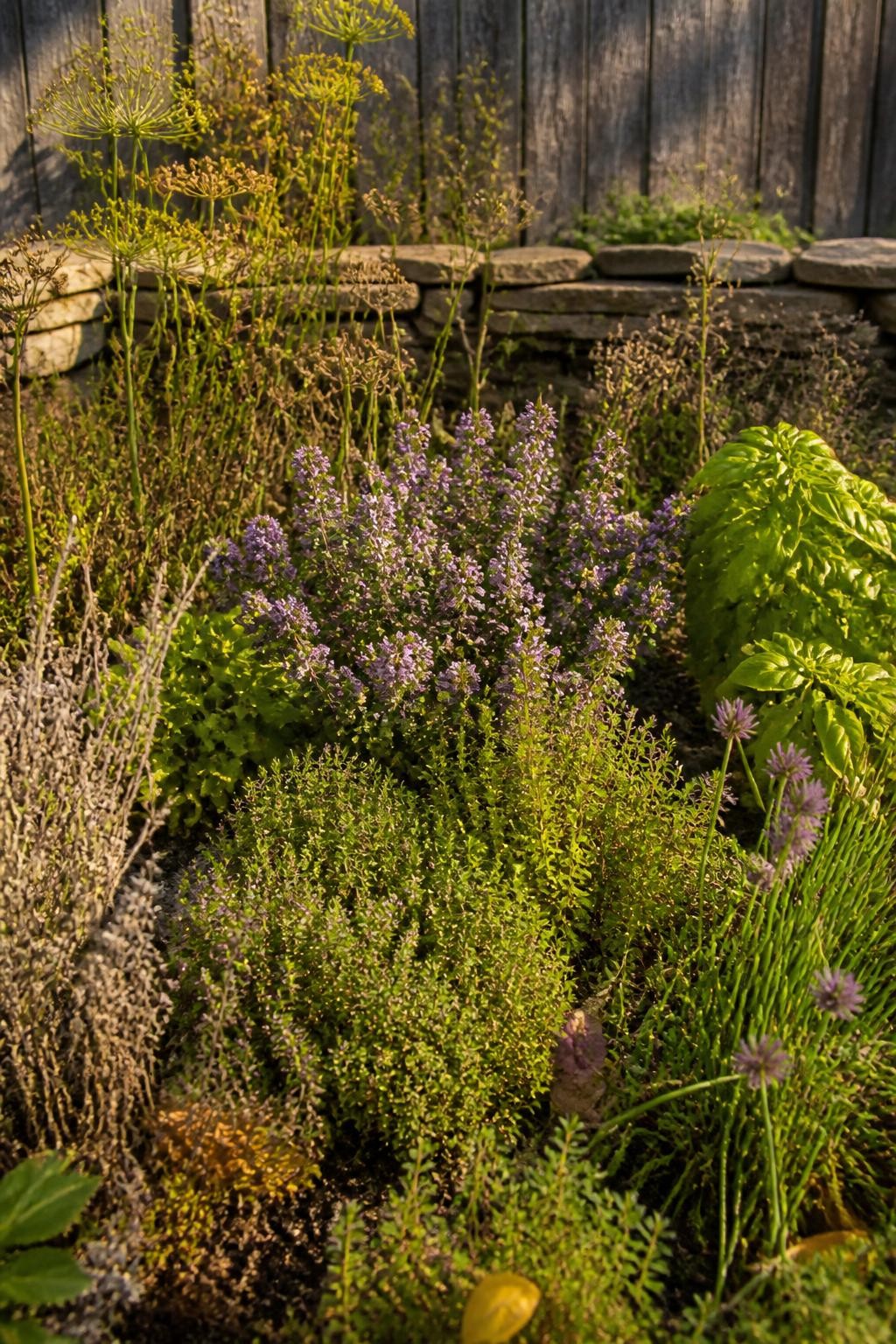
You do not have to cut every herb back as soon as it begins to flower. Oregano, thyme, dill, chives, and late basil blooms can provide food for bees and other beneficial insects when fewer garden flowers are available.
Leave a selected section in bloom while continuing to harvest from other plants. Remove diseased growth and unwanted seedlings, but allow some healthy flowers to form seeds. This creates a more useful garden while giving you possible volunteer plants the following season.