




In This Article Show
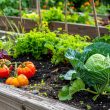
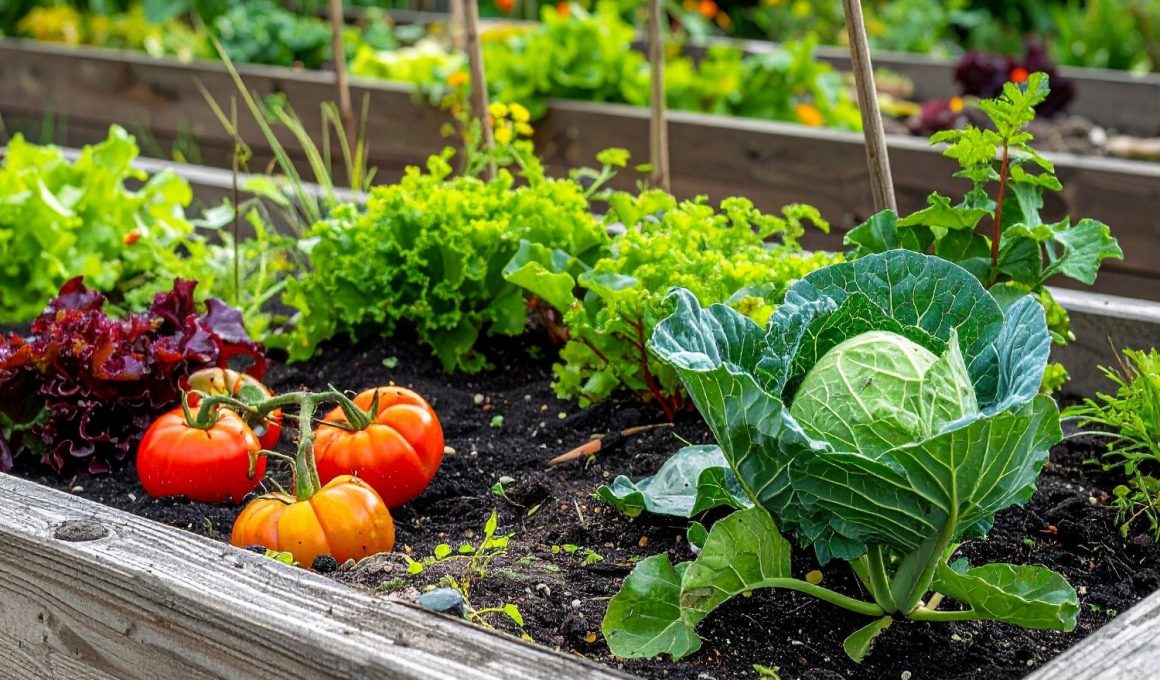
Fall is a great time to get more use from raised garden beds. The cooler weather reduces stress on many crops, the soil stays easier to work, and empty spaces left by summer vegetables can quickly become productive again. With the right planting choices, a raised bed can supply fresh greens, herbs, roots, and flowers long after the main growing season begins to slow down.
This is also the best season to improve tired soil, prepare crops for winter, and organize beds before spring becomes busy. These raised bed ideas focus on practical projects that can extend your harvest, protect the soil, and make next year’s garden easier to manage.
1. Plant a Cut-and-Come-Again Salad Bed
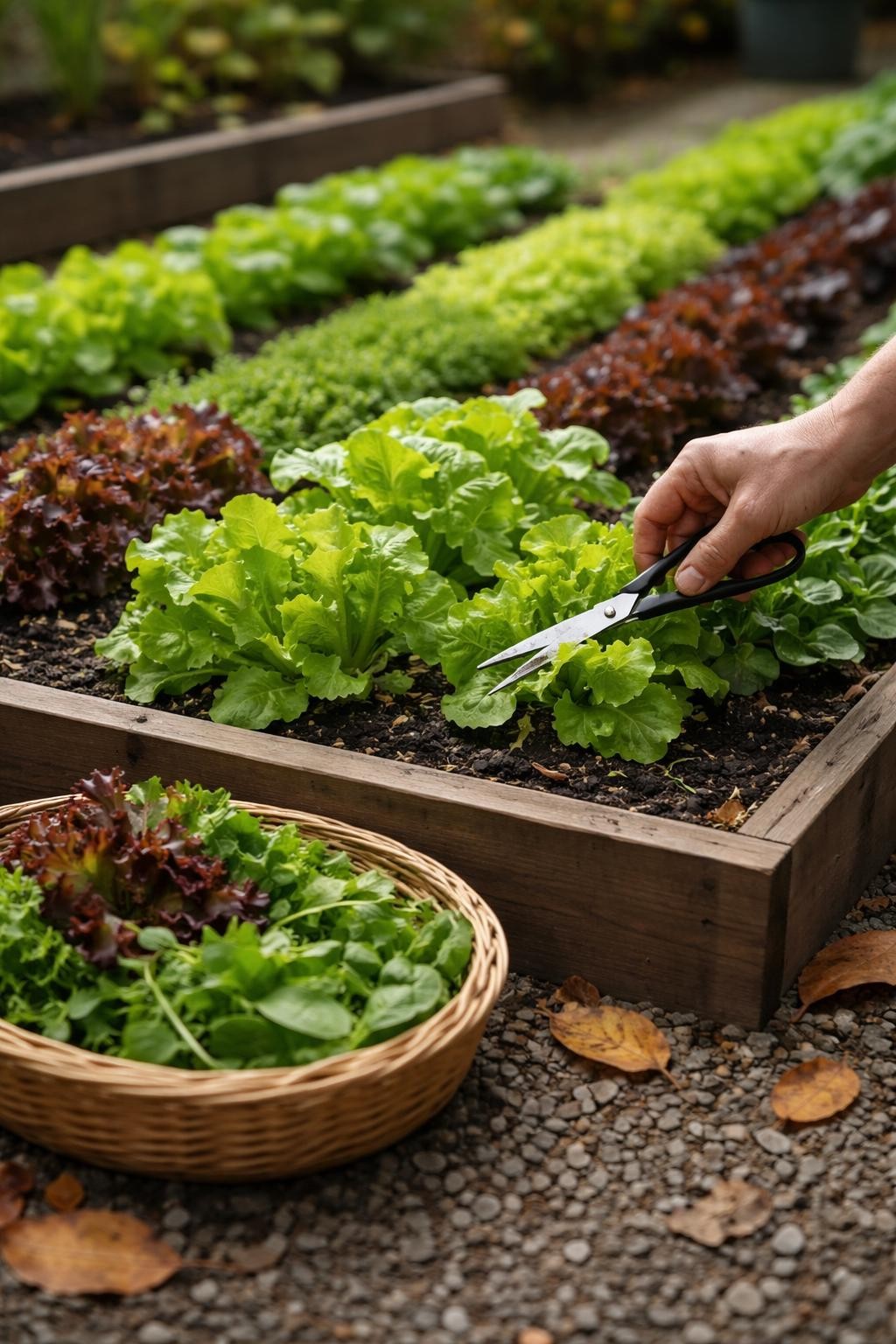
Use an empty raised bed to grow a steady supply of salad greens instead of letting it sit bare after summer. Lettuce, spinach, arugula, mustard greens, and baby kale all grow well in cool weather. Sow the seeds in short rows or loose blocks, leaving enough space to reach each area without stepping into the bed.
Harvest the larger outer leaves while leaving the center of each plant untouched. This allows the greens to keep producing for several weeks. Sow another small section every seven to ten days so the entire crop does not become ready at the same time.
2. Create a Neatly Spaced Garlic and Shallot Bed
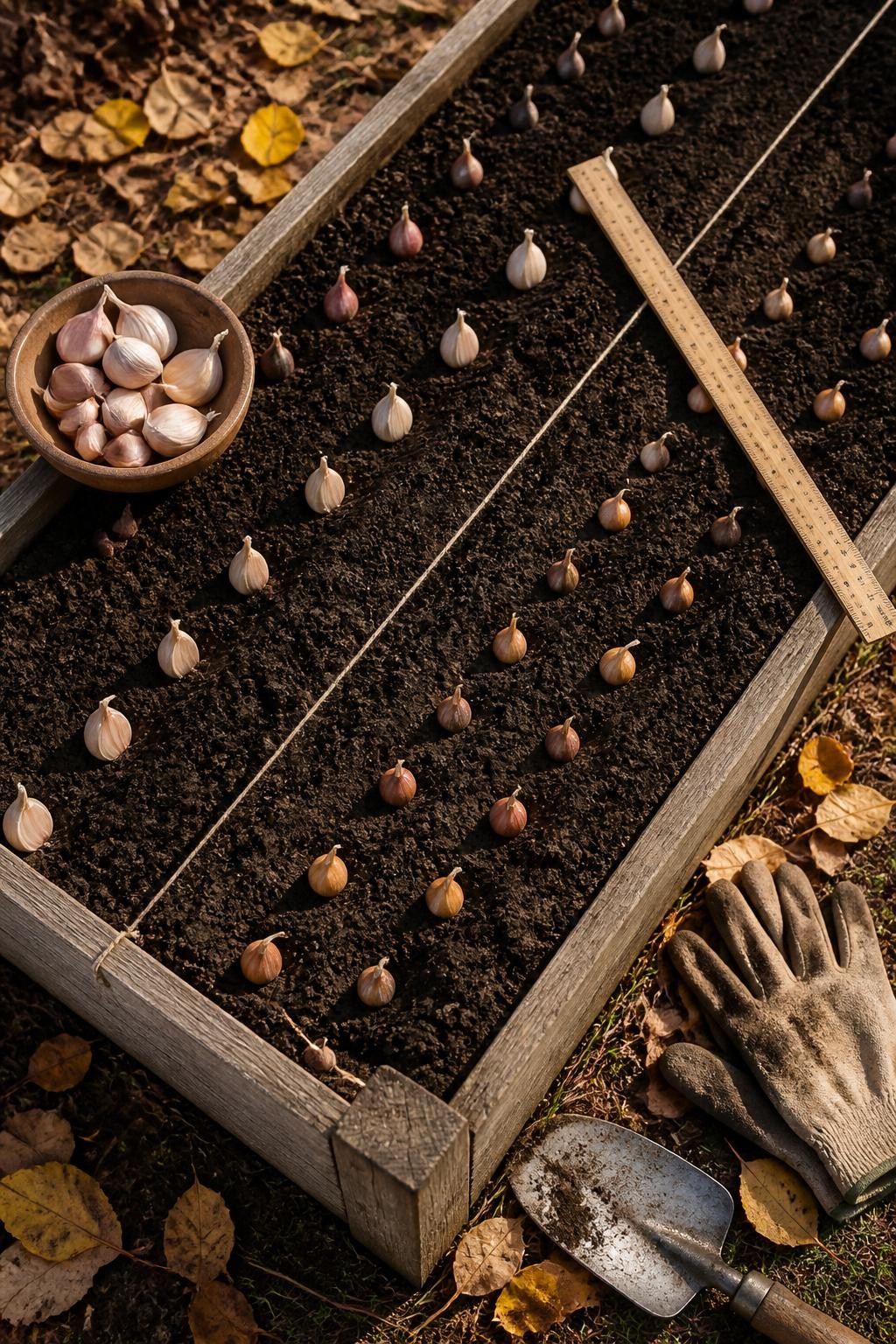
Garlic and shallots are useful crops to plant in fall because they spend winter developing roots before growing strongly in spring. Mark straight rows or a simple grid across the raised bed so each plant has enough room. Garlic cloves are usually planted a few inches deep, while shallot sets sit closer to the soil surface.
Choose the largest healthy cloves for planting and keep the pointed side facing upward. After planting, cover the soil with a loose layer of straw or shredded leaves. The mulch protects the bed from temperature changes, reduces weeds, and helps the soil retain steady moisture.
3. Grow a Fast Root Vegetable Bed
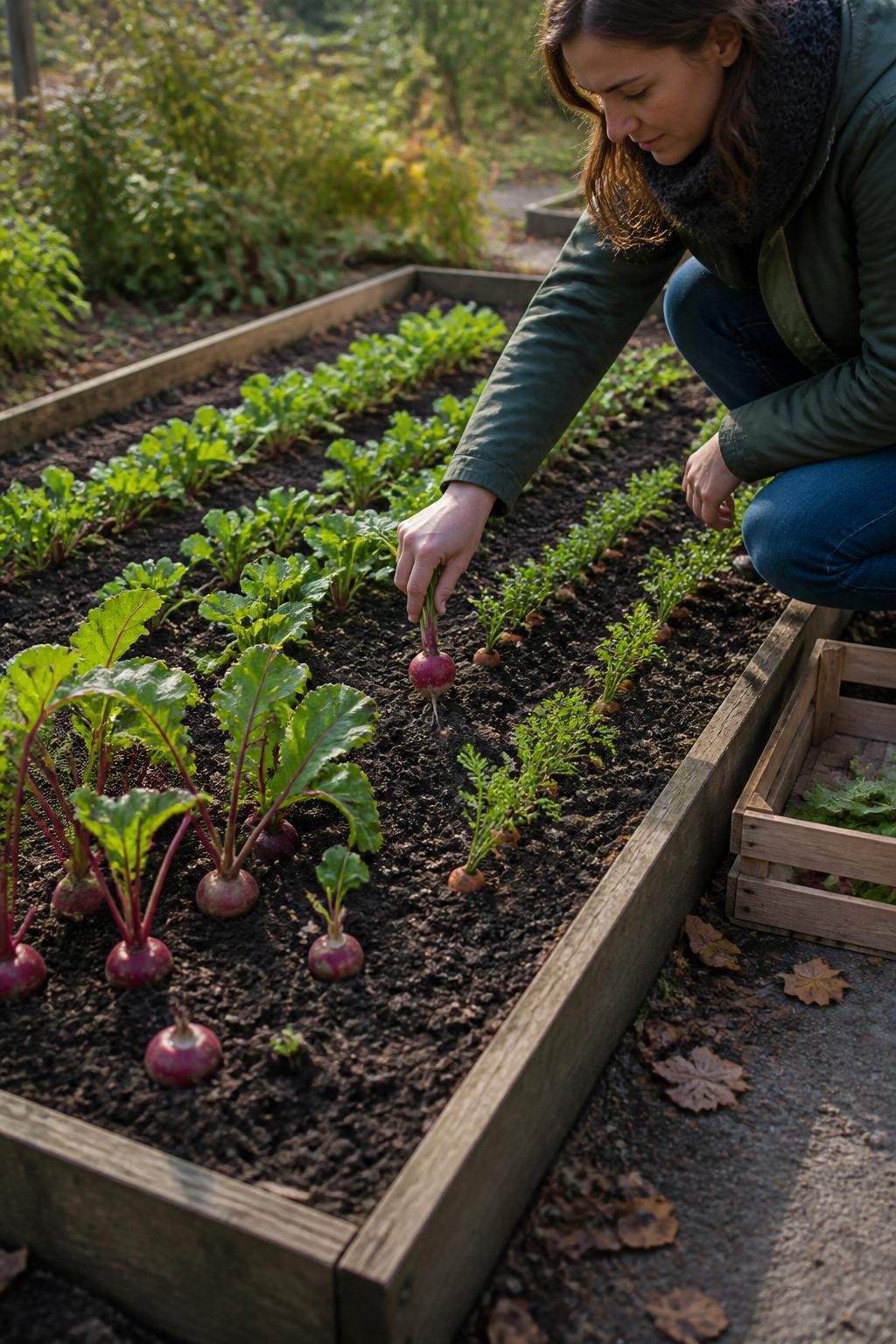
Radishes, baby beets, small turnips, and quick-growing carrot varieties can make good use of a fall raised bed. The loose soil in raised beds helps roots grow straight and makes harvesting easier. Choose shorter or faster-maturing varieties when the first frost date is approaching.
Thin the seedlings early so the roots do not become crowded. Radishes may be ready first, leaving extra room for the slower crops around them. Cover the bed with lightweight fabric if birds or insects disturb new seedlings, and keep the soil evenly moist so roots do not become tough or split.
4. Add a Low Hoop Tunnel for a Longer Harvest
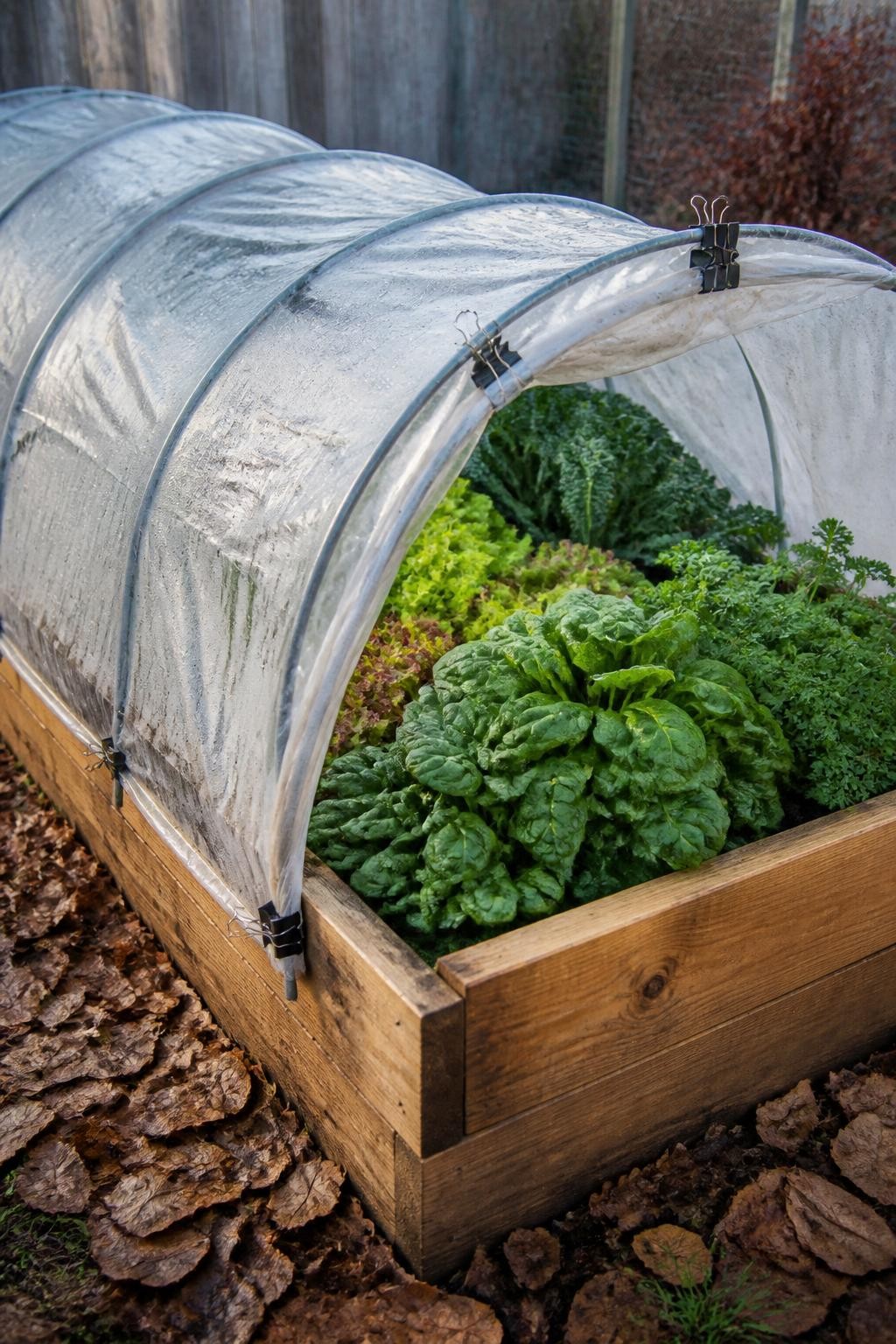
A low hoop tunnel can keep a raised bed productive when temperatures begin to drop. Insert flexible hoops along the sides of the bed and cover them with frost cloth or clear greenhouse plastic. This creates a protected pocket of warmer air around leafy greens, herbs, and other cold-tolerant crops.
Secure the covering firmly so wind cannot pull it loose, but make one side easy to open for harvesting and ventilation. Plastic-covered beds can heat up quickly on sunny days, even when the air feels cold. Open the ends or lift a side whenever the inside becomes too warm.
5. Refresh the Soil with Compost and Shredded Leaves
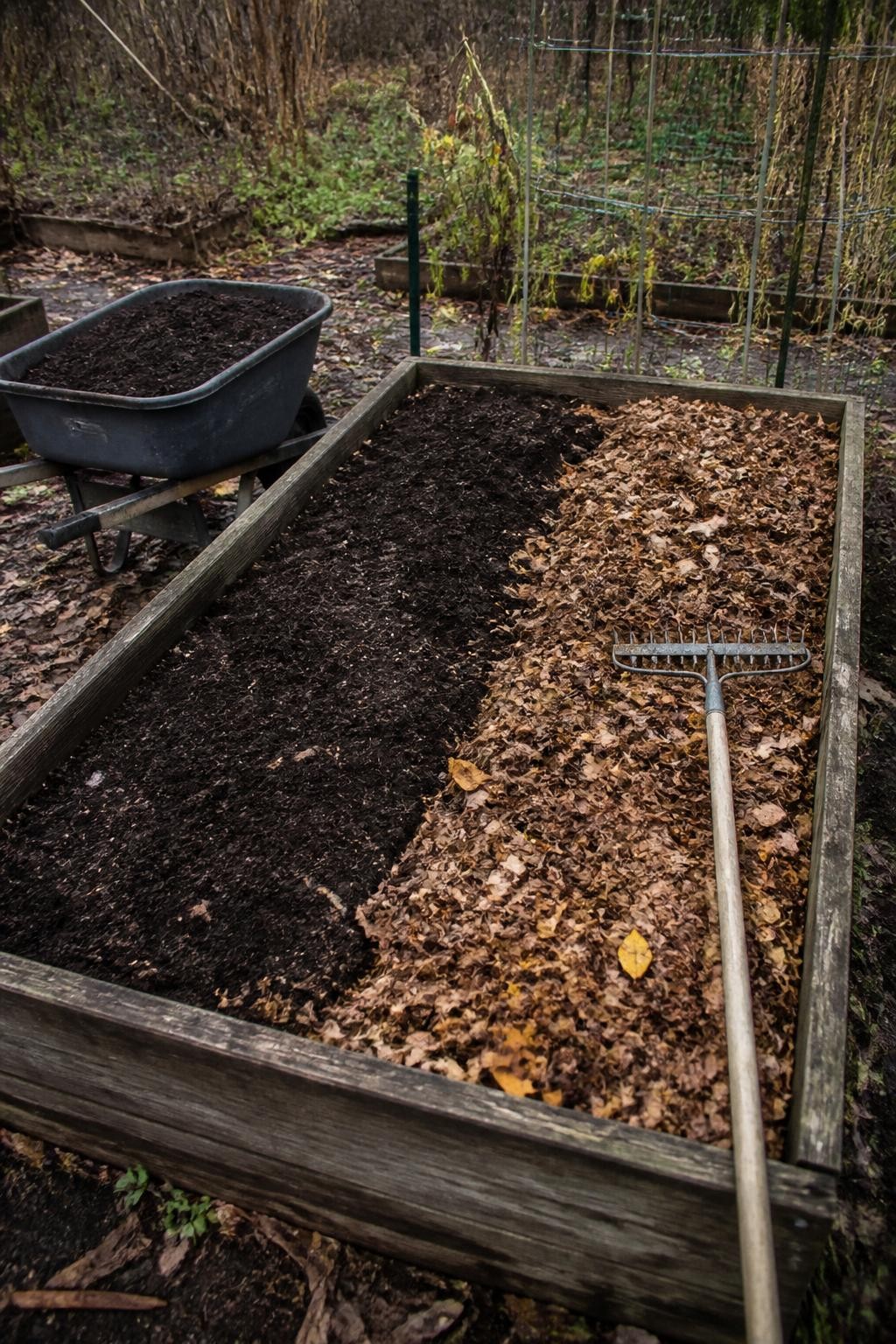
After removing summer plants, spread finished compost across the surface of the raised bed. There is usually no need to dig it deeply into the soil. Rain, worms, and normal soil activity will gradually move the organic material downward while keeping the soil structure intact.
Cover the compost with a thin layer of shredded leaves to protect the bed from erosion and winter weeds. Shredded leaves settle more evenly than whole leaves and break down faster. Move the mulch aside when planting, or leave a light layer in place around established crops.
6. Sow a Winter Cover Crop
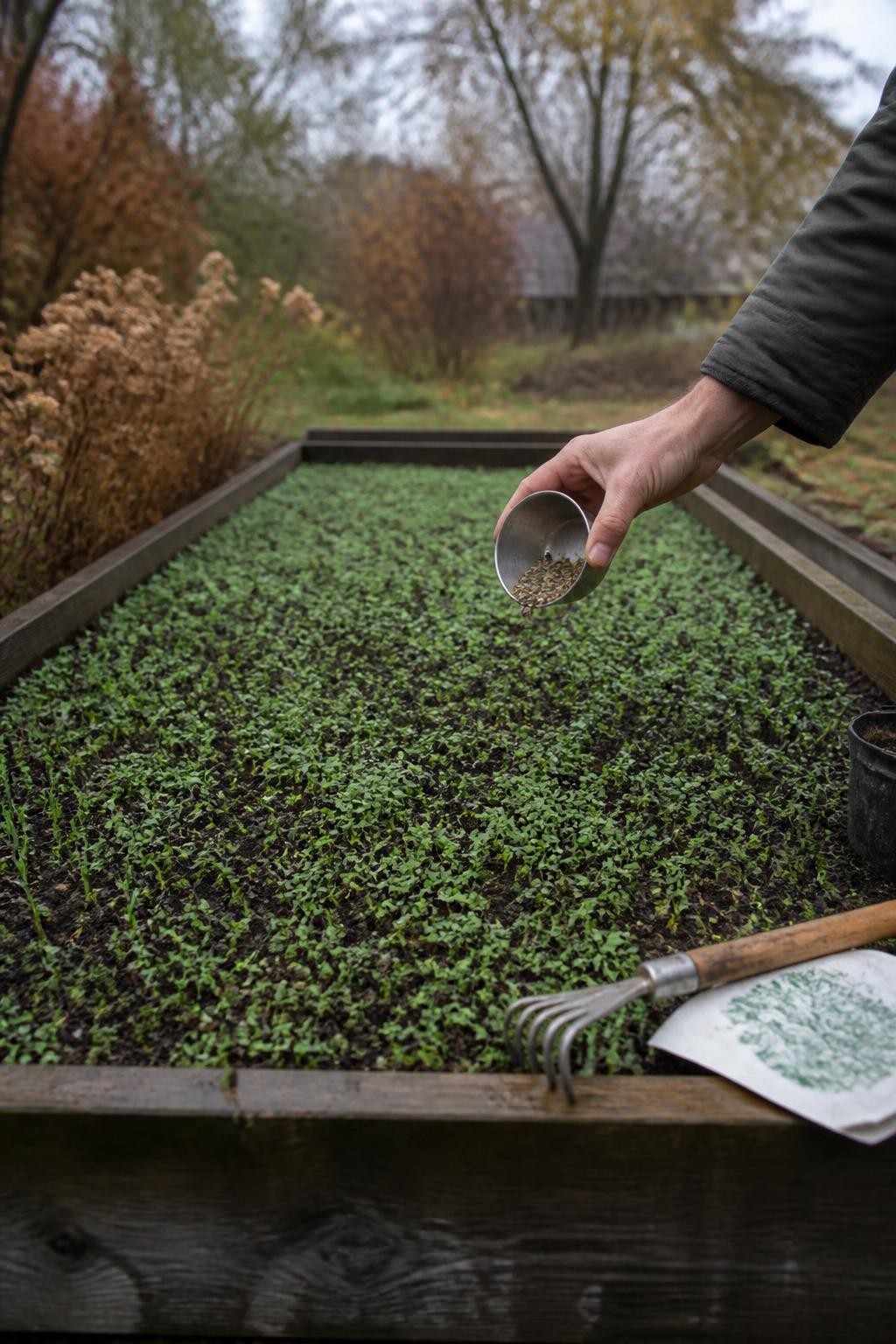
A cover crop protects empty raised beds from heavy rain, nutrient loss, and weed growth. Crimson clover, oats, winter rye, field peas, and hairy vetch are common choices, but the best option depends on your climate and when you plan to use the bed again.
Scatter the seed evenly, rake it lightly into the surface, and water until the seedlings become established. Some cover crops die naturally after a hard freeze, while others survive winter. Cut winter-hardy crops down before they set seed and several weeks before you want to plant spring vegetables.
7. Build a Cool-Season Herb Bed
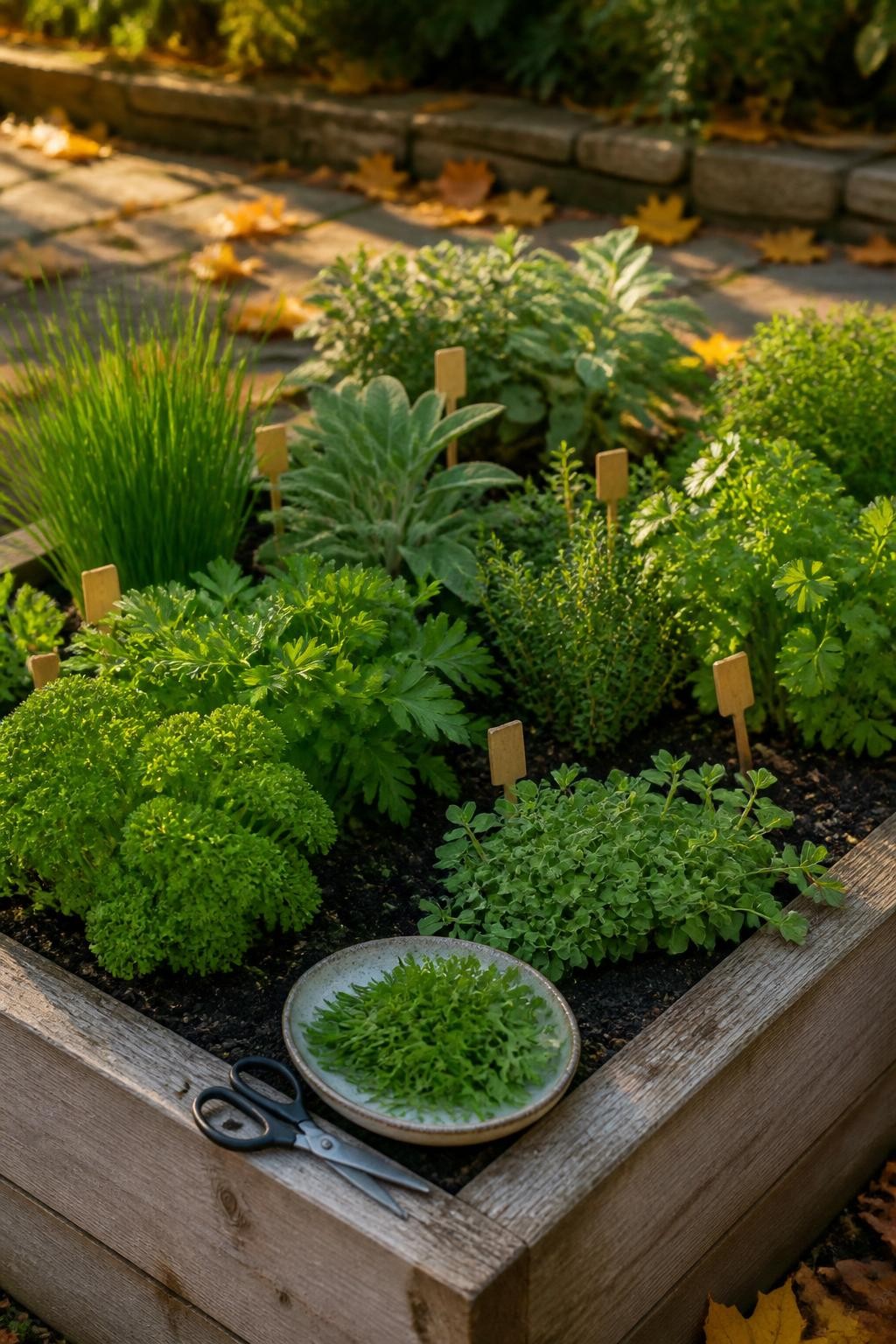
A raised bed close to the kitchen is a useful place for herbs that prefer cooler weather. Parsley, cilantro, chives, thyme, sage, and oregano can remain productive well into fall. Group herbs with similar moisture needs together so watering is easier to manage.
Harvest lightly and often to encourage new growth. Cilantro can be sown every few weeks because it grows quickly, while perennial herbs such as thyme and sage can remain in the bed for several seasons. Add a loose mulch around the plants once the weather becomes consistently cold.
8. Train Fall Peas on a Simple Trellis
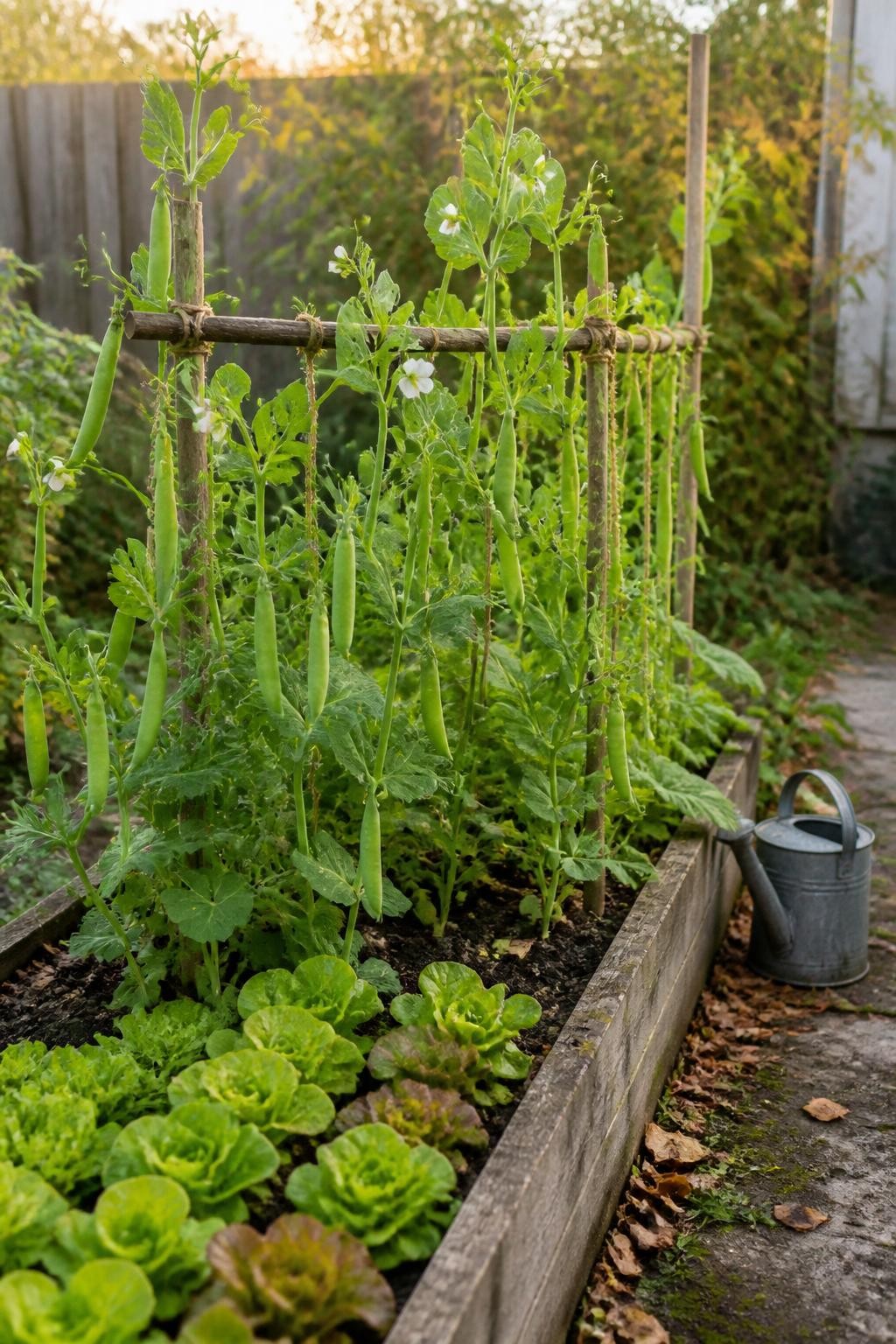
Gardeners in mild climates can grow sugar snap peas or snow peas as a fall crop. Install the trellis before sowing so young roots are not disturbed later. Place the peas along the back or north side of the raised bed, where they will not shade shorter vegetables too heavily.
Guide the young tendrils onto netting, twine, or wire as the vines grow. Lettuce, radishes, or spinach can be planted along the front of the bed while the peas climb upward. In colder areas, plant peas early enough to mature before regular hard freezes begin.
9. Start or Renovate a Strawberry Raised Bed
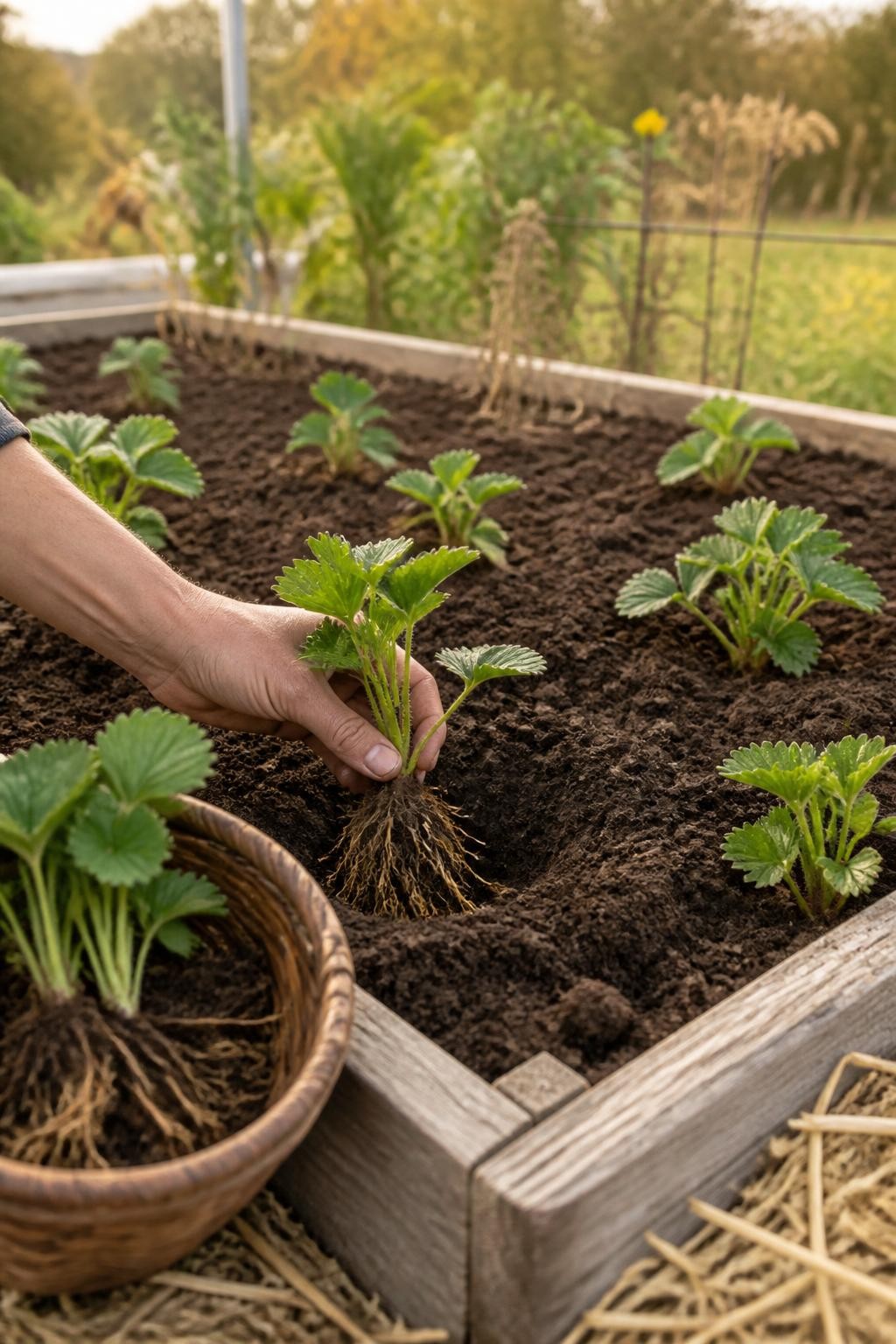
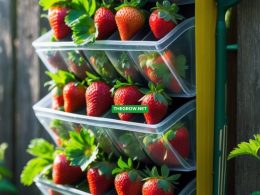
Fall can be a good time to plant strawberries in regions where winters are not extremely harsh. The plants have time to develop roots before spring growth begins. Space them far enough apart for runners and keep the crown level with the soil rather than burying it.
Existing strawberry beds can also be cleaned up in fall. Remove dead leaves, unwanted runners, and crowded weak plants while keeping the strongest crowns. Add compost around the plants and cover the bed with clean straw after the ground becomes cold.
10. Add a Pollinator Flower Border Around Vegetables
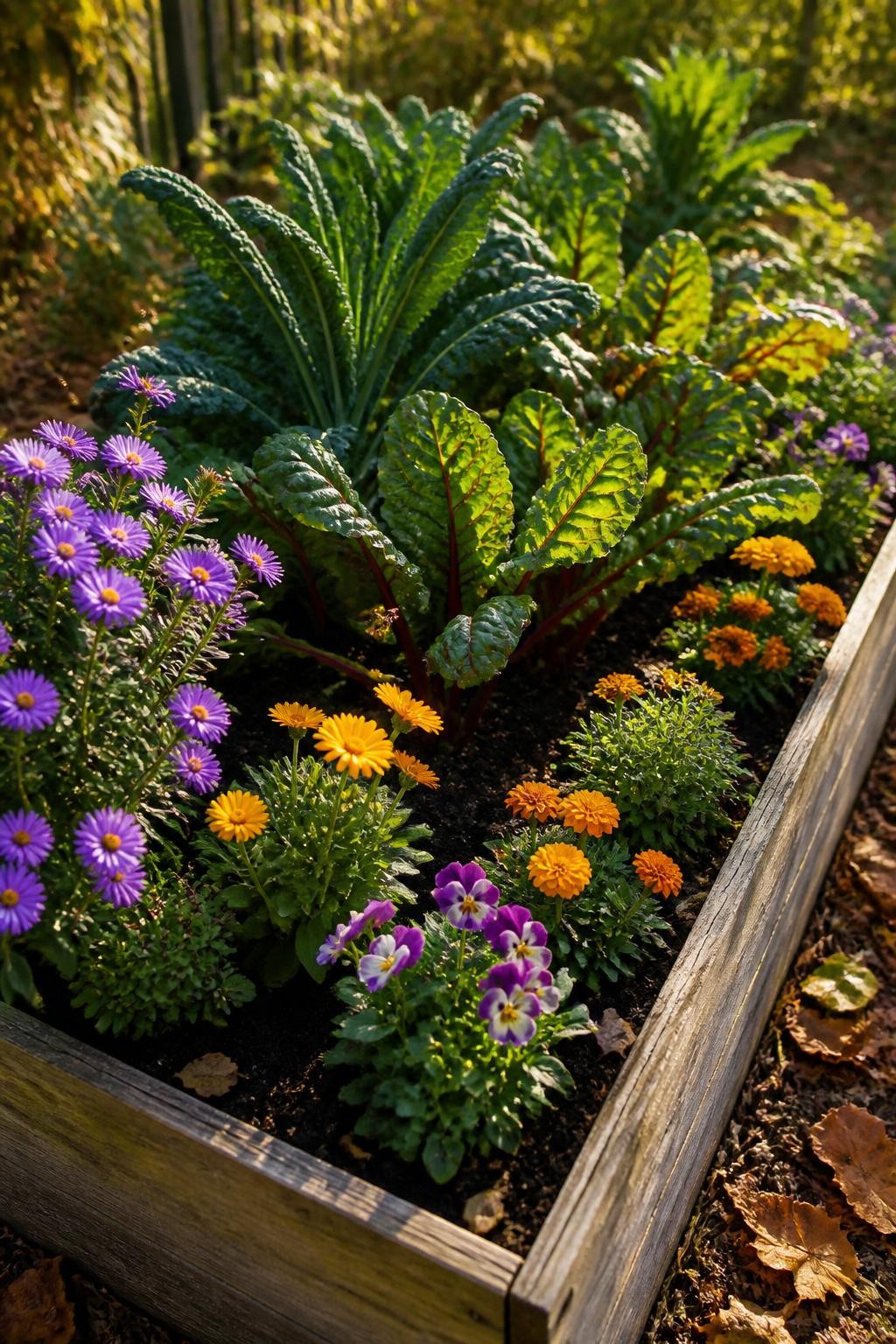
Planting flowers around the edges of a raised bed adds color while helping attract late-season pollinators. Asters, calendula, violas, alyssum, and compact marigolds can fit into corners or narrow spaces without taking over the main vegetable area.
Choose low-growing flowers for the front edge and place taller ones where they will not shade crops. Avoid overcrowding, since good air movement is still important. Some flowers, such as calendula and violas, can also self-seed and return when conditions are right.
11. Divide One Bed into Four Useful Fall Zones
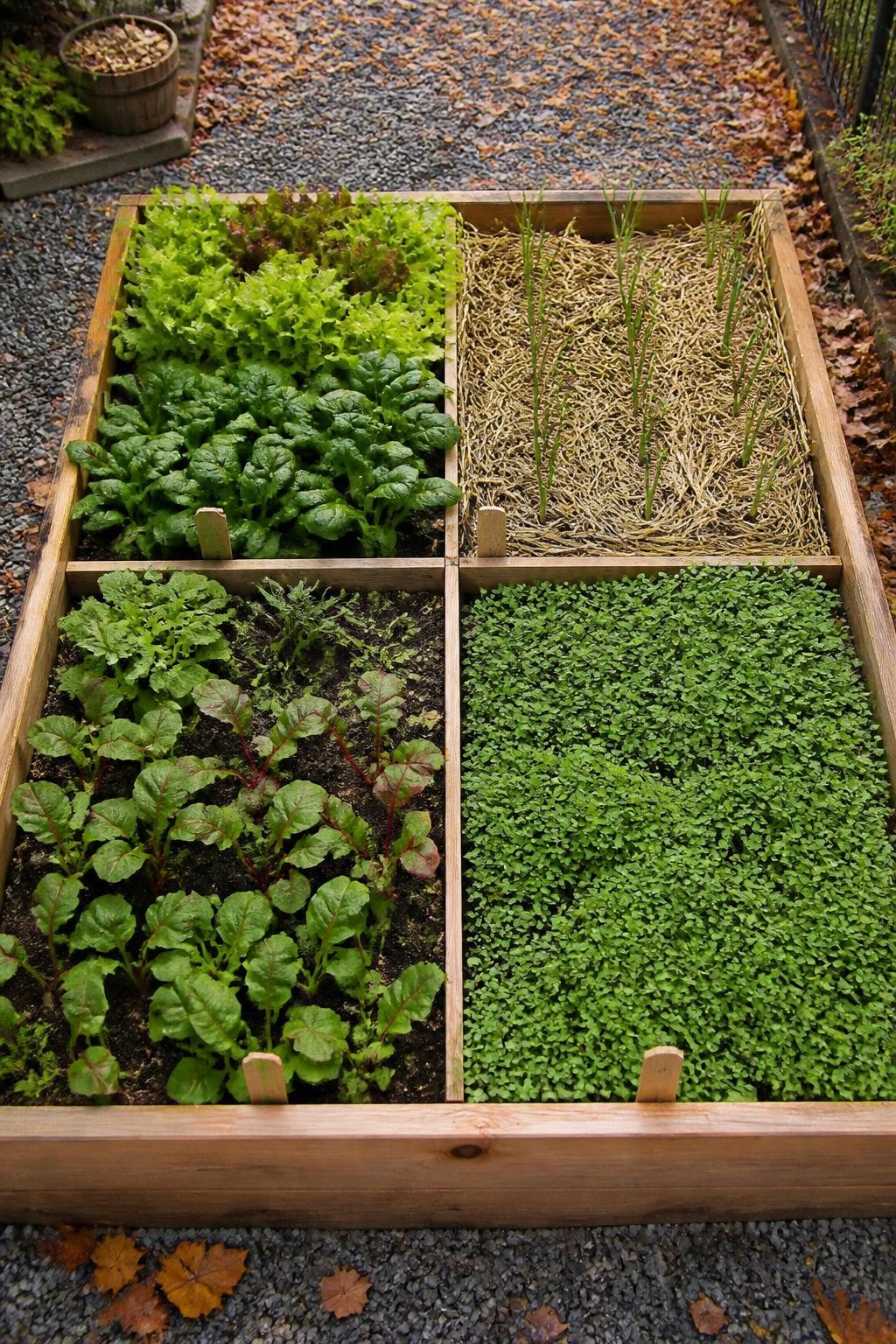
Dividing one large raised bed into smaller zones makes it easier to grow crops with different needs. One section can hold quick salad greens, another can contain garlic, a third can be used for root vegetables, and the final section can grow a cover crop or hold compost until spring.
Use narrow wooden strips, garden twine, or simple markers to define each area. Keep a basic note of planting dates and expected harvest times so you know when each section becomes available. This approach is especially useful in small gardens where every part of the raised bed needs to serve a clear purpose.