






In This Article Show
Fall gardens don’t have to fade into browns and grays. With the right flowers, you can enjoy bursts of color and texture right up until frost. Some flowers bloom in fall, others get a head start now and bloom in early spring.

Either way, planting in fall gives your garden a beautiful boost—and helps bees and pollinators too.
Here are 15 of the best flowers to plant in your fall garden.
1. Mums (Chrysanthemums)
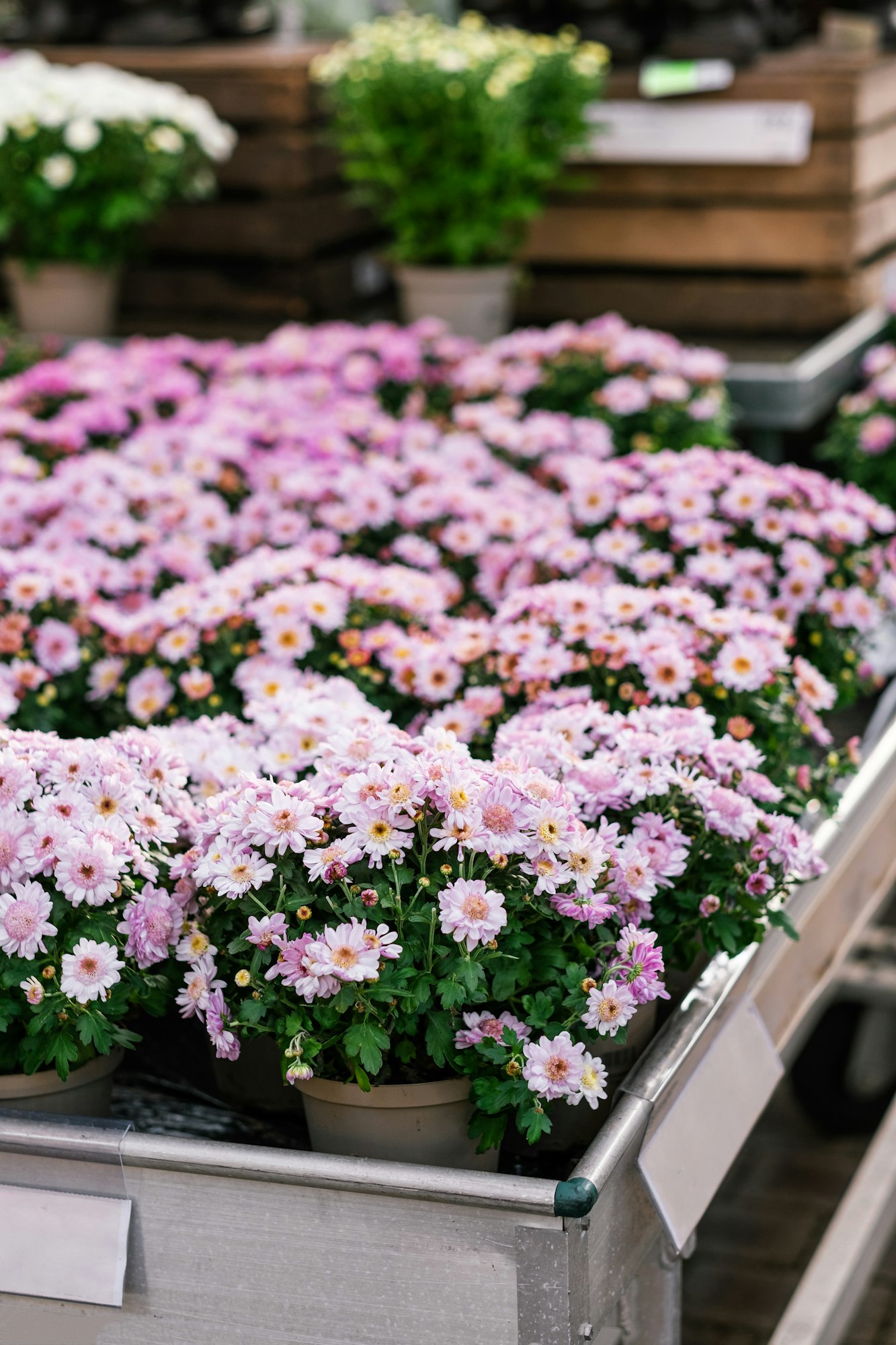
No fall flower list is complete without mums. They’re hardy, colorful, and available in nearly every shade—perfect for containers or flower beds.
Why this works
Mums thrive in cooler temperatures and bring instant seasonal color. They’re easy to find and easy to grow.
Quick Tip
Plant hardy garden mums early in fall so roots can establish before frost hits.
2. Pansies
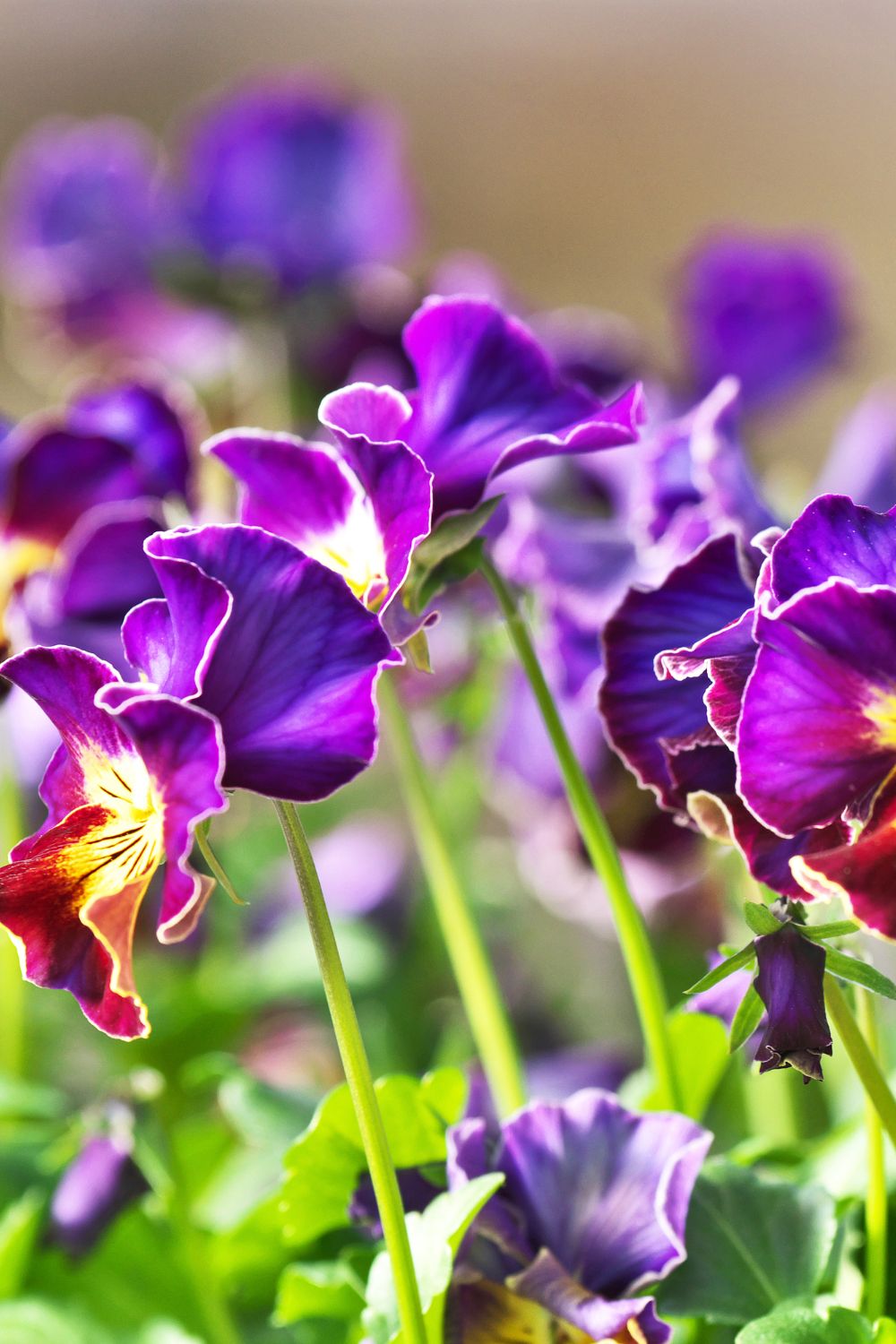
Pansies bloom in fall, survive mild winters, and often bounce back in spring. Their cheerful faces come in every color imaginable.
Why this works
They handle cool weather like champs and add bright spots of color when most summer flowers are fading.
Quick Tip
Look for overwintering pansy varieties if you live in colder zones.
3. Asters
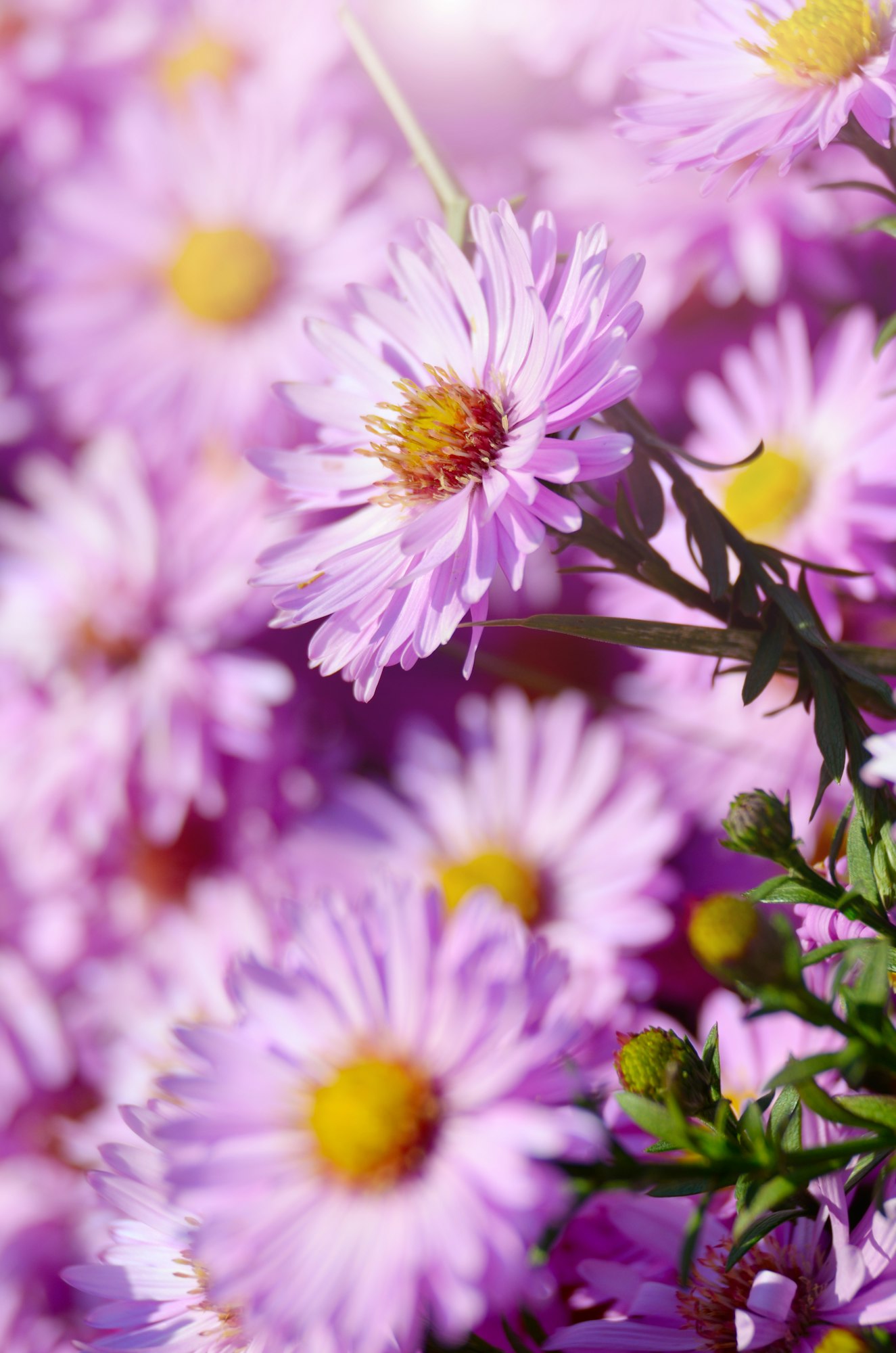
Asters bloom late in the season, offering beautiful star-shaped flowers in purples, pinks, and whites. They’re great for pollinators too.
Why this works
Asters provide late-season nectar for bees and butterflies and hold their color well into fall.
Quick Tip
Plant in full sun and cut them back in early summer to encourage more blooms.
4. Ornamental Cabbage and Kale

These aren’t for eating, but they bring stunning texture and color to your fall garden, especially in borders or containers.
Why this works
They get even more colorful as the temperature drops—making them a perfect fit for crisp fall weather.
Quick Tip
Use them as filler plants in containers alongside mums and pansies.
5. Sedum (Autumn Joy)
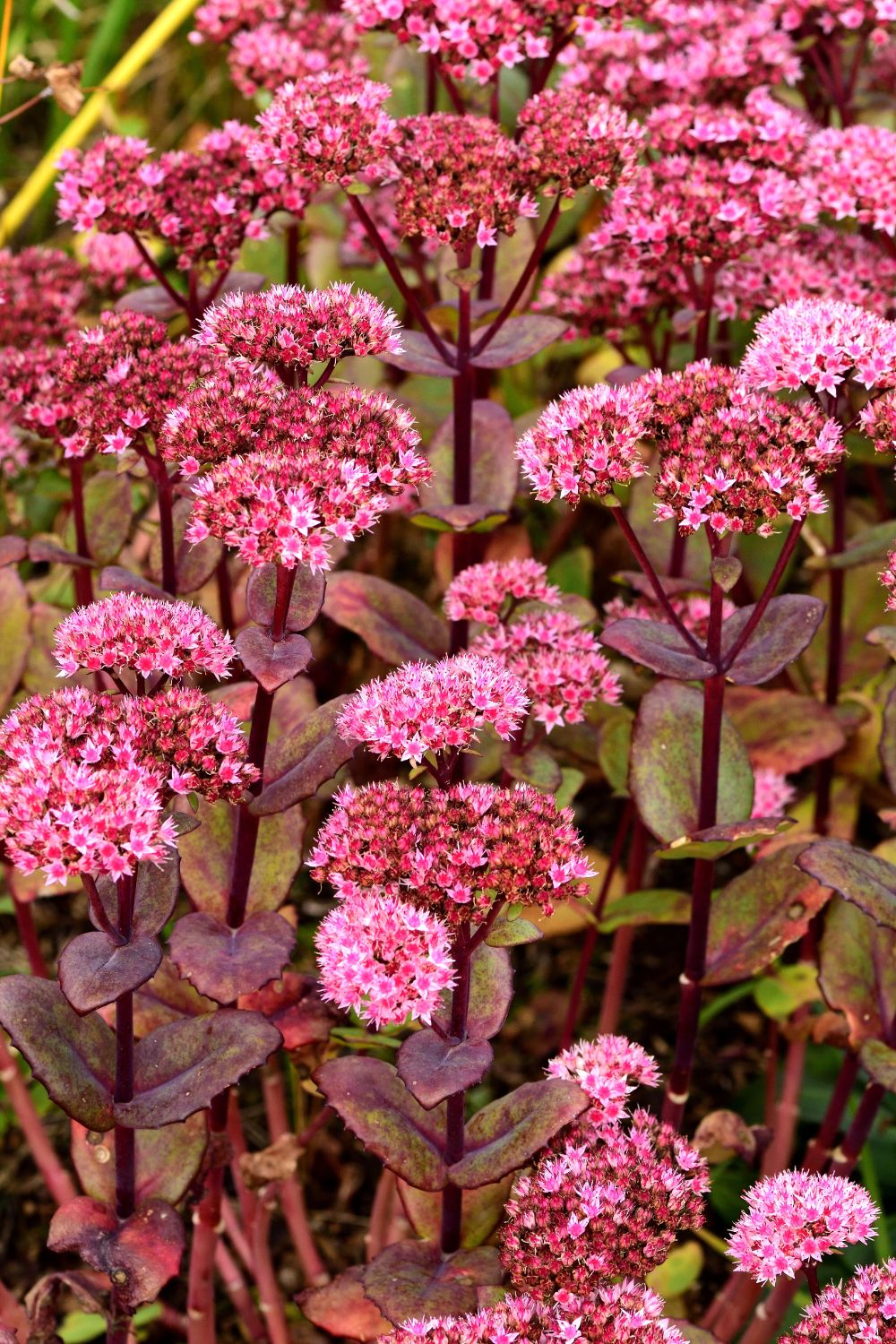
Sedum is a tough, drought-tolerant plant with thick leaves and late-blooming pink to bronze flower heads.
Why this works
It blooms just as many summer flowers fade and looks great all the way into frost.
Quick Tip
Leave the dried flower heads in place for winter interest.
6. Black-Eyed Susan (Rudbeckia)
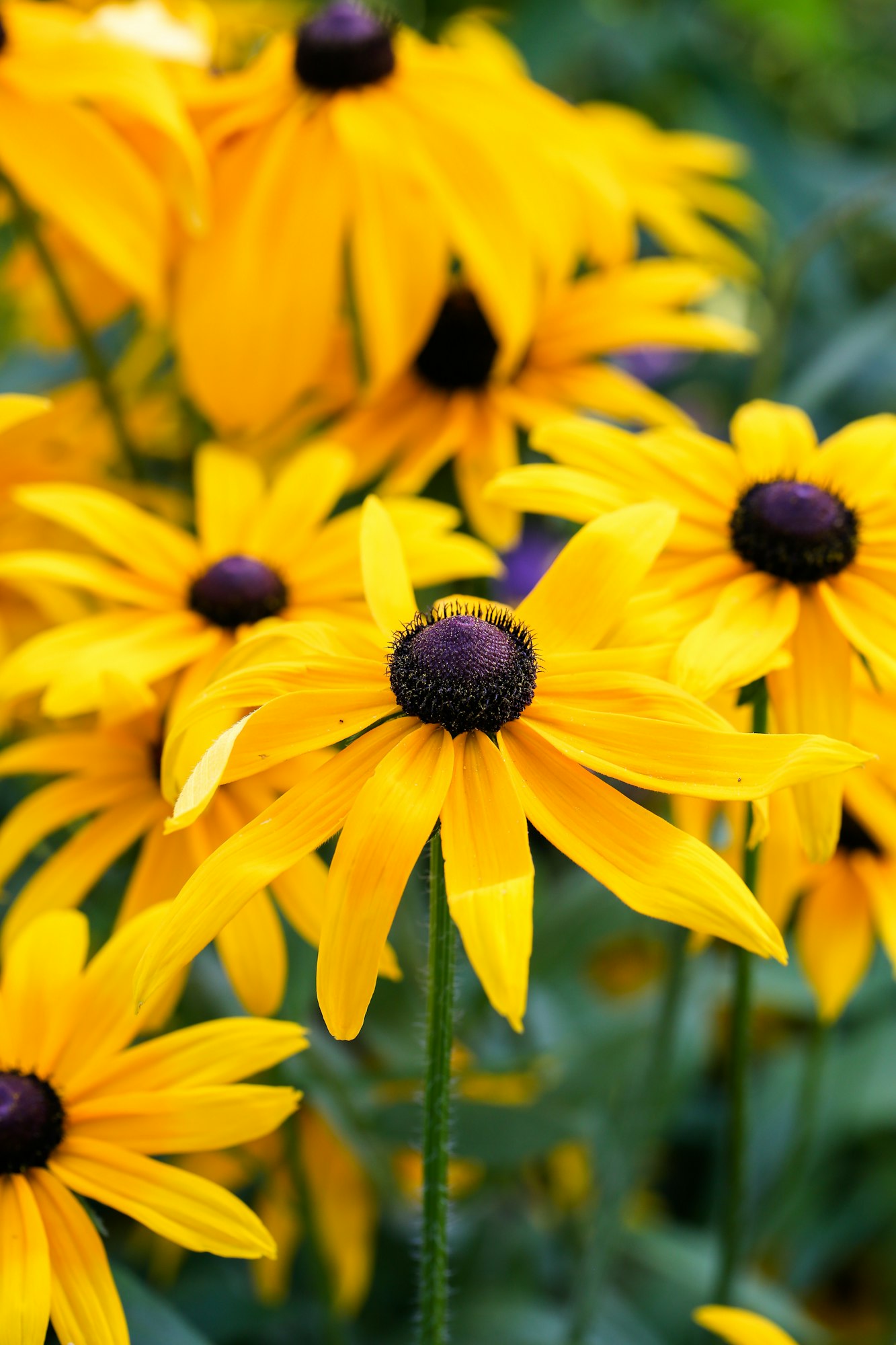
These golden-yellow daisy-like flowers add warmth and charm to any fall garden. They’re hardy and bloom from late summer through fall.
Why this works
They attract pollinators and keep blooming right up to the first frost, adding reliable late-season color.
Quick Tip
Cut back spent flowers to encourage more blooms and prevent self-seeding if you want to keep them in check.
7. Goldenrod
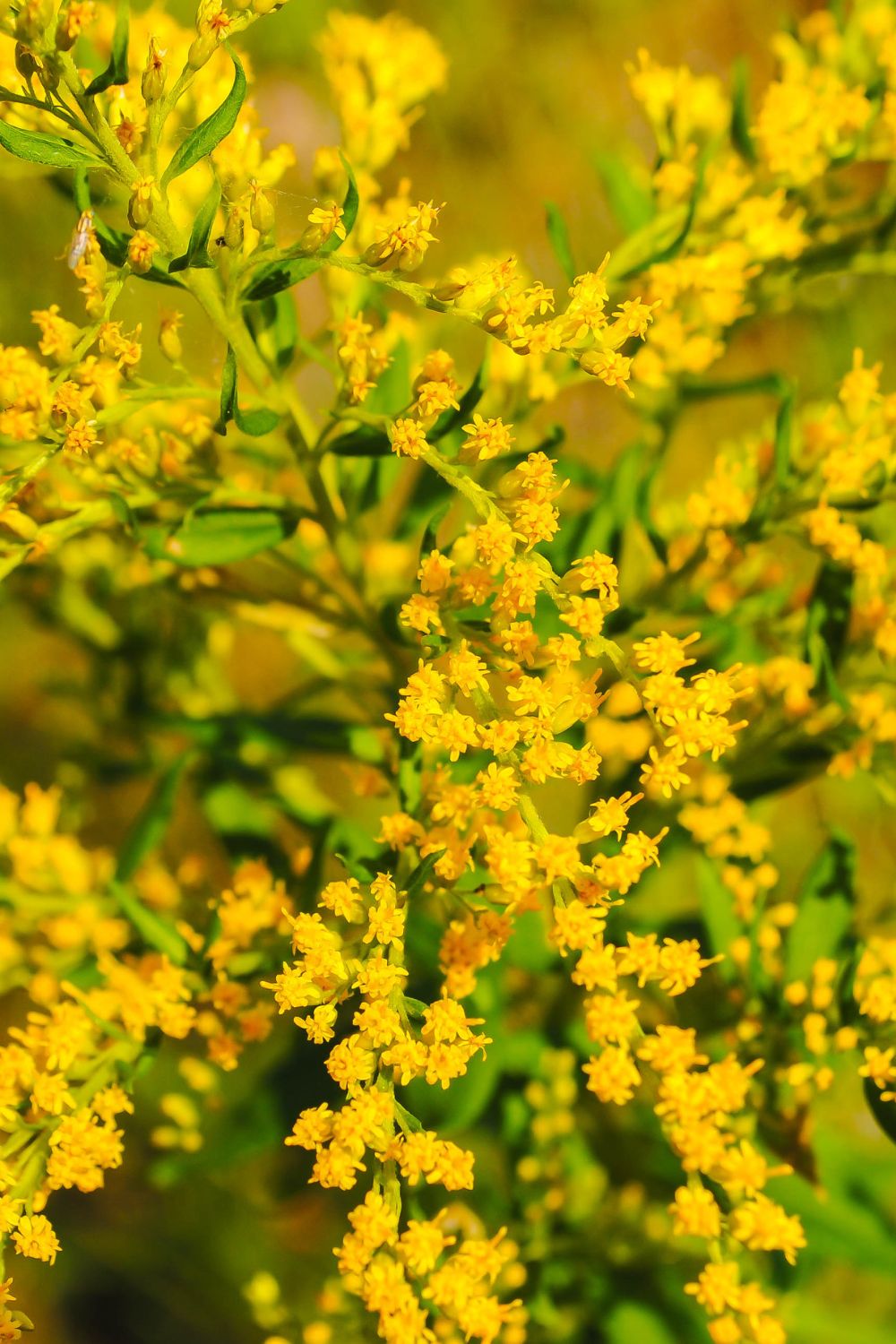
Goldenrod produces tall spikes of bright yellow flowers that light up fall landscapes. It’s a native plant that supports bees and butterflies.
Why this works
It’s drought-tolerant, spreads easily, and thrives in poor soil. Plus, it adds great height and texture.
Quick Tip
Don’t confuse it with ragweed—goldenrod doesn’t cause allergies.
8. Coneflower (Echinacea)
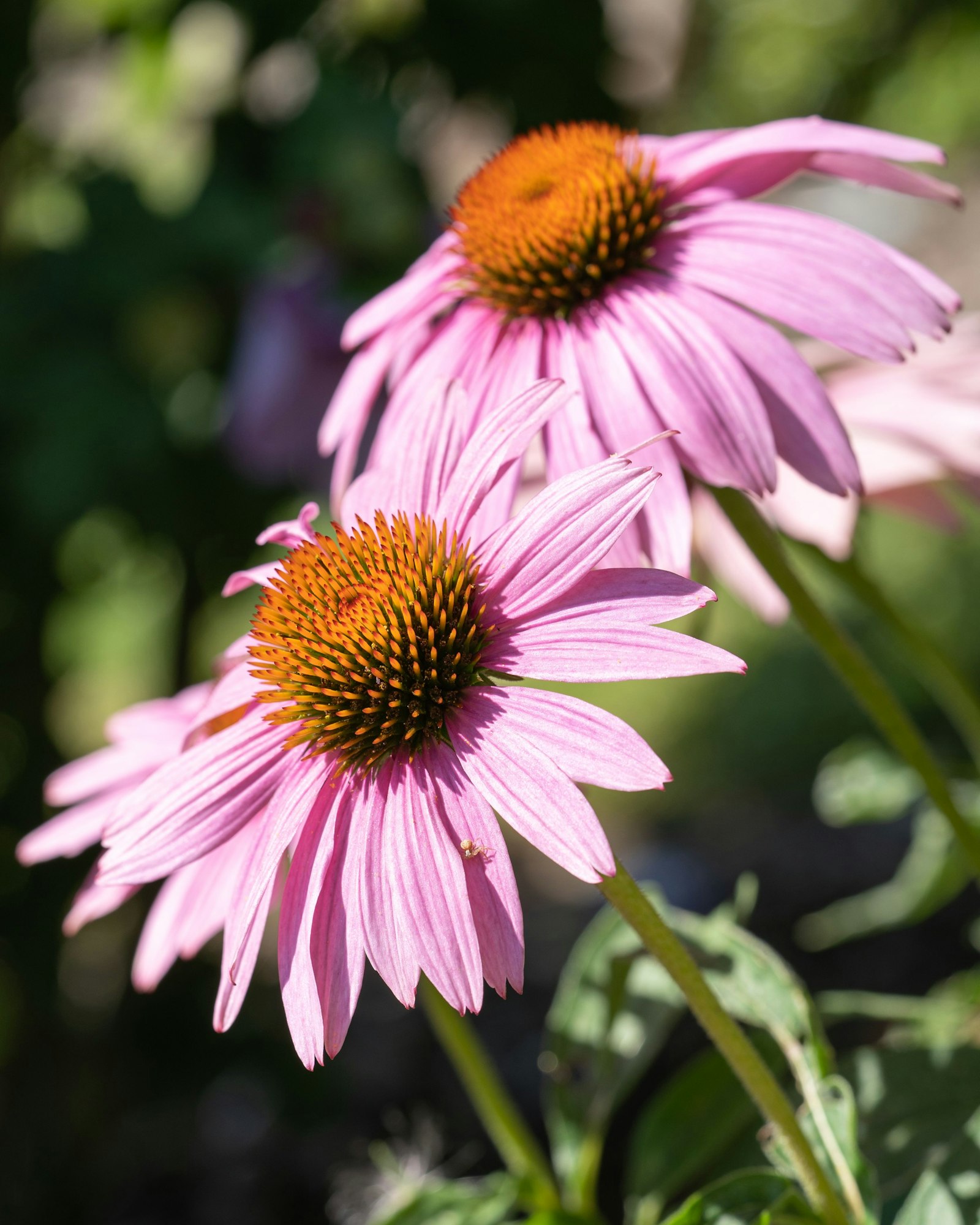
Coneflowers bloom well into fall and make excellent companions for asters and rudbeckias. Their raised centers attract bees and birds.
Why this works
They’re hardy perennials that bring long-lasting blooms and transition beautifully into fall.
Quick Tip
Leave dried seed heads on the plant—they provide food for birds and winter interest.
9. Helenium (Sneezeweed)

With fiery tones of red, orange, and yellow, helenium is a standout fall bloomer. It looks great mixed with grasses and other perennials.
Why this works
It adds bold color when most flowers have faded, and it’s a favorite among late-season pollinators.
Quick Tip
Water well in dry spells—helenium doesn’t like to dry out.
10. Japanese Anemone
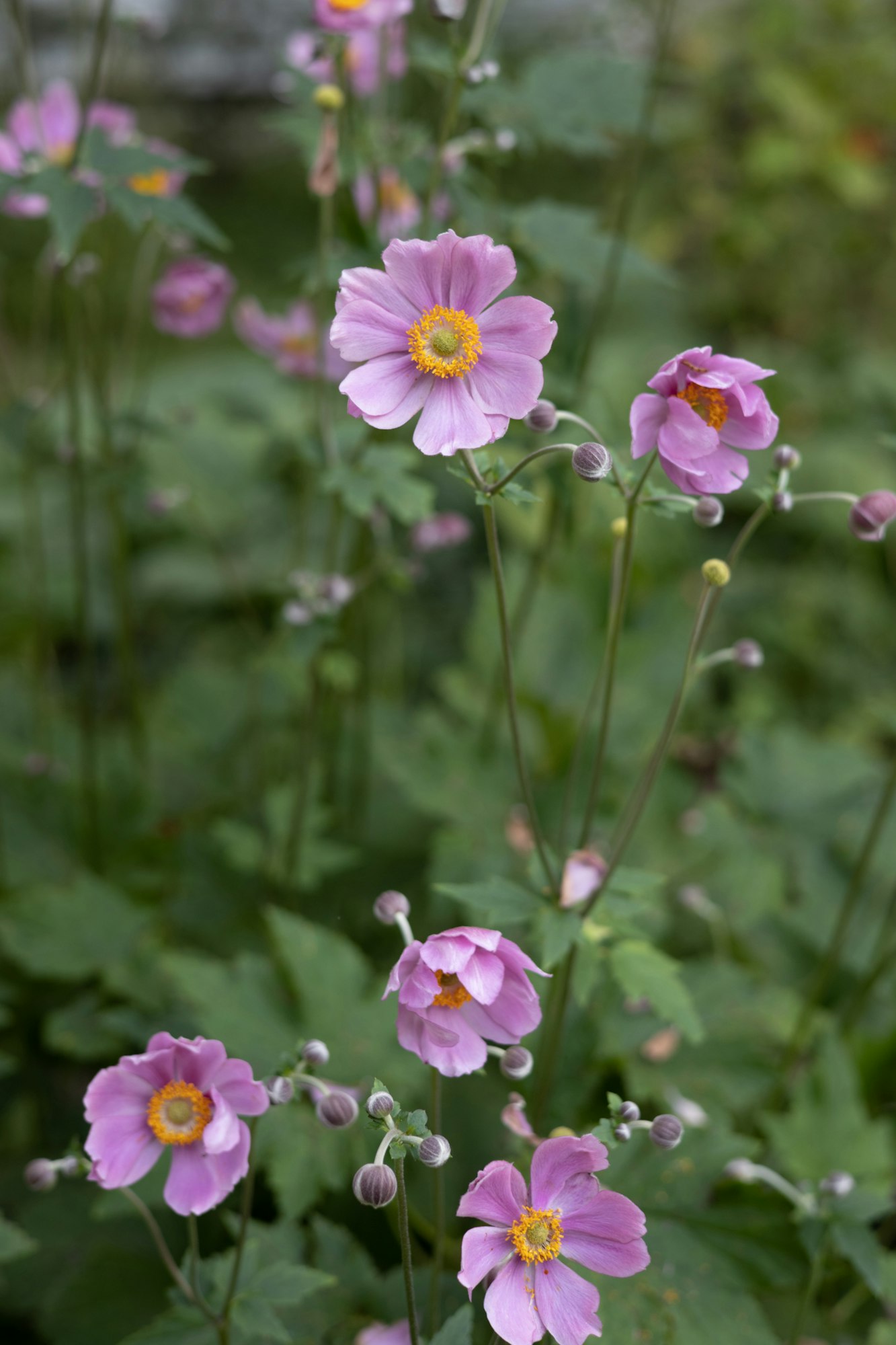
These elegant flowers float on tall stems and come in shades of white, pink, and purple. They bloom from late summer into mid-fall.
Why this works
They add a soft, romantic feel to fall gardens and thrive in partial shade.
Quick Tip
Mulch well in colder areas to protect the roots over winter.
11. Calendula (Pot Marigold)
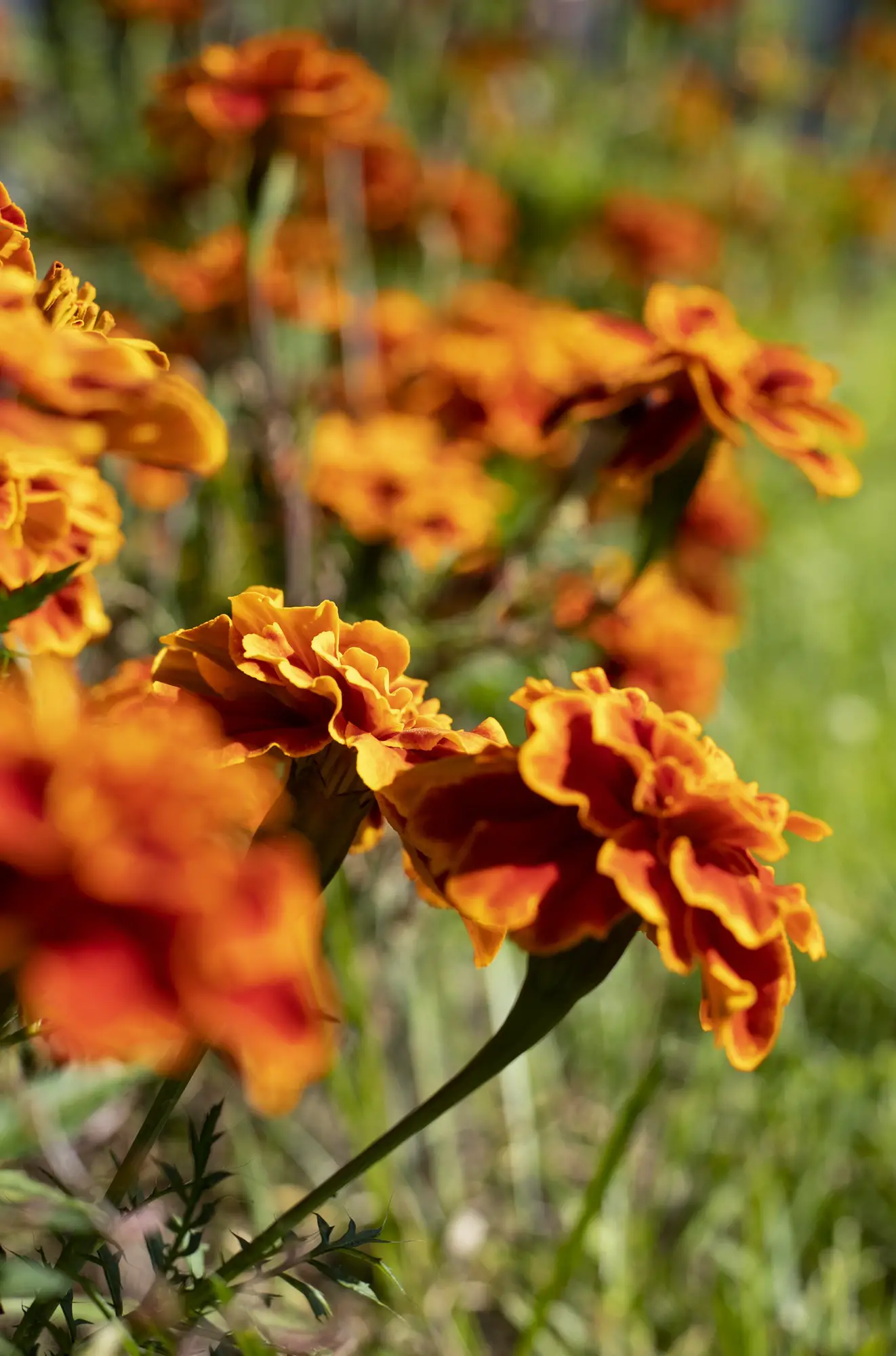
Calendula produces cheerful yellow-orange blooms and keeps going even in chilly weather. You can plant it in early fall in milder zones.
Why this works
It’s cold-tolerant and fast-growing, offering blooms within weeks.
Quick Tip
Deadhead regularly to keep flowers coming. Calendula is also edible and medicinal.
12. Snapdragons
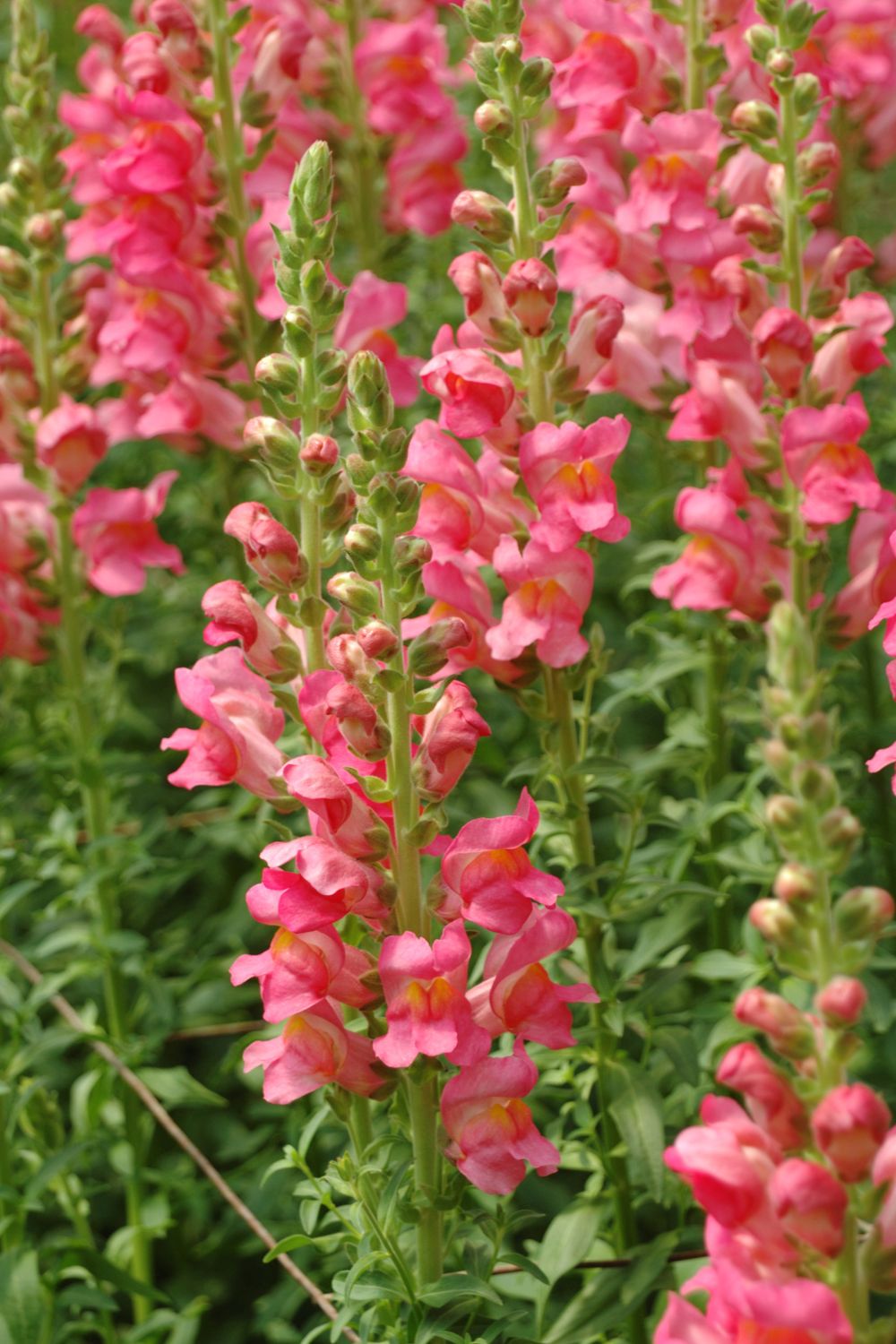
Snapdragons love cool temperatures and can bloom late into fall. They’re great for borders and add vertical interest.
Why this works
In some climates, snapdragons survive mild winters and return in spring.
Quick Tip
Plant established seedlings early in fall for better performance before frost.
13. Blanket Flower (Gaillardia)
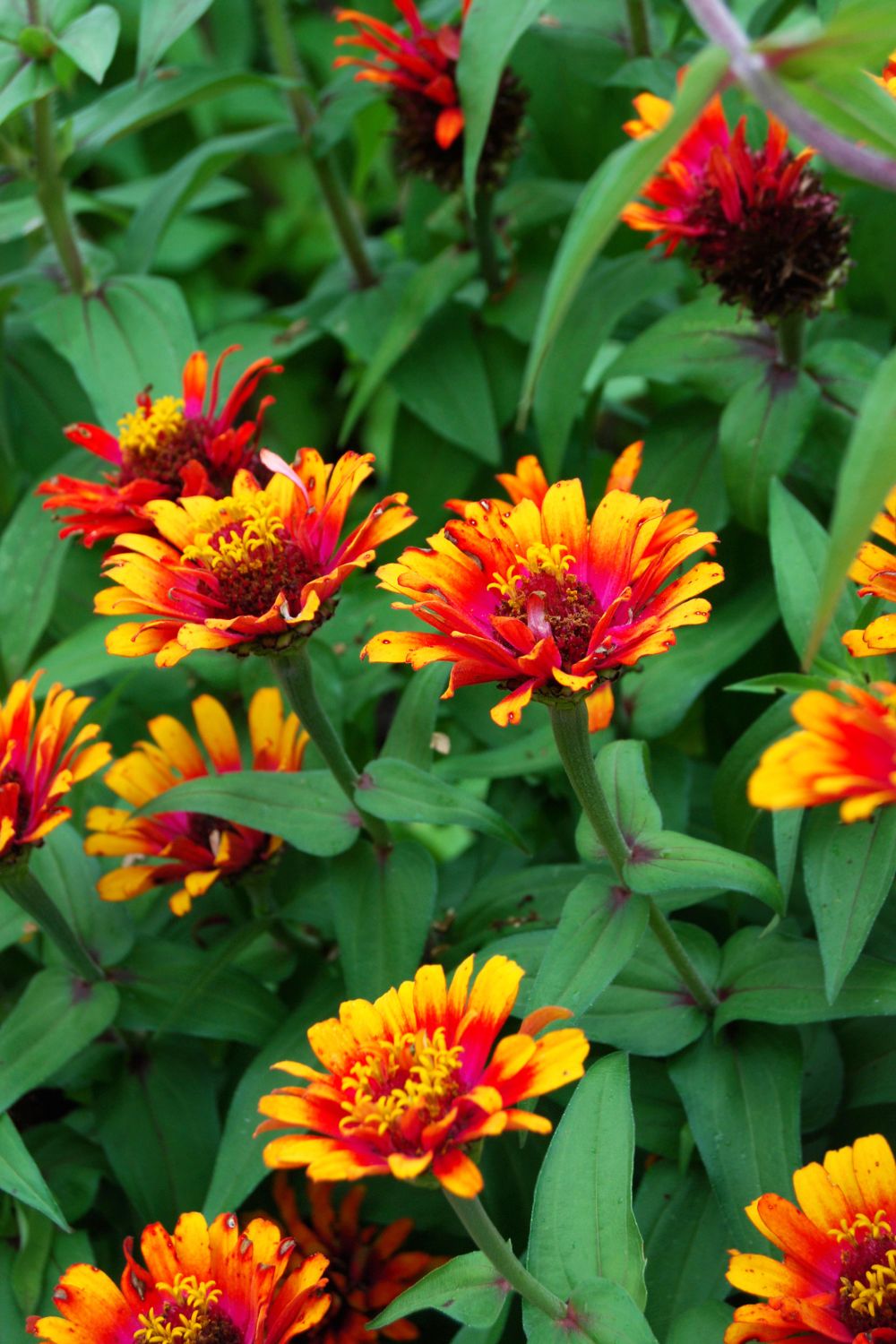
These tough flowers have a sunset color scheme and bloom through fall. They handle poor soil and dry conditions with ease.
Why this works
They bring intense color late in the season and don’t require much upkeep.
Quick Tip
Cut back faded blooms to keep them going longer.
14. Coreopsis
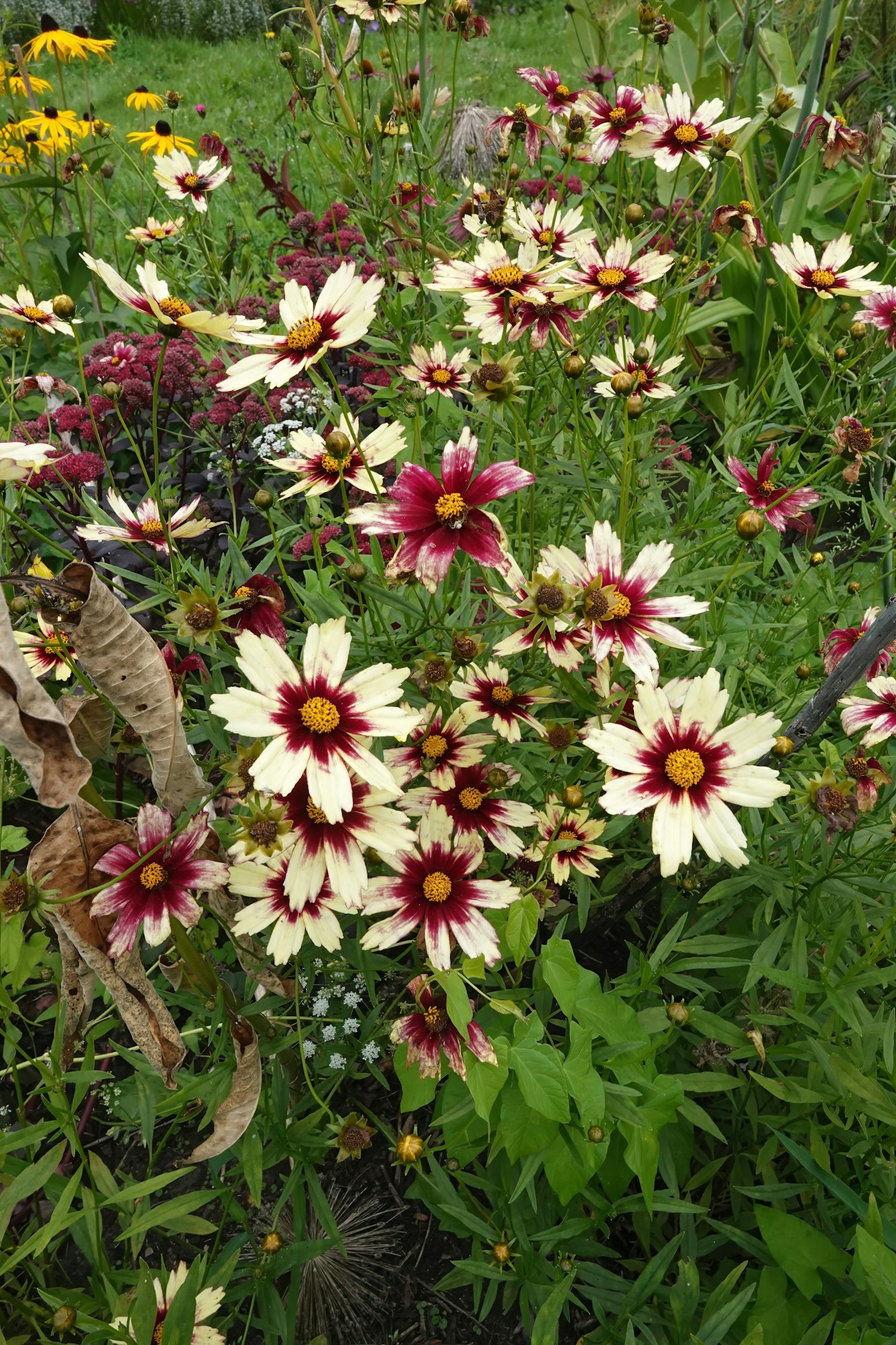
Coreopsis adds bright yellow, pink, or red flowers to the fall mix. It pairs well with grasses and other fall favorites.
Why this works
It’s long-blooming, drought-tolerant, and brings pollinators to the garden.
Quick Tip
Deadheading helps extend bloom time. Choose perennial varieties for year-after-year beauty.
15. Toad Lily (Tricyrtis)
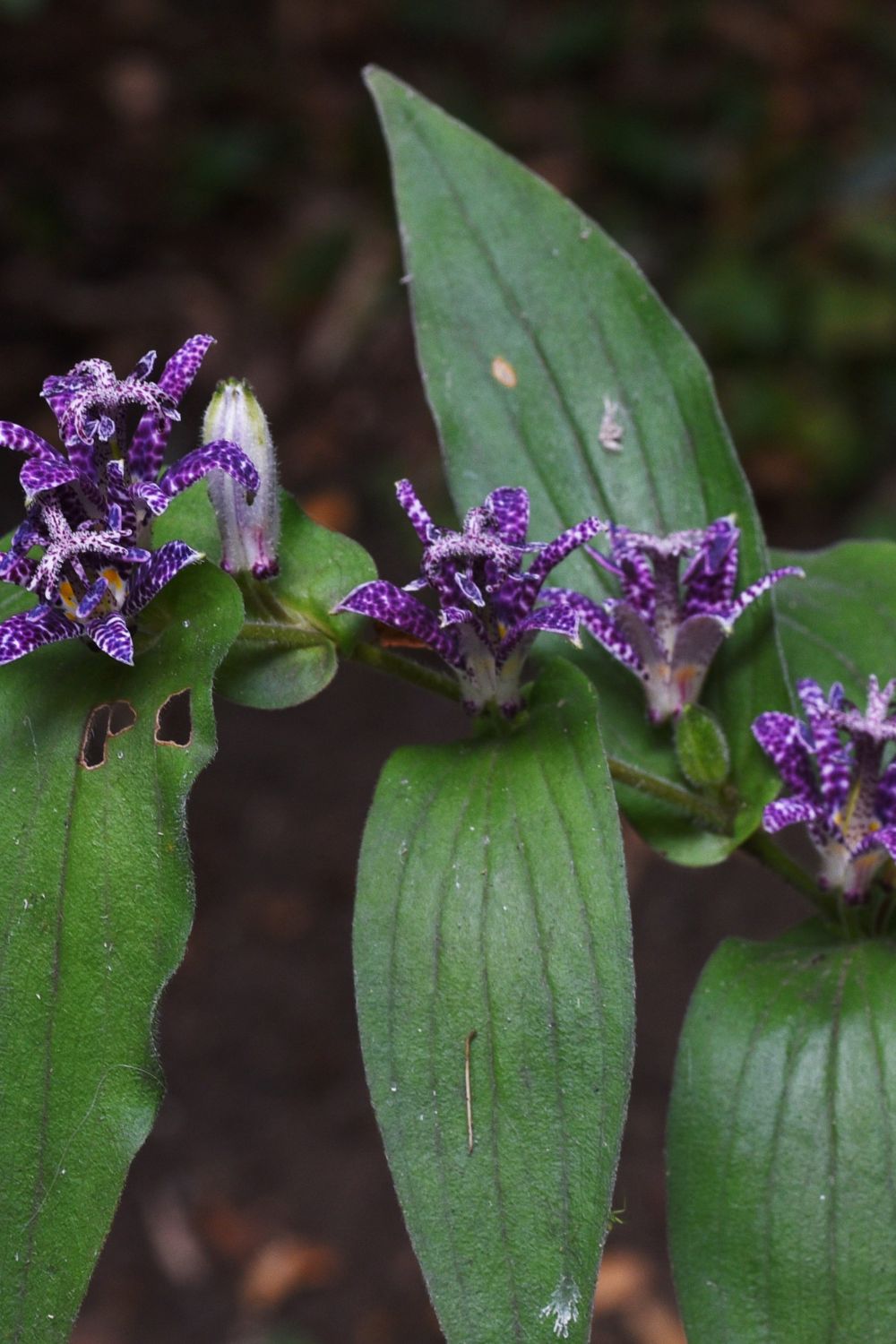
A lesser-known but stunning shade flower, toad lily blooms in fall with exotic-looking spotted blossoms.
Why this works
It thrives in shady spots where other fall flowers struggle, offering late-season beauty in low-light areas.
Quick Tip
Keep soil moist and mulch well—especially in colder zones.