




In This Article Show
Flower beds are such a simple way to add color and life to any garden, no matter how big or small. I honestly think with the right ideas, even a basic flower bed can charm up your whole outdoor space.
Here are 15 garden flower bed ideas I’ve tried or admired—they’re easy to create and don’t require a ton of fuss. Whether you’re after bold colors, low upkeep, or garden interest all year, there’s something here for you.
1. Raised flower beds for better soil control
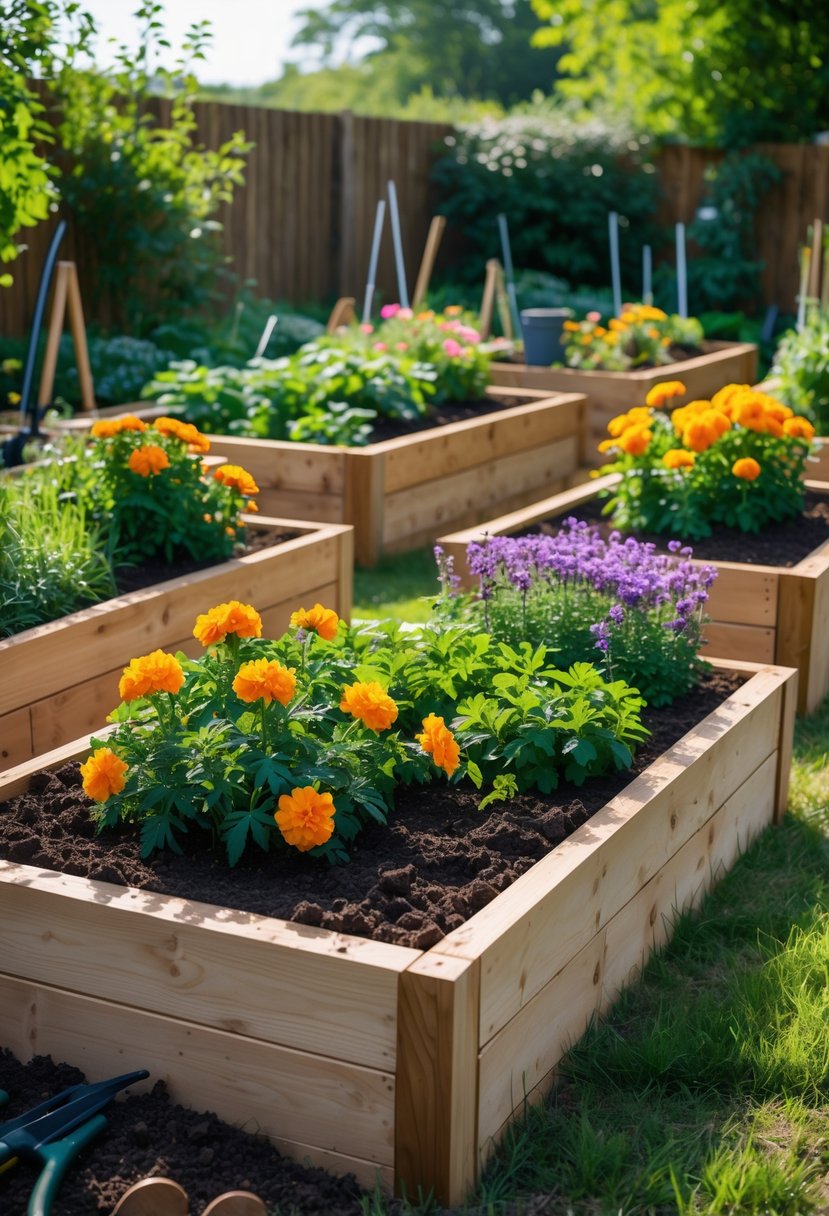
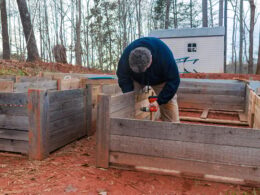
I go for raised flower beds because I get to control the soil exactly how I want. Mixing in the right blend for my flowers just feels satisfying.
Plants seem to grow healthier—probably because the soil drains well and stays loose. I also notice fewer weeds and less trouble from pests.
2. Layered planting with perennials and annuals
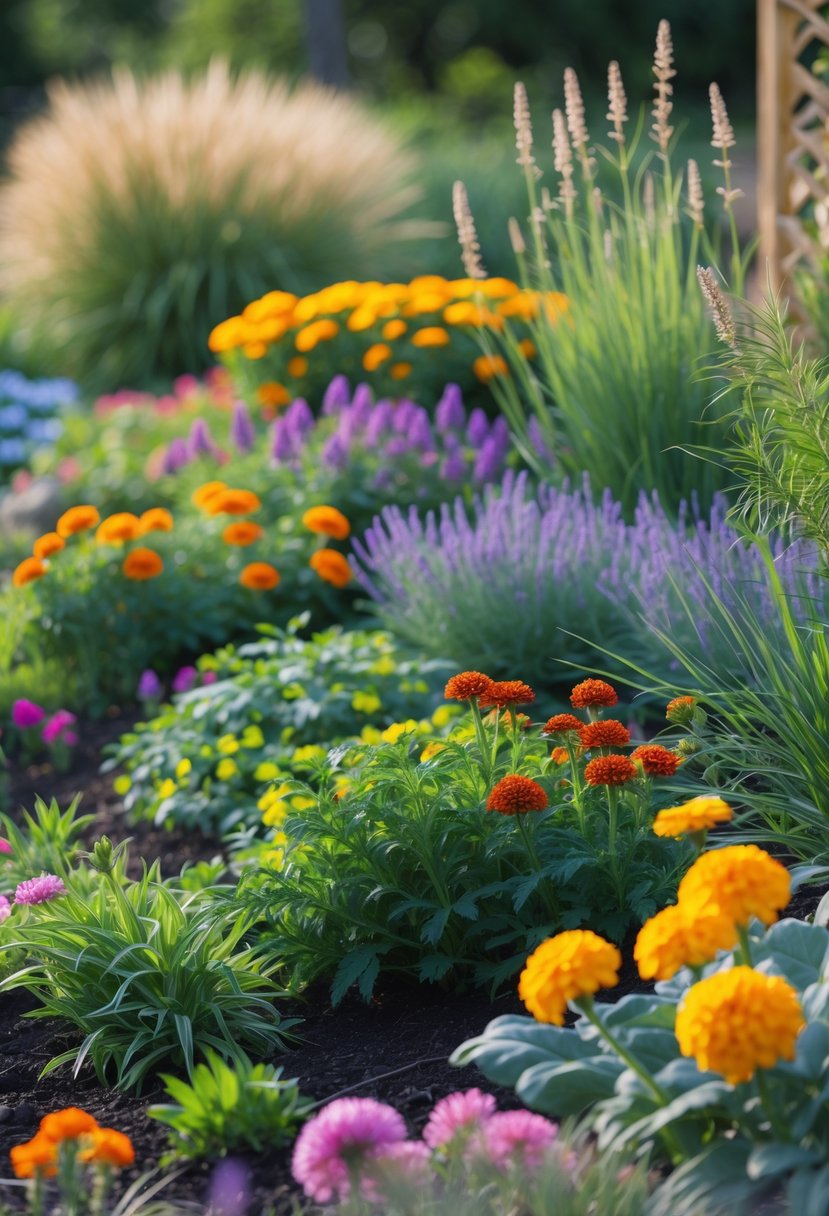
Mixing perennials and annuals in layers gives the bed more depth and color. I stick taller perennials in the back, shorter annuals up front. The garden looks fuller and stays colorful for months.
3. Cottage garden style with mixed blooms
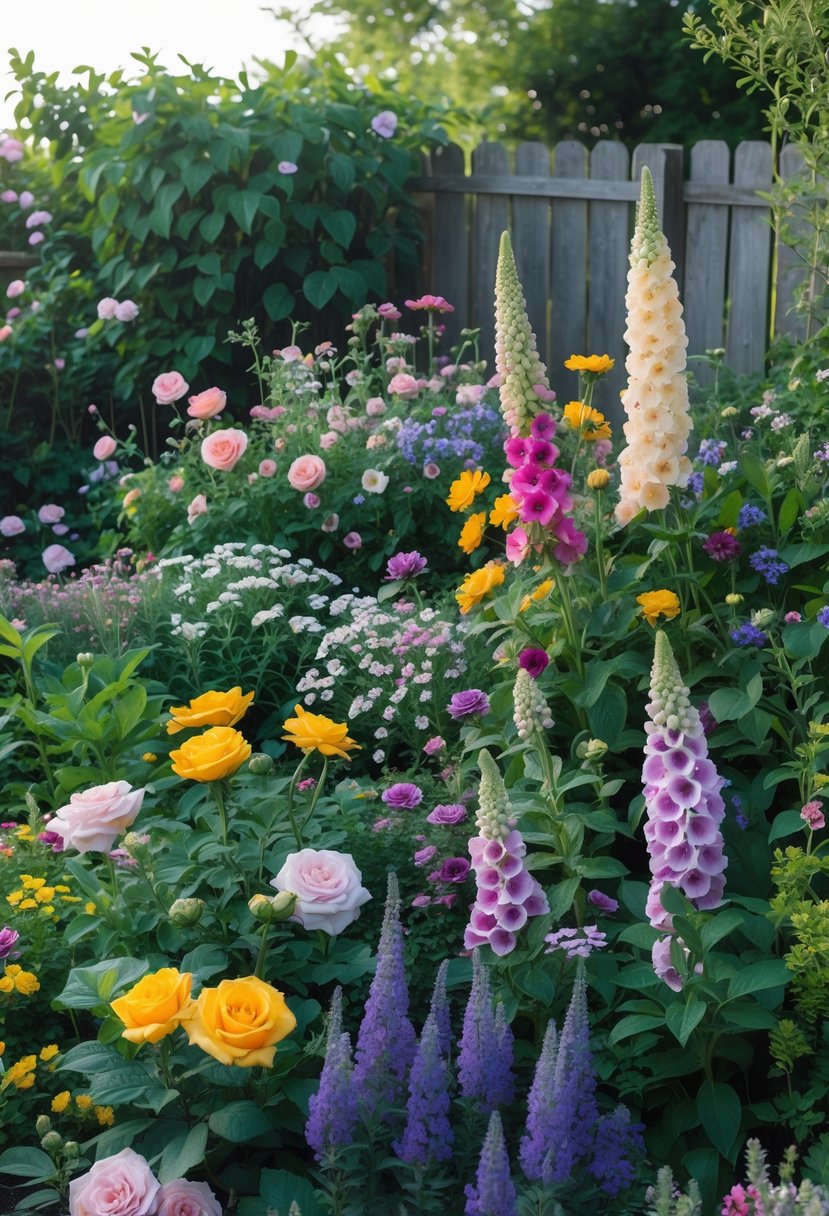
I’m a fan of mixing all kinds of flowers in my cottage garden beds—different shapes, sizes, and colors for a relaxed, natural vibe.
Throwing in classic foxgloves and delphiniums with new varieties just adds more depth. The result? Color all season, and it never looks too “done.”
4. Using native wildflowers for low maintenance

I lean toward native wildflowers since they’re already adapted to my local climate. They need less water and care—honestly, they practically take care of themselves.
Plus, native wildflowers support local wildlife like bees and butterflies, which keeps the garden lively and balanced.
5. Incorporating a central bird bath feature
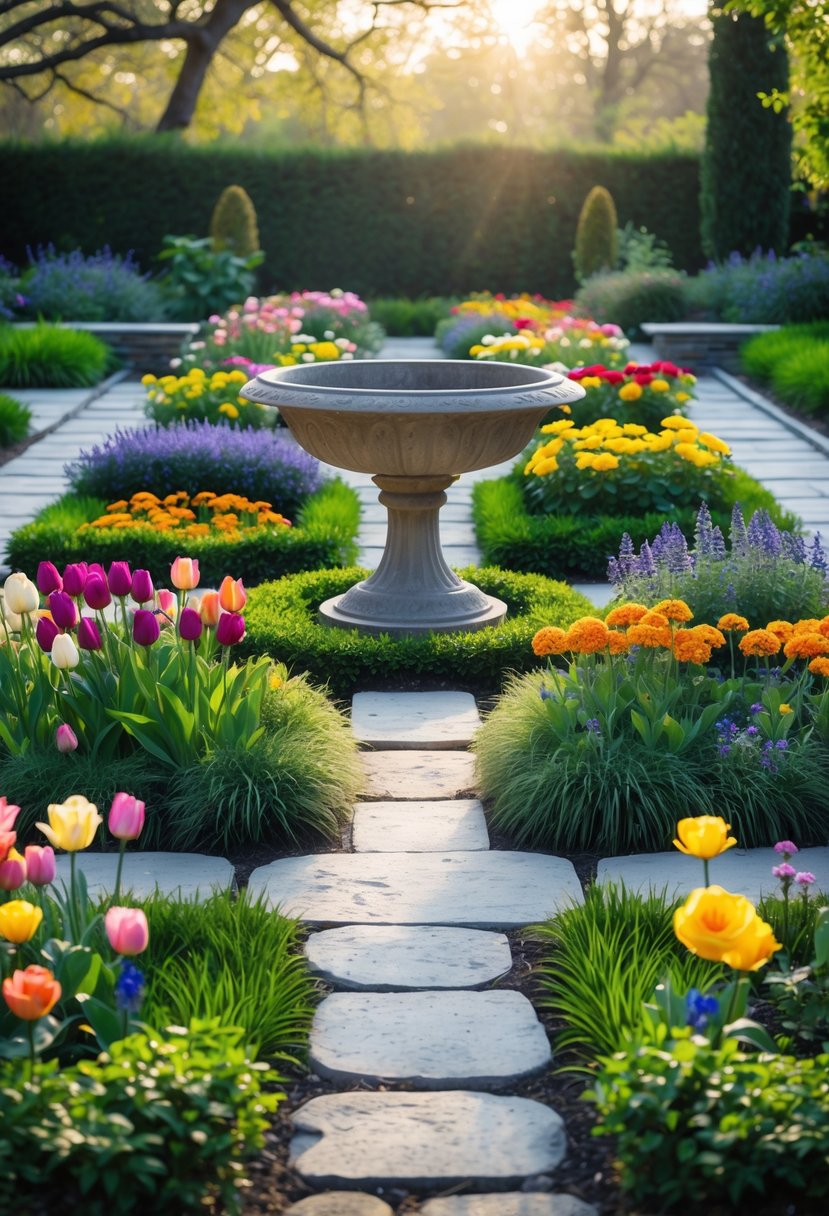
I like putting a bird bath right in the center of my flower bed. It’s a simple, natural focal point, and the water draws in birds that bring extra life to the space.
I usually go for stone or metal bird baths—they fit with pretty much any style. Surrounding them with colorful or drought-resistant plants keeps things tidy and low-maintenance.
6. Color-blocking by grouping similar hues
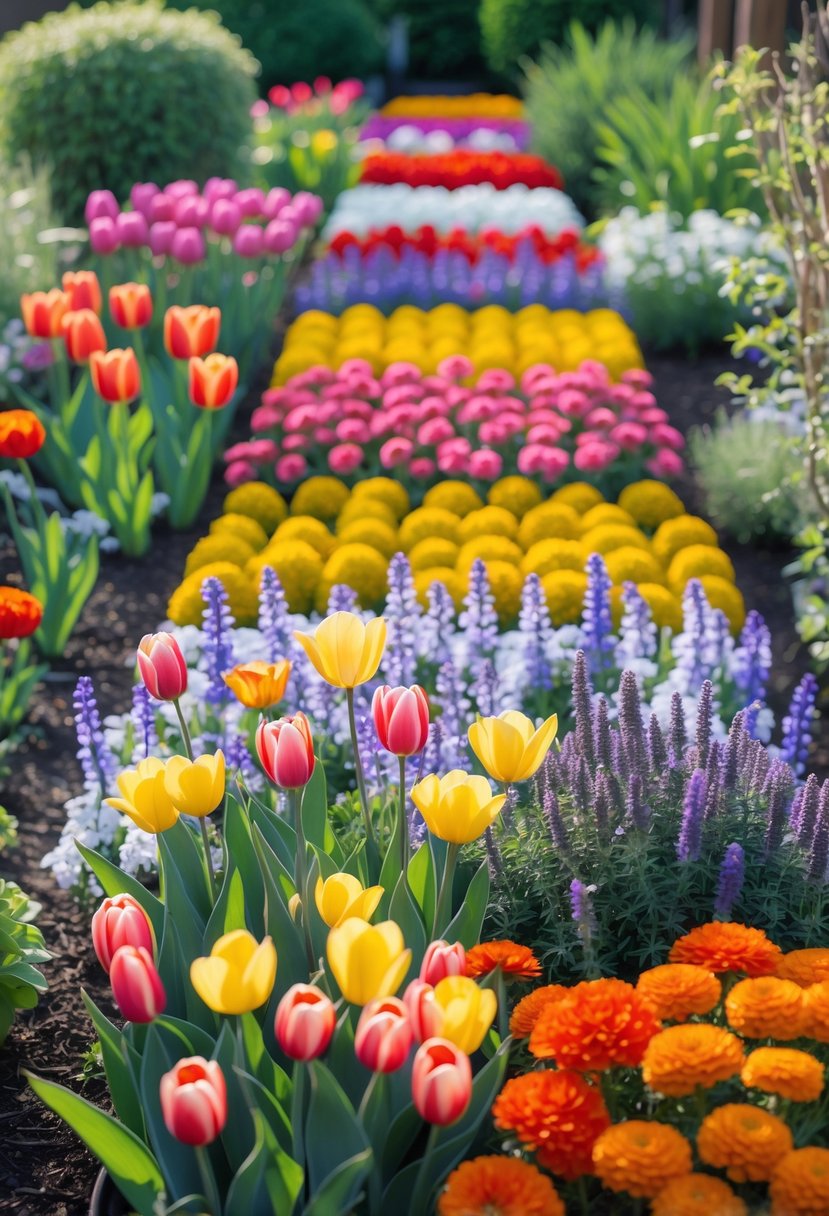
Grouping plants with similar colors together—color-blocking—makes clear sections that really pop. The garden looks organized, but not boring. It’s a great way to make each area stand out.
7. Border edging with boxwood or lavender
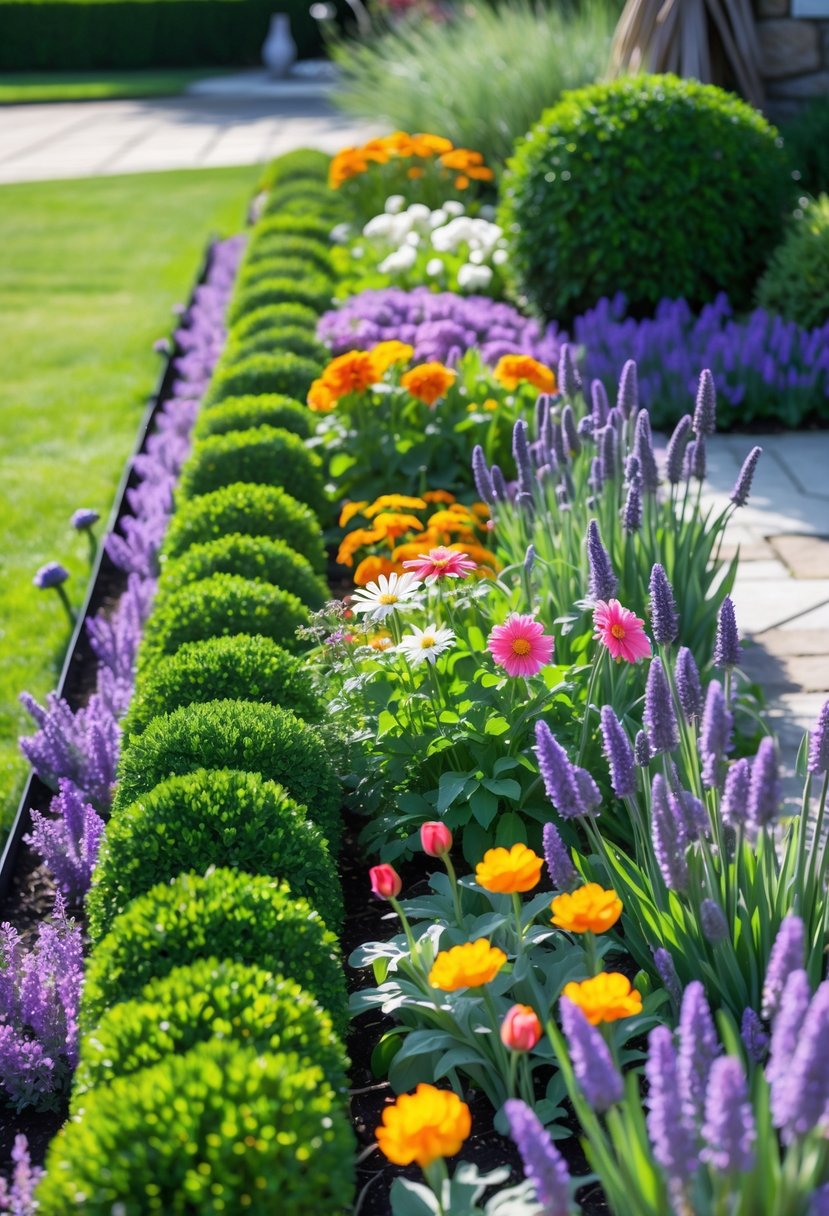
I edge my flower beds with boxwood and lavender for a neat, classic look. Boxwood stays green all year and is easy to keep tidy. Lavender adds color, a soft scent, and brings in pollinators. Both plants are easy to trim and don’t take up much space.
8. Planting shade-tolerant flowers under trees
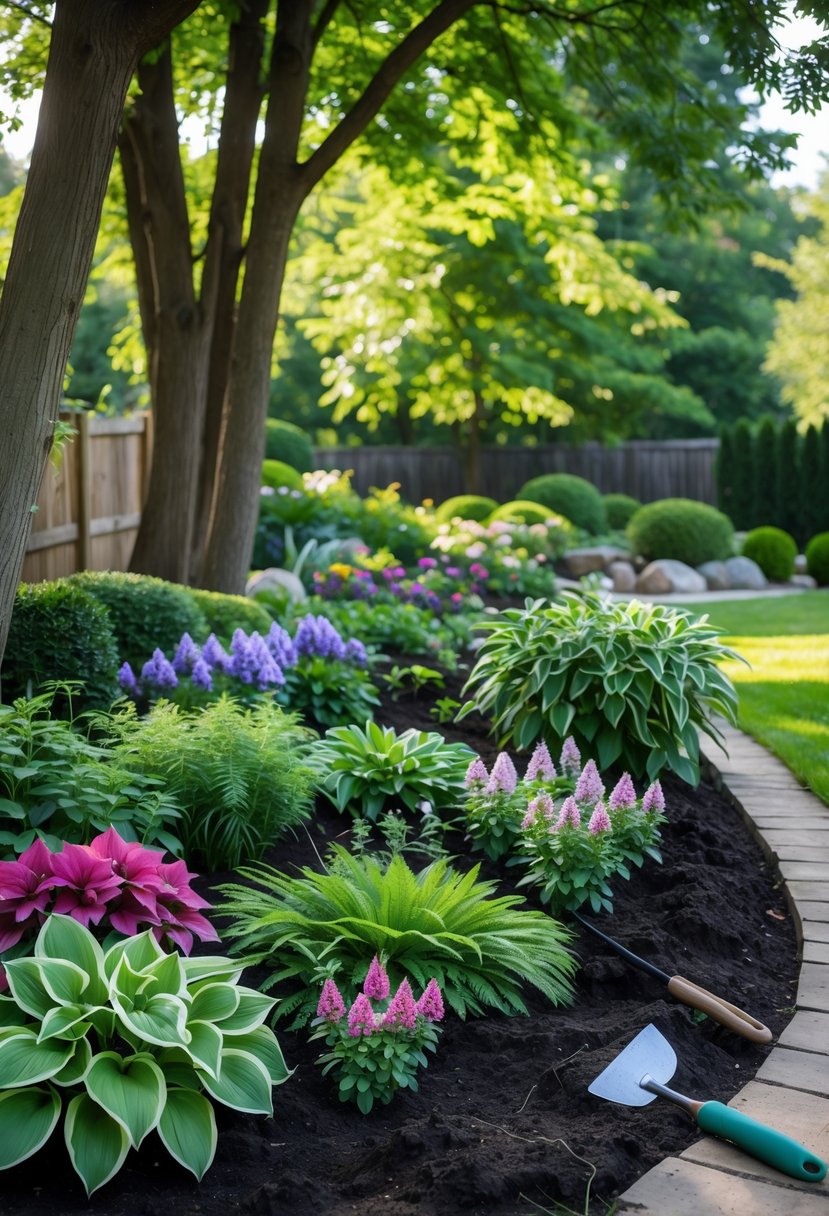
I plant shade-tolerant flowers under trees because they handle low light. Hostas, ferns, and some colorful perennials brighten up those shadowy spots, even though tree roots hog most of the water and nutrients.
9. Mixing textures with ferns and flowering plants

Pairing ferns with flowering plants adds texture and depth. The soft, feathery fern leaves set off bold flower shapes nicely. The bed stays interesting, even when not everything is blooming.
10. Vertical flower beds using trellises
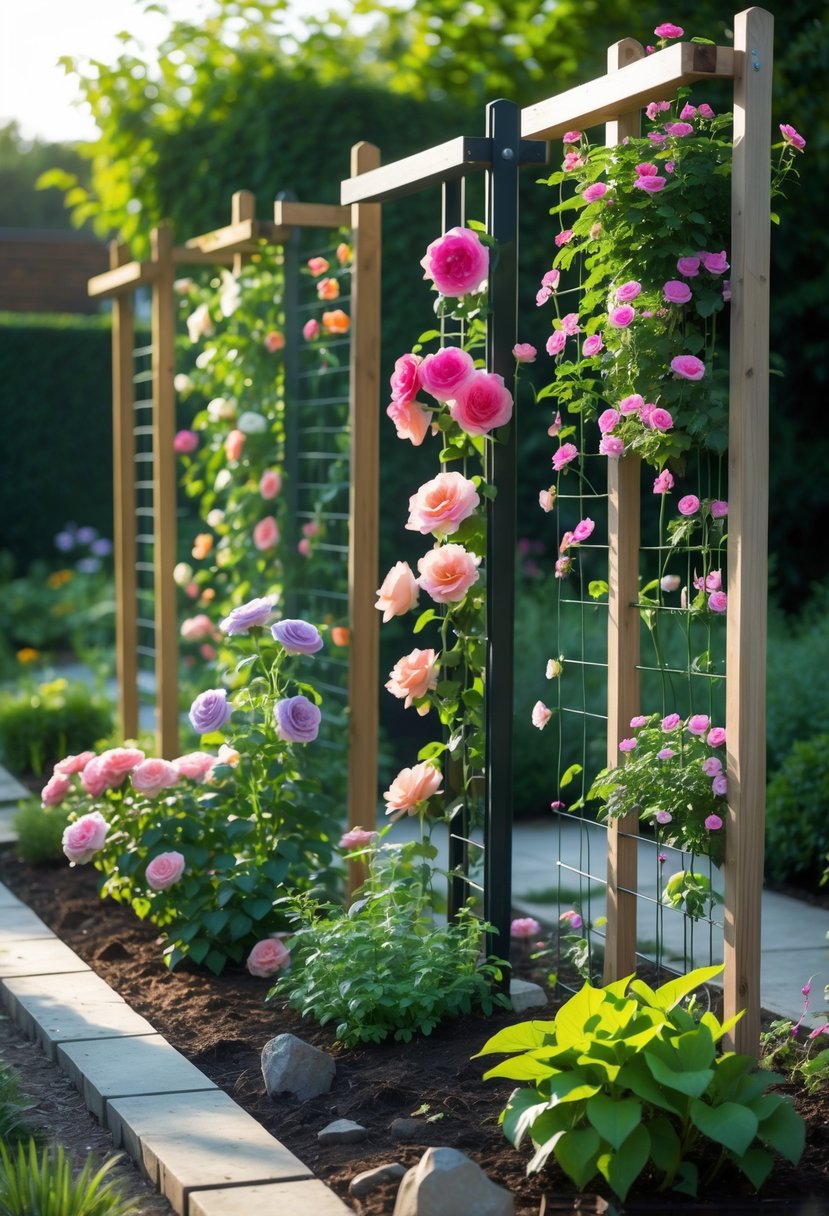
I love using trellises for climbing flowers like clematis and roses. It saves space and lets plants grow up instead of sprawling everywhere.
Trellises also help with airflow and keep leaves drier, so plants stay healthier.
11. Seasonal rotation with spring bulbs and summer flowers

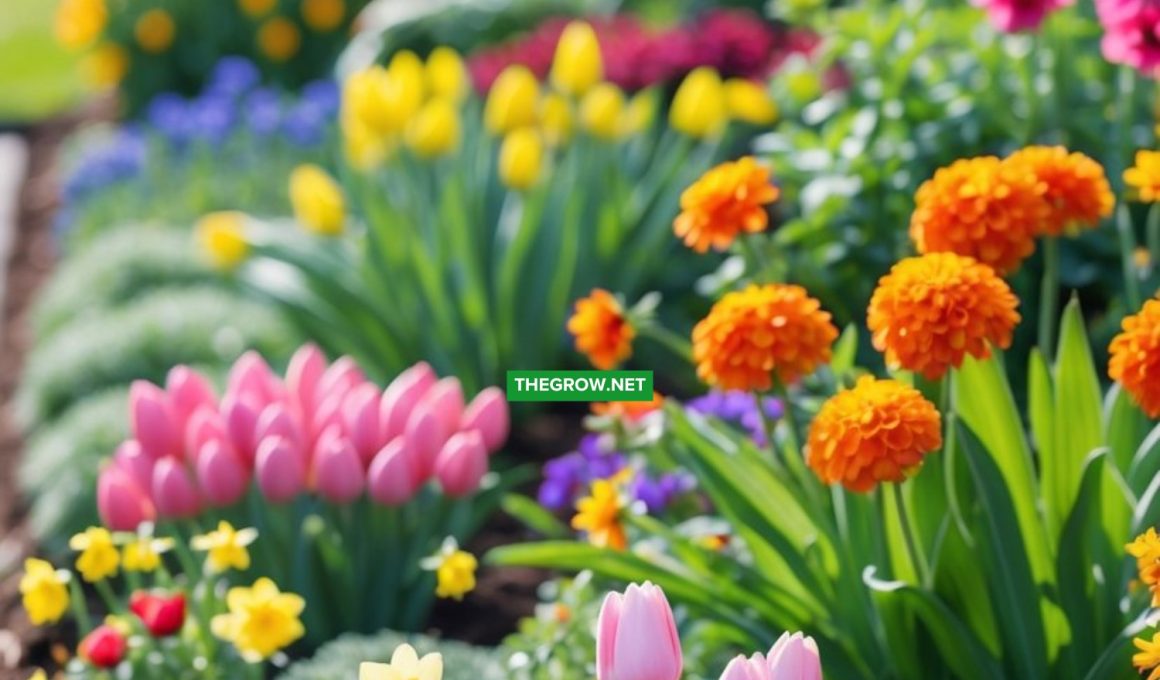
I plant spring bulbs like tulips and daffodils first, then swap in summer flowers like zinnias or sunflowers once the bulbs fade. That way, the garden stays colorful and there are no empty patches.
12. Creating a pollinator-friendly flower bed
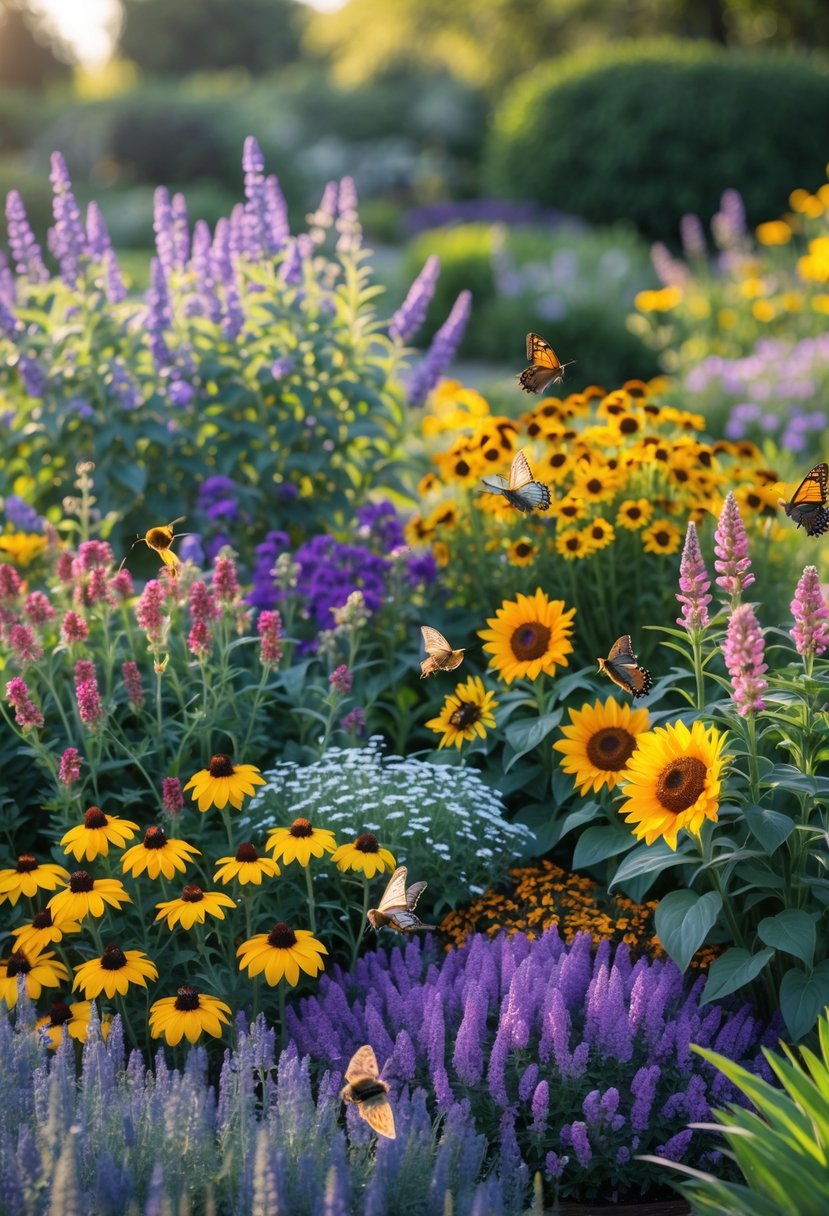
I pick plants that attract bees, butterflies, and hummingbirds—especially native flowers, since pollinators seem to prefer what they know.
I try to have something blooming all season so pollinators keep coming back. It’s a win-win for the garden and the critters.
13. Low-growing ground covers at the front

I like putting low-growing ground covers at the front of flower beds. They fill in gaps and add texture without hiding taller plants behind. Plus, they help keep weeds down and the soil moist, which makes life easier.
14. Using ornamental grasses for movement

I add ornamental grasses to my garden beds for a bit of movement. They sway with the breeze and bring the whole space to life. The texture is great, and they fill in spots between flowers without taking over. I just think they give the garden a natural, easygoing flow.
15. Pathway flower beds with stepping stones

I like using stepping stones to wind paths through flower beds. They guide you along, plus they keep your shoes (and feet) from trampling delicate plants.
If you tuck low-growing flowers or herbs between the stones, you’ll get a burst of color and a mix of textures. Honestly, it just makes the whole space feel more welcoming—maybe even a little whimsical.