





In This Article Show
Planning a garden that stays full of color all season can feel overwhelming. I know it can be tough to choose the right perennials and decide how to arrange them for months of blooming beauty. A well-designed perennial garden layout lets me enjoy bright flowers from spring through fall with less work every year.
When I stumble across garden layouts that use long-blooming perennials, I get fresh ideas for creating eye-catching flower beds. These layouts help me bring lasting color and interest to my yard without constant replanting or complicated care.
1. Layer Joe-Pye Weed for tall, purple blooms
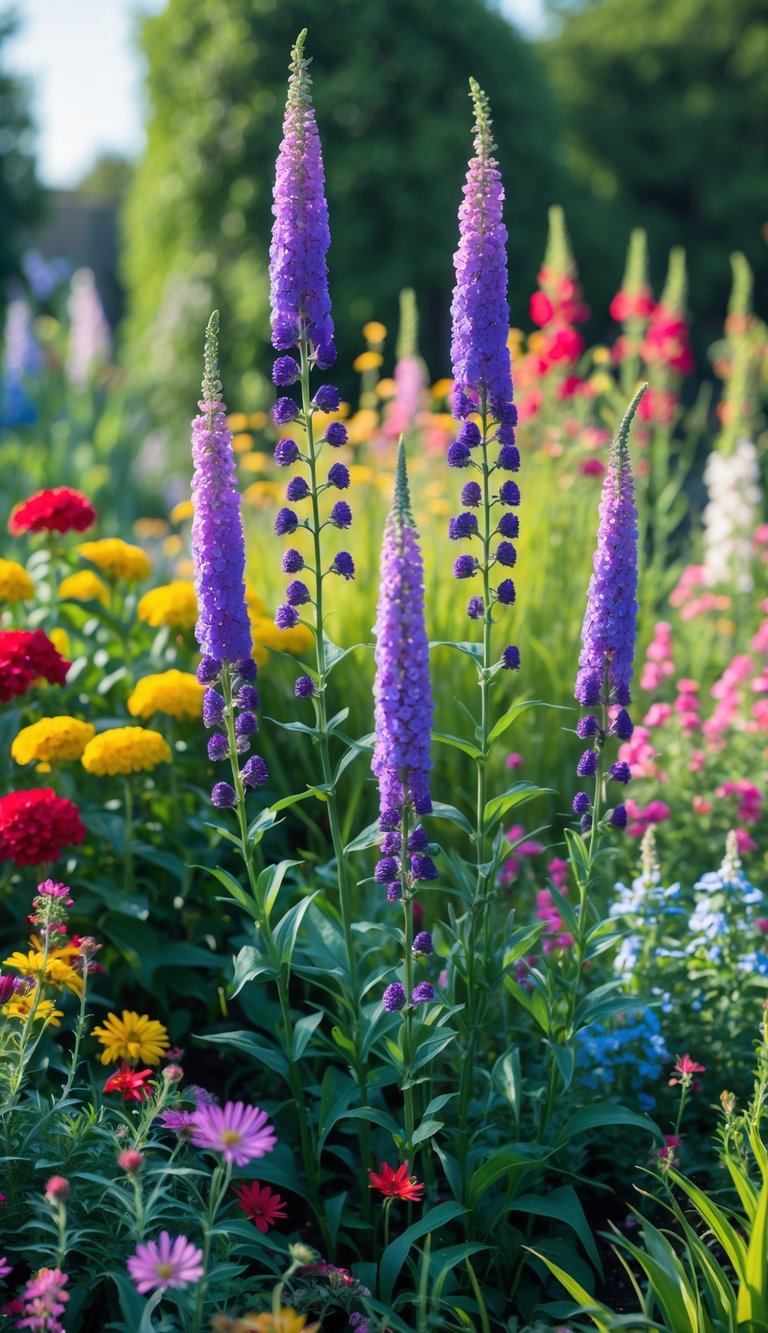
I like to use Joe-Pye Weed as a background plant because it can grow up to 7 feet tall. Its purple-pink flowers bloom from midsummer to fall. I’ve noticed bees and butterflies flock to it, adding a little extra life to the garden.
2. Plant purple coneflowers to attract pollinators
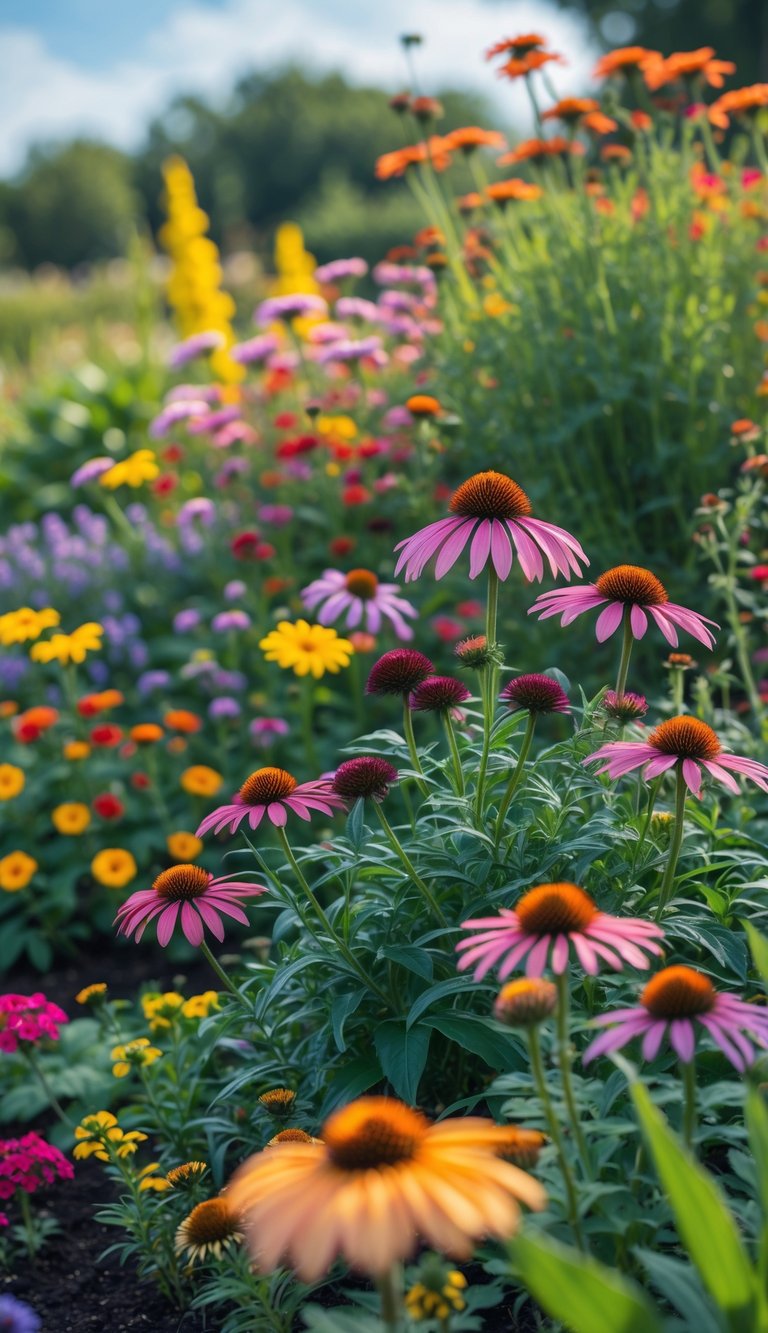
I like to add purple coneflowers to my garden beds. These plants are easy to grow and do well in sunny spots with well-drained soil. Bees and butterflies seem to love them, and the blooms stick around for ages.
3. Use pale pink Culver’s root for soft contrast
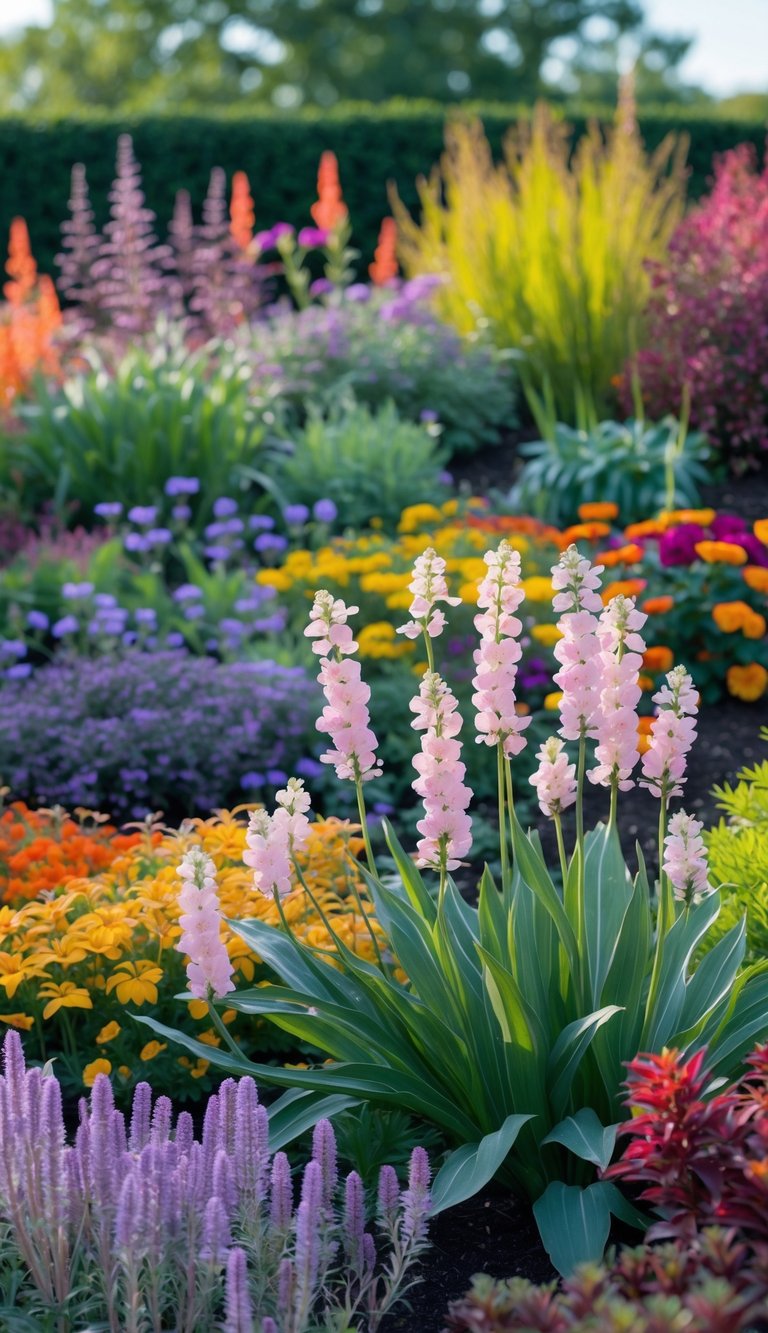
Pale pink Culver’s root gives a gentle accent in my garden beds. Its tall, slender spikes add height but keep things looking light. The soft pink flowers play nicely with bold, colorful perennials nearby.
4. Incorporate flowering sedums for late-season color
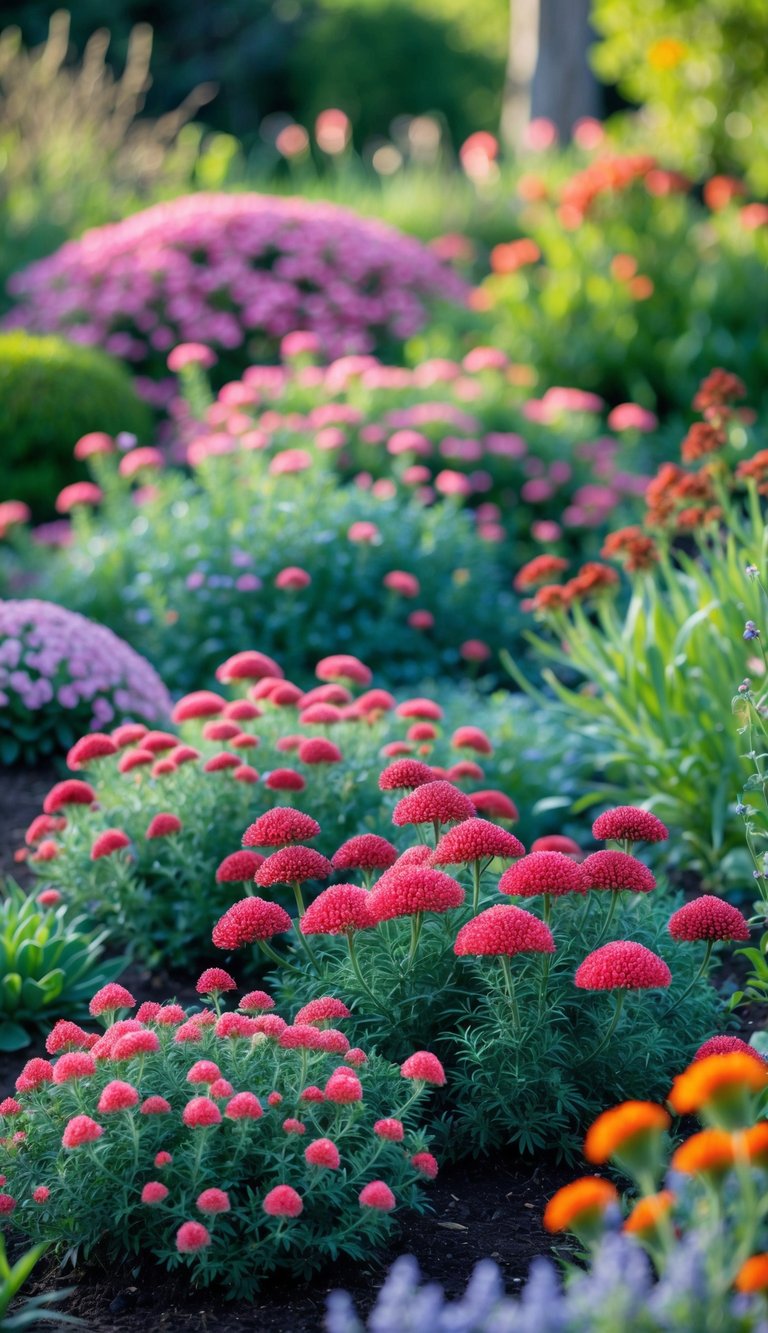
Sedums add color late into the growing season for me. These tough perennials bloom when a lot of other flowers are already fading. ‘Autumn Joy‘ sedum, in particular, keeps my beds colorful well into fall.
5. Add rhododendrons for evergreen structure
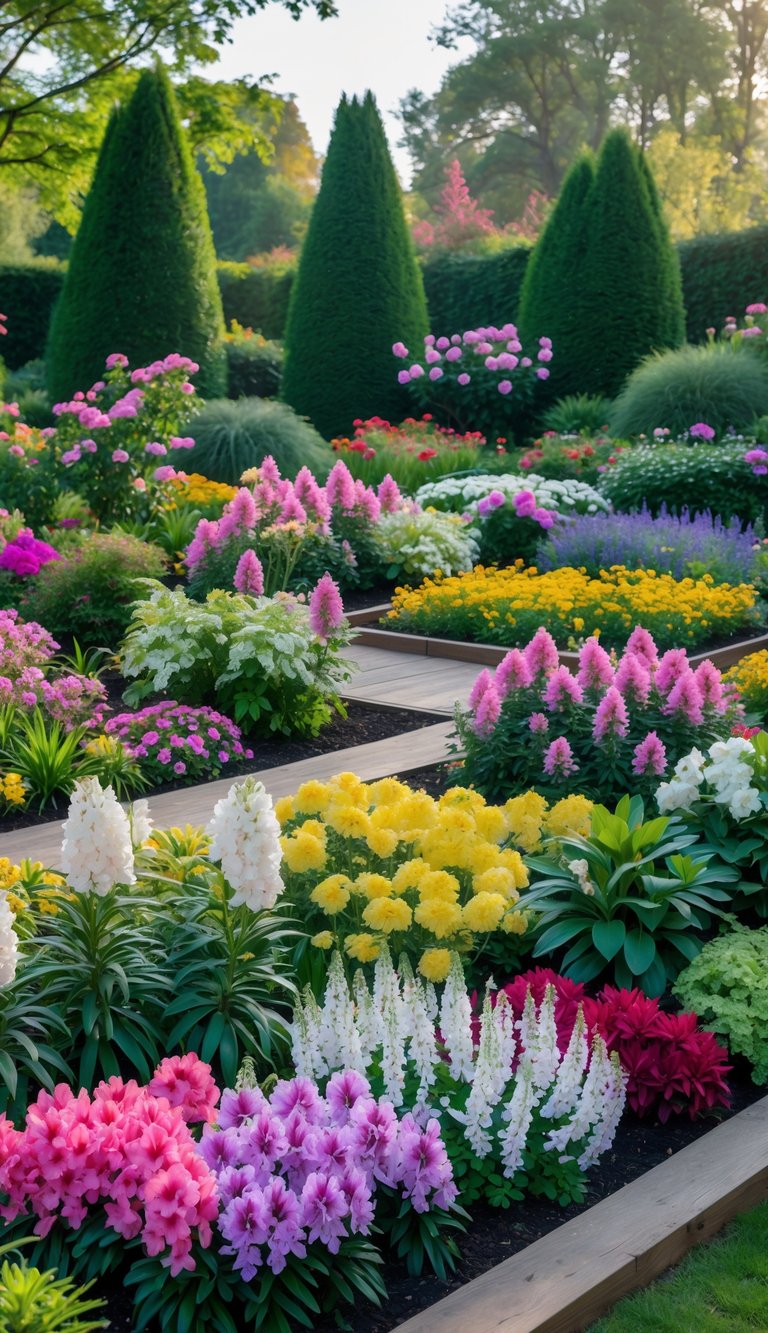
Rhododendrons keep their leaves year-round, so I rely on them for structure. Their green foliage helps the garden look full, even in winter. I usually plant them near the back to give some height and backbone to my perennial beds.
6. Include winter daphne for winter fragrance and blooms
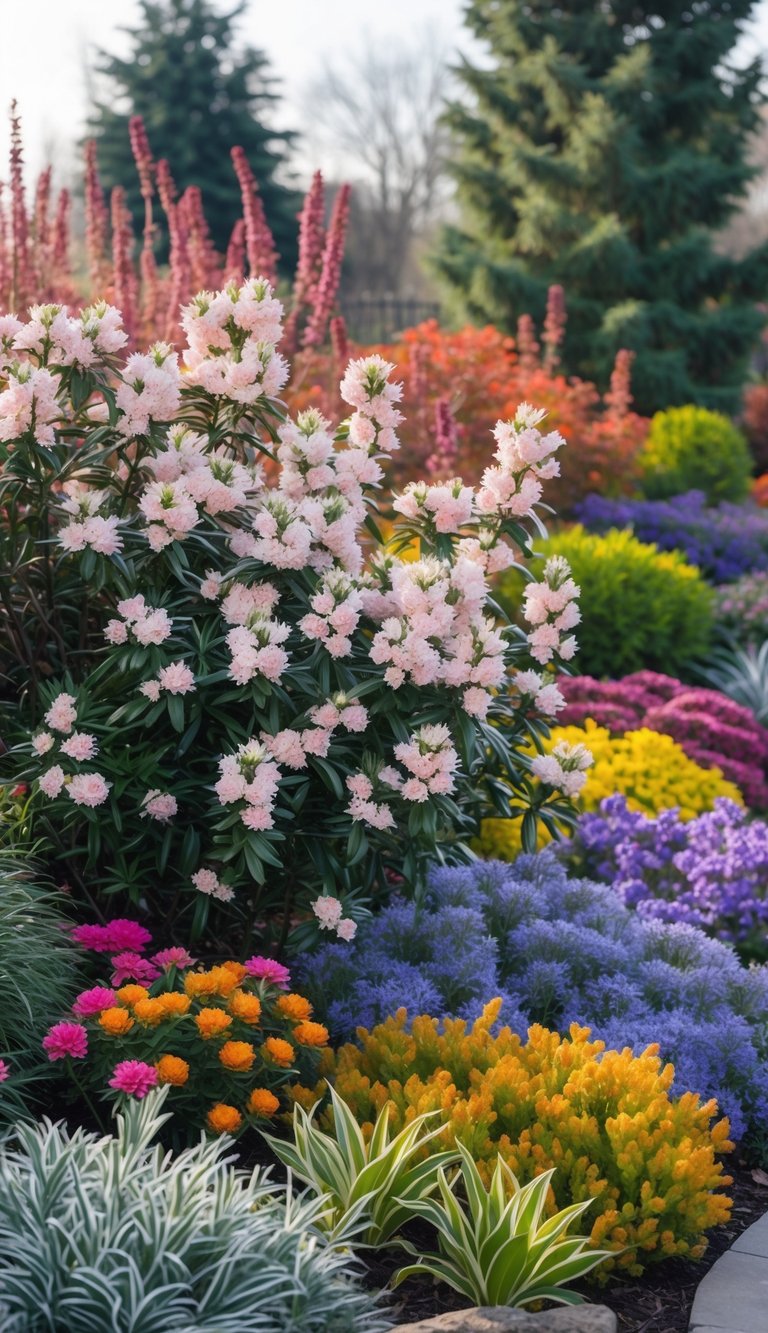
I add winter daphne to my garden because it brings color and a strong scent in late winter and early spring. The flowers really stand out when most other plants are still resting. I like its evergreen leaves and compact size—it’s a good little shrub.
7. Display chrysanthemums in containers for fall color
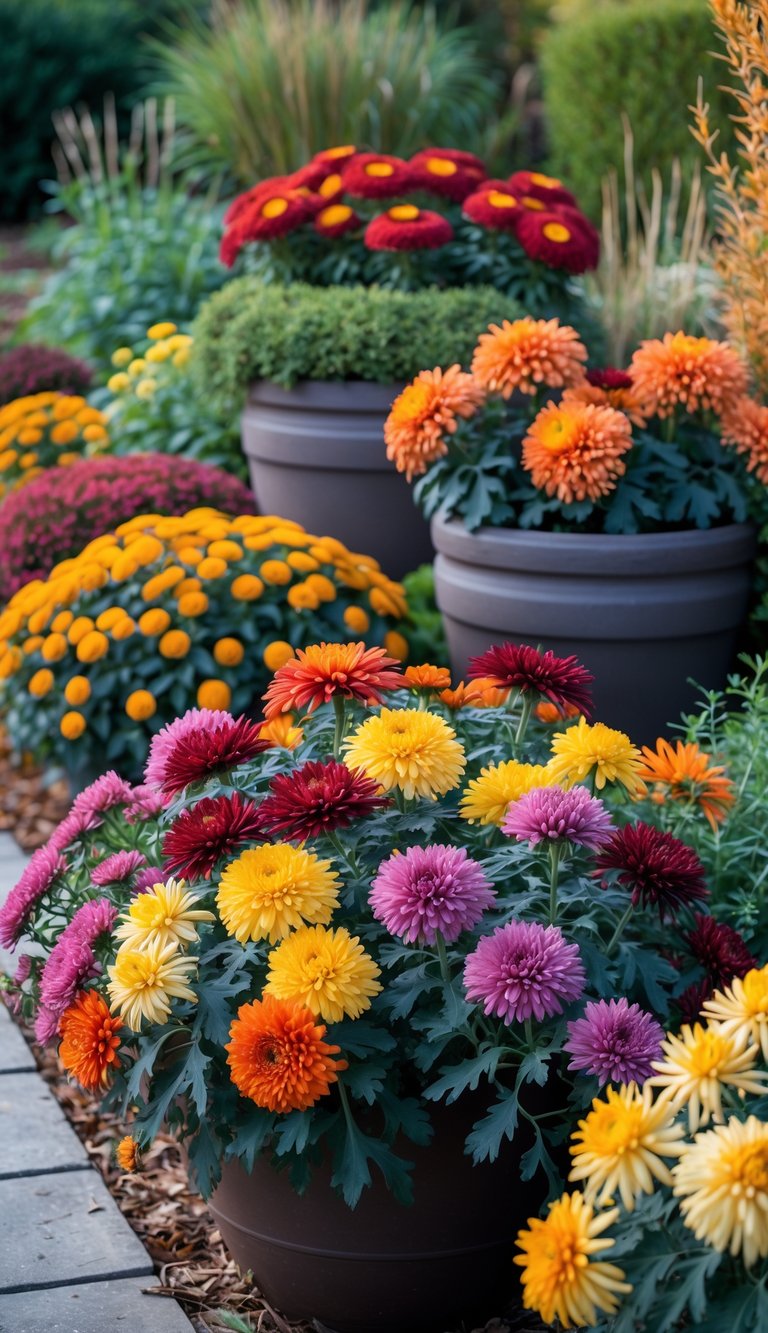
I use chrysanthemums in containers for a burst of fall color. I scatter pots at different heights for more visual interest. Mums look great on porches and patios, and they pair well with other fall plants.
8. Use asters for vibrant late-season flowering
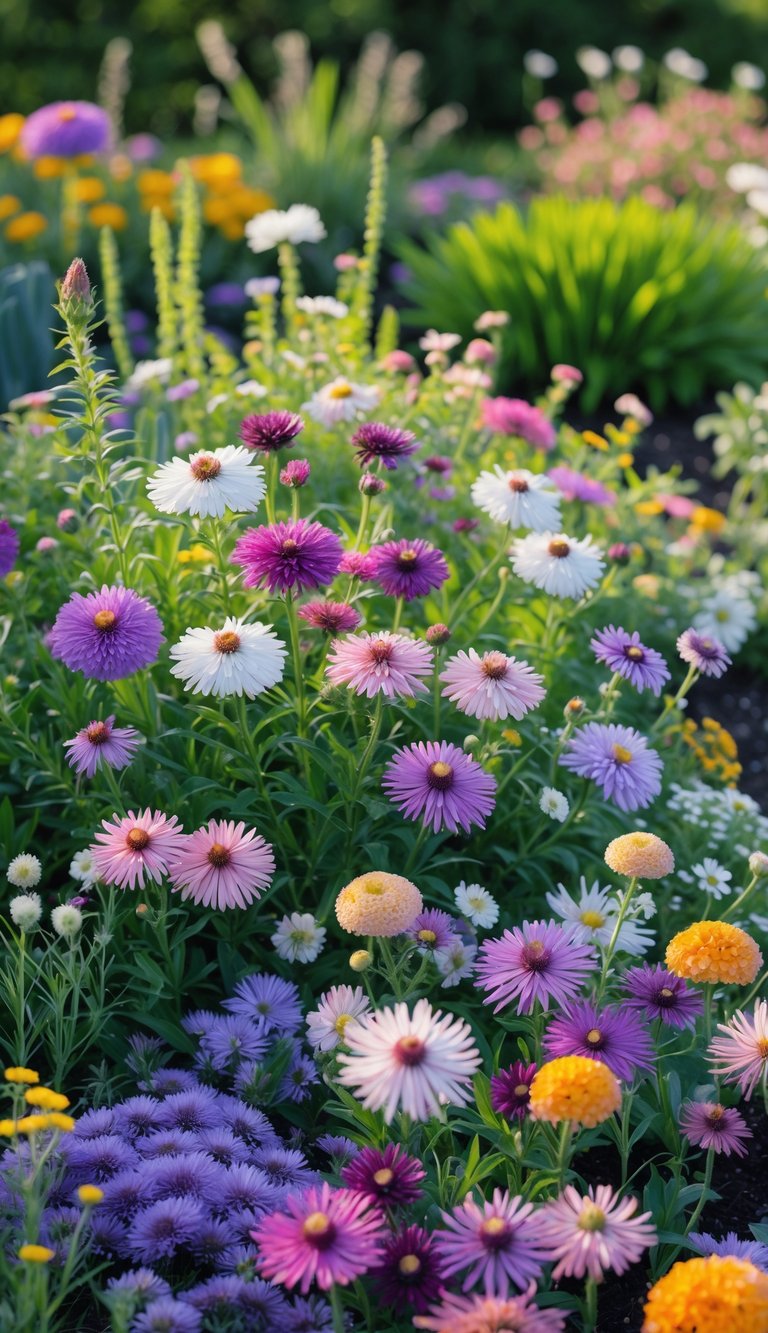
Asters are my go-to for late-season color. These perennials throw out daisy-like flowers in purple, blue, and pink just when you think everything else is winding down.
9. Design beds with varying sun exposure for diverse bloom times
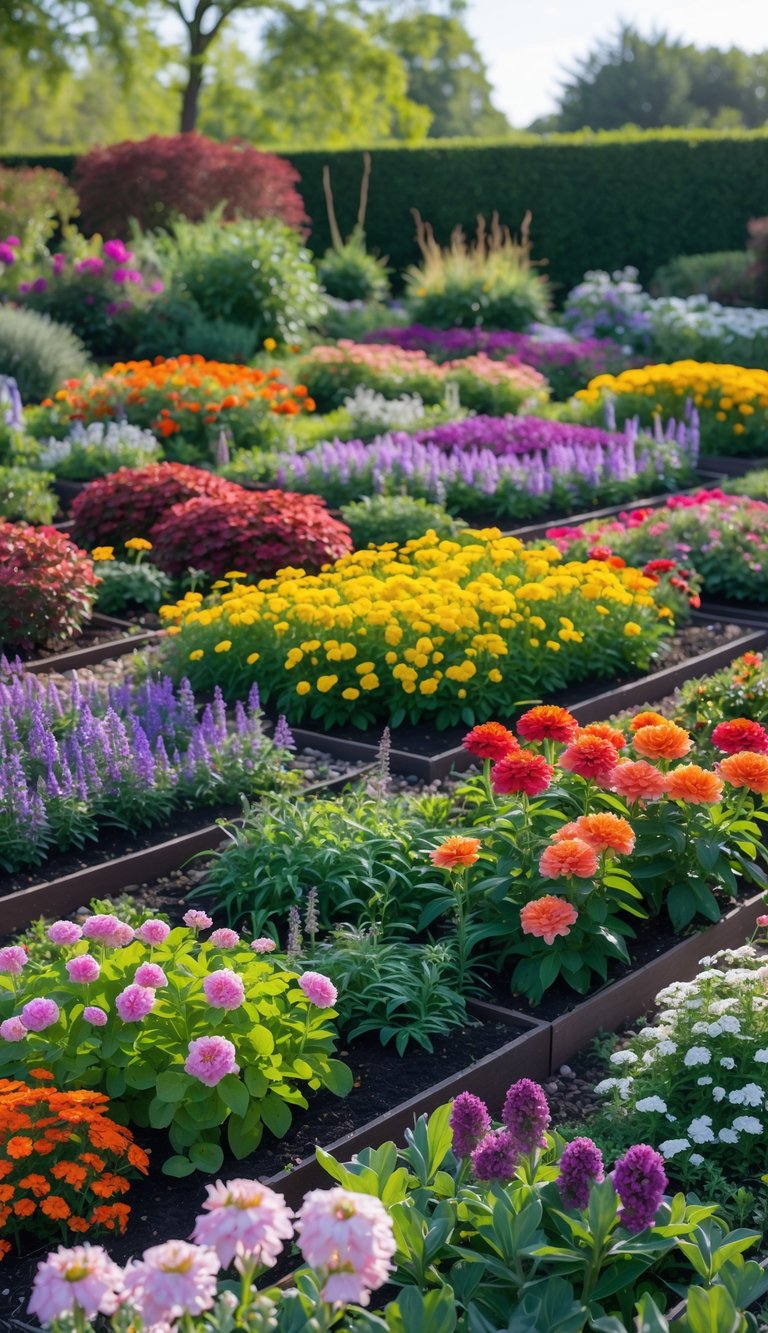
I place some flower beds in full sun and others in partial shade. That way, different plants bloom at different times. I group tall plants where they get more sun and tuck shorter ones into shadier spots.
10. Add iris for bold spring color
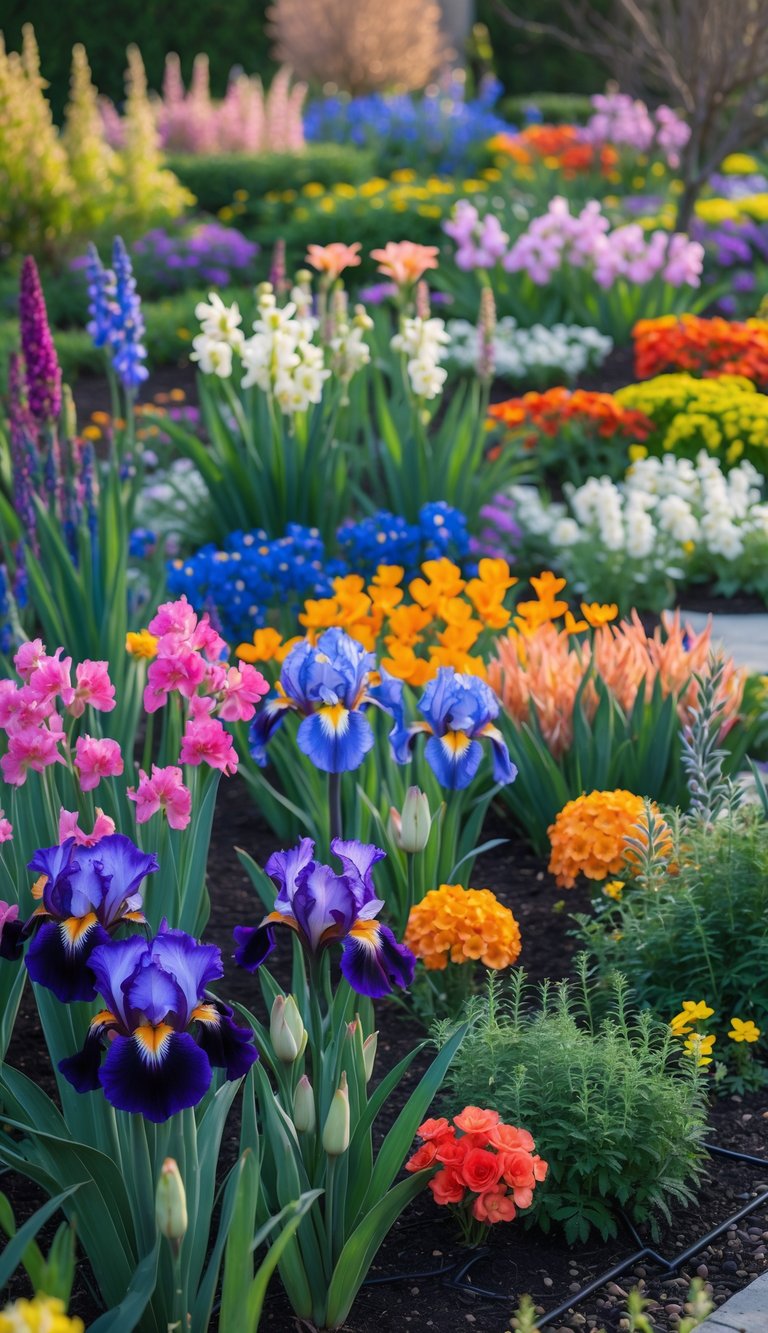
I plant iris to bring bold color to my spring garden beds. They bloom in late spring and those upright flowers are hard to miss. I like mixing iris varieties with other perennials for a longer show. Every few years, I divide my iris to keep them happy.
11. Intersperse Joe-Pye Weed with native grasses
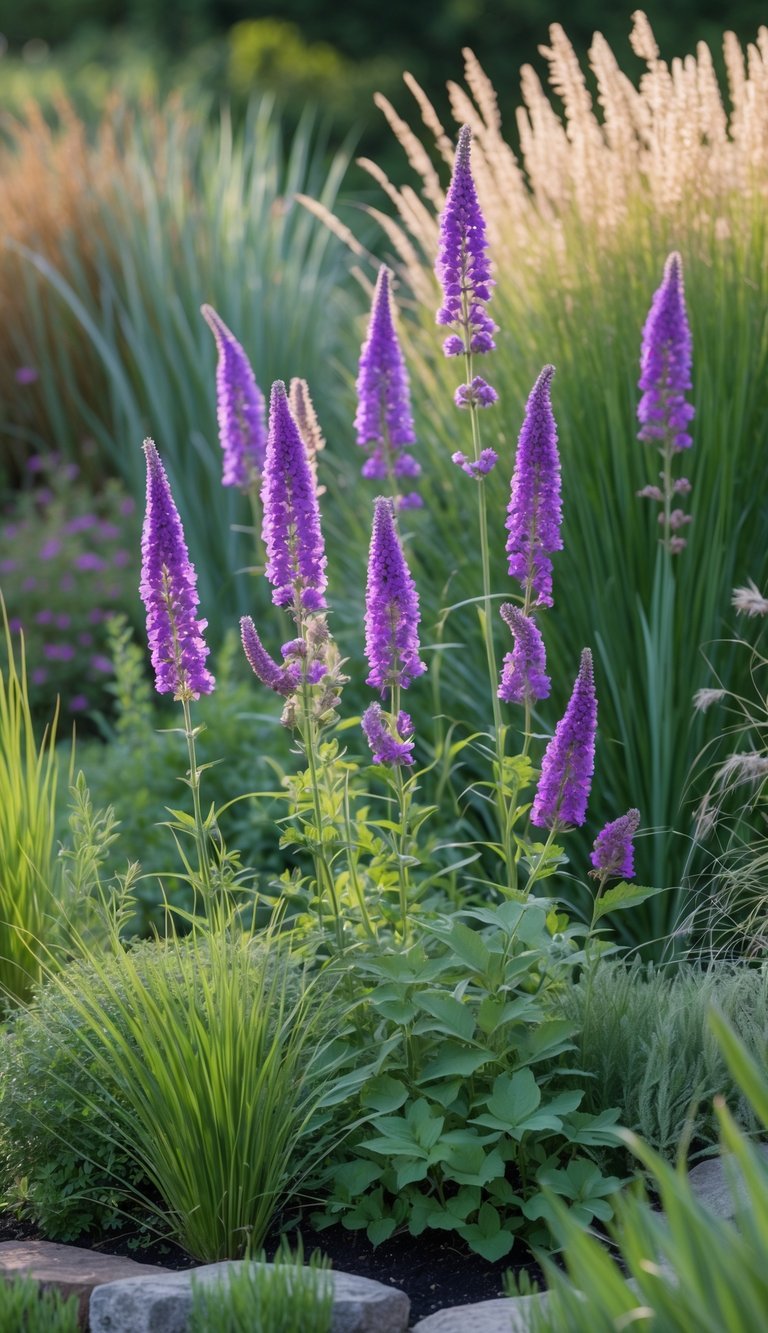
I mix Joe-Pye Weed with native grasses to add height and texture. The tall mauve-pink flowers attract bees and butterflies. Native grasses help support the stems and add a little movement to the garden.
12. Plan compost addition in garden beds annually
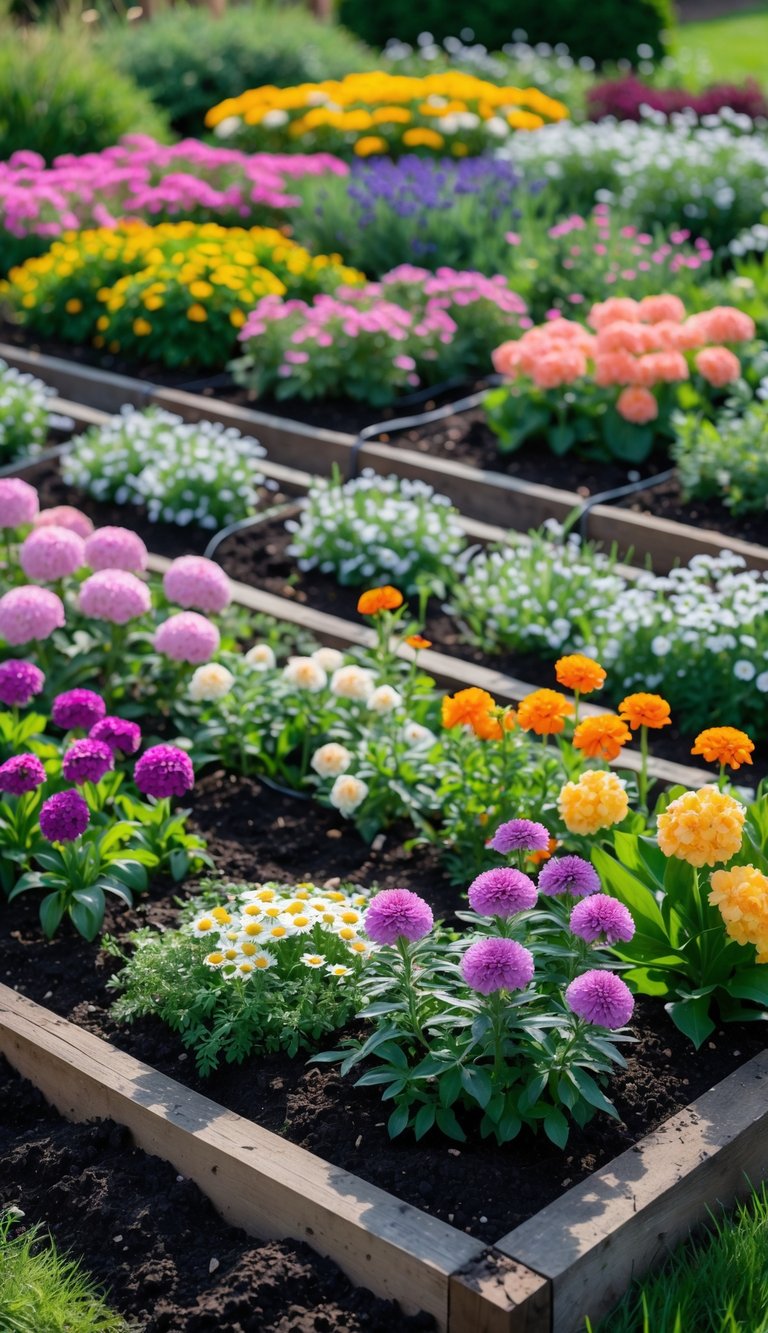
I add compost to my garden beds every year to boost soil health. That helps my perennials grow stronger and bloom longer. I usually toss on a thin layer each spring to refresh the nutrients.
13. Mix summer-to-fall bloomers for continuous color
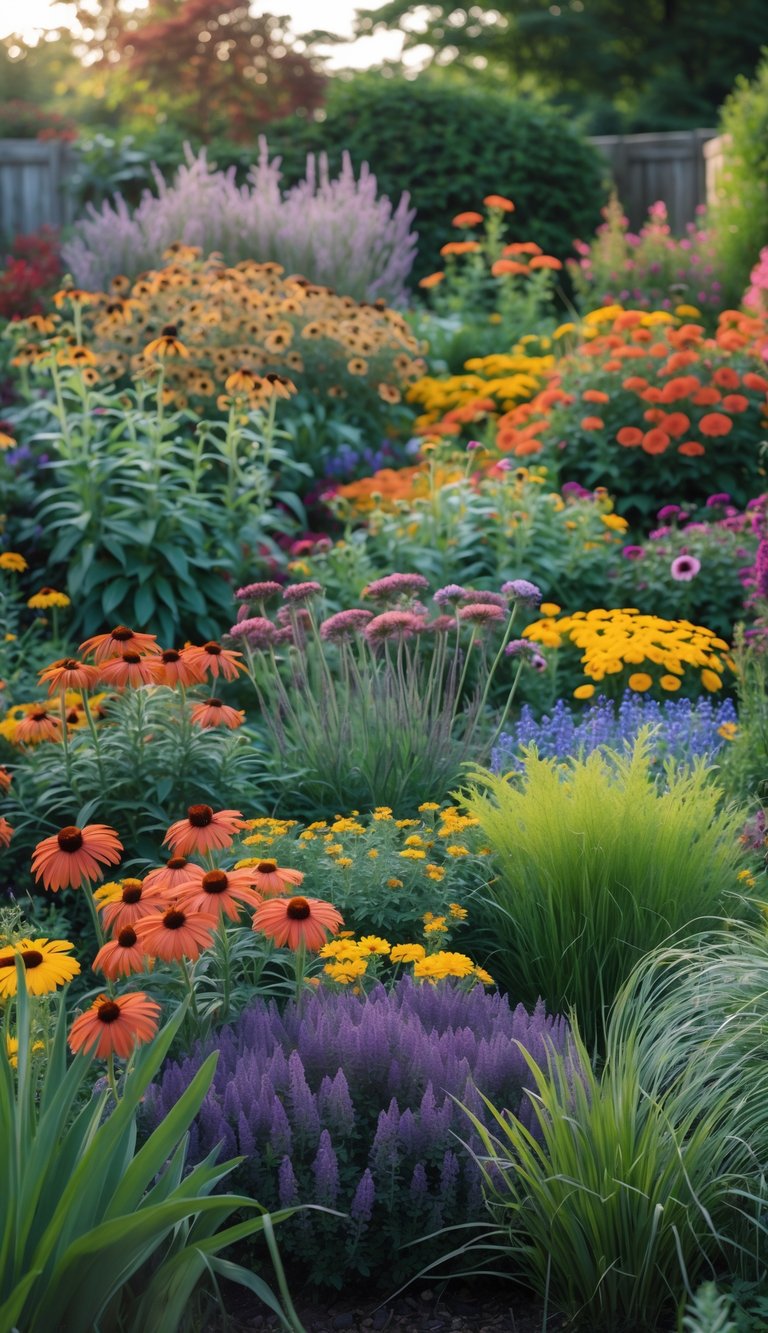
I go for flowers that start blooming in summer and stick around until fall. Garden phlox and daylilies are solid picks. Mixing them with late-summer bloomers keeps the color going strong.
14. Create layered heights to add garden depth
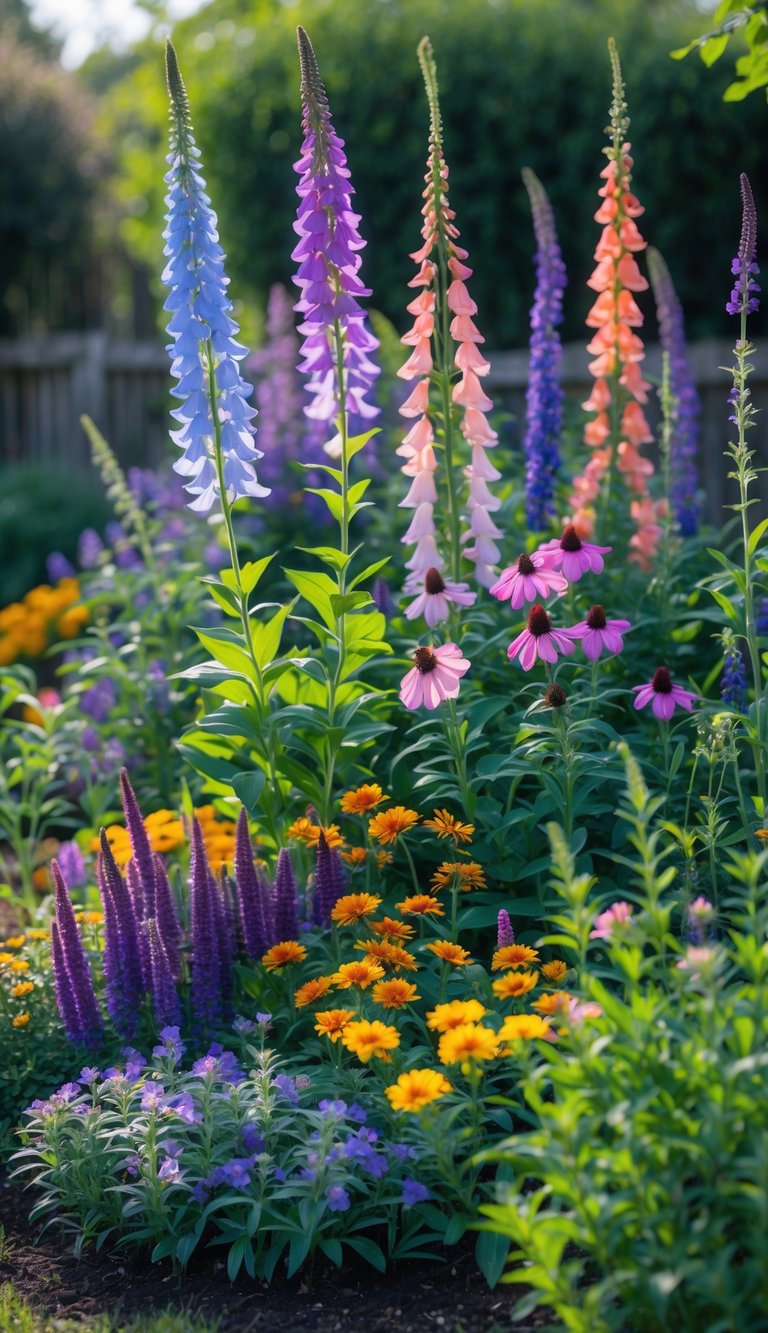
I use plants of different heights to make my perennial garden look more interesting. I put taller plants in the back, medium ones in the middle, and shorter flowers up front. That way, everything gets a chance to shine and the garden feels nice and full.
15. Use plants suited for your USDA zone
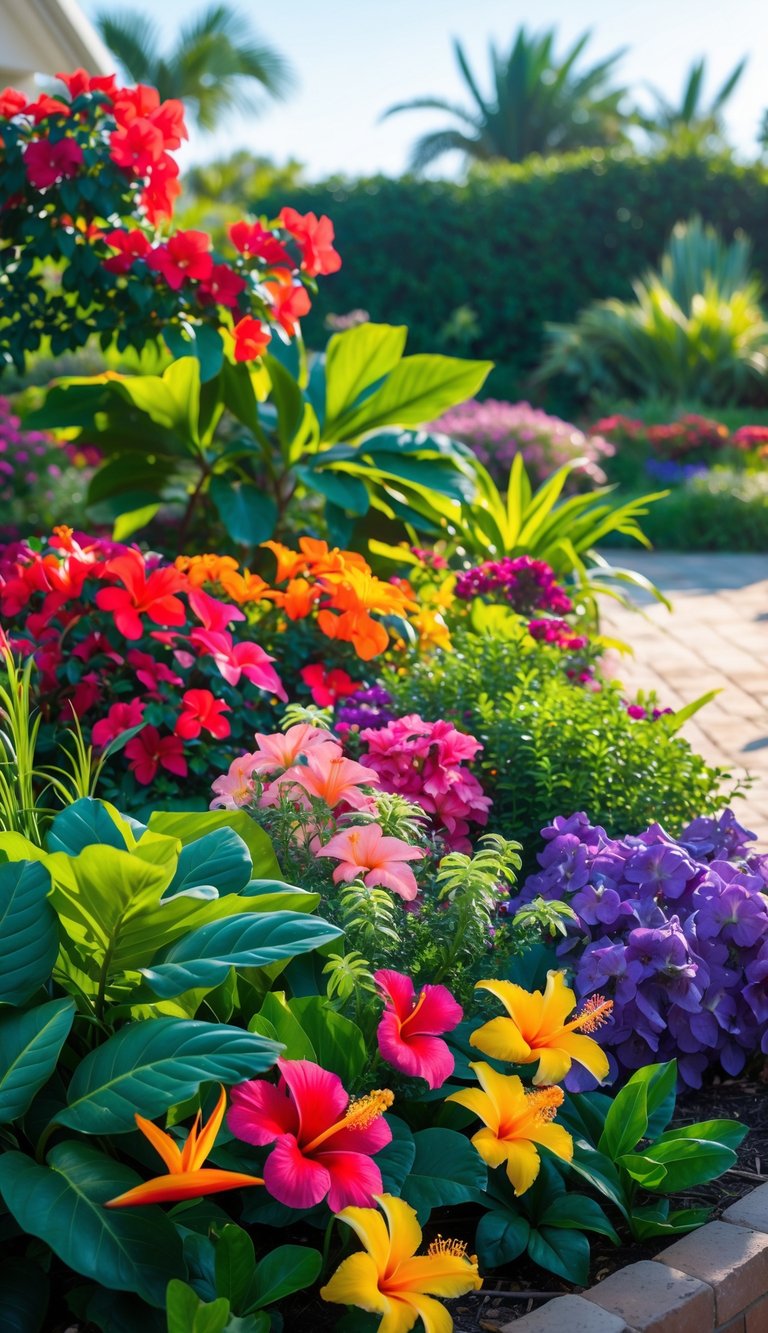
I always check my USDA hardiness zone before picking perennials. That way, I pick plants that’ll make it through my local winters and summers. Some perennials can handle freezing cold, while others need milder weather. If I match plants to my zone, my garden usually keeps blooming all season.
16. Group perennials by color for visual impact
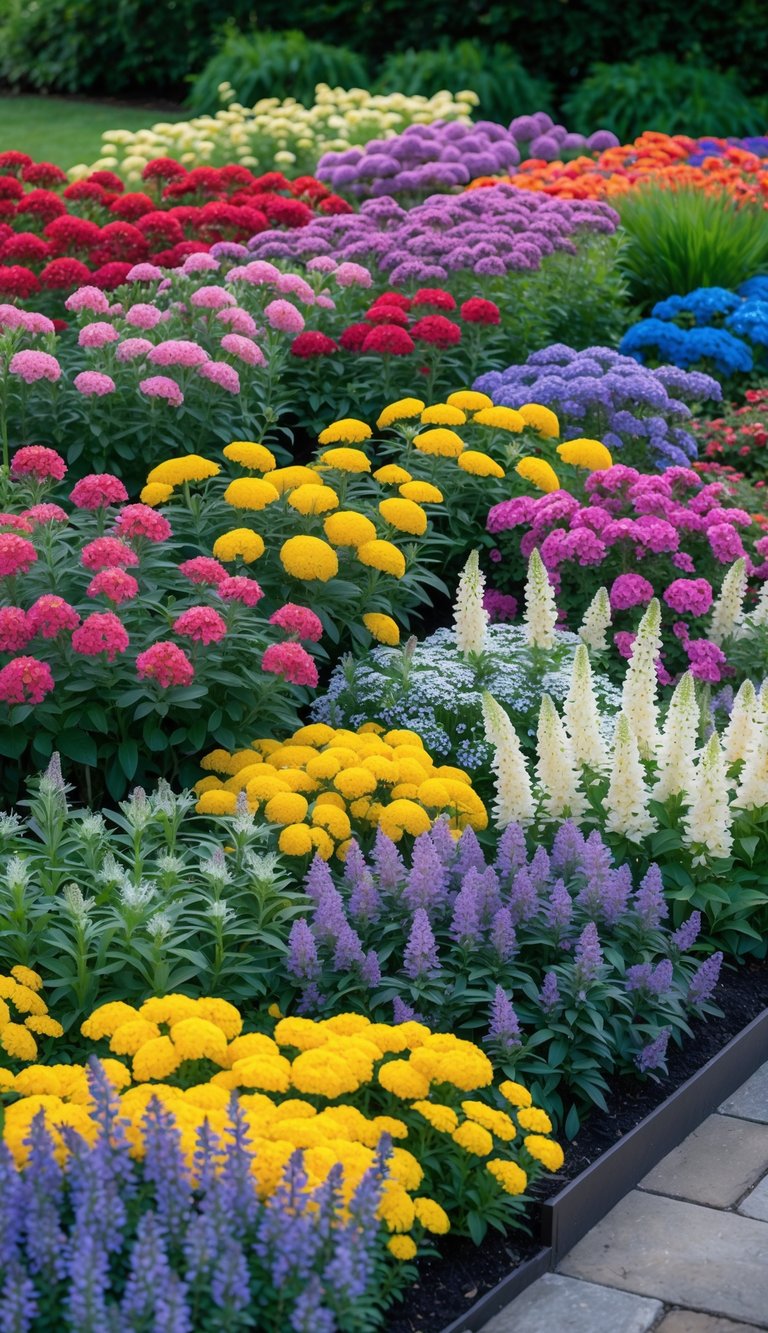
I like to group flowers by color—it just makes the garden pop. Each color stands out instead of getting lost in the mix. I find it’s easier to appreciate every bloom that way.
17. Include reblooming perennials like daylilies
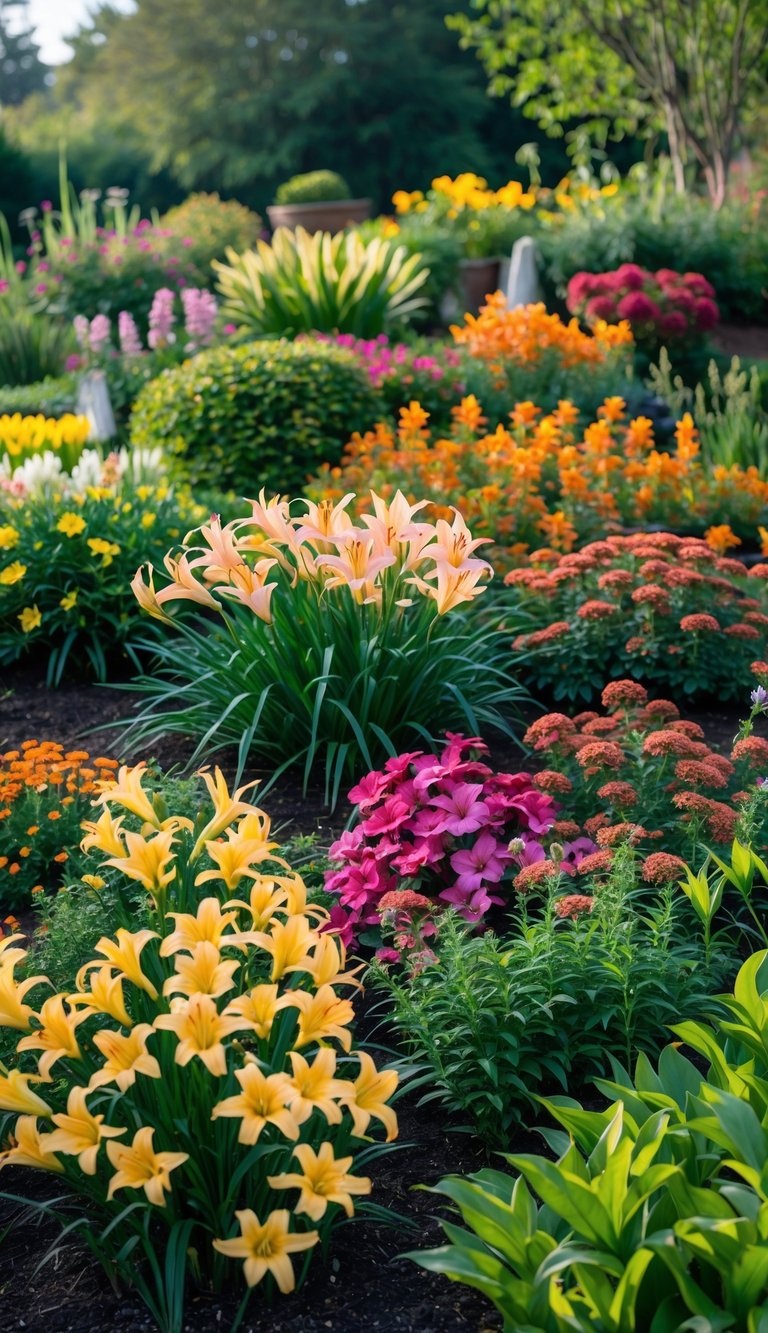
I like adding reblooming perennials such as daylilies to my garden since they keep the color going for most of the season. Daylilies come in all sorts of colors, and honestly, they’re so easy to grow. They shrug off weird weather and barely need any fuss—what more could you want?